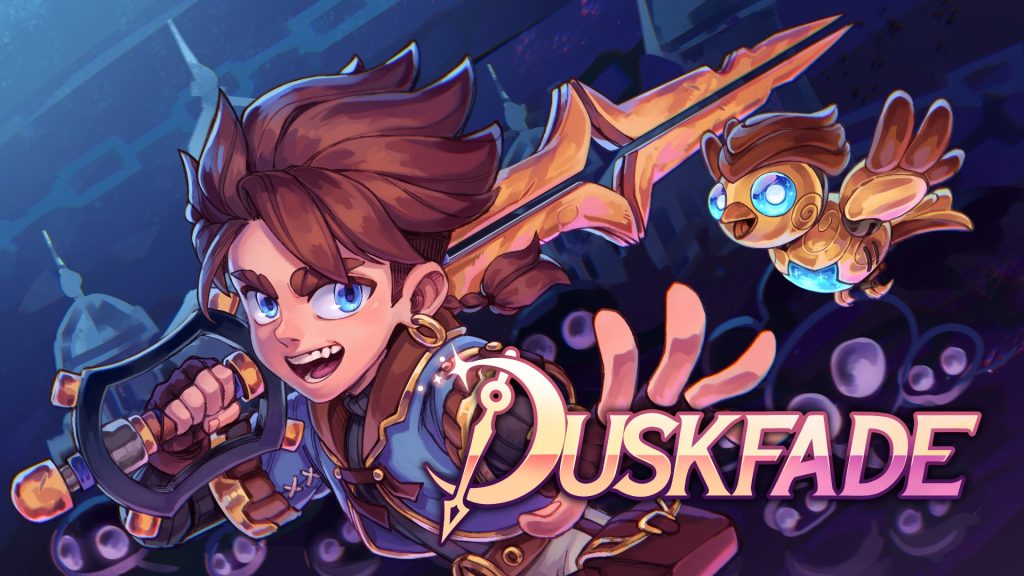
Duskfade – The PS2 Era Returns With All Its Strengths and Weaknesses
Duskfade is worth considering for players who miss colourful PS2-style action-platformers and can tolerate basic combat, floaty movement and backtracking.


If you enjoy independent indie game coverage, consider supporting Indie-Games.eu on Patreon. It helps keep the site independent.
Reus 2 is a god-simulation game where you control massive Giants and shape entire planets from the ground up. Your job is to create new worlds by placing biomes such as forests, deserts, oceans, tundra, and wetlands. After you shape the land, humans begin to settle and form societies. The main idea of the game is that nature and human life always react to your choices. What you create or destroy affects how people live, grow, fight, or even collapse. Because every world starts from scratch, each playthrough can feel different depending on what choices you make.

Reus 2 gives you the feeling of power and creativity, meaning you can shape continents, choose how animals spread, place plants that change the balance of nature, and add minerals that influence the growth of villages. All of these small decisions slowly form a living world. The game allows many possible combinations, which makes it easy to build peaceful lands, wastelands, or worlds full of strange mixes.
Another positive part of Reus 2 is how it mixes simple controls with deeper ideas. At first, the game is not hard to understand. You pick a Giant, choose a tile on the planet, and decide what biome or resource to place. As you continue, the systems become deeper. Humans start reacting to the environment you created: they build villages in good spots, struggle in harsh places, or even try to hunt the Giants if they feel threatened.
Generally, people do not just sit still – they grow, create new technologies, form leaders, explore new areas, or even fight with other settlements and sometimes they reach golden ages. You never fully control them, but you guide them through the world you created. This central idea makes Reus 2 less of a traditional god game where you dominate, and more of a puzzle about balance, planning and synergy between all elements of a living world.
Humanity also becomes more varied thanks to the various eras such as the Hunter Age, Enlightenment, Age of Discovery and even the Nuclear War age. These eras change depending on the planet you create and how well humans adapt to the world around them. On top of that, each playthrough is not too long, so the game works well even when you have limited time. You can build a world, test out an idea, see what happens, and then start a new one with a different approach.

One of the most common issues in Reus 2 is that the game has many systems that connect to each other, and the interface does not always explain these connections clearly. For example, plants and animals can change each other’s effects, and different biomes react in unique ways. Human societies also have needs and desires that depend on the resources you place. Because these systems are layered on top of each other, early playthroughs can feel confusing.
Sometimes the game does not clearly explain why a civilization failed, why a creature died out, or why your ecosystem did not function as expected. Another weakness is that the game can become repetitive after many playthroughs. Even though the choices are varied, some combinations of biomes and resources work better than others. Once you learn these patterns, it can feel like you are repeating the same steps.
The slower pace is also something to consider because Reus 2 is not a fast game. Many actions take time to unfold, and you need patience to watch societies develop. It might be relaxing for some, but others may wish for more direct goals or challenges. In general, Reus 2 is best suited for players who enjoy creating worlds, experimenting with nature, and watching how societies grow. In my opinion, the DLCs are worth it and add even more variety.

The first major expansion for the game was the Ice Age DLC. This DLC introduces a full Ice Age biome with frozen land, cold environments, and a special variant of the Frost Giant. It also adds more than forty new life-forms, including new plants, animals, and minerals that work only in cold climates. The Ice Age pack also adds new human leaders, new society paths, and new ways for civilizations to grow or fail in harsh temperatures.
The next expansion was the Everglades DLC that adds a Wetlands biome, which mixes land and water to create swamps and marshes. It brings more than sixty new life-forms suited for aquatic environments. It also introduces a new Giant with swamp-based powers, new leaders for human societies, and new development paths inspired by the way wetlands support life. The new biome changes how the planet flows, since water and land react differently and influence how people settle. The DLC also introduces extra projects and ideas that expand the late-game variety.
In the end, Reus 2 is a creative and thoughtful god-game that builds on the strong ideas of the first Reus and expands them with more freedom, more biomes, and deeper systems. It can feel confusing at first and sometimes repetitive, but the joy of building new ecosystems and seeing how humans adapt gives the game a special feeling. With the DLCs included, the game becomes a large and varied toolbox for world-building, making it one of the best modern titles in the “create-your-own-planet” genre.
Review copy provided by the publisher
Duskfade is worth considering for players who miss colourful PS2-style action-platformers and can tolerate basic combat, floaty movement and backtracking.
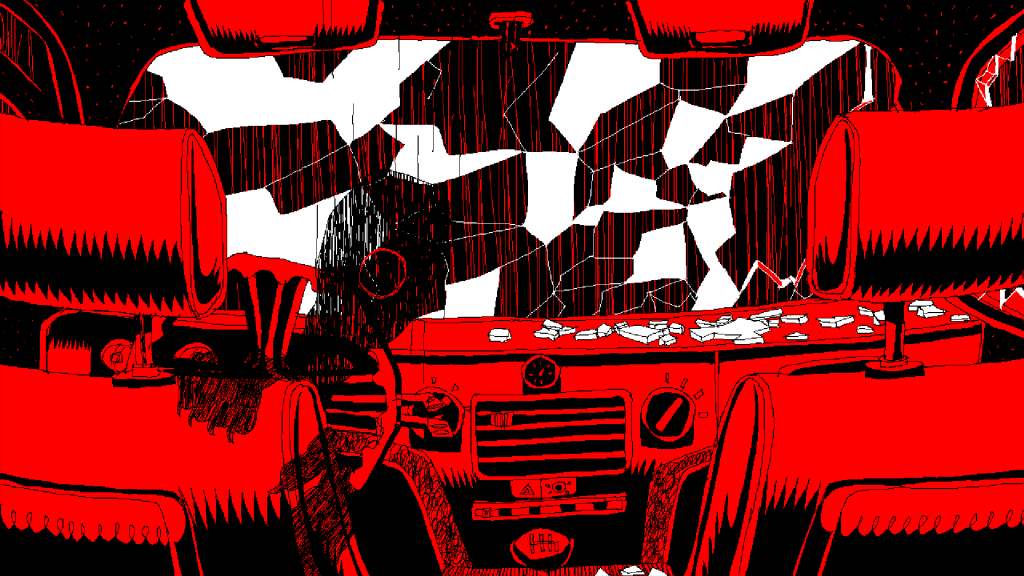
Man I Just Wanna Go Home is a noir crime story with visuals from MS Paint and life-or-death choices.
![[GAMESCOM 2026] Vikings Dynasty Preview – Expands the Dynasty Formula](https://www.indie-games.eu/wp-content/uploads/2026/09/Viking-Dynasty-09-21-26-2-1024x576.jpg)
After showing me Prospera at Gamescom 2026, Toplitz Productions' Mathias Oertel moved to a very different kind of settlement builder.…
![[GAMESCOM 2026] Prospera Preview – Production, Prosperity and Victorian Industry](https://www.indie-games.eu/wp-content/uploads/2026/09/Prospera-09-21-26-5-1024x576.jpg)
At Gamescom 2026, I met with Toplitz Productions' Mathias Oertel for a guided presentation of two upcoming games. One of…
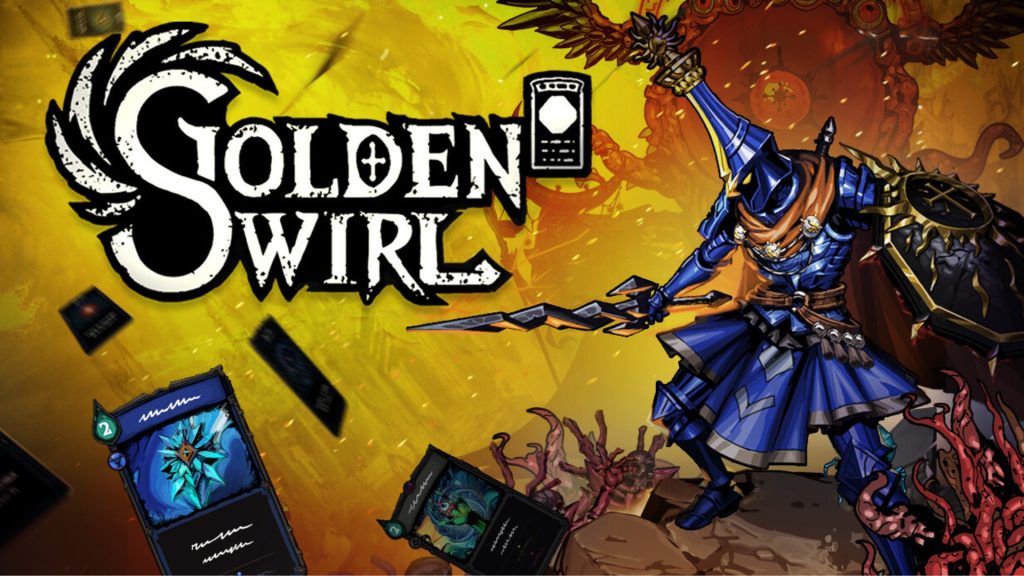
Golden Swirl inventive card combat carries the experience, but repetitive rooms, weak upgrades and excessive dialogue hold it back.
![[GAMESCOM 2026] Wilderdark Preview – Ambitious Dinosaur Horror Game That Still Has Plenty to Prove](https://www.indie-games.eu/wp-content/uploads/2026/09/Wilderdark-1024x576.jpg)
Dinosaur survival horror game Wilderdark has one of those premises that immediately makes you wonder why more games have not…
![[PREVIEW] Tiny Metal 2 – Strategy Game That Wants You to Learn From Every Mistake](https://www.indie-games.eu/wp-content/uploads/2026/09/Tiny-Metal-2-1024x576.jpg)
I rarely enjoy discovering that my opening strategy was completely wrong, but Tiny Metal 2 made that process one of…
![[PREVIEW] Remothered: Red Nun’s Legacy – Ambitious Survival Horror That Needs More Polish](https://www.indie-games.eu/wp-content/uploads/2026/09/Remothered-Red-Nuns-Legacy-4-1024x576.jpg)
Remothered: Red Nun’s Legacy has a gripping atmosphere and promising survival tools, but its repetitive hiding and rough visuals need…
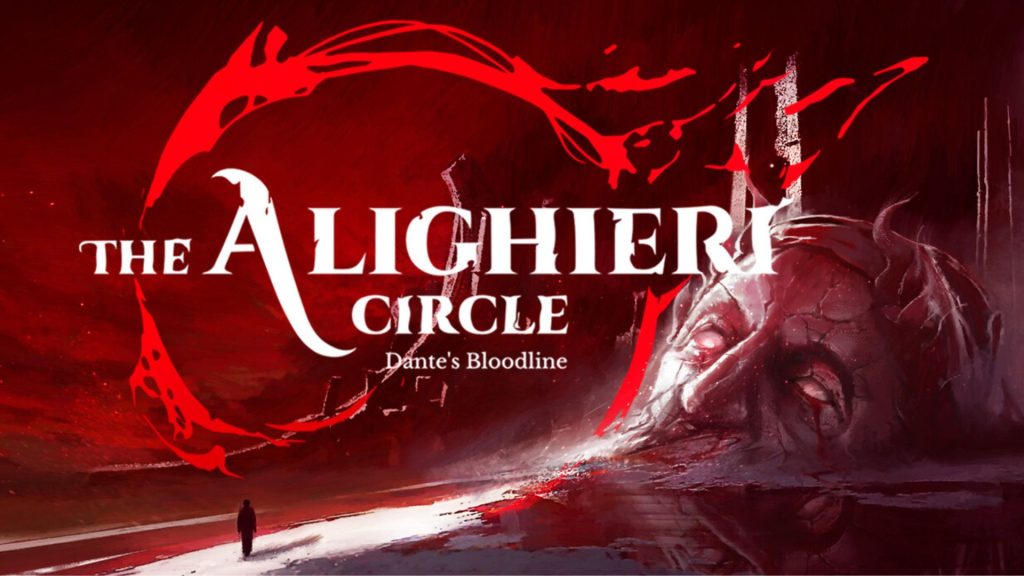
The Alighieri Circle: Dante’s Bloodline is difficult to recommend beyond players who are especially interested in Dante or enjoy solving…
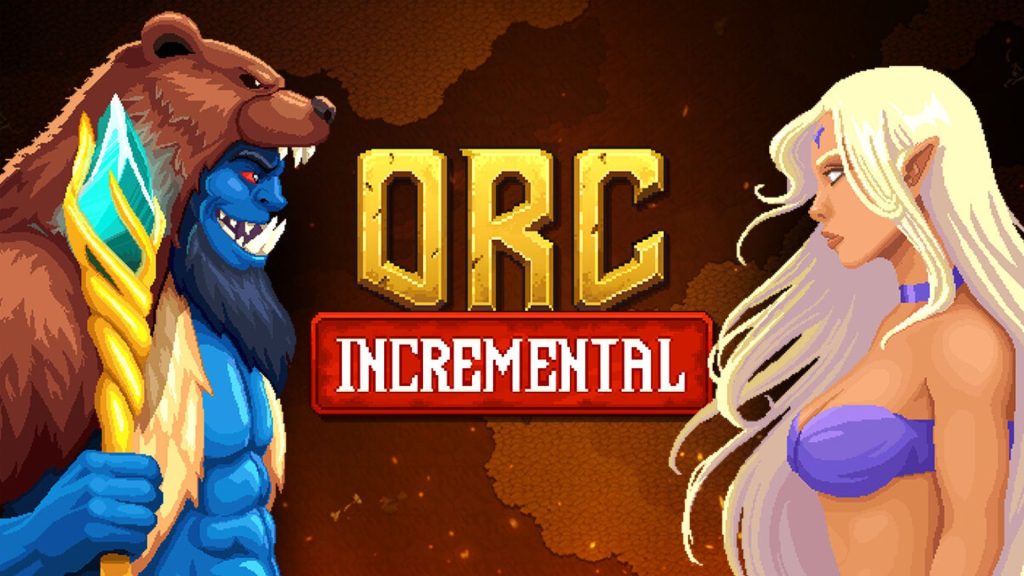
Orc Incremental offers satisfying progression, entertaining totem combinations and enough content to justify its affordable price.
![[GAMESCOM 2026] Chronoscript: The Endless End Preview – Beautiful Pages Hide Deliberate Combat](https://www.indie-games.eu/wp-content/uploads/2026/09/Chronoscript-The-Endless-End-1-1024x576.jpg)
Chronoscript: The Endless End stands out from other Metroidvanias by blending 2D manuscript worlds with exploration inside a 3D manor.
![[GAMESCOM 2026] MegaGum Preview – Combat Hits Hard in This Sticky Platforming Adventure](https://www.indie-games.eu/wp-content/uploads/2026/09/MegaGum-09-09-26-5-1024x576.jpg)
MegaGum combines hard-hitting combat, varied weapons and Gum-powered platforming in a promising Gamescom 2026 demo.
![[GAMESCOM 2026] Delphinium Preview – Cozy Routine Mixed With Enjoyable Minigames](https://www.indie-games.eu/wp-content/uploads/2026/03/Delphinium--1024x665.jpg)
Delphinium mixes cozy farming, exploration and relationships with enjoyable fishing, cooking and forging minigames in its Gamescom 2026 demo.
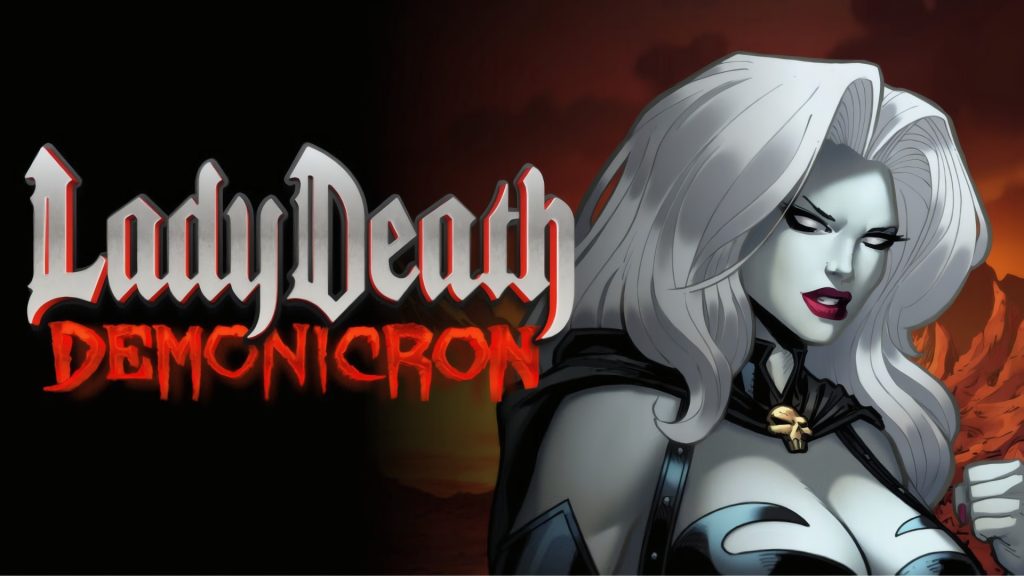
Lady Death: Demonicron looks the part, but underneath its excellent comic-book exterior is a clunky and painfully short brawler.
![[GAMESCOM 2026] Tomb Raider: Legacy of Atlantis Preview – Expands the Original Without Losing Its Identity](https://www.indie-games.eu/wp-content/uploads/2026/09/tomb-raider-legacy-of-atlantis-06-02-26-1-1024x576.jpg)
Tomb Raider: Legacy of Atlantis brings Lara back to her roots, but its Gamescom 2026 showing proved this is far…
![[GAMESCOM 2026] Clive Barker’s Hellraiser: Revival Preview – Ready to Open the Box](https://www.indie-games.eu/wp-content/uploads/2026/09/Clive-Barkers-Hellraiser-Revival-08-30-26-1-1024x576.jpg)
Hellraiser: Revival preserves the franchise’s sex, gore and psychological horror while delivering approachable survival-horror gameplay.

Swan Song creates a peaceful and forgiving puzzle space without removing the challenge that makes solving a difficult puzzle rewarding.
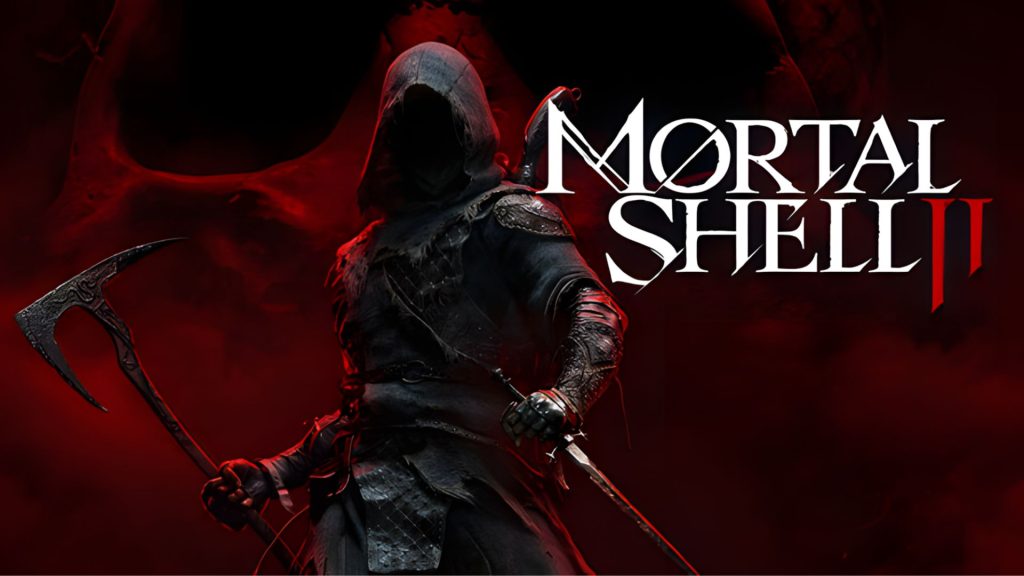
Mortal Shell II starts brilliantly but grows repetitive and exhausting, while remaining a rewarding and ambitious Soulslike sequel.
![[GAMESCOM 2026] Terranigma Preview – A Lost SNES Classic Returns in 2027](https://www.indie-games.eu/wp-content/uploads/2026/08/Terranigma-1-1024x576.jpg)
After more than three decades of limited availability, Terranigma is returning in 2027. We played its enhanced re-release at Gamescom…
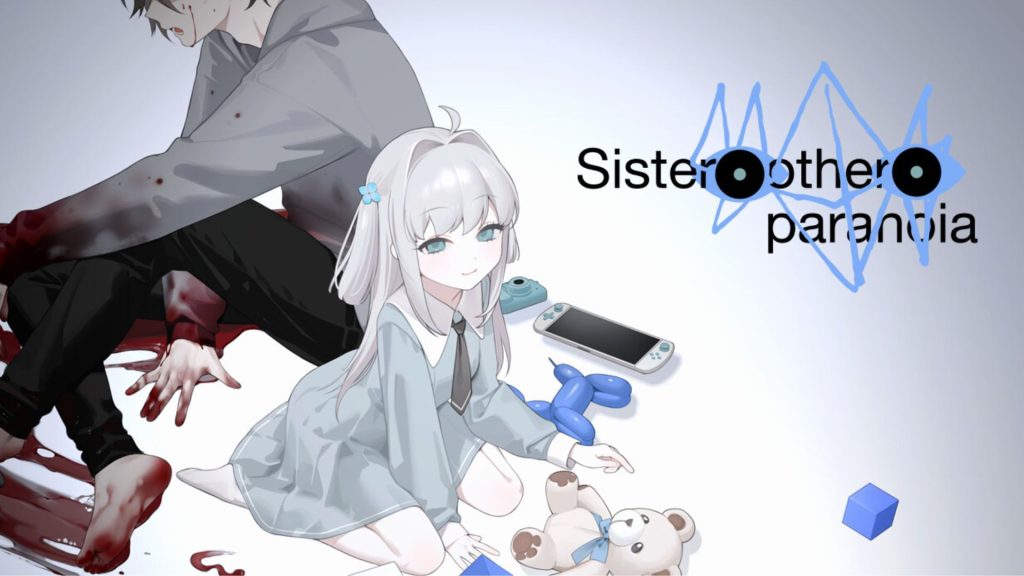
Reading another person’s mind is often presented as a desirable superpower, but Sister Other Paranoia immediately understands why it could…
