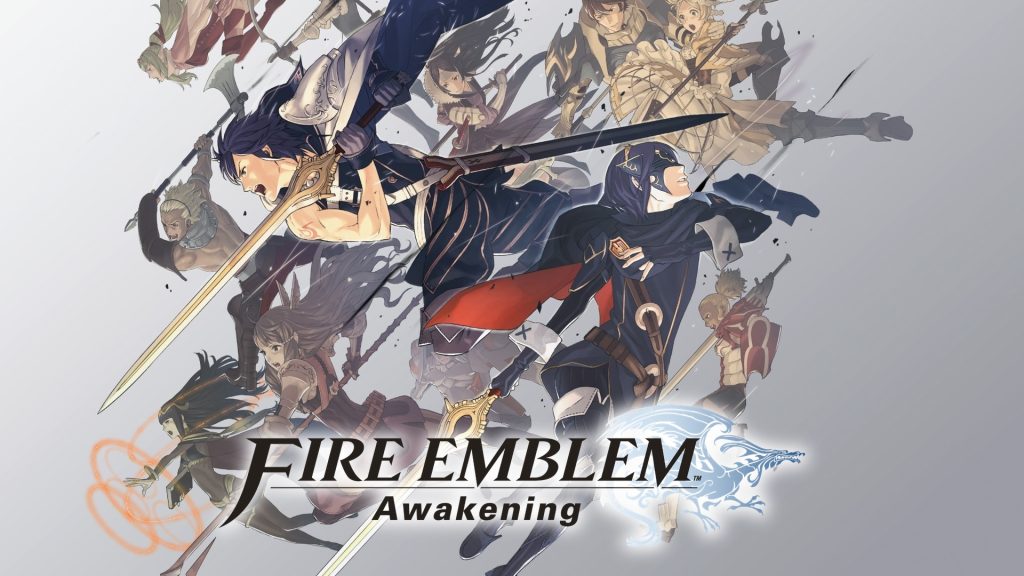
Fire Emblem Awakening Retro Review – Unfulfilled Potential
Awakening is worth playing if you enjoy developing characters, experimenting with tactical partnerships, and shaping an army over a massive…

![[Early Access] Seafarer: The Ship Sim – Needs More Time to Cook](https://www.indie-games.eu/wp-content/uploads/2025/10/20251021222228_1.jpg)
If you enjoy independent indie game coverage, consider supporting Indie-Games.eu on Patreon. It helps keep the site independent.
I’m a devoted simulation game fan, playing everything from shopping tycoons to forest ranger games. While I love the genre, it has issues: too many games feel AI-generated, are filled with bugs, fail at innovation, or quickly become repetitive and boring. That’s why I was so eager to accept Astrogon’s invitation at Gamescom in August to test Seafarer: The Ship Sim, a title promising a unique take on shipping. Now that it’s in Early Access, my impression is mixed. The game certainly has a great foundation: it looks fantastic and presents interesting ideas. However, it’s currently very bare-bones and, frankly, boring.
The first stop in the game is the character editor, and it is minimal. Every character model looks virtually the same, offering little more than a handful of clothing and accessory swaps. I must specifically call out the design of the female characters, which is disappointing. Fortunately, this lack of visual depth is easy to forgive, as customization is not a central feature of the game. Despite the visual monotony of identical crew members walking the deck, the voice acting is surprisingly decent and occasionally provides a funny moment that contrasts with the generic look.
This brings us to what Seafarer: The Ship Sim actually is. It is much more than just a cargo transport game. While the main focus involves loading and sailing massive ships, the experience is diversified by letting you play as a firefighter, a coast guard, or even moving the small tugs that assist the big vessels. This broad scope suggests a decent amount of varied content is already available in the Early Access build.
Luckily, there’s no restrictive level system, and everything revolves around money, which you can even loan. This prevents you from being stuck at the bare minimum at the start. While tutorials introduce the core gameplay, you’ll end up getting used to the mechanics quickly. I do have to admit that the game desperately needs a more detailed guide book or manual. The current one is available to check, but it frequently lacks the necessary details when you get stuck.
The actual steering of the ship is quite easy, and in most cases, you’ll be on auto-pilot mode. In other words, the game desperately requires an auto-skip function. It is genuinely frustrating to sail from one port to another, as this downtime turns into a boring simulator until the mission itself decides to skip you directly to the destination.

In contrast, you are able to check your ship’s engines and engage in mini-games (something Astrogon is quite famous for) while performing maintenance, like changing the cooling system or adding oil. That is, however, pretty much the extent of the cargo ship loop. You also need to unload the cargo and stage it for trucks, but this activity feels like pure busywork and isn’t engaging.
Cargo missions are surprisingly shallow. You only move 2–4 containers at a time, never loading the entire ship. Despite the ability to walk around the vessel, there is little to interact with beyond the helm, for example, none of the screens on the bridge serve any functional purpose. Also, there are no consequences for making mistakes, like colliding into another ship.
This lack of depth extends throughout the entire game. In general, the gameplay provides only a foundation, never going into much detail, and this shallowness extends directly to realism. While the cargo ships have a sense of weight, smaller vessels, like the patrol boat, feel like they’re flying everywhere, and there is no sense of resistance when connecting a tow line or pulling another ship.
The graphics, on the other hand, look amazing; the game is, without a doubt, visually breathtaking. However, this fidelity comes with significant FPS and optimization issues. For example, simply being in the port will definitely cause a heavy FPS drop. Furthermore, the map screen is glitchy, and there are odd visual artifacts, like gray shaders being thrown up now and then.

I get that this game will find its audience. There’s a certain appeal to this cozy take on shipping, and someone will definitely enjoy it. But for me, it was just genuinely boring. I really wanted to give Seafarer a fair chance, but after 10 hours, I simply couldn’t continue. Go with your gut: if you think you’ll love this niche style and want to support the developers in Early Access, it might be worth the purchase.
If you’re looking for a proper, fleshed-out gameplay experience right now, this just isn’t it. Also, the game includes a weather system featuring storms and a day-night cycle. However, these elements don’t significantly affect gameplay; they’re purely cosmetic. Unfortunately, the game also lacks missions for rescuing people from damaged ships.
Ultimately, everything in Seafarer: The Ship Sim feels like a bare minimum concept. I understand the game is currently in Early Access, but it definitely needs significantly more time to “cook” before it can offer the immersive experience simulation fans expect.
| Pros | Cons |
|---|---|
|
|
Review copy provided by the publisher
Awakening is worth playing if you enjoy developing characters, experimenting with tactical partnerships, and shaping an army over a massive…
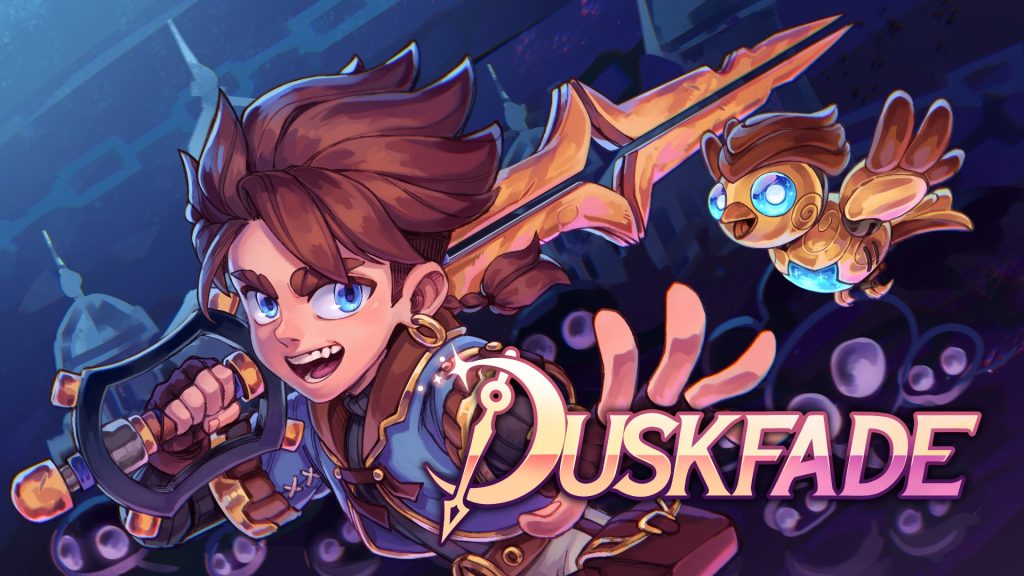
Duskfade is worth considering for players who miss colourful PS2-style action-platformers and can tolerate basic combat, floaty movement and backtracking.

Man I Just Wanna Go Home is a noir crime story with visuals from MS Paint and life-or-death choices.
![[GAMESCOM 2026] Vikings Dynasty Preview – Expands the Dynasty Formula](https://www.indie-games.eu/wp-content/uploads/2026/09/Viking-Dynasty-09-21-26-2-1024x576.jpg)
After showing me Prospera at Gamescom 2026, Toplitz Productions' Mathias Oertel moved to a very different kind of settlement builder.…
![[GAMESCOM 2026] Prospera Preview – Production, Prosperity and Victorian Industry](https://www.indie-games.eu/wp-content/uploads/2026/09/Prospera-09-21-26-5-1024x576.jpg)
At Gamescom 2026, I met with Toplitz Productions' Mathias Oertel for a guided presentation of two upcoming games. One of…
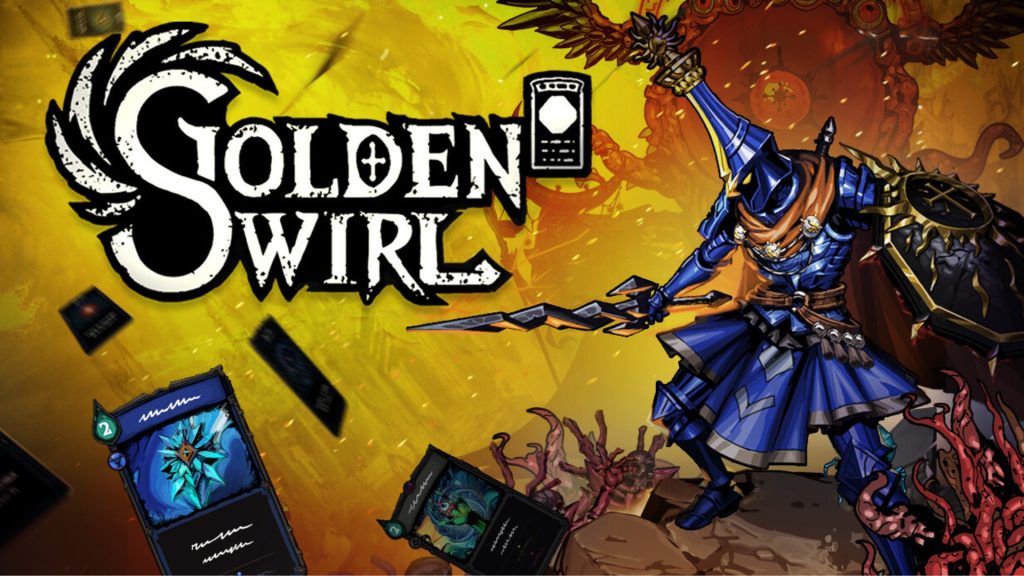
Golden Swirl inventive card combat carries the experience, but repetitive rooms, weak upgrades and excessive dialogue hold it back.
![[GAMESCOM 2026] Wilderdark Preview – Ambitious Dinosaur Horror Game That Still Has Plenty to Prove](https://www.indie-games.eu/wp-content/uploads/2026/09/Wilderdark-1024x576.jpg)
Dinosaur survival horror game Wilderdark has one of those premises that immediately makes you wonder why more games have not…
![[PREVIEW] Tiny Metal 2 – Strategy Game That Wants You to Learn From Every Mistake](https://www.indie-games.eu/wp-content/uploads/2026/09/Tiny-Metal-2-1024x576.jpg)
I rarely enjoy discovering that my opening strategy was completely wrong, but Tiny Metal 2 made that process one of…
![[PREVIEW] Remothered: Red Nun’s Legacy – Ambitious Survival Horror That Needs More Polish](https://www.indie-games.eu/wp-content/uploads/2026/09/Remothered-Red-Nuns-Legacy-4-1024x576.jpg)
Remothered: Red Nun’s Legacy has a gripping atmosphere and promising survival tools, but its repetitive hiding and rough visuals need…
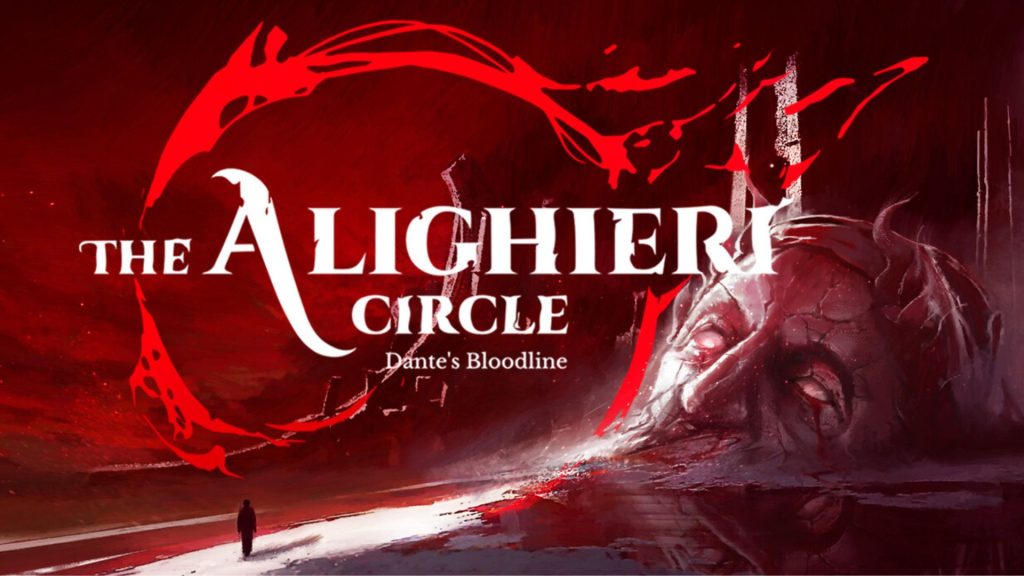
The Alighieri Circle: Dante’s Bloodline is difficult to recommend beyond players who are especially interested in Dante or enjoy solving…
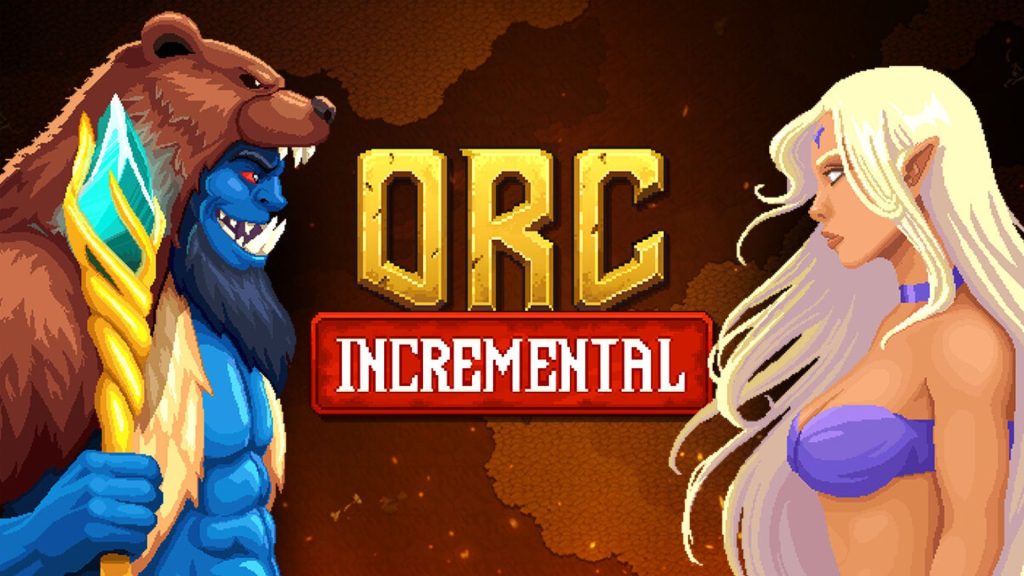
Orc Incremental offers satisfying progression, entertaining totem combinations and enough content to justify its affordable price.
![[GAMESCOM 2026] Chronoscript: The Endless End Preview – Beautiful Pages Hide Deliberate Combat](https://www.indie-games.eu/wp-content/uploads/2026/09/Chronoscript-The-Endless-End-1-1024x576.jpg)
Chronoscript: The Endless End stands out from other Metroidvanias by blending 2D manuscript worlds with exploration inside a 3D manor.
![[GAMESCOM 2026] MegaGum Preview – Combat Hits Hard in This Sticky Platforming Adventure](https://www.indie-games.eu/wp-content/uploads/2026/09/MegaGum-09-09-26-5-1024x576.jpg)
MegaGum combines hard-hitting combat, varied weapons and Gum-powered platforming in a promising Gamescom 2026 demo.
![[GAMESCOM 2026] Delphinium Preview – Cozy Routine Mixed With Enjoyable Minigames](https://www.indie-games.eu/wp-content/uploads/2026/03/Delphinium--1024x665.jpg)
Delphinium mixes cozy farming, exploration and relationships with enjoyable fishing, cooking and forging minigames in its Gamescom 2026 demo.
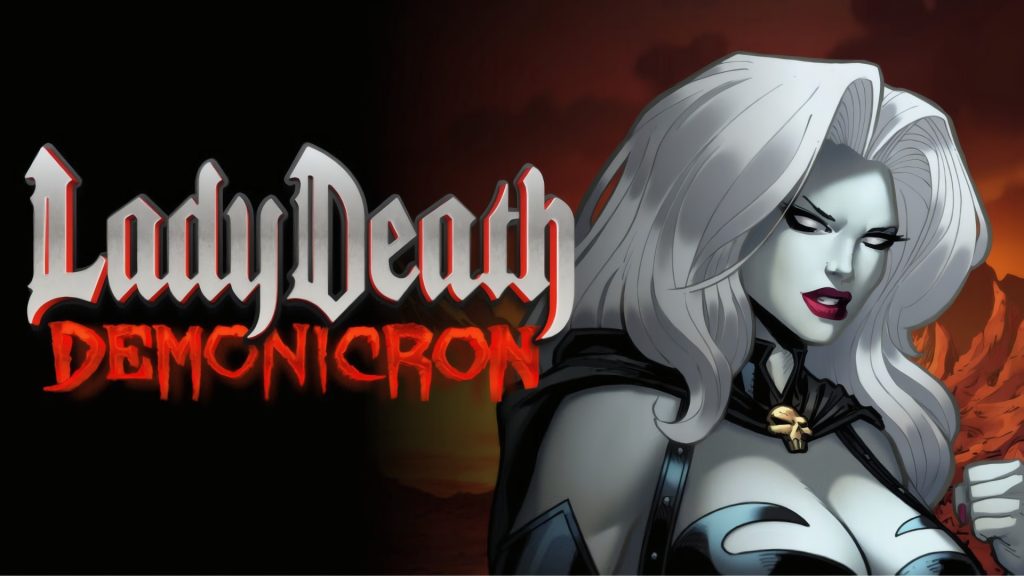
Lady Death: Demonicron looks the part, but underneath its excellent comic-book exterior is a clunky and painfully short brawler.
![[GAMESCOM 2026] Tomb Raider: Legacy of Atlantis Preview – Expands the Original Without Losing Its Identity](https://www.indie-games.eu/wp-content/uploads/2026/09/tomb-raider-legacy-of-atlantis-06-02-26-1-1024x576.jpg)
Tomb Raider: Legacy of Atlantis brings Lara back to her roots, but its Gamescom 2026 showing proved this is far…
![[GAMESCOM 2026] Clive Barker’s Hellraiser: Revival Preview – Ready to Open the Box](https://www.indie-games.eu/wp-content/uploads/2026/09/Clive-Barkers-Hellraiser-Revival-08-30-26-1-1024x576.jpg)
Hellraiser: Revival preserves the franchise’s sex, gore and psychological horror while delivering approachable survival-horror gameplay.

Swan Song creates a peaceful and forgiving puzzle space without removing the challenge that makes solving a difficult puzzle rewarding.
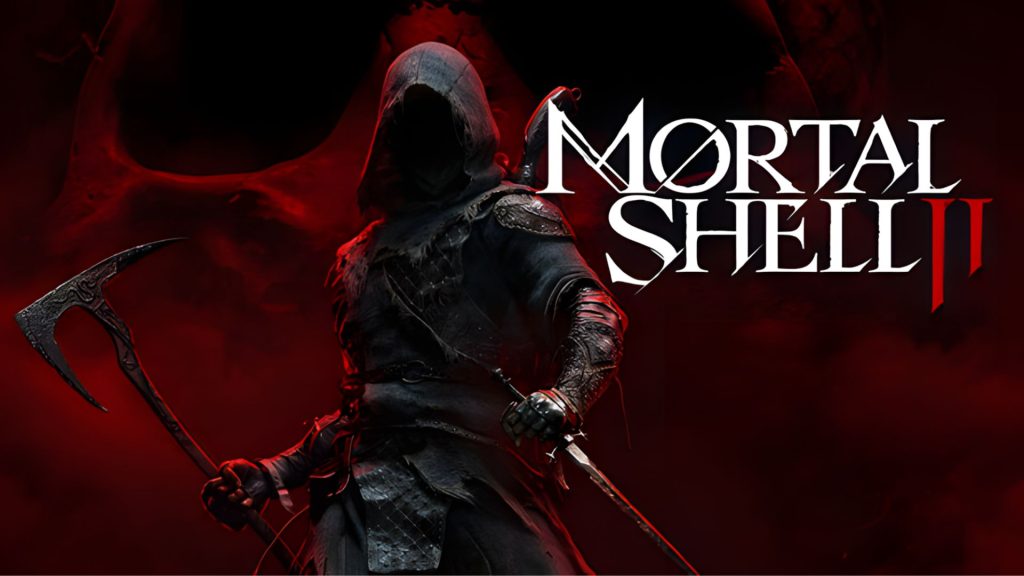
Mortal Shell II starts brilliantly but grows repetitive and exhausting, while remaining a rewarding and ambitious Soulslike sequel.
![[GAMESCOM 2026] Terranigma Preview – A Lost SNES Classic Returns in 2027](https://www.indie-games.eu/wp-content/uploads/2026/08/Terranigma-1-1024x576.jpg)
After more than three decades of limited availability, Terranigma is returning in 2027. We played its enhanced re-release at Gamescom…
