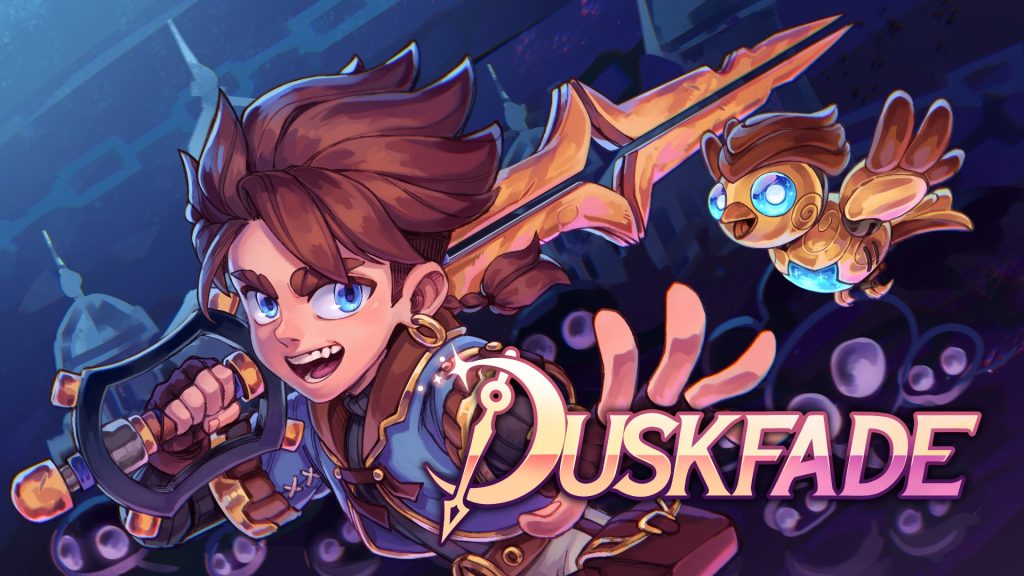
Duskfade – The PS2 Era Returns With All Its Strengths and Weaknesses
Duskfade is worth considering for players who miss colourful PS2-style action-platformers and can tolerate basic combat, floaty movement and backtracking.


If you enjoy independent indie game coverage, consider supporting Indie-Games.eu on Patreon. It helps keep the site independent.
I haven’t played the original NES version, so my experience is based solely on the newer remake, Shadow of the Ninja: Reborn. Without a doubt, it was an enjoyable experience, and the visual design pleasantly surprised me. However, the gameplay can be challenging to grasp at first because there’s no tutorial, so it takes some time to get used to. At times, this lack of guidance felt a bit frustrating.
You play as Hayate or Kaede, two ninjas from the Iga clan, and your mission is to defeat Garuda and his demonic army. Your primary weapons are a katana and a kusarigama, and you can use both simultaneously. In addition, there is a variety of new ninja equipment you can collect and use throughout your adventure, with a maximum inventory capacity of seven items. If you collect duplicates, their uses stack, allowing you to use them more frequently. Some equipment is highly effective, while other pieces may feel somewhat awkward. Keep in mind that equipment disappears if you don’t pick it up in time.
The game remains faithful to the original five levels while introducing a new, more complex fourth level, bringing the total number of levels to six. The design is more intricate, with tougher enemies and additional challenges. While some enemies can be quite irritating and others relatively easy to defeat, they all share similar movement and attack patterns. Once you become familiar with these patterns, most enemies become manageable. However, the presence of numerous enemies in one area can become frustrating, especially since the controls weren’t as responsive as I expected.

I played using a PS4/PC Nacon Asymmetric Wireless controller on my computer, and the jump animation and responsiveness weren’t particularly satisfying. Some obstacles were especially difficult to jump over because the jump range was limited, or because the wall-running mechanics were hard to master. The controls for moving along walls were difficult to understand, which made it harder to use walls to your advantage, so I often avoided them.
Overall movement wasn’t as responsive as I expected. The same goes for the kusarigama, a chain weapon that didn’t always hit where I intended. Despite these issues, the platforming elements, the simplicity of the gameplay (it’s not too complex in terms of controls), and the variety of enemies and bosses kept the experience engaging. It’s important to note that you must defeat the boss at the end of each stage in order to progress further. Fortunately, the game includes checkpoints that save your progress each time you enter a new part of a stage, making it less frustrating to continue after dying.
I encountered corrupted save data, where despite reaching Stage 4 with Hayate, the game incorrectly saved my progress as if I were still at Stage 1. At that point, I decided to start over with Kaede. Shadow of the Ninja: Reborn proves to be more challenging than it initially seems, despite giving the impression that it’s a game you can finish in under three hours. The bosses, in particular, are divided into several phases, making them increasingly difficult. The game’s difficulty forces you to closely monitor your health bar and hope you survive until the next phase. Healing items are scarce, so every mistake comes at a high price.

Still, persistence pays off. The game includes helpful features for those who struggle, such as providing more healing items and improvements after repeated deaths, allowing less skilled players to eventually reach the end. After completing a stage, any secondary weapon you’ve collected becomes available for future attempts, adding a bit of variety to subsequent runs. When starting a new game, you can purchase items for your starting inventory based on your best score.
The game also features online leaderboards where you can compete with other players, whether by aiming for the fastest completion time or by earning points. Enjoying the cooperative mode from the original game has been faithfully recreated here. Hayate and Kaede have slightly different physics, and once a friend joins you, the game becomes a bit easier. The graphics have been beautifully enhanced, showcasing one of the best examples of pixel art today. The music, updated by one of the original composers, Iku Mizutani, is also very catchy and elevates the overall experience.
Ultimately, the game offers a strong sense of nostalgia. As a fan of retro games, this title was quite fun to play, and I felt the time spent on it was well worth it. The game’s strategy is simple and straightforward. However, my main complaint is that some movement mechanics weren’t entirely polished. Aside from that, don’t miss the opportunity to try this wonderful game.
Review copy provided by the publisher
Duskfade is worth considering for players who miss colourful PS2-style action-platformers and can tolerate basic combat, floaty movement and backtracking.

Man I Just Wanna Go Home is a noir crime story with visuals from MS Paint and life-or-death choices.
![[GAMESCOM 2026] Vikings Dynasty Preview – Expands the Dynasty Formula](https://www.indie-games.eu/wp-content/uploads/2026/09/Viking-Dynasty-09-21-26-2-1024x576.jpg)
After showing me Prospera at Gamescom 2026, Toplitz Productions' Mathias Oertel moved to a very different kind of settlement builder.…
![[GAMESCOM 2026] Prospera Preview – Production, Prosperity and Victorian Industry](https://www.indie-games.eu/wp-content/uploads/2026/09/Prospera-09-21-26-5-1024x576.jpg)
At Gamescom 2026, I met with Toplitz Productions' Mathias Oertel for a guided presentation of two upcoming games. One of…
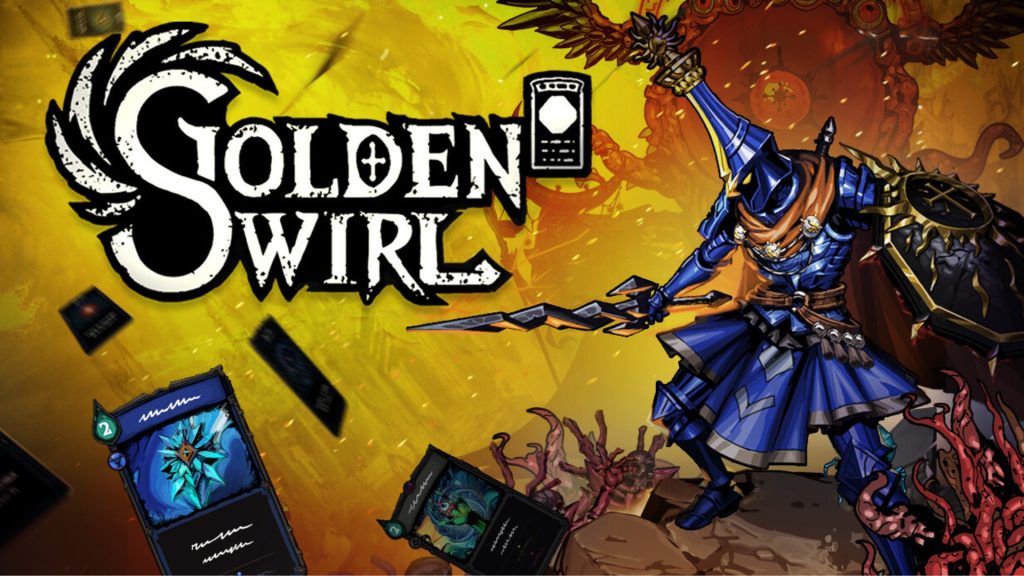
Golden Swirl inventive card combat carries the experience, but repetitive rooms, weak upgrades and excessive dialogue hold it back.
![[GAMESCOM 2026] Wilderdark Preview – Ambitious Dinosaur Horror Game That Still Has Plenty to Prove](https://www.indie-games.eu/wp-content/uploads/2026/09/Wilderdark-1024x576.jpg)
Dinosaur survival horror game Wilderdark has one of those premises that immediately makes you wonder why more games have not…
![[PREVIEW] Tiny Metal 2 – Strategy Game That Wants You to Learn From Every Mistake](https://www.indie-games.eu/wp-content/uploads/2026/09/Tiny-Metal-2-1024x576.jpg)
I rarely enjoy discovering that my opening strategy was completely wrong, but Tiny Metal 2 made that process one of…
![[PREVIEW] Remothered: Red Nun’s Legacy – Ambitious Survival Horror That Needs More Polish](https://www.indie-games.eu/wp-content/uploads/2026/09/Remothered-Red-Nuns-Legacy-4-1024x576.jpg)
Remothered: Red Nun’s Legacy has a gripping atmosphere and promising survival tools, but its repetitive hiding and rough visuals need…
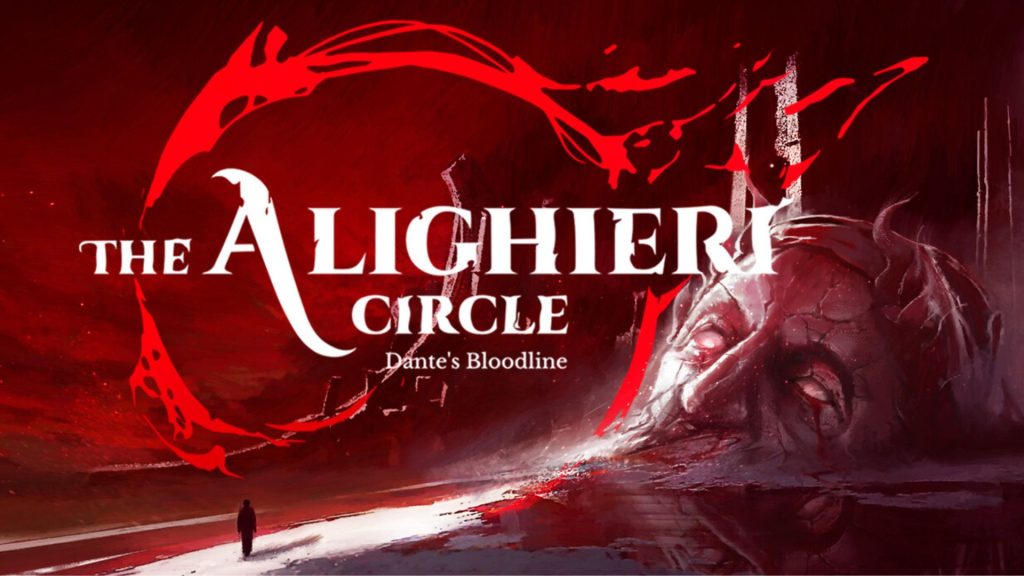
The Alighieri Circle: Dante’s Bloodline is difficult to recommend beyond players who are especially interested in Dante or enjoy solving…
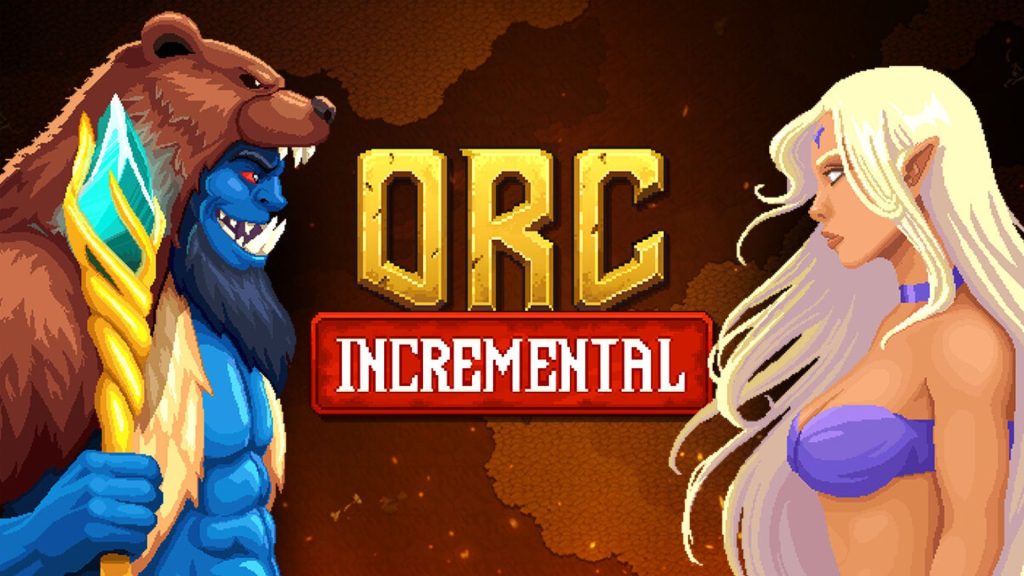
Orc Incremental offers satisfying progression, entertaining totem combinations and enough content to justify its affordable price.
![[GAMESCOM 2026] Chronoscript: The Endless End Preview – Beautiful Pages Hide Deliberate Combat](https://www.indie-games.eu/wp-content/uploads/2026/09/Chronoscript-The-Endless-End-1-1024x576.jpg)
Chronoscript: The Endless End stands out from other Metroidvanias by blending 2D manuscript worlds with exploration inside a 3D manor.
![[GAMESCOM 2026] MegaGum Preview – Combat Hits Hard in This Sticky Platforming Adventure](https://www.indie-games.eu/wp-content/uploads/2026/09/MegaGum-09-09-26-5-1024x576.jpg)
MegaGum combines hard-hitting combat, varied weapons and Gum-powered platforming in a promising Gamescom 2026 demo.
![[GAMESCOM 2026] Delphinium Preview – Cozy Routine Mixed With Enjoyable Minigames](https://www.indie-games.eu/wp-content/uploads/2026/03/Delphinium--1024x665.jpg)
Delphinium mixes cozy farming, exploration and relationships with enjoyable fishing, cooking and forging minigames in its Gamescom 2026 demo.
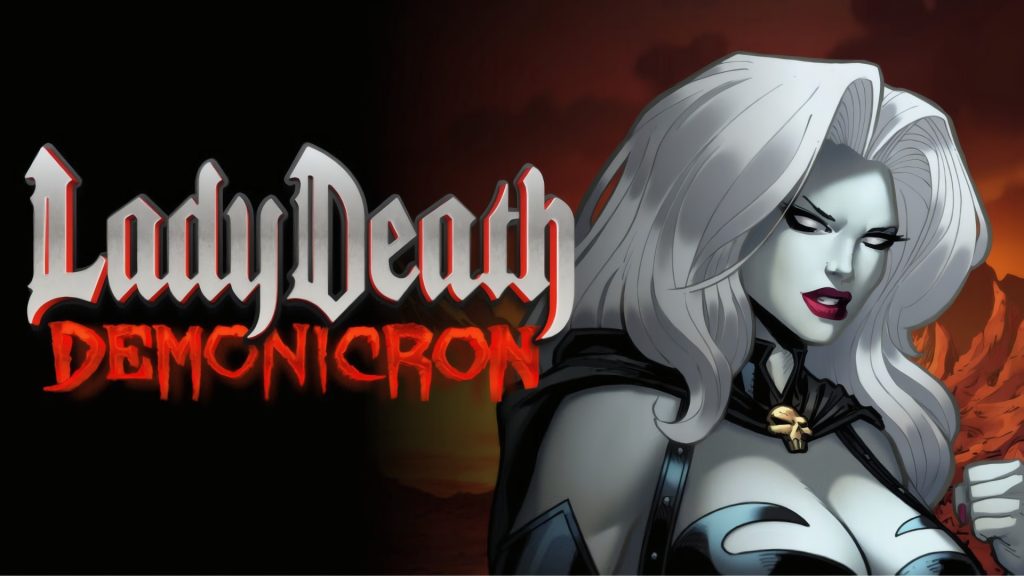
Lady Death: Demonicron looks the part, but underneath its excellent comic-book exterior is a clunky and painfully short brawler.
![[GAMESCOM 2026] Tomb Raider: Legacy of Atlantis Preview – Expands the Original Without Losing Its Identity](https://www.indie-games.eu/wp-content/uploads/2026/09/tomb-raider-legacy-of-atlantis-06-02-26-1-1024x576.jpg)
Tomb Raider: Legacy of Atlantis brings Lara back to her roots, but its Gamescom 2026 showing proved this is far…
![[GAMESCOM 2026] Clive Barker’s Hellraiser: Revival Preview – Ready to Open the Box](https://www.indie-games.eu/wp-content/uploads/2026/09/Clive-Barkers-Hellraiser-Revival-08-30-26-1-1024x576.jpg)
Hellraiser: Revival preserves the franchise’s sex, gore and psychological horror while delivering approachable survival-horror gameplay.

Swan Song creates a peaceful and forgiving puzzle space without removing the challenge that makes solving a difficult puzzle rewarding.
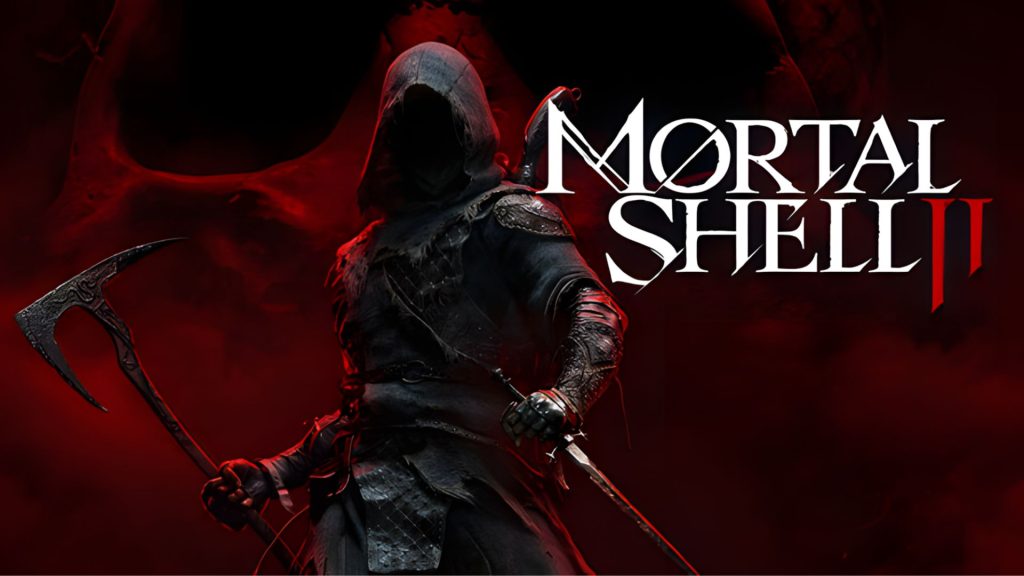
Mortal Shell II starts brilliantly but grows repetitive and exhausting, while remaining a rewarding and ambitious Soulslike sequel.
![[GAMESCOM 2026] Terranigma Preview – A Lost SNES Classic Returns in 2027](https://www.indie-games.eu/wp-content/uploads/2026/08/Terranigma-1-1024x576.jpg)
After more than three decades of limited availability, Terranigma is returning in 2027. We played its enhanced re-release at Gamescom…

Reading another person’s mind is often presented as a desirable superpower, but Sister Other Paranoia immediately understands why it could…
