Fire Emblem Awakening Retro Review – Unfulfilled Potential
Awakening is worth playing if you enjoy developing characters, experimenting with tactical partnerships, and shaping an army over a massive…

If you enjoy independent indie game coverage, consider supporting Indie-Games.eu on Patreon. It helps keep the site independent.
Reading another person’s mind is often presented as a desirable superpower, but Sister Other Paranoia immediately understands why it could become a curse. Every passing insecurity, flash of jealousy and moment of concealed resentment would become impossible to ignore, eventually making even the most ordinary human relationship feel dishonest.
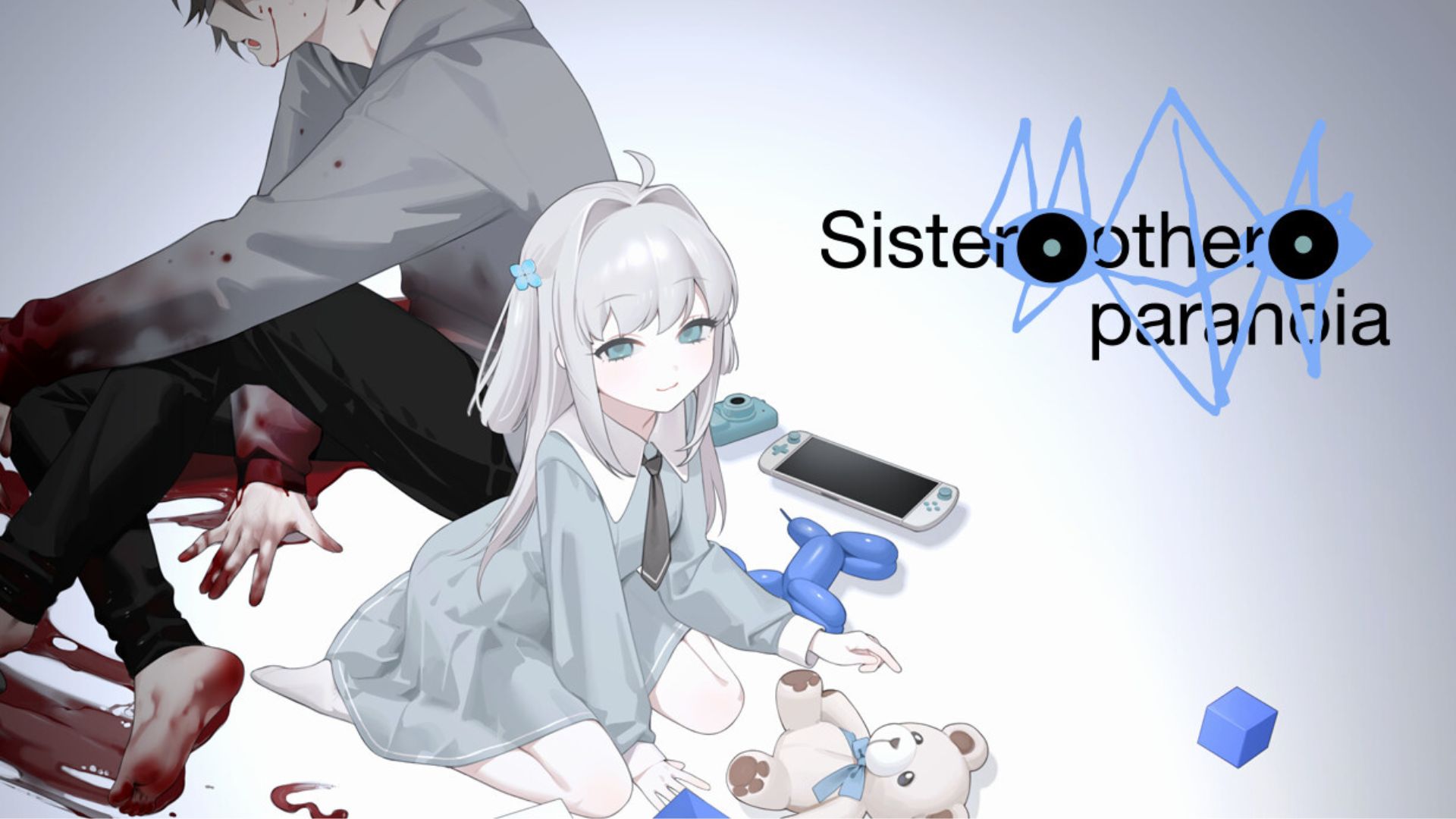
Developed by HazeDenki and written and directed by Needy Streamer Overload creator nyalra, Sister Other Paranoia is a dark psychological visual novel about alienation, artistic insecurity and an unhealthy dependence between two siblings. Its oppressive atmosphere, excellent artwork and confrontational ideas give it a powerful identity, but its short runtime leaves many characters and conflicts underdeveloped.
The story follows Hasuya, a university literature student who became unusually sensitive to people’s emotions at an early age. What initially resembled synaesthesia gradually developed into an ability to identify other people’s thoughts and deepest insecurities.
Rather than helping him understand people, this ability convinces Hasuya that humanity is fundamentally ugly. He sees jealousy, lust, self-interest and resentment beneath polite conversations, causing him to withdraw from society. His unexpected success as a light-novel writer only makes matters worse. After winning a newcomer award, he becomes surrounded by aspiring writers and acquaintances whose outward friendliness clashes with the envy he perceives beneath it.
Hasuya is intentionally difficult to like. He is bitter, pretentious and convinced that his ability gives him a deeper understanding of humanity. He references Dostoevsky, existentialism and literary conventions while privately dismissing almost everyone he encounters. Yet he is far more malicious than most of the people he condemns, using his knowledge of their insecurities to manipulate them towards self-destruction.
His hypocrisy creates the story’s most interesting question. Hasuya may genuinely hear people’s thoughts, but he only focuses on their ugliest impulses. He mistakes a moment of jealousy or resentment for someone’s entire identity, never considering that human beings can experience unpleasant thoughts without acting upon them. His mind reading therefore feels less like complete telepathy and more like a literal representation of cognitive distortion.
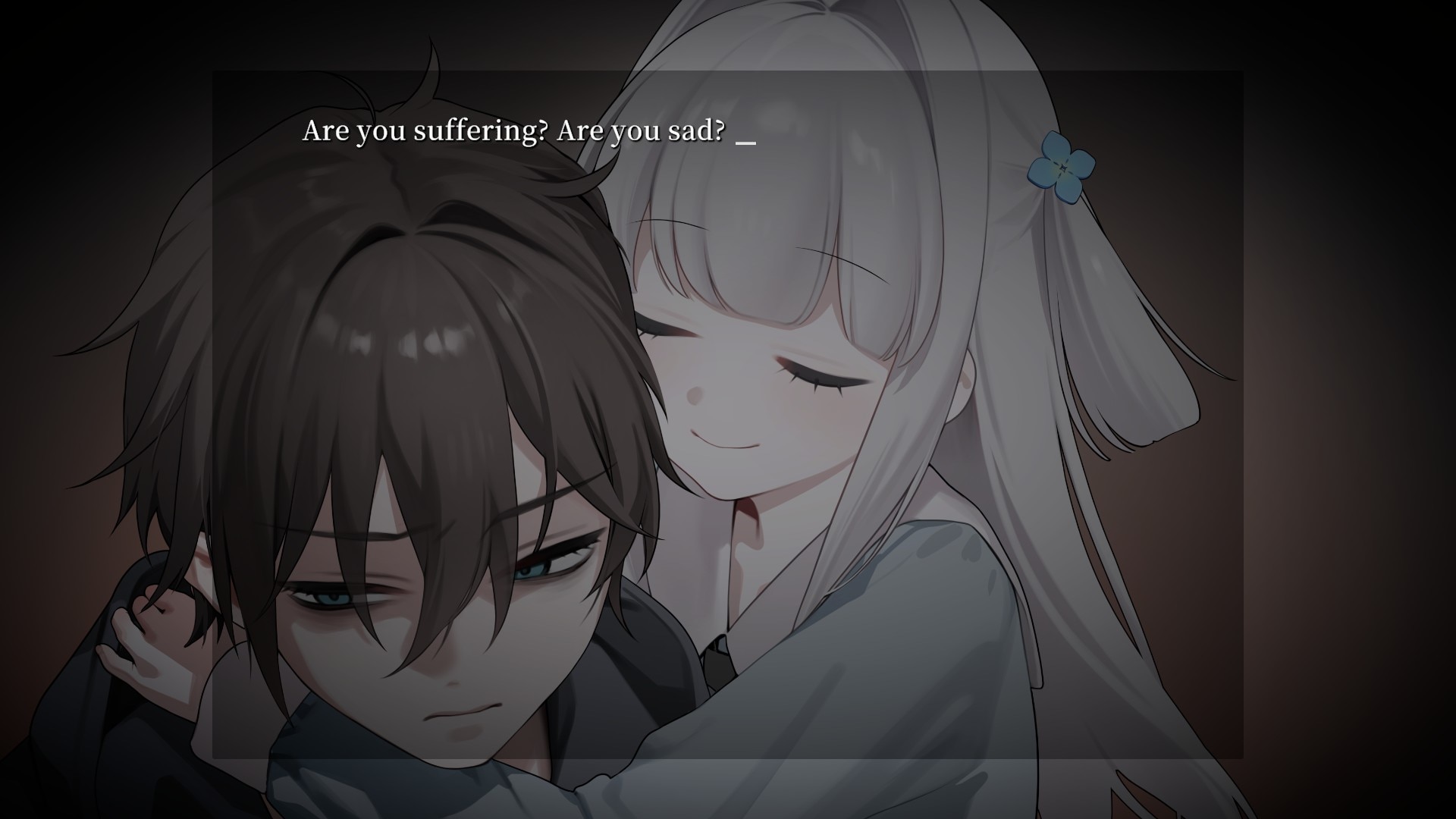
The only person Hasuya trusts is his younger sister Sahana. She is exceptionally intelligent but similarly isolated, making her one of the few people capable of understanding his fear of the outside world. Their relationship is affectionate, but it is deliberately unhealthy. Unfortunately, she receives surprisingly little development for the character featured most prominently in the title and marketing. She often feels more like a voice of reason or emotional coping mechanism than an independent character.
After its prologue, Sister Other Paranoia opens five interconnected scenarios, each divided into four chapters. These stories explore Hasuya’s relationship with his parents, childhood friend Igusa, convenience-store coworker Dokudami, writing-club senior Hiyakawa and admirer Botan.
Each scenario is represented by a symbolic motif such as Ring, Caterpillar, Monkey, Bat or Fox, and you may switch between them after completing individual chapters. The visual selection screen resembles a web with Hasuya at its centre, reducing everyone around him to an animal or symbol. It is an effective representation of how he treats other people as collections of weaknesses instead of complete individuals.
The scenarios cover creative jealousy, marital resentment, exploitative relationships, dead-end employment and friendships damaged by adulthood. Igusa’s storyline is particularly effective because the distance between two former friends feels grounded and recognizable. Botan’s search for validation also introduces compelling ideas about sexuality, online attention and the desire to be admired.
However, most stories escalate from ordinary dissatisfaction to murder or suicide far too quickly. Characters finally begin revealing something meaningful about themselves, only for their chapters to end abruptly. The consequences are disturbing, but not always earned. A longer visual novel could have explored how Hasuya gradually pushes each person towards disaster rather than rapidly moving them into position for another tragedy.
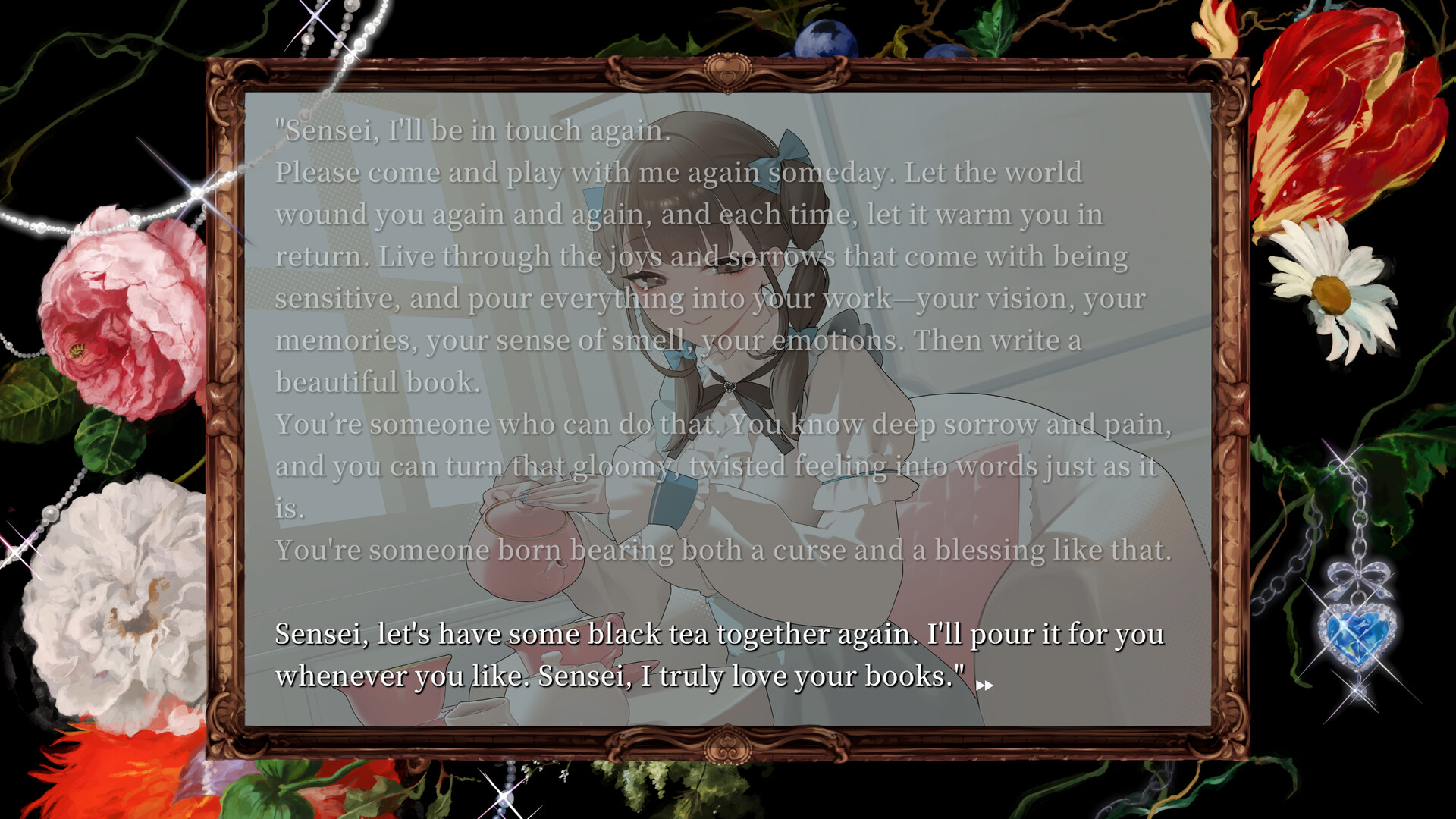
Mechanically, this is a straightforward, old-school NVL-style experience. Text fills most of the screen, with standard features including saving, loading, autoplay, skipping, a backlog and the option to hide the interface. There is no voice acting, leaving the prose, artwork and music responsible for establishing every character and emotion.
Dialogue choices occasionally appear, including moments where Hasuya can use his mind-reading ability to target someone’s deepest insecurity. Eye imagery turns red as potentially devastating responses are selected, making his words feel like weapons. It is visually effective, although mind reading remains a narrative device rather than a developed gameplay system.
There are five scenarios and four endings, including an easily missed true conclusion hidden behind an unusual title-screen interaction. Unfortunately, most choices are expressive rather than consequential. Despite the appearance of freedom, the main journey is predominantly linear and can be finished in roughly three to five hours.
Ohisashiburi’s artwork is easily one of the game’s greatest strengths. Its 20 principal CG illustrations use expressive lighting, shadows and striking colour contrasts to depict emotional distance, obsession and mortality. Five additional animated scenes bring the gallery to 25 entries, providing brief moments of movement between the otherwise static presentation.

Sister Other Paranoia succeeds as an oppressive character study about someone who mistakes observation for understanding. Hasuya’s perspective is uncomfortable, hypocritical and occasionally exhausting, but it gives the visual novel a distinctive voice.
Its greatest weakness is that the supporting cast rarely receives enough time to become more than an insecurity for Hasuya to exploit. The artwork, symbolic interface and music communicate his psychological decline brilliantly, but the narrative moves too quickly through several potentially powerful relationships.
Those interested in denpa fiction, unreliable protagonists and experimental psychological horror should find plenty to examine here. Just do not expect complicated interaction or extensive branching. Sister Other Paranoia is a beautiful and memorable descent into misanthropy, but one that finishes before its most compelling ideas can fully mature.
Sister Other Paranoia is a deeply uncomfortable psychological visual novel about a man who mistakes reading people’s thoughts for truly understanding them. Its oppressive atmosphere, symbolic interface, exceptional artwork and dissonant electronic soundtrack create a memorable descent into paranoia and misanthropy. Unfortunately, its supporting characters rarely receive enough time to become more than insecurities for Hasuya to exploit, while several storylines escalate towards tragedy before their conflicts feel properly developed. It remains a fascinating experience for fans of denpa horror and unreliable protagonists, but its striking ideas deserved a longer and more substantial story.
Ending Thoughts
Review copy provided by the publisher
Awakening is worth playing if you enjoy developing characters, experimenting with tactical partnerships, and shaping an army over a massive…
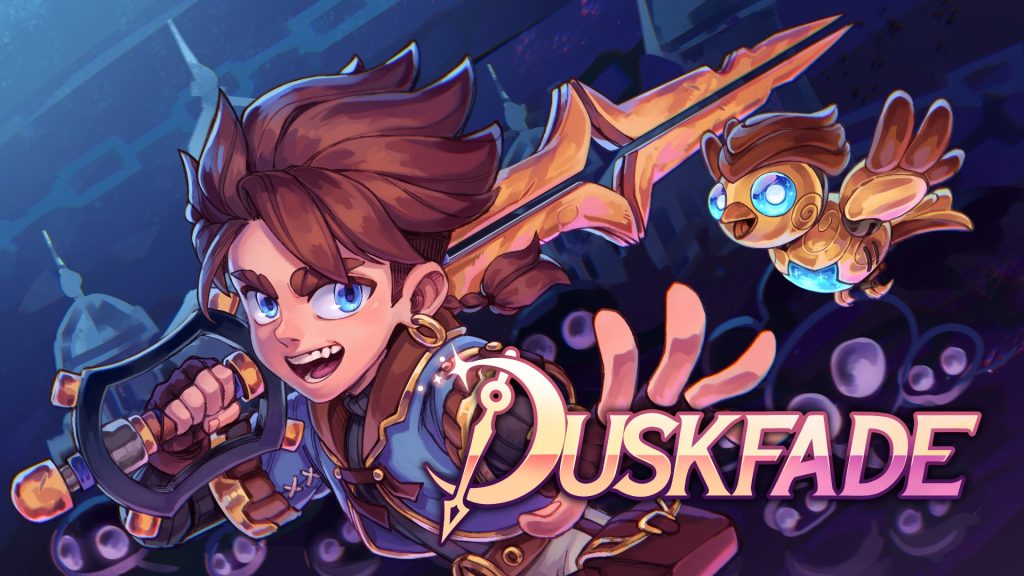
Duskfade is worth considering for players who miss colourful PS2-style action-platformers and can tolerate basic combat, floaty movement and backtracking.
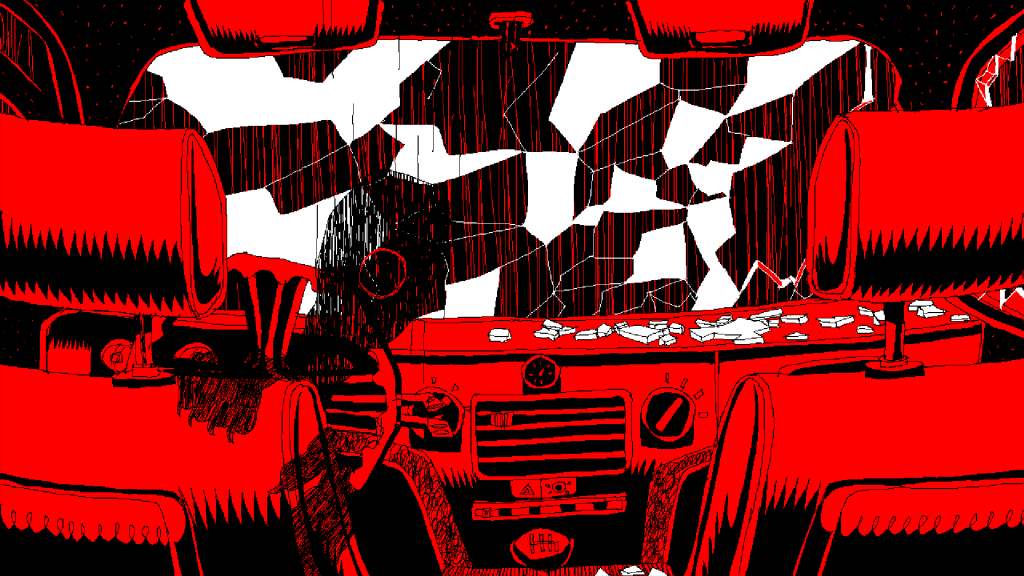
Man I Just Wanna Go Home is a noir crime story with visuals from MS Paint and life-or-death choices.
![[GAMESCOM 2026] Vikings Dynasty Preview – Expands the Dynasty Formula](https://www.indie-games.eu/wp-content/uploads/2026/09/Viking-Dynasty-09-21-26-2-1024x576.jpg)
After showing me Prospera at Gamescom 2026, Toplitz Productions' Mathias Oertel moved to a very different kind of settlement builder.…
![[GAMESCOM 2026] Prospera Preview – Production, Prosperity and Victorian Industry](https://www.indie-games.eu/wp-content/uploads/2026/09/Prospera-09-21-26-5-1024x576.jpg)
At Gamescom 2026, I met with Toplitz Productions' Mathias Oertel for a guided presentation of two upcoming games. One of…
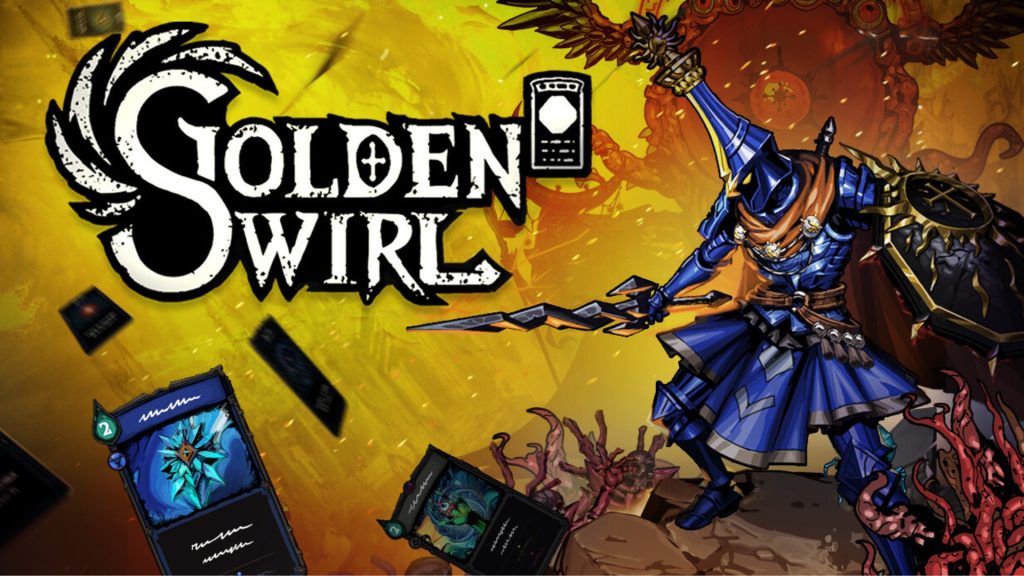
Golden Swirl inventive card combat carries the experience, but repetitive rooms, weak upgrades and excessive dialogue hold it back.
![[GAMESCOM 2026] Wilderdark Preview – Ambitious Dinosaur Horror Game That Still Has Plenty to Prove](https://www.indie-games.eu/wp-content/uploads/2026/09/Wilderdark-1024x576.jpg)
Dinosaur survival horror game Wilderdark has one of those premises that immediately makes you wonder why more games have not…
![[PREVIEW] Tiny Metal 2 – Strategy Game That Wants You to Learn From Every Mistake](https://www.indie-games.eu/wp-content/uploads/2026/09/Tiny-Metal-2-1024x576.jpg)
I rarely enjoy discovering that my opening strategy was completely wrong, but Tiny Metal 2 made that process one of…
![[PREVIEW] Remothered: Red Nun’s Legacy – Ambitious Survival Horror That Needs More Polish](https://www.indie-games.eu/wp-content/uploads/2026/09/Remothered-Red-Nuns-Legacy-4-1024x576.jpg)
Remothered: Red Nun’s Legacy has a gripping atmosphere and promising survival tools, but its repetitive hiding and rough visuals need…
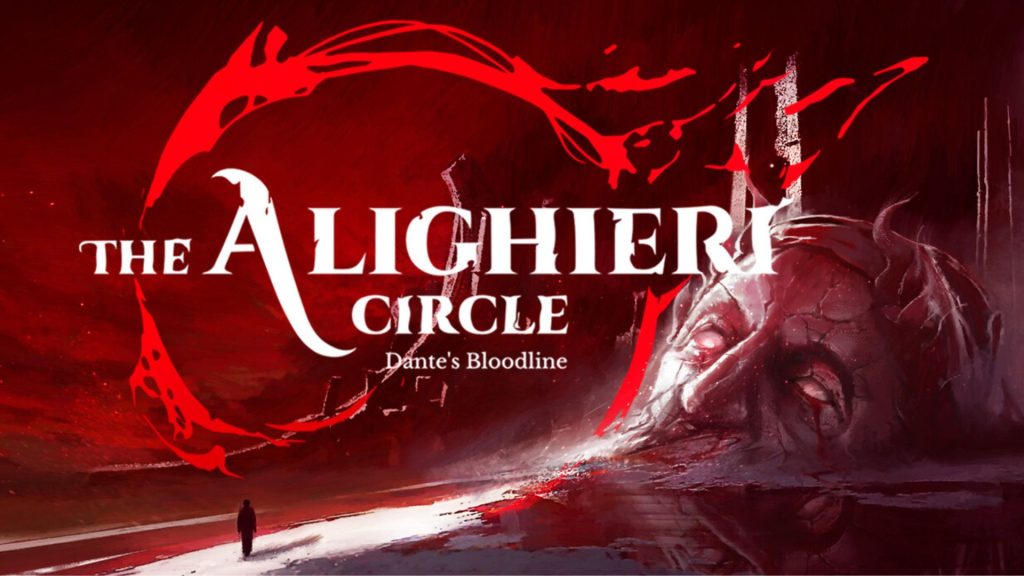
The Alighieri Circle: Dante’s Bloodline is difficult to recommend beyond players who are especially interested in Dante or enjoy solving…
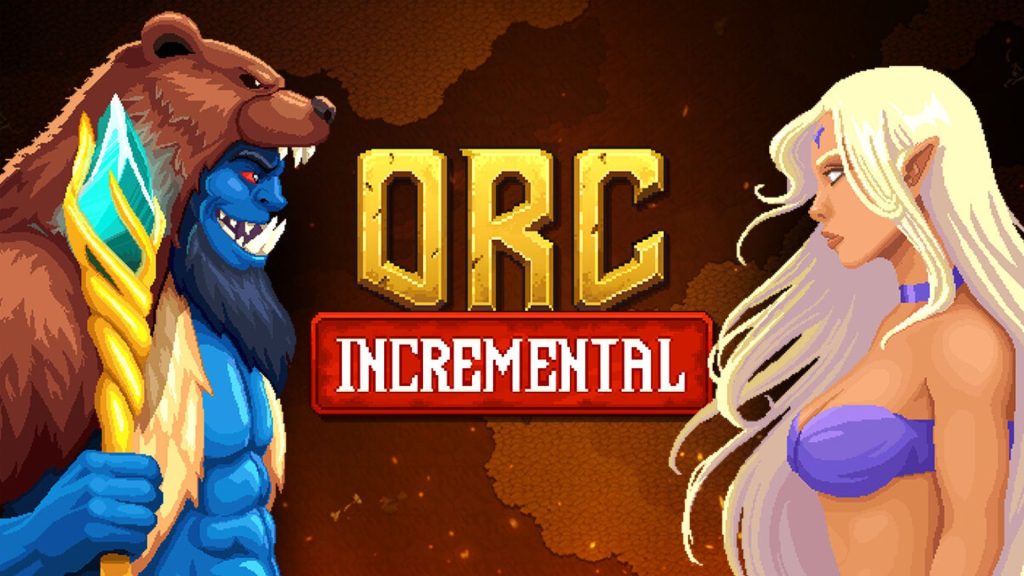
Orc Incremental offers satisfying progression, entertaining totem combinations and enough content to justify its affordable price.
![[GAMESCOM 2026] Chronoscript: The Endless End Preview – Beautiful Pages Hide Deliberate Combat](https://www.indie-games.eu/wp-content/uploads/2026/09/Chronoscript-The-Endless-End-1-1024x576.jpg)
Chronoscript: The Endless End stands out from other Metroidvanias by blending 2D manuscript worlds with exploration inside a 3D manor.
![[GAMESCOM 2026] MegaGum Preview – Combat Hits Hard in This Sticky Platforming Adventure](https://www.indie-games.eu/wp-content/uploads/2026/09/MegaGum-09-09-26-5-1024x576.jpg)
MegaGum combines hard-hitting combat, varied weapons and Gum-powered platforming in a promising Gamescom 2026 demo.
![[GAMESCOM 2026] Delphinium Preview – Cozy Routine Mixed With Enjoyable Minigames](https://www.indie-games.eu/wp-content/uploads/2026/03/Delphinium--1024x665.jpg)
Delphinium mixes cozy farming, exploration and relationships with enjoyable fishing, cooking and forging minigames in its Gamescom 2026 demo.
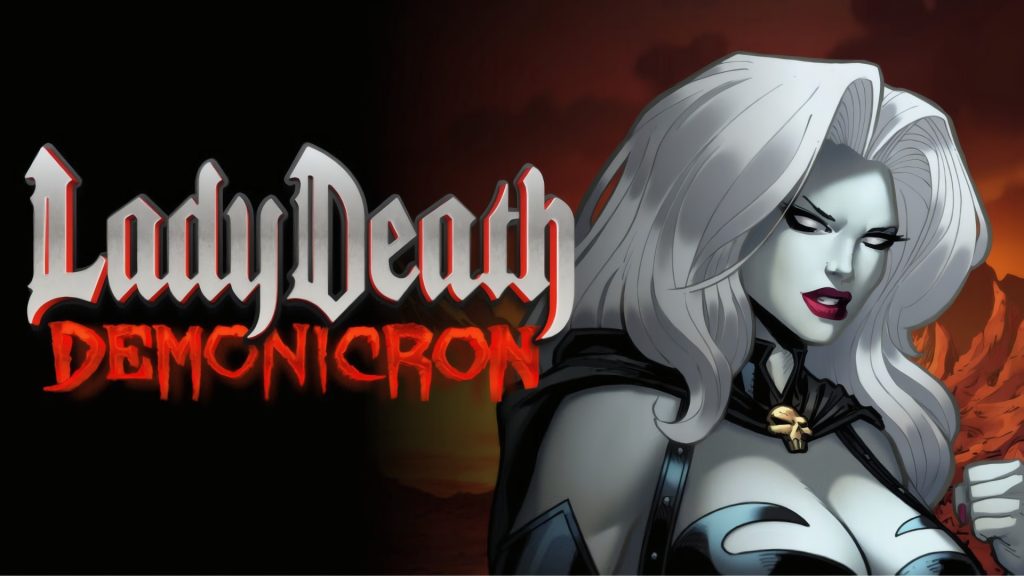
Lady Death: Demonicron looks the part, but underneath its excellent comic-book exterior is a clunky and painfully short brawler.
![[GAMESCOM 2026] Tomb Raider: Legacy of Atlantis Preview – Expands the Original Without Losing Its Identity](https://www.indie-games.eu/wp-content/uploads/2026/09/tomb-raider-legacy-of-atlantis-06-02-26-1-1024x576.jpg)
Tomb Raider: Legacy of Atlantis brings Lara back to her roots, but its Gamescom 2026 showing proved this is far…
![[GAMESCOM 2026] Clive Barker’s Hellraiser: Revival Preview – Ready to Open the Box](https://www.indie-games.eu/wp-content/uploads/2026/09/Clive-Barkers-Hellraiser-Revival-08-30-26-1-1024x576.jpg)
Hellraiser: Revival preserves the franchise’s sex, gore and psychological horror while delivering approachable survival-horror gameplay.

Swan Song creates a peaceful and forgiving puzzle space without removing the challenge that makes solving a difficult puzzle rewarding.
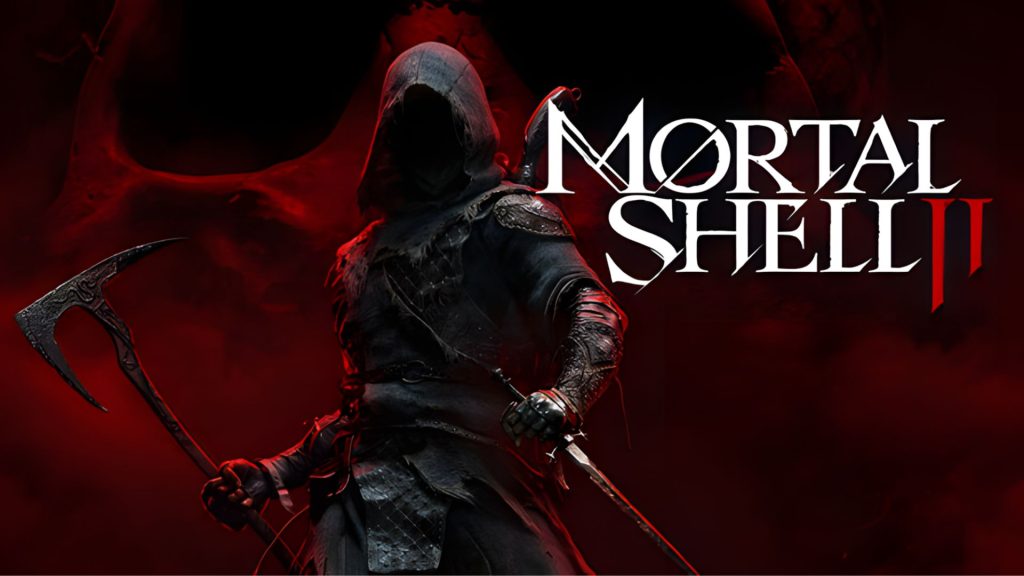
Mortal Shell II starts brilliantly but grows repetitive and exhausting, while remaining a rewarding and ambitious Soulslike sequel.
![[GAMESCOM 2026] Terranigma Preview – A Lost SNES Classic Returns in 2027](https://www.indie-games.eu/wp-content/uploads/2026/08/Terranigma-1-1024x576.jpg)
After more than three decades of limited availability, Terranigma is returning in 2027. We played its enhanced re-release at Gamescom…
