![[GAMESCOM 2026] Clive Barker’s Hellraiser: Revival Preview – Ready to Open the Box](https://www.indie-games.eu/wp-content/uploads/2026/09/Clive-Barkers-Hellraiser-Revival-08-30-26-1-1024x576.jpg)
[GAMESCOM 2026] Clive Barker’s Hellraiser: Revival Preview – Ready to Open the Box
Hellraiser: Revival preserves the franchise’s sex, gore and psychological horror while delivering approachable survival-horror gameplay.

If you enjoy independent indie game coverage, consider supporting Indie-Games.eu on Patreon. It helps keep the site independent.
Cozy games are usually associated with farming, decorating or completing simple tasks without much pressure, but Swan Song takes a slightly different approach. Its soft music, warm lighting and delicate mechanical world are certainly relaxing, yet its puzzles still expect you to pay attention and think several steps ahead.
Across 108 puzzles and nine chapters, you guide a mechanical swan through an old music box while gradually uncovering the story of the family behind it. Its clever puzzles, emotional narrative and beautiful presentation work together wonderfully. It can become repetitive in longer sessions, while the lack of hints makes some later puzzles more frustrating than they need to be, but it remains one of the more original puzzle games I have played this year.
The easiest way to describe Swan Song is as a programming game disguised as a music box. Every level contains a small board of coloured platforms with a musical scale underneath it. The swan moves automatically, so you must place the available notes onto the scale and decide when each mechanism should activate.
Once everything is arranged, you turn the key and watch your composition play. Platforms slide into position, pathways rotate and the swan moves in time with the melody. One badly placed note can leave it facing the wrong direction, send it falling into the box or expose it to a clockwork hunter.
No musical knowledge is needed because everything is colour-coded and works more like visual programming. The best part is watching a solution come together. Seeing every platform move at exactly the right moment before the swan reaches safety is both elegant and incredibly satisfying.
Failure is never heavily punished. There are no lives or timers, and your notes remain in place after an unsuccessful attempt. You can watch where the sequence failed, adjust one part and immediately try again. This makes experimentation easy and keeps the game fairly relaxed even when its puzzles become complicated.
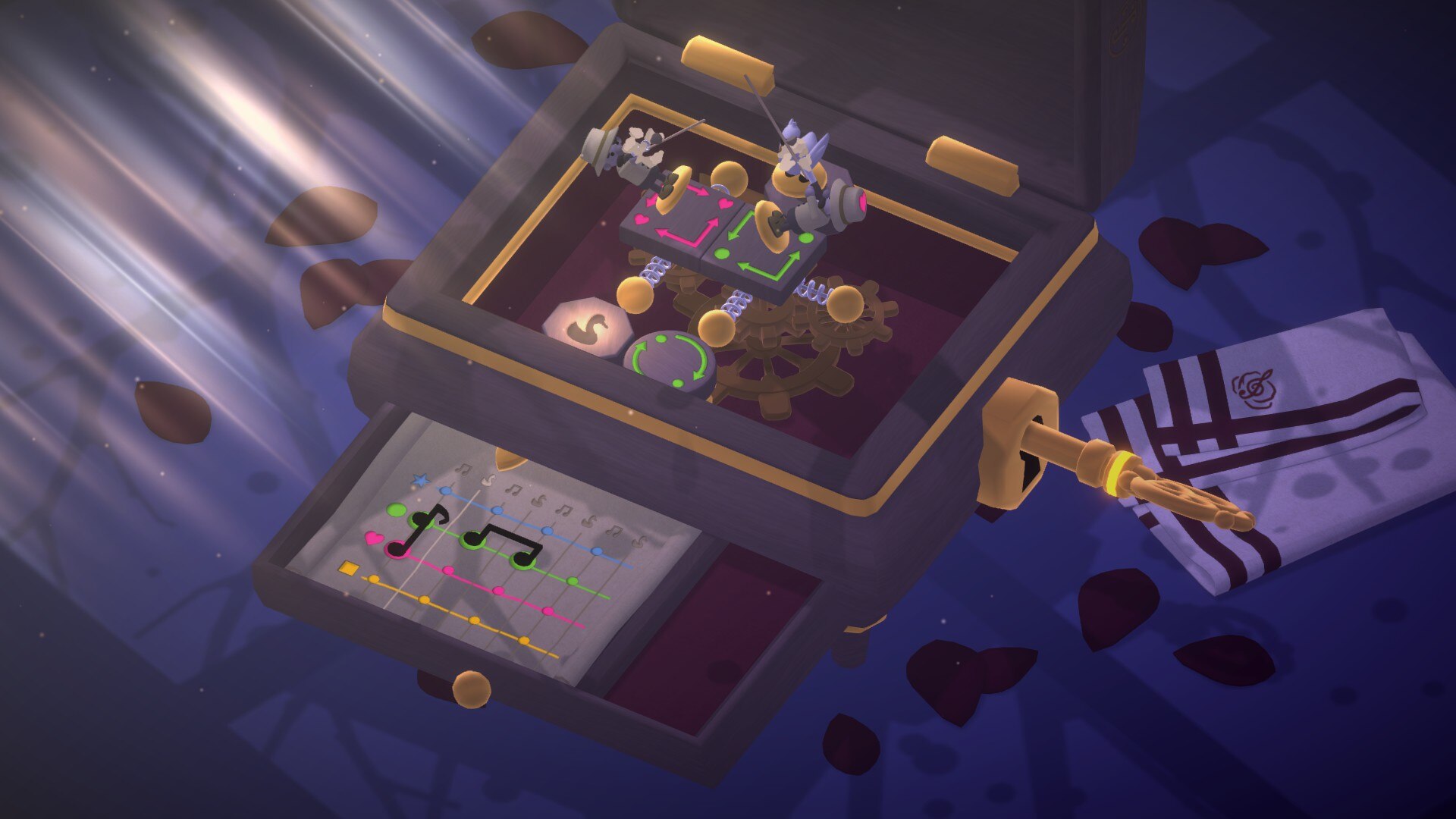
The first chapter is extremely gentle and introduces its basic ideas through puzzles that can be solved almost immediately. That simplicity does not last for long.Every chapter adds something new. Platforms begin rotating, disappearing or breaking after use. Clock hands can knock the swan away, catapults launch it across gaps, and hunters fire when their line of sight and musical cue align.
Notes also gain unusual properties: some activate several platforms, some only work during the second musical cycle, while fragile notes disappear after being played once. By the second half, I was no longer thinking only about the physical path. I had to calculate where the swan would be several beats later, which mechanisms had already activated and what would happen when the melody repeated.
The progression is handled extremely well. Mechanics are introduced gradually, explored through increasingly complicated variations and then temporarily set aside before they become stale. Older ideas sometimes return alongside newer systems, forcing you to reconsider something you thought you had already mastered.
Unfortunately, the absence of a hint system becomes noticeable during the hardest puzzles. Most failures clearly show what went wrong, but misunderstanding a specialised note can lead to a lot of trial and error. The game is patient, but it offers very little help when you are completely stuck.
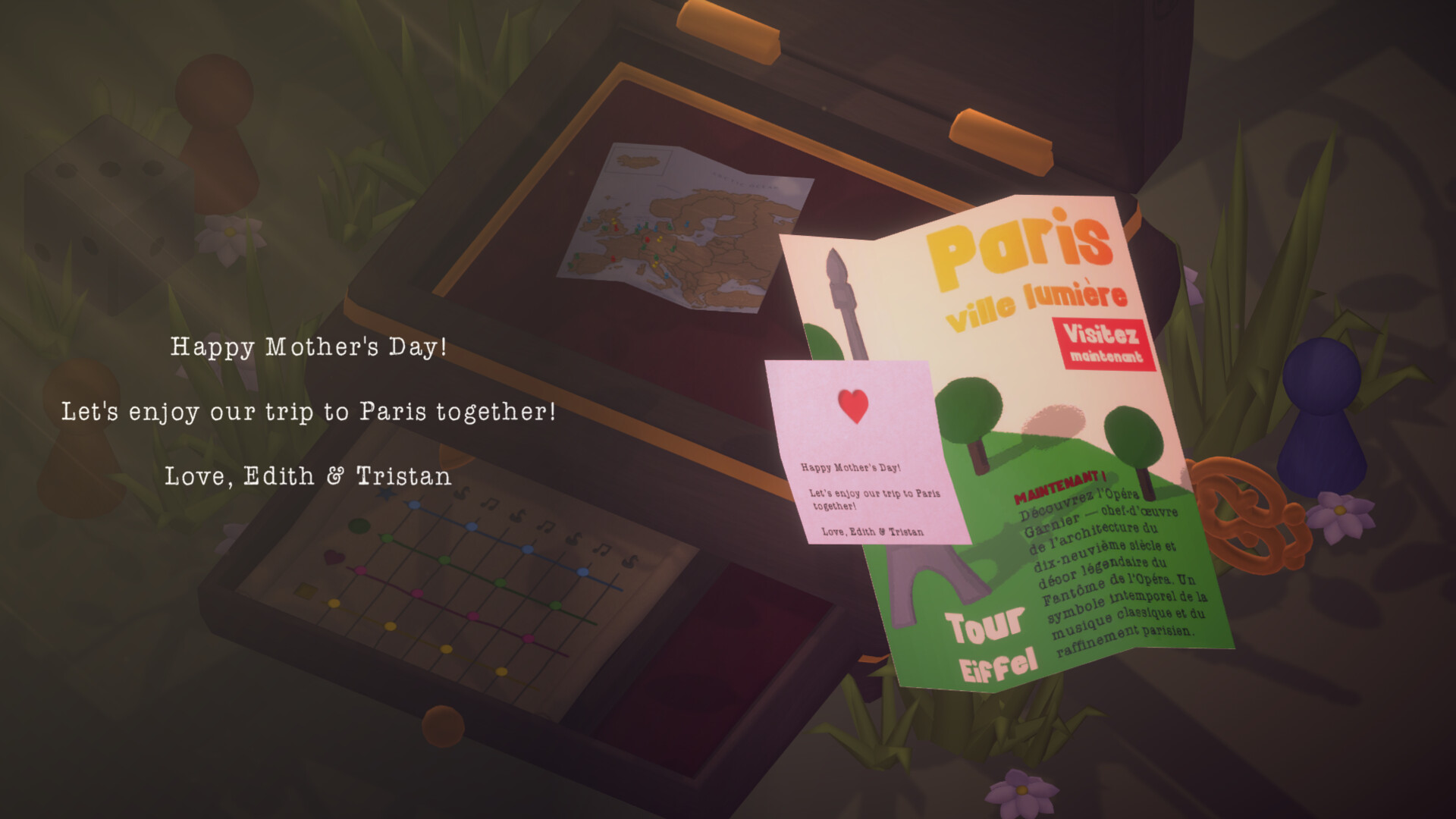
Between groups of puzzles, Swan Song reveals more of its family story. The music box was Tristan’s final creation and a gift for his daughter, Edith. Through letters, photographs, cassette recordings and personal objects, you gradually learn about Edith’s mother, Amber, a talented musician suffering from a terminal illness.
Rather than relying on lengthy cutscenes, the game presents small fragments from different periods and allows you to reconstruct the family’s history yourself. You might examine an old object, read a letter or listen to what initially sounds like an ordinary family conversation. These moments become much more painful once their wider context becomes clear.
It is a story about grief, but also about what grief can do to those who remain. Tristan becomes so obsessed with finishing the music box that he withdraws from Edith when she needs him most. His behaviour feels believable and deeply flawed, although I found the eventual resolution a little too restrained considering the damage he caused.
The story sometimes keeps its characters at too much of a distance, weakening moments that should have been more emotional. Even so, the voice acting and gradual accumulation of memories give it genuine warmth. Music also connects everything together: it is something Amber loses, Edith inherits and Tristan desperately tries to preserve.
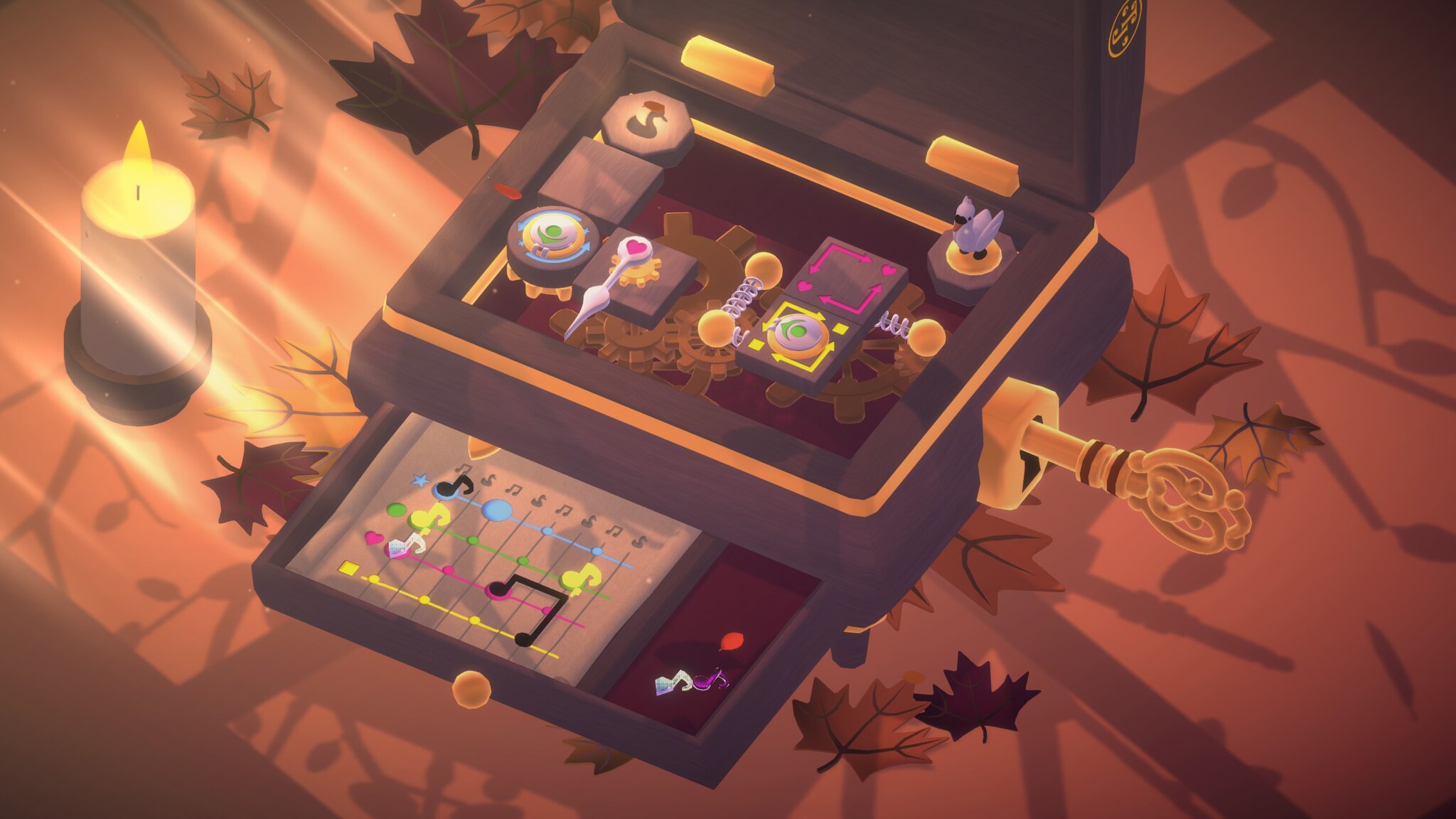
Almost the entire game revolves around one music box, but every chapter changes its surroundings to represent another period in the family’s life. Flowers, photographs, cassette tapes and other belongings stop the setting from feeling static. The wooden surfaces, brass machinery and rounded art style give everything a handcrafted quality. Platforms slide and rotate with convincing weight, while the mechanical swan shows a surprising amount of personality for such a small figurine.
Swan Song occasionally stretches its central routine too far. Solving several chapters in one sitting can make the cycle of arranging, watching and adjusting notes feel repetitive. Its lack of hints can also turn a peaceful evening into an unexpected struggle.
Even so, its puzzles are far too inventive to dismiss as another lightweight cozy game. Swan Song creates a calm and forgiving space without removing the challenge, combining music, movement and logic into something genuinely memorable. Puzzle fans should absolutely experience it, while less experienced players simply need to arrive prepared for a music box that eventually expects more than relaxation.
Swan Song creates a peaceful and forgiving space without removing the challenge that makes solving a difficult puzzle rewarding. Its lack of hints and occasional repetition hold it back slightly, but neither problem takes away from how creative and memorable the overall experience is. Puzzle fans should absolutely give it a chance, although less experienced players should be prepared for a music box that eventually asks for considerably more than relaxation.
Ending Thoughts
Review copy provided by the publisher
Hellraiser: Revival preserves the franchise’s sex, gore and psychological horror while delivering approachable survival-horror gameplay.
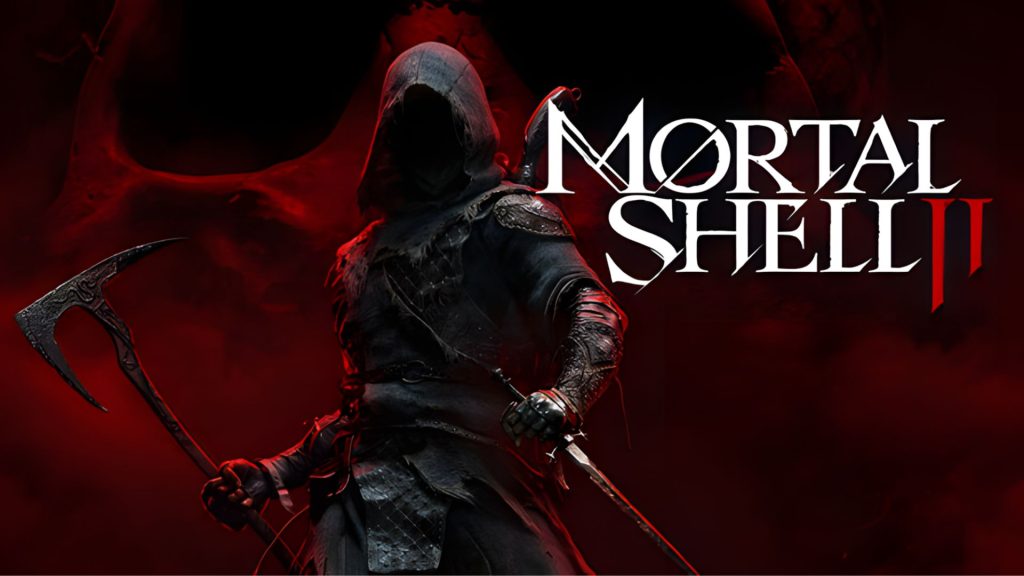
Mortal Shell II starts brilliantly but grows repetitive and exhausting, while remaining a rewarding and ambitious Soulslike sequel.
![[GAMESCOM 2026] Terranigma Preview – A Lost SNES Classic Returns in 2027](https://www.indie-games.eu/wp-content/uploads/2026/08/Terranigma-1-1024x576.jpg)
After more than three decades of limited availability, Terranigma is returning in 2027. We played its enhanced re-release at Gamescom…
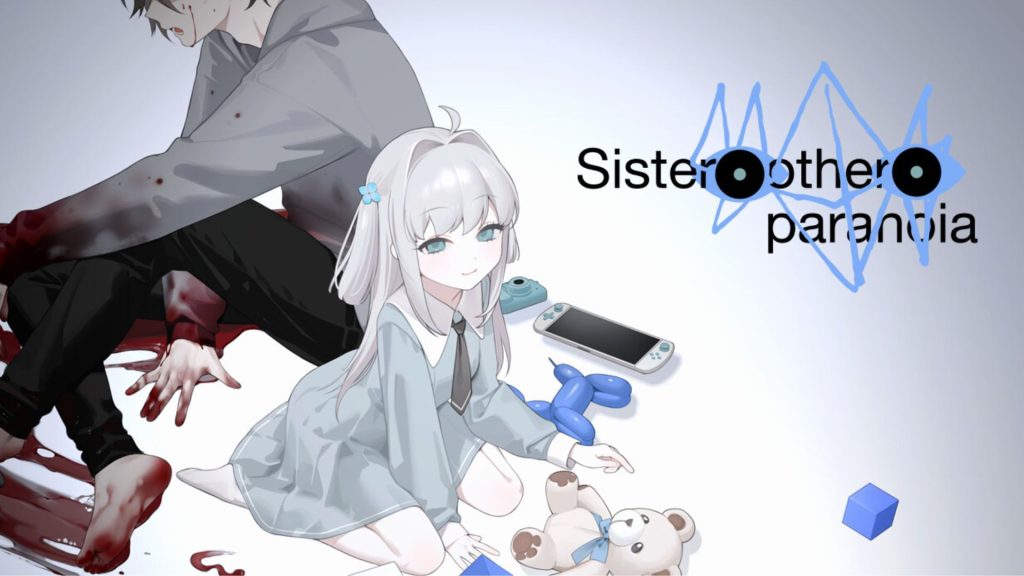
Reading another person’s mind is often presented as a desirable superpower, but Sister Other Paranoia immediately understands why it could…
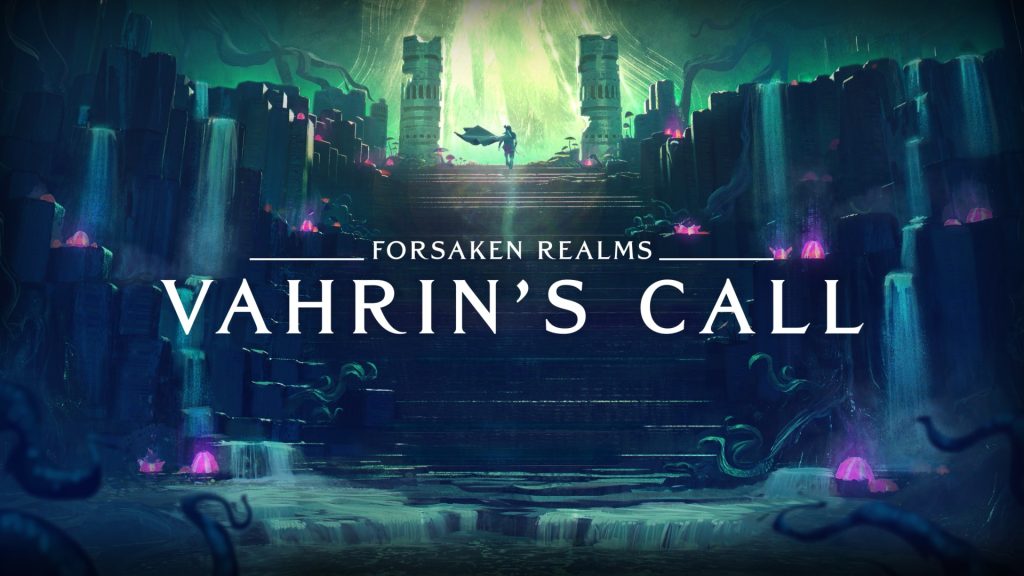
Forsaken Realms: Vahrin’s Call is exactly the kind of ambitious, slightly clumsy fantasy RPG that used to be far more…
![[Early Access] 2nd EVE – Sci-Fi Action RPG That Lacks a Sense of Stakes](https://www.indie-games.eu/wp-content/uploads/2026/08/2ND-EVE-1024x576.jpg)
2nd Eve is a space-set action RPG in which we strive to save humanity.
![[PREVIEW] Dreamcards – Strategic Exploration of Consciousness](https://www.indie-games.eu/wp-content/uploads/2026/08/Dreamcards_20260810_233631_0000-1024x576.jpg)
Dreamcards is a roguelike deckbuilder centered around dreams and nightmares.
![[Early Access] OFFBEAT – Incredibly Fun Way to Start a Music Career](https://www.indie-games.eu/wp-content/uploads/2026/08/Offbeat_20260808_201446_0000-1024x576.jpg)
In OFFBEAT, we play the role of a jobbing composer who is launching their music career.
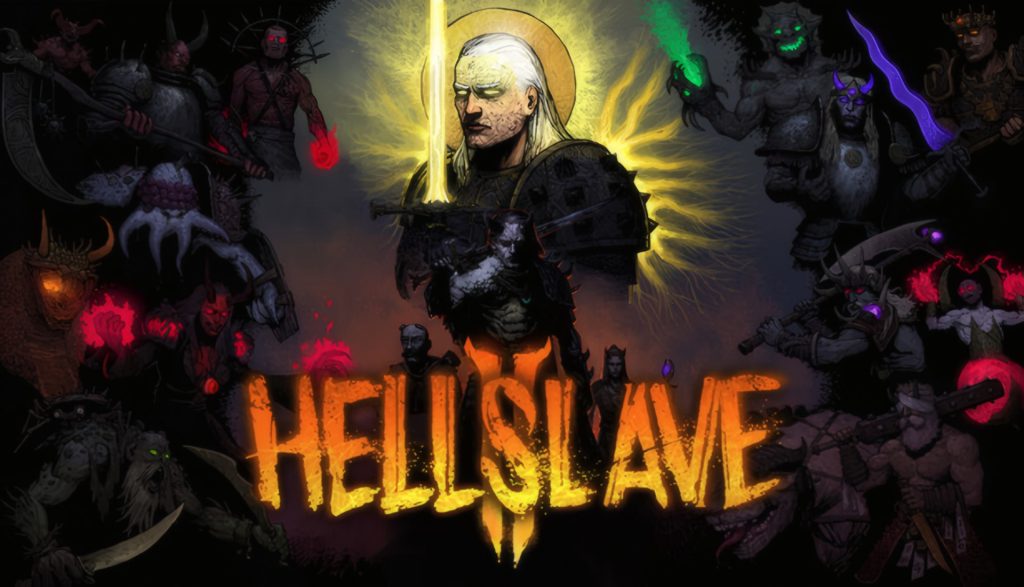
HellSlave II retains the original’s oppressive atmosphere, morally grey world and striking art while adding a larger world, randomized loot…
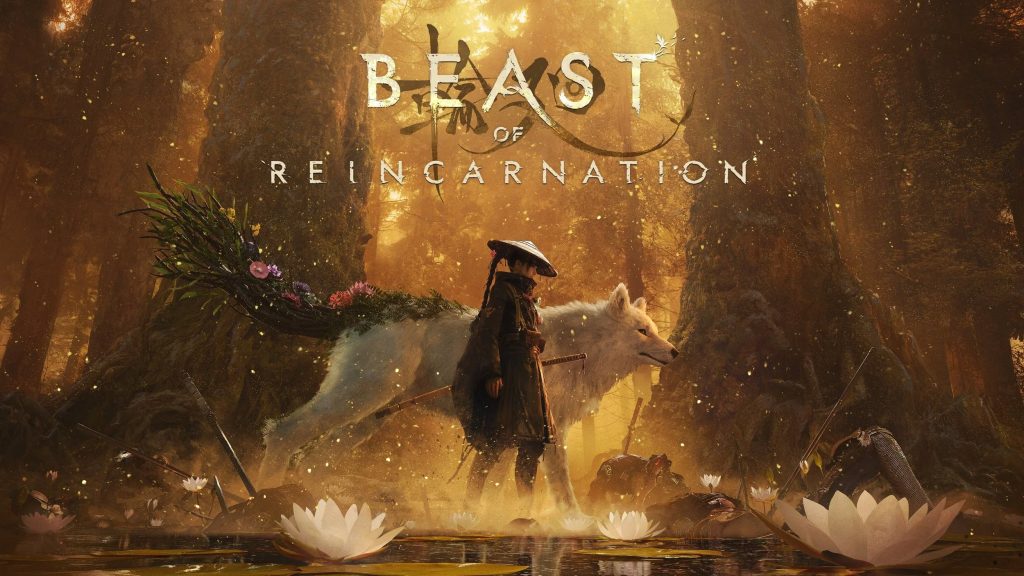
Beast of Reincarnation is an ambitious but uneven action RPG elevated by satisfying parry combat, beautiful art direction and the…

K-pop Idol Stories: Road to Debut captures the pressure of building idol group, but its management systems never explore that…
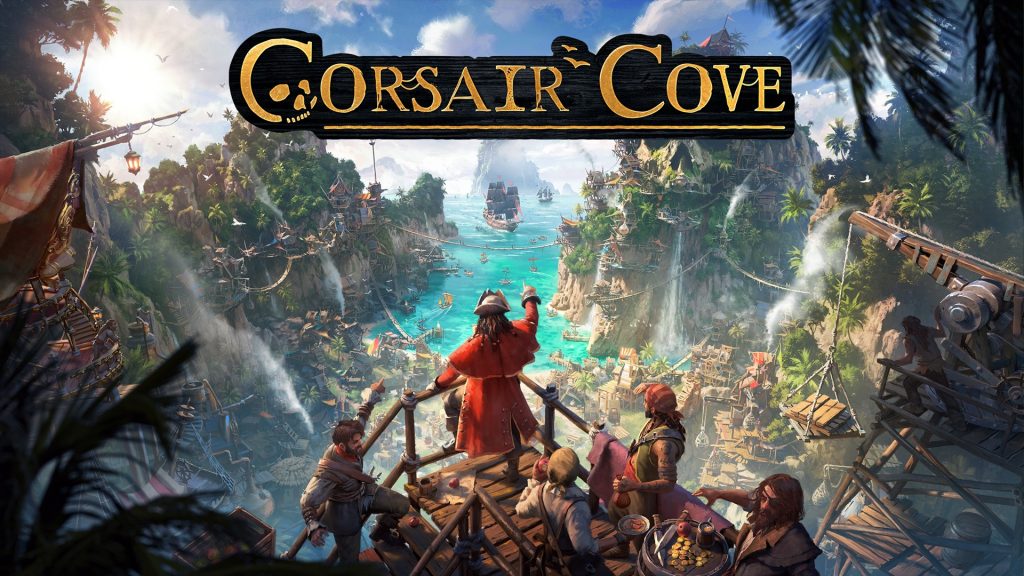
Hooded Horse keeps finding strategy games that know their audience, and Corsair Cove extends its impressive run of excellent city-builders.
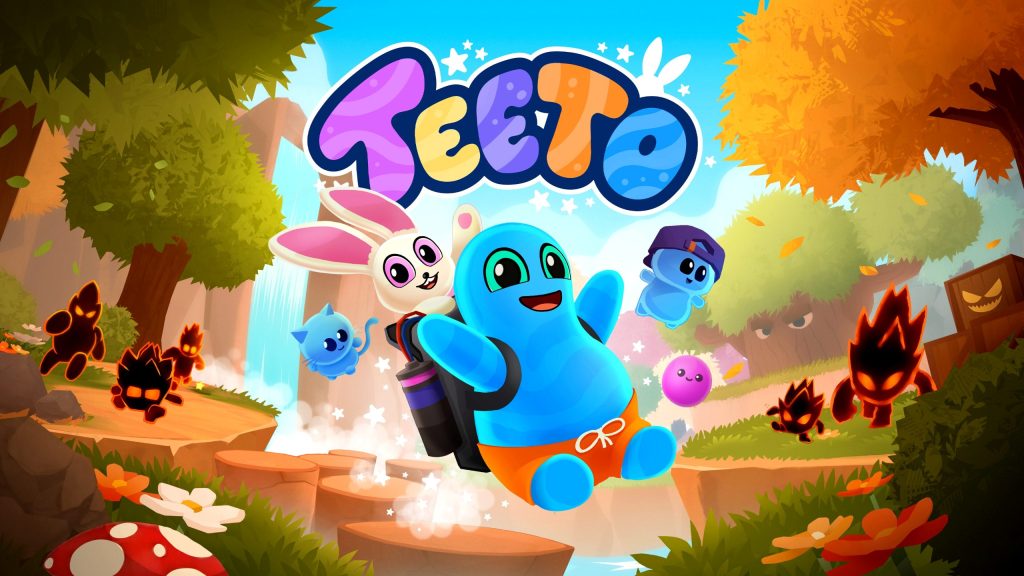
Teeto is a warm, cozy, creative and highly enjoyable 3D platformer that understands why classic collectathons remain so appealing.
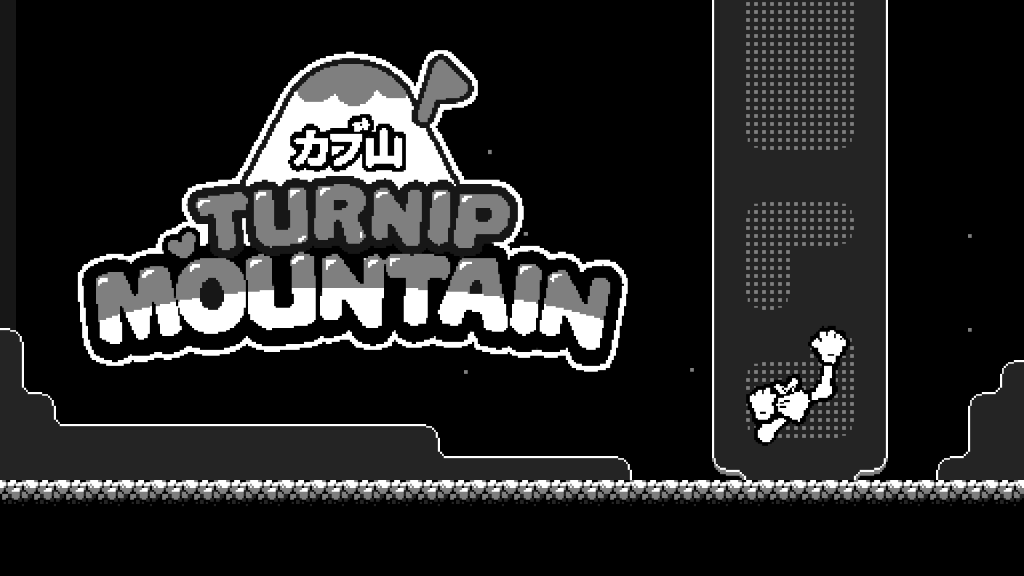
Turnip Mountain stands out for its combination of a unique control system and a minimalist approach.
Dystopicon is an imaginative and memorable narrative experiment with sharp social commentary, engaging world-building and several wonderfully absurd scenarios.
Maneki Mania is an incremental game centered around petting a lucky cat.
XeGrader Plus delivers colorful retro shooting, but basic mechanics, a short campaign and paid retro modes make its €20 price…
It has been roughly two and a half years since Palworld first entered Early Access, and quite a lot has…
![[EARLY ACCESS] The Last Caretaker – Survival Game I Cannot Stop Playing](https://www.indie-games.eu/wp-content/uploads/2026/07/The-last-Caretaker-Key-Art-1024x587.jpg)
The Last Caretaker is a compelling survival crafter with a flooded world and mobile base, but weak combat and performance…
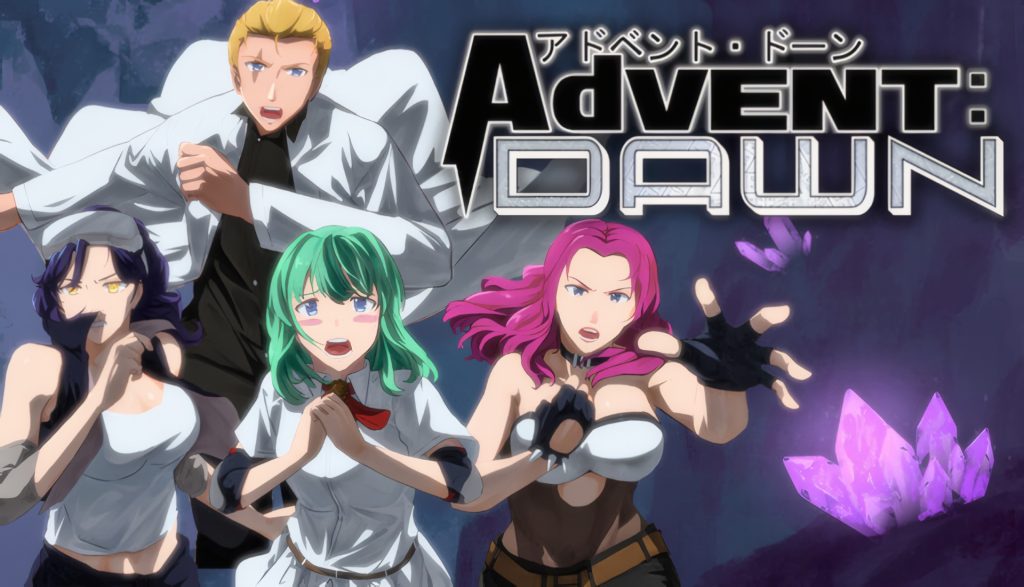
Advent: Dawn is an intriguing science-fiction visual novel elevated by a likable cast and one of the most convenient flowchart…
