The Alighieri Circle: Dante’s Bloodline – Promising Descent That Never Goes Deep Enough
The Alighieri Circle: Dante’s Bloodline is difficult to recommend beyond players who are especially interested in Dante or enjoy solving…

If you enjoy independent indie game coverage, consider supporting Indie-Games.eu on Patreon. It helps keep the site independent.
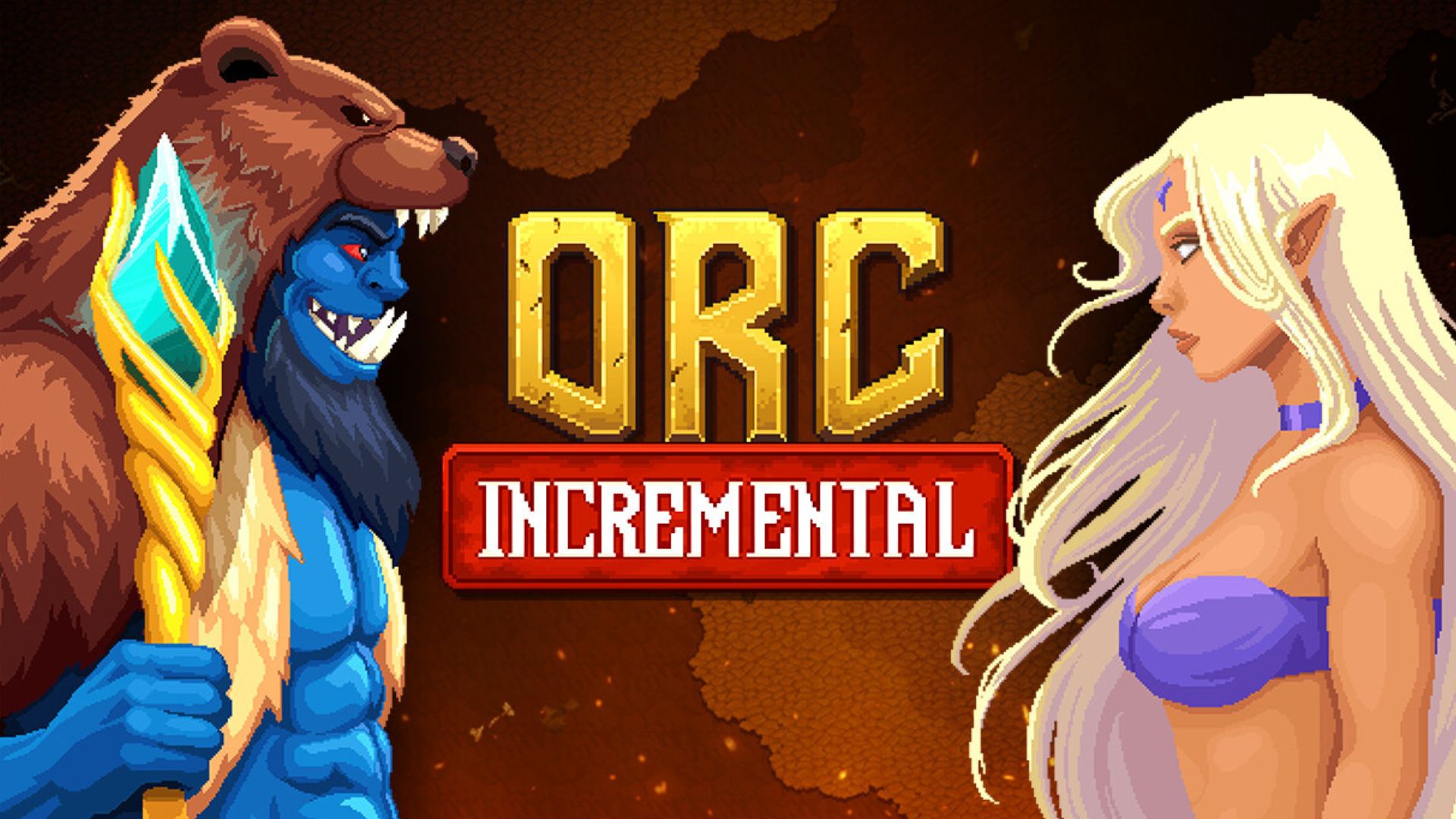
There is something satisfying about starting with one basic orc and gradually creating an army capable of tearing through hundreds of enemies. Orc Incremental understands that appeal immediately, combining the constant progression of an idle game with an auto-battler built around units, formations, spells and powerful totems.
After ten hours, several Dark Rebirths and more than 300 rounds, however, I also started seeing the limits of that idea. The numbers continued getting bigger, but the battles stopped offering meaningful surprises. Repeated enemies, two constantly recycled minibosses and a progression tree filled with small statistical improvements eventually turned an initially addictive climb into a slow march through content I had already seen.
Even so, I enjoyed my time with Orc Incremental. It offers enough build experimentation and content to justify its affordable price, especially for players who appreciate games that continue progressing while they are away. It simply needs more variety to make that long-term growth feel as exciting as its opening hours.
The central loop is simple. Your army automatically moves forward and fights through increasingly difficult levels, earning gold from defeated enemies. That gold can be invested into new upgrades, additional unit capacity and stronger versions of existing abilities.
You recruit units and totems by drawing cards. Your army can eventually include Orc Warriors, Shamans, Witch Doctors, Dragons, Catapults, Trolls and several other specialised fighters. Each occupies a position within your formation, while the different rarities and available upgrades affect how useful they become.
You can mostly allow battles to play out automatically, but spells provide some direct control. Fireballs can finish weakened enemies, while later abilities offer additional damage and battlefield control. I found these spells genuinely useful, particularly during difficult encounters where my army could not quite finish the job alone.
Totems are easily one of the most interesting parts of army building. They occupy valuable space that could otherwise hold another unit, but their passive effects can support unusual strategies and transform the way a formation performs. Deciding whether to add another fighter or use that position for a powerful bonus creates some of the game’s better choices.
The problem is that the summoning system becomes increasingly frustrating after several rebirths. Random draws do not always provide units that fit the strategy I am trying to create, and some available units feel significantly less useful than others. Pulling something that cannot contribute much is disappointing when it takes a place that could have completed a much stronger combination.

Eventually, every army reaches a wall. Orc Incremental then encourages you to perform a Dark Rebirth, resetting much of your current progress in exchange for Blight and permanent upgrades. Previously difficult levels disappear quickly, new systems become available and the increased speed provides an obvious demonstration of how much stronger you have become. Offline earnings also help considerably. Returning to a useful amount of gold allows you to purchase several upgrades immediately instead of leaving the game running without making decisions.
The Blight Tree contains more than 250 nodes, giving it an impressive appearance when it first opens. It includes permanent improvements, mechanical unlocks and access to additional units. Chieftains can also join the battlefield, offering different bloodlines, active abilities and bonuses connected to sacrificing them.
Unfortunately, the tree contains too many upgrades that only provide small increases to health, damage or income. Some of its expensive later unlocks are more interesting, but reaching them means spending a long time purchasing marginal improvements. Upgrades for units such as Dragons and Trolls can cost more than 100,000 gold while providing increases that rarely feel exciting enough to justify the wait.
This problem becomes more noticeable after four or more rebirths. Each reset sends me back through hundreds of familiar rounds, and the later ascension upgrades are expensive enough that recovering previous progress begins to feel like a slog. I am technically becoming stronger, but I am repeating too much old material before reaching something new.
Warpath improves the pace by turning individual levels into a continuous assault that lasts until the army is defeated. It fits the orc fantasy well and reduces some unnecessary downtime. Trials also introduce additional objectives outside the ordinary climb. Both are welcome, but neither completely fixes the repetition within the main mode.

The most serious problem is the lack of enemy and encounter variety. A mini mage boss appears every ten levels, while a summoned demon serves as the other regularly repeated miniboss. Major bosses arrive at much larger hundred-level milestones, but the long spaces between them are filled with encounters that quickly become predictable.
Once I moved beyond level 200, I saw very little meaningful development in enemy composition or formation. Statistics continued rising, but the basic structure of each battle remained almost identical. After more than 300 rounds, seeing the same mage and demon again stopped feeling like an event and became another obstacle delaying the next upgrade.
This also weakens army building. Different enemy formations should encourage me to reposition units, change my frontline or reconsider which support characters I use. When opposition remains too similar, raw power becomes more important than adaptation. Interesting totem combinations and useful spells still matter, but the game rarely places them under enough different kinds of pressure.
The handmade pixel artwork gives the battlefield a clean old-school strategy appearance, and the developer states that no generative AI was used in its assets. Units and effects remain easy to follow through the clear interface, even when a large army fills the screen. The presentation successfully sells the sight of a growing orc horde, but repeated enemies naturally reduce its impact over time.

Despite its problems, Orc Incremental kept me playing for ten hours because watching a carefully assembled army grow stronger remains consistently satisfying. Totems support entertaining combinations, spells provide some welcome control over automatic battles, and offline earnings help you overcome progression walls without leaving the game running constantly. Considering its low starting price, there is enough here for me to recommend it.
However, every Dark Rebirth exposes the lack of variety a little more. Replaying hundreds of nearly identical rounds, fighting the same two minibosses and spending resources on minor statistical upgrades eventually makes progression feel more exhausting than rewarding. Orc Incremental has a strong foundation, but it needs more enemies, formations, viable units and meaningful upgrades before its endless growth can remain interesting over the long term.
Orc Incremental offers satisfying progression, entertaining totem combinations and enough content to justify its affordable price. Repeated enemies, uneven units and a stat-heavy upgrade tree weaken its later hours, but incremental-game enthusiasts should still find plenty to enjoy.
Ending Thoughts
Review copy provided by the publisher
The Alighieri Circle: Dante’s Bloodline is difficult to recommend beyond players who are especially interested in Dante or enjoy solving…
![[GAMESCOM 2026] Chronoscript: The Endless End Preview – Beautiful Pages Hide Deliberate Combat](https://www.indie-games.eu/wp-content/uploads/2026/09/Chronoscript-The-Endless-End-1-1024x576.jpg)
Chronoscript: The Endless End stands out from other Metroidvanias by blending 2D manuscript worlds with exploration inside a 3D manor.
![[GAMESCOM 2026] MegaGum Preview – Combat Hits Hard in This Sticky Platforming Adventure](https://www.indie-games.eu/wp-content/uploads/2026/09/MegaGum-09-09-26-5-1024x576.jpg)
MegaGum combines hard-hitting combat, varied weapons and Gum-powered platforming in a promising Gamescom 2026 demo.
![[GAMESCOM 2026] Delphinium Preview – Cozy Routine Mixed With Enjoyable Minigames](https://www.indie-games.eu/wp-content/uploads/2026/03/Delphinium--1024x665.jpg)
Delphinium mixes cozy farming, exploration and relationships with enjoyable fishing, cooking and forging minigames in its Gamescom 2026 demo.
Lady Death: Demonicron looks the part, but underneath its excellent comic-book exterior is a clunky and painfully short brawler.
![[GAMESCOM 2026] Tomb Raider: Legacy of Atlantis Preview – Expands the Original Without Losing Its Identity](https://www.indie-games.eu/wp-content/uploads/2026/09/tomb-raider-legacy-of-atlantis-06-02-26-1-1024x576.jpg)
Tomb Raider: Legacy of Atlantis brings Lara back to her roots, but its Gamescom 2026 showing proved this is far…
![[GAMESCOM 2026] Clive Barker’s Hellraiser: Revival Preview – Ready to Open the Box](https://www.indie-games.eu/wp-content/uploads/2026/09/Clive-Barkers-Hellraiser-Revival-08-30-26-1-1024x576.jpg)
Hellraiser: Revival preserves the franchise’s sex, gore and psychological horror while delivering approachable survival-horror gameplay.

Swan Song creates a peaceful and forgiving puzzle space without removing the challenge that makes solving a difficult puzzle rewarding.
Mortal Shell II starts brilliantly but grows repetitive and exhausting, while remaining a rewarding and ambitious Soulslike sequel.
![[GAMESCOM 2026] Terranigma Preview – A Lost SNES Classic Returns in 2027](https://www.indie-games.eu/wp-content/uploads/2026/08/Terranigma-1-1024x576.jpg)
After more than three decades of limited availability, Terranigma is returning in 2027. We played its enhanced re-release at Gamescom…
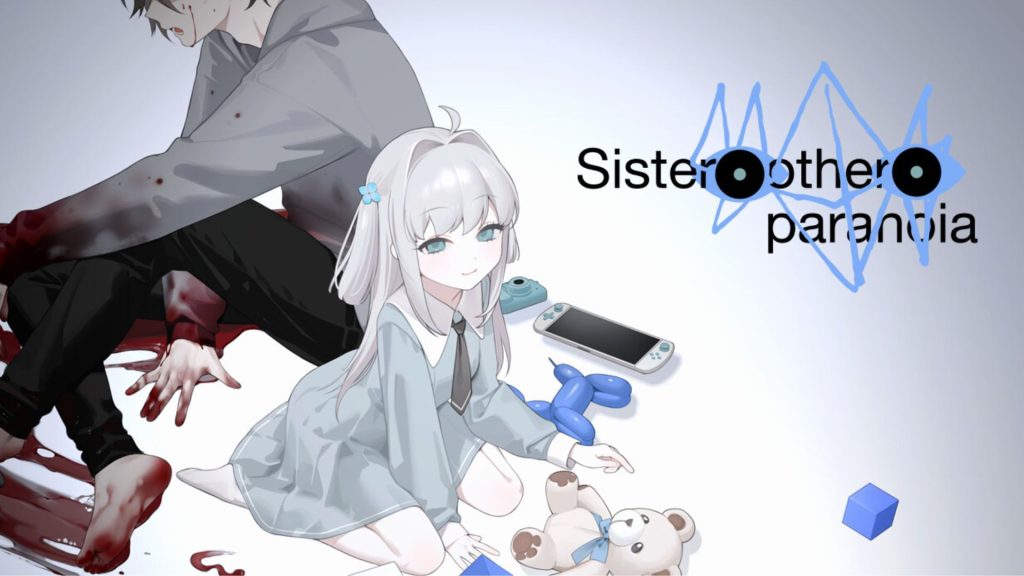
Reading another person’s mind is often presented as a desirable superpower, but Sister Other Paranoia immediately understands why it could…
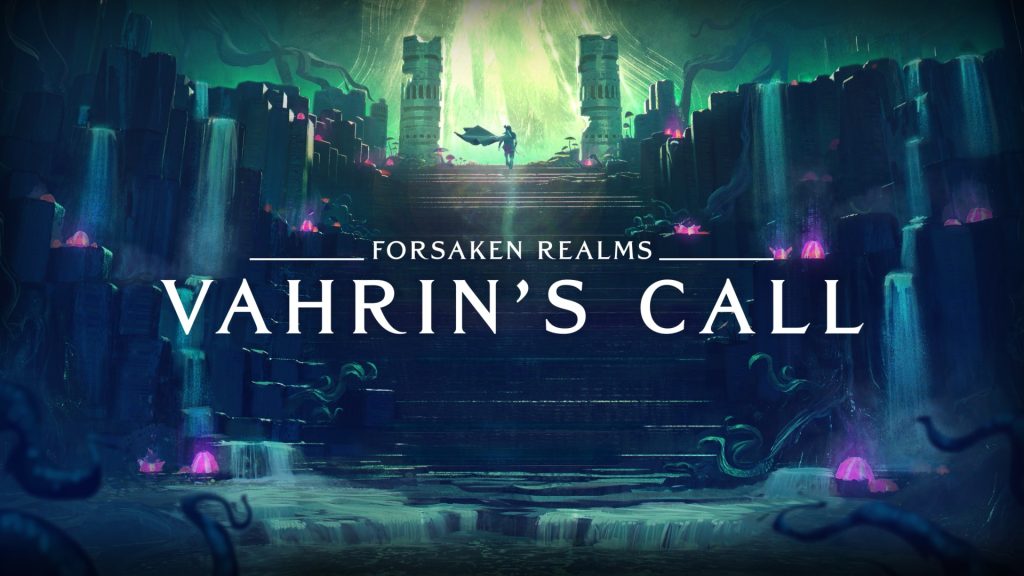
Forsaken Realms: Vahrin’s Call is exactly the kind of ambitious, slightly clumsy fantasy RPG that used to be far more…
![[Early Access] 2nd EVE – Sci-Fi Action RPG That Lacks a Sense of Stakes](https://www.indie-games.eu/wp-content/uploads/2026/08/2ND-EVE-1024x576.jpg)
2nd Eve is a space-set action RPG in which we strive to save humanity.
![[PREVIEW] Dreamcards – Strategic Exploration of Consciousness](https://www.indie-games.eu/wp-content/uploads/2026/08/Dreamcards_20260810_233631_0000-1024x576.jpg)
Dreamcards is a roguelike deckbuilder centered around dreams and nightmares.
![[Early Access] OFFBEAT – Incredibly Fun Way to Start a Music Career](https://www.indie-games.eu/wp-content/uploads/2026/08/Offbeat_20260808_201446_0000-1024x576.jpg)
In OFFBEAT, we play the role of a jobbing composer who is launching their music career.
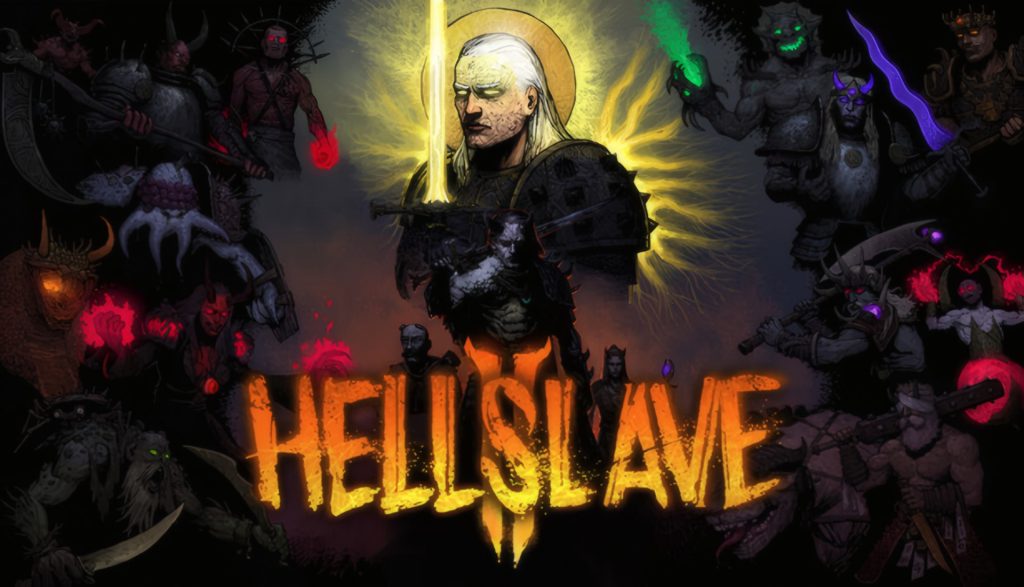
HellSlave II retains the original’s oppressive atmosphere, morally grey world and striking art while adding a larger world, randomized loot…
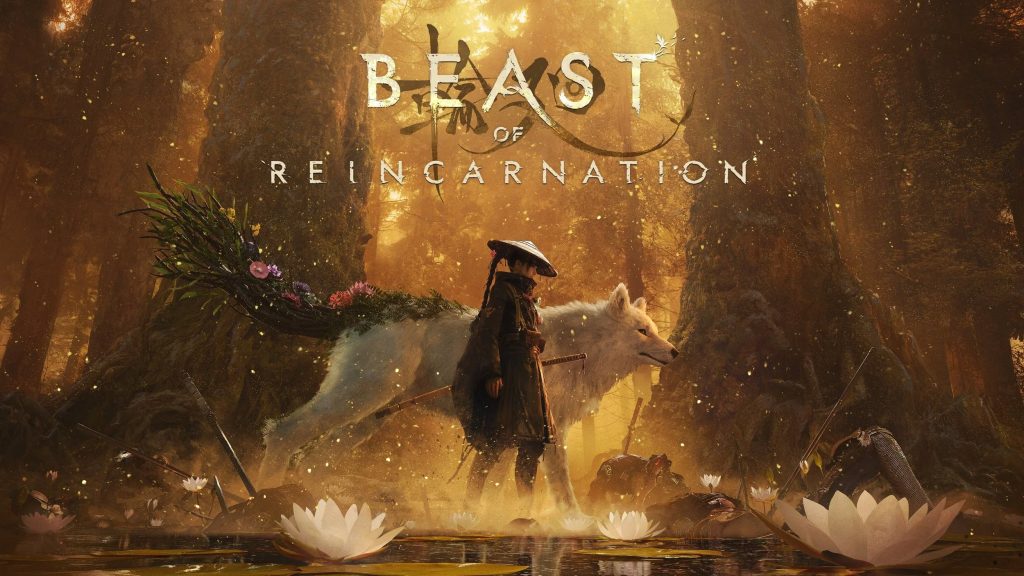
Beast of Reincarnation is an ambitious but uneven action RPG elevated by satisfying parry combat, beautiful art direction and the…

K-pop Idol Stories: Road to Debut captures the pressure of building idol group, but its management systems never explore that…
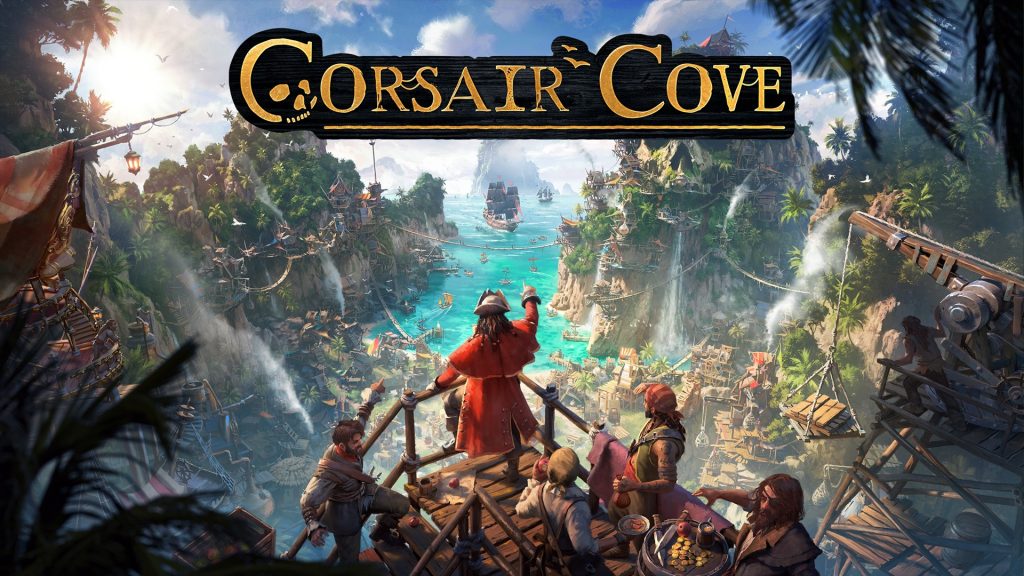
Hooded Horse keeps finding strategy games that know their audience, and Corsair Cove extends its impressive run of excellent city-builders.
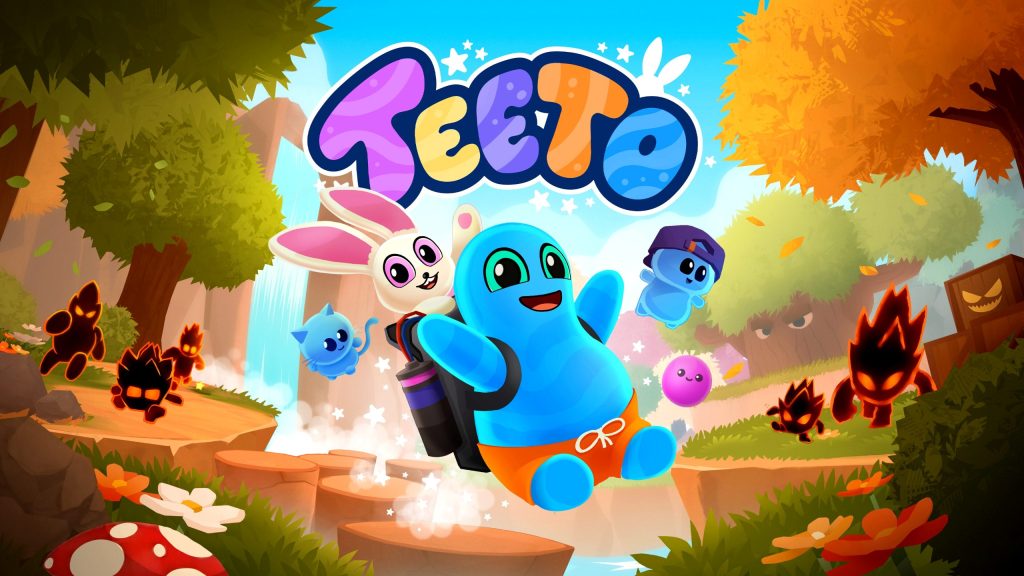
Teeto is a warm, cozy, creative and highly enjoyable 3D platformer that understands why classic collectathons remain so appealing.
