Sister Other Paranoia – Everyone Has Something Ugly to Hide
Reading another person’s mind is often presented as a desirable superpower, but Sister Other Paranoia immediately understands why it could…

![[GAMESCOM 2026] Terranigma Preview – A Lost SNES Classic Returns in 2027](https://www.indie-games.eu/wp-content/uploads/2026/08/Terranigma-1.jpg)
If you enjoy independent indie game coverage, consider supporting Indie-Games.eu on Patreon. It helps keep the site independent.
Terranigma has spent more than three decades as one of the most difficult-to-access action RPGs from the 16-bit era. Originally developed by Quintet and released for the Super Nintendo in Japan in 1995, followed by Europe and Australia in 1996, it never received an official North American launch or a modern re-release.
That is finally changing. Clear River Games, working in cooperation with Square Enix, is bringing Terranigma to Nintendo Switch, Switch 2, PlayStation 4, PlayStation 5, Xbox Series X|S and PC in early 2027. Both physical and digital editions are planned.
Unfortunately, I only managed to spend around 25 minutes with it at the crowded Clear River Games booth in Hall 10.2 during Gamescom 2026. That was not nearly enough time to understand everything Terranigma has to offer, but it provided an interesting introduction to its combat, exploration and unusual progression systems.
Terranigma follows Ark, a mischievous young man from Crysta, the only remaining village in the Underworld. After opening a forbidden door and discovering a mysterious box, Ark accidentally freezes most of the village’s population. His attempt to restore them eventually develops into an enormous journey involving the resurrection of Earth itself.
Instead of redrawing Ark and the environments in HD-2D or three-dimensional graphics, Clear River Games is preserving the 16-bit artwork, while original character designer Kamui Fujiwara is contributing new key artwork and additional in-game designs. Original director and writer Tomoyoshi Miyazaki and writer Reiko Takebayashi are also involved with the project.
Staff at the booth told me that the game includes both a Vanilla Mode, designed to offer an experience closer to the original release, and an Enhanced Mode featuring optional quality-of-life improvements, faster magic selection and currently unspecified balancing adjustments.
The settings menu also included options for screen resolution, window size, controls and language, alongside a toggleable CRT television filter and several background choices. These backgrounds fill the space surrounding the original 4:3 game window. In the Gamescom build, for example, an “Underworld” option displayed Kamui Fujiwara’s Underworld artwork along both sides of the screen.
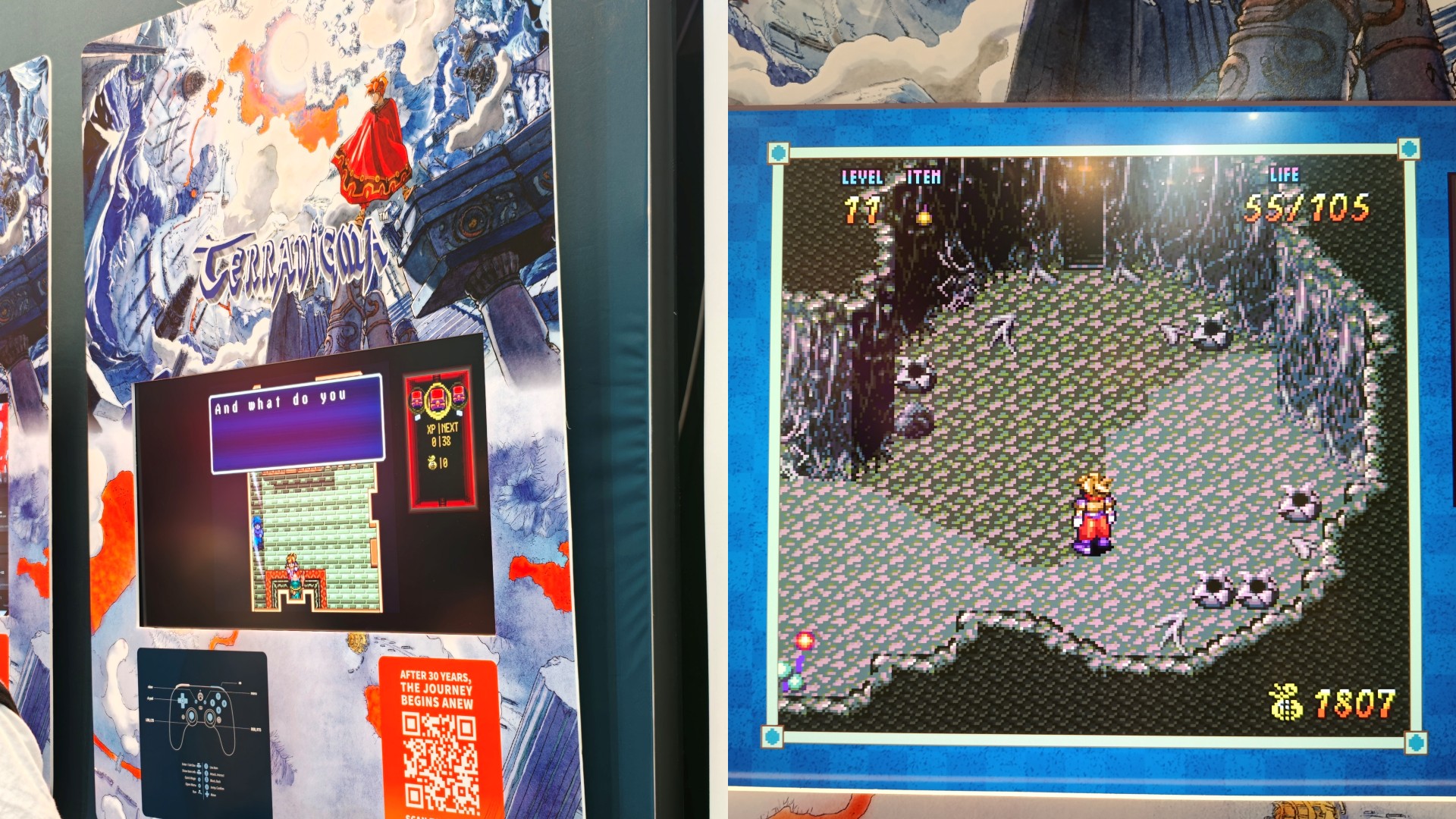
Terranigma uses real-time combat viewed from a top-down perspective. Ark primarily fights with spears and can perform different attacks by combining movement, jumping and attacking. He can thrust his weapon, leap towards opponents, launch himself forward with a rapid dash attack and block incoming projectiles.
Ark felt fast and responsive, while attacks connected smoothly without constantly interrupting the pace of exploration. Despite originally being released more than 30 years ago, its movement and combat did not feel excessively rigid.
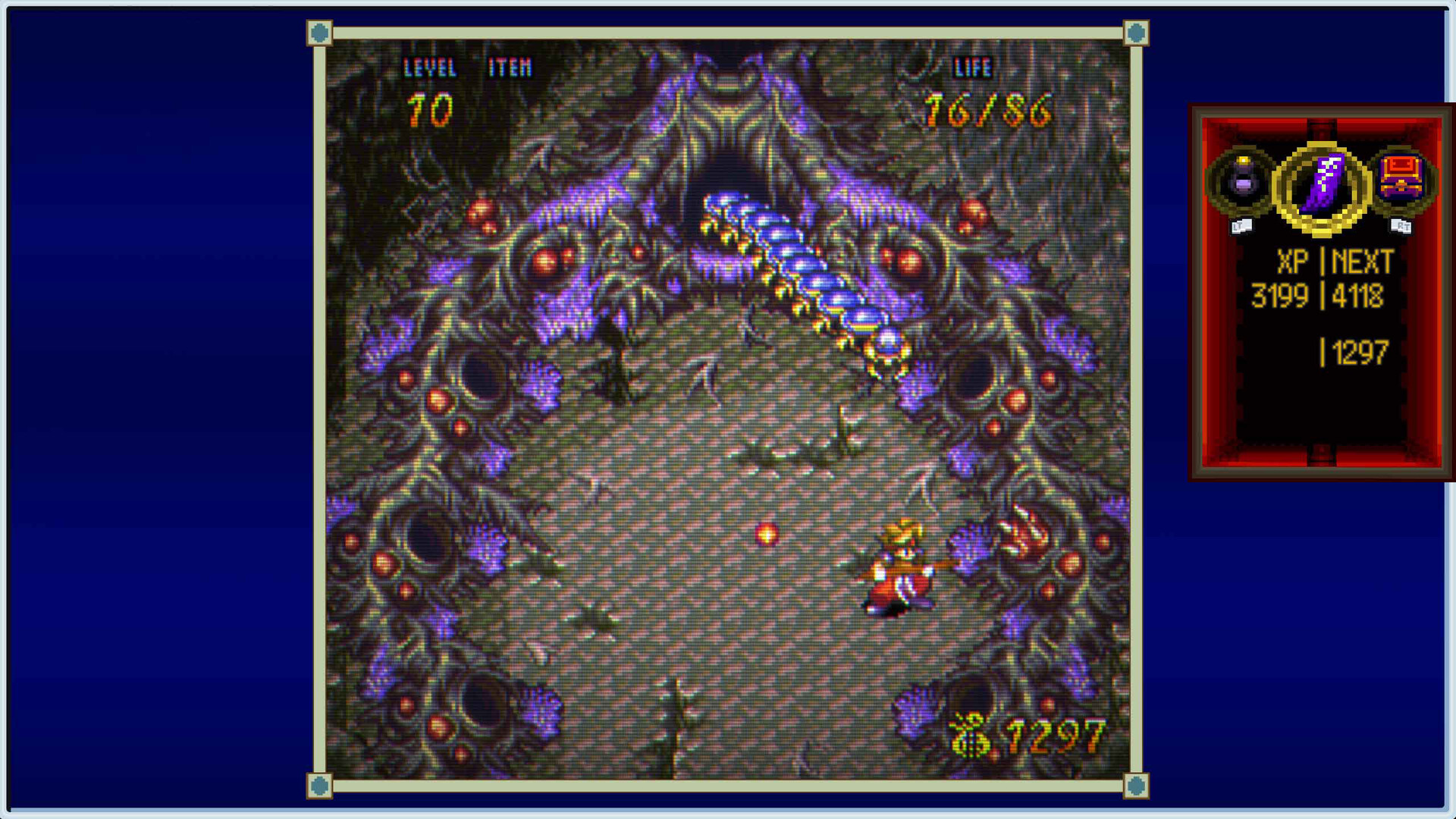
The enemies were also interesting. One rose-like flower attacked by firing projectiles but could close its petals to protect itself, forcing me to wait for an opening. I also encountered strange creatures that looked like a combination of wolves and monkeys, leaping around the environment and making themselves more difficult to hit.
Although individual enemy types appeared repeatedly, their designs and behaviours were distinctive. Even during such a short session, I quickly learned what several creatures could do and how I should approach them.
Defeating enemies awards experience, allowing you to increase Ark’s health, strength, defence and luck. Weapons and armour provide further statistical improvements, while certain pieces of equipment can be more effective against specific enemies or environmental obstacles.
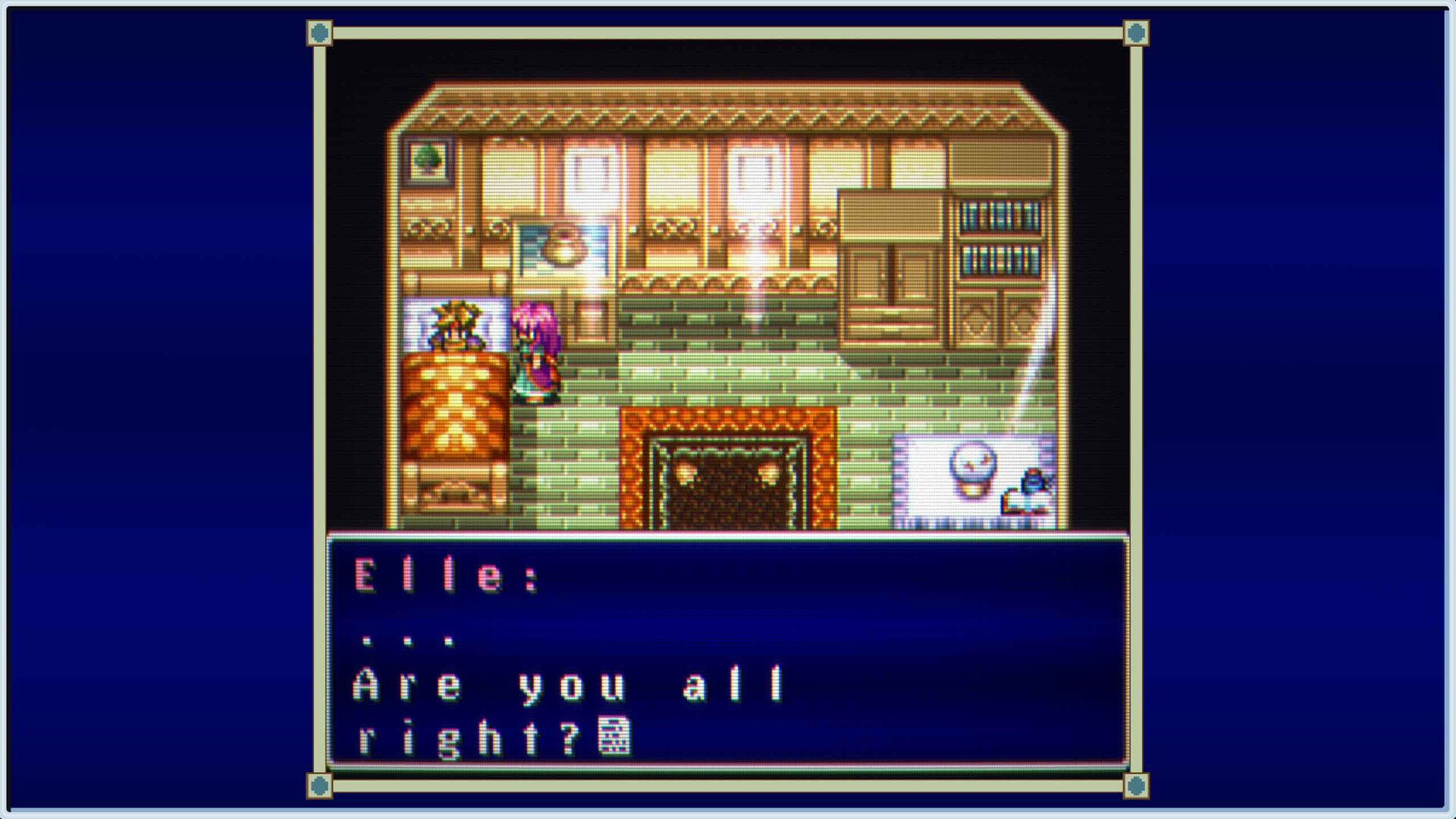
It probably did not help that I picked up the demo from someone who had been playing before me, so I was dropped into the experience without much context and was initially left confused by several of its systems. Magic, in particular, is considerably less straightforward than the basic combat.
Rather than relying on a magic meter, Ark collects Magirocks that can be exchanged at magic shops for rings and summon medals. These function as spells and are consumed when used, while the Magirocks themselves are returned and can later be exchanged for different magic.
I was able to use magic alongside regular attacks and blocking, but I remained confused by both the inventory and magic systems for much of the demonstration. With more time, their logic would probably have become clearer, but a busy convention booth was hardly the ideal environment in which to learn them. It also gave me the impression that Terranigma does not do much to ease you into its mechanics if you are not starting from the beginning.
While the visuals and combat made a strong first impression, exploration was genuinely confusing. I became lost several times while trying to determine the correct route through the area. Enemies also respawned whenever I re-entered a previous section, meaning that every wrong turn could lead to another fight.
The section I played appears to have taken place inside the Ra Tree, an early dungeon visited after Ark reaches the surface world. During this section, I obtained the Giant Leaves, a permanent item that essentially functions as a pair of improvised flippers and allows Ark to swim.
My 25-minute Gamescom session was not long enough to explain why Terranigma has maintained such a passionate following for over three decades. I barely experienced its story, world restoration, town development, magic or broader character progression. It would therefore be premature to reach a firm conclusion about either the original game or this modern re-release.
Nevertheless, its strongest elements were already apparent. Combat felt fast and responsive, the 16-bit artwork remained beautiful and the enemies possessed distinctive designs and behaviours. Exploration was confusing, while the inventory and magic systems will require additional time to understand properly.
This is also an enhanced re-release rather than a complete remake. Some players may be disappointed that Terranigma has not received a larger visual transformation, but preserving the original experience also allows a new generation to discover the game that longtime fans remember.
I am not yet certain whether its more dated systems will become part of its charm or an obstacle to enjoying the wider adventure. However, after being inaccessible for so long, Terranigma finally has the opportunity to prove itself again, and my brief introduction left me interested in discovering what lies beyond the Ra Tree.
Terranigma was previewed during a 25-minute hands-on demonstration at Gamescom 2026.
Reading another person’s mind is often presented as a desirable superpower, but Sister Other Paranoia immediately understands why it could…
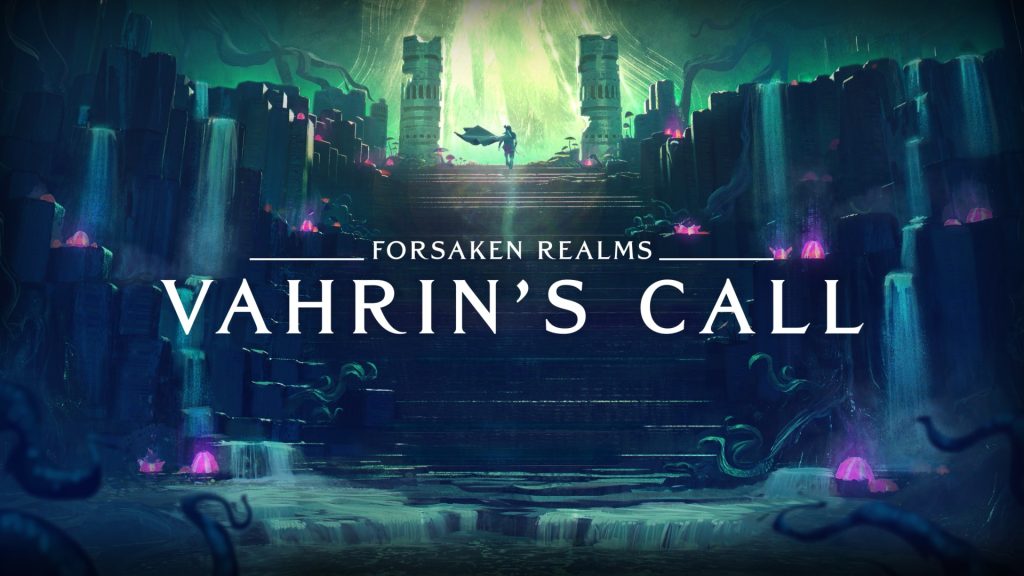
Forsaken Realms: Vahrin’s Call is exactly the kind of ambitious, slightly clumsy fantasy RPG that used to be far more…
![[Early Access] 2nd EVE – Sci-Fi Action RPG That Lacks a Sense of Stakes](https://www.indie-games.eu/wp-content/uploads/2026/08/2ND-EVE-1024x576.jpg)
2nd Eve is a space-set action RPG in which we strive to save humanity.
![[PREVIEW] Dreamcards – Strategic Exploration of Consciousness](https://www.indie-games.eu/wp-content/uploads/2026/08/Dreamcards_20260810_233631_0000-1024x576.jpg)
Dreamcards is a roguelike deckbuilder centered around dreams and nightmares.
![[Early Access] OFFBEAT – Incredibly Fun Way to Start a Music Career](https://www.indie-games.eu/wp-content/uploads/2026/08/Offbeat_20260808_201446_0000-1024x576.jpg)
In OFFBEAT, we play the role of a jobbing composer who is launching their music career.
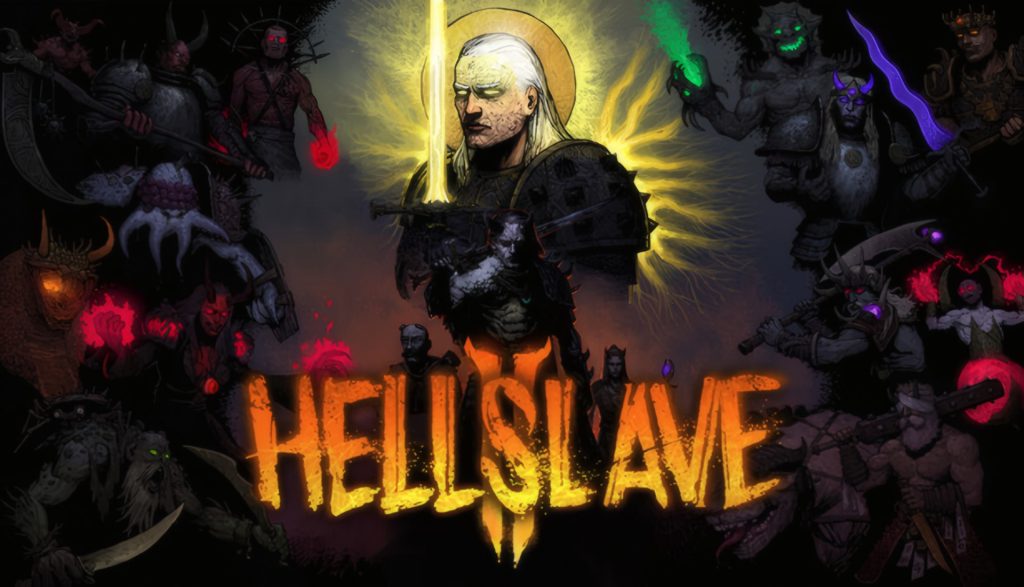
HellSlave II retains the original’s oppressive atmosphere, morally grey world and striking art while adding a larger world, randomized loot…
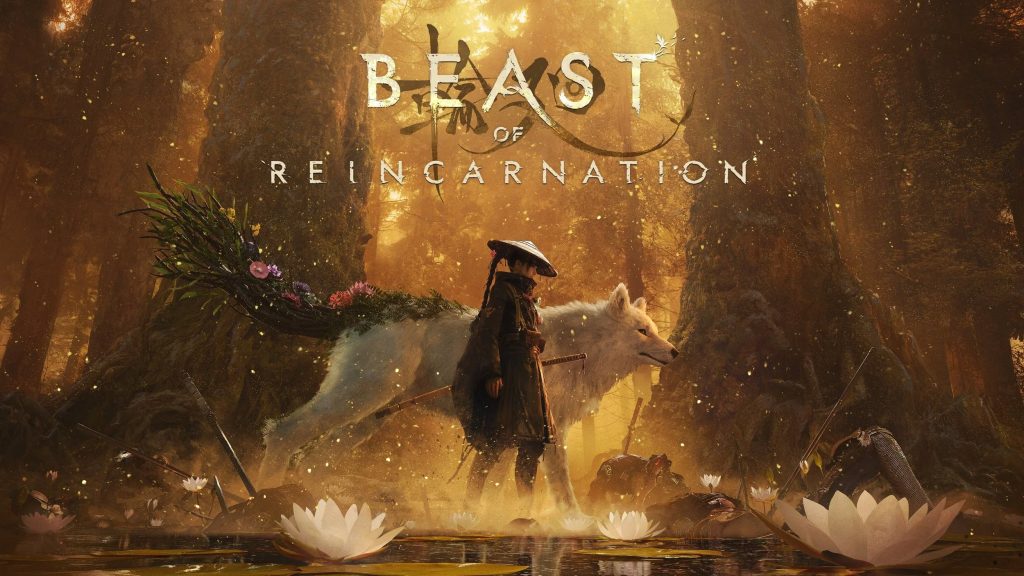
Beast of Reincarnation is an ambitious but uneven action RPG elevated by satisfying parry combat, beautiful art direction and the…

K-pop Idol Stories: Road to Debut captures the pressure of building idol group, but its management systems never explore that…
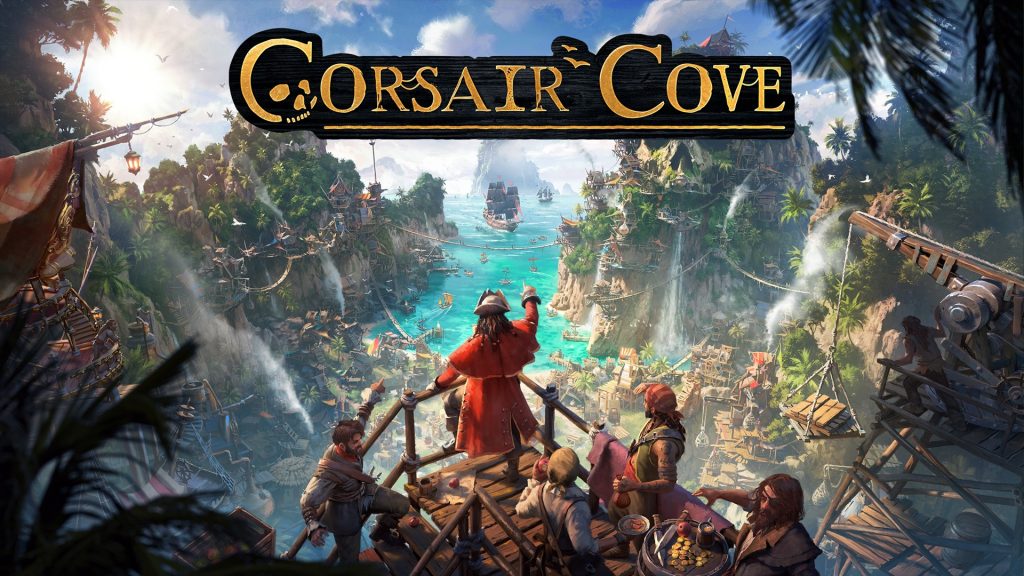
Hooded Horse keeps finding strategy games that know their audience, and Corsair Cove extends its impressive run of excellent city-builders.
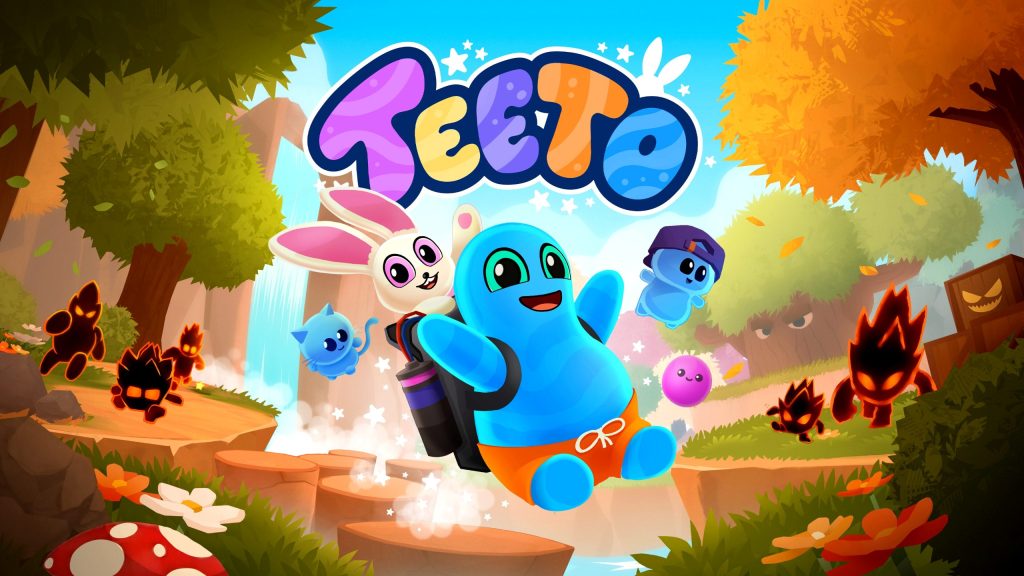
Teeto is a warm, cozy, creative and highly enjoyable 3D platformer that understands why classic collectathons remain so appealing.
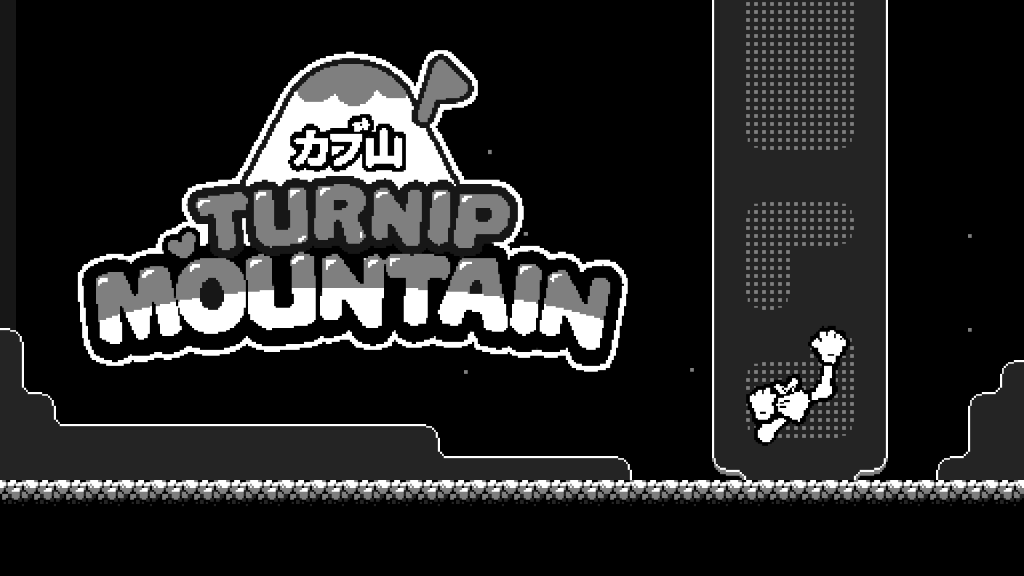
Turnip Mountain stands out for its combination of a unique control system and a minimalist approach.
Dystopicon is an imaginative and memorable narrative experiment with sharp social commentary, engaging world-building and several wonderfully absurd scenarios.
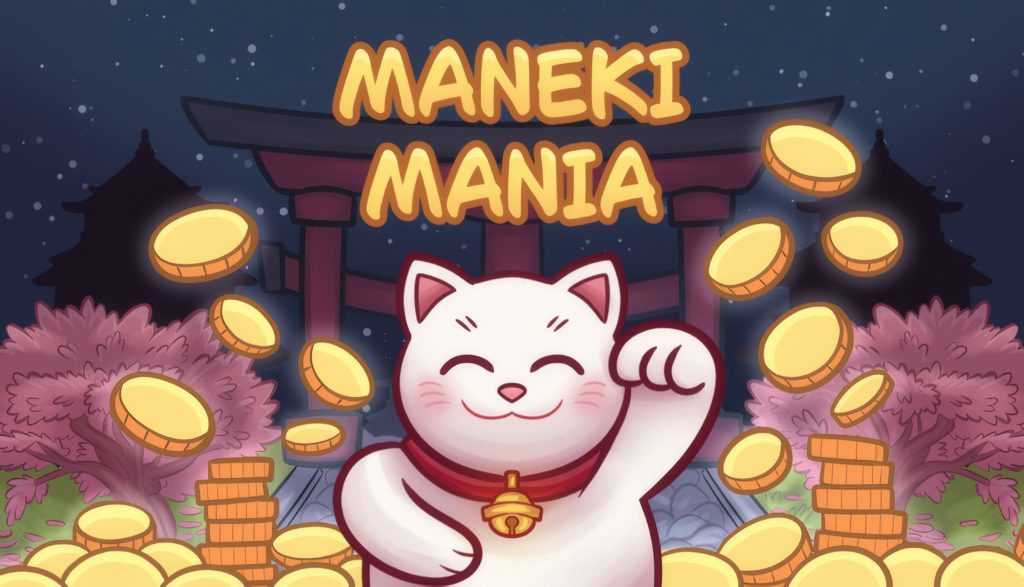
Maneki Mania is an incremental game centered around petting a lucky cat.
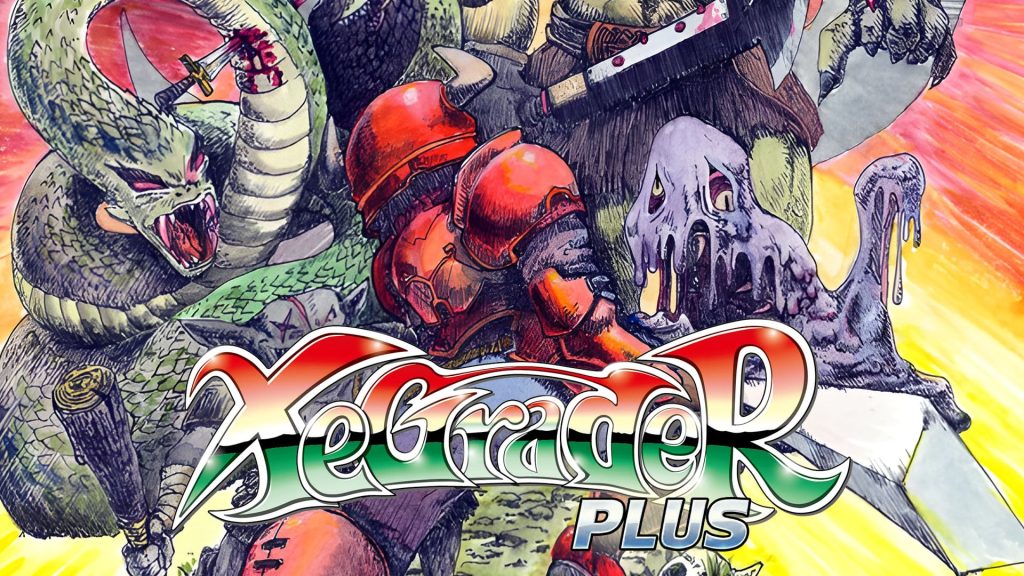
XeGrader Plus delivers colorful retro shooting, but basic mechanics, a short campaign and paid retro modes make its €20 price…
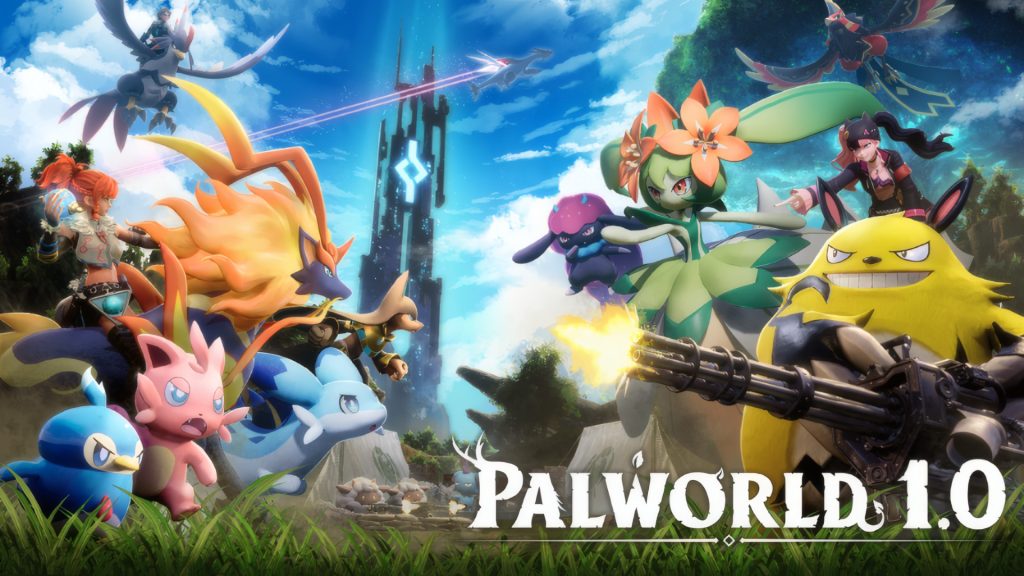
It has been roughly two and a half years since Palworld first entered Early Access, and quite a lot has…
![[EARLY ACCESS] The Last Caretaker – Survival Game I Cannot Stop Playing](https://www.indie-games.eu/wp-content/uploads/2026/07/The-last-Caretaker-Key-Art-1024x587.jpg)
The Last Caretaker is a compelling survival crafter with a flooded world and mobile base, but weak combat and performance…
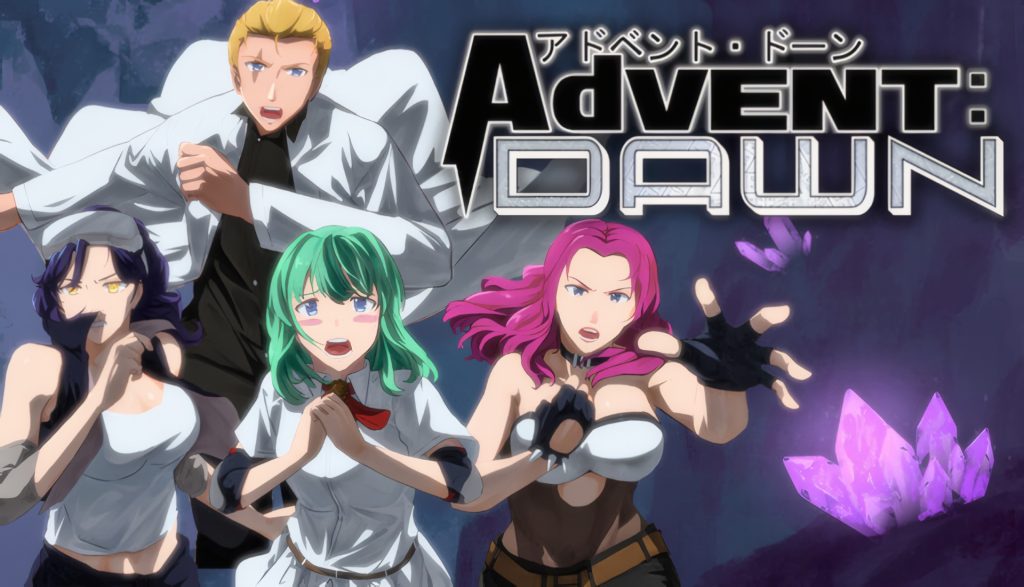
Advent: Dawn is an intriguing science-fiction visual novel elevated by a likable cast and one of the most convenient flowchart…
![[EARLY ACCESS] Hell Maiden – Beautiful but Uneven Journey Through Hell](https://www.indie-games.eu/wp-content/uploads/2025/06/HMD_screenshot_019-1024x576.jpg)
Bullet heaven and rougelite game Hell Maiden lands between a polished Early Access release and a promising game that still…
![[PREVIEW] Dark Queen of Samobor – Promising Croatian Adventure Still in Need of Polish](https://www.indie-games.eu/wp-content/uploads/2026/07/Dark-Queen-of-Samobor-1024x587.jpg)
Dark Queen of Samobor is a promising 2.5D side-scrolling action-adventure that combines Croatian folklore with combat, puzzles and cinematic platforming.
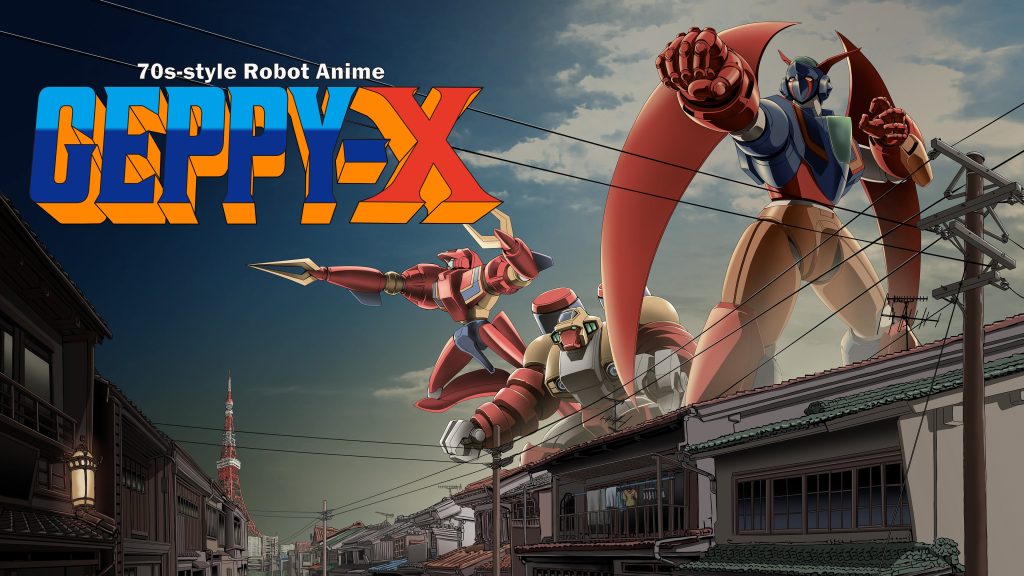
70s-style Robot Anime Geppy-X offers incredible animation, music and mecha nostalgia, but its average shooting make the €39 price difficult…
