![[GAMESCOM 2026] Clive Barker’s Hellraiser: Revival Preview – Ready to Open the Box](https://www.indie-games.eu/wp-content/uploads/2026/09/Clive-Barkers-Hellraiser-Revival-08-30-26-1-1024x576.jpg)
[GAMESCOM 2026] Clive Barker’s Hellraiser: Revival Preview – Ready to Open the Box
Hellraiser: Revival preserves the franchise’s sex, gore and psychological horror while delivering approachable survival-horror gameplay.

![[GAMESCOM 2026] Tomb Raider: Legacy of Atlantis Preview – Expands the Original Without Losing Its Identity](https://www.indie-games.eu/wp-content/uploads/2026/09/tomb-raider-legacy-of-atlantis-06-02-26-1.jpg)
If you enjoy independent indie game coverage, consider supporting Indie-Games.eu on Patreon. It helps keep the site independent.
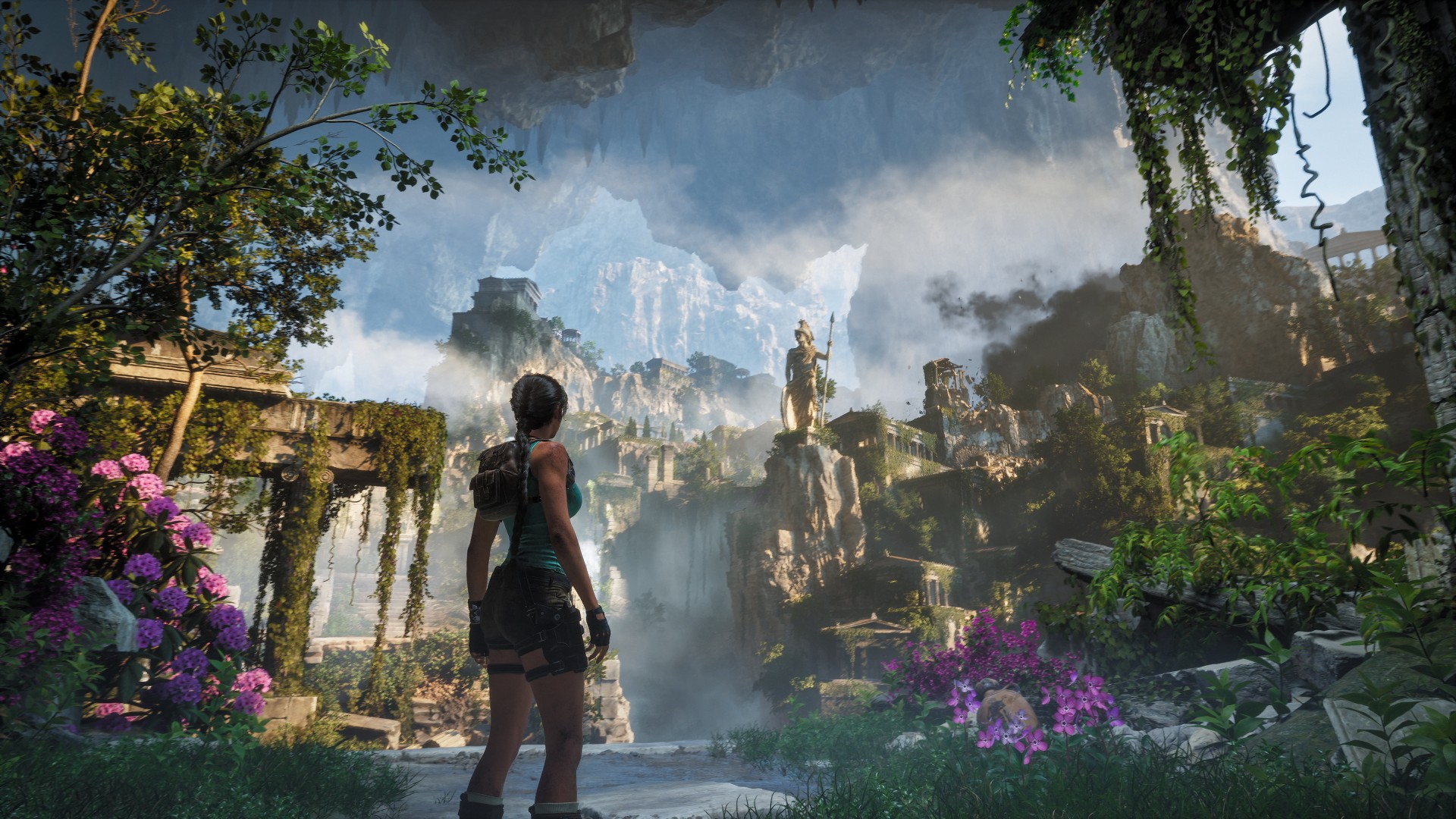
Tomb Raider: Legacy of Atlantis is clearly interested in bringing Lara Croft back to her roots, but based on what was shown at Gamescom 2026, this is not simply the original Tomb Raider rebuilt with modern graphics. Crystal Dynamics and Flying Wild Hog are taking familiar locations, puzzles and ideas from the 1996 game and expanding them with much larger environments, more elaborate traversal and plenty of modern mechanics.
The Gamescom presentation focused heavily on Greece and St. Francis’ Folly, including a redesigned version of the famous Sword of Damocles room. It was a good choice for demonstrating what Legacy of Atlantis is trying to achieve because much of the environment remains immediately recognizable, while the actual process of navigating it has changed considerably.
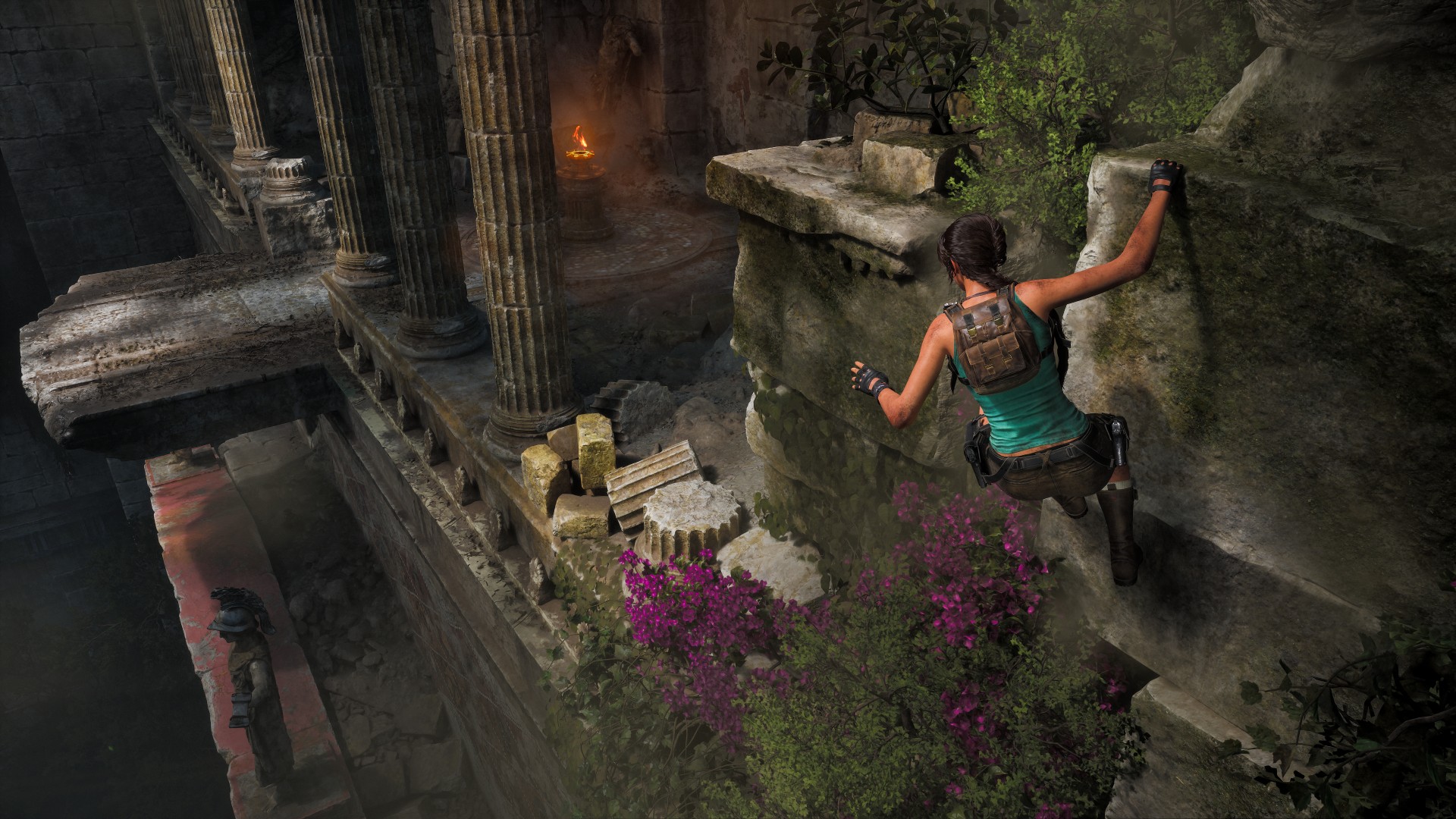
Platforming appears to be one of the biggest priorities. The developers have described platforming, puzzles and combat as the game’s three main pillars, and that philosophy was apparent throughout the demonstration.
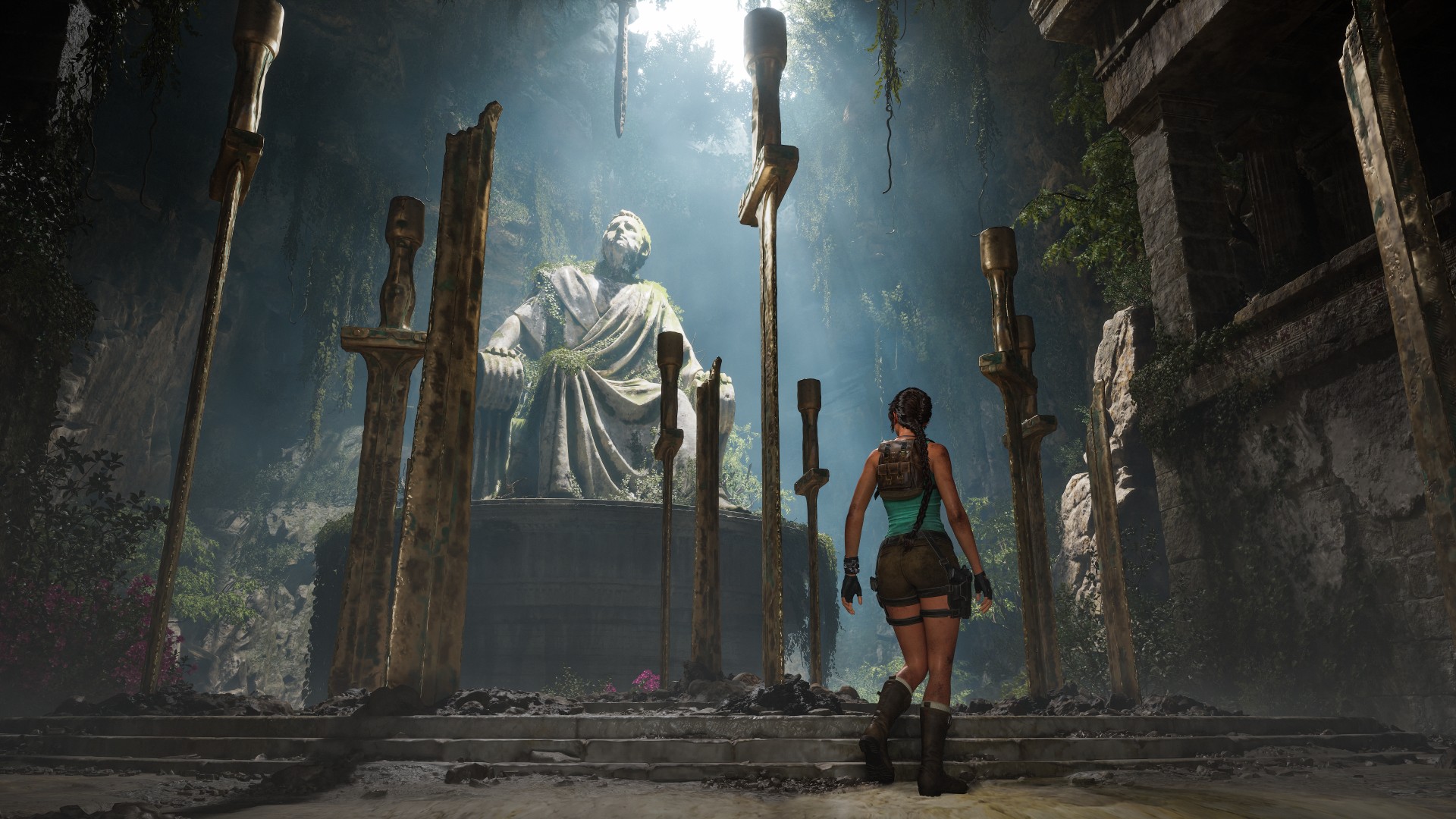
Lara is considerably more agile than she was almost 30 years ago, with flips, handstands, precision jumps and other acrobatic movements forming an important part of exploration. There is still some invisible assistance helping Lara connect with platforms, although the developers insist jumps can be missed and traversal will not simply play itself.
That distinction will probably be important for longtime Tomb Raider fans. Modern Tomb Raider games gradually moved toward heavily guided traversal where climbable surfaces were usually obvious and Lara would reliably attach herself to them. Legacy of Atlantis appears to be trying to find a middle ground, keeping modern controls while asking players to pay more attention to positioning and the environment.
The Damocles room also demonstrated how dramatically the puzzles are being reworked. Rather than simply recreating the original puzzle, falling swords become part of the solution. Lara has to trigger certain traps deliberately and then use the swords themselves as platforms to reach other parts of the room. Similar changes appear throughout St. Francis’ Folly, where familiar objectives have been expanded into considerably larger environmental puzzles.
This is probably where the remake makes the strongest argument for its existence. Instead of replacing old Tomb Raider with something entirely different, Legacy of Atlantis appears to take ideas that were limited by technology in 1996 and imagine what those locations could have become with fewer restrictions.
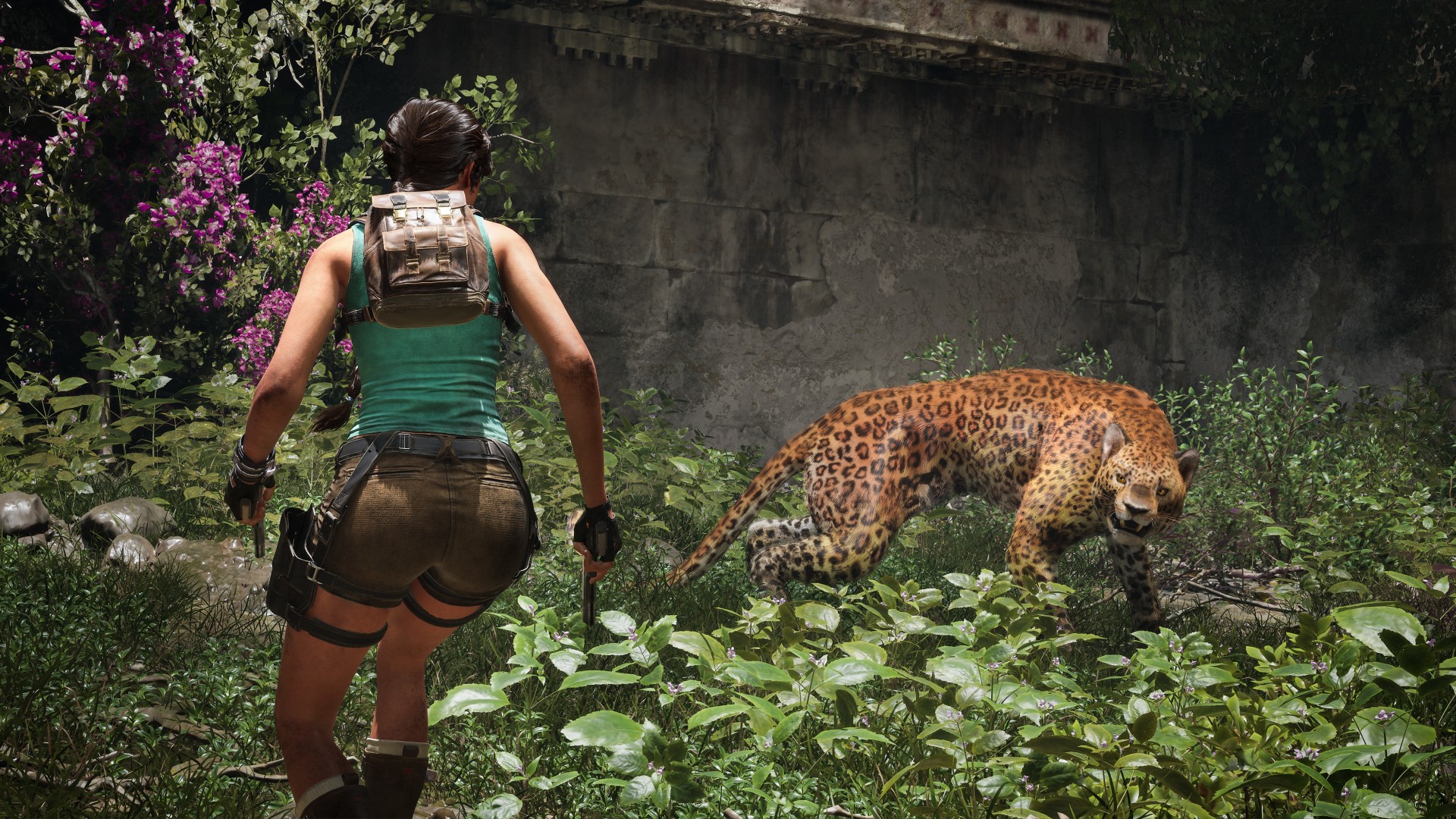
Combat has received an equally dramatic overhaul. Lara’s dual pistols return, but encounters are far more acrobatic than simply jumping around while holding the fire button. One of the major additions is Focus, which slows time and allows Lara to continue firing during jumps and dodges.
Enemies are also being designed around the expanded environments. Some larger animals behave almost like mini-boss encounters, for example, we were showcased the famous panther and bats, using the environment and attacking from different positions rather than simply running directly toward Lara.
Levels are larger, more vertical and filled with optional areas containing relics and secrets. Relics provide historical information while also rewarding exploration with unlockables, including outfits inspired by previous Tomb Raider games. One of the more interesting additions is Lara’s archaeological scanner. It can be used to examine objects, provide historical context and potentially offer clues when players become stuck.
That feature could be useful, but it is also one of the mechanics I am most curious about. Tomb Raider has traditionally been at its best when the environment itself makes you stop, observe and understand where to go next. If scanning every room becomes the easiest solution, it could undermine some of that exploration. Thankfully, puzzle assistance appears to be optional.
There are a few other modern systems that feel slightly less necessary. Lara can gather resources and craft supplies, while a skill tree accessed through her phone allows various upgrades. Neither appears particularly intrusive from what has been shown so far, and essential abilities will not be locked behind skill progression, but they do raise the question of how many modern action-adventure systems Tomb Raider actually needs.
Legacy of Atlantis looks most convincing when it concentrates on Lara herself: exploring enormous tombs, solving environmental puzzles, making dangerous jumps and fighting wildlife with dual pistols.
Visually, the transformation is also substantial. Unreal Engine 5 allows locations such as Greece to feel much larger and more atmospheric while still retaining the exaggerated adventure-fantasy identity of classic Tomb Raider. Detailed vegetation, enormous ruins and strong lighting make the environments feel considerably more alive without pushing everything toward complete realism.
Crystal Dynamics and Flying Wild Hog are also taking inspiration from both the original Tomb Raider and Tomb Raider: Anniversary rather than treating either version as untouchable. That seems like the right approach.
Legacy of Atlantis does not need to reproduce every room exactly as players remember it. What matters more is preserving the feeling of entering somewhere ancient, dangerous, and mysterious, then figuring out how to survive it. Based on what was shown at Gamescom, the developers seem to understand that.
The biggest question is whether all of the additional systems surrounding that foundation such as crafting, upgrades, scanners and accessibility features will strengthen the experience or simply make classic Tomb Raider busier than it needs to be.
For now, Tomb Raider: Legacy of Atlantis looks like a much more ambitious remake than I initially expected, and its expanded platforming and puzzle design may ultimately prove considerably more important than its impressive visual overhaul.
Tomb Raider: Legacy of Atlantis is launching across Windows PC (Steam), Xbox Series X|S, and PlayStation 5 on February 12th, 2027.
Hellraiser: Revival preserves the franchise’s sex, gore and psychological horror while delivering approachable survival-horror gameplay.

Swan Song creates a peaceful and forgiving puzzle space without removing the challenge that makes solving a difficult puzzle rewarding.
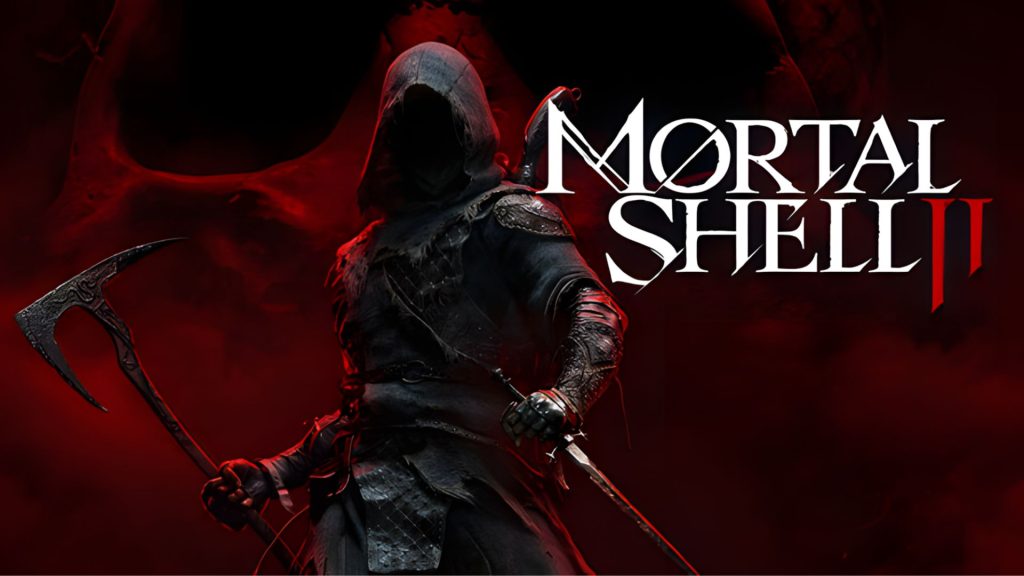
Mortal Shell II starts brilliantly but grows repetitive and exhausting, while remaining a rewarding and ambitious Soulslike sequel.
![[GAMESCOM 2026] Terranigma Preview – A Lost SNES Classic Returns in 2027](https://www.indie-games.eu/wp-content/uploads/2026/08/Terranigma-1-1024x576.jpg)
After more than three decades of limited availability, Terranigma is returning in 2027. We played its enhanced re-release at Gamescom…

Reading another person’s mind is often presented as a desirable superpower, but Sister Other Paranoia immediately understands why it could…
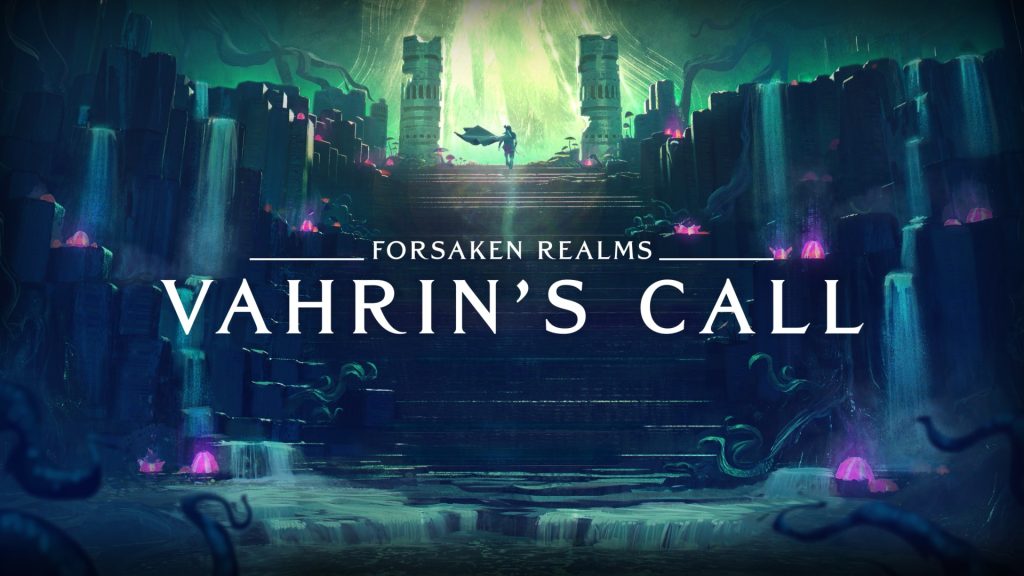
Forsaken Realms: Vahrin’s Call is exactly the kind of ambitious, slightly clumsy fantasy RPG that used to be far more…
![[Early Access] 2nd EVE – Sci-Fi Action RPG That Lacks a Sense of Stakes](https://www.indie-games.eu/wp-content/uploads/2026/08/2ND-EVE-1024x576.jpg)
2nd Eve is a space-set action RPG in which we strive to save humanity.
![[PREVIEW] Dreamcards – Strategic Exploration of Consciousness](https://www.indie-games.eu/wp-content/uploads/2026/08/Dreamcards_20260810_233631_0000-1024x576.jpg)
Dreamcards is a roguelike deckbuilder centered around dreams and nightmares.
![[Early Access] OFFBEAT – Incredibly Fun Way to Start a Music Career](https://www.indie-games.eu/wp-content/uploads/2026/08/Offbeat_20260808_201446_0000-1024x576.jpg)
In OFFBEAT, we play the role of a jobbing composer who is launching their music career.
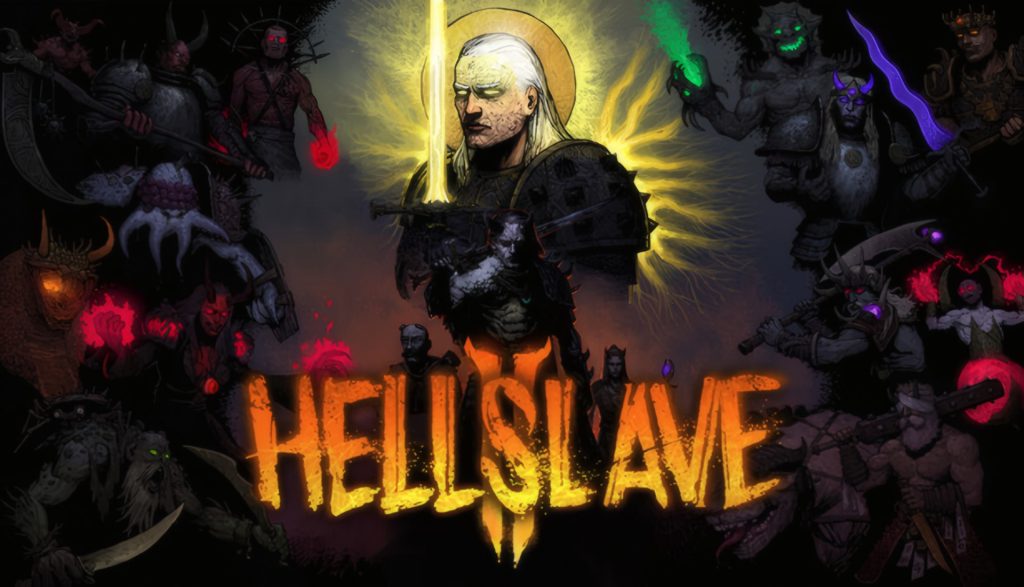
HellSlave II retains the original’s oppressive atmosphere, morally grey world and striking art while adding a larger world, randomized loot…
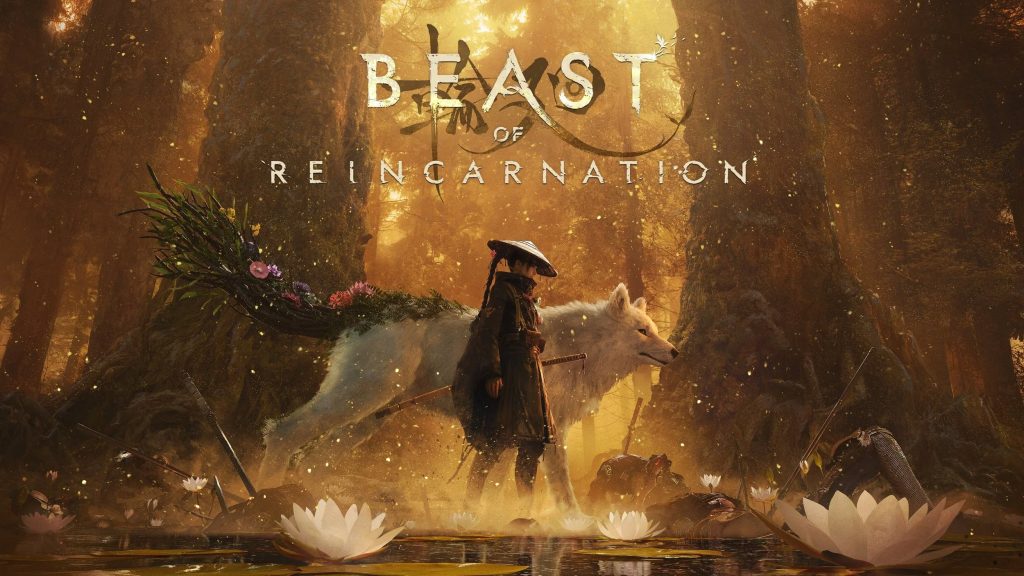
Beast of Reincarnation is an ambitious but uneven action RPG elevated by satisfying parry combat, beautiful art direction and the…

K-pop Idol Stories: Road to Debut captures the pressure of building idol group, but its management systems never explore that…
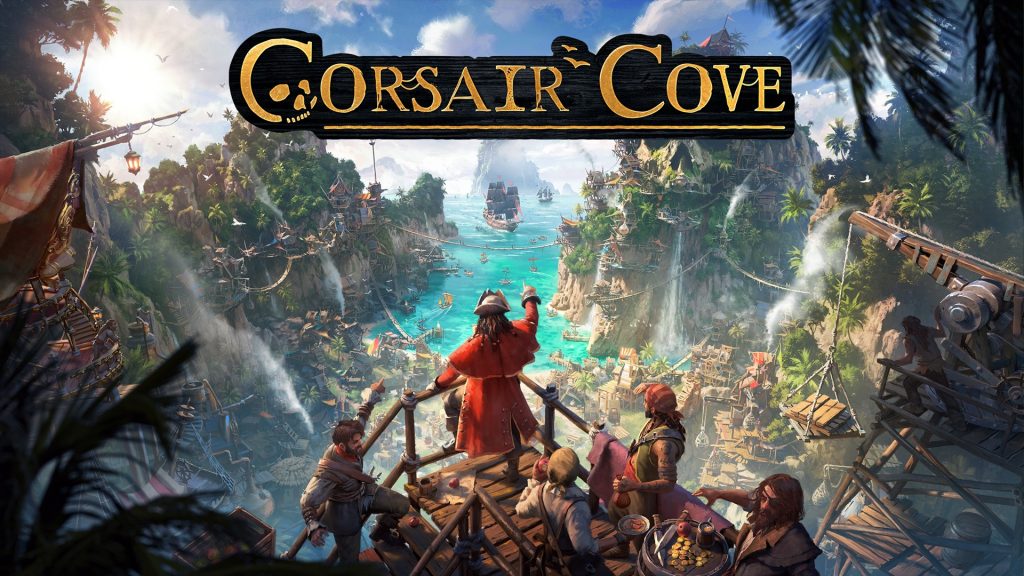
Hooded Horse keeps finding strategy games that know their audience, and Corsair Cove extends its impressive run of excellent city-builders.
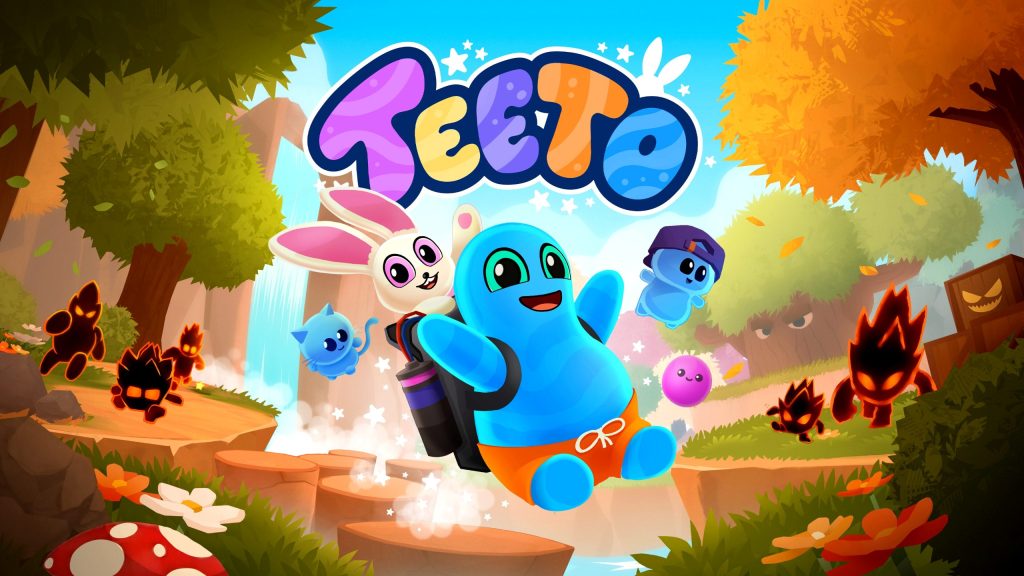
Teeto is a warm, cozy, creative and highly enjoyable 3D platformer that understands why classic collectathons remain so appealing.

Turnip Mountain stands out for its combination of a unique control system and a minimalist approach.
Dystopicon is an imaginative and memorable narrative experiment with sharp social commentary, engaging world-building and several wonderfully absurd scenarios.

Maneki Mania is an incremental game centered around petting a lucky cat.
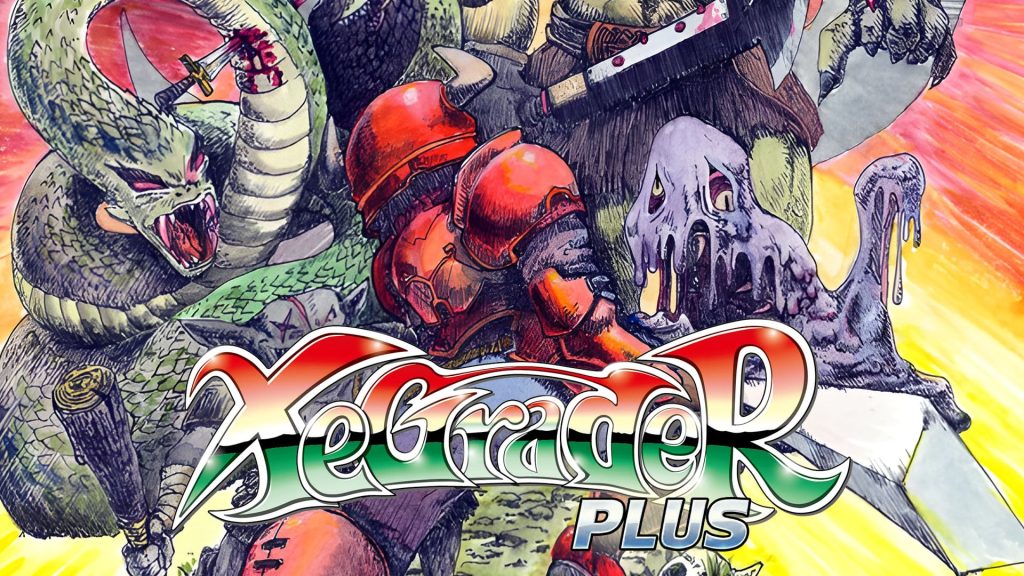
XeGrader Plus delivers colorful retro shooting, but basic mechanics, a short campaign and paid retro modes make its €20 price…
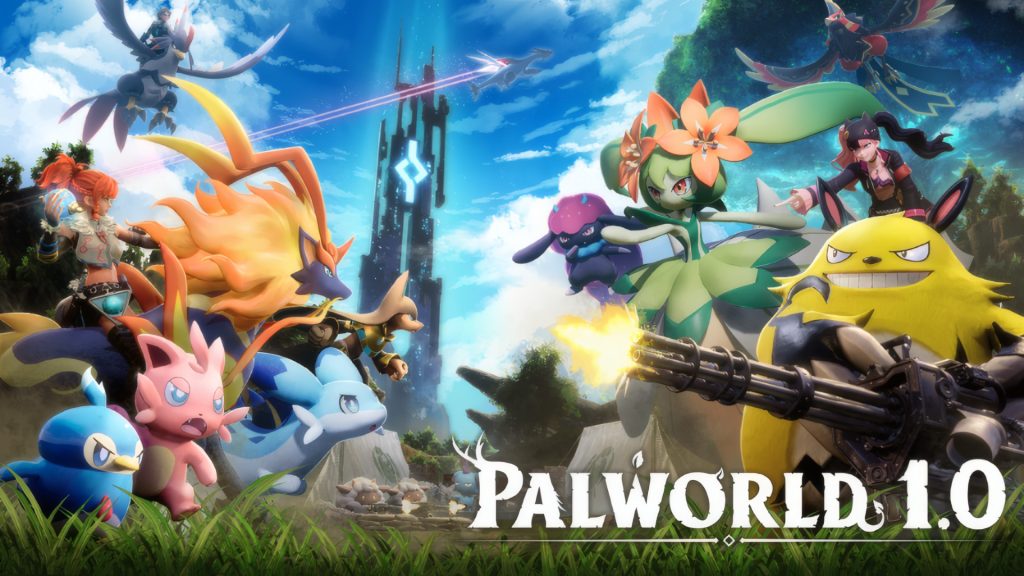
It has been roughly two and a half years since Palworld first entered Early Access, and quite a lot has…
![[EARLY ACCESS] The Last Caretaker – Survival Game I Cannot Stop Playing](https://www.indie-games.eu/wp-content/uploads/2026/07/The-last-Caretaker-Key-Art-1024x587.jpg)
The Last Caretaker is a compelling survival crafter with a flooded world and mobile base, but weak combat and performance…
