Lady Death: Demonicron – Trip Through Hell That Ends Far Too Quickly
Lady Death: Demonicron looks the part, but underneath its excellent comic-book exterior is a clunky and painfully short brawler.

![[GAMESCOM 2026] Delphinium Preview – Cozy Routine Mixed With Enjoyable Minigames](https://www.indie-games.eu/wp-content/uploads/2026/03/Delphinium-.jpg)
If you enjoy independent indie game coverage, consider supporting Indie-Games.eu on Patreon. It helps keep the site independent.
Farming games regularly ask us to fish, cook, gather materials and craft items, but these activities can easily become repetitive once their novelty disappears. Delphinium is trying to make its everyday routines feel more involved through dedicated minigames, and based on the short Gamescom demo I played, this could become one of its most enjoyable qualities.
My session introduced the opening section and two early quests, allowing me to experience exploration, foraging and fishing alongside cooking, crafting and forging. It was still far too short for me to form a proper opinion about the complete game, particularly its relationship system, but it demonstrated that Delphinium has more going on mechanically than its cozy appearance might initially suggest.
You can wishlist the game here.
Delphinium follows Haiyan, who returns to a small mountain village after the execution of her older brother. She had previously left home to follow him as he became involved in a movement attempting to rebuild their war-torn homeland. After his death and the movement’s collapse, Haiyan returns grieving, directionless and unsure of what she wants from her own life.
The village is home to only nine other people, all of whom have their own histories, regrets and relationships. As Haiyan becomes part of the community again, the connections she develops—or chooses to neglect—are supposed to unlock conversations, conflicts and different narrative paths.
I did not get far enough to properly experience this side of the game. I could interact with characters and saw that gifts could be given to them, but the demo ended before I was able to discover how relationships developed or how much influence they would eventually have over the story.
What did interest me was the enormous dictionary used to keep track of everything. It provides clear information about the connections between characters, locations and quests, which should become increasingly useful as more people and storylines are introduced. Rather than expecting players to remember every name and relationship, Delphinium gives them an organised way to revisit what they have already learned.
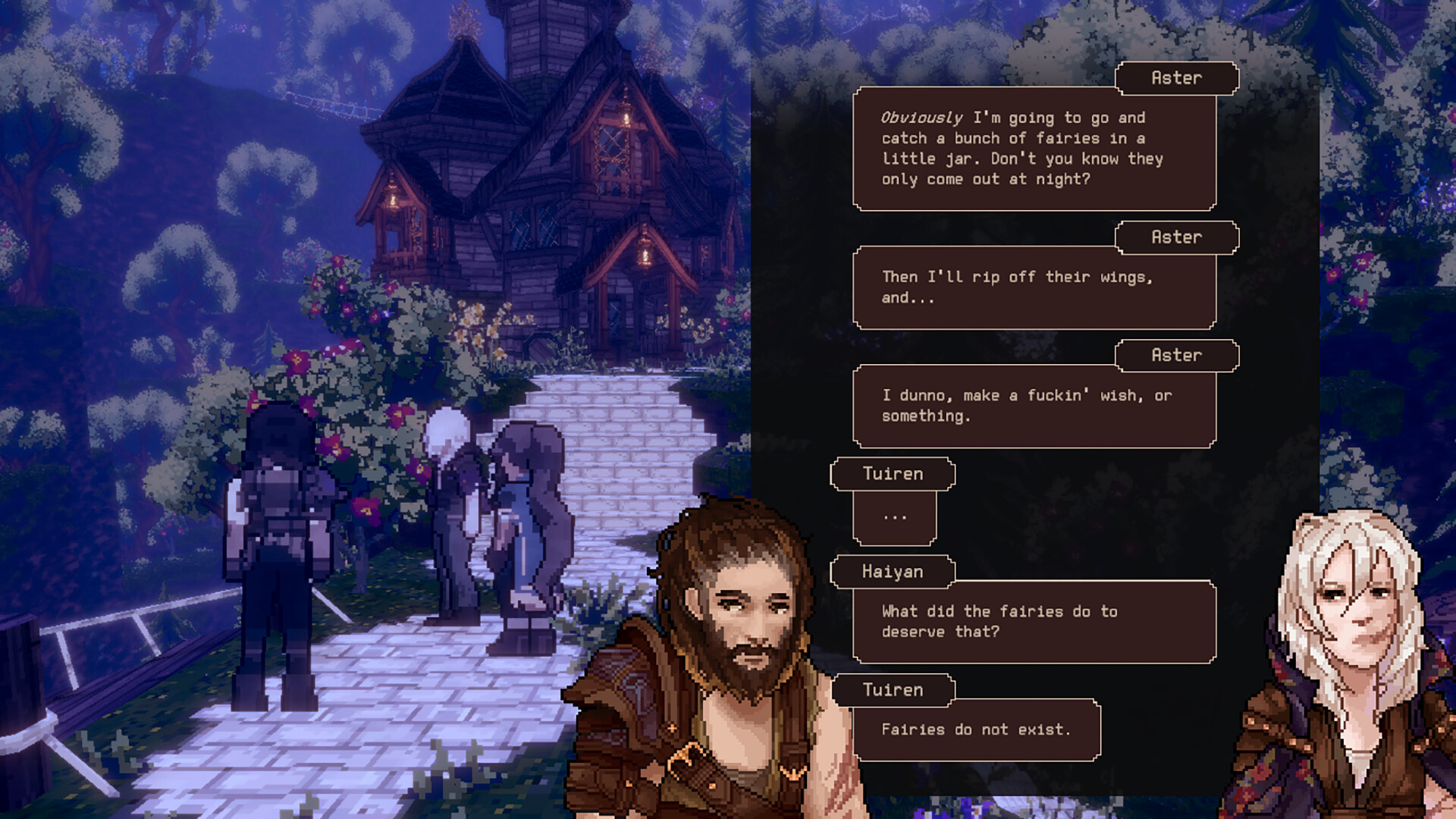
The first quest sent me out to find flowers, introducing both exploration and foraging. Haiyan has access to a special vision ability that highlights items she can collect from the environment. I found this to be a very good idea, especially in a game where gathering materials will presumably remain a regular part of the routine.
Instead of needing to inspect every small object or repeatedly press the interaction button while walking through the environment, I could activate the vision and immediately understand which items were useful. It made gathering feel clear without completely removing the need to explore.
Navigation was similarly convenient. The map showed the locations of important characters, and I could zoom in and out to get either a closer look at my surroundings or a broader view of the area. Fast travel also becomes available for locations that have already been visited. These features may appear small individually, but together they should prevent routine tasks from becoming frustrating once the village and surrounding areas open further.
Haiyan also has her own home, which serves as a place to stay and handle crafting. I did not see enough of the progression to determine how much the home can be changed or expanded, but having a central personal space suits the story of someone attempting to establish a new life.
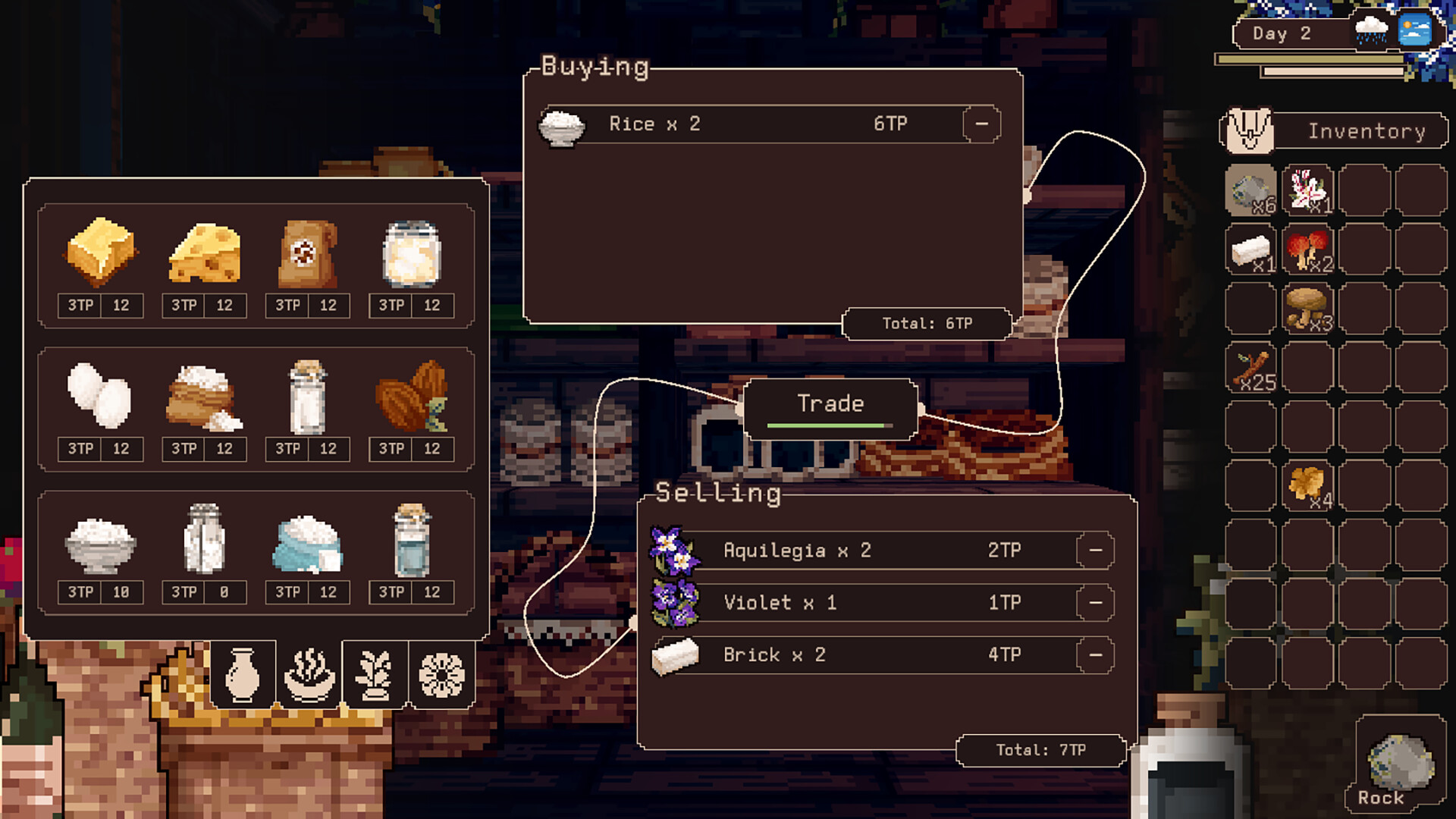
My second quest introduced fishing, although it was not simply a matter of waiting for an icon to appear and pressing a single button. Catching different fish requires several attempts and a little more involvement from the player, making the activity feel like a proper minigame rather than an automated way to collect ingredients.
Cooking and forging follow the same general philosophy. Each has its own interactive element, which helped make otherwise familiar activities more enjoyable. These were among the most interesting parts of the demo because they gave me something active to do rather than reducing every task to selecting a recipe from a menu.
The official game description says Delphinium will contain more than 200 recipes alongside furniture crafting, fishing, cleaning and other skill-based activities. That sounds like a considerable amount, although the short demo naturally could not demonstrate whether these minigames continue to develop or become more challenging later.
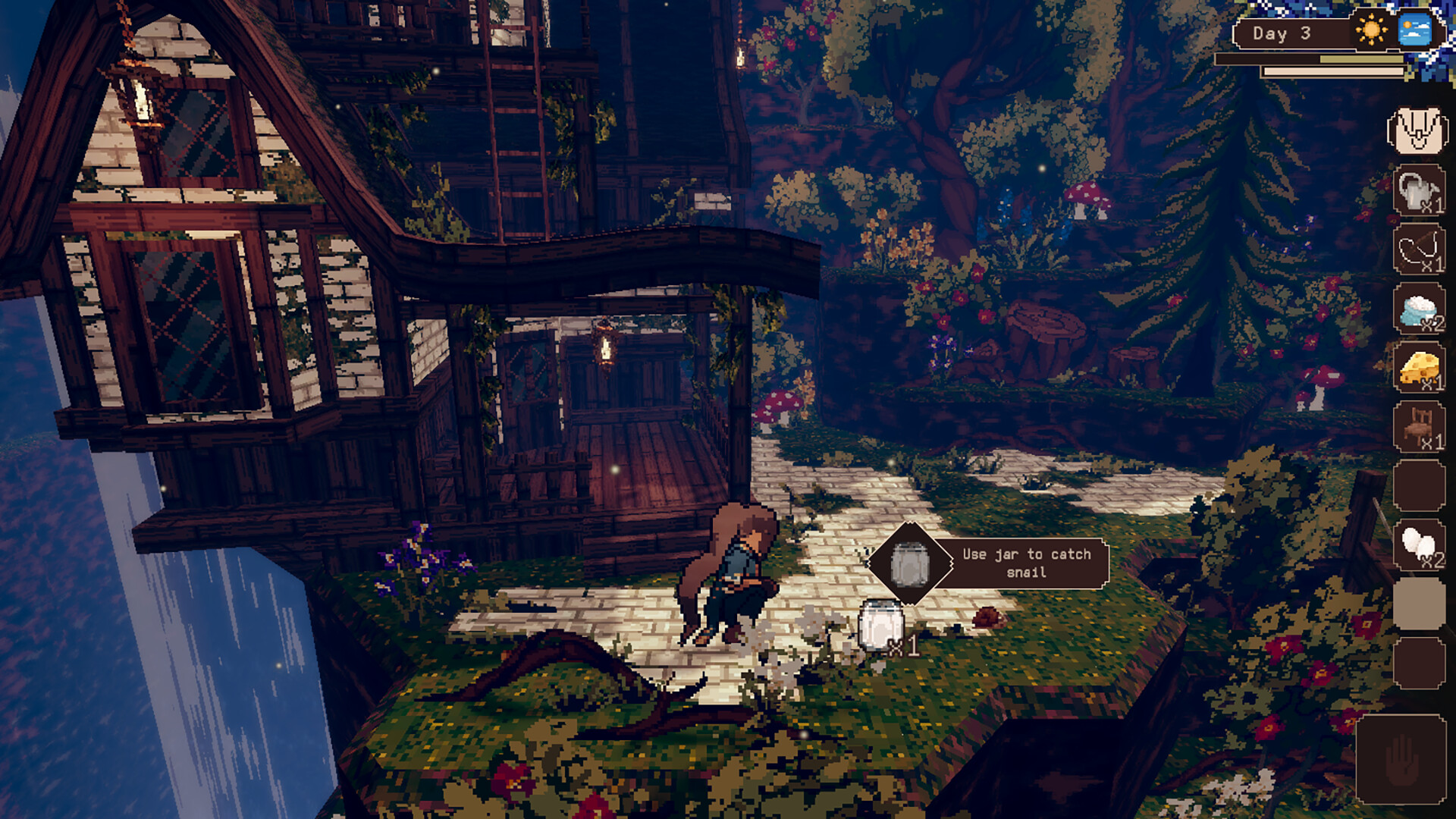
The inventory system also appeared ready to accommodate a large collection of materials and tools. Items can remain within the wider inventory or be moved onto an active bar for faster access. I was able to move between them whenever necessary, making it easy to reorganise what I wanted immediately available without leaving everything else behind.
That flexibility will matter if exploration, cooking, forging and crafting all rely on different resources. Inventory management can easily become tedious in games built around gathering hundreds of objects, but Delphinium appears to give you enough space and control to organise their belongings comfortably.
The biggest problem with my Delphinium session was simply that it ended before I could form a complete opinion. I experienced several systems, but only at their introductory level. I do not yet know how deep the crafting becomes, how relationships change the village, whether the minigames remain entertaining after many hours or how meaningful its branching choices will ultimately feel.
Nevertheless, I enjoyed how much variety was already present. Foraging encouraged me to explore, the vision ability made useful objects easy to identify, fast travel and character markers kept navigation manageable, and the cooking, forging and fishing minigames made ordinary tasks more playful.
Most importantly, these features did not feel completely disconnected from the game’s narrative ambitions. Haiyan is rebuilding her life through her involvement with the village, meaning that gathering resources, preparing food and helping its residents all have the potential to support her personal story.
The Gamescom demo was much too short to prove that Delphinium can sustain those ideas across an entire game, particularly because I barely experienced its relationship system. However, it gave me enough enjoyable activities, and enough useful quality-of-life features, to make me wish I had been allowed to remain in its mountain village considerably longer.
Lady Death: Demonicron looks the part, but underneath its excellent comic-book exterior is a clunky and painfully short brawler.
![[GAMESCOM 2026] Tomb Raider: Legacy of Atlantis Preview – Expands the Original Without Losing Its Identity](https://www.indie-games.eu/wp-content/uploads/2026/09/tomb-raider-legacy-of-atlantis-06-02-26-1-1024x576.jpg)
Tomb Raider: Legacy of Atlantis brings Lara back to her roots, but its Gamescom 2026 showing proved this is far…
![[GAMESCOM 2026] Clive Barker’s Hellraiser: Revival Preview – Ready to Open the Box](https://www.indie-games.eu/wp-content/uploads/2026/09/Clive-Barkers-Hellraiser-Revival-08-30-26-1-1024x576.jpg)
Hellraiser: Revival preserves the franchise’s sex, gore and psychological horror while delivering approachable survival-horror gameplay.

Swan Song creates a peaceful and forgiving puzzle space without removing the challenge that makes solving a difficult puzzle rewarding.
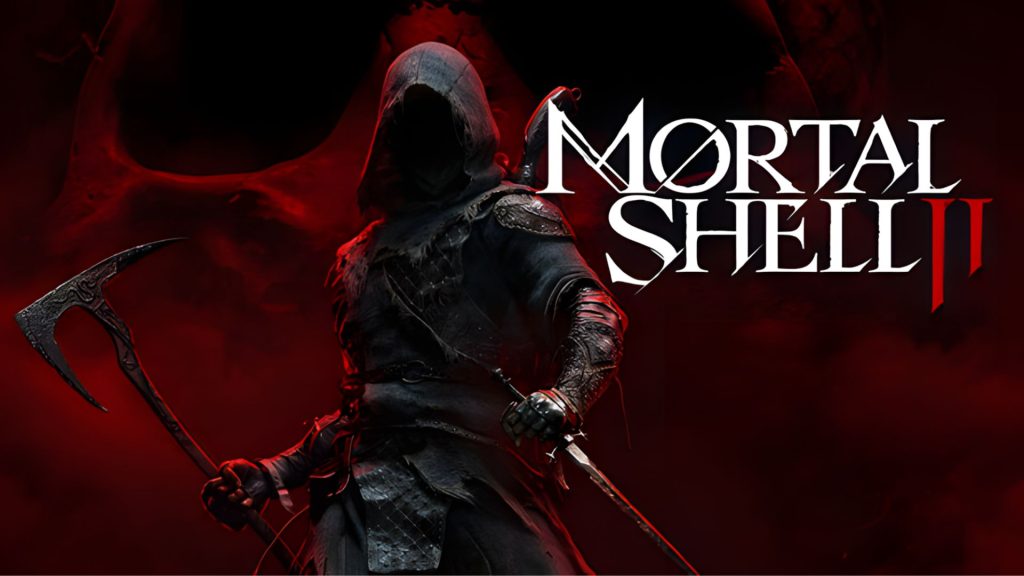
Mortal Shell II starts brilliantly but grows repetitive and exhausting, while remaining a rewarding and ambitious Soulslike sequel.
![[GAMESCOM 2026] Terranigma Preview – A Lost SNES Classic Returns in 2027](https://www.indie-games.eu/wp-content/uploads/2026/08/Terranigma-1-1024x576.jpg)
After more than three decades of limited availability, Terranigma is returning in 2027. We played its enhanced re-release at Gamescom…

Reading another person’s mind is often presented as a desirable superpower, but Sister Other Paranoia immediately understands why it could…
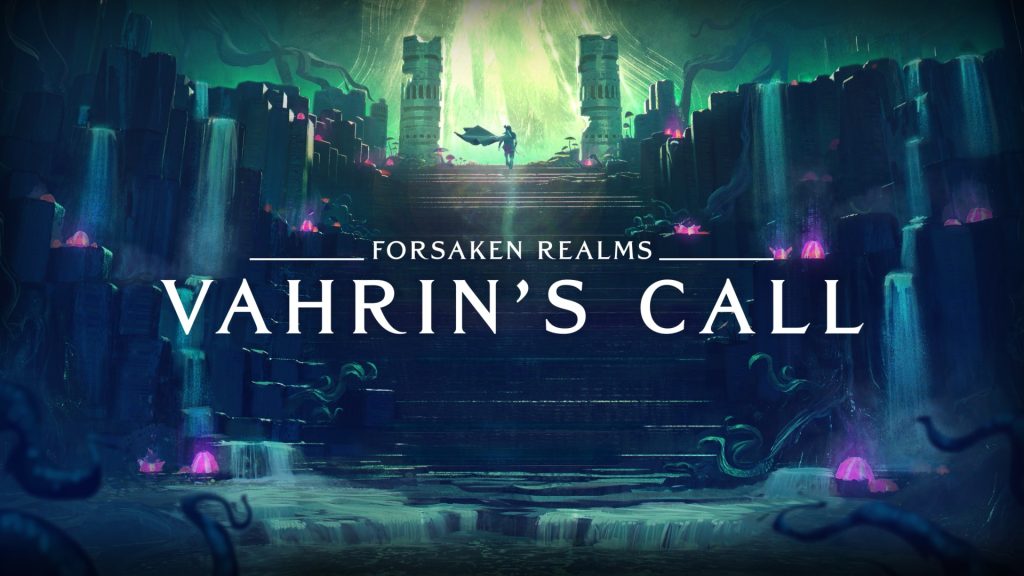
Forsaken Realms: Vahrin’s Call is exactly the kind of ambitious, slightly clumsy fantasy RPG that used to be far more…
![[Early Access] 2nd EVE – Sci-Fi Action RPG That Lacks a Sense of Stakes](https://www.indie-games.eu/wp-content/uploads/2026/08/2ND-EVE-1024x576.jpg)
2nd Eve is a space-set action RPG in which we strive to save humanity.
![[PREVIEW] Dreamcards – Strategic Exploration of Consciousness](https://www.indie-games.eu/wp-content/uploads/2026/08/Dreamcards_20260810_233631_0000-1024x576.jpg)
Dreamcards is a roguelike deckbuilder centered around dreams and nightmares.
![[Early Access] OFFBEAT – Incredibly Fun Way to Start a Music Career](https://www.indie-games.eu/wp-content/uploads/2026/08/Offbeat_20260808_201446_0000-1024x576.jpg)
In OFFBEAT, we play the role of a jobbing composer who is launching their music career.
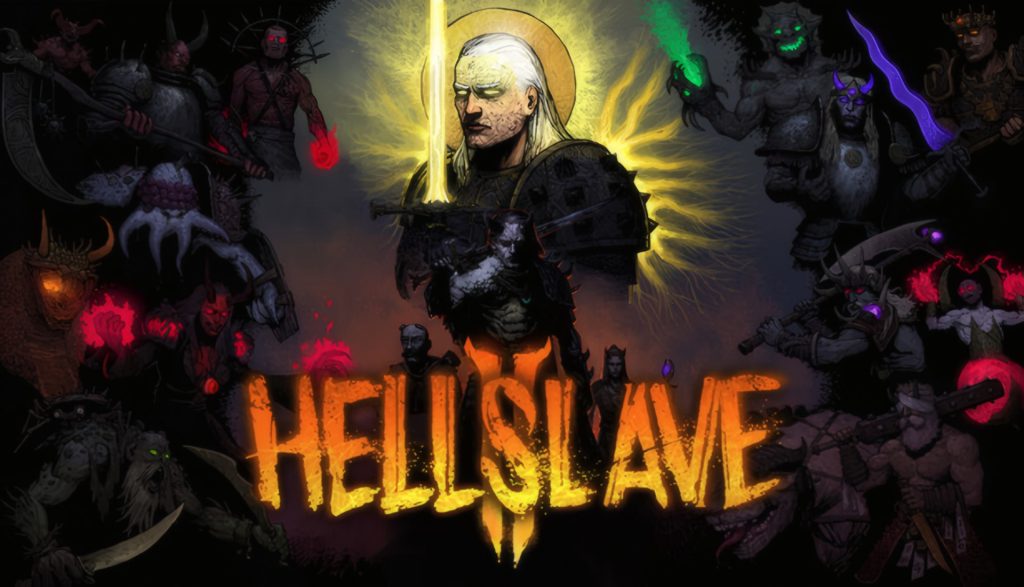
HellSlave II retains the original’s oppressive atmosphere, morally grey world and striking art while adding a larger world, randomized loot…
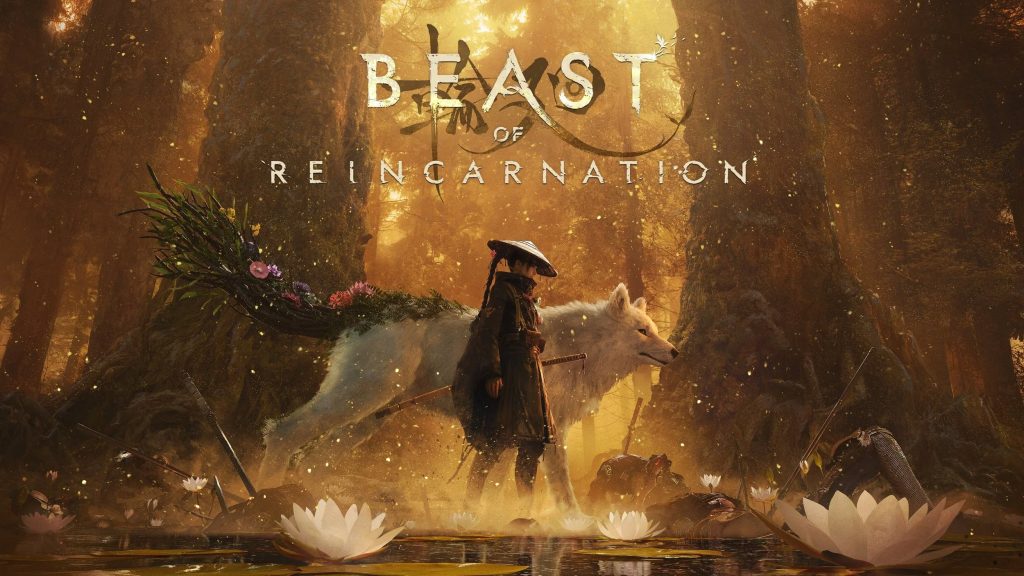
Beast of Reincarnation is an ambitious but uneven action RPG elevated by satisfying parry combat, beautiful art direction and the…

K-pop Idol Stories: Road to Debut captures the pressure of building idol group, but its management systems never explore that…
Hooded Horse keeps finding strategy games that know their audience, and Corsair Cove extends its impressive run of excellent city-builders.
Teeto is a warm, cozy, creative and highly enjoyable 3D platformer that understands why classic collectathons remain so appealing.

Turnip Mountain stands out for its combination of a unique control system and a minimalist approach.
Dystopicon is an imaginative and memorable narrative experiment with sharp social commentary, engaging world-building and several wonderfully absurd scenarios.
Maneki Mania is an incremental game centered around petting a lucky cat.
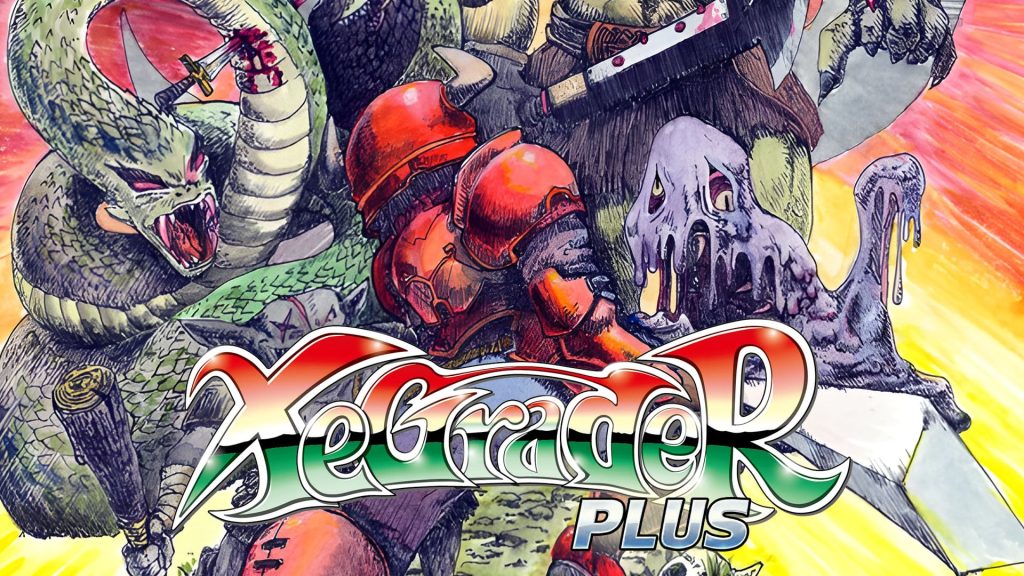
XeGrader Plus delivers colorful retro shooting, but basic mechanics, a short campaign and paid retro modes make its €20 price…
