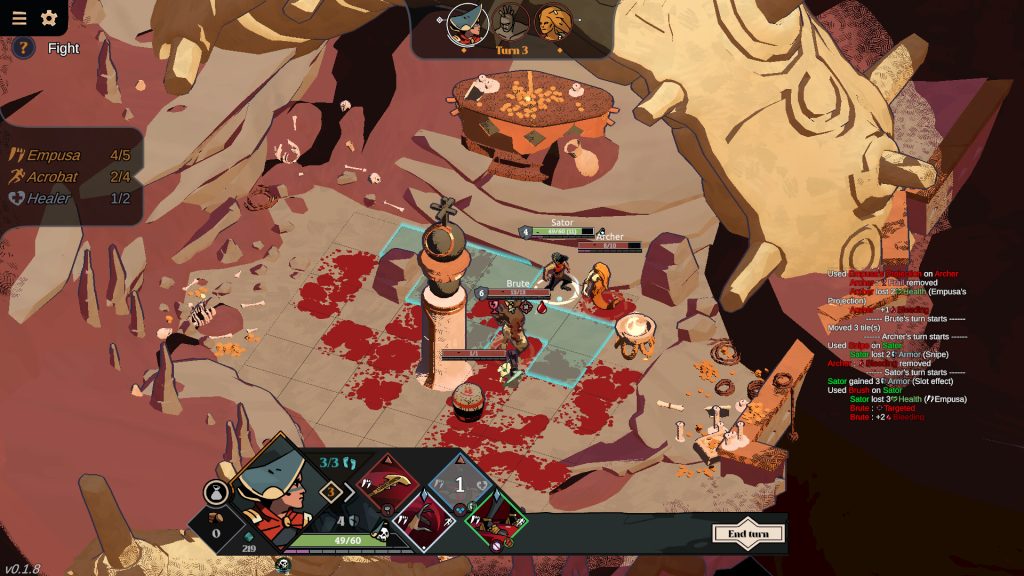
Tactical Roguelite Deified Leaves Early Access Next Week
Deified leaves Steam Early Access on September 21 with its narrative ending, final boss floor, balance improvements and hidden content.


If you enjoy independent indie game coverage, consider supporting Indie-Games.eu on Patreon. It helps keep the site independent.
In an era where thousands of indie games compete for attention on Steam every year, success is often assumed to depend on creativity, artistic vision, and technical polish. But a recent comparison between two very different indie titles (Supermarket Simulator & Bionic Bay) is challenging that belief, suggesting that genre choice may matter more than talent or aesthetics when it comes to financial survival.
At the center of this discussion is Supermarket Simulator, developed by Nokta Games. First released in early access in February 2024 and fully launched in June 2025, the game puts players in charge of running a virtual grocery store. From stocking shelves and setting prices to hiring staff and stopping shoplifters, it offers a detailed but relaxed management loop.
The formula has proven enormously successful. With more than 73,000 Steam reviews and a “Very Positive” rating of 94 percent, Supermarket Simulator has built a massive audience. Priced at $19.99, the game is estimated to have generated between $35 and $36 million in gross revenue, making it one of the most successful indie releases of the past few years.
On the opposite end of the spectrum sits Bionic Bay, a visually beautiful action-platformer released in April 2025 by Psychoflow Studio and Mureena Oy, and published by Kepler Interactive. The game follows a scientist who can teleport and swap places with objects and enemies, creating complex physics-based puzzles in a biomechanical pixel-art world.
Despite this critical recognition, Bionic Bay has struggled commercially. With around 500 reviews and a “Very Positive” rating of 86 percent, it is well-liked by those who play it. Yet its estimated earnings sit between $240,000 and $250,000, a fraction of what Supermarket Simulator achieved, despite both games sharing a similar price point.
However, Supermarket Simulator effectively ignited and popularized a massive trend of visually and mechanically similar indie shop/store management simulators on Steam, with dozens of copycats and inspired titles flooding the platform since its early access launch in February 2024. While simulator games like Gas Station Simulator and PowerWash Simulator laid groundwork for the broader genre, Supermarket Simulator’s unique grocery store twist, combined with its viral appeal on social media, made it extremely successful.
According to Code Monkey, indie developer and educator, simulation games thrive on the platform because they are highly replayable, easy to stream, and appealing to broad audiences. His conclusion was blunt: on Steam, genre often matters more than artistic quality. Titles like PowerWash Simulator, House Flipper, and TCG Card Shop Simulator demonstrate how everyday activities can become addictive gameplay loops. These games generate endless content for creators and keep players coming back for incremental progress, updates, and experimentation.
Platformers and puzzle games, by contrast, face a much tougher environment. Steam is saturated with high-quality entries in these genres, making it difficult for any single title to stand out. While such games may perform better on consoles, where curation is stronger and competition is lower, they often struggle to gain traction on PC storefronts dominated by algorithms and discovery queues.
Industry data supports this view. Steam tag and revenue tracking sites consistently show simulation games ranking among the highest-earning genres, alongside action and role-playing games. Indie simulations in particular tend to attract players seeking relaxing, progression-driven experiences that can be enjoyed in short or long sessions.
Many developers expressed frustration at the idea that carefully crafted platformers or niche genres might be financially risky, even when executed well. Others acknowledged the reality that making games full-time requires sustainable income.
Critics of his argument claimed that the comparison was overly simplistic, likening it to comparing mass-market soda to artisanal drinks. Not every developer wants to chase trends, and not every successful game fits neatly into a profitable category. Still, Code Monkey maintained that understanding market patterns improves a project’s odds, even if it does not guarantee success.
The story of Supermarket Simulator and Bionic Bay is not about one game being “better” than the other. It is about how audience behavior, platform algorithms, and genre trends intersect to determine success. In an industry where visibility is everything, choosing what kind of game to make can be just as important as how well it is made.
Deified leaves Steam Early Access on September 21 with its narrative ending, final boss floor, balance improvements and hidden content.
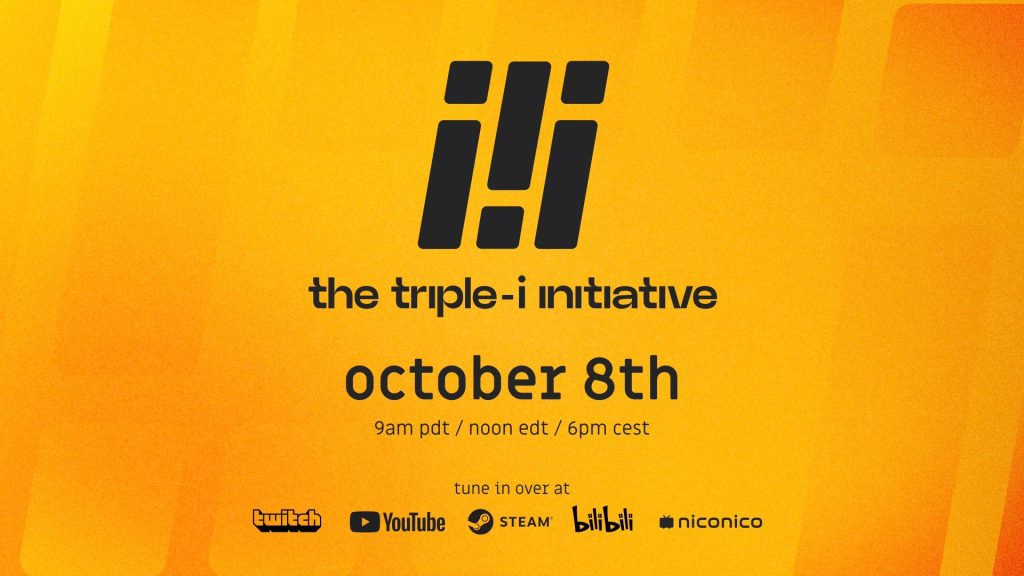
Triple-i Initiative returns October 8 with 40 games, eight world premieres and 45 minutes of trailers, release dates and reveals.
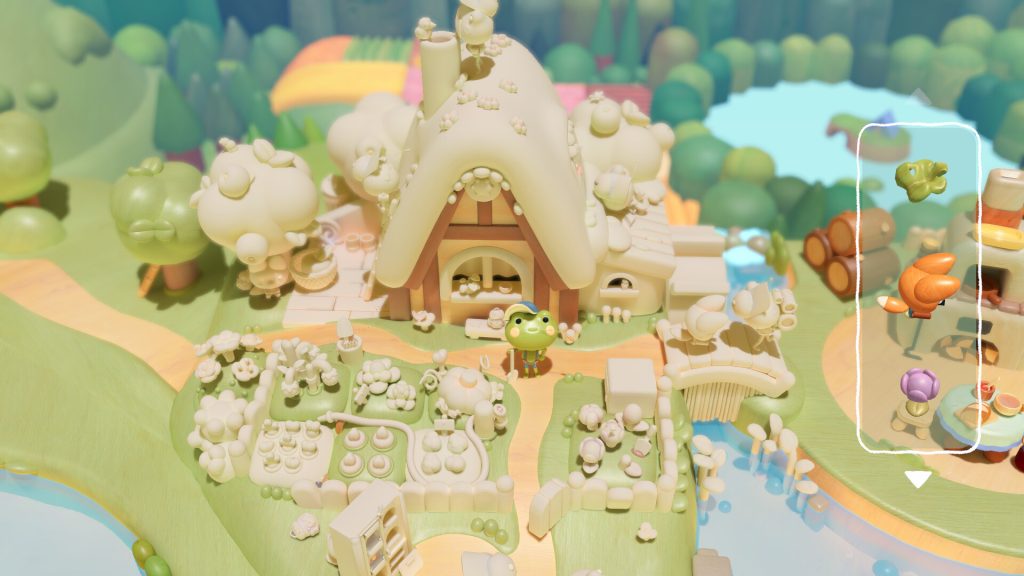
Woodo launches September 16, inviting players to rebuild childhood memories through cozy, handcrafted wooden dioramas.
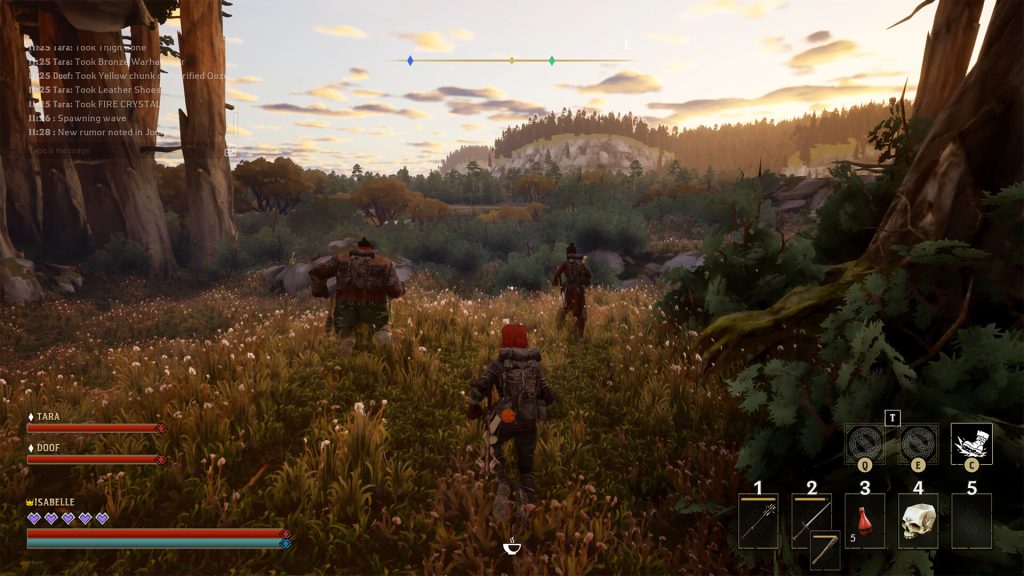
Curve Games signs Wyldheart in one of its biggest recent investments after the co-op RPG surpasses 375,000 Steam wishlists.
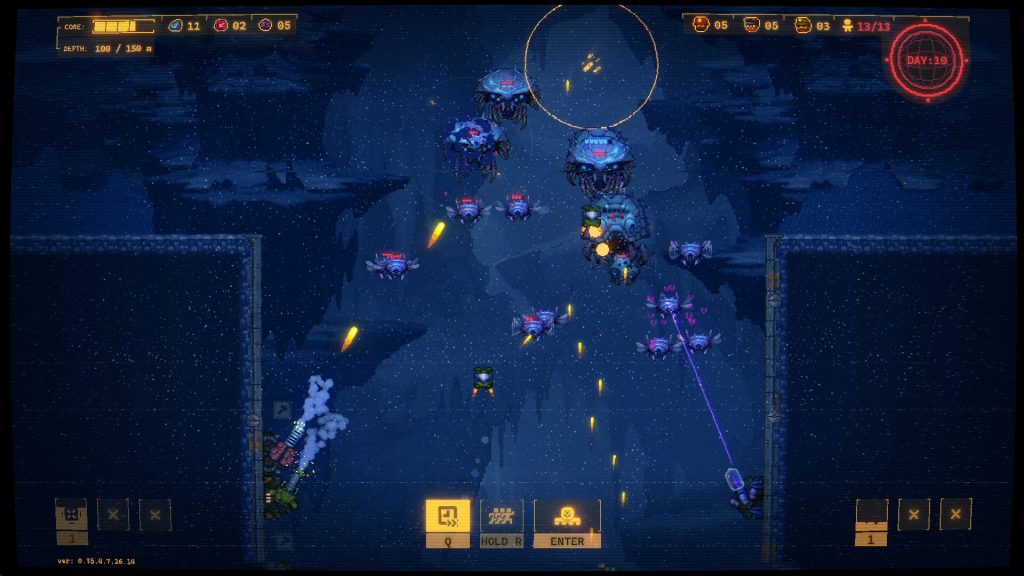
Drill Core’s free Anniversary Update adds Relaxed Mode, new bounties, specialists, platform skins and several quality-of-life improvements.
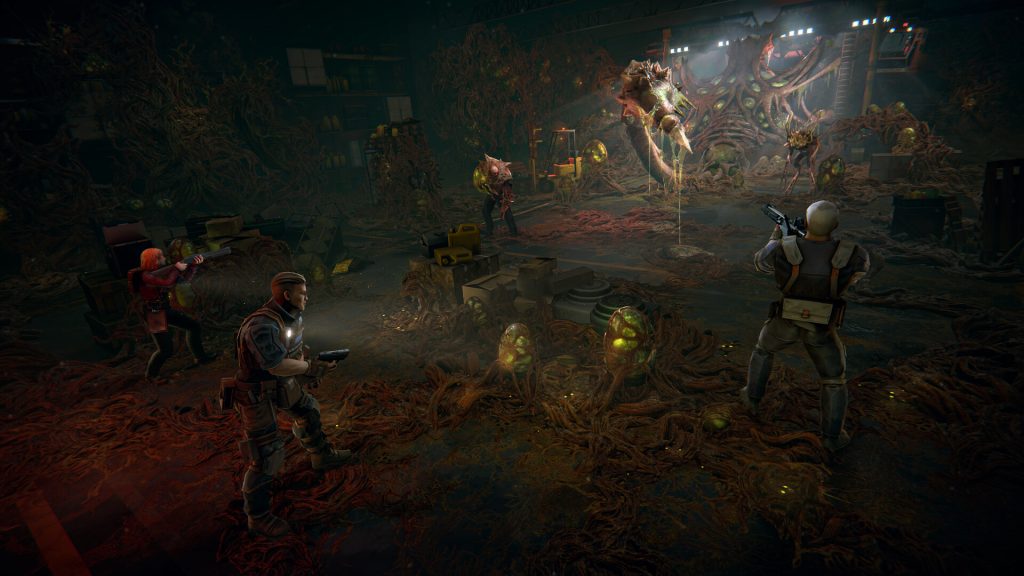
Critical Shift’s free two-hour demo combines real-time exploration with tactical combat inside a compromised Antarctic facility.
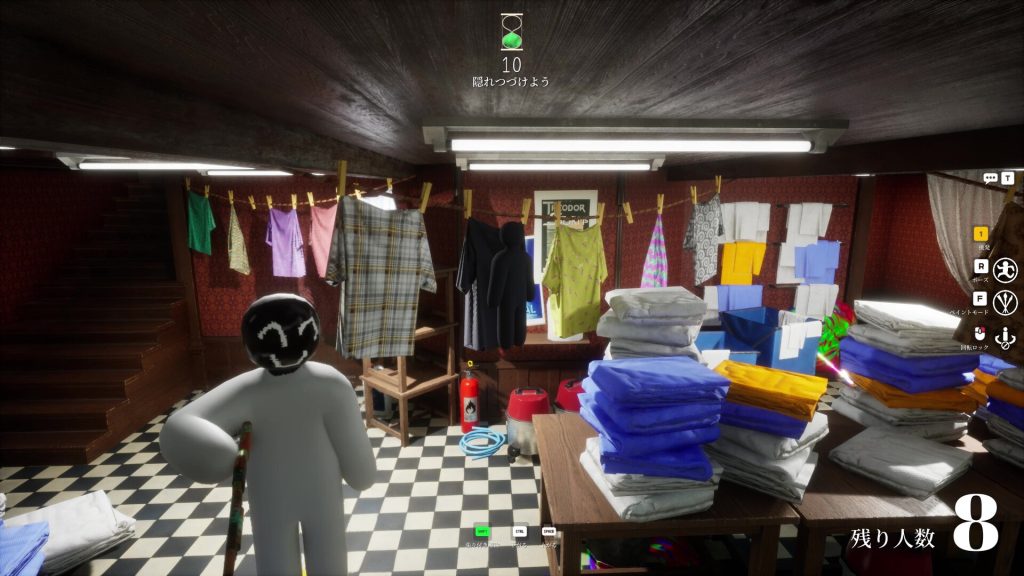
Meccha Chameleon brings its paint-based multiplayer hide-and-seek matches to Nintendo Switch 2 with a temporary $4.79 launch price.
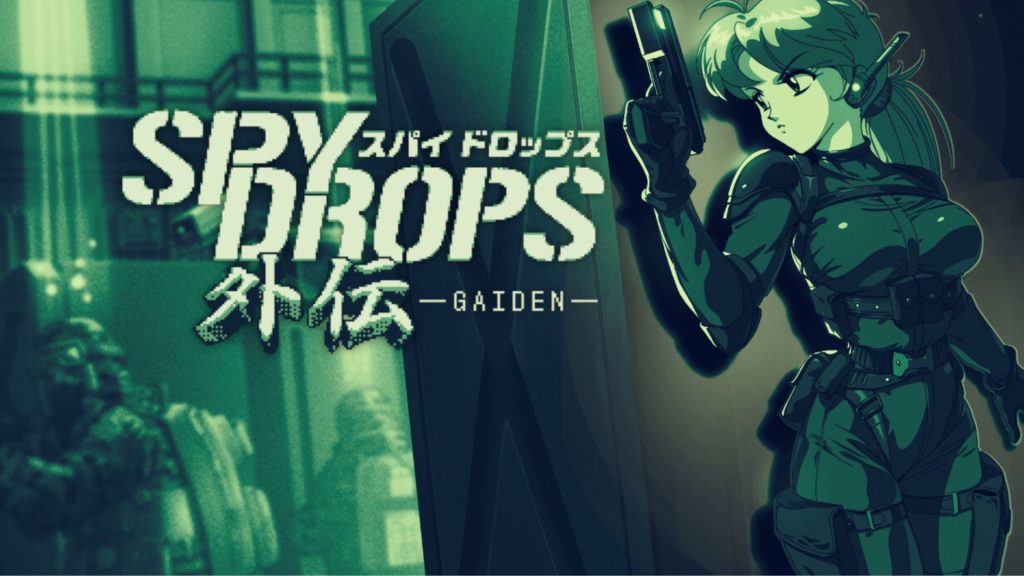
Spy Drops Gaiden brings Game Boy-style stealth, eight covert missions and intel extraction to Steam on October 12 for €4.99.
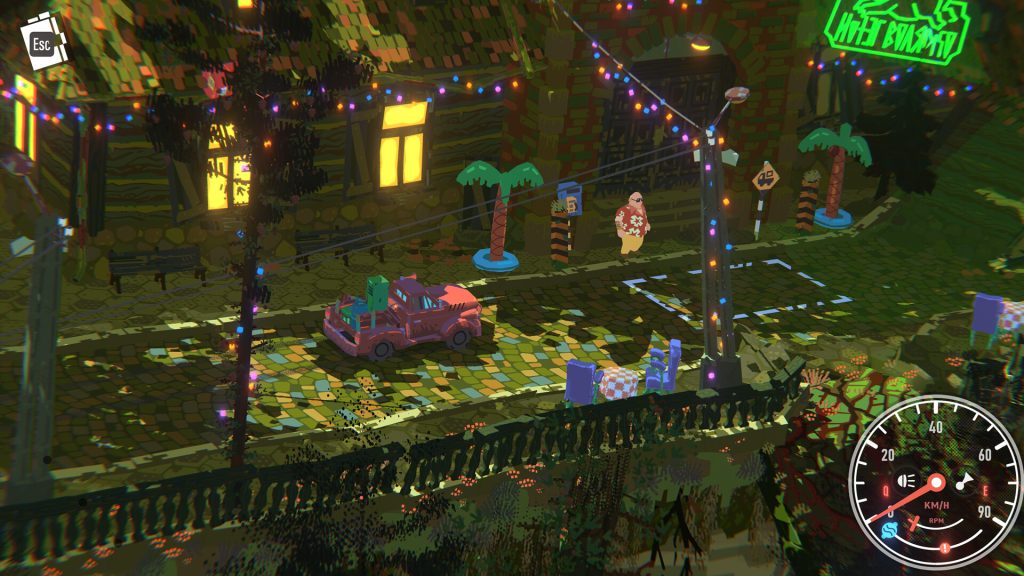
Truckful launches October 9 on Steam and Android, combining physics-based deliveries with vehicle upgrades and a mystery inside an ancient…
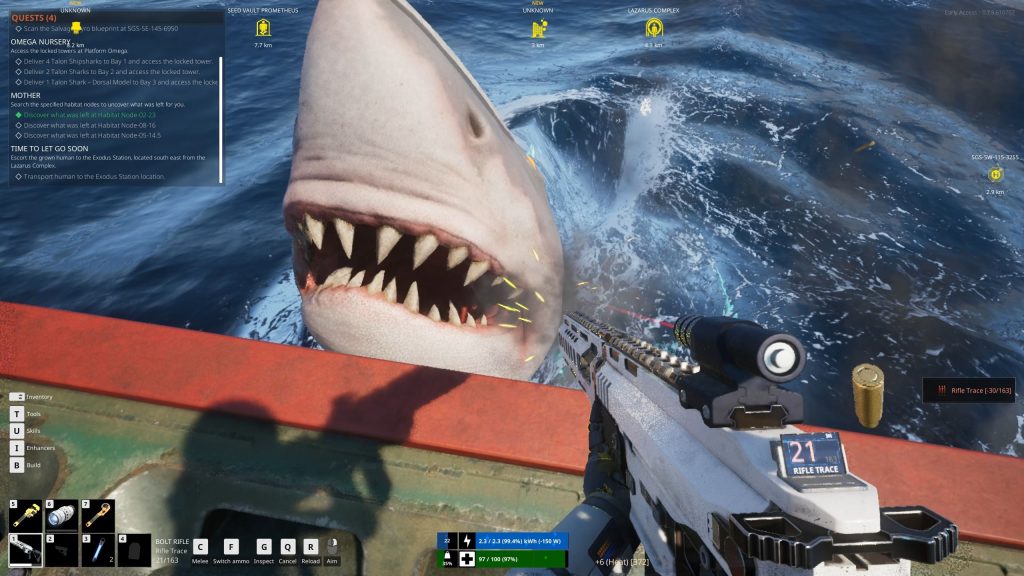
The Last Caretaker reaches version 1.0 in spring 2027 and joins Xbox Game Pass on day one after selling over…

Chronoscript: The Endless End moves to early summer 2027 as DeskWorks! improves combat responsiveness, menus and visual readability.
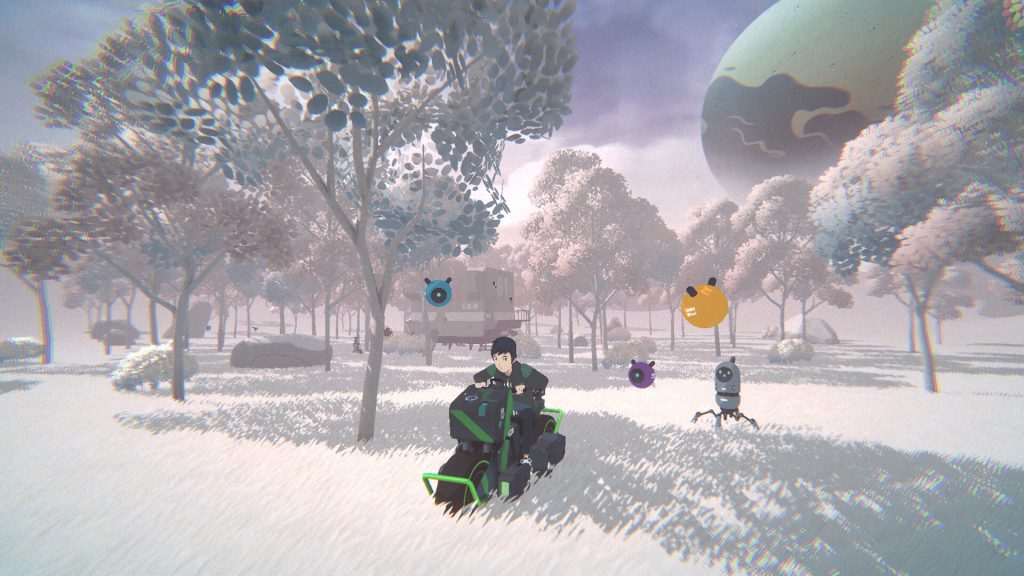
HEIMA is a parallel-world puzzle adventure from former Terra Battle developers, coming to PC in 2028 with SHIFT and HOLD…
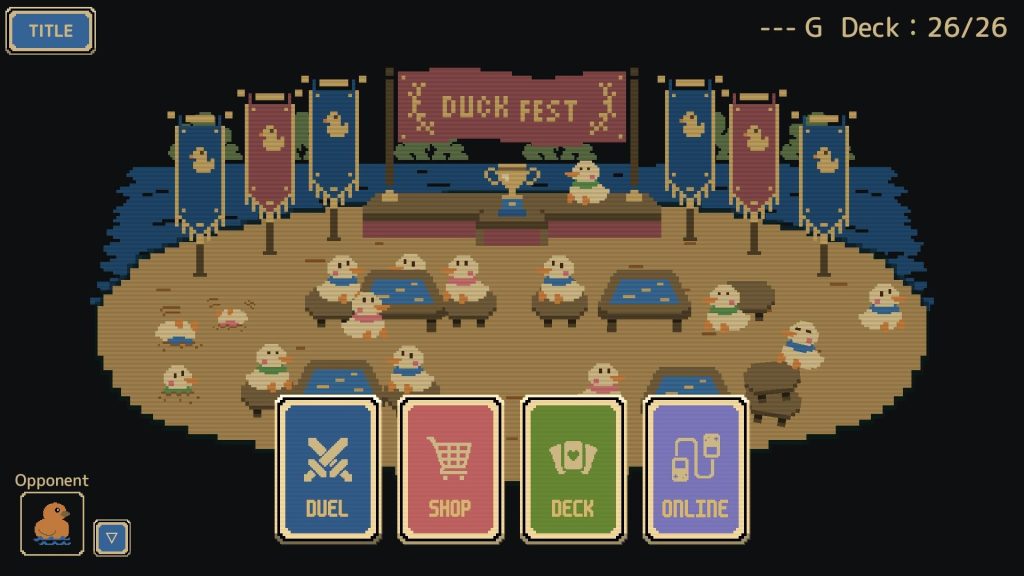
Duck Fest combines deck building and 1v1 battles with collectible cards that players can trade through the Steam Community Market.
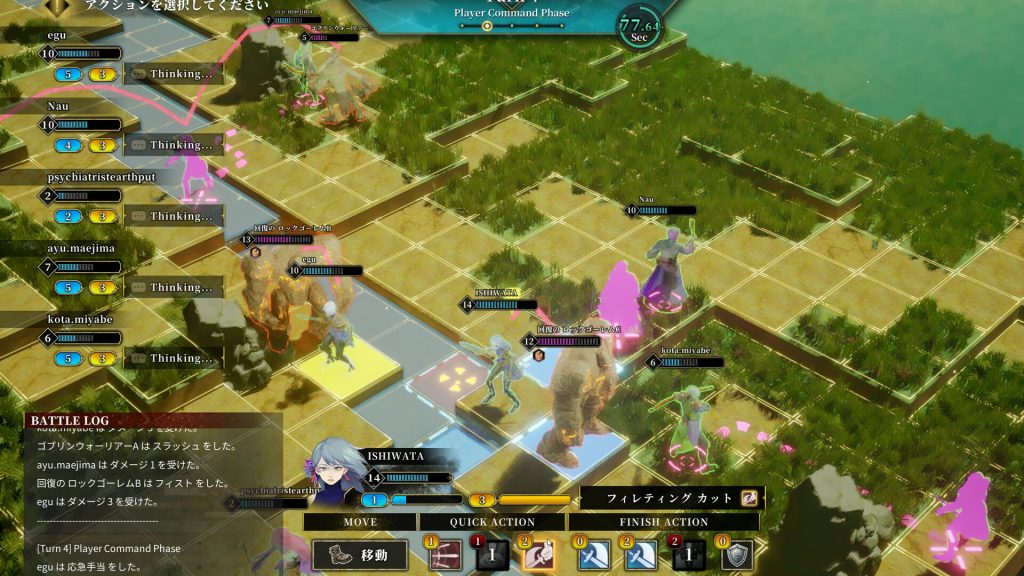
Tactful Tactics is a 1–6-player cooperative RPG where everyone plans and executes their actions simultaneously.

SakuSaku Witch is a retro-inspired 2D platformer about magic, bunny monsters and a suspicious toy company, coming to Steam in…
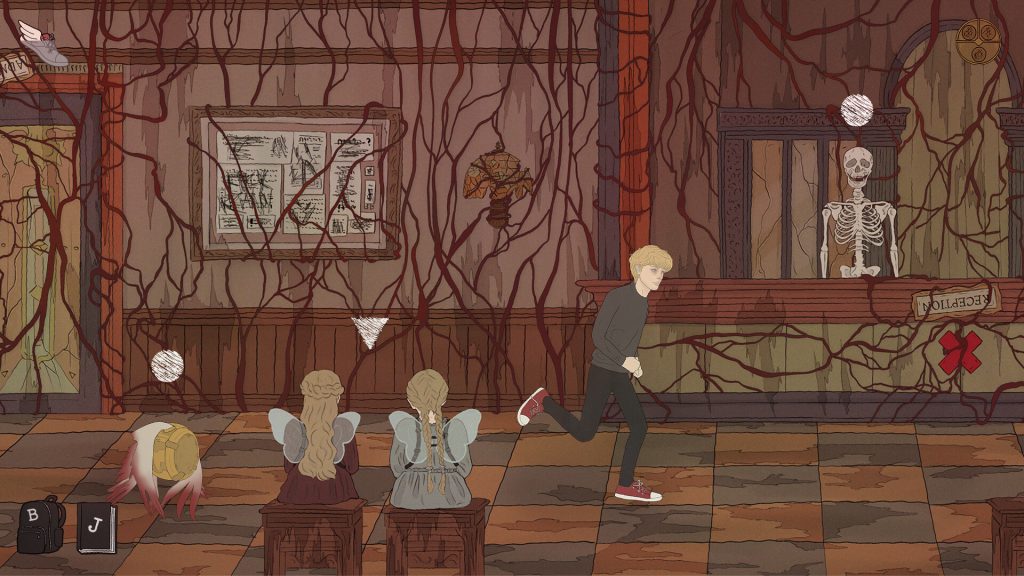
Hand-drawn psychological horror game DEPERSON earns Gamescom and BIC recognition ahead of its planned Q4 2026 Steam release.
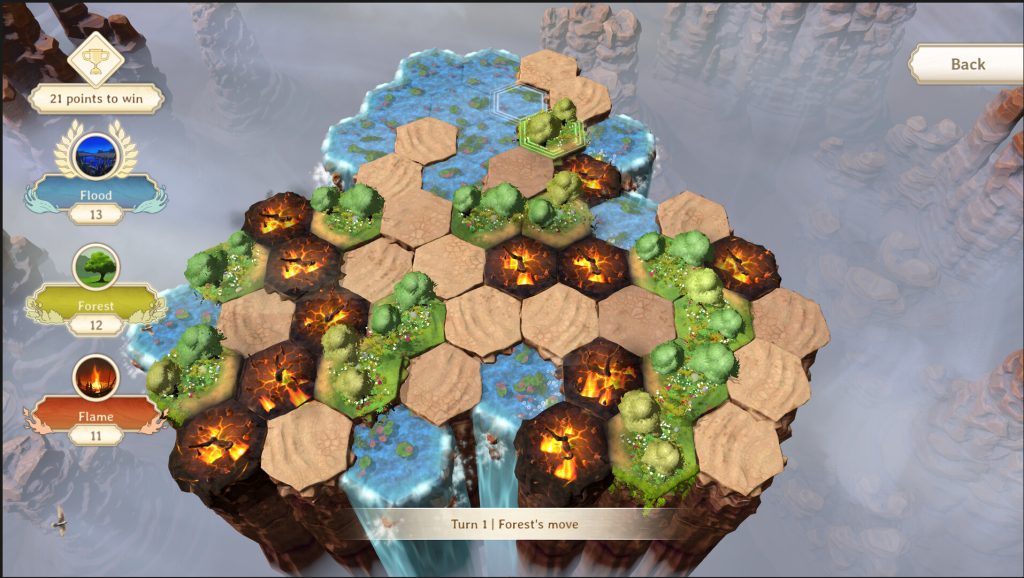
Cozy strategy game Flame, Forest & Flood will challenge GTA VI by deliberately launching on November 19, 2026.
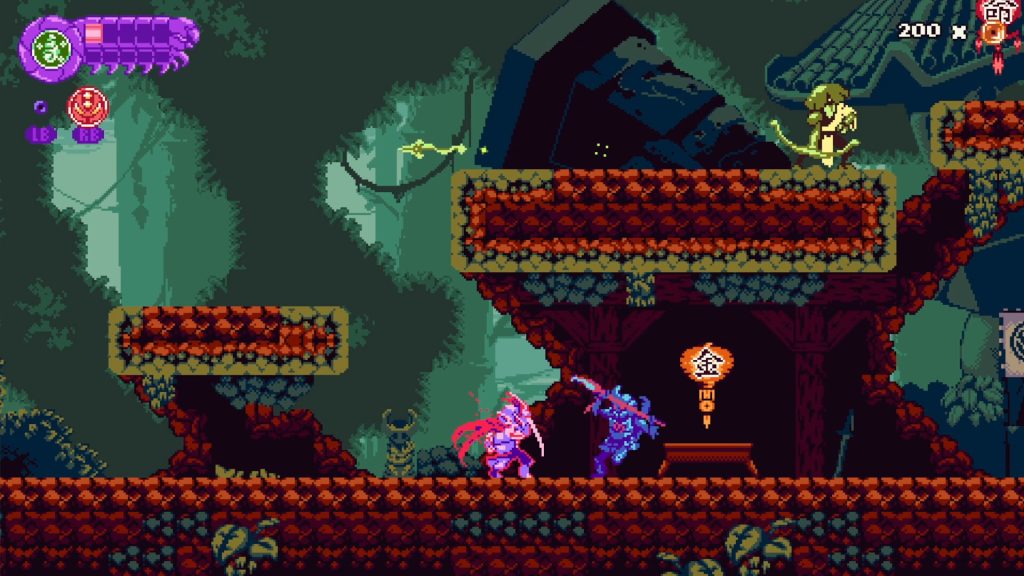
Akupara launches Kallisti Games, a service-first indie label for retro and experimental PC titles, with AOKAKI as its first project.
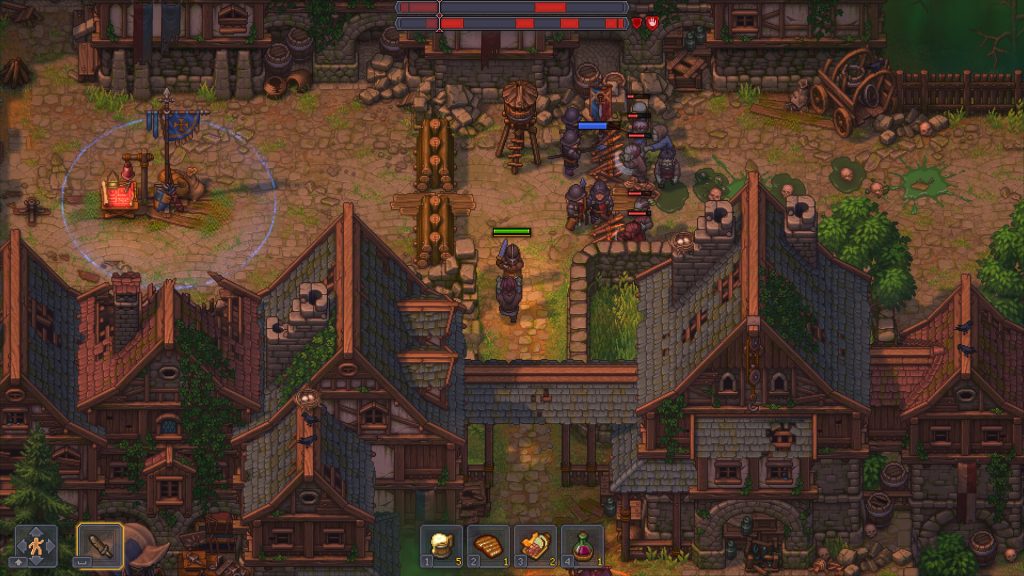
Graveyard Keeper 2 has earned $1.53 million from Steam pre-orders, with 87,500 copies sold and more than 814,000 active wishlists.
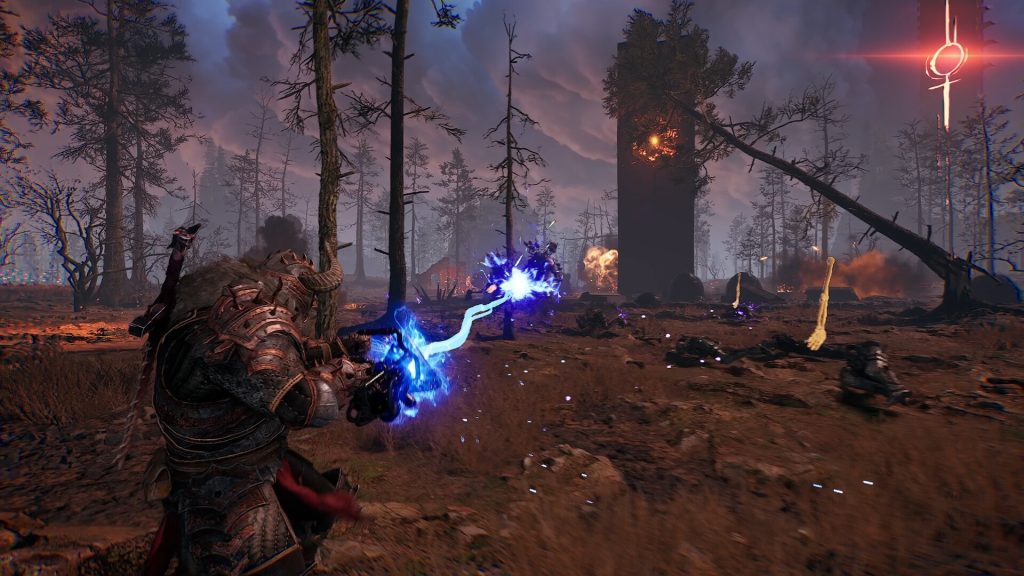
Guardians of the Wall shows chaotic co-op combat, roguelite progression and evolving world events ahead of its planned Q1 2027…
