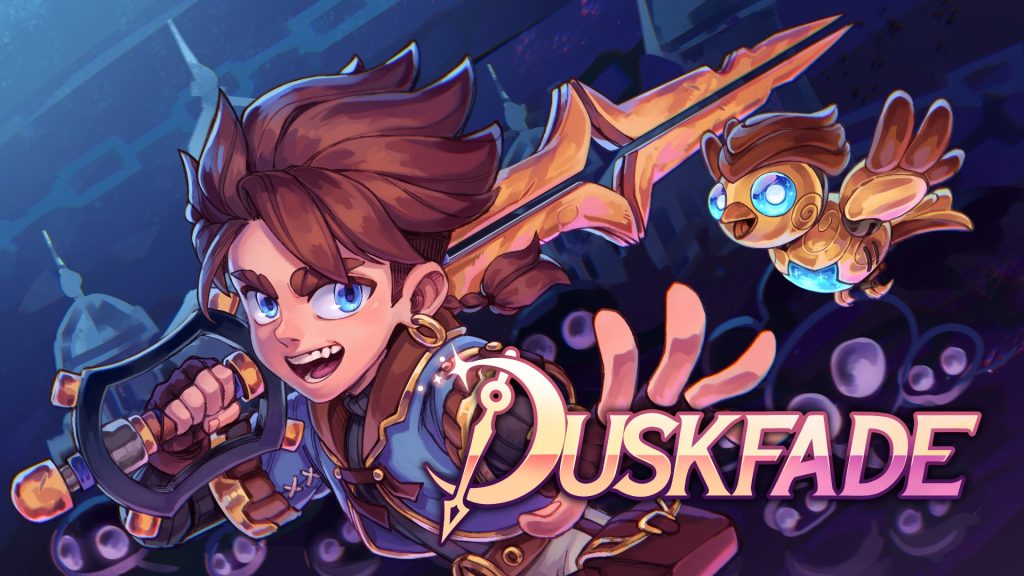
Duskfade – The PS2 Era Returns With All Its Strengths and Weaknesses
Duskfade is worth considering for players who miss colourful PS2-style action-platformers and can tolerate basic combat, floaty movement and backtracking.


If you enjoy independent indie game coverage, consider supporting Indie-Games.eu on Patreon. It helps keep the site independent.
Psychological survival horror stands or falls on its ability to sustain tension. Not through spectacle or relentless jump scares, but through systems, design, and atmosphere working together seamlessly. The 9th Charnel by Saikat Deb Creations certainly aims for that slow-burn dread, but what emerges feels less like deliberate restraint and more like an unfinished concept struggling to hold itself together.
Developed solely by Saikat Deb, the ambition behind the project is undeniable. Creating a first-person horror experience as a one-person team is an impressive undertaking. Yet that ambition frequently outpaces execution. The result is a game that gestures toward psychological horror while being undercut by uneven design, technical issues, and a lack of refinement that even a small collaborative team might have addressed.
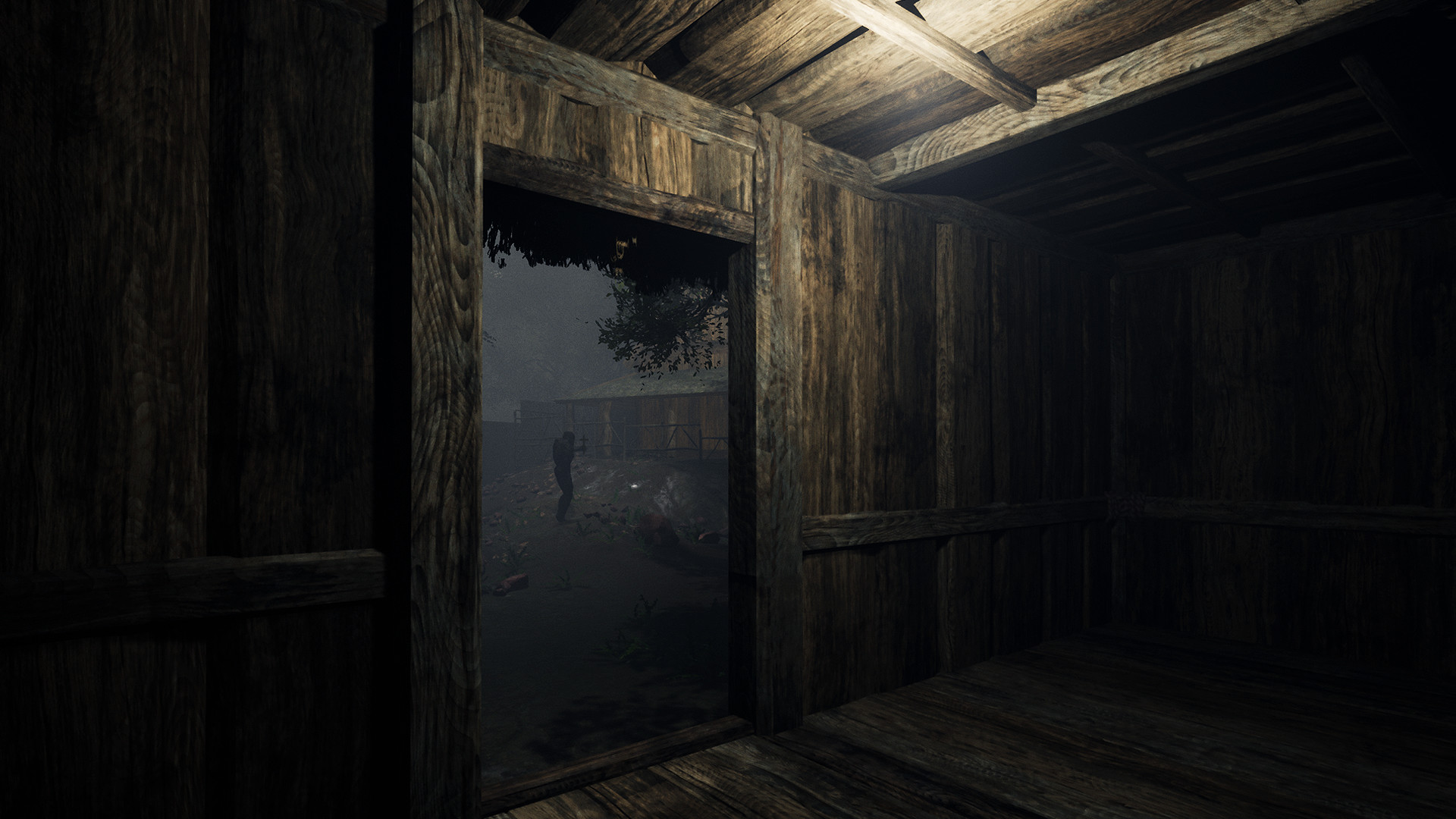
You play as Michael, a genetic researcher from the Epsilon Research Institute, who survives a catastrophic crash after a winged creature attacks his vehicle. Alongside colleagues Nadia and Daniel J. Hart, he was passing through a remote valley when the accident leaves him injured, disoriented, and alone. Before he can even process what has happened, a mysterious stranger, who somehow knows his name, injects him with an unknown substance. His companions vanish, and Michael is left to navigate a nearby town steeped in cult rituals and ominous secrets.
On paper, it’s an intriguing premise. Cult activity, genetic experimentation, isolation, and fractured memory form a promising foundation. Flashbacks of a father raising his daughter attempt to inject emotional depth. Unfortunately, the storytelling rarely capitalises on this setup. Michael is largely passive, reacting minimally to the horrors around him. Conversations feel one-sided, and encounters with townsfolk lack meaningful interaction. Instead of psychological weight, the experience often feels hollow and disconnected.
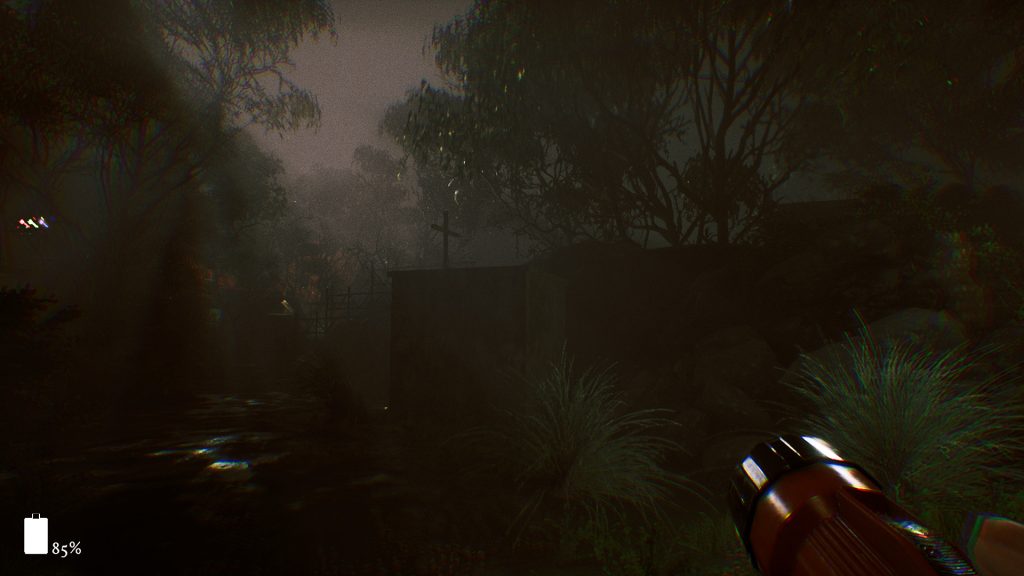
The valley itself should be the interesting: fog-laced paths, abandoned buildings, and ritualistic symbols attempt to create an oppressive mood. At times, the atmosphere almost clicks. The quiet stretches, the suggestion of something watching from the periphery, and the distant sounds of movement hint at the game it wants to be. But these moments are repeatedly undermined by bland level design and confusing layouts, including a house configuration so unintuitive it becomes more frustrating than frightening.
Stealth plays a central role, clearly inspired by genre standouts like Outlast. You spend much of your time hiding in lockers, barrels, and under beds, evading roaming threats. Early vulnerability should heighten tension, yet enemy AI frequently sabotages any sense of danger. Creatures walk into walls, ignore your presence, or stand motionless after discovering you. Instead of carefully tracking patrol routes or reading enemy behaviour, you are left staring forward, hoping the unpredictable AI doesn’t suddenly reverse course.
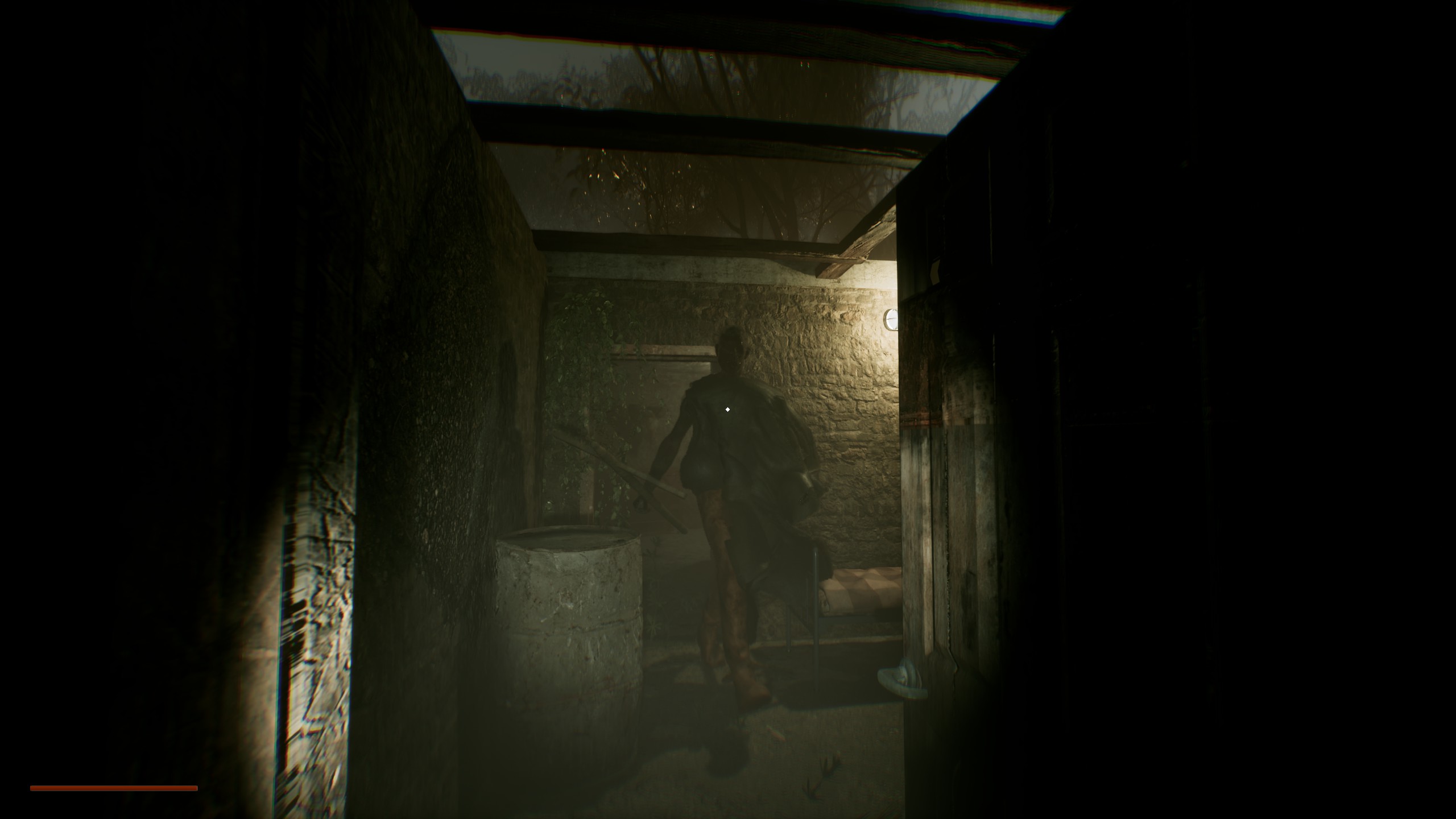
My biggest gripe with the game is that the combat arrives quite late. It takes a surprising amount of time to acquire even a pistol, and ammunition remains scarce. In theory, this limited firepower should amplify dread. In practice, it simply reinforces how repetitive the structure becomes. In fact, The 9th Charnel leans far more into survival horror restraint.
Progression revolves almost entirely around locked doors and conveniently placed solutions. The formula rarely evolves. Besides that, most objectives follow a similar pattern: find the required item in the next room, use it, move on. Puzzles are either overly simplistic or explicitly spelled out, leaving little room for player deduction.
Inventory interactions add further frustration. Certain items must be manually equipped to trigger interactions, while keys equip automatically. This inconsistency doesn’t deepen gameplay; it merely inserts unnecessary steps into already straightforward objectives. .
Visually, the environments occasionally impress, especially in lighting and environmental mood. Shadows stretch convincingly across interiors, and some exterior spaces capture the intended bleakness. Character models, however, are another story. Facial animations are minimal, with characters speaking through clenched expressions that never fully articulate.
As it stands, The 9th Charnel struggles to justify its place among modern survival horror titles. Even measured against older genre standards, its mechanics and presentation feel dated and undercooked. But as a foundation, as proof that a solo developer can assemble the bones of a horror experience, it suggests possibility. Right now, though, possibility isn’t enough. The execution leaves the game feeling repetitive, technically unstable, and emotionally distant. What could have been a tense psychological descent instead lands as a bland and often broken excursion into familiar horror territory.
Review copy provided by the publisher
Duskfade is worth considering for players who miss colourful PS2-style action-platformers and can tolerate basic combat, floaty movement and backtracking.
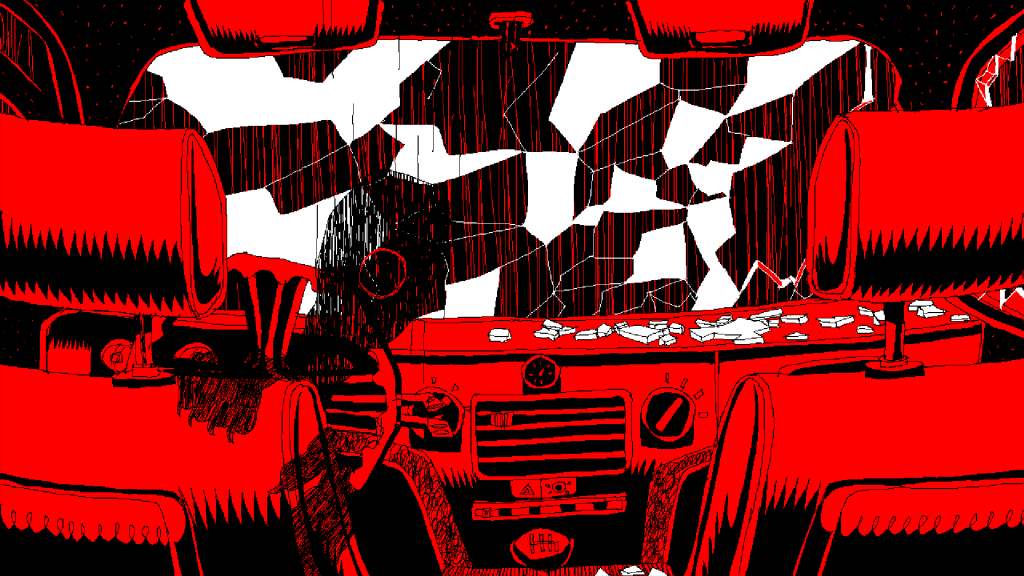
Man I Just Wanna Go Home is a noir crime story with visuals from MS Paint and life-or-death choices.
![[GAMESCOM 2026] Vikings Dynasty Preview – Expands the Dynasty Formula](https://www.indie-games.eu/wp-content/uploads/2026/09/Viking-Dynasty-09-21-26-2-1024x576.jpg)
After showing me Prospera at Gamescom 2026, Toplitz Productions' Mathias Oertel moved to a very different kind of settlement builder.…
![[GAMESCOM 2026] Prospera Preview – Production, Prosperity and Victorian Industry](https://www.indie-games.eu/wp-content/uploads/2026/09/Prospera-09-21-26-5-1024x576.jpg)
At Gamescom 2026, I met with Toplitz Productions' Mathias Oertel for a guided presentation of two upcoming games. One of…
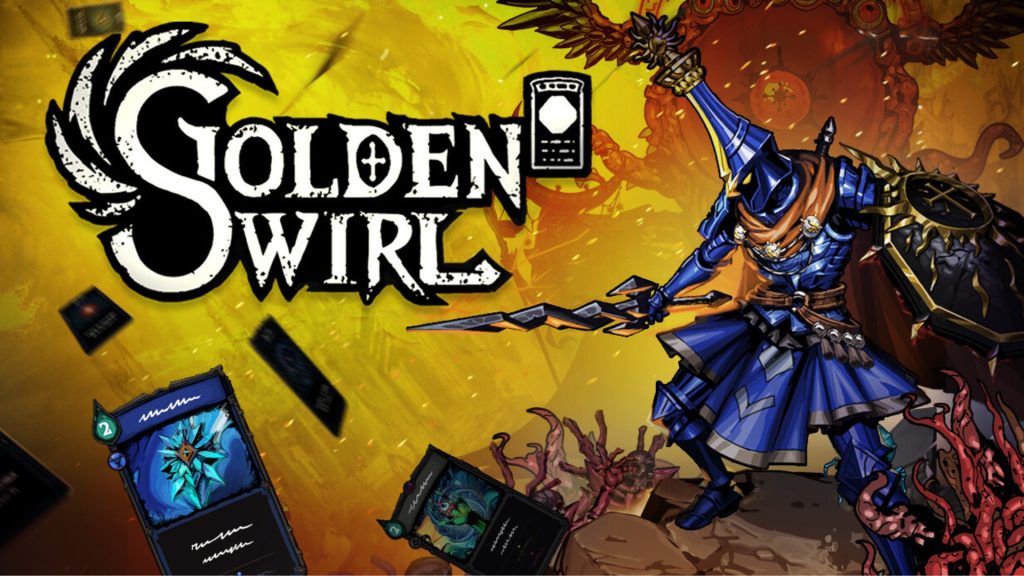
Golden Swirl inventive card combat carries the experience, but repetitive rooms, weak upgrades and excessive dialogue hold it back.
![[GAMESCOM 2026] Wilderdark Preview – Ambitious Dinosaur Horror Game That Still Has Plenty to Prove](https://www.indie-games.eu/wp-content/uploads/2026/09/Wilderdark-1024x576.jpg)
Dinosaur survival horror game Wilderdark has one of those premises that immediately makes you wonder why more games have not…
![[PREVIEW] Tiny Metal 2 – Strategy Game That Wants You to Learn From Every Mistake](https://www.indie-games.eu/wp-content/uploads/2026/09/Tiny-Metal-2-1024x576.jpg)
I rarely enjoy discovering that my opening strategy was completely wrong, but Tiny Metal 2 made that process one of…
![[PREVIEW] Remothered: Red Nun’s Legacy – Ambitious Survival Horror That Needs More Polish](https://www.indie-games.eu/wp-content/uploads/2026/09/Remothered-Red-Nuns-Legacy-4-1024x576.jpg)
Remothered: Red Nun’s Legacy has a gripping atmosphere and promising survival tools, but its repetitive hiding and rough visuals need…
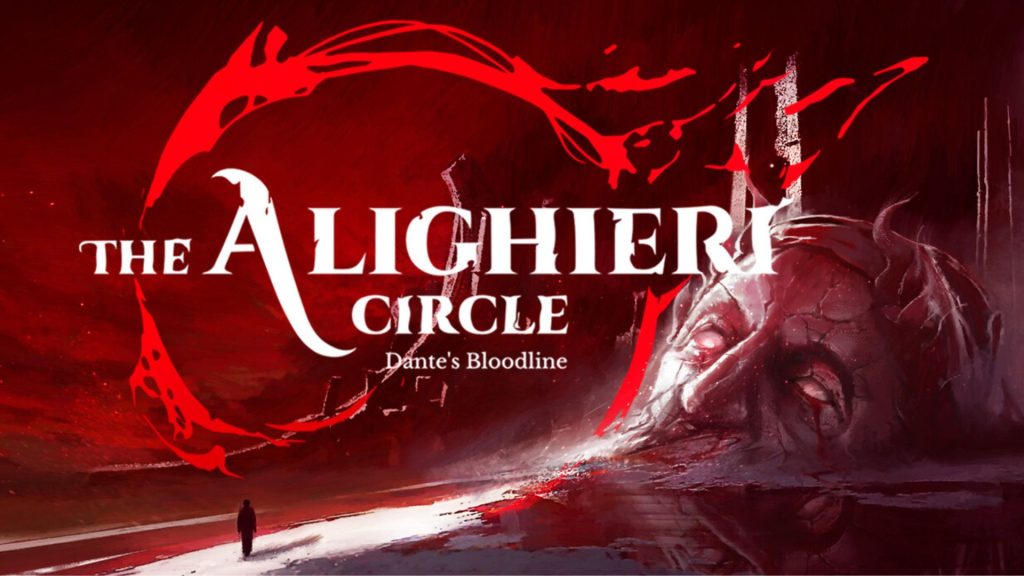
The Alighieri Circle: Dante’s Bloodline is difficult to recommend beyond players who are especially interested in Dante or enjoy solving…
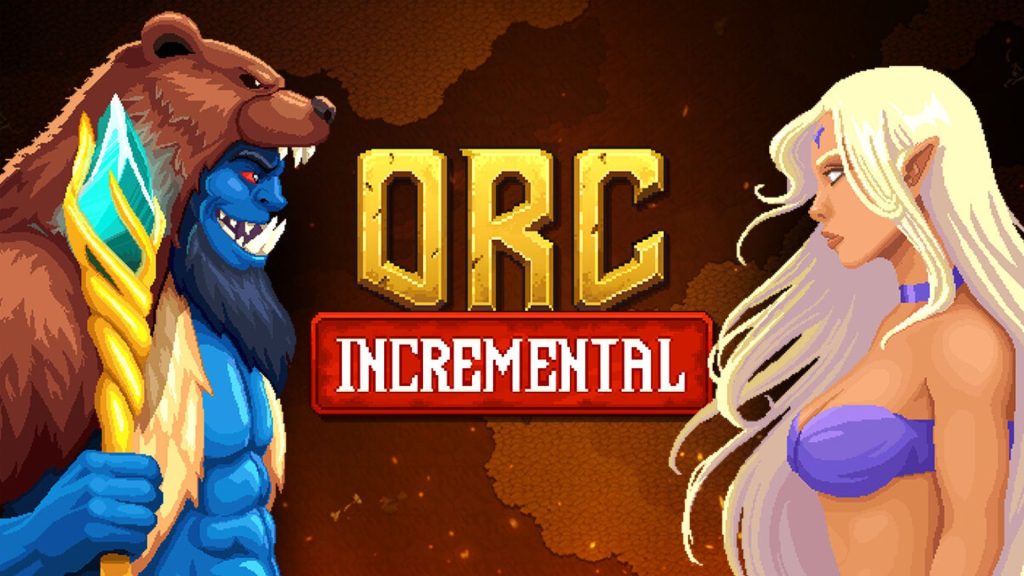
Orc Incremental offers satisfying progression, entertaining totem combinations and enough content to justify its affordable price.
![[GAMESCOM 2026] Chronoscript: The Endless End Preview – Beautiful Pages Hide Deliberate Combat](https://www.indie-games.eu/wp-content/uploads/2026/09/Chronoscript-The-Endless-End-1-1024x576.jpg)
Chronoscript: The Endless End stands out from other Metroidvanias by blending 2D manuscript worlds with exploration inside a 3D manor.
![[GAMESCOM 2026] MegaGum Preview – Combat Hits Hard in This Sticky Platforming Adventure](https://www.indie-games.eu/wp-content/uploads/2026/09/MegaGum-09-09-26-5-1024x576.jpg)
MegaGum combines hard-hitting combat, varied weapons and Gum-powered platforming in a promising Gamescom 2026 demo.
![[GAMESCOM 2026] Delphinium Preview – Cozy Routine Mixed With Enjoyable Minigames](https://www.indie-games.eu/wp-content/uploads/2026/03/Delphinium--1024x665.jpg)
Delphinium mixes cozy farming, exploration and relationships with enjoyable fishing, cooking and forging minigames in its Gamescom 2026 demo.
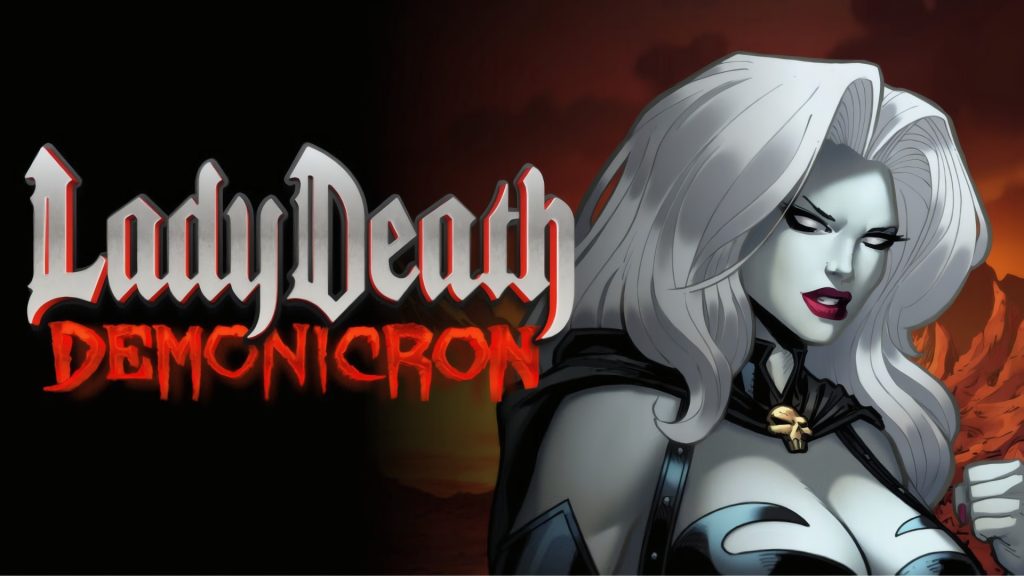
Lady Death: Demonicron looks the part, but underneath its excellent comic-book exterior is a clunky and painfully short brawler.
![[GAMESCOM 2026] Tomb Raider: Legacy of Atlantis Preview – Expands the Original Without Losing Its Identity](https://www.indie-games.eu/wp-content/uploads/2026/09/tomb-raider-legacy-of-atlantis-06-02-26-1-1024x576.jpg)
Tomb Raider: Legacy of Atlantis brings Lara back to her roots, but its Gamescom 2026 showing proved this is far…
![[GAMESCOM 2026] Clive Barker’s Hellraiser: Revival Preview – Ready to Open the Box](https://www.indie-games.eu/wp-content/uploads/2026/09/Clive-Barkers-Hellraiser-Revival-08-30-26-1-1024x576.jpg)
Hellraiser: Revival preserves the franchise’s sex, gore and psychological horror while delivering approachable survival-horror gameplay.

Swan Song creates a peaceful and forgiving puzzle space without removing the challenge that makes solving a difficult puzzle rewarding.
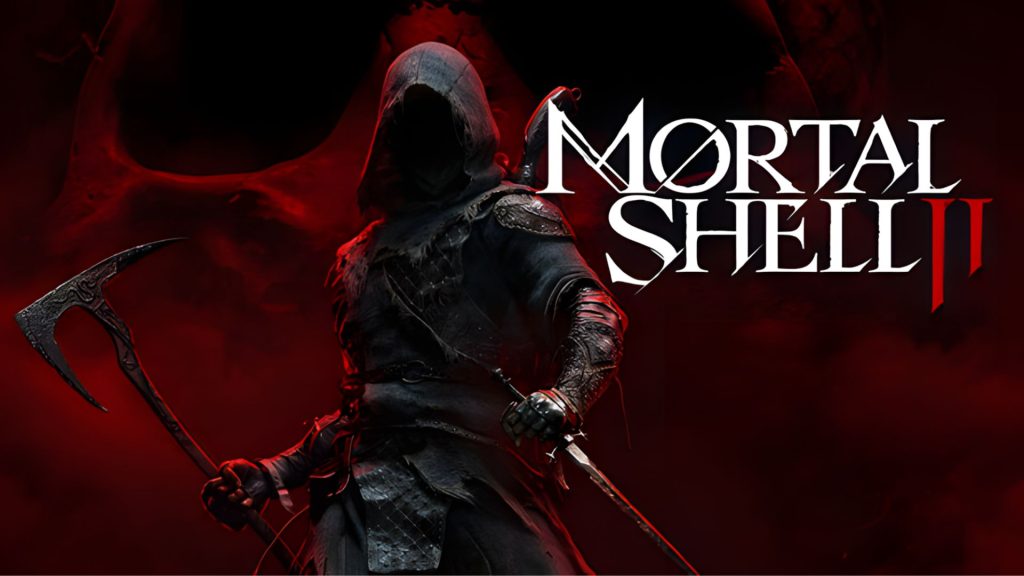
Mortal Shell II starts brilliantly but grows repetitive and exhausting, while remaining a rewarding and ambitious Soulslike sequel.
![[GAMESCOM 2026] Terranigma Preview – A Lost SNES Classic Returns in 2027](https://www.indie-games.eu/wp-content/uploads/2026/08/Terranigma-1-1024x576.jpg)
After more than three decades of limited availability, Terranigma is returning in 2027. We played its enhanced re-release at Gamescom…
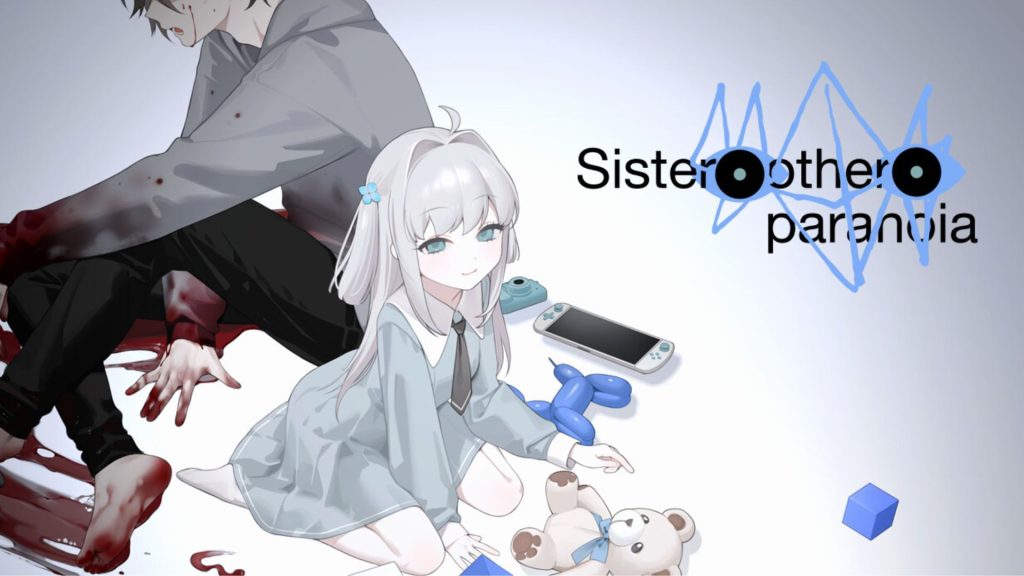
Reading another person’s mind is often presented as a desirable superpower, but Sister Other Paranoia immediately understands why it could…
