![[GAMESCOM 2026] Hell Maiden Interview: AstralShift on Self-Publishing, Early Access and An Unlikely Trip Through Hell](https://www.indie-games.eu/wp-content/uploads/2026/09/Hell-Maiden-5-1024x576.jpg)
[GAMESCOM 2026] Hell Maiden Interview: AstralShift on Self-Publishing, Early Access and An Unlikely Trip Through Hell
At Gamescom 2026, we spoke with AstralShift co-founder, writer and marketing manager Patrícia Silva about rougelike Hell Maiden.

![[GAMESCOM 2026] Full Circle – How One Developer Is Creating His Dream JRPG](https://www.indie-games.eu/wp-content/uploads/2026/09/Adolfo-Gazzo-Full-Circle-Interview-1.jpg)
If you enjoy independent indie game coverage, consider supporting Indie-Games.eu on Patreon. It helps keep the site independent.
At Gamescom 2026, I had the chance to talk with Adolfo Juan Fernando Gazzo Castañeda, a solo developer from Peru working on the upcoming JRPG Full Circle under Second Player Games.
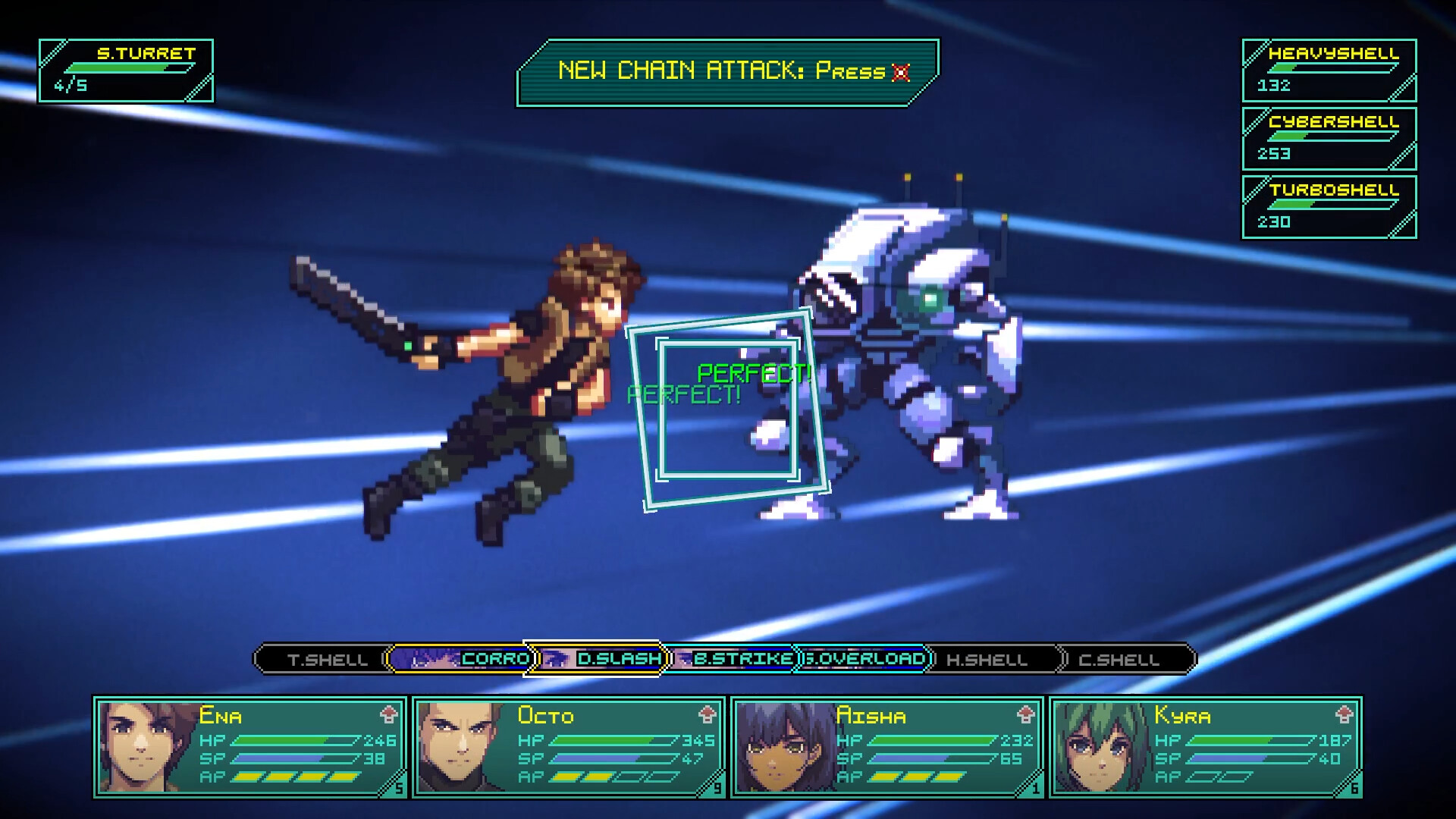
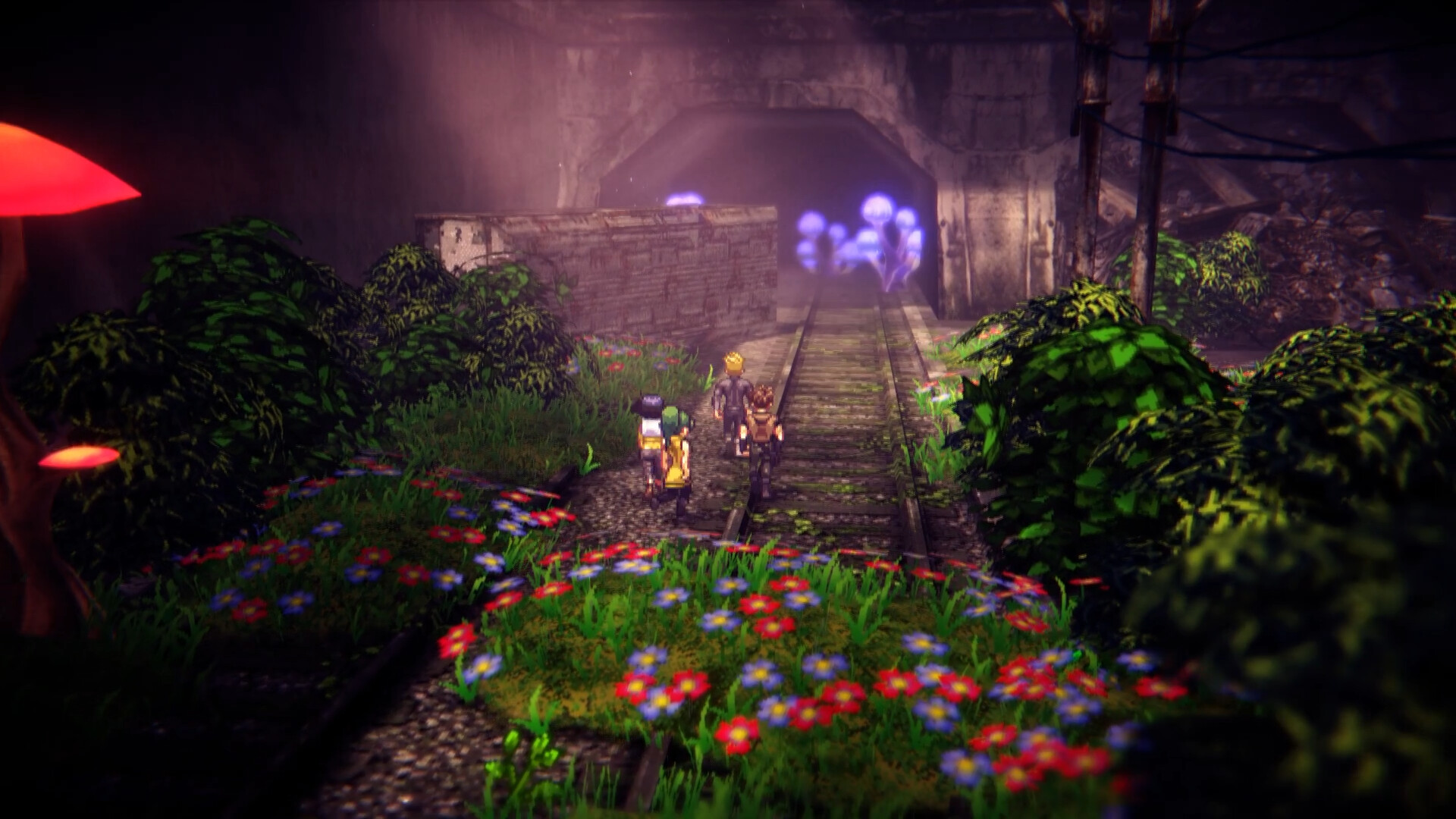
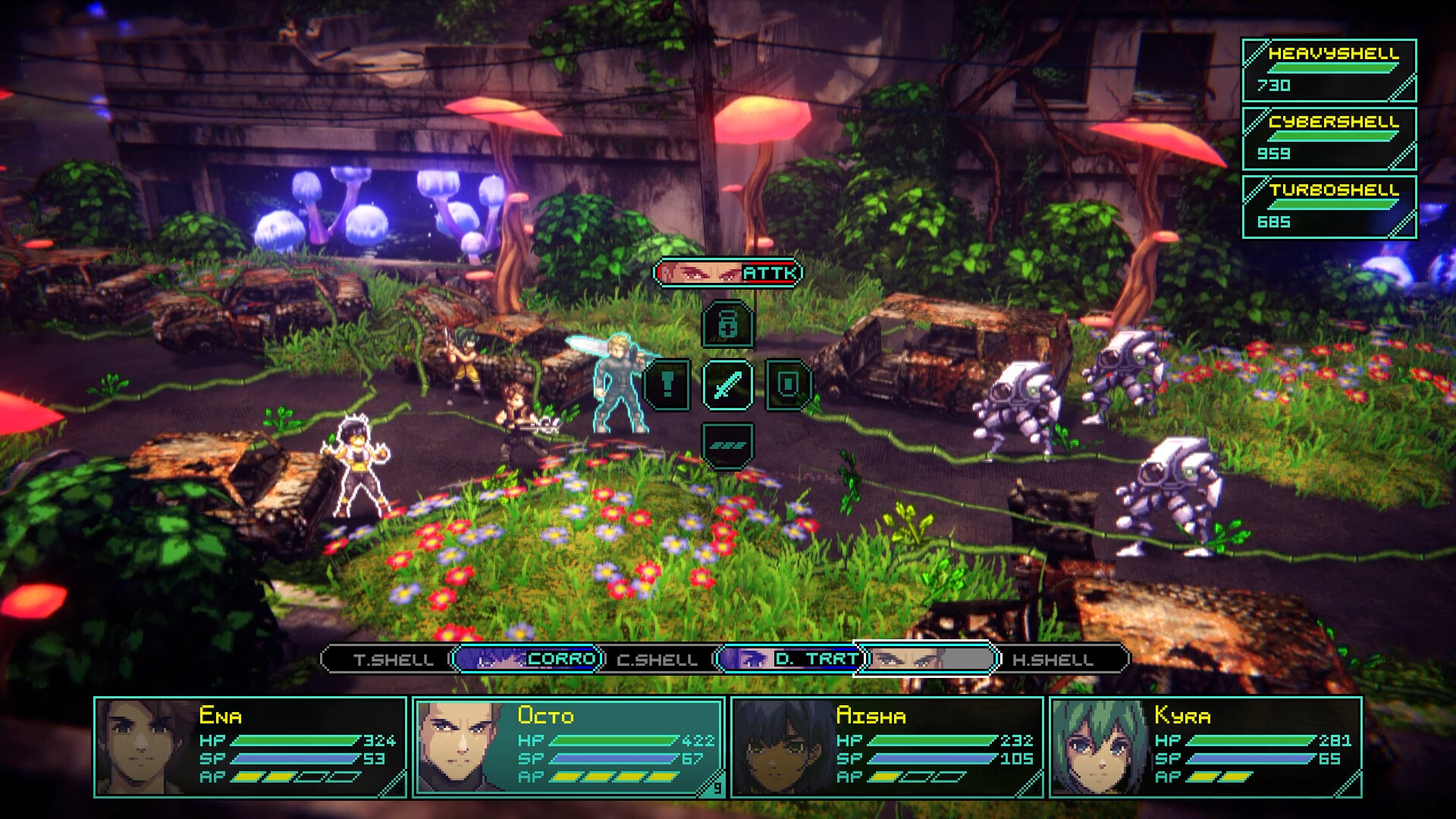
Full Circle immediately caught my attention for its combination of pixel-art characters, 3D environments and a turn-based combat system that mixes traditional JRPG decision-making with more active QTE-style inputs.
The Gamescom demo was created specifically for the event rather than being taken directly from the final game. Gazzo explained that he hopes to have something more substantial to show next year, although he is not ready to commit to whether that will be an Early Access release or the full game.
You can also wishlist the game on Steam.
There are many things I wanted to make work, but I like the fact that you’re choosing your party’s actions and decisions before the execution phase. Obviously, that’s something that has already been done in many other JRPGs, like Final Fantasy, but having QTEs as part of the battle system isn’t usually done in this particular way. Normally it’s my turn, your turn, player, enemy, player, enemy.
My intention was to divide combat into two parts. You have the decision-making part and then the execution part. Because of the QTE-style inputs, I wanted that execution phase to feel a little more interactive and action-oriented rather than just watching a cutscene play out.
At least I think it has worked, and I like how it feels. That’s something I’m proud of. I’m really proud of the battle system.
Obviously, there isn’t much available in the demo. We have one turret, but you’re not really recruiting machines. Eventually, there is some sort of beast-taming mechanic, but you actually build machines yourself.
Enna, the main character, is an engineer by trade, so you’ll get the chance to build your own support turrets and then upgrade and change them depending on which items you equip. You could think of them almost like customizable summons.
For example, the turret in the demo is offensive. It can paralyze enemies, burn them and automatically recharge. It has five charges per battle. There are other turrets that don’t automatically recharge, meaning you’ll need to return to camp before you’re able to use them again.
So, yes, there’s a custom-building mechanic for the turrets and eventually a beast-taming mechanic as well. Beast taming comes more around the middle of the game, so you won’t have it early on, but turret building is available from pretty much the beginning.
This game is all about different backgrounds for different characters. It was important to me that all of the characters come from different places and different belief systems. There are eight characters in your party. You’ll also have characters who come and go depending on the story, but you have four characters in your active party, which means they’re active during world exploration and battles, and another four in reserve.
As you may have noticed in the demo, you can swap them whenever you need to. Besides their stories, every character also has a different exploration ability. In the demo, you only get to see two of them. Aisha can create bridges using vines, while Enna has a grappling hook that lets you reach and explore different areas.
Regarding how important they are to the story, it depends on how you frame that question. You could say they’re very important to the story, or you could say they’re important to their story. The world is a character on its own. It will do what it has to do even if you’re trying to go against it.
I actually started during the pandemic in 2020, but there were about two and a half years where I didn’t do very much. I’ve only been working full-time on the project since April last year, so you could probably say there have been around two active years of development.
Michael “Misha” Hoss reached out to me because I was posting on X. I was posting every Screenshot Saturday and asking questions. I remember exactly what I asked: “Which forums online are good for talking about JRPGs?”
In the game development world, I didn’t see many JRPGs. Back around 2020, I mostly saw Metroidvanias because they were kind of the big thing at the time. Misha answered me and said there weren’t that many places, but that the JRPG subreddit was good. Then he DMed me and said: “Hey, perhaps at some point we can talk about working together.”
I was completely ignorant about the game development world because I actually came from the audio world, so I said sure, whatever. Then he said: “No, seriously. Perhaps we can work together.”
Initially, he was helping me with tips and tricks about how to post things and stuff like that. It was more of a friendship than a publisher relationship. Then eventually, because I hadn’t managed to work on the game as much as I wanted, he asked if I wanted them to help. We could make a deal that would allow me to dedicate all of my time to actually making the game.
Yeah, it is. I wish I had known earlier, but now it’s too late! Jokes aside, obviously it is, especially because pixel art and 3D both have their ups and downs, and I’m kind of taking the downsides of both.
If I’m doing pixel-art sprite work, that means every animation has to be drawn frame by frame. Then, because I’m creating a 3D world instead of using 2D backgrounds, I also need to do modelling, texturing and work with the camera.
But I wanted that. My idea was always to play a lot with the camera. The camera is something very important to me, which is why it moves around so much. I feel like it helps tell the story of a place and the world. It’s hard. It’s ambitious. But I think by now I’ve figured out the tricks of how everything works, so it’s not quite as demanding anymore.
First of all, I’m more of a second player. That’s actually why my company is called Second Player Games. I’m usually the second player because I love watching people play games. Obviously, I play games too, but the number won’t be that high because I’m only counting the games I’ve personally played.
From the Super Nintendo era, I’ve played Lufia, Secret of Mana, the first Star Ocean, Phantasy Star, that’s Sega rather than Super Nintendo, Secret of Evermore and Magic Knight Rayearth. Then, obviously, there are the Final Fantasy games. This might surprise you, but I discovered Final Fantasy on PlayStation, and it wasn’t even Final Fantasy VII. It was Final Fantasy VIII.
PlayStation was basically my main platform. I played Lunar 1 and 2, Breath of Fire III and IV, and I’d already played the first two on Super Nintendo, Legend of Dragoon, Final Fantasy VIII, Star Ocean 2, Legend of Legaia and Grandia.
Eventually, I went down the indie route and started playing JRPGs and RPGs in general, like Chained Echoes and Sea of Stars. The sad thing about game development is that you don’t really have much time to play games anymore.
At Gamescom 2026, we spoke with AstralShift co-founder, writer and marketing manager Patrícia Silva about rougelike Hell Maiden.
Built by a self-funded team of seven, Vahrin’s Call is an ambitious fantasy RPG inspired by Fable, The Elder Scrolls…
We spoke with cosplayer Prince de Guzman, who is known for his transformations inspired by horror, anime, and video games.
Unless you’re deep in the indie gaming scene, Naphtali Faulkner might be a new name to you. But as the…
We had a chance to catch up with Heidi Borge, the developer behind narrative-driven cozy Delphinium to learn more about…
We had the opportunity to speak with Damian Czajka from MOUSE: P.I. For Hire Team.
We had the opportunity to talk with Piotr Nowakowski from Bloober Team about his work on Cronos: The New Dawn.
![[INTERVIEW] Manafinder II Is a Big Step Up – Here’s What the Developer Told Us](https://www.indie-games.eu/wp-content/uploads/2026/04/Manafinder-II-interview-1024x683.jpg)
In the interview, we discussed the game’s mechanics in greater detail, what players can expect from the sequel, and the…
We had the opportunity to sit down with the brilliant minds behind Business Goose Studios: Beau Vankemenade, Sander Ambroos, and…
![[EXCLUSIVE] Like a Bloody Storm – Interview with Kazusou Oda (Coda)](https://www.indie-games.eu/wp-content/uploads/2025/12/Oda-Kazusou-Interview-1024x576.jpg)
We had an opportunity to talk with Oda Kazusou, a theme song artist for JoJo's Bizarre Adventure.
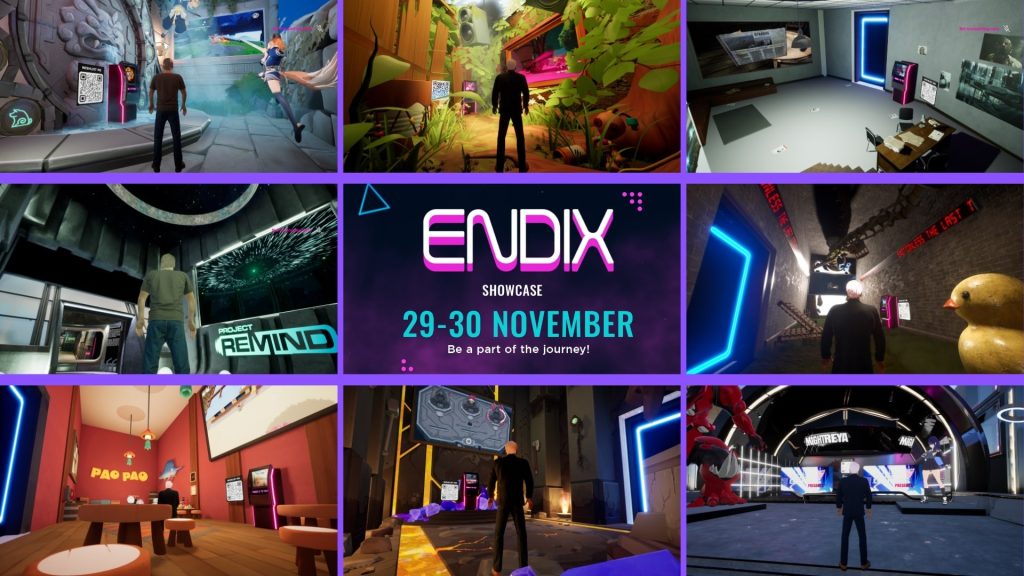
Once inside, visitors will find a fully immersive world where exhibitor booths are crafted using real in-game assets.
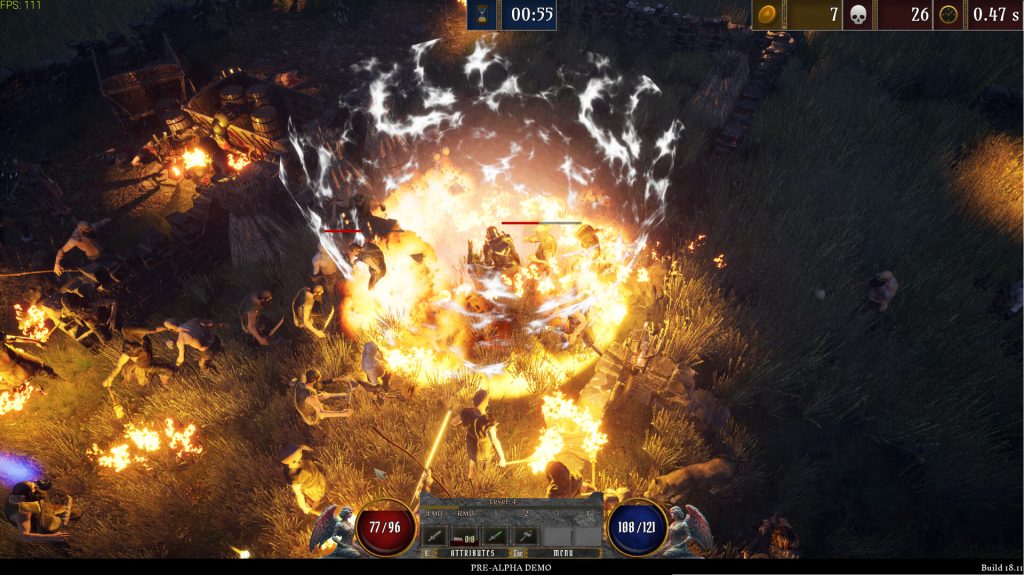
We talked to Tomasz Janicki about the details regarding Cult of Shadows.
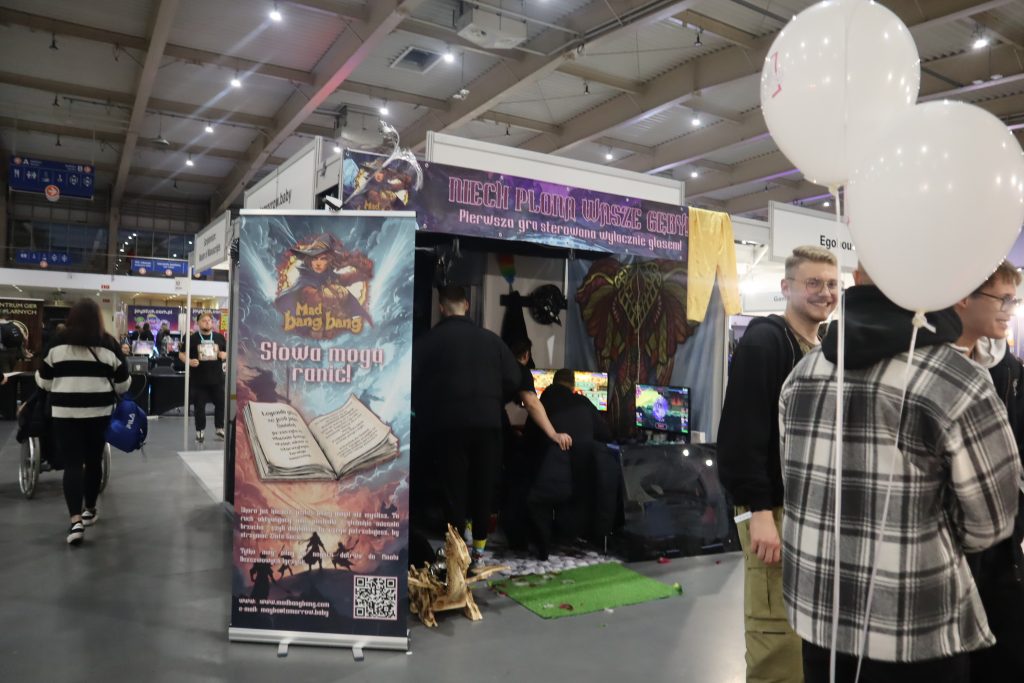
We talked to Piotr Ruszczak, one of the creators of Mad Bang Bang, about the details of this production.
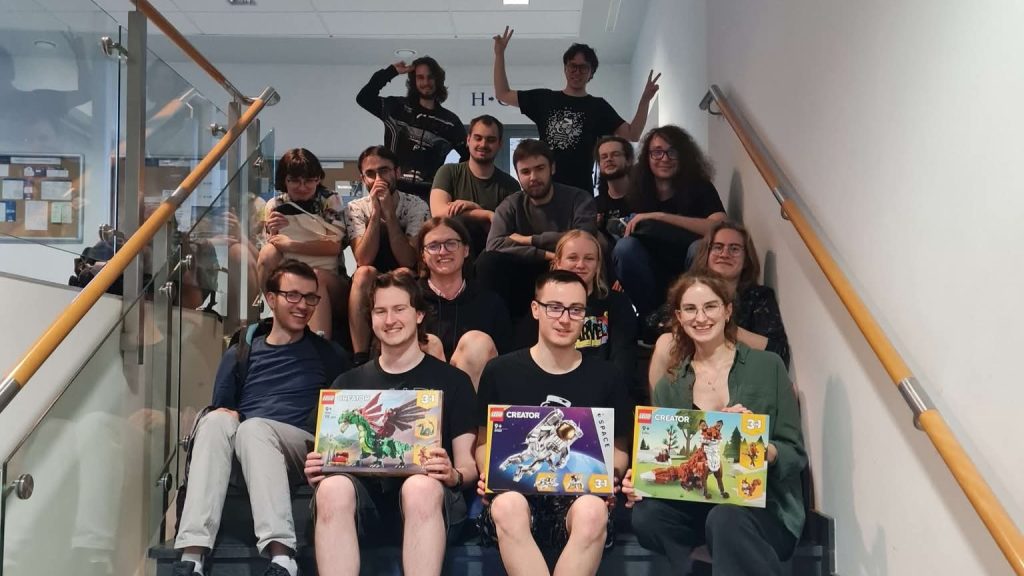
We asked Kiryl, Marek, and Jakub to reveal the secrets of their work to us.
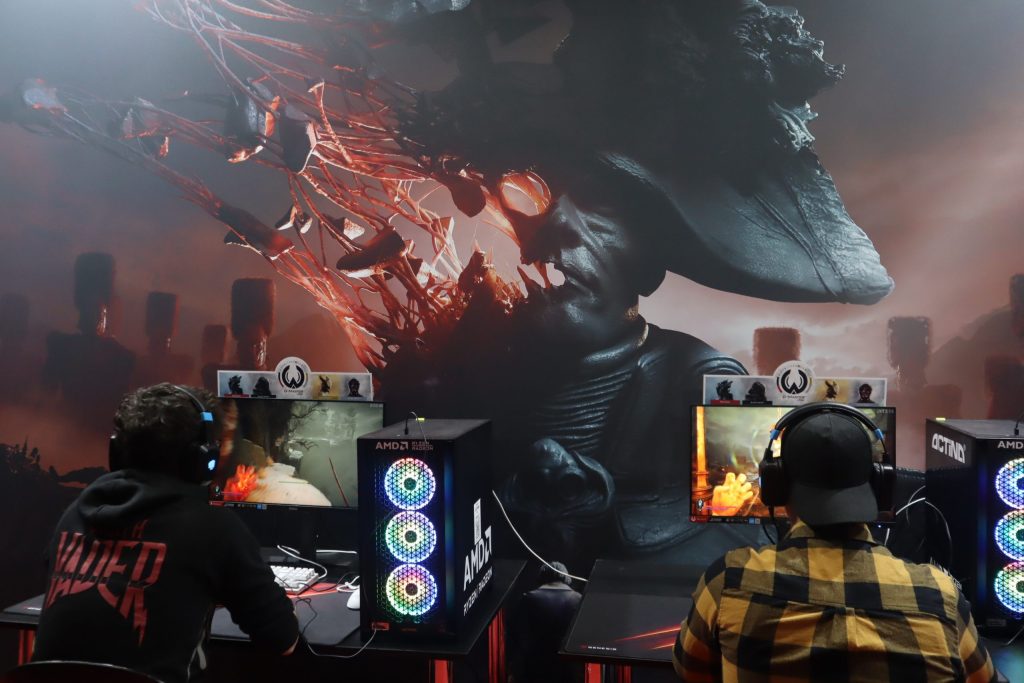
Will Valor Mortis become the hit of 2026?

We had the chance to ask Yannick Audéoud, developer behind Orbyss, some questions about the game.
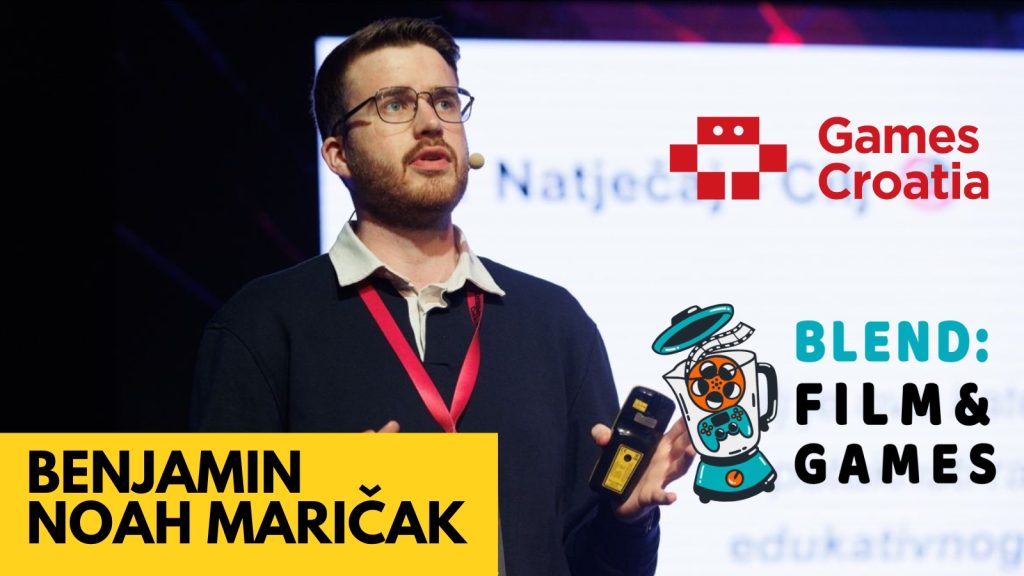
Maričak actively works to grow and promote the Croatian gaming industry while simultaneously fostering collaboration with the film industry.
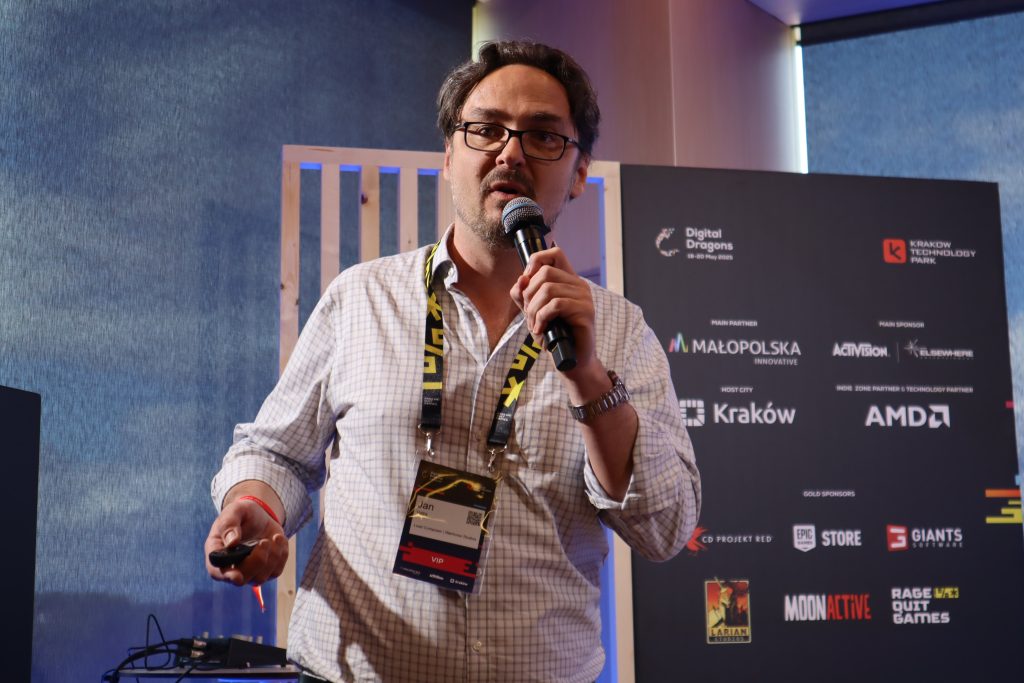
During our interview, Jan revealed the secrets of composing music for both KCD games.
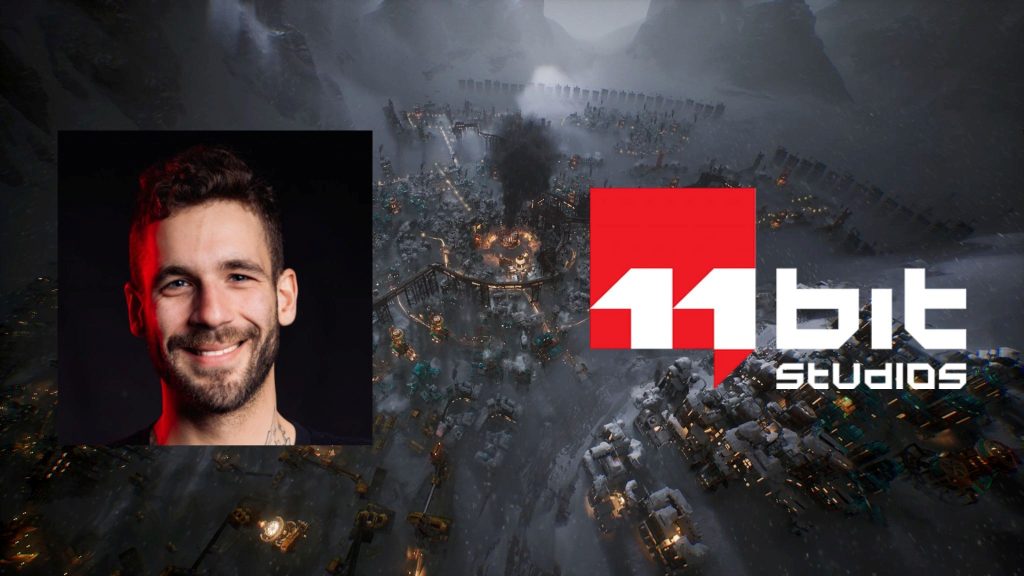
In this interview, we asked Paweł Charzyński about his experience working on Frostpunk 2 as VFX coordinator.
![[A BIG INTERVIEW] Toukana Interactive Co-Founder Zwi Zausch on the Gaming Industry](https://www.indie-games.eu/wp-content/uploads/2025/09/Dizajn-bez-naslova-2-1024x576.jpg)
Zwi Zausch provided a deep dive into the gaming industry from an indie developer's perspective.
