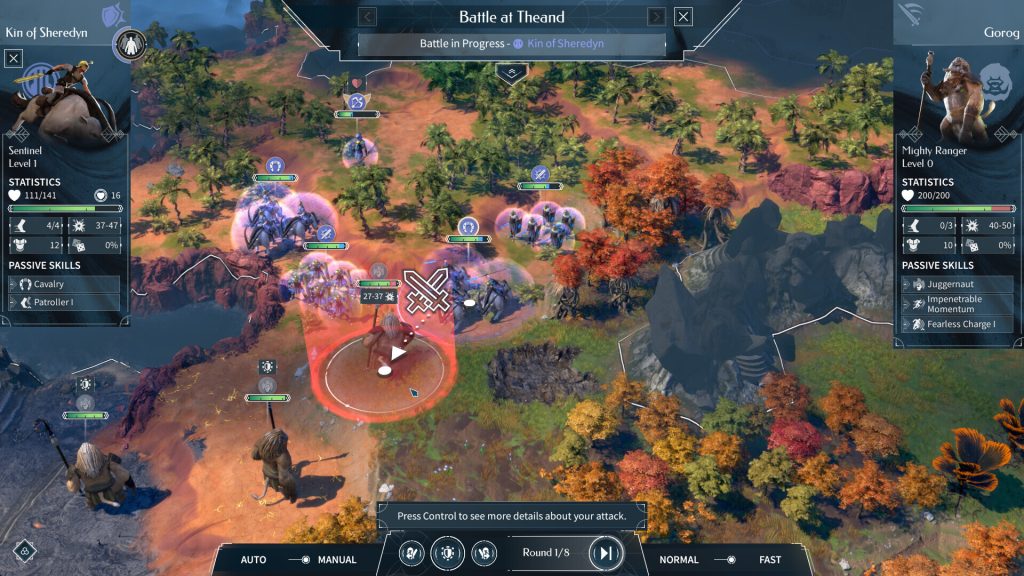
Endless Legend 2 Leaves Early Access in September, Adds Console Versions
Endless Legend 2 leaves Early Access in September as version 1.0 rolls out, bringing console versions to PlayStation 5 and…

![[OPINION] We Need to Talk About the Nintendo Switch 2…](https://www.indie-games.eu/wp-content/uploads/2025/01/Nintendo-Switch-2-1.jpg)
If you enjoy independent indie game coverage, consider supporting Indie-Games.eu on Patreon. It helps keep the site independent.
Nintendo has always been known for its innovation, charm, and a focus tailored toward children and families. Unfortunately, it appears that this is changing as the company increasingly moves in a direction that many gamers will not enthusiastically welcome. Today, Nintendo seems less focused on a family audience and more on exploiting nostalgia, primarily targeting older generations who grew up with their games.
Interestingly, I recently came across a Reddit post discussing how LEGO, much like Nintendo, shifted its focus from children to adults with disposable income. Is the same thing happening with Nintendo? Who is their target audience really today? Are their first-party titles attractive enough to justify buying the console, or are we just watching the recycling of the same games year after year?
When the Nintendo Switch 2 was first announced at the Nintendo Direct last week, the initial reactions were predominantly positive. A hybrid console with upgraded hardware, a larger screen, and promises of improved gameplay? The excitement was immediate. Yet, Nintendo’s decision not to disclose any pricing during the presentation—whether due to last-minute indecision or fear of negative reaction—already hinted at possible problems.
Now, as the excitement surrounding the announcement slowly subsides, it is becoming clear that the Switch 2 is stumbling right out of the gate. Between questionable design decisions, a sudden price increase, and a worrying approach to game pricing, what initially looked like a sure-fire hit increasingly feels like a misstep. Let’s not forget who is running Nintendo: president Shuntaro Furukawa, first and foremost a businessman, and not necessarily someone with a deep understanding of gamers. Is this yet another case of corporate greed taking priority? Only time and sales figures will tell.
With a price tag of €470 for the base model, the Nintendo Switch 2 will be the most expensive console Nintendo has ever launched. For comparison, the original Switch came out in 2017 at a price of €300, which seemed reasonable at the time for its revolutionary design. Even the Switch OLED with its premium screen cost €349.99. The €150 jump for the Switch 2 feels like a blow to everyone, especially when considering what you actually get, or rather, what you don’t get.
The Switch 2 comes with a 7.9-inch 1080p LCD screen, improved processing capabilities, and a slightly redesigned casing with two USB-C ports and a more adaptable kickstand. On paper, along with a very good battery, these are nice upgrades, but they don’t give the impression of a “next-generation” device. On the other hand, can the Steam Deck or ROG Ally be considered competition? It’s difficult to put them in the same category. The Steam Deck offers comparable or even slightly better specifications at a similar or lower price, along with access to a massive library of discounted PC games. Meanwhile, while improved, the Switch 2’s hardware doesn’t seem to seriously approach modern consoles like the PS5 or Xbox Series X.
There’s also the question of timing. Nintendo’s announcement coincided with news of new US tariffs on imported goods, particularly from countries like Vietnam, where most of the Switch 2’s production takes place. These tariffs, ranging from 10% to 49%, have already forced Nintendo to temporarily suspend pre-orders in the US to “assess the impact.” Analysts speculate that the base price could rise to $500 in America or higher if the tariffs remain in effect. Nintendo is reportedly warehousing certain quantities to mitigate the initial shock, but once those stocks are depleted, consumers could be looking at an even more expensive console.

If the console’s price caused raised eyebrows, the game prices for the Switch 2 have caused a firestorm of outrage. Nintendo has set a new standard for its first-party titles: the launch flagship game, Mario Kart World, is selling for €80 for the digital version and an astounding €90 for the physical edition. Other titles, such as Donkey Kong Bananza, start at €70, which is still a significant jump from the previous norm of €60 for games on the Switch 1. For comparison, even high-budget games for the PS5 and Xbox Series X typically launch at €70, often including photorealistic graphics and vast open worlds. Nintendo’s family-friendly games, while polished, struggle to justify such a premium price.
What hurts even more is the lack of transparency. Nintendo failed to mention game prices at all during its Switch 2 Direct presentation, forcing us to discover the costs ourselves. This created a genuine storm of negative comments on social media, with Reddit and livestream chats flooded with demands to “lower the price.” Reactions were so fierce that former Nintendo marketing executives spoke out, claiming the company is likely in full “war mode,” trying to deal with a PR disaster. Yet, so far, Nintendo has remained silent, which is a risky move for a brand that heavily relies on community trust.
This pricing model opens up deeper questions about value. Mario Kart World may be a “significantly expanded experience” compared to previous installments, but a price of €80 to €90 for a karting game is hard to swallow when we know that Mario Kart 8 Deluxe launched at €60 and became one of the best-selling games of all time. Nintendo justifies its prices by claiming their games offer unparalleled quality and replayability, but that logic fails when they demand €10 to €20 more than the competition for titles that do not deliver a significant technological leap.
And don’t even get us started on the “upgrade fees” of €10 to €15 for Switch 1 games that are optimized for the Switch 2. Asking players to pay extra for better performance in games they already own simply looks like unjustified double-dipping.

The price hikes would be easier to swallow if the Switch 2 were launching with a superb lineup of games, but the reality is quite disappointing. Mario Kart World is the flagship title, alongside Donkey Kong Bananza and a solid selection of third-party ports such as Hades II, Borderlands 4, Split Fiction, Final Fantasy VII Remake, and Hogwarts Legacy. There is also the Nintendo Switch 2 Welcome Tour, a $10 tech demo that is essentially a paid tutorial, a far cry from free games like Wii Sports or Astro’s Playroom, which demonstrated the console’s full potential.
Compare this to the launch of the original Switch, which had The Legend of Zelda: Breath of the Wild, a game that redefined open-world adventures and justified the console’s existence on day one. The Switch 2’s launch lineup feels safe but not revolutionary, and it is hard to imagine it will drive mass adoption of the console at these prices.
Furthermore, the reliance on “Switch 2 editions” of existing games like Breath of the Wild and Tears of the Kingdom further muddies the waters. These enhanced versions come at a cost, either through paid upgrades or repurchase at full price, which puts off fans who have already invested in the original versions. Nintendo’s history of infrequent discounts doesn’t help; unlike Sony and Microsoft, who regularly reduce the price of older titles, Nintendo games rarely drop below €40, even years after release. This approach may maximize profit, but it risks alienating younger and more budget-conscious players who made up a large part of the original Switch audience.
However, there is at least one Switch 2 exclusive that sparks excitement: The Duskbloods, an upcoming online multiplayer title from FromSoftware Studio with support for up to eight players. During the Nintendo Switch 2 Direct, the developers showed a short trailer providing a glimpse into the game’s world and its core themes. Shrouded in a dark, gothic atmosphere, the teaser begins with an enigmatic reference to an unnamed knight of “light.” The game appears to introduce an entirely original universe with its own lore and characters, including one striking figure who hunts monsters in a vampiric fashion.

Perhaps the most frustrating aspect of the entire Switch 2 story is Nintendo’s apparent disconnect from its own audience. The company has always gone its own way, but its refusal to address pricing concerns or clarify the tariff situation feels like a complete loss of consumer empathy. Fans aren’t just angry about the price – they are angry about the lack of communication. When the 3DS launched in 2011 at a price of €250 and failed, Nintendo quickly dropped the price to €170, which turned the console into a success. Such a bold course correction seems unlikely in this case, at least in the short term, as Nintendo is clearly doubling down on its premium pricing strategy.
There is also the issue of physical game ownership. According to reports, it appears that Switch 2 games on cartridges will function more like external drives, meaning installation will be required, potentially limiting true ownership of the game. This move, combined with the higher prices for physical editions, impacts one of Nintendo’s core strengths: the collectible and tangible value of its cartridges.
Nintendo’s pricing decisions are not happening in a vacuum. The entire gaming industry is grappling with rising development costs, inflation, and economic uncertainty. But while Sony and Microsoft gradually transitioned to €70 games, Nintendo’s jump to €80-90 feels like an aggressive move, based on the assumption that fans will pay anything for Mario and Zelda. The problem is that the Switch 2 is not launching into the same market as its predecessor. The original Switch succeeded because it was affordable, portable, and had must-play exclusives. At €450 (or more), with €80-90 games and a modest launch lineup, the Switch 2 risks losing the casual players who drove the previous model to as many as 140 million units sold.

What’s worse is that this price increase could give a green light to other publishers to follow suit. If Nintendo, a company known for relatively modest development budgets, can charge €80 to €90 for a game, what would stop Ubisoft, EA, or Square Enix from positioning their titles for the Switch 2 in the same price bracket? This domino effect could turn the Switch 2’s game library into one of the most expensive on the market, damaging the console’s image as an affordable, family-oriented platform.
Compare this to recent rumors about Grand Theft Auto VI, which some speculate could launch with a $100 price tag due to its unprecedented scope and Rockstar’s ambitious vision. While a $100 price for a colossal crime epic might draw skepticism, it can at least be justified given the sheer size of the project. On the other hand, charging €80-90 for Mario Kart World, a karting game with updated graphics and a few new tracks, is difficult to defend.
However, there is still hope. Nintendo has a history of correcting course, whether through price cuts, budget versions like the Switch 2 Lite, or software that justifies the price. But currently, the Switch 2 feels like a console caught between ambition and miscalculation. The hardware upgrades are solid but not spectacular, the game prices are difficult to defend, and the threat of tariffs further creates uncertainty. Nintendo needs to start listening to its fans, not just its accountants, or it risks its next major chapter turning into a cautionary tale.
Endless Legend 2 leaves Early Access in September as version 1.0 rolls out, bringing console versions to PlayStation 5 and…
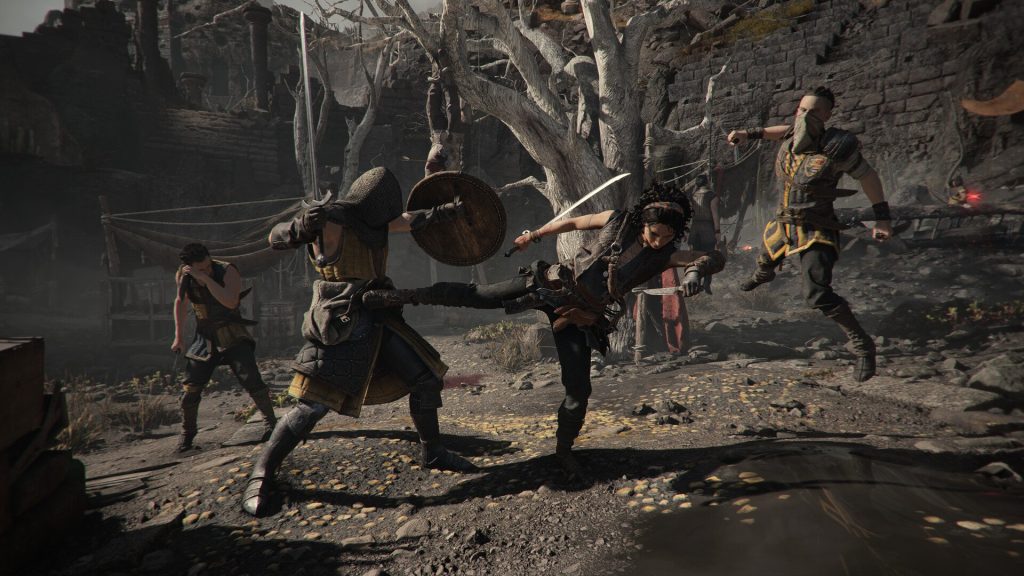
A new Resonance: A Plague Tale Legacy featurette shows how Sophia can use light to navigate dangerous environments and overcome…
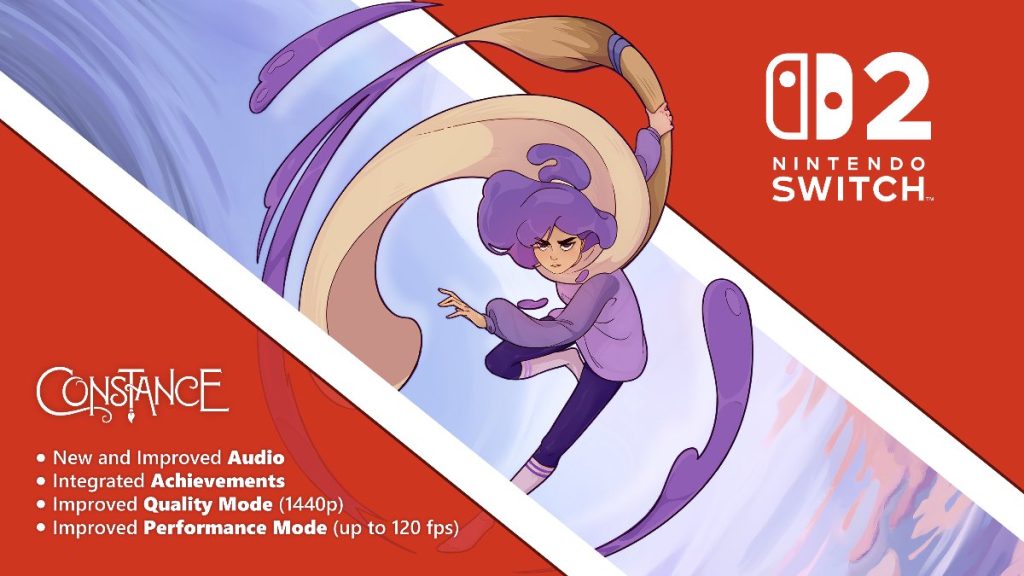
The nonlinear world contains six biomes, each representing a different part of the protagonist’s psyche and history.
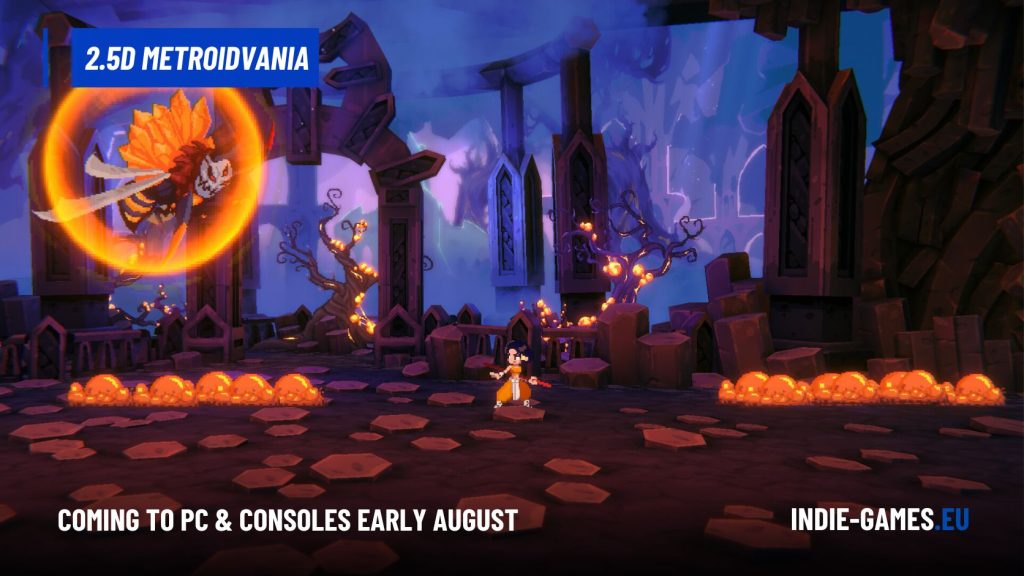
Akatori launches early August on PC and PlayStation and Xbox, featuring 2.5D Metroidvania action, parkour and staff-based combat.
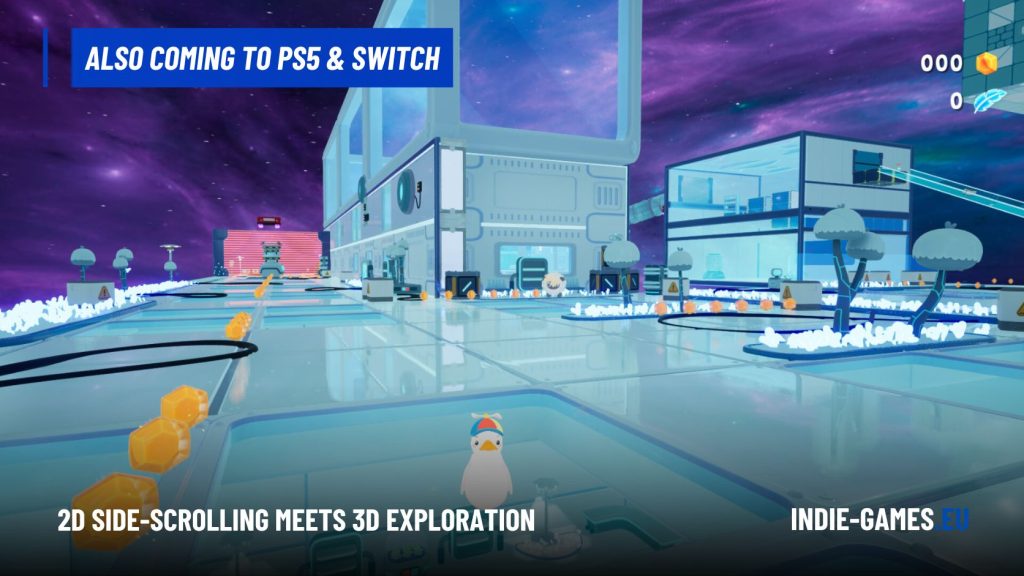
Dodo Duckie! launches on PC and Xbox today, with PS5 and Switch versions arriving later in 2026, featuring unique 2D…
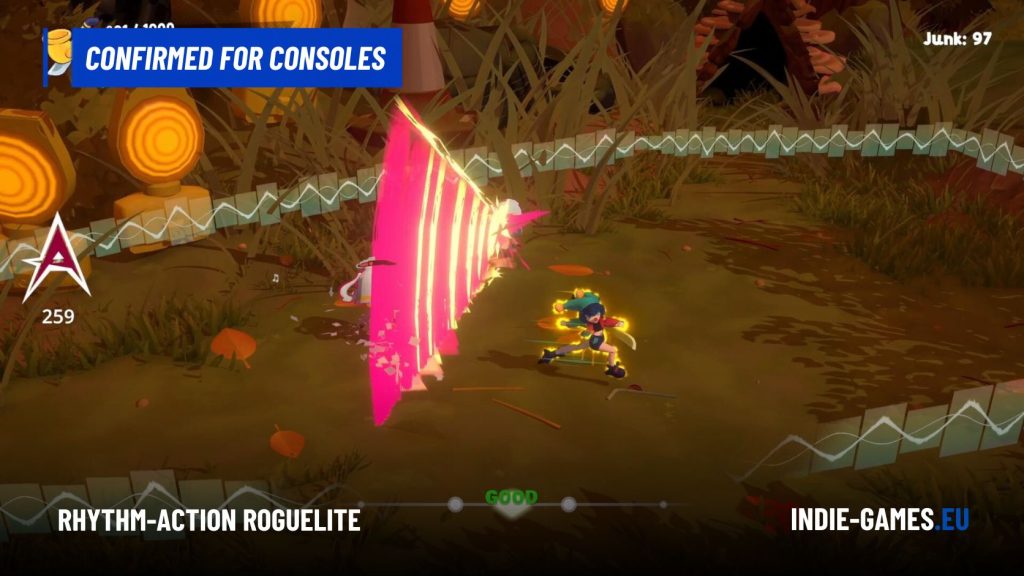
Alpha Nomos launches on PlayStation 5, Xbox Series and PC in 2026, featuring rhythm-based roguelite combat, live-recorded weapons and a…
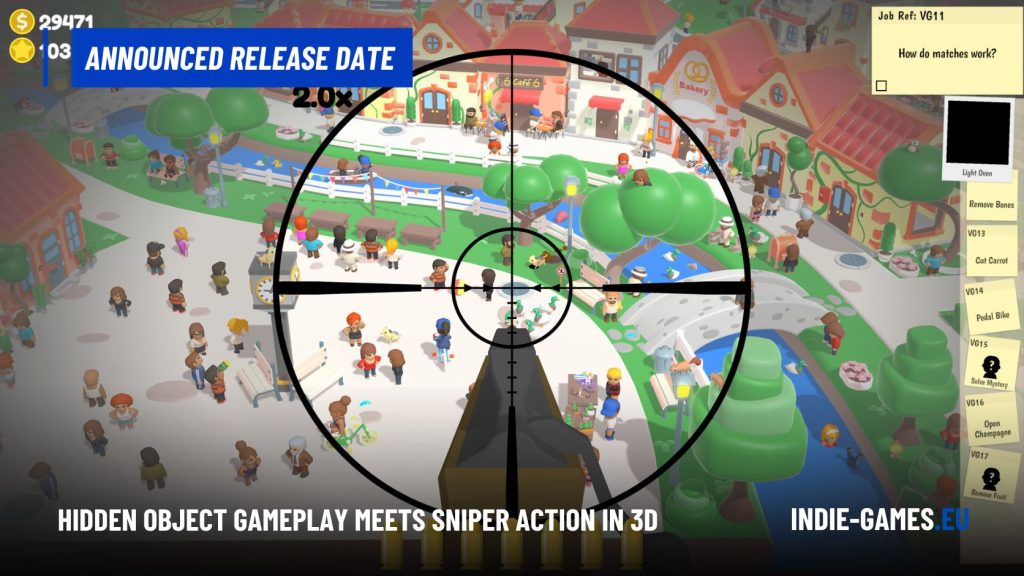
Sniper Dan launches in September for PlayStation 5, Xbox, Switch and PC, blending hidden object gameplay, puzzles and family-friendly sniper…
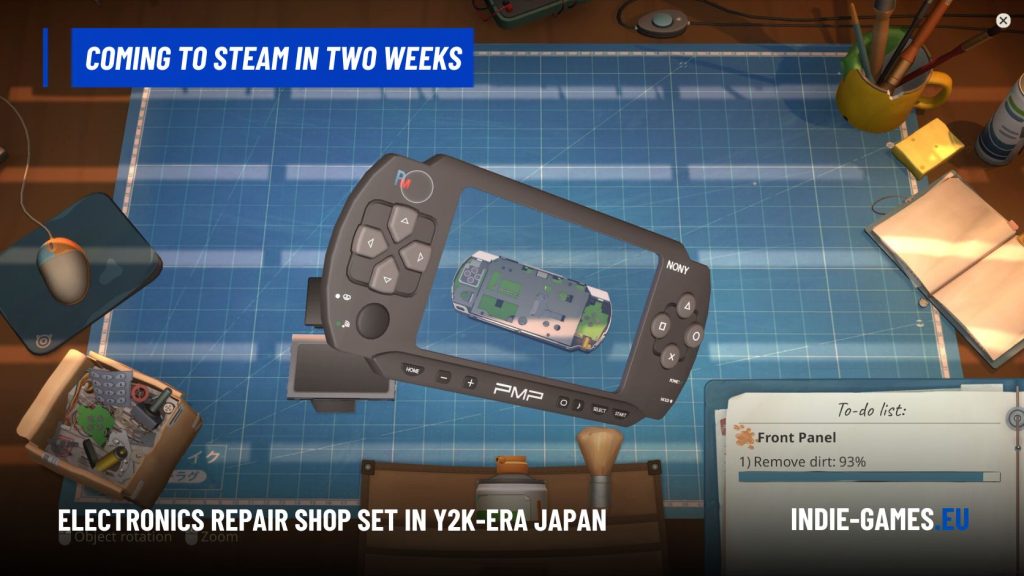
In ReStory, you will repair a wide range of early-2000s technology, including mobile phones, handheld gaming systems, digital pets, music…
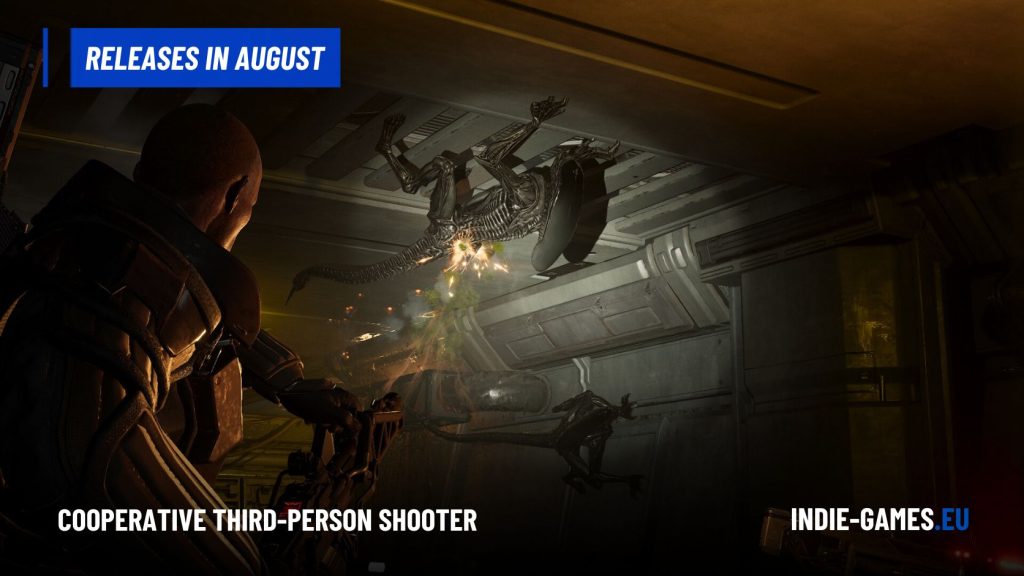
Aliens: Fireteam Elite 2 expands its fireteams to four players, who take control of Colonial Marines deployed across hostile locations…
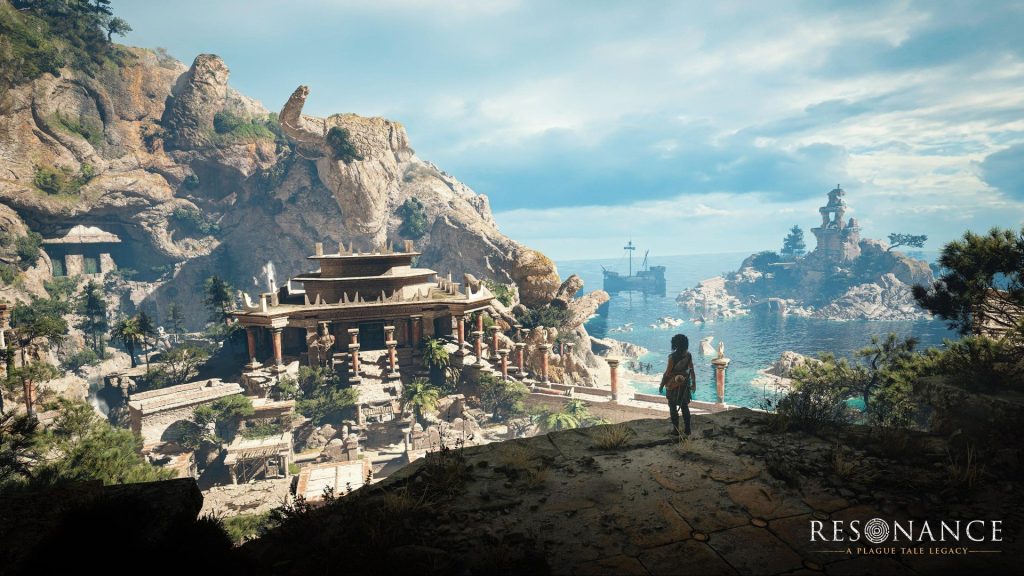
Asobo Studio has released a short scenic clip for Resonance: A Plague Tale Legacy, showcasing its Mediterranean-inspired locations.
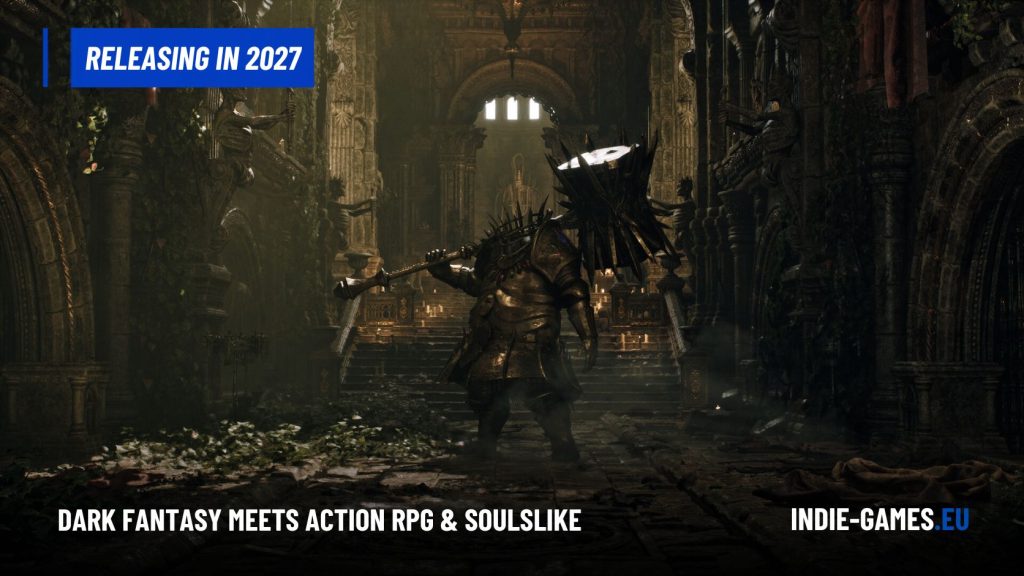
Turkish solo developer Celal Sahin has announced Godless Dawn, a dark fantasy action RPG targeting a Q1 2027 release on…
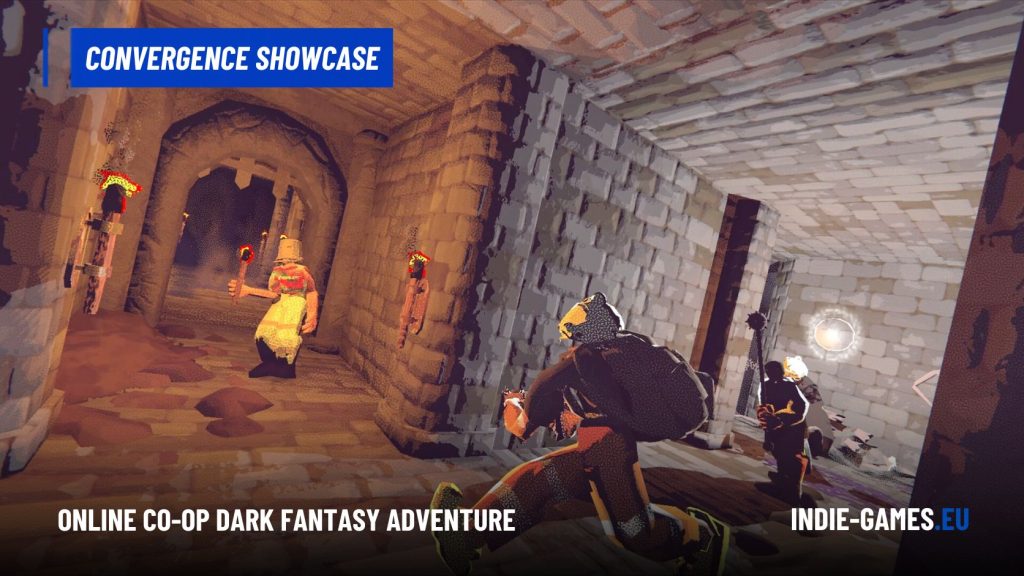
Vision Quench, an online co-op dark fantasy adventure from developer WizMUD Games and Pocketpair Publishing, is targeting an early 2027…
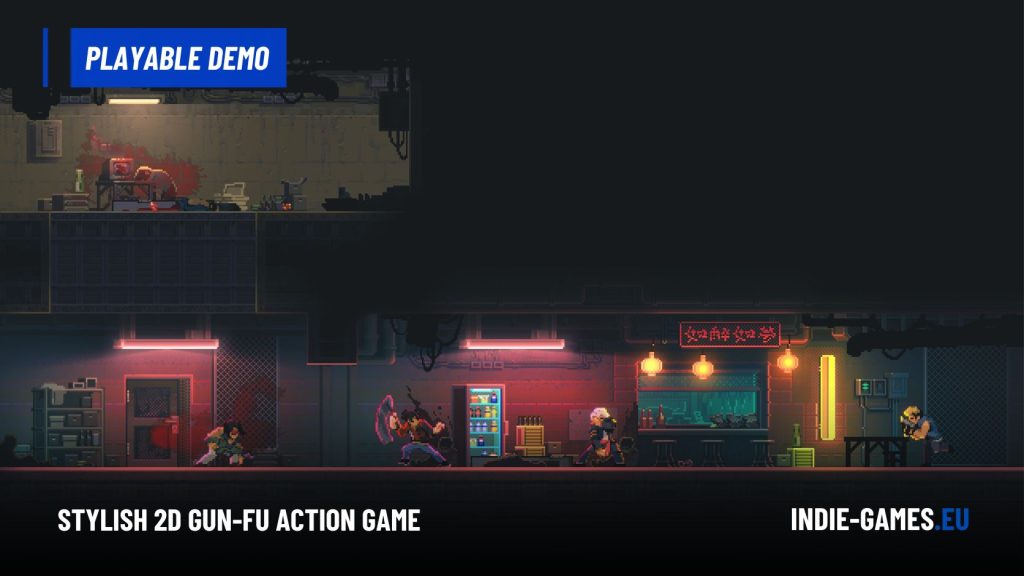
Named “The Bud Trial,” the playable preview offers an early look at the game ahead of its planned PC release…
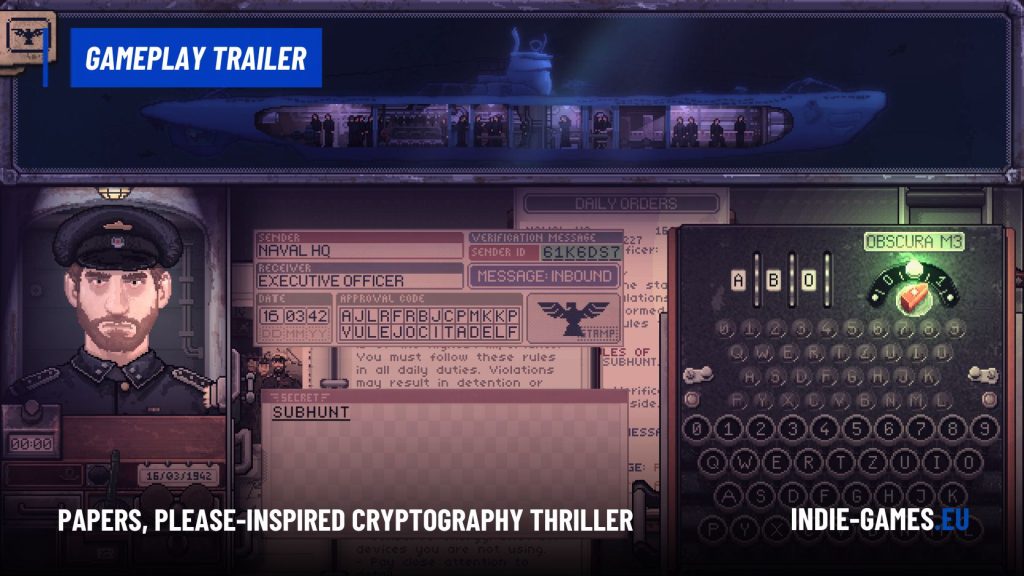
Serbian independent studio Retromagine has revealed False Echo, a narrative cryptography thriller inspired by Papers, Please and classic submarine dramas.
Surreal adventure Roman Sands RE:Build launches in September of this year on PC and consoles alongside the expanded Paratopic: Overdub.
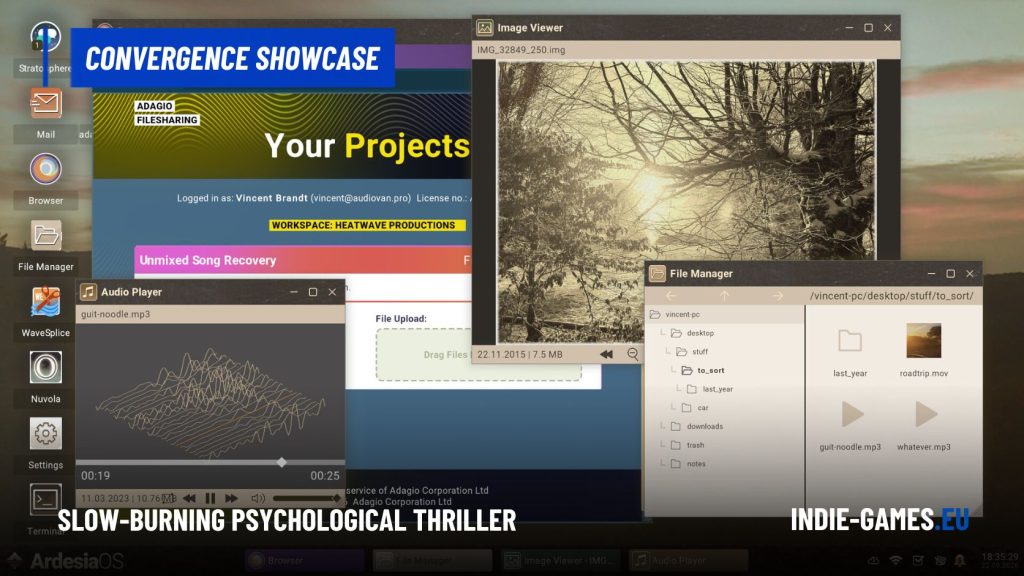
German indie studio Cobalt Lane has released a new trailer and Steam demo for Imprinted, a slow-burning psychological thriller.
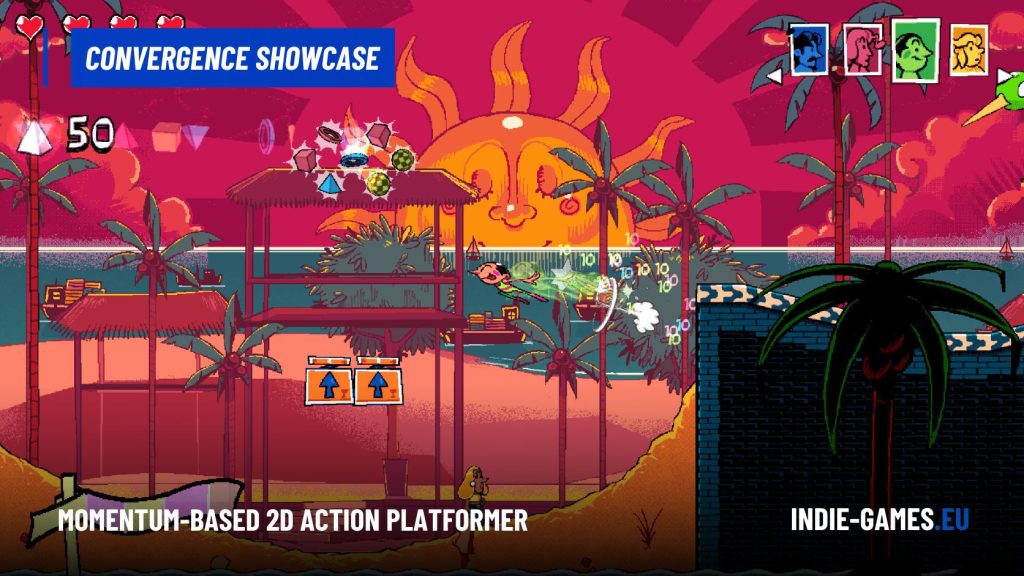
IndieArk and developer PVic Games have announced that momentum-based 2D action platformer ARTIUS: Pure Imagination will launch for PC via…
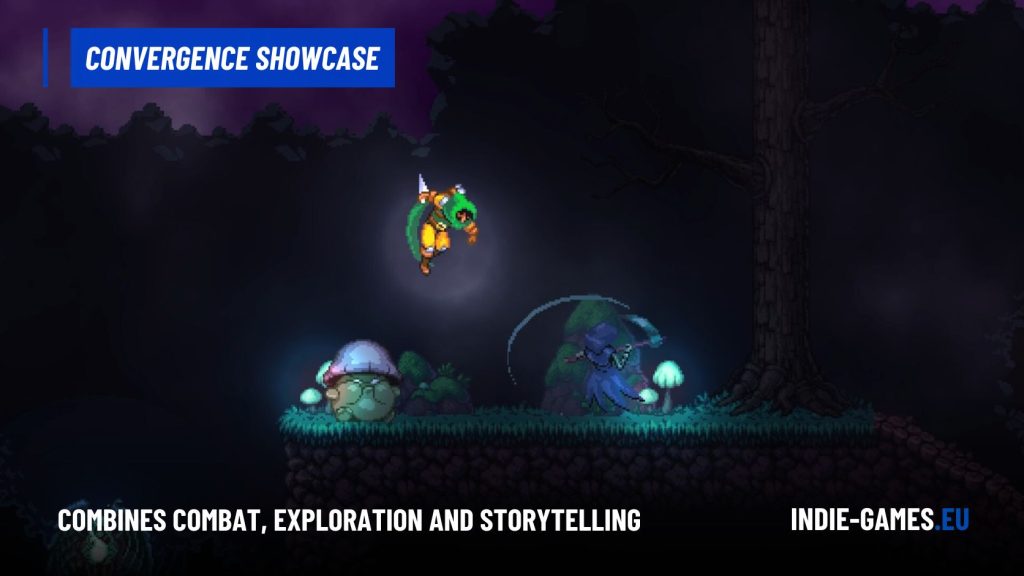
Decemberborn Interactive has released a new gameplay trailer for Cathedral: Crow’s Curse, an action-adventure prequel set in the world of…
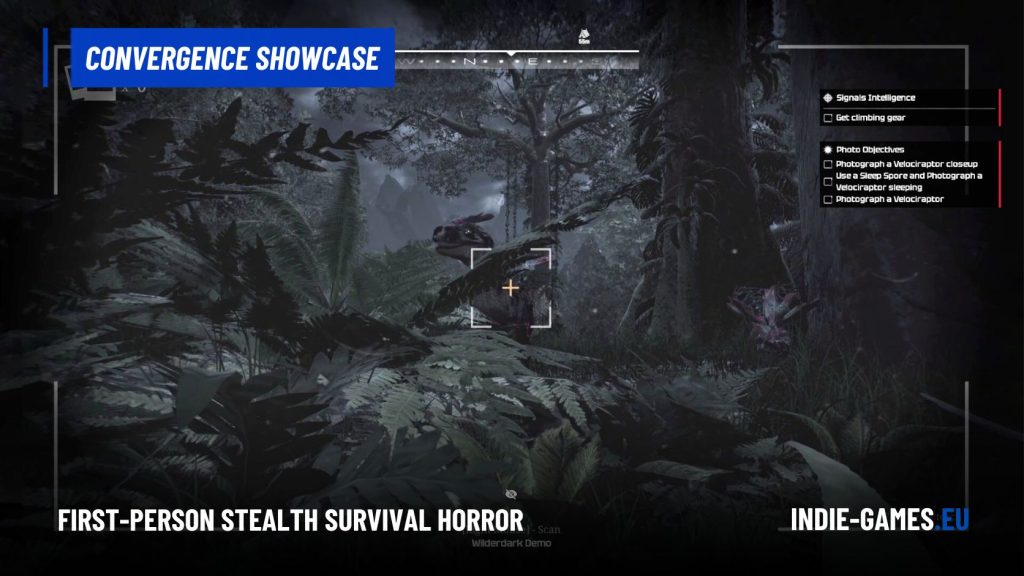
Wilderdark begins with the player crash-landing on an unnatural island overrun by hostile wildlife.
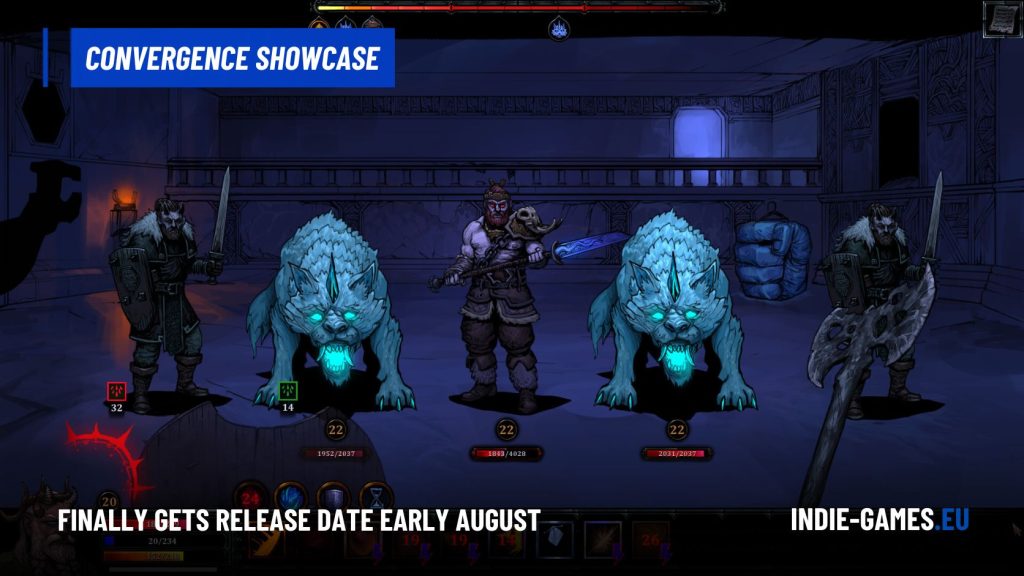
Independent French developer Ars Goetia and publisher Dear Villagers have announced that HellSlave II: Judgment of the Archon will launch…
