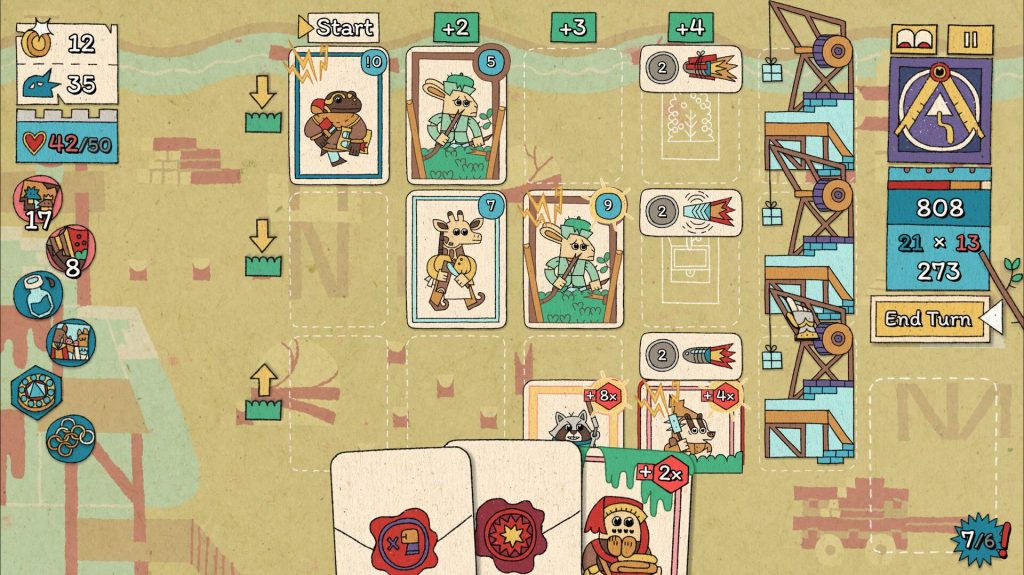
The Royal Writ Comes to Consoles and Game Pass Next Week
The Royal Writ will launch for PlayStation 5, Xbox Series X|S and Nintendo Switch on September 10th, alongside Xbox Game…

If you enjoy independent indie game coverage, consider supporting Indie-Games.eu on Patreon. It helps keep the site independent.
The gaming world has long grappled with the question of ownership in the digital age. In 2024, this concern reached a peak as players became increasingly vocal about losing access to games they’ve purchased. Digital distribution has become the most common way to buy games, but it comes with significant drawbacks.
Digitally purchased games are legal licenses, not sold products, meaning consumers do not legally own them and cannot resell them. Unlike physical games, digital titles cannot be destroyed—they can always be re-downloaded as long as they exist on the platform.
However, digital games can disappear from storefronts or become unplayable when servers shut down. This issue became painfully clear with high-profile cases like Sony’s Concord, which was shut down just 11 days after launch. Frustration over such disappearances sparked the “Stop Killing Games” movement.
The Crew's servers will be shut down by the end of March 2024.
— NEO_NoiseBomb (@NEO_NoiseBomb) December 14, 2023
This is a game that people bought for $60. It'll be taken away from you, the consumer who purchased it. The same fate could happen to Need for Speed 2015, another $60 always online racing game.#NeedforSpeed #NFS https://t.co/UItBOD7YbY pic.twitter.com/YjM2c1KgCn
Inspired by Ubisoft’s decision to shut down The Crew with no offline mode, the movement, led by YouTuber Ross Scott, advocates for better game preservation and stronger consumer rights. It has gained substantial support, gathering over 400,000 signatures on a petition demanding a ban on disabling multiplayer games after server shutdowns. If the petition reaches one million signatures, the EU will consider implementing stricter regulations for digital game ownership.
This debate has prompted responses from major industry players. Valve updated Steam’s disclaimers to remind users that digital purchases do not guarantee permanent access. Meanwhile, GOG reaffirmed its DRM-free commitment, ensuring players truly own their games and can even pass down their libraries after death.
Some studios and publishers take preservation seriously. Companies like Capcom embrace their older titles, often remastering or re-releasing them, while studios like Nightdive focus on restoring classics. These efforts show that game preservation is not only possible but profitable, proving the industry has little excuse for widespread neglect.
Issues of game ownership and preservation are now unavoidable. As game libraries grow and digital platforms dominate players’ lives, gamers are demanding better protection. While the convenience of digital gaming is appealing, 2024 marked a turning point where many began questioning whether they truly own what they buy, and whether the current system should be accepted at all.
The Royal Writ will launch for PlayStation 5, Xbox Series X|S and Nintendo Switch on September 10th, alongside Xbox Game…
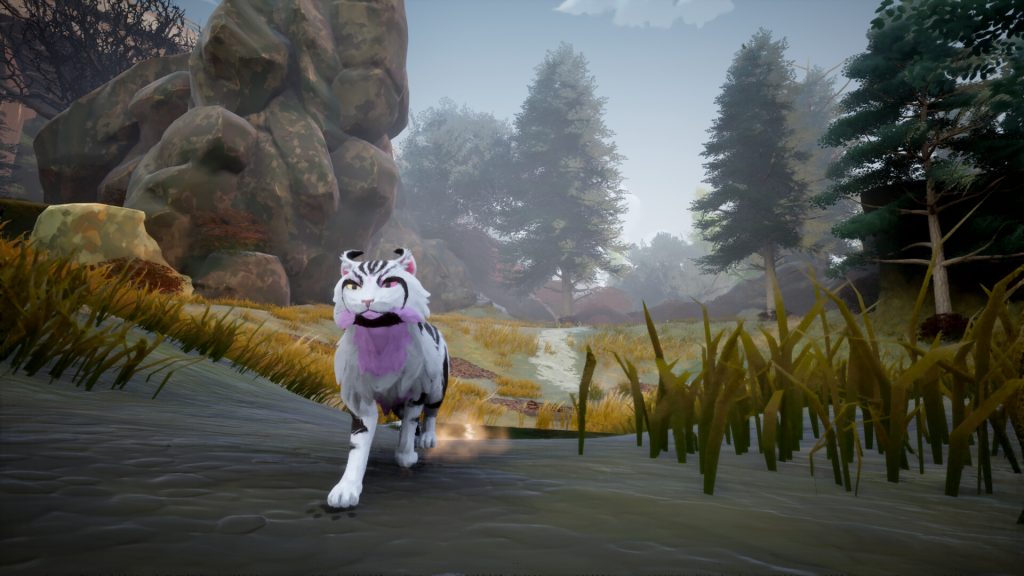
Warrior Cats: Clans of the Forest launches on October 23rd, 2026 for PC, PlayStation 5, Xbox Series X|S and both…
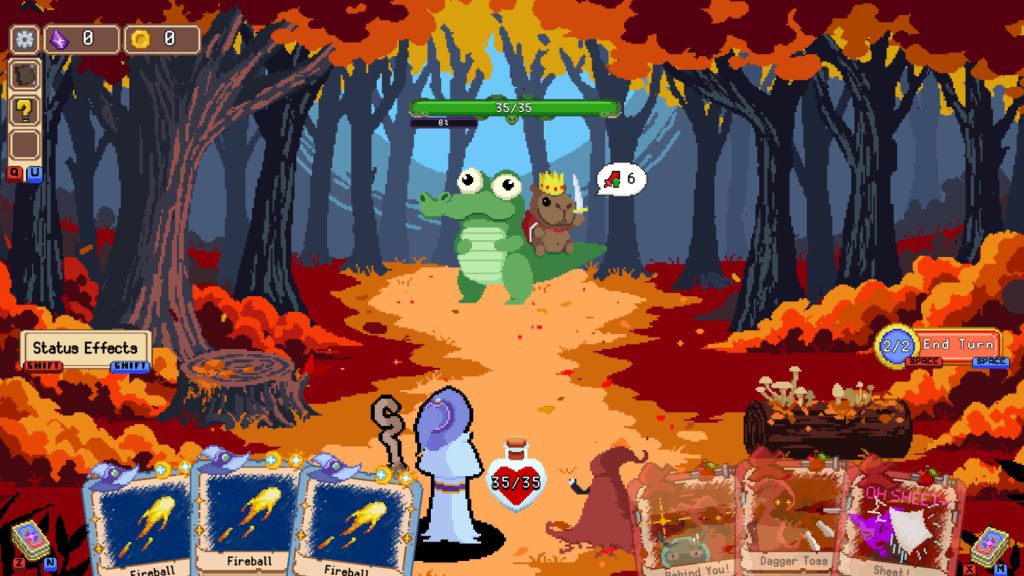
Duo Quest’s free Steam demo now supports online co-op ahead of the relationship-driven roguelite deckbuilder’s September 16th launch.
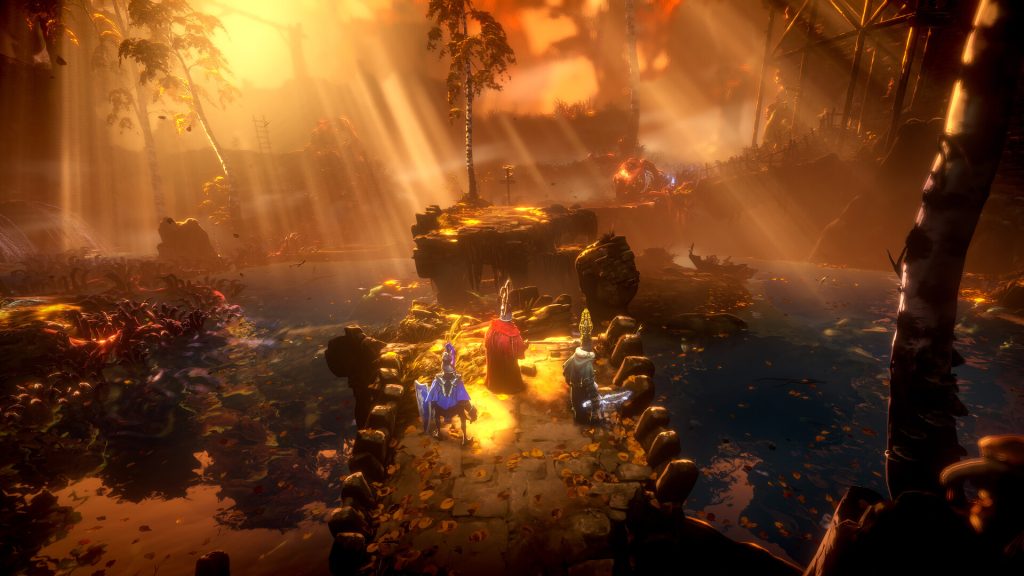
No Rest for the Wicked’s 1.0 release has been delayed to March 2027 on PC and PlayStation 5, with an…
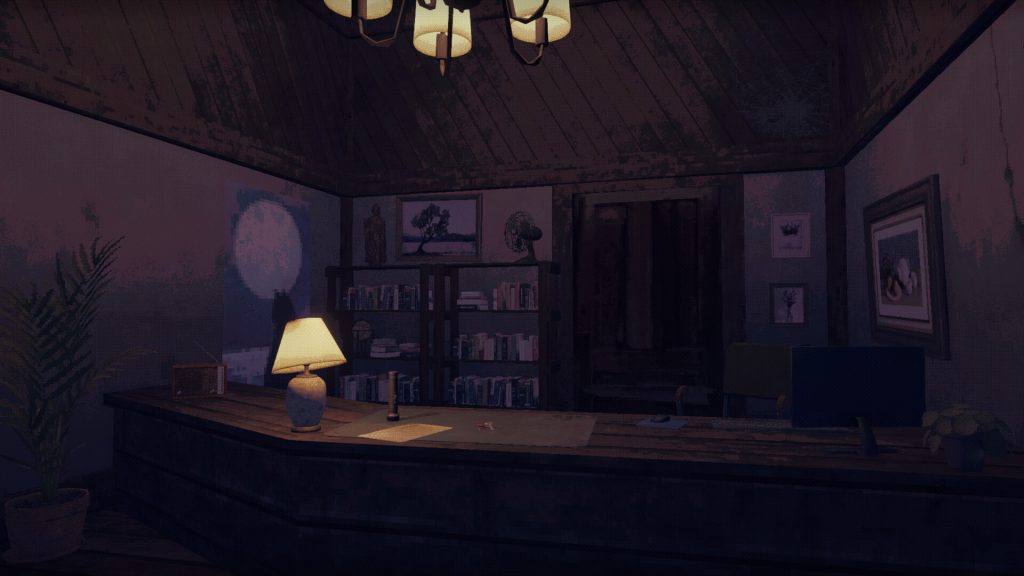
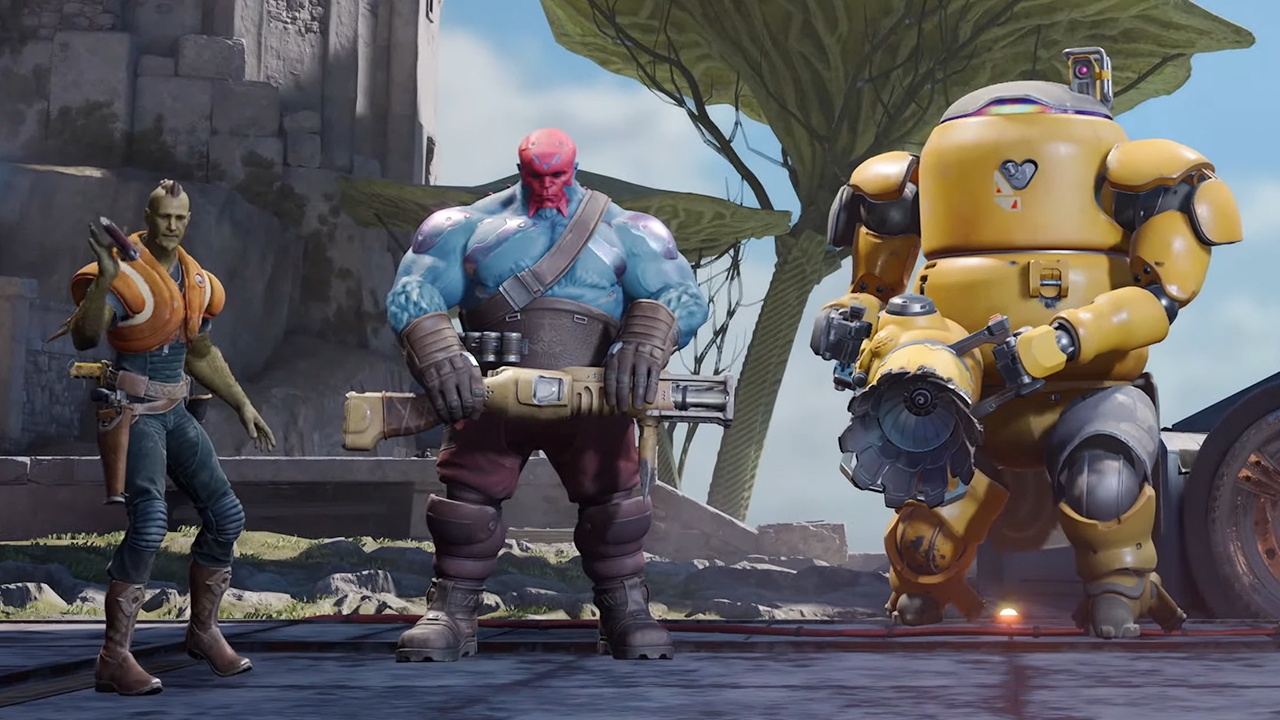
Springs, Eternal, the lo-fi narrative adventure from Fullbright and Serenity Forge, will launch for PC through Steam in November 2026.
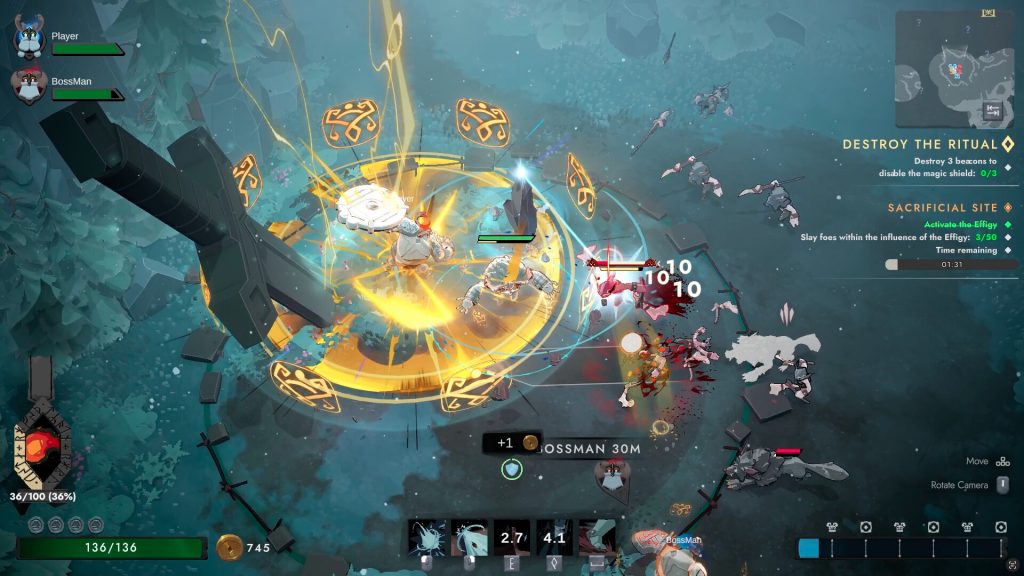
Chosen by Odin combines one-to-three-player co-op action, Norse mythology and shared dice-powered builds across dangerous roguelite expeditions.
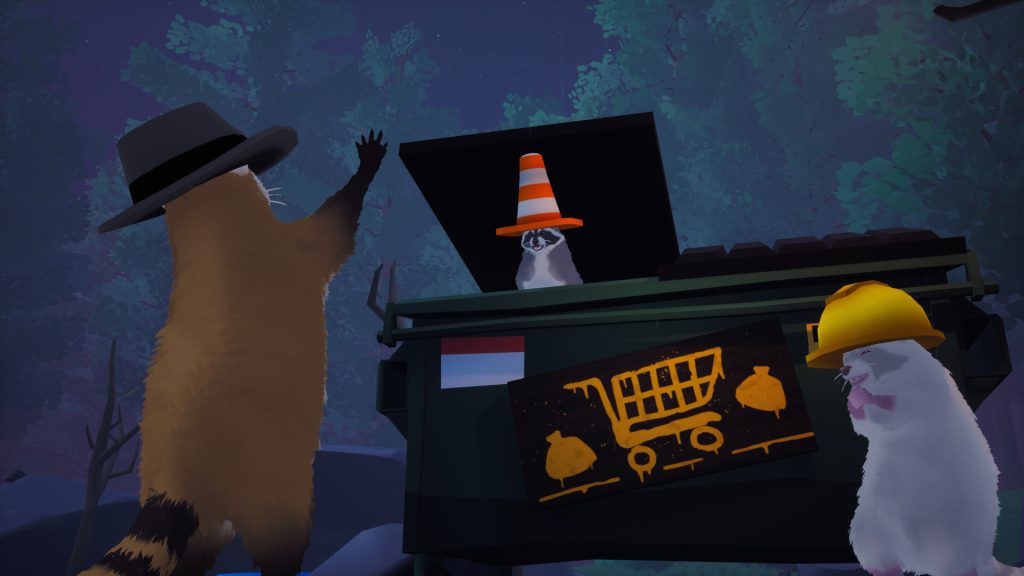
Dumpster Gang brings one-to-four-player raccoon chaos to PC in December 2026, with co-op missions, a customisable hideout and day-one PC…
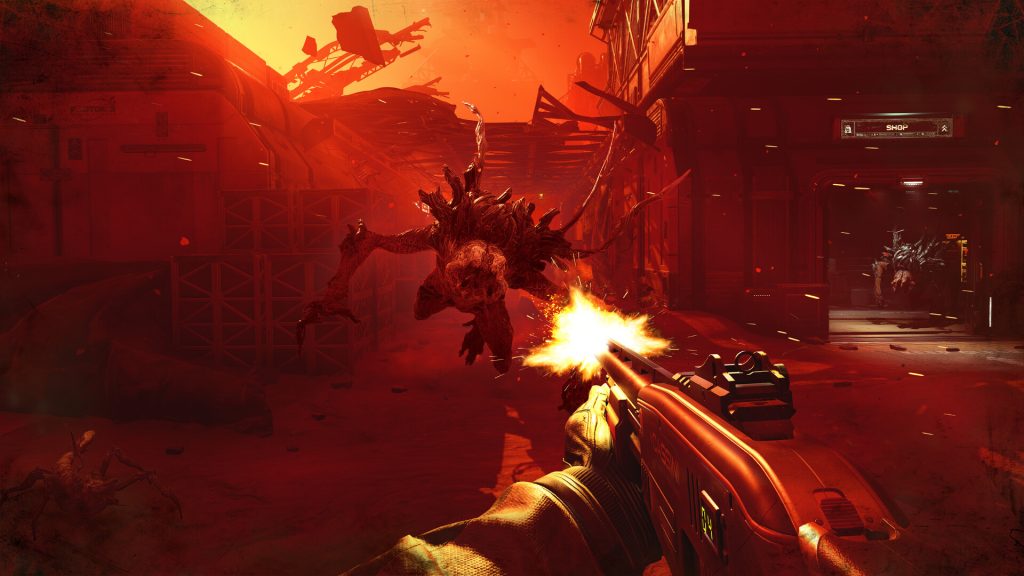
Alien Deathstorm launches in spring 2027 for PC, PlayStation 5 and Xbox Series X|S, with day-one Game Pass access and…

BUZZ or DIE turns prisoners’ darkest secrets into viral videos in a deadly game show visual novel coming to Steam…
![[GAMESCOM 2026] Chronicles: Medieval Looks Far More Ambitious Than a Simple Mount & Blade Rival](https://www.indie-games.eu/wp-content/uploads/2026/09/Chronicles-Medieval-10-1024x640.jpg)
Chronicles: Medieval was one of the most ambitious games I saw at Gamescom 2026. Raw Power Games is not merely…
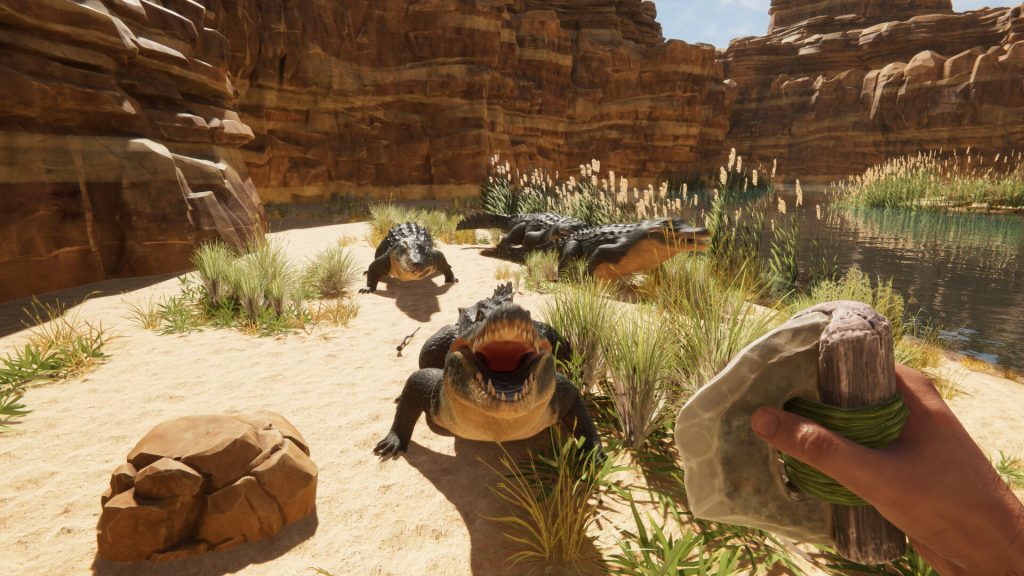
Stranded Deep 2 leaves the Pacific for an endless desert river world with mobile bases, dynamic terrain and co-op in…
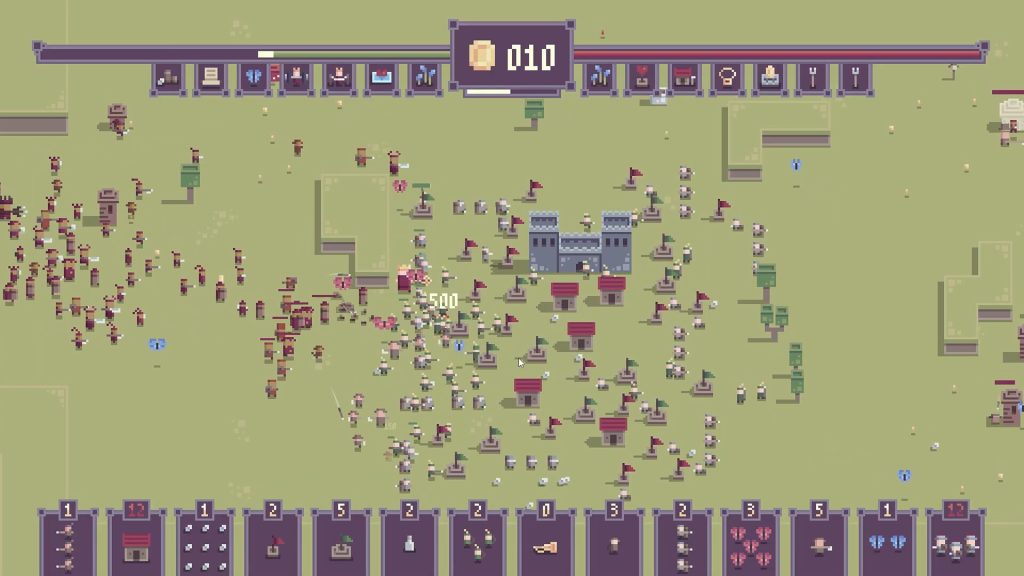
Kinghold’s Steam demo introduces its 20-second wave cycle, directly controlled king, autonomous armies and card-based battlefield strategy.
The Wind’s Path receives a DRM-free physical PC edition from We The Indies, preserving the fast top-down platformer on disc.
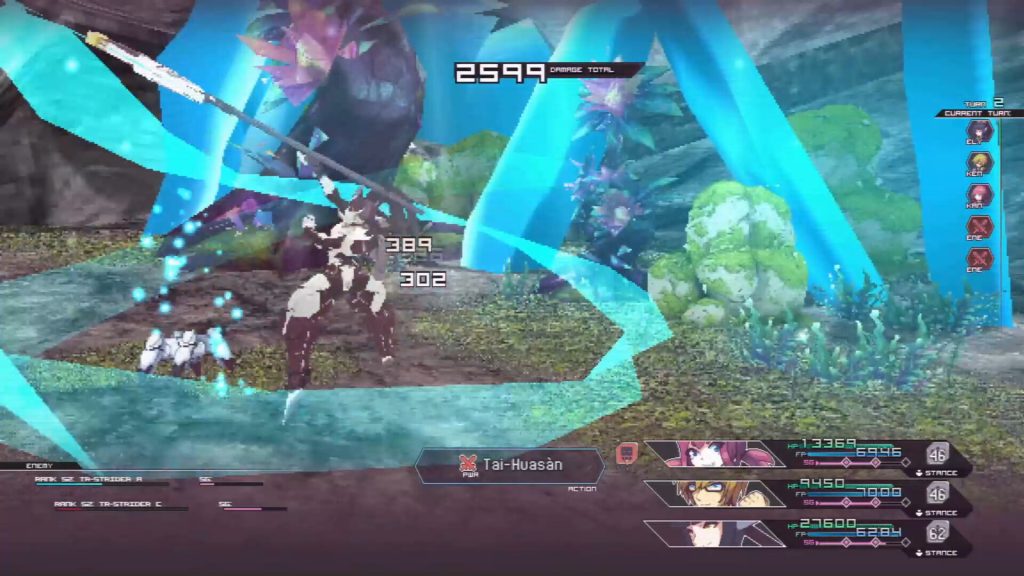
Lie of Caelum: Spirit launches a $34,000 Kickstarter for its retro-styled mecha JRPG, with Motoi Sakuraba attached as a guest…
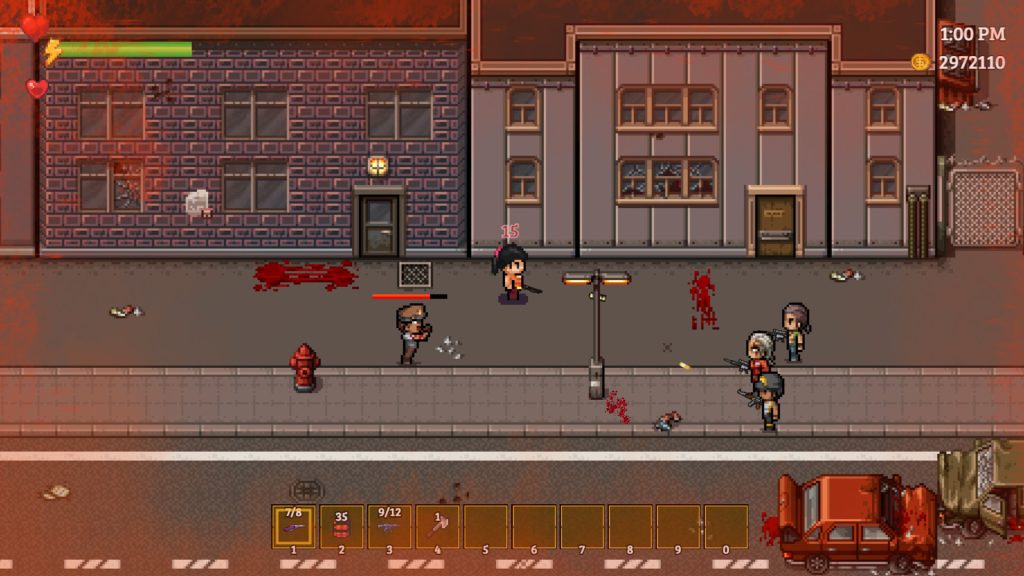
Ashfield Hollow launches a roughly ten-hour Steam demo covering 50 in-game days, with transferable saves and extensive sandbox settings.
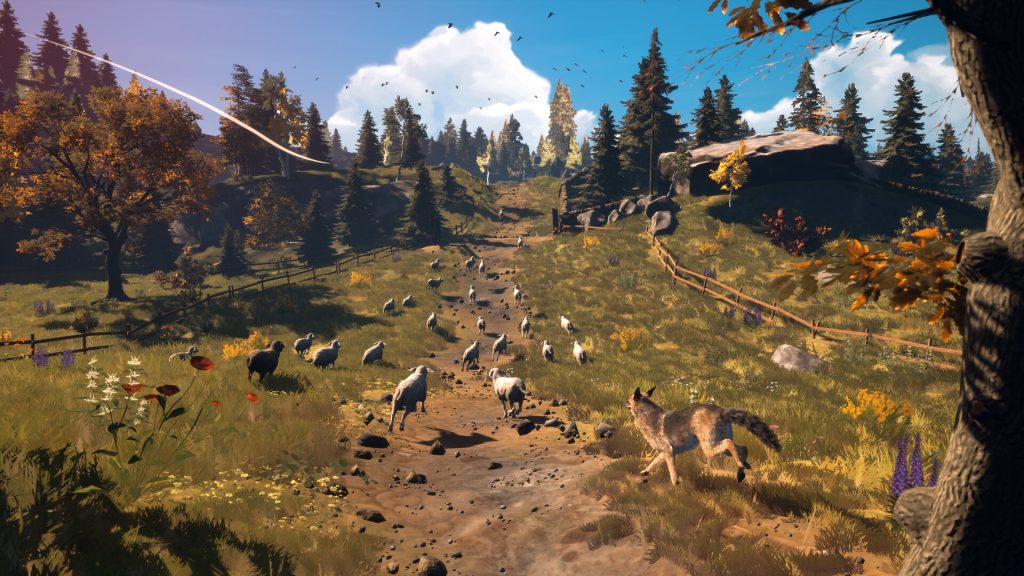
Hubert launches for PC through Steam in October 2026, placing players in the paws of a shepherd dog protecting his…
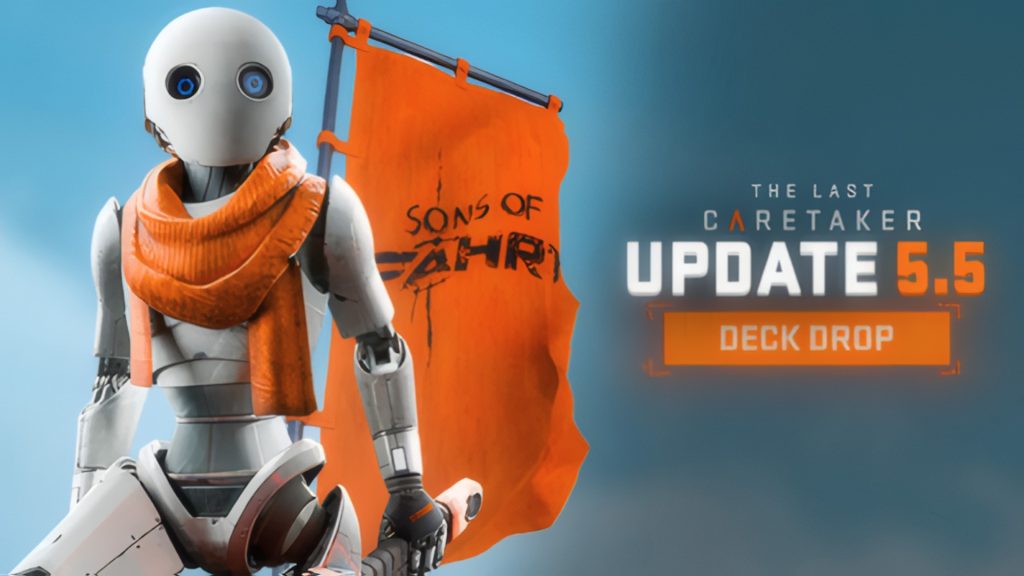
The Last Caretaker Update 5.5: Deck Drop adds 11 storage modules, new questlines, locations and extensive technical improvements.
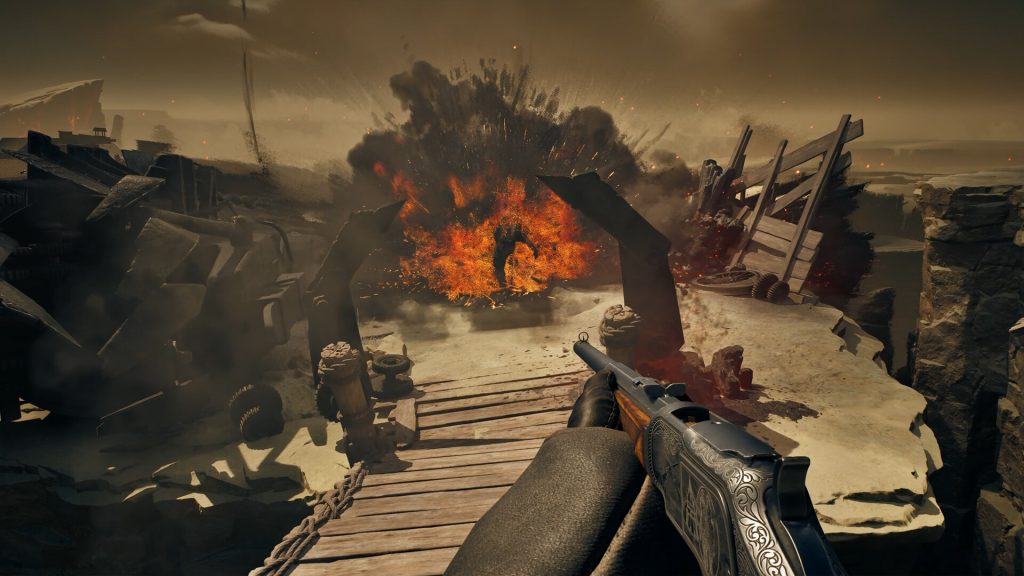
Guns of Eschaton targets a 2026 launch with deliberate Soulslike gunplay, cooperative progression and an occult Western setting.
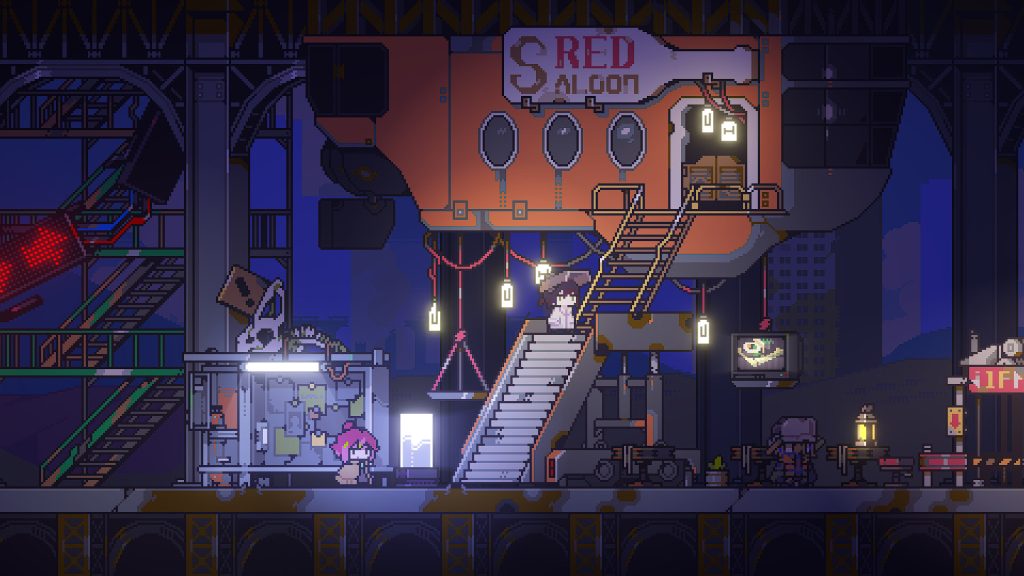
Doloc Town surpasses 180,000 lifetime sales after selling more than 80,000 copies during the first two weeks following its Version…
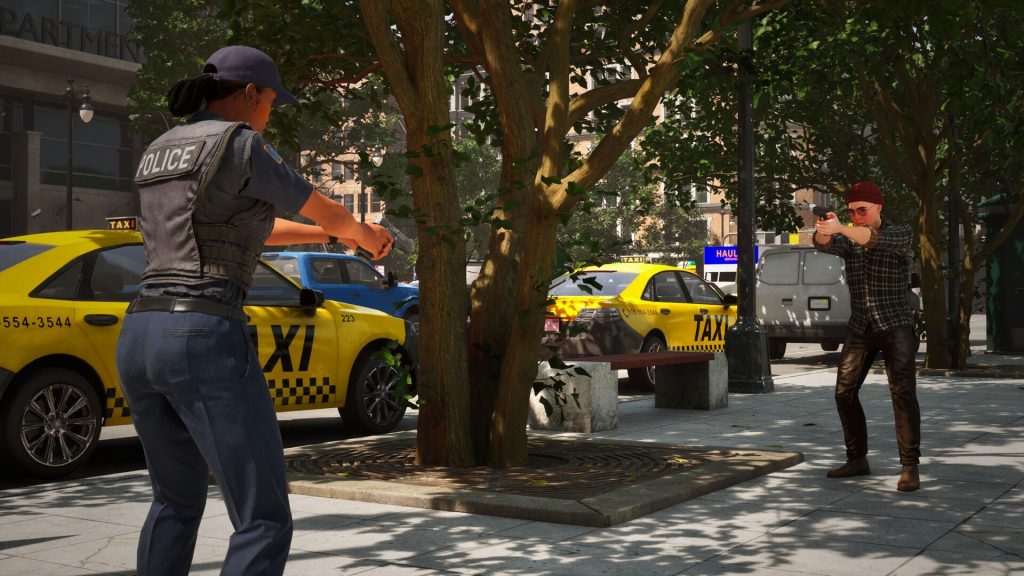
Police Simulator introduces K-9 patrols, more than 50 callouts and full cross-play when it launches for PC and consoles in…
