Forsaken Realms: Vahrin’s Call – Imperfect Journey Back to an Older RPG Era
Forsaken Realms: Vahrin’s Call is exactly the kind of ambitious, slightly clumsy fantasy RPG that used to be far more…

If you enjoy independent indie game coverage, consider supporting Indie-Games.eu on Patreon. It helps keep the site independent.
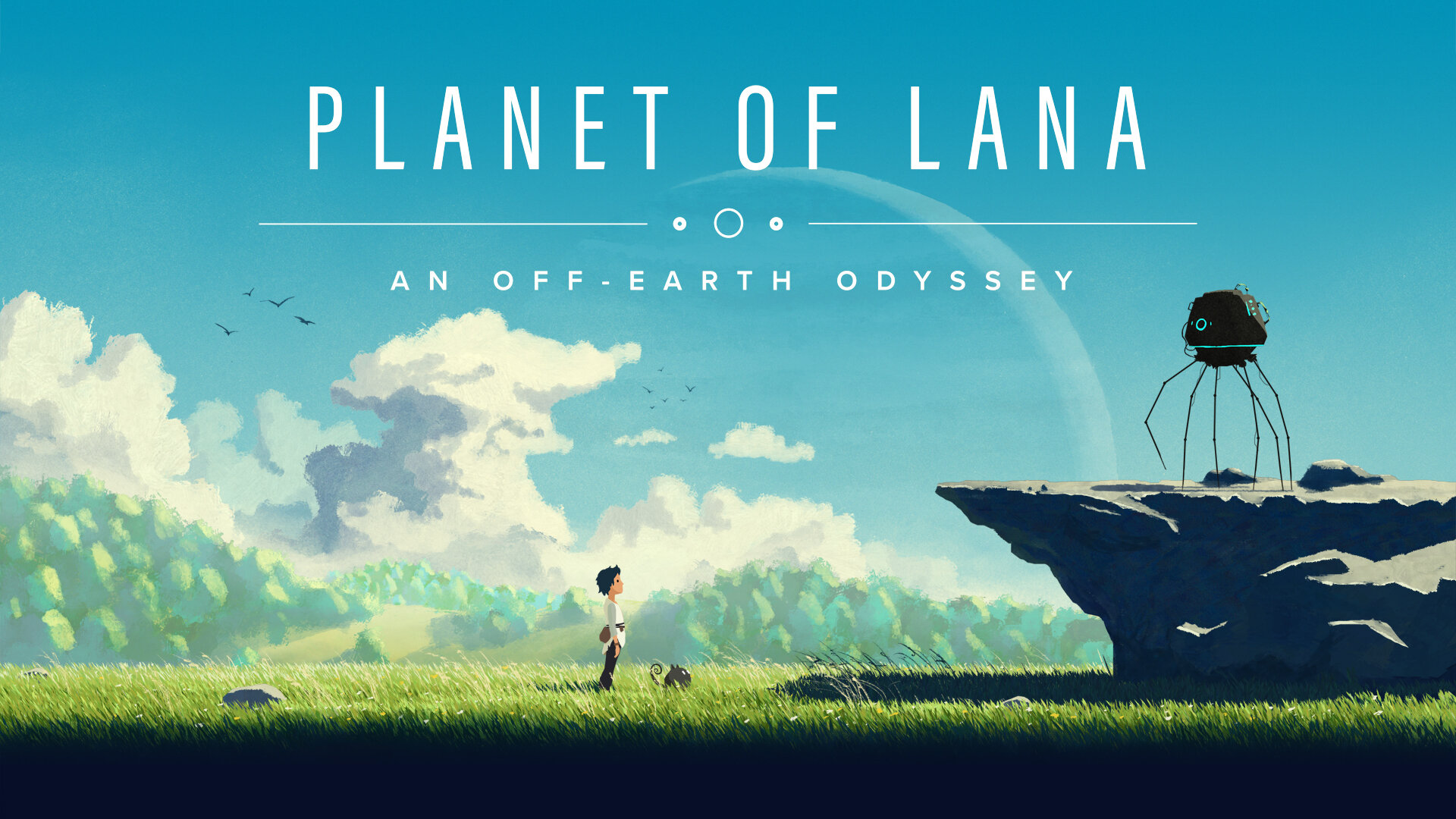
Planet of Lana is the debut game from the Swedish development studio Wishfully, which spent four years developing it. This 2D puzzle adventure is crafted like a film, brimming with visual effects and music, as well as hand-painted scenes. Naturally, the game has its pros and cons, but if you want to play something relaxing, not too difficult, and interesting, Planet of Lana can definitely offer you that.
The plot takes place on a planet that resembles Earth, featuring unique flora and fauna, but the civilization living there is not technologically advanced. We take on the role of Lana, a girl who lives with her older sister, Ila. However, her planet is attacked by an army of mysterious robots who capture the entire village to conduct experiments on them. Lana resolutely embarks on a mission to save them all and defeat the robots who decided to invade her home. During her journey, she meets a black cat named Mui, who appears very weak at first glance but is actually a powerful being.
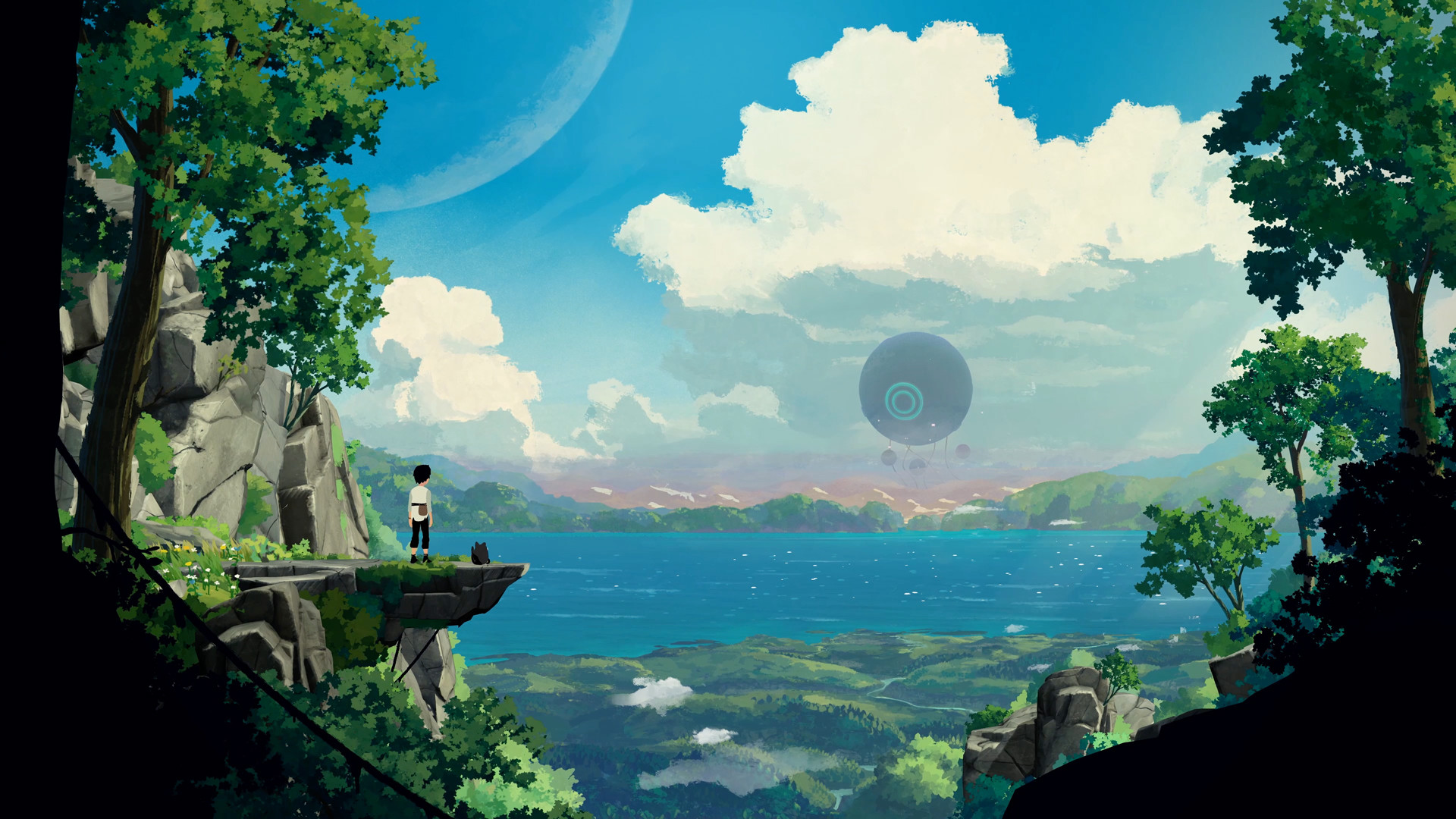
The graphic design of this game is beautiful, it’s like watching an animated film with stunning visual effects that constantly change depending on the area we are in. We will traverse various landscapes such as forests, deserts, swamps, the underworld, and we’ll even be inside a spaceship. The game is highly detailed; for instance, as we walk through the world, we’ll have various background events, such as a massive robot walking behind us, which serves to add more content and extra elements to the story.
However, since this is a side-scrolling 2D adventure, we rarely see the full form of the characters, perhaps only during some cutscenes when characters actually turn, and a certain lack of a third dimension is noticeable. This minimalist style is maintained because the game is focused on atmosphere and our playing experience.
Throughout our adventure, we will be solving various puzzles: pulling objects to create platforms we can jump on, avoiding enemies and animals, and we will command our cat to cut a rope, enter a hole, or trick an enemy so we can proceed. All these puzzles are not challenging, and there will always be some kind of hint.
For example, we’ll have a musical puzzle where we must correctly match a melody to put one of the robots under our control. Generally, the slightly larger and more difficult puzzles always come at the end of a chapter, and we will always have some help to solve them. You will rarely get completely stuck; everything is accessible, and the goal was not to make the game challenging, but to absorb the atmosphere we are in and admire the world the developers have shown us.
The cat Mui will be very important. It affects the overall gameplay, and the developers have integrated several interesting abilities that we unlock as the game progresses. Our cat will gain the ability to telepathically control animals that stand in our way. Additionally, Lana will get an armor suit to control robots and solve some puzzles with their help.
These few creative possibilities prevent everything from feeling the same, even though most of the puzzles repeat throughout the adventure. The puzzle repetition is grounded in slow movement mechanics; our Lana practically only walks, she doesn’t run, and it takes her ages to climb onto a ledge. Of course, you can die during the game, but you simply return to the previous checkpoint, so you don’t have to repeat everything you’ve done so far.
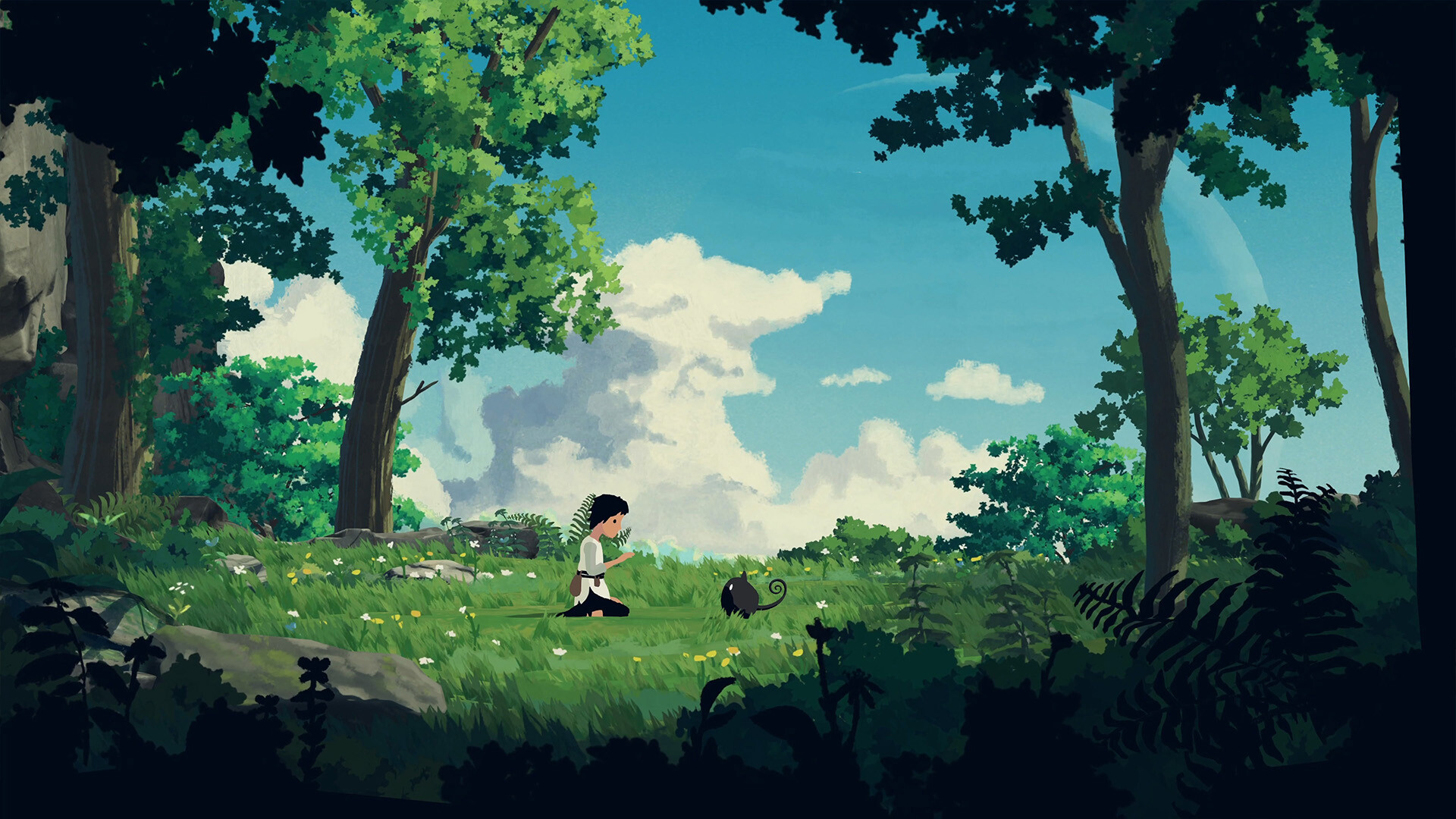
Unfortunately, the narrative here is sparse. Characters do not speak but have their own fabricated way of vocalizing. Technically, we cannot fully understand the story and what is happening on screen. The atmosphere and environment do much of the heavy lifting for the story, as the visuals are meant to guide us on what is currently happening. Sometimes, I didn’t even know what had just transpired on the screen; in one section, we go underground, specifically into a cave system, and find the technology of a hidden civilization. We only understand why we went there when we reach the very end of that chapter, making it feel like we’re just wandering without clear ideas or goals.
In conclusion, I would say that in terms of gameplay, Planet of Lana brings practically nothing new to the table, but the visuals and graphics are so strong that they keep the game from becoming boring, and this is very well balanced. It has a few innovative features that offer a different experience, but the goal was to put an emphasis on emotion, which the game successfully achieves.
If we disregard the pure mechanics and overall playstyle, Planet of Lana is a very high-quality game because we are focused on everything happening during the gameplay, and not just on solving puzzles. Personally, the repetition of puzzles didn’t bother me much, but I expected a slightly more challenging game or at least the option to make it harder.
Review copy provided by the publisher
Forsaken Realms: Vahrin’s Call is exactly the kind of ambitious, slightly clumsy fantasy RPG that used to be far more…
![[Early Access] 2nd EVE – Sci-Fi Action RPG That Lacks a Sense of Stakes](https://www.indie-games.eu/wp-content/uploads/2026/08/2ND-EVE-1024x576.jpg)
2nd Eve is a space-set action RPG in which we strive to save humanity.
![[PREVIEW] Dreamcards – Strategic Exploration of Consciousness](https://www.indie-games.eu/wp-content/uploads/2026/08/Dreamcards_20260810_233631_0000-1024x576.jpg)
Dreamcards is a roguelike deckbuilder centered around dreams and nightmares.
![[Early Access] OFFBEAT – Incredibly Fun Way to Start a Music Career](https://www.indie-games.eu/wp-content/uploads/2026/08/Offbeat_20260808_201446_0000-1024x576.jpg)
In OFFBEAT, we play the role of a jobbing composer who is launching their music career.
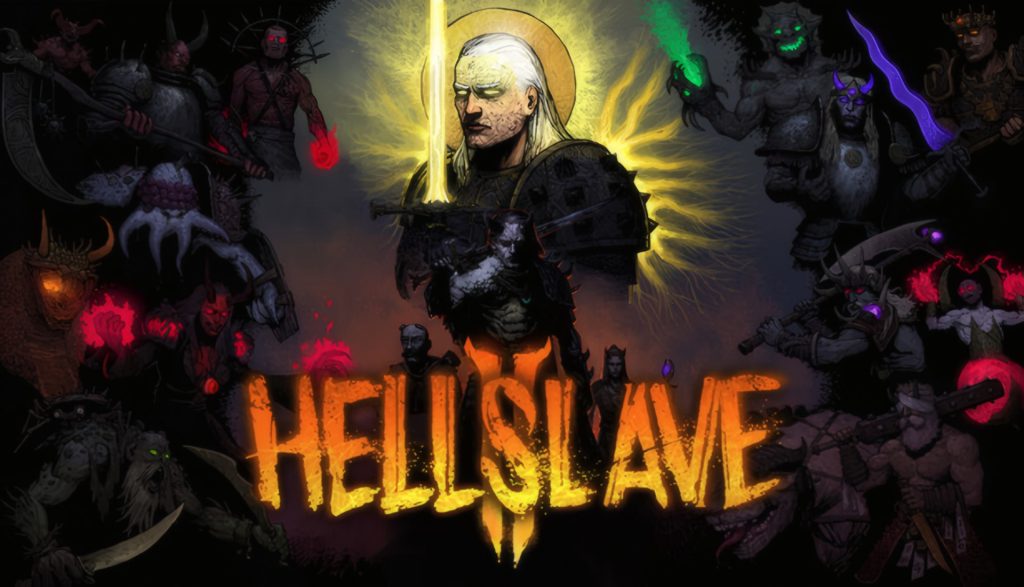
HellSlave II retains the original’s oppressive atmosphere, morally grey world and striking art while adding a larger world, randomized loot…
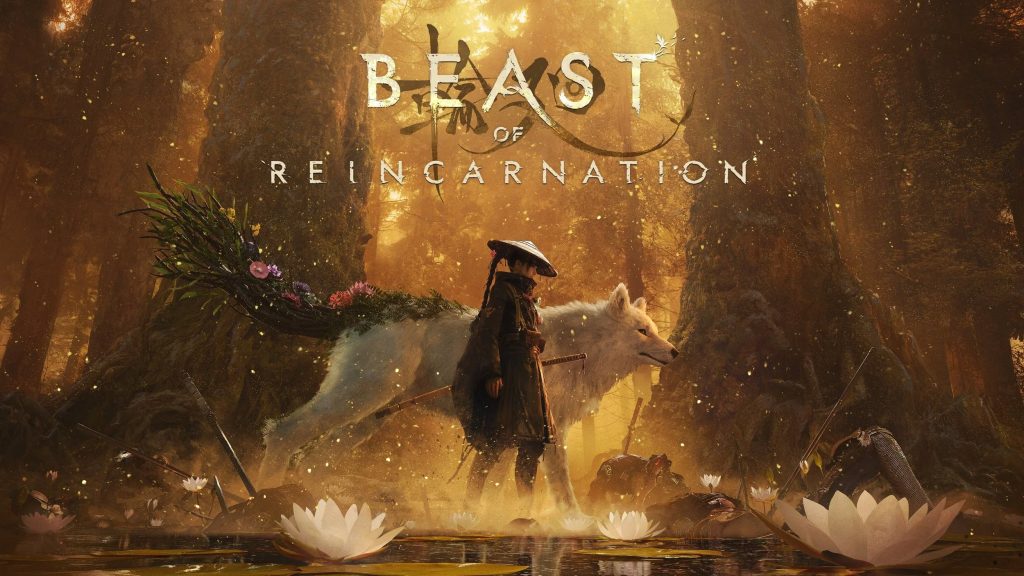
Beast of Reincarnation is an ambitious but uneven action RPG elevated by satisfying parry combat, beautiful art direction and the…

K-pop Idol Stories: Road to Debut captures the pressure of building idol group, but its management systems never explore that…
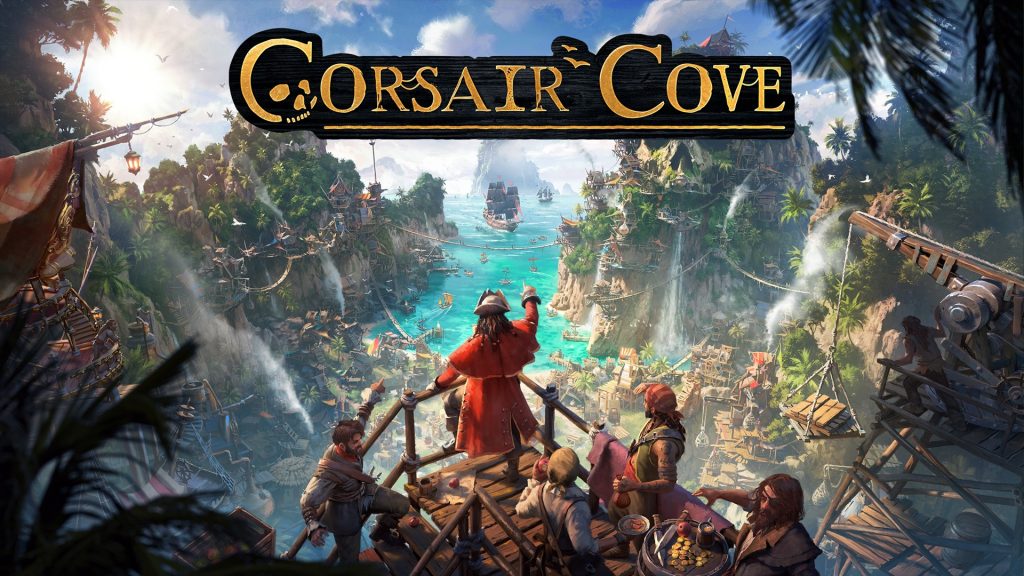
Hooded Horse keeps finding strategy games that know their audience, and Corsair Cove extends its impressive run of excellent city-builders.
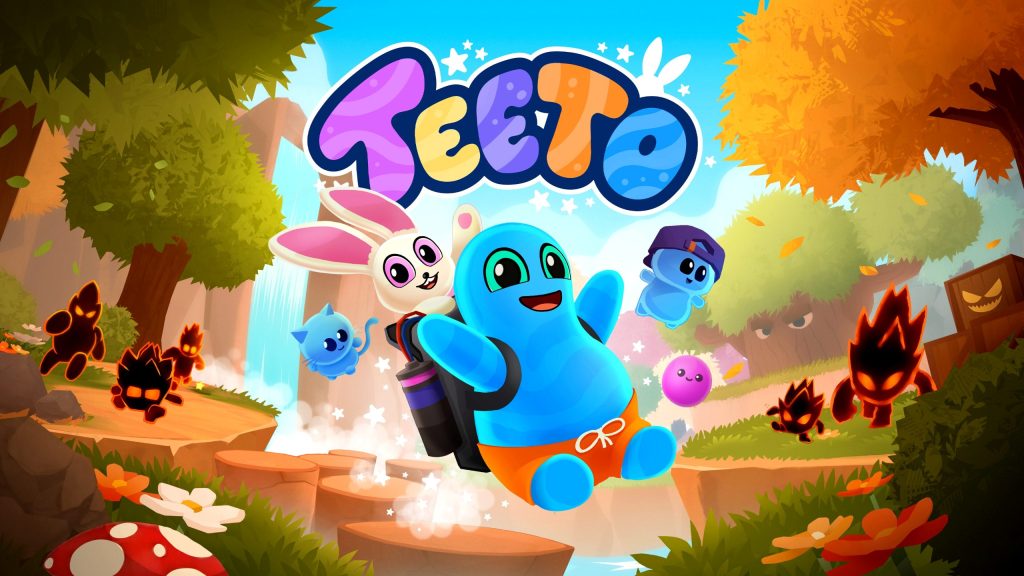
Teeto is a warm, cozy, creative and highly enjoyable 3D platformer that understands why classic collectathons remain so appealing.
Turnip Mountain stands out for its combination of a unique control system and a minimalist approach.
Dystopicon is an imaginative and memorable narrative experiment with sharp social commentary, engaging world-building and several wonderfully absurd scenarios.
Maneki Mania is an incremental game centered around petting a lucky cat.
XeGrader Plus delivers colorful retro shooting, but basic mechanics, a short campaign and paid retro modes make its €20 price…
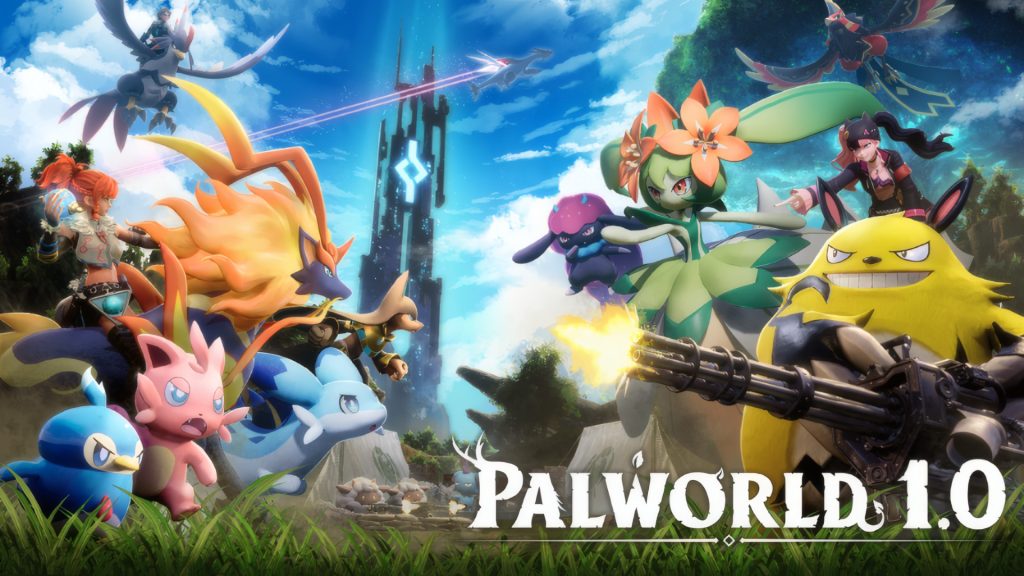
It has been roughly two and a half years since Palworld first entered Early Access, and quite a lot has…
![[EARLY ACCESS] The Last Caretaker – Survival Game I Cannot Stop Playing](https://www.indie-games.eu/wp-content/uploads/2026/07/The-last-Caretaker-Key-Art-1024x587.jpg)
The Last Caretaker is a compelling survival crafter with a flooded world and mobile base, but weak combat and performance…
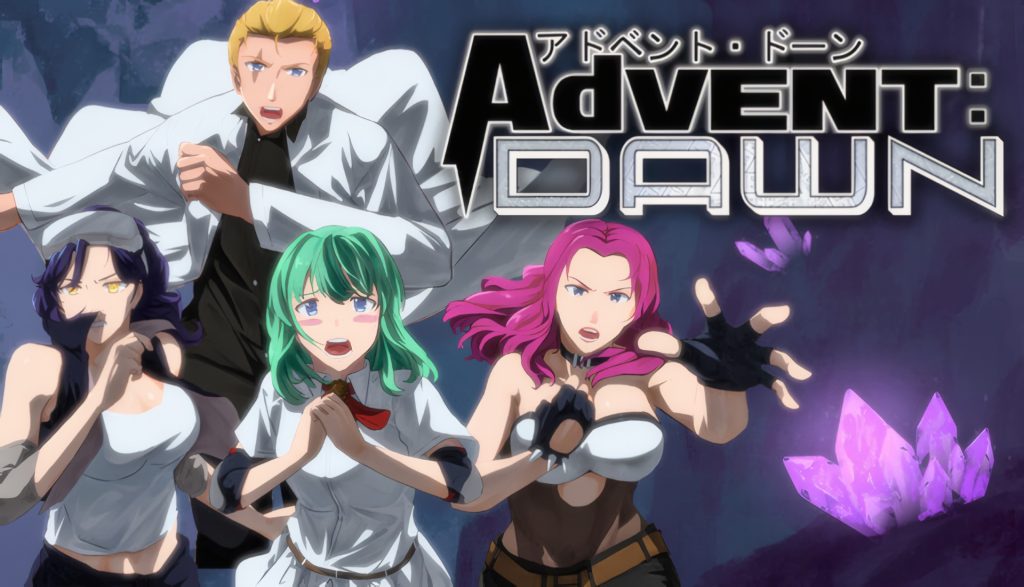
Advent: Dawn is an intriguing science-fiction visual novel elevated by a likable cast and one of the most convenient flowchart…
![[EARLY ACCESS] Hell Maiden – Beautiful but Uneven Journey Through Hell](https://www.indie-games.eu/wp-content/uploads/2025/06/HMD_screenshot_019-1024x576.jpg)
Bullet heaven and rougelite game Hell Maiden lands between a polished Early Access release and a promising game that still…
![[PREVIEW] Dark Queen of Samobor – Promising Croatian Adventure Still in Need of Polish](https://www.indie-games.eu/wp-content/uploads/2026/07/Dark-Queen-of-Samobor-1024x587.jpg)
Dark Queen of Samobor is a promising 2.5D side-scrolling action-adventure that combines Croatian folklore with combat, puzzles and cinematic platforming.
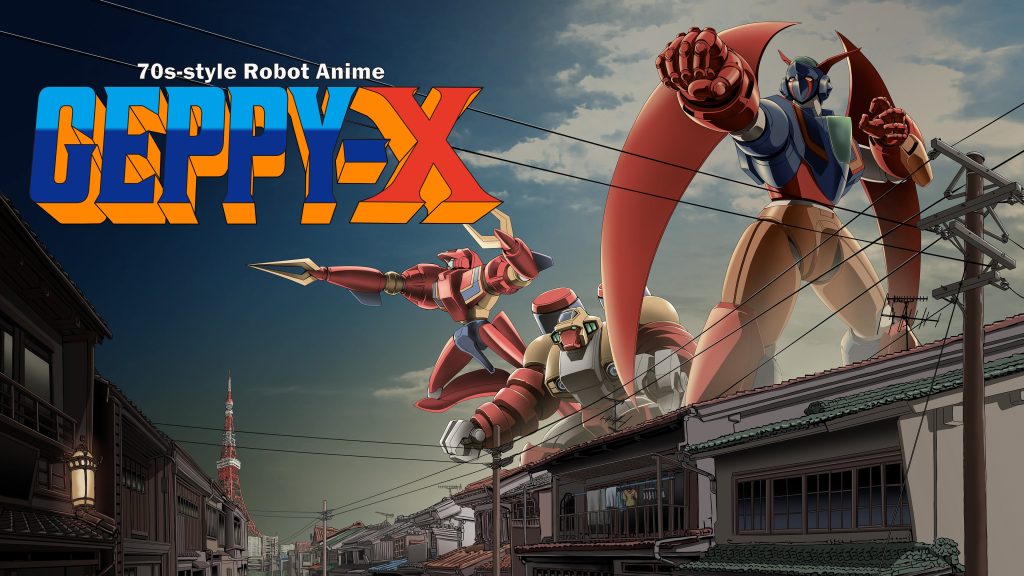
70s-style Robot Anime Geppy-X offers incredible animation, music and mecha nostalgia, but its average shooting make the €39 price difficult…
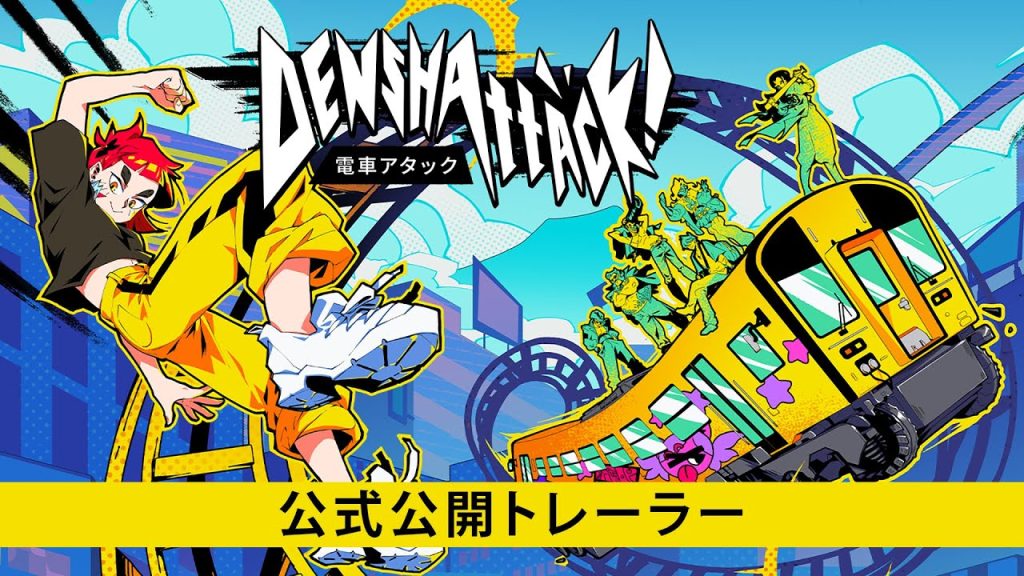
Denshattack! blends Tony Hawk, Jet Set Radio, and Japanese train culture into one of the year's most creative and unforgettable…
