![[PREVIEW] Remothered: Red Nun’s Legacy – Ambitious Survival Horror That Needs More Polish](https://www.indie-games.eu/wp-content/uploads/2026/09/Remothered-Red-Nuns-Legacy-4-1024x576.jpg)
[PREVIEW] Remothered: Red Nun’s Legacy – Ambitious Survival Horror That Needs More Polish
Remothered: Red Nun’s Legacy has a gripping atmosphere and promising survival tools, but its repetitive hiding and rough visuals need…

If you enjoy independent indie game coverage, consider supporting Indie-Games.eu on Patreon. It helps keep the site independent.
Cinderia is yet another action roguelite, but it has something that instantly pulls you in. It was a really nice surprise. Yes, it’s from a Chinese studio, and yes, the English translation is a bit rough in places, with some leftover Chinese text here and there. Not everything is perfectly localized, but once you look past that, the core gameplay is genuinely tight and well put together.
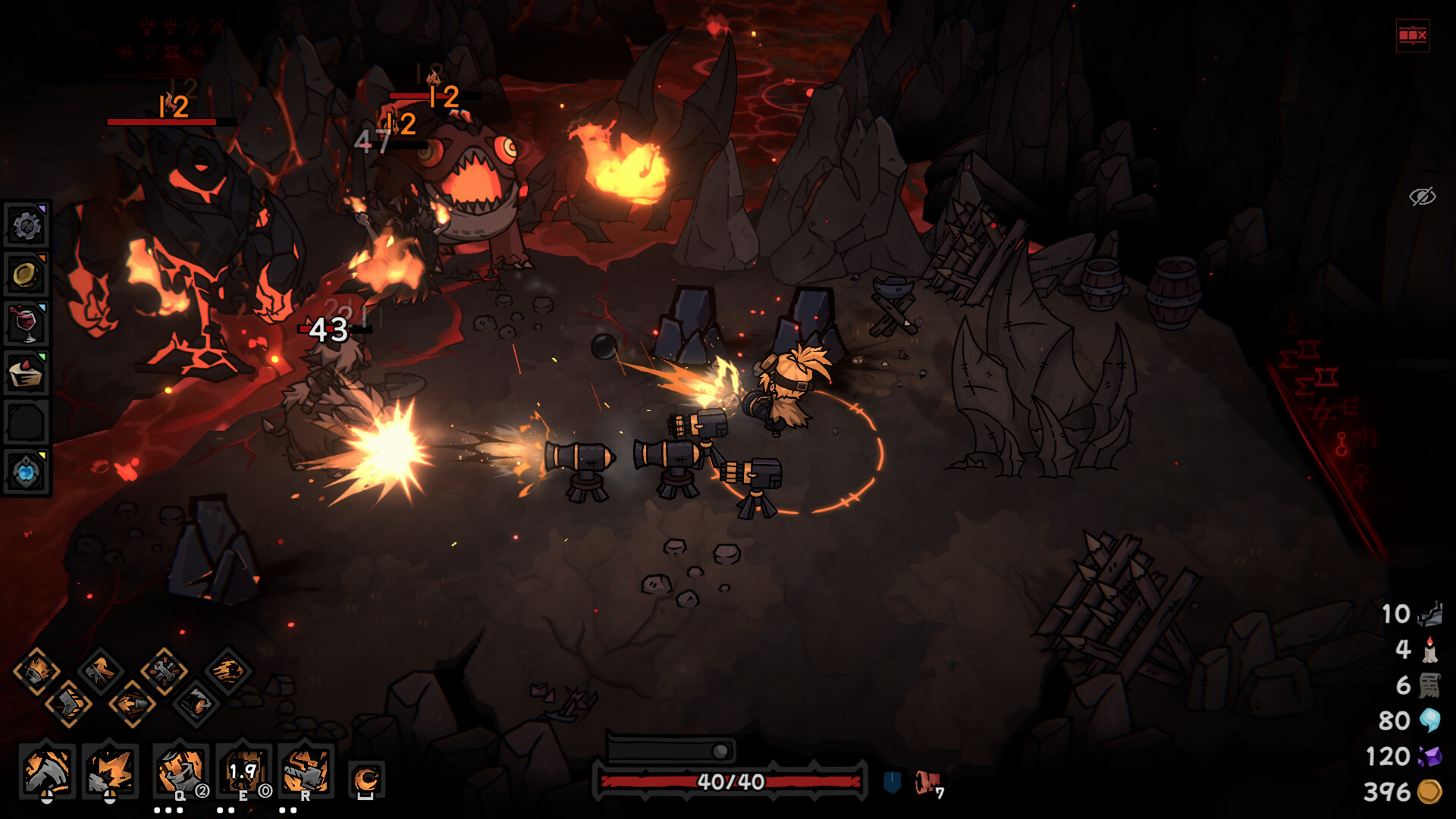
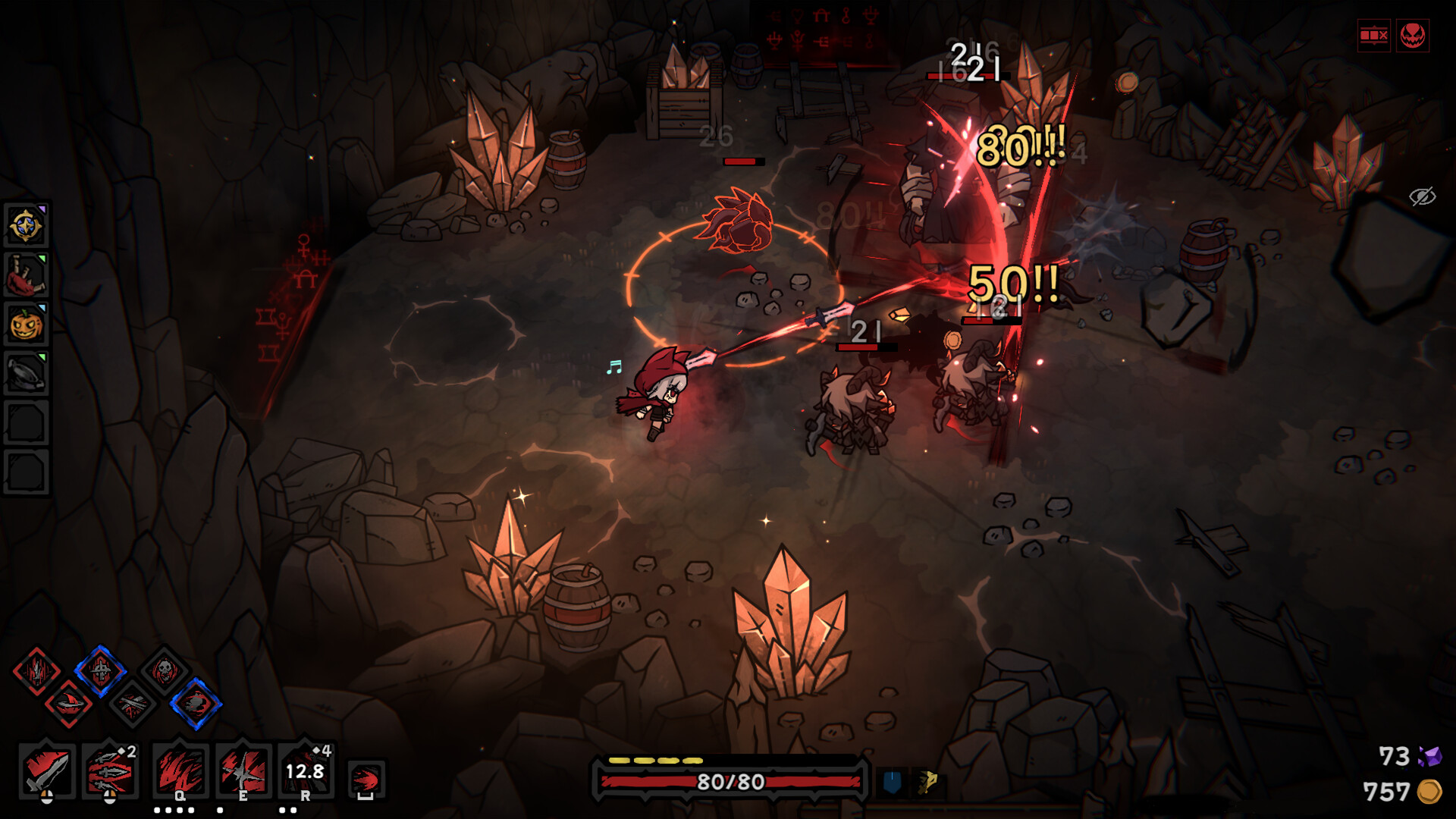
What really stands out is how well the abilities are connected. You’ve got your active skills: your basic attacks on left and right mouse click, plus three additional abilities and a dash, but the real depth comes from how your passive abilities interact with them. Everything feeds into each other. On top of that, you have around four playable characters, each with a distinct playstyle. One uses guns, another throws knives, and so on. The whole point is to create builds that synergize properly, and the game gives you plenty of tools to experiment with.
There’s a huge variety of skills, abilities, and items, but the game keeps things balanced through a curse system. Once you cross a certain threshold, you can’t just spam everything endlessly. You actually have to think about your build, manage your resources, and adapt. A lot of the gameplay revolves around stacking effects and triggering chain reactions, which makes each run feel satisfying when everything clicks together.
Items work like relics, with different rarities ranging from common to legendary, and they boost your base stats, things like intelligence, strength, energy, crit chance, and more. Each run feels slightly different, even though you’ll be revisiting the same biomes and fighting similar enemies and bosses. The variation comes from branching paths, random events, and different encounters. Events, in particular, can be quite impactful, offering bonuses or useful trade-offs that can shape your run.
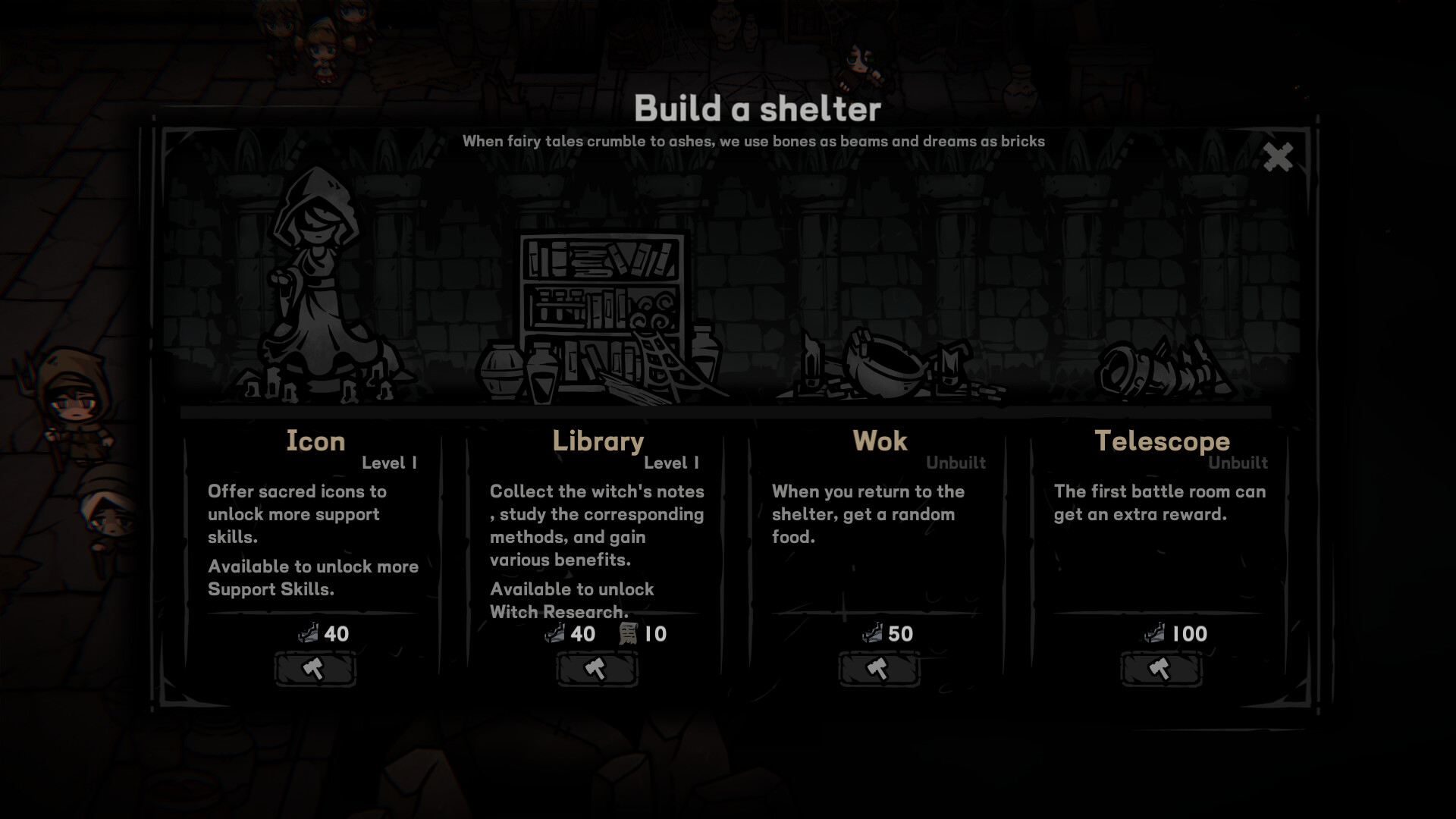
Another system that surprised me is the base-building element. After each run, whether you win or lose, you return to your shelter. As you explore, you rescue NPCs scattered across different biomes, and they help expand your base. You can upgrade various parts of the shelter, like the library, tavern, or telescope and each upgrade provides bonuses for future runs, such as extra rewards or helpful buffs at the start. It all ties into multiple resource systems you collect during gameplay, and everything feels interconnected in a really satisfying way.
There’s also a simple skill tree that gives you small but meaningful upgrades: extra health, a revive, more starting gold, additional inventory slots, and so on. It’s not overly complex, but it complements the rest of the progression nicely. The game does a great job of making builds feel important without overwhelming you, and because everything is so well balanced, it rarely feels like you’ve made a “wrong” choice. Most skills are viable, and many can be upgraded up to level four, which adds another layer of depth.
Runs themselves don’t drag on too long. You can finish one in around two hours, with a structure that cycles through a few combat rooms before a boss fight, then repeats with increasing difficulty. The enemy variety improves as you progress, starting simple and gradually introducing tougher mechanics. There are also environmental hazards like traps, bombs, and saws that keep you on your toes.
For an early access title, there’s already a decent amount of content here. That said, progression can get a bit grindy, especially when farming key resources like candles, which are essential for upgrading your shelter. It gets easier after around the 10-hour mark once you’ve unlocked more systems, but there is still some grind involved.
On the presentation side, the game is great. The visuals, animations, and overall vibe are really polished. It’s fast-paced, so responsive controls are crucial, and thankfully, they are. Dodging attacks, reacting to enemy indicators, and navigating projectiles all feel smooth and intuitive. The character designs also have a lot of charm, with a kind of chibi aesthetic that fits the tone nicely. There’s a lot of attention to detail in both enemy design and skill animations, which makes the whole experience feel lively.
The developers are also actively updating the game, which is a good sign. There’s already a solid foundation here, and it’s only going to get better with more content and fixes over time. It doesn’t necessarily reinvent the roguelite genre, but it executes its ideas extremely well.
At the end of the day, Cinderia might seem like a familiar roguelite on the surface, but it’s so well designed and enjoyable that you stop caring about that pretty quickly. Most importantly, it’s fun. It never feels overly frustrating, and it constantly encourages you to come back for another run. With four distinct characters, a wide range of builds, and a strong sense of progression, it’s absolutely worth the current price.
Cinderia is a really nice surprise, an action roguelite that doesn’t reinvent the genre but executes its ideas extremely well. The core gameplay is genuinely tight and well put together with excellent ability synergies where everything feeds into each other. Stacking effects and triggering chain reactions makes each run feel satisfying when everything clicks together.
Ending Thoughts
Review copy provided by the publisher
Remothered: Red Nun’s Legacy has a gripping atmosphere and promising survival tools, but its repetitive hiding and rough visuals need…
The Alighieri Circle: Dante’s Bloodline is difficult to recommend beyond players who are especially interested in Dante or enjoy solving…
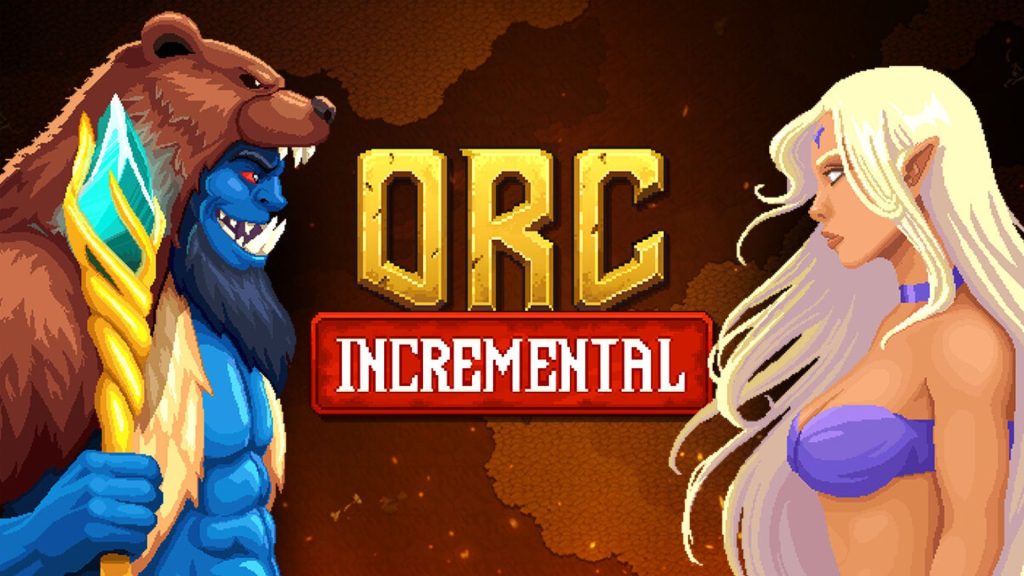
Orc Incremental offers satisfying progression, entertaining totem combinations and enough content to justify its affordable price.
![[GAMESCOM 2026] Chronoscript: The Endless End Preview – Beautiful Pages Hide Deliberate Combat](https://www.indie-games.eu/wp-content/uploads/2026/09/Chronoscript-The-Endless-End-1-1024x576.jpg)
Chronoscript: The Endless End stands out from other Metroidvanias by blending 2D manuscript worlds with exploration inside a 3D manor.
![[GAMESCOM 2026] MegaGum Preview – Combat Hits Hard in This Sticky Platforming Adventure](https://www.indie-games.eu/wp-content/uploads/2026/09/MegaGum-09-09-26-5-1024x576.jpg)
MegaGum combines hard-hitting combat, varied weapons and Gum-powered platforming in a promising Gamescom 2026 demo.
![[GAMESCOM 2026] Delphinium Preview – Cozy Routine Mixed With Enjoyable Minigames](https://www.indie-games.eu/wp-content/uploads/2026/03/Delphinium--1024x665.jpg)
Delphinium mixes cozy farming, exploration and relationships with enjoyable fishing, cooking and forging minigames in its Gamescom 2026 demo.
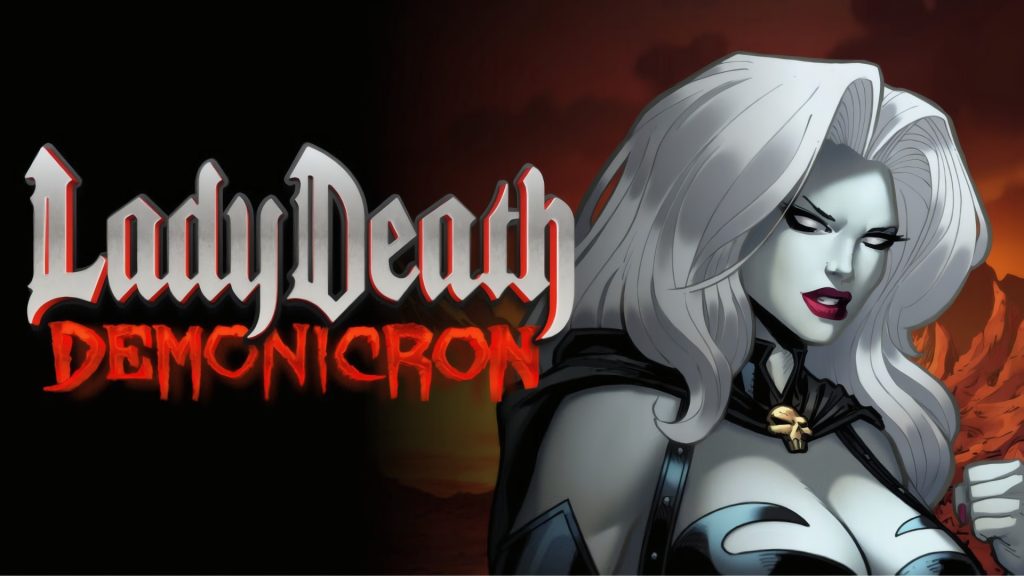
Lady Death: Demonicron looks the part, but underneath its excellent comic-book exterior is a clunky and painfully short brawler.
![[GAMESCOM 2026] Tomb Raider: Legacy of Atlantis Preview – Expands the Original Without Losing Its Identity](https://www.indie-games.eu/wp-content/uploads/2026/09/tomb-raider-legacy-of-atlantis-06-02-26-1-1024x576.jpg)
Tomb Raider: Legacy of Atlantis brings Lara back to her roots, but its Gamescom 2026 showing proved this is far…
![[GAMESCOM 2026] Clive Barker’s Hellraiser: Revival Preview – Ready to Open the Box](https://www.indie-games.eu/wp-content/uploads/2026/09/Clive-Barkers-Hellraiser-Revival-08-30-26-1-1024x576.jpg)
Hellraiser: Revival preserves the franchise’s sex, gore and psychological horror while delivering approachable survival-horror gameplay.

Swan Song creates a peaceful and forgiving puzzle space without removing the challenge that makes solving a difficult puzzle rewarding.
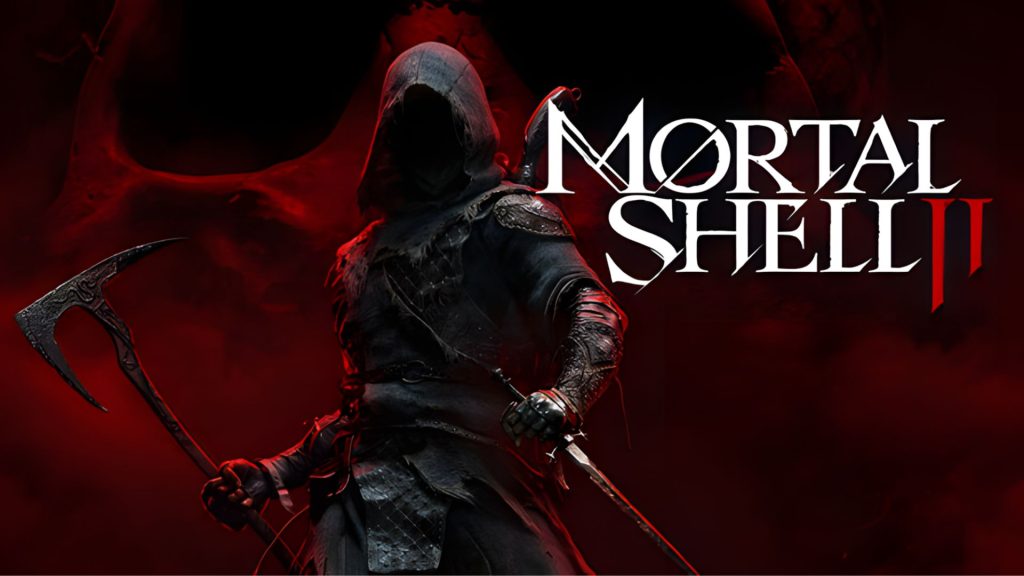
Mortal Shell II starts brilliantly but grows repetitive and exhausting, while remaining a rewarding and ambitious Soulslike sequel.
![[GAMESCOM 2026] Terranigma Preview – A Lost SNES Classic Returns in 2027](https://www.indie-games.eu/wp-content/uploads/2026/08/Terranigma-1-1024x576.jpg)
After more than three decades of limited availability, Terranigma is returning in 2027. We played its enhanced re-release at Gamescom…

Reading another person’s mind is often presented as a desirable superpower, but Sister Other Paranoia immediately understands why it could…
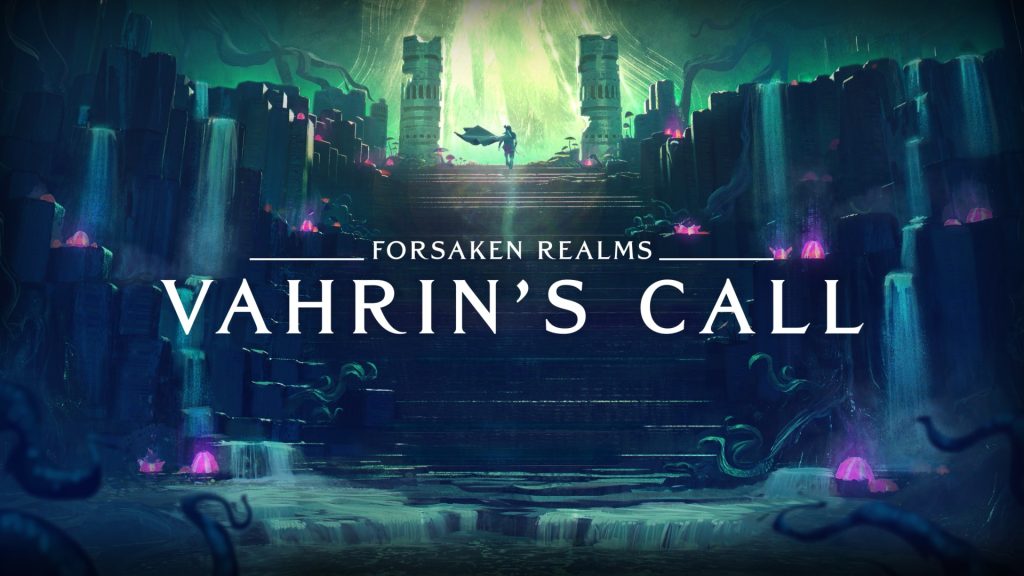
Forsaken Realms: Vahrin’s Call is exactly the kind of ambitious, slightly clumsy fantasy RPG that used to be far more…
![[Early Access] 2nd EVE – Sci-Fi Action RPG That Lacks a Sense of Stakes](https://www.indie-games.eu/wp-content/uploads/2026/08/2ND-EVE-1024x576.jpg)
2nd Eve is a space-set action RPG in which we strive to save humanity.
![[PREVIEW] Dreamcards – Strategic Exploration of Consciousness](https://www.indie-games.eu/wp-content/uploads/2026/08/Dreamcards_20260810_233631_0000-1024x576.jpg)
Dreamcards is a roguelike deckbuilder centered around dreams and nightmares.
![[Early Access] OFFBEAT – Incredibly Fun Way to Start a Music Career](https://www.indie-games.eu/wp-content/uploads/2026/08/Offbeat_20260808_201446_0000-1024x576.jpg)
In OFFBEAT, we play the role of a jobbing composer who is launching their music career.
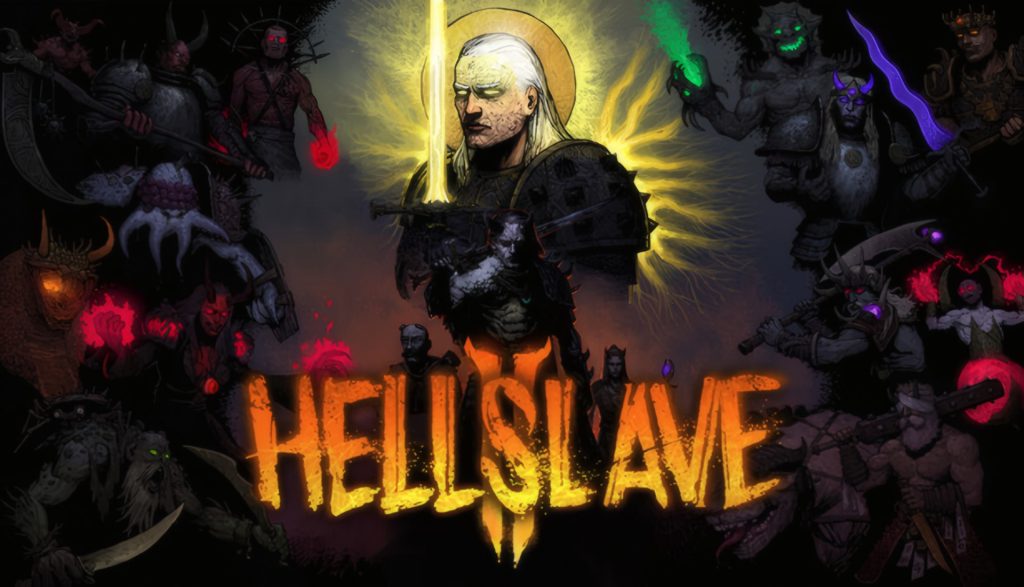
HellSlave II retains the original’s oppressive atmosphere, morally grey world and striking art while adding a larger world, randomized loot…
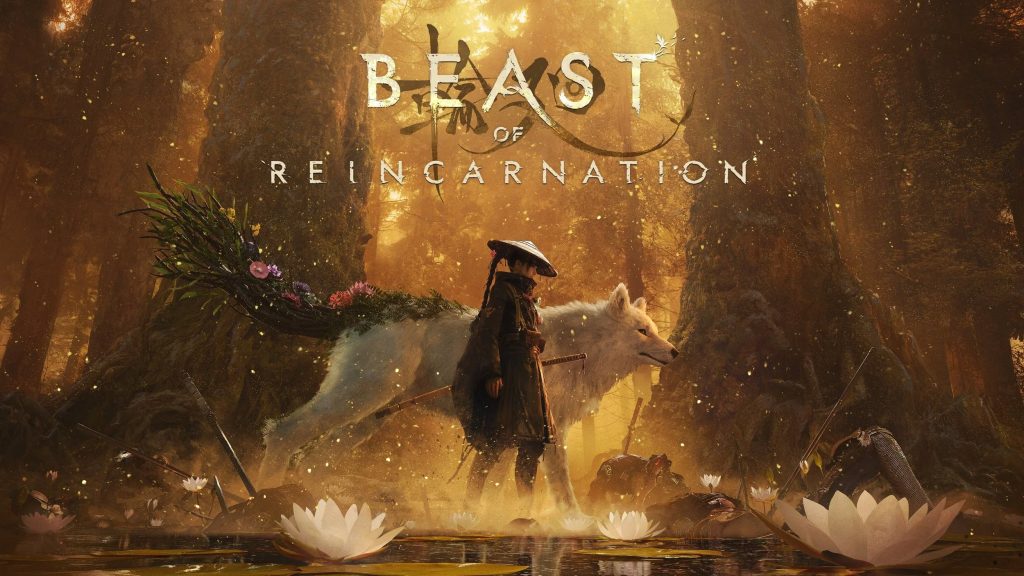
Beast of Reincarnation is an ambitious but uneven action RPG elevated by satisfying parry combat, beautiful art direction and the…

K-pop Idol Stories: Road to Debut captures the pressure of building idol group, but its management systems never explore that…
