![[PREVIEW] Remothered: Red Nun’s Legacy – Ambitious Survival Horror That Needs More Polish](https://www.indie-games.eu/wp-content/uploads/2026/09/Remothered-Red-Nuns-Legacy-4-1024x576.jpg)
[PREVIEW] Remothered: Red Nun’s Legacy – Ambitious Survival Horror That Needs More Polish
Remothered: Red Nun’s Legacy has a gripping atmosphere and promising survival tools, but its repetitive hiding and rough visuals need…

If you enjoy independent indie game coverage, consider supporting Indie-Games.eu on Patreon. It helps keep the site independent.
StarRupture got its first major update about two weeks ago, and it pretty much changes everything you knew about the game. I’ve put around 50 hours into it so far, about 25 hours in my first save and another 25 in a second one, and I have to admit, I’m not really a fan of some of these changes.
The biggest issue right away is the progression rollback. Because the entire technology tree was reworked, most upgrades now go up to level 15 instead of level 10–12. As a result, all your previous tech got reset back to level 1. You do get your technology points refunded, so you can re-invest them, but it still feels like a hassle. Instead of smoothly continuing where you left off, you’re forced to re-learn the system, check what’s new, and figure out what to prioritize again. It becomes tedious fast, and that’s exactly why I decided to start a new save.
That second playthrough made things clearer. The first 10 hours are now heavily focused on the game’s main objective: the Forgotten Engine quest. This is essentially the gateway to the late game. You locate this massive structure on the map, power it up with a crafted core, and defend it during activation.
Once completed, it clears radiation across the map and unlocks new areas, resources, machines, and recipes. Structurally, the game now feels split into early game (up to around level 5), mid game (up to level 10), and then late game after the Forgotten Engine. New materials like Goethite ore also push you into those later biomes.
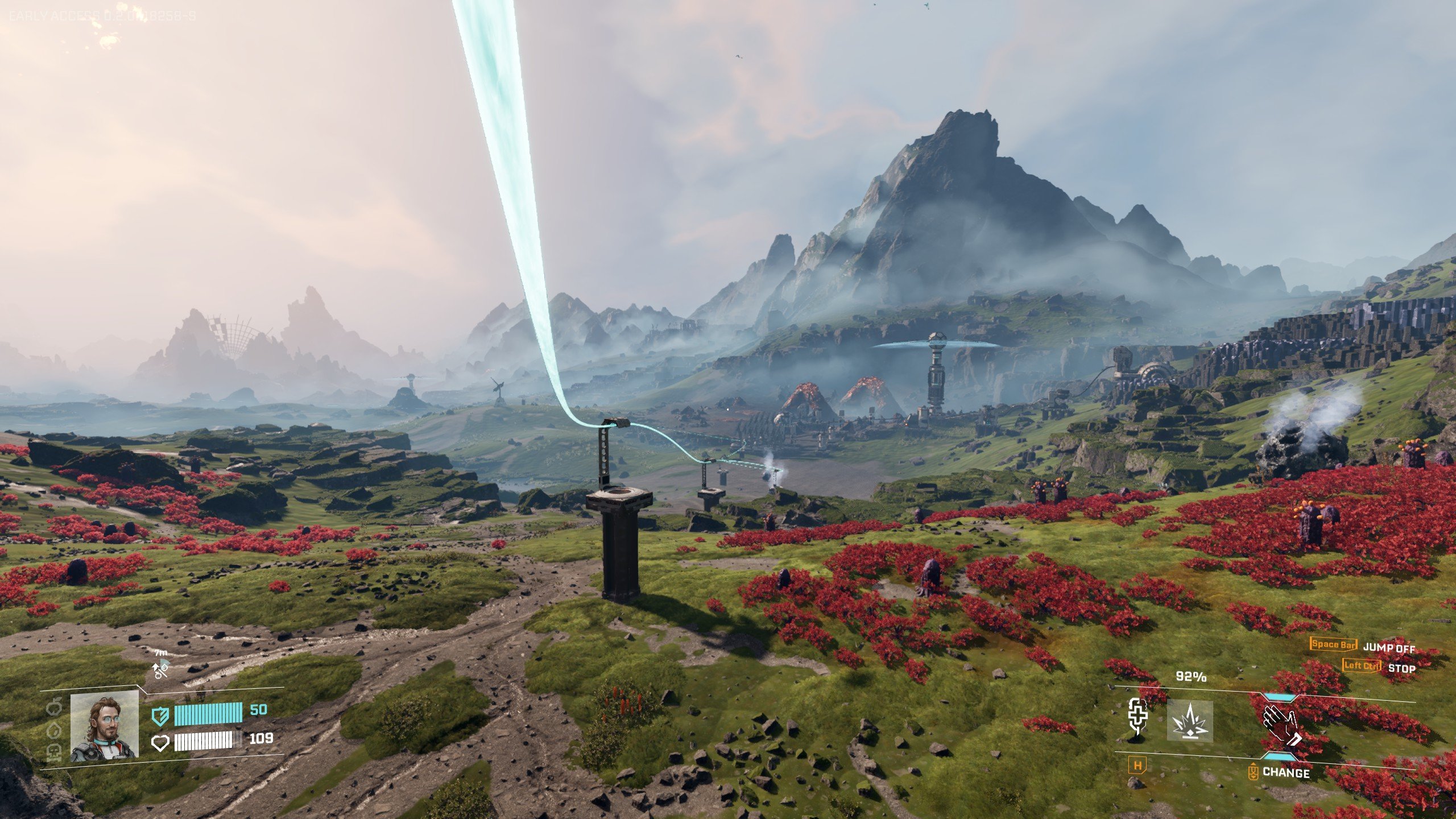
One genuinely good change is mobility. Teleportation is no longer locked behind the Forgotten Engine and can now be unlocked through the tech tree, which is a huge improvement. Ziplines were also added, and while they’re useful for short distances, they don’t really solve exploration. You still have to constantly rebuild them, so they’re more of a convenience than a real traversal system.
And that leads into my biggest ongoing problem with the game: exploration just isn’t fun. It’s tedious, repetitive, and not very rewarding. Yes, the world is bigger now, with more biomes and some added variety, but the core loop hasn’t changed. You’re still running around similar-looking areas, looting destroyed structures, and hunting for blueprints without any real guidance.
The game doesn’t tell you where to find important items, which means you can easily spend 20 minutes searching for something that turns out to be on the other side of the map. Honestly, using an online map is almost mandatory at this point if you want to save time.
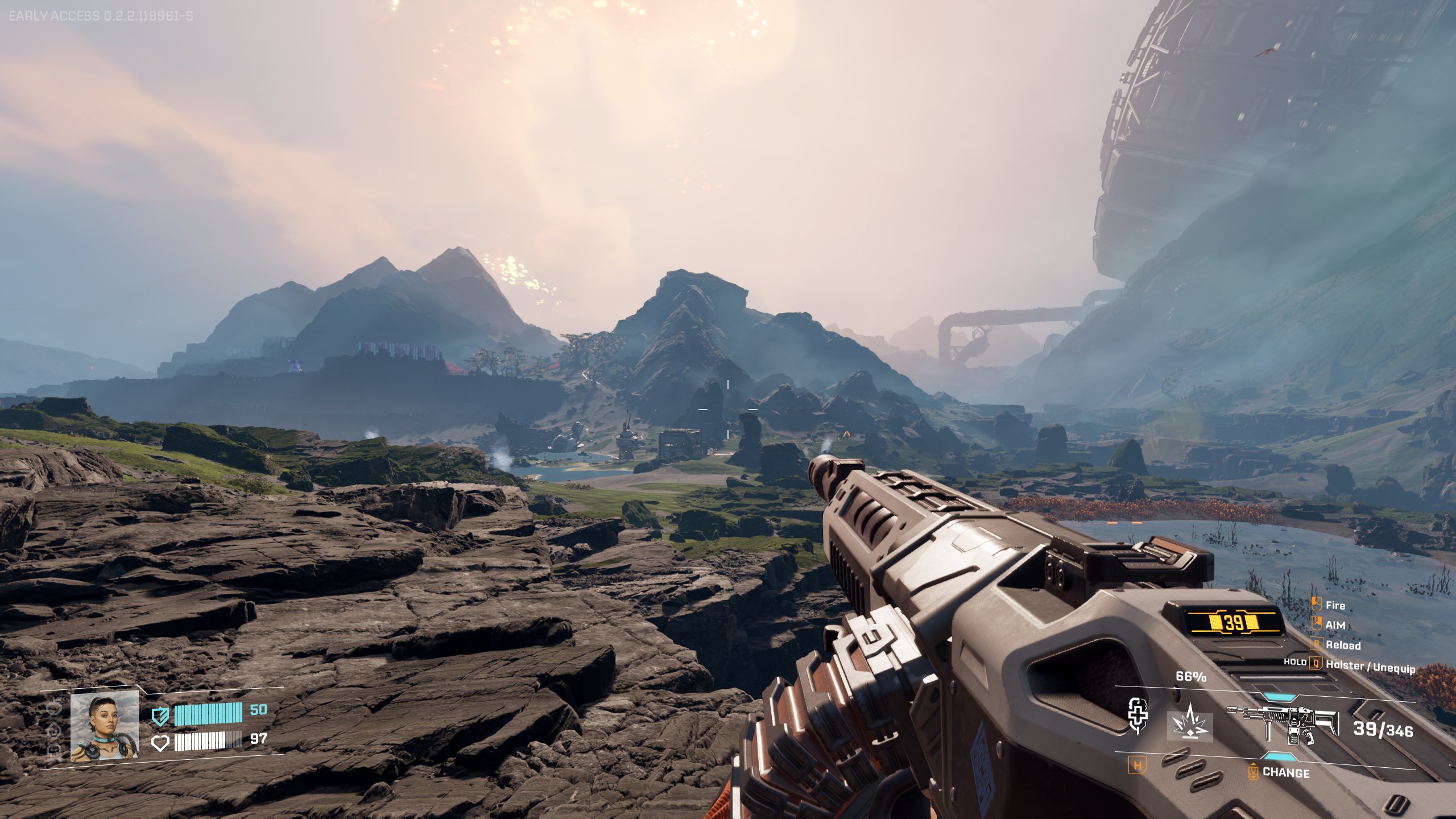
Combat doesn’t help either. There’s a handful of enemy types: small melee units, larger lunging enemies, ranged attackers, explosive ones, and high-health, heavy enemy, but dealing with them is more frustrating than engaging. Your weapons feel underwhelming, upgrades don’t make a meaningful difference, and the enemies themselves can be annoying to fight, especially ranged ones that feel like they have perfect aim.
When large groups show up, it quickly becomes overwhelming rather than challenging. You can rely on turrets and base defenses, especially during wave attacks, but that doesn’t fix the core issue that combat just isn’t that enjoyable. The same problem carries over into progression systems. The skill system, for example, is very basic, just small chip-based bonuses like faster reload or regen. It doesn’t add much depth.
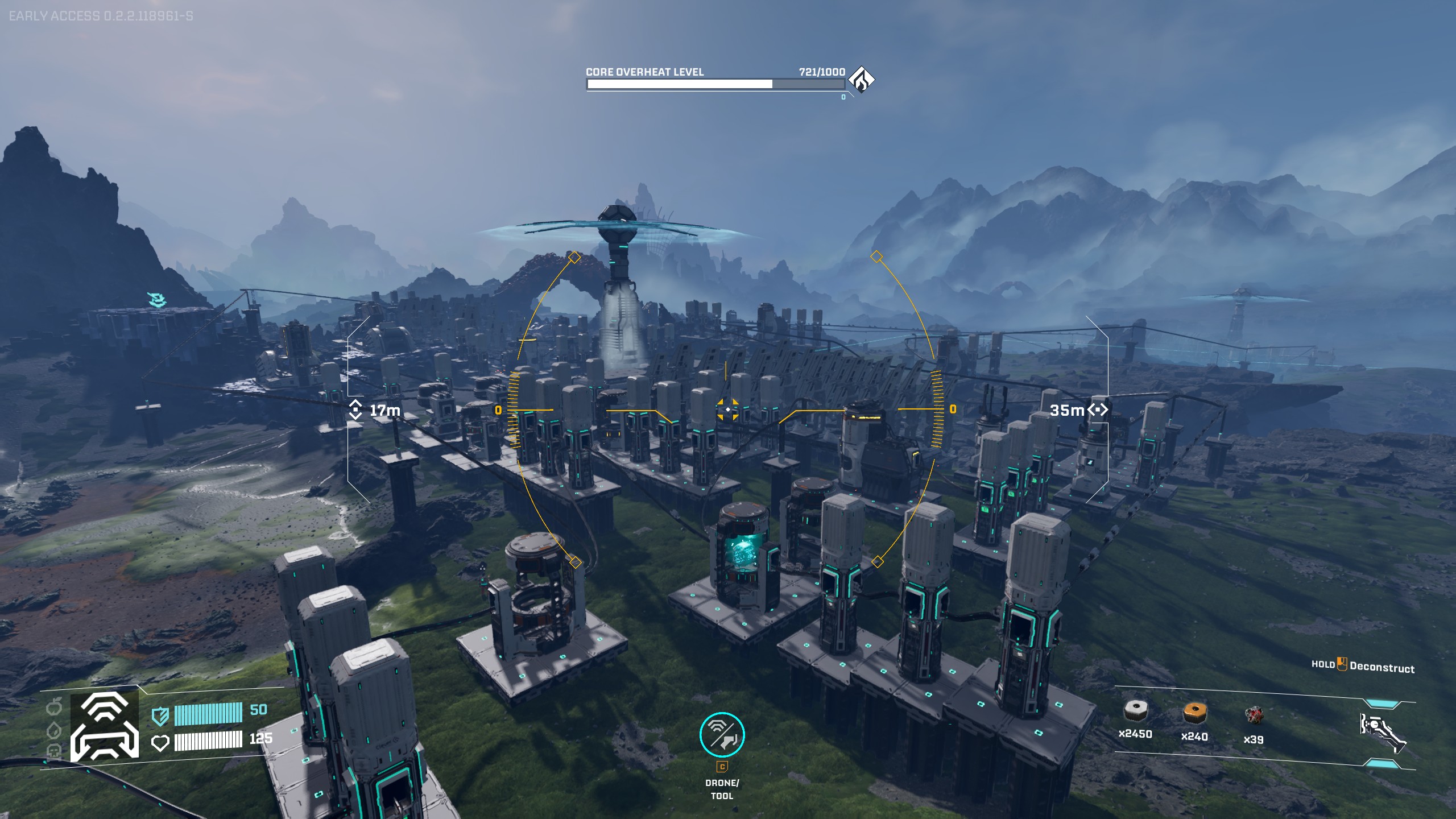
Meanwhile, crafting and production become increasingly complex, especially in the late game. You’re juggling multiple systems like oil extractors, laser drills and more, but the game doesn’t give you great tools to manage that complexity. There’s no proper way to track what you need, so you’re constantly going back and forth checking recipes. It turns into a bit of a mess.
That said, the core idea of the game is still really strong. Building up your base, automating production, and watching your small setup grow into something massive is genuinely satisfying. There’s a lot of freedom in how you approach building, and when everything clicks, it feels great. But the game doesn’t make that process easy, and over time, all the small frustrations start piling up.
There are also some smaller design issues that add up. Early-game power options are limited, so you’re stuck spamming basic solar panels for longer than you’d like. Teleportation, while improved, still takes time to properly set up. Some tech tree decisions feel oddly placed, like unlocking minor resources after more impactful upgrades. On the positive side, systems like the Development Station, which lets you upgrade buildings directly, are a great addition and make progression feel a bit more streamlined.
Another thing that becomes clear over time is that the game feels much better in multiplayer. In single-player it’s perfectly playable, but managing everything alone can be overwhelming. In multiplayer, you can split responsibilities, one person explores while another handles the base, which makes the experience smoother overall.
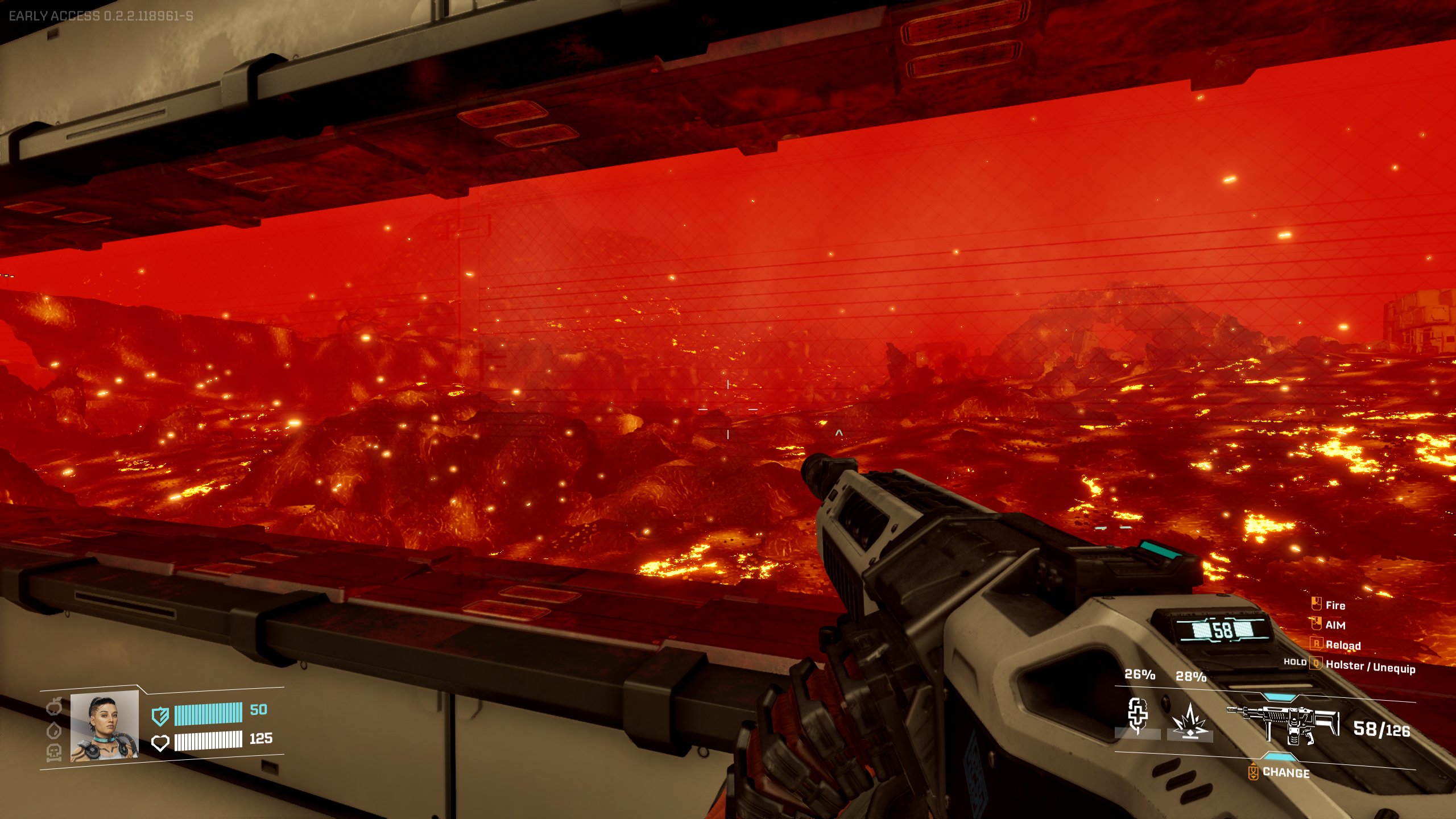
What happens when Ruptura, the star itself, finally ruptures? You get an absolutely gorgeous explosion of fire and brimstone tearing across the sky, wiping out everything on the planet’s surface and forcing you to scramble into your habitat. Once it’s over, you step outside into a completely devastated wasteland, only to watch it slowly regenerate back into greenery and respawned life.
It’s a great idea. It really is, at least the first time. Even the second or third time, it still hits. But by the twentieth rupture, it starts to wear thin. By the fiftieth, you’re alt-tabbed watching YouTube, waiting for it to be over. The problem is simple: there’s nothing to do during a rupture. You’re stuck inside your base, staring at walls and waiting it out.
After 50 hours, I can say that StarRupture is still a good game. It looks great, the world is huge, and the automation aspect is genuinely satisfying. But it’s also filled with frustrating systems, tedious exploration, and design choices that slow you down more than they should. It’s early access, so some of this is expected, but at the same time, certain issues feel like they should have been addressed earlier.
I also understand why the game currently sits at a Mostly Positive rating on Steam. Resetting player progression like this is always going to be controversial, and while it’s part of early access development, it could have been handled in a less disruptive way. Right now, it feels like a lot of your previous time investment just got wiped, and not everyone is going to be okay with that.
For me personally, the first playthrough was great. The second one just kept getting more frustrating the longer I played. I still think the game has a lot of potential, but right now, it needs more polish, better balance, and, most importantly, a more rewarding gameplay loop.
Remothered: Red Nun’s Legacy has a gripping atmosphere and promising survival tools, but its repetitive hiding and rough visuals need…
The Alighieri Circle: Dante’s Bloodline is difficult to recommend beyond players who are especially interested in Dante or enjoy solving…
Orc Incremental offers satisfying progression, entertaining totem combinations and enough content to justify its affordable price.
![[GAMESCOM 2026] Chronoscript: The Endless End Preview – Beautiful Pages Hide Deliberate Combat](https://www.indie-games.eu/wp-content/uploads/2026/09/Chronoscript-The-Endless-End-1-1024x576.jpg)
Chronoscript: The Endless End stands out from other Metroidvanias by blending 2D manuscript worlds with exploration inside a 3D manor.
![[GAMESCOM 2026] MegaGum Preview – Combat Hits Hard in This Sticky Platforming Adventure](https://www.indie-games.eu/wp-content/uploads/2026/09/MegaGum-09-09-26-5-1024x576.jpg)
MegaGum combines hard-hitting combat, varied weapons and Gum-powered platforming in a promising Gamescom 2026 demo.
![[GAMESCOM 2026] Delphinium Preview – Cozy Routine Mixed With Enjoyable Minigames](https://www.indie-games.eu/wp-content/uploads/2026/03/Delphinium--1024x665.jpg)
Delphinium mixes cozy farming, exploration and relationships with enjoyable fishing, cooking and forging minigames in its Gamescom 2026 demo.
Lady Death: Demonicron looks the part, but underneath its excellent comic-book exterior is a clunky and painfully short brawler.
![[GAMESCOM 2026] Tomb Raider: Legacy of Atlantis Preview – Expands the Original Without Losing Its Identity](https://www.indie-games.eu/wp-content/uploads/2026/09/tomb-raider-legacy-of-atlantis-06-02-26-1-1024x576.jpg)
Tomb Raider: Legacy of Atlantis brings Lara back to her roots, but its Gamescom 2026 showing proved this is far…
![[GAMESCOM 2026] Clive Barker’s Hellraiser: Revival Preview – Ready to Open the Box](https://www.indie-games.eu/wp-content/uploads/2026/09/Clive-Barkers-Hellraiser-Revival-08-30-26-1-1024x576.jpg)
Hellraiser: Revival preserves the franchise’s sex, gore and psychological horror while delivering approachable survival-horror gameplay.

Swan Song creates a peaceful and forgiving puzzle space without removing the challenge that makes solving a difficult puzzle rewarding.
Mortal Shell II starts brilliantly but grows repetitive and exhausting, while remaining a rewarding and ambitious Soulslike sequel.
![[GAMESCOM 2026] Terranigma Preview – A Lost SNES Classic Returns in 2027](https://www.indie-games.eu/wp-content/uploads/2026/08/Terranigma-1-1024x576.jpg)
After more than three decades of limited availability, Terranigma is returning in 2027. We played its enhanced re-release at Gamescom…

Reading another person’s mind is often presented as a desirable superpower, but Sister Other Paranoia immediately understands why it could…
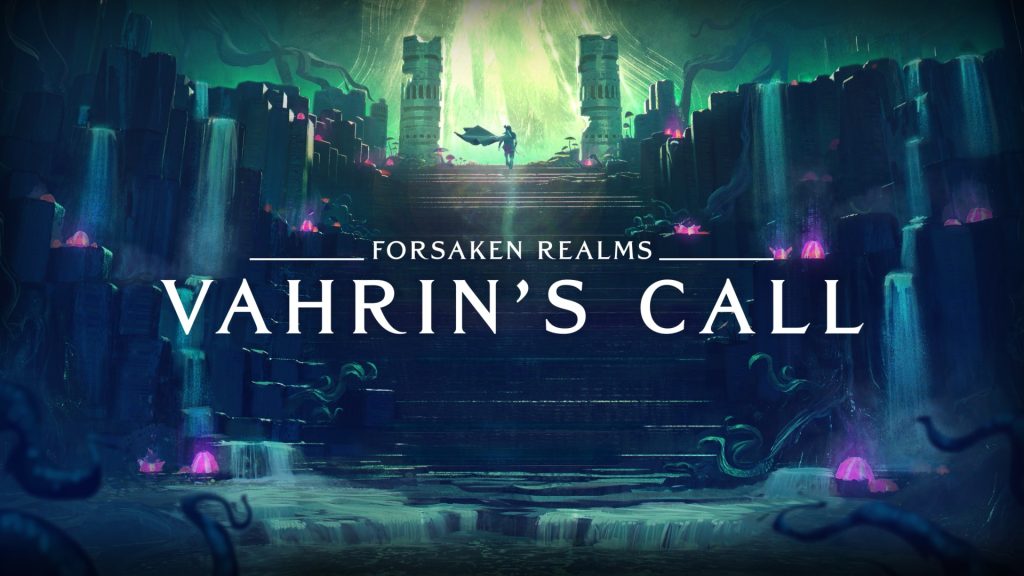
Forsaken Realms: Vahrin’s Call is exactly the kind of ambitious, slightly clumsy fantasy RPG that used to be far more…
![[Early Access] 2nd EVE – Sci-Fi Action RPG That Lacks a Sense of Stakes](https://www.indie-games.eu/wp-content/uploads/2026/08/2ND-EVE-1024x576.jpg)
2nd Eve is a space-set action RPG in which we strive to save humanity.
![[PREVIEW] Dreamcards – Strategic Exploration of Consciousness](https://www.indie-games.eu/wp-content/uploads/2026/08/Dreamcards_20260810_233631_0000-1024x576.jpg)
Dreamcards is a roguelike deckbuilder centered around dreams and nightmares.
![[Early Access] OFFBEAT – Incredibly Fun Way to Start a Music Career](https://www.indie-games.eu/wp-content/uploads/2026/08/Offbeat_20260808_201446_0000-1024x576.jpg)
In OFFBEAT, we play the role of a jobbing composer who is launching their music career.
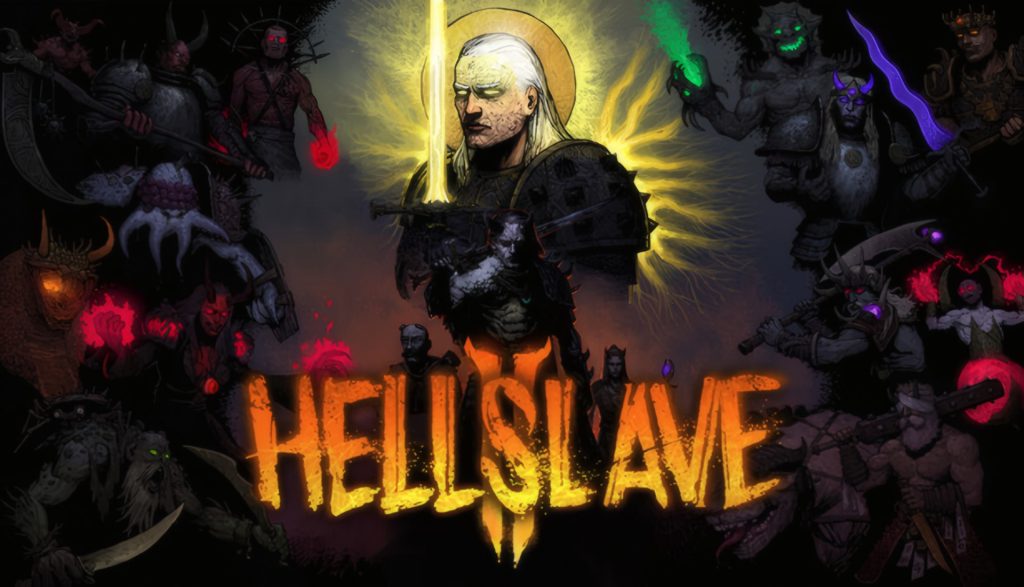
HellSlave II retains the original’s oppressive atmosphere, morally grey world and striking art while adding a larger world, randomized loot…
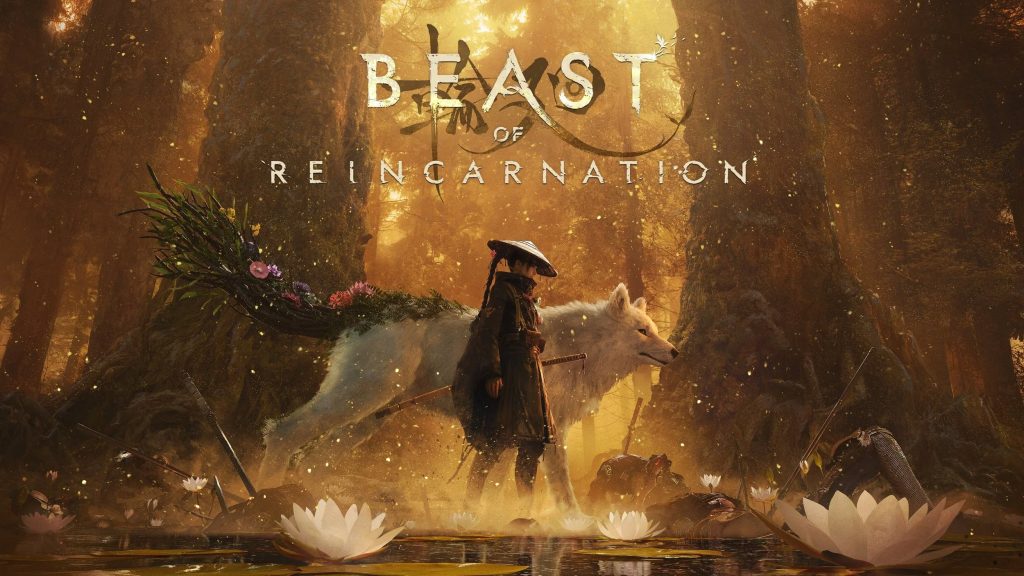
Beast of Reincarnation is an ambitious but uneven action RPG elevated by satisfying parry combat, beautiful art direction and the…

K-pop Idol Stories: Road to Debut captures the pressure of building idol group, but its management systems never explore that…
