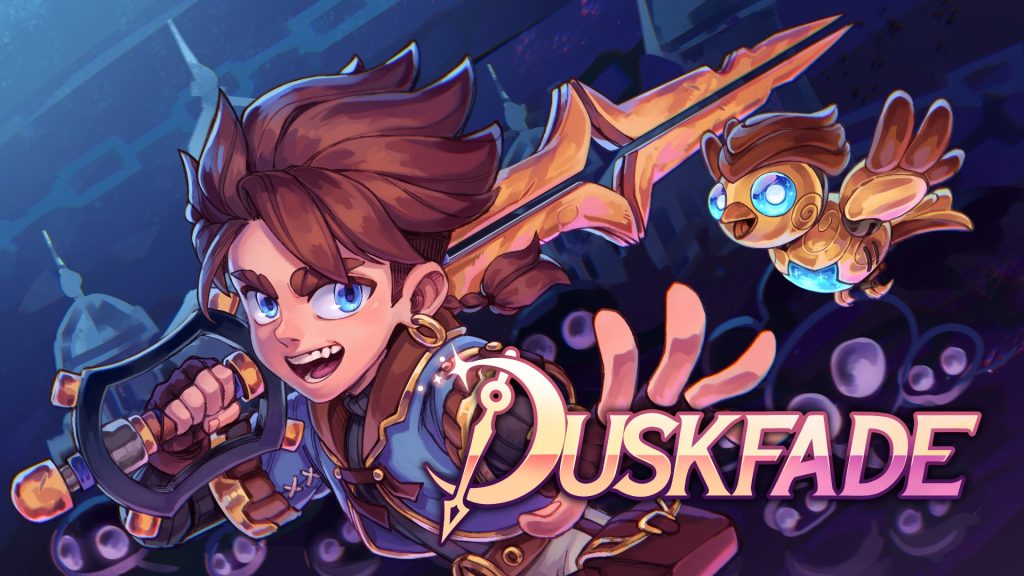
Duskfade – The PS2 Era Returns With All Its Strengths and Weaknesses
Duskfade is worth considering for players who miss colourful PS2-style action-platformers and can tolerate basic combat, floaty movement and backtracking.

If you enjoy independent indie game coverage, consider supporting Indie-Games.eu on Patreon. It helps keep the site independent.
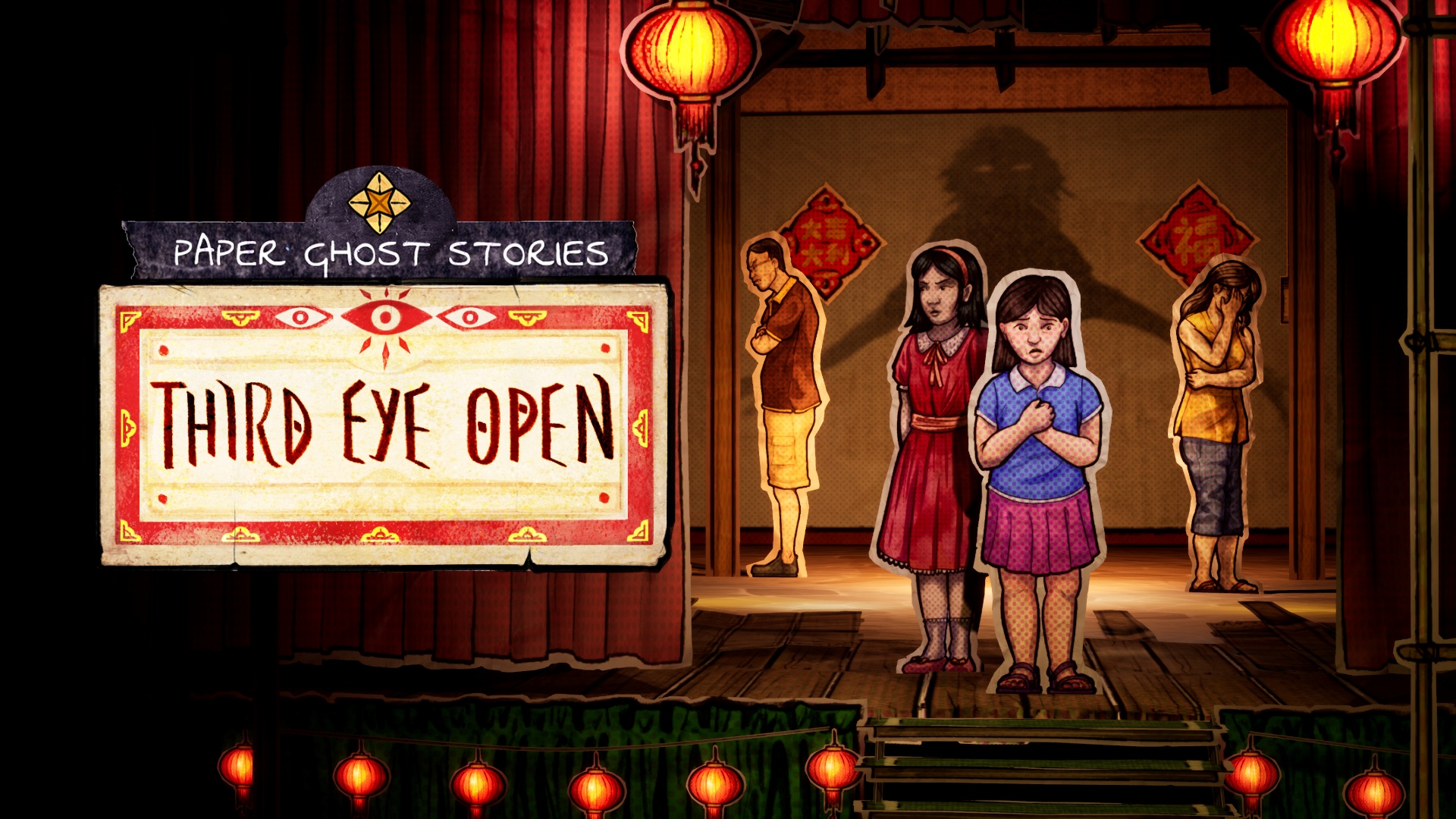
Life is full of contrasts, isn’t it? Even when things aren’t complete opposites, we tend to notice the differences easily. Eastern and Western culture. The innocence of childhood and the troubles of adulthood. Everyday life and the realm of the dead. But what happens when two very different worlds collide? What happens when an already thin boundary between them begins to fade away? Paper Ghost Stories: Third Eye Open invites us to find out through the journey of a young girl gifted with an unusual ability.
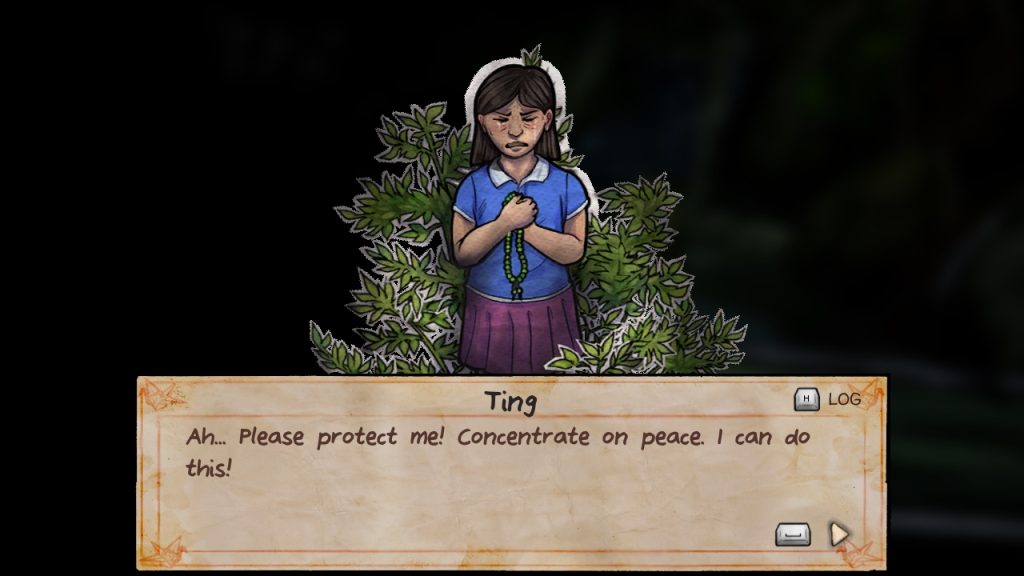
Paper Ghost Stories: Third Eye Open is a story-driven adventure filled with important choices. You play as Ting, a six-year-old girl who one day finds a lost spirit near her home. After befriending the young ghost named Xiu, she begins searching for a way to help her find peace. However, as she encounters more wandering souls in her town, she soon realizes that not all of them are friendly. A fight for survival begins, as both the real and the spiritual world challenge her morality and sanity. It’s up to you to discover whether Ting’s unwanted gift is a blessing or a curse.
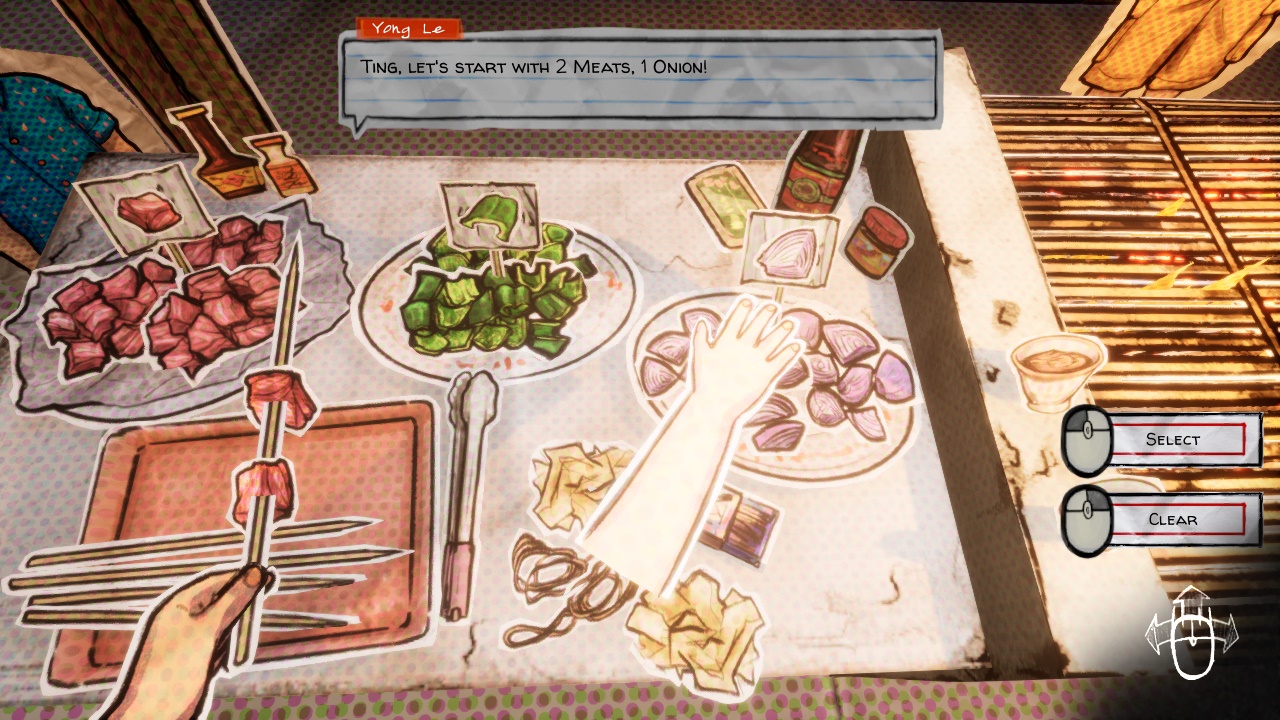
The gameplay itself is quite simple. You wander through different locations, talk to other characters, and complete tasks that push the story forward. There aren’t many additional systems, as the narrative is linear and players are constantly guided. While this can become repetitive over time, the game introduces various activities that break the monotony. Relaxing mini-games like cooking or playing marbles, unexpected quick-time events, and even math puzzles appear, the latter usually surfacing when the scary segments begin. At first, these activities feel refreshing, but as the plot becomes more intense, they gain new meaning through surprising twists.
Since I mentioned the scary part, I should say that this game isn’t a typical horror title. It leans more toward a thriller or family drama, though it still offers some genuinely frightening moments. What I really appreciated is that the story doesn’t immediately jump into full horror mode. It gives you time to understand the rules of this world so you can better grasp the danger.
When you finally get used to the presence of spirits, you stop seeing them as threats, which may turn out to be a big mistake. The story presents many threads to follow and often changes direction, making it difficult to predict which ones will matter in the end. The engaging and surprising narrative carries the entire experience, making the tension and buildup toward the big reveal genuinely worthwhile.
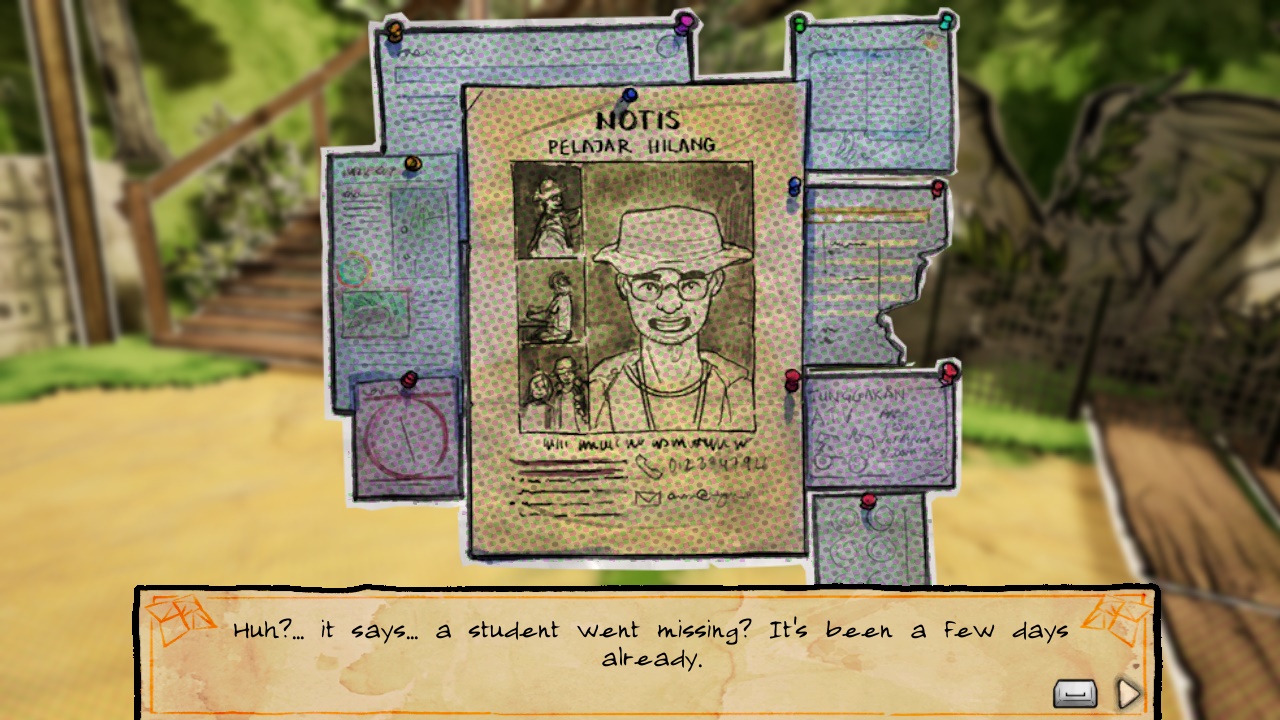
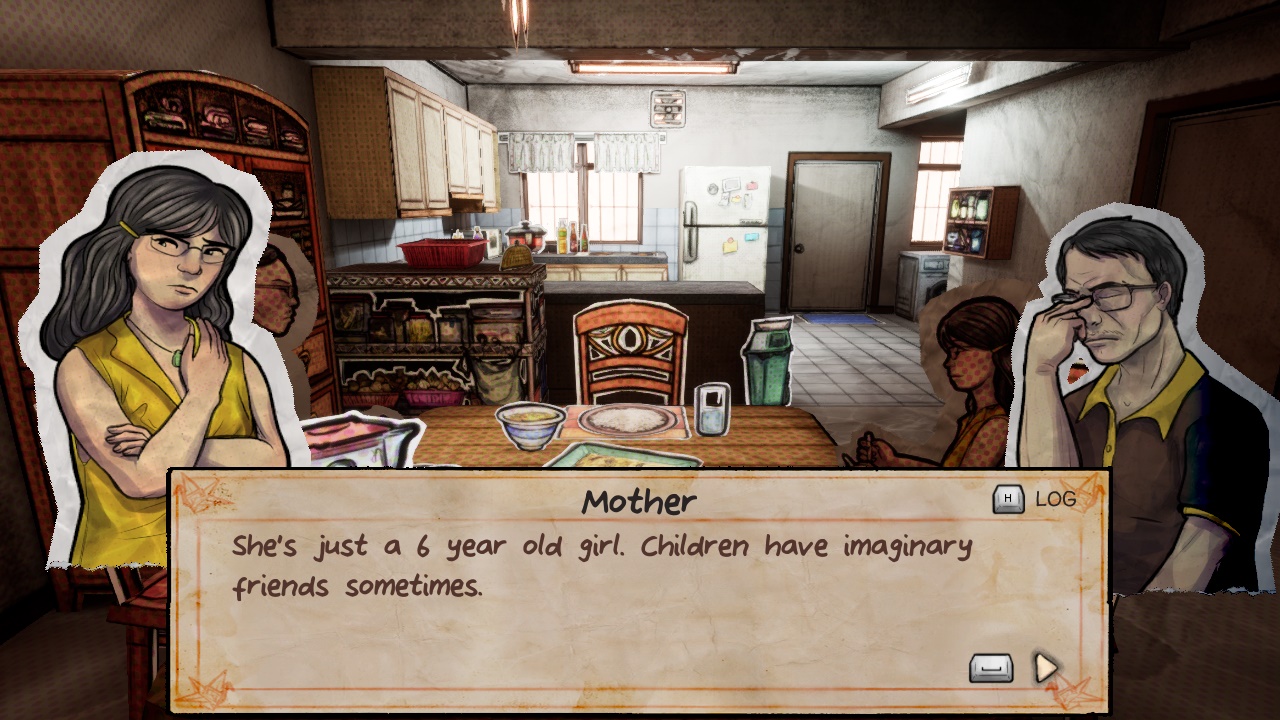

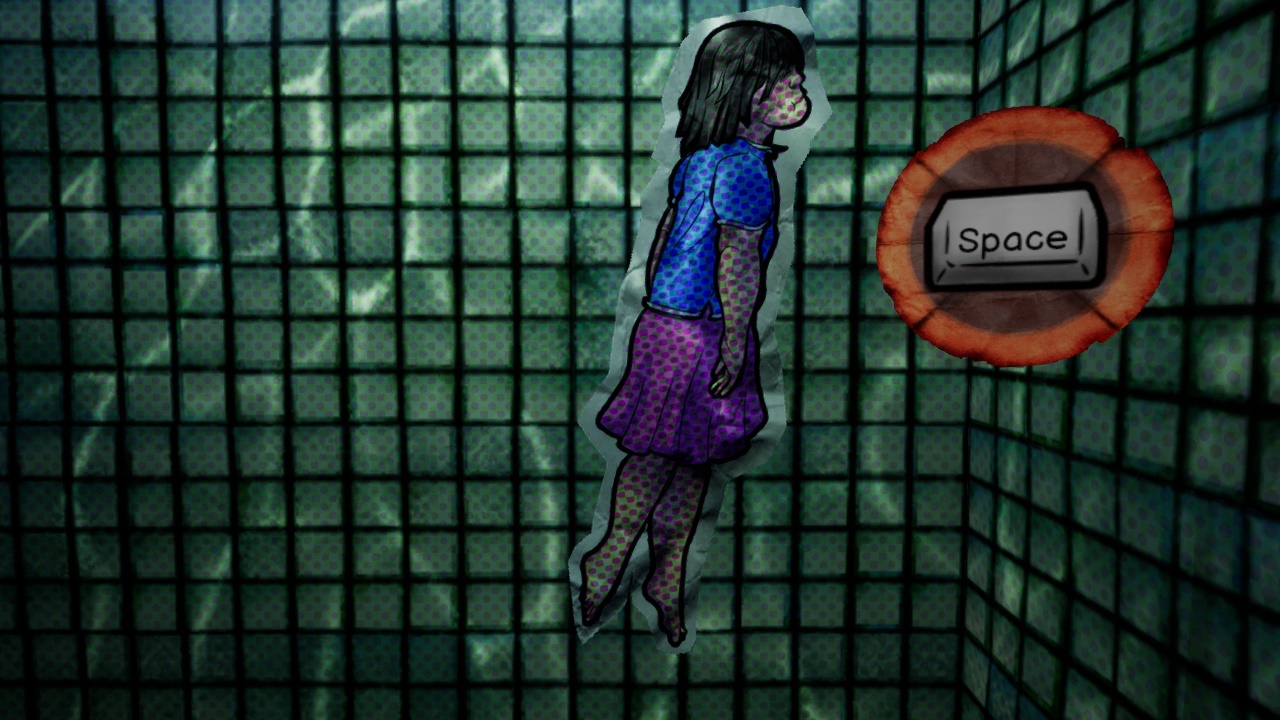
As the title suggests, this game is set in a world made of paper. Environments and characters are cut from paper, your quest log resembles a notebook, and even the icons fold and unfold like origami. This charming artistic style fits the atmosphere perfectly, giving a sense of fragility and impermanence, spirits, childhood, memories. Although I appreciate the visual charm, there were moments when too many elements appeared on screen at once, causing the game to slow down. Animated cutscenes and scenes involving moving ghosts often led to performance drops.
Another issue was the strange camera angle. In a world full of paper panels, it was sometimes impossible to see what was behind a corner or down the street unless you physically walked there. This didn’t bother me too much during exploration, but during stealth sequences where you must hide from hostile spirits, not seeing their positions felt unfair. It took a few deaths to get past these segments, and the situation could definitely have been handled better.
Beyond the “paper theatre,” there is something else that makes this game special, it’s also a cultural journey into Southeast Asia. Activities, locations, and characters reflect Malaysian traditions, customs, and folklore. You’re invited to immerse yourself in this way of life: visiting morning markets, eating local foods, listening to urban legends, meeting an old monk. Dialogue reflects the region’s linguistic diversity, mixing English, Malay, and Mandarin with explanations provided. The game doesn’t just tell you a story; it lets you learn something meaningful along the way.
Paper Ghost Stories: Third Eye Open is full of metaphors and symbolism. There are subtle details you’ll notice only if you take the time to double-check furniture or eavesdrop on relatives’ conversations. The story is meant to be uncovered slowly, piece by piece, so I won’t spoil any major twists. What I can say is that the narrative cleverly turns its premise upside down, making you question who the real threats are. Are the ghosts truly your enemies? Or does true danger come from the real world, from family, friends, and neighbors?
Ting has felt alienated and misunderstood her entire life, but neither she nor the player knows why. To uncover the secret buried in the past, the game allows you to shift perspectives and manipulate time. By seeing the same events from different angles, you get closer to the truth, and trust me, it hits hard emotionally.
Although the game deals with sensitive and serious themes, it handles them with respect and clarity. As the story spans five key years of Ting’s childhood, it can also be read as a coming-of-age tale about forgiveness and standing up for yourself. Players grow alongside Ting, making increasingly mature decisions. These decisions don’t affect the story until the very end, where your final choice determines one of two endings. After finishing the game, the main menu even changes based on your outcome, a lovely detail that shows how much care was put into this project.
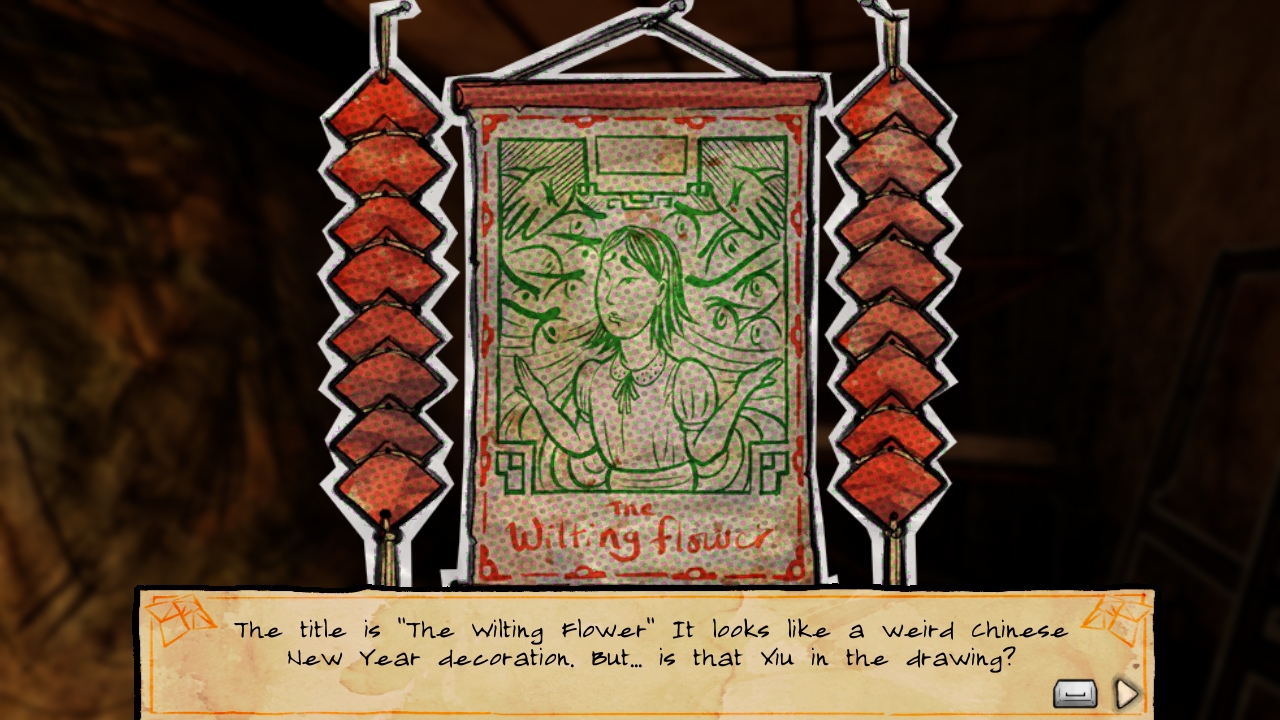
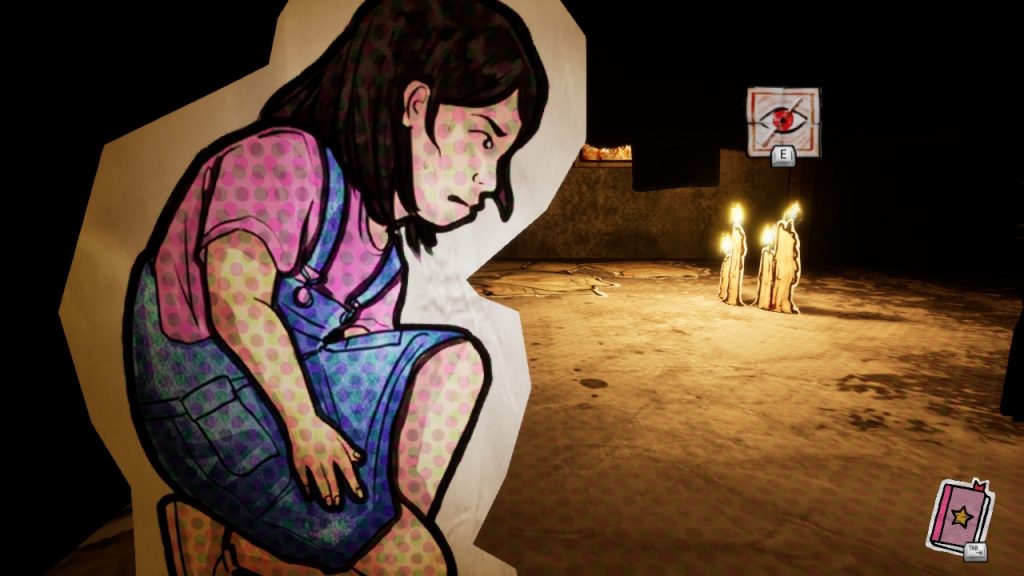
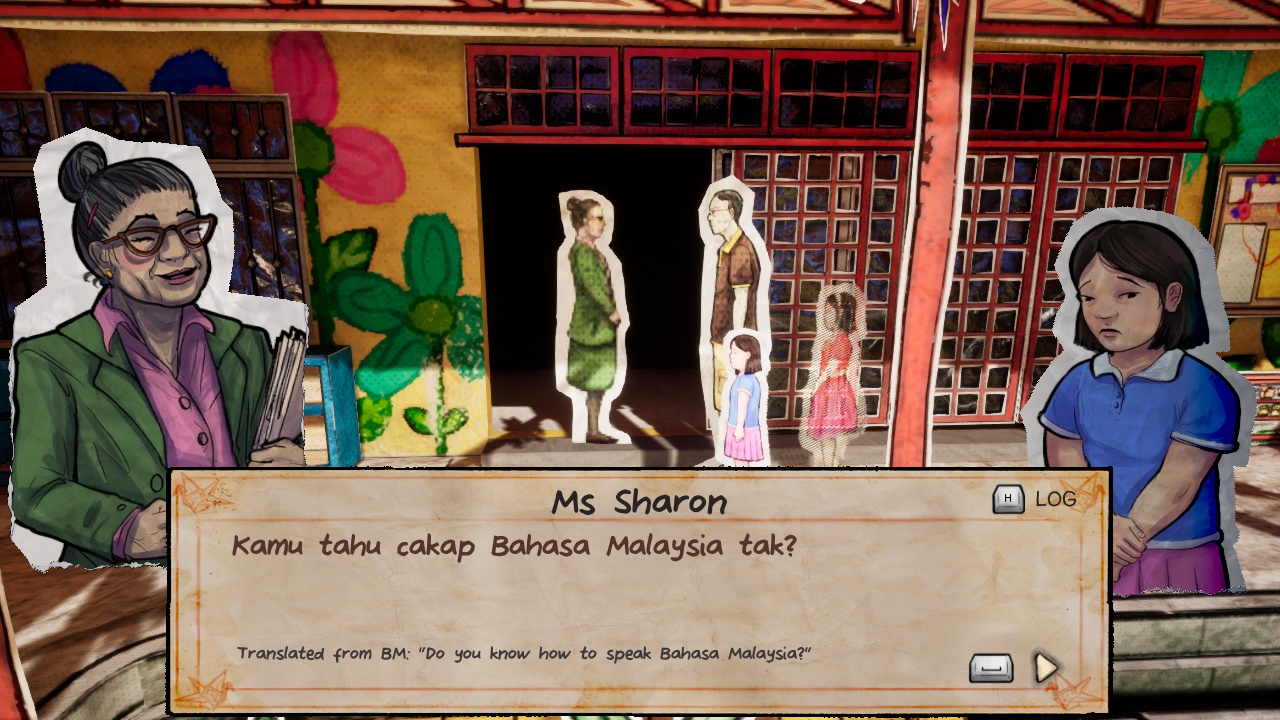
Despite focusing on children encountering supernatural danger, Paper Ghost Stories: Third Eye Open is not a simple story about scary ghosts. It digs deep into difficult topics that affect both kids and adults, told through the lens of innocence and vulnerability. If you want to uncover hidden truths wrapped in Malaysian and Chinese mythology, prepare your paper and scissors for a paranormal journey.
Review copy provided by the publisher
Duskfade is worth considering for players who miss colourful PS2-style action-platformers and can tolerate basic combat, floaty movement and backtracking.
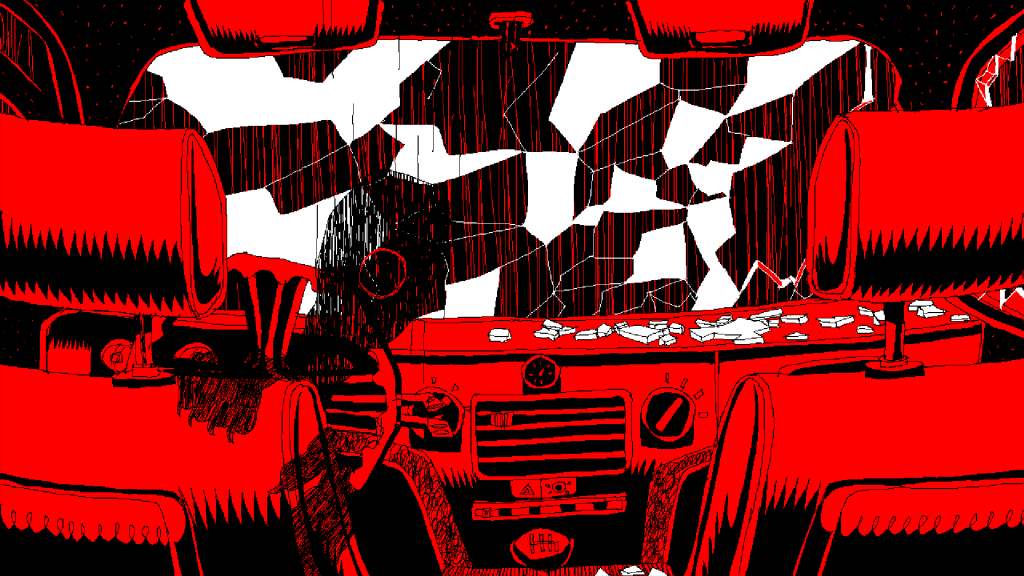
Man I Just Wanna Go Home is a noir crime story with visuals from MS Paint and life-or-death choices.
![[GAMESCOM 2026] Vikings Dynasty Preview – Expands the Dynasty Formula](https://www.indie-games.eu/wp-content/uploads/2026/09/Viking-Dynasty-09-21-26-2-1024x576.jpg)
After showing me Prospera at Gamescom 2026, Toplitz Productions' Mathias Oertel moved to a very different kind of settlement builder.…
![[GAMESCOM 2026] Prospera Preview – Production, Prosperity and Victorian Industry](https://www.indie-games.eu/wp-content/uploads/2026/09/Prospera-09-21-26-5-1024x576.jpg)
At Gamescom 2026, I met with Toplitz Productions' Mathias Oertel for a guided presentation of two upcoming games. One of…
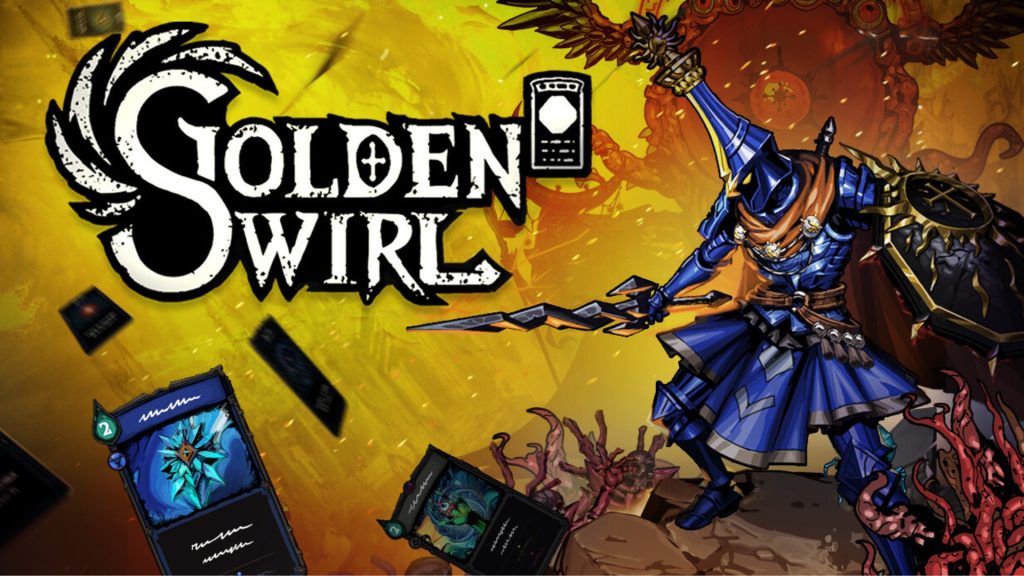
Golden Swirl inventive card combat carries the experience, but repetitive rooms, weak upgrades and excessive dialogue hold it back.
![[GAMESCOM 2026] Wilderdark Preview – Ambitious Dinosaur Horror Game That Still Has Plenty to Prove](https://www.indie-games.eu/wp-content/uploads/2026/09/Wilderdark-1024x576.jpg)
Dinosaur survival horror game Wilderdark has one of those premises that immediately makes you wonder why more games have not…
![[PREVIEW] Tiny Metal 2 – Strategy Game That Wants You to Learn From Every Mistake](https://www.indie-games.eu/wp-content/uploads/2026/09/Tiny-Metal-2-1024x576.jpg)
I rarely enjoy discovering that my opening strategy was completely wrong, but Tiny Metal 2 made that process one of…
![[PREVIEW] Remothered: Red Nun’s Legacy – Ambitious Survival Horror That Needs More Polish](https://www.indie-games.eu/wp-content/uploads/2026/09/Remothered-Red-Nuns-Legacy-4-1024x576.jpg)
Remothered: Red Nun’s Legacy has a gripping atmosphere and promising survival tools, but its repetitive hiding and rough visuals need…
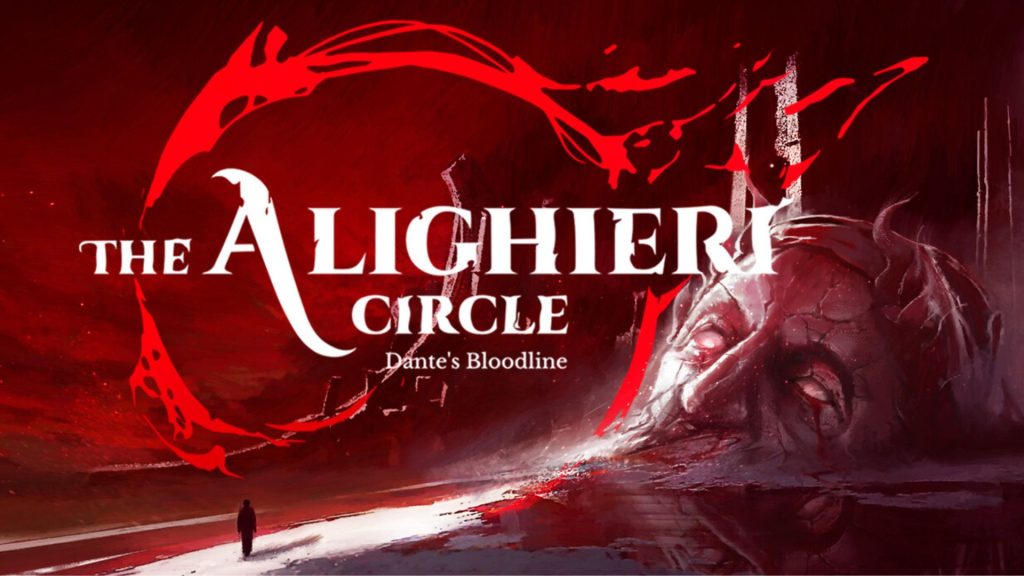
The Alighieri Circle: Dante’s Bloodline is difficult to recommend beyond players who are especially interested in Dante or enjoy solving…
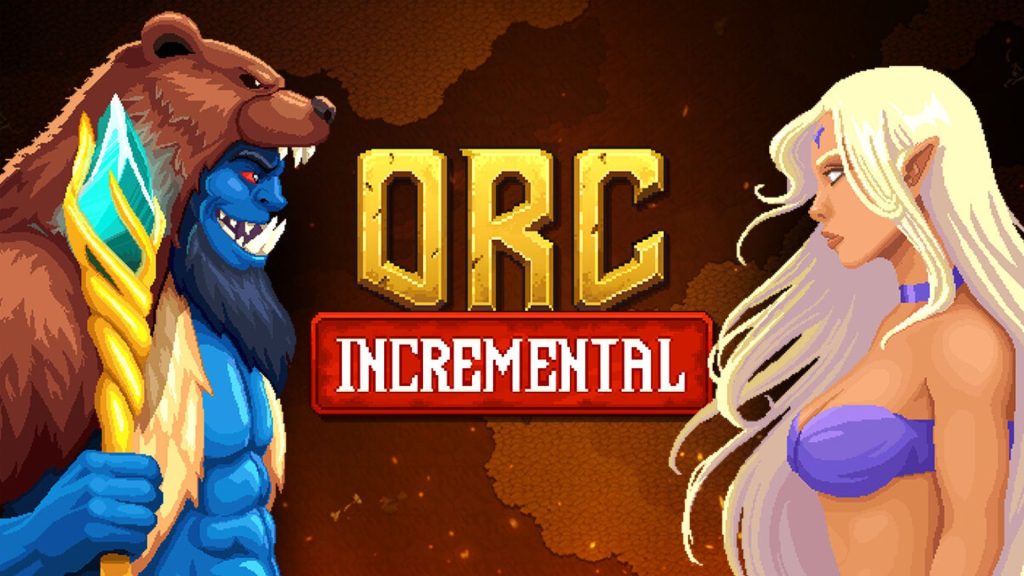
Orc Incremental offers satisfying progression, entertaining totem combinations and enough content to justify its affordable price.
![[GAMESCOM 2026] Chronoscript: The Endless End Preview – Beautiful Pages Hide Deliberate Combat](https://www.indie-games.eu/wp-content/uploads/2026/09/Chronoscript-The-Endless-End-1-1024x576.jpg)
Chronoscript: The Endless End stands out from other Metroidvanias by blending 2D manuscript worlds with exploration inside a 3D manor.
![[GAMESCOM 2026] MegaGum Preview – Combat Hits Hard in This Sticky Platforming Adventure](https://www.indie-games.eu/wp-content/uploads/2026/09/MegaGum-09-09-26-5-1024x576.jpg)
MegaGum combines hard-hitting combat, varied weapons and Gum-powered platforming in a promising Gamescom 2026 demo.
![[GAMESCOM 2026] Delphinium Preview – Cozy Routine Mixed With Enjoyable Minigames](https://www.indie-games.eu/wp-content/uploads/2026/03/Delphinium--1024x665.jpg)
Delphinium mixes cozy farming, exploration and relationships with enjoyable fishing, cooking and forging minigames in its Gamescom 2026 demo.
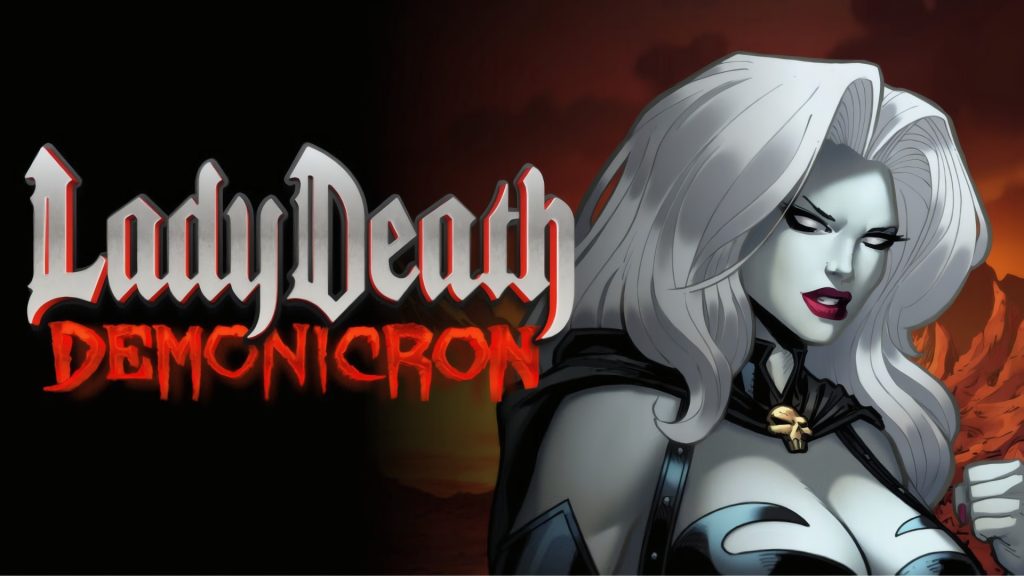
Lady Death: Demonicron looks the part, but underneath its excellent comic-book exterior is a clunky and painfully short brawler.
![[GAMESCOM 2026] Tomb Raider: Legacy of Atlantis Preview – Expands the Original Without Losing Its Identity](https://www.indie-games.eu/wp-content/uploads/2026/09/tomb-raider-legacy-of-atlantis-06-02-26-1-1024x576.jpg)
Tomb Raider: Legacy of Atlantis brings Lara back to her roots, but its Gamescom 2026 showing proved this is far…
![[GAMESCOM 2026] Clive Barker’s Hellraiser: Revival Preview – Ready to Open the Box](https://www.indie-games.eu/wp-content/uploads/2026/09/Clive-Barkers-Hellraiser-Revival-08-30-26-1-1024x576.jpg)
Hellraiser: Revival preserves the franchise’s sex, gore and psychological horror while delivering approachable survival-horror gameplay.

Swan Song creates a peaceful and forgiving puzzle space without removing the challenge that makes solving a difficult puzzle rewarding.
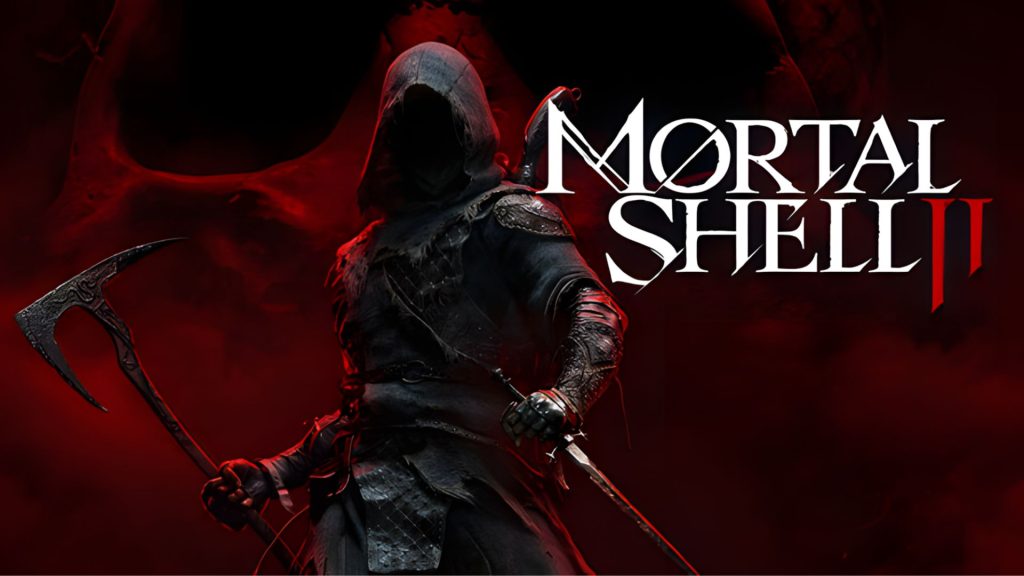
Mortal Shell II starts brilliantly but grows repetitive and exhausting, while remaining a rewarding and ambitious Soulslike sequel.
![[GAMESCOM 2026] Terranigma Preview – A Lost SNES Classic Returns in 2027](https://www.indie-games.eu/wp-content/uploads/2026/08/Terranigma-1-1024x576.jpg)
After more than three decades of limited availability, Terranigma is returning in 2027. We played its enhanced re-release at Gamescom…
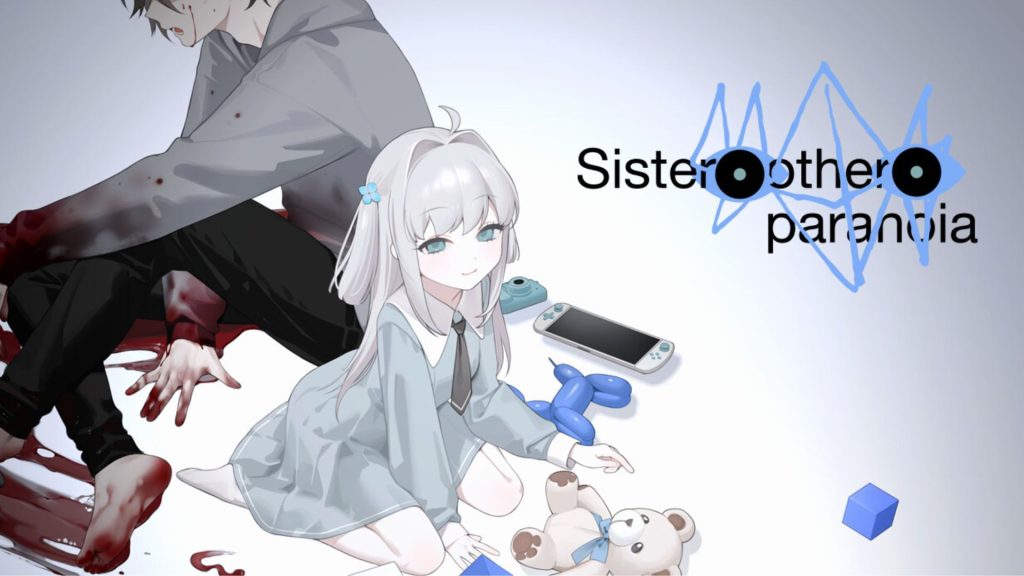
Reading another person’s mind is often presented as a desirable superpower, but Sister Other Paranoia immediately understands why it could…
