![[GAMESCOM 2026] Clive Barker’s Hellraiser: Revival Preview – Ready to Open the Box](https://www.indie-games.eu/wp-content/uploads/2026/09/Clive-Barkers-Hellraiser-Revival-08-30-26-1-1024x576.jpg)
[GAMESCOM 2026] Clive Barker’s Hellraiser: Revival Preview – Ready to Open the Box
Hellraiser: Revival preserves the franchise’s sex, gore and psychological horror while delivering approachable survival-horror gameplay.


If you enjoy independent indie game coverage, consider supporting Indie-Games.eu on Patreon. It helps keep the site independent.
If you are a fan of any of the following games: Amnesia: The Dark Descent, Resident Evil 7 Biohazard, Firewatch, The Vanishing of Ethan Carter, Call of Cthulhu, P.T., Remothered: Tormented Fathers, you will probably feel déjà vu when you hear about The Beast Inside.
Although this first-person horror adventure is clearly inspired by the aforementioned titles, it uses familiar themes and mechanics in its own way, creating an entirely new experience for everyone who enjoys tense stories, intriguing puzzles, and intense challenges. Even though we are joining this party a bit late, it is worth noting that this game from Illusion Ray studio still holds up quite well more than five years after its release.
The Beast Inside combines an intriguing narrative adventure with a chilling survival horror experience. The plot begins in 1979 when Adam, a CIA cryptanalyst, leaves the city and moves to the countryside with his wife, Emma. While he tries to decipher a military code to change the course of the Cold War, strange things begin to happen in the area.
It all starts with a mysterious diary written by a man named Nicolas Hyde, who coincidentally lived in the same house back in the 19th century. When the stories of these two men inevitably collide, Adam and Emma find themselves in great danger. It’s up to the players to decide their fate and discover how these stories are connected.
Switching between two protagonists in different time periods makes the game more interesting and elaborate. Over 13 chapters, we traverse a spy thriller and supernatural horror, both leading to the ultimate twist. Adam’s perspective is focused more on solving puzzles and looking for clues in the nearby forest. These sequences are not designed to scare us, as they mostly take place during the day and there is no active threat to the character; instead, the game creates a feeling of suspicion and unease, heightened by the inevitable sense of being watched. I find these parts of the game far better balanced than those with Nicolas, where the horror and intense experiences are at the forefront.
The story from the 1860s brings much more variety in terms of exploration and deadly scenarios. Exploring a haunted inn, an abandoned mine, or a gloomy swamp area involves facing unexpected dangers, either by fleeing or fighting. It is then that the best and worst aspects of the game become clearer; while some parts deliver incredibly effective moments of fear and epic battles, it doesn’t take much for the gameplay to turn into a walking simulator with creepy voices in the background.


In The Beast Inside you will encounter many familiar themes: mysterious buildings, hidden codes, religious symbols, Gothic art (especially the story of Dr. Jekyll and Mr. Hyde), political conflicts, dark heritage, and the like. The game combines elements already seen in other games and media; for example, the design of Adam’s house strongly resembles the house from The Conjuring.
The inspiration from the film industry is also evident in the visuals—many environmental shots have a cinematic feel, especially when it comes to the play of light. These atmospheric scenes of nature somewhat compensate for the slightly less impressive design of the human characters, who are solid but not overly memorable.
What immediately catches the eye is the exceptional attention to detail. Even small things like the paintings on the walls, specific phrases in dialogues, and hidden collectibles provide a deeper context to the story. The same attention is noticeable in the excellently crafted atmosphere; the timing of the music and the placement of jumpscares are almost a textbook example of the correct application of horror elements. However, while I appreciate the creativity with sound, the overuse of jumpscares featuring various monsters quickly becomes more irritating than effective.


I mentioned that Adam’s timeline was more consistent for me than Nicolas’s, primarily due to the gameplay mechanics. Since Adam is a cryptanalyst, we solve puzzles related to deciphering messages and breaking codes, and there is even a task where you have to solve the Enigma code. The game not only shows the actual mechanics of that machine but also the historical context of its use, which I found extremely interesting. Uncovering secrets is also linked to another excellent mechanic — the quantum localizer.
This tool allows you to track previous movements and locate anomalies, which is a fantastic addition to the gameplay. It makes the player feel like a secret agent uncovering a conspiracy, which is much more engaging than just walking. Furthermore, the localizer prevents us from getting lost in the semi-open world, which could easily happen at certain moments.
As for Nicolas’s perspective, it follows its own rules. While exploration also brings rewards (like kerosene for the lantern or newspaper clippings about the family), the gameplay and story are primarily focused on facing threats. There are many options, but not all are equally successful. For example, the revolver we get for just one boss battle and never use again. Or the stealth and distraction sections, which play a large role in two chapters (the mine and the swamp), for me personally the most memorable parts of the game, but in a negative sense, because they were the most boring and repetitive.
The same goes for the running sequences; they were solid but overused. Only the boss battles bring true variety, although I must admit they handled the battle in the mine superbly. The sound was perfect, the game’s pace was spot-on, and the chase sequence forced you to turn around and close gates, which further increased the tension. The final part of that encounter, which combined parkour, precise movement timing, and environmental usage, was even better for me than the final confrontation in Nicolas’s timeline.


Taking elements from others can help improve ideas and their execution, but if different parts are combined without a clear vision, the result can be chaotic. The Beast Inside introduces some unique and fun concepts, but they are often lost in generic gameplay and a predictable story. Still, despite struggling with its own identity, the game still offers a pretty solid thriller experience with survival elements.
| Advantages | Disadvantages |
|---|---|
| Great story with lots to discover. | Overused jump scares. |
| Cinematic presentation. | Repetitive sections. |
| Rewarding exploration. | Can sometimes feel confusing. |
| Relevant references and motifs. | Uneven distribution of tension. |
Review copy provided by the publisher
Hellraiser: Revival preserves the franchise’s sex, gore and psychological horror while delivering approachable survival-horror gameplay.

Swan Song creates a peaceful and forgiving puzzle space without removing the challenge that makes solving a difficult puzzle rewarding.
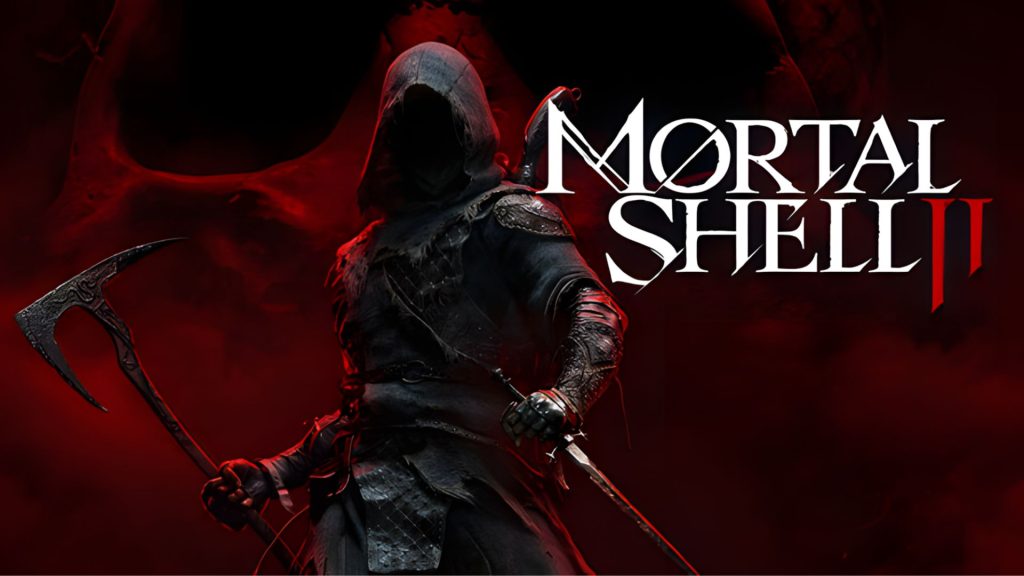
Mortal Shell II starts brilliantly but grows repetitive and exhausting, while remaining a rewarding and ambitious Soulslike sequel.
![[GAMESCOM 2026] Terranigma Preview – A Lost SNES Classic Returns in 2027](https://www.indie-games.eu/wp-content/uploads/2026/08/Terranigma-1-1024x576.jpg)
After more than three decades of limited availability, Terranigma is returning in 2027. We played its enhanced re-release at Gamescom…

Reading another person’s mind is often presented as a desirable superpower, but Sister Other Paranoia immediately understands why it could…
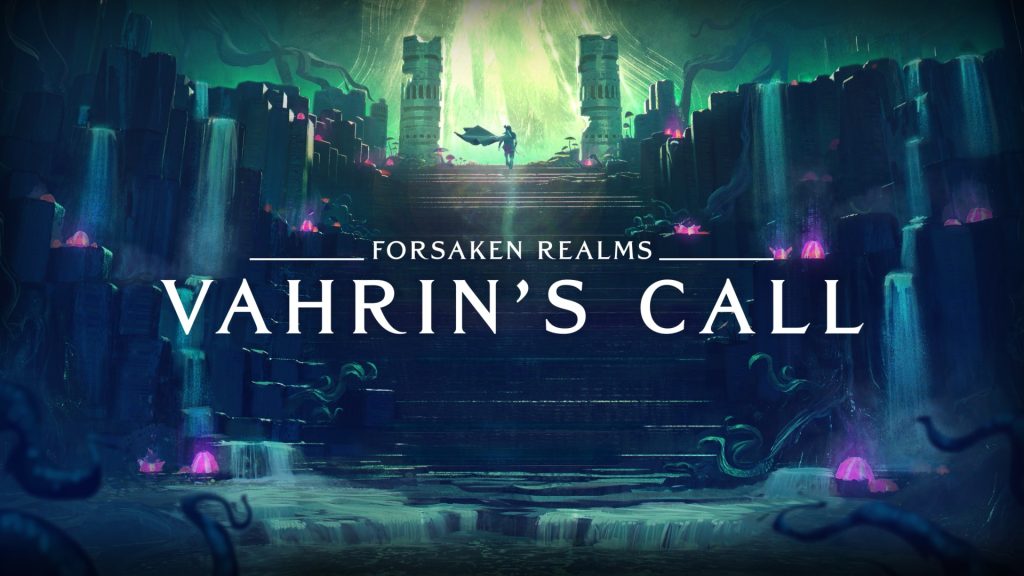
Forsaken Realms: Vahrin’s Call is exactly the kind of ambitious, slightly clumsy fantasy RPG that used to be far more…
![[Early Access] 2nd EVE – Sci-Fi Action RPG That Lacks a Sense of Stakes](https://www.indie-games.eu/wp-content/uploads/2026/08/2ND-EVE-1024x576.jpg)
2nd Eve is a space-set action RPG in which we strive to save humanity.
![[PREVIEW] Dreamcards – Strategic Exploration of Consciousness](https://www.indie-games.eu/wp-content/uploads/2026/08/Dreamcards_20260810_233631_0000-1024x576.jpg)
Dreamcards is a roguelike deckbuilder centered around dreams and nightmares.
![[Early Access] OFFBEAT – Incredibly Fun Way to Start a Music Career](https://www.indie-games.eu/wp-content/uploads/2026/08/Offbeat_20260808_201446_0000-1024x576.jpg)
In OFFBEAT, we play the role of a jobbing composer who is launching their music career.
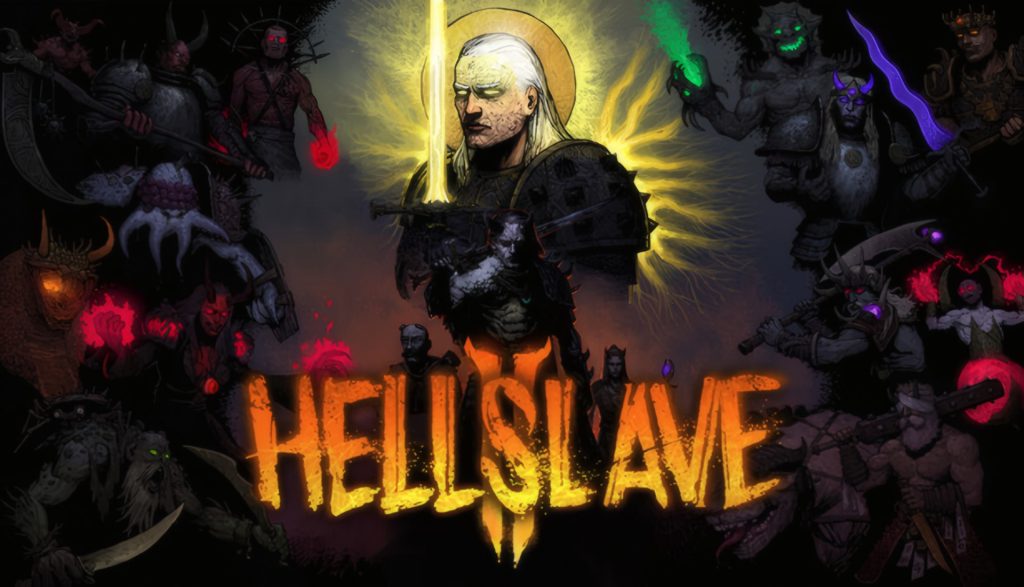
HellSlave II retains the original’s oppressive atmosphere, morally grey world and striking art while adding a larger world, randomized loot…
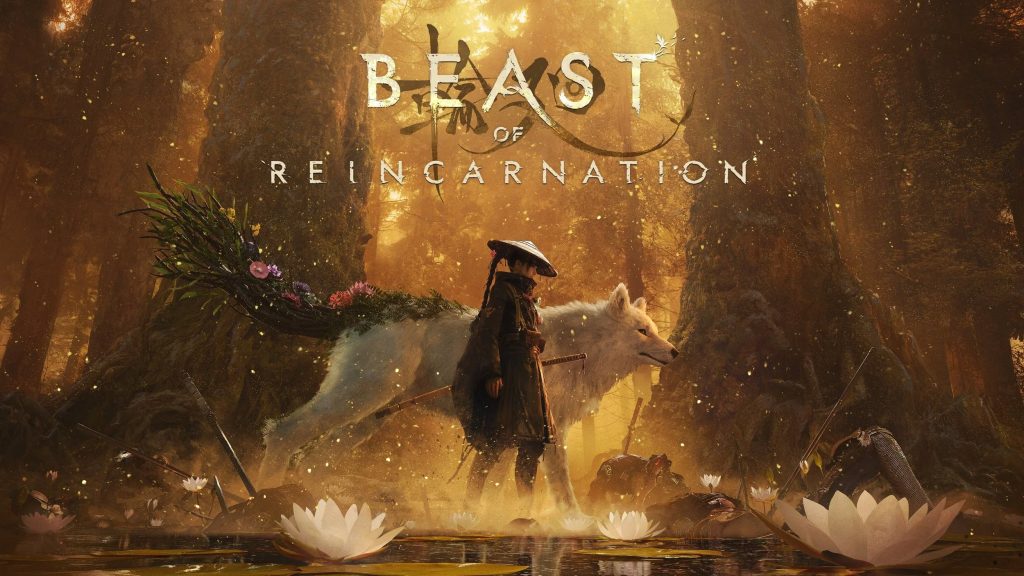
Beast of Reincarnation is an ambitious but uneven action RPG elevated by satisfying parry combat, beautiful art direction and the…

K-pop Idol Stories: Road to Debut captures the pressure of building idol group, but its management systems never explore that…
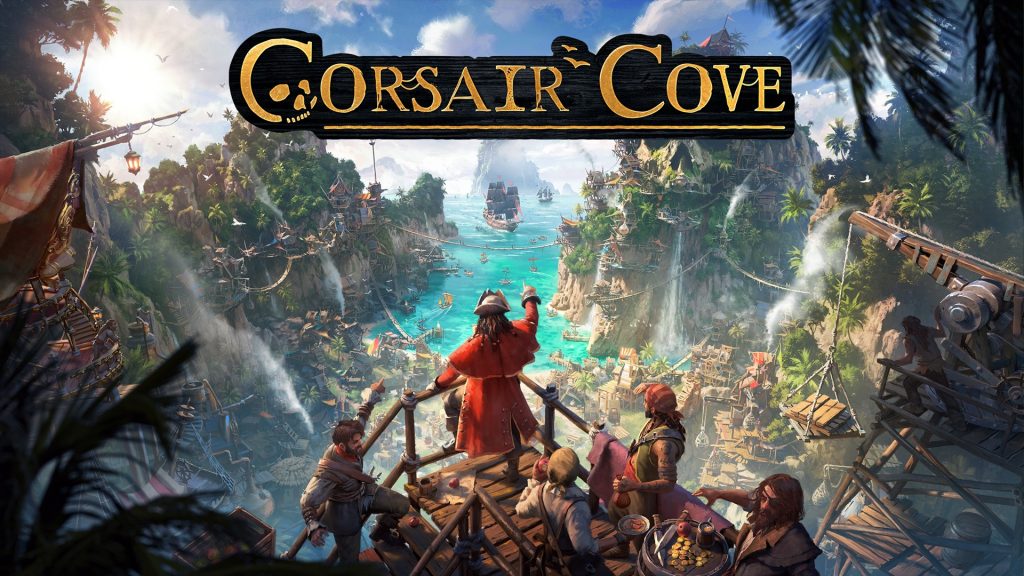
Hooded Horse keeps finding strategy games that know their audience, and Corsair Cove extends its impressive run of excellent city-builders.
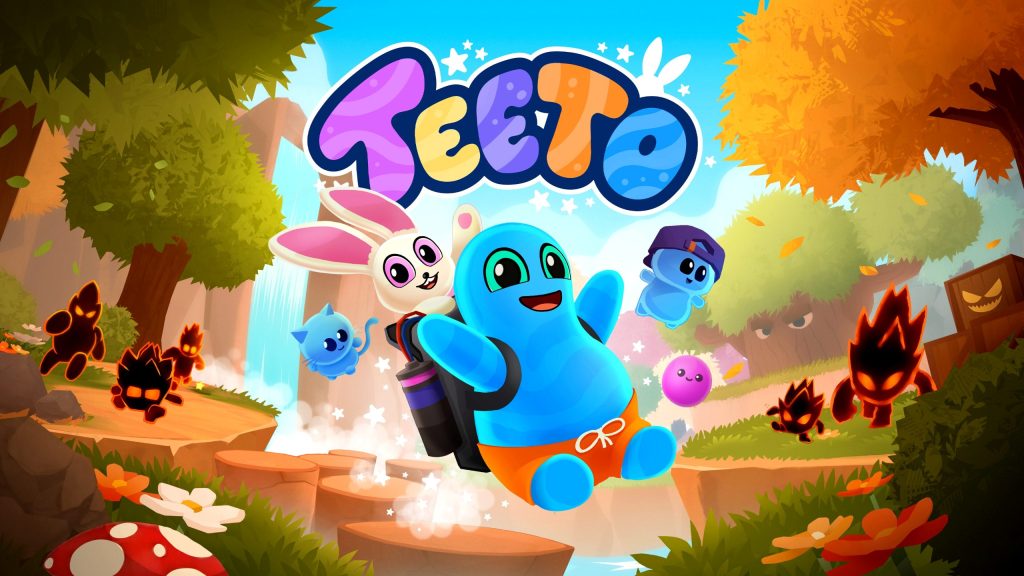
Teeto is a warm, cozy, creative and highly enjoyable 3D platformer that understands why classic collectathons remain so appealing.
Turnip Mountain stands out for its combination of a unique control system and a minimalist approach.
Dystopicon is an imaginative and memorable narrative experiment with sharp social commentary, engaging world-building and several wonderfully absurd scenarios.
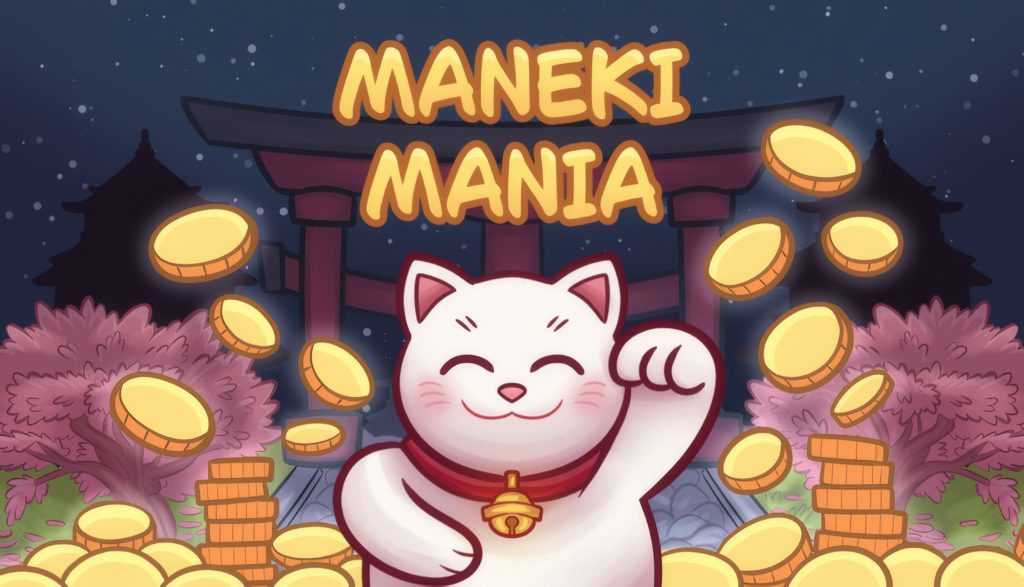
Maneki Mania is an incremental game centered around petting a lucky cat.
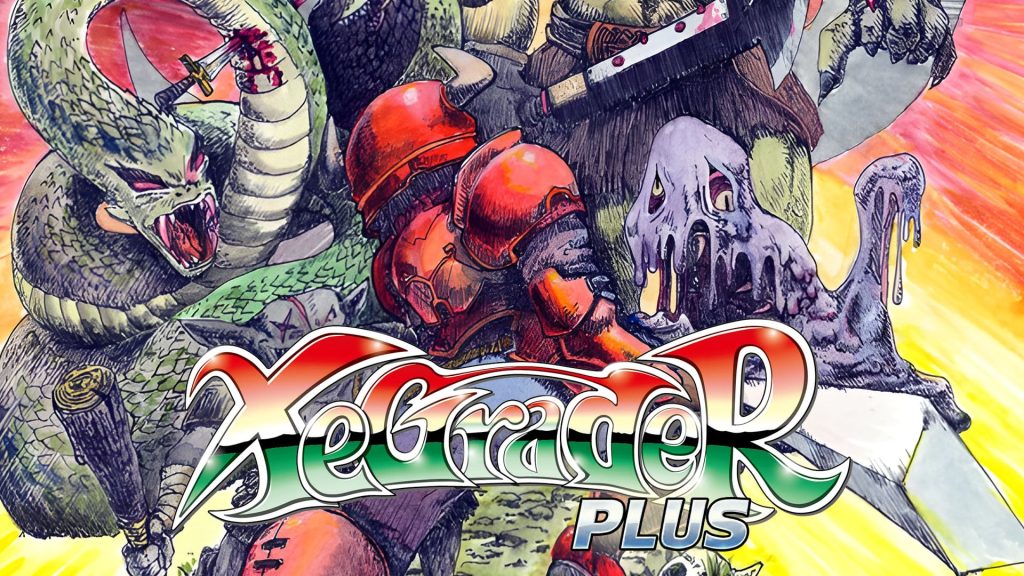
XeGrader Plus delivers colorful retro shooting, but basic mechanics, a short campaign and paid retro modes make its €20 price…
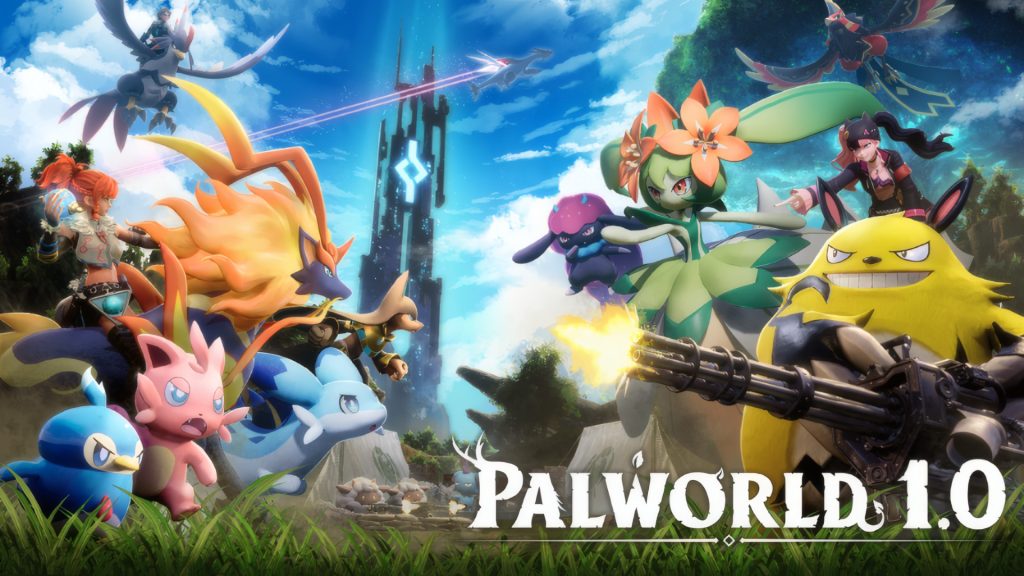
It has been roughly two and a half years since Palworld first entered Early Access, and quite a lot has…
![[EARLY ACCESS] The Last Caretaker – Survival Game I Cannot Stop Playing](https://www.indie-games.eu/wp-content/uploads/2026/07/The-last-Caretaker-Key-Art-1024x587.jpg)
The Last Caretaker is a compelling survival crafter with a flooded world and mobile base, but weak combat and performance…
