![[GAMESCOM 2026] Clive Barker’s Hellraiser: Revival Preview – Ready to Open the Box](https://www.indie-games.eu/wp-content/uploads/2026/09/Clive-Barkers-Hellraiser-Revival-08-30-26-1-1024x576.jpg)
[GAMESCOM 2026] Clive Barker’s Hellraiser: Revival Preview – Ready to Open the Box
Hellraiser: Revival preserves the franchise’s sex, gore and psychological horror while delivering approachable survival-horror gameplay.


If you enjoy independent indie game coverage, consider supporting Indie-Games.eu on Patreon. It helps keep the site independent.
KARMA: The Dark World is a psychological thriller inspired by the bizarre worlds of David Lynch, the intricate narratives of Christopher Nolan, and the dark themes of Orwell’s 1984. Developed by Pollard Studio, a small Chinese team, the game uses Unreal Engine 5 to deliver stunning visuals alongside a chilling atmosphere.
You play as Daniel McGovern, an agent working for a powerful, controlling government. His task is to enter people’s minds and uncover crimes before they happen. What begins as a routine case quickly unravels into a confusing web of lies, love, and lost memories, where nothing is as it seems. While the game delivers strong moments and a bold vision, some parts are less polished and don’t fully meet its ambitious potential.

KARMA feels more like an interactive film than a traditional game. It follows the style of so-called walking simulators, featuring simple puzzles. As Daniel, you use special technology to enter other people’s memories, moving through surreal, unusual versions of offices, hospitals, and other locations. The game focuses on three key elements: environmental exploration, object interaction, and solving straightforward puzzles. There’s no map or guidance, the game expects you to carefully observe and piece together the story yourself, creating a slower, more contemplative pace.
The puzzles naturally integrate with the narrative and serve as obstacles guiding you forward. Some are simple, like finding a key in a drawer, while others require more effort, such as unlocking a lock using environmental clues. Most have logical solutions, and if you pay attention, answers are usually easy to find, even if you get temporarily lost. In some cases, you might need to align symbols on a box or listen to a recording to retrieve a code.
However, some puzzles can be frustrating, not because they are inherently difficult, but because of how they are implemented. Later in the game, there’s a puzzle where you must align symbols in a constantly shifting room, but movement is slow, and the game provides no feedback on whether you are doing it correctly. Another troublesome puzzle involves a coded box, with clues hidden in story objects you may have overlooked. These moments may put off players who dislike random guessing or retracing areas, especially since there are no hints to aid in solving them.

The game’s simple design has both pros and cons. You cannot lose, nor is there a time limit, allowing you to focus entirely on the eerie atmosphere. However, the gameplay remains largely the same throughout, mostly revolving around walking and clicking. The game relies heavily on its story; if you enjoy the plot, it works well and keeps you engaged. But if the narrative doesn’t capture you, the gameplay itself isn’t rich enough to hold your attention.
In addition to slow-paced exploration, the game includes scripted escape sequences that abruptly shift the contemplative pace into adrenaline-fueled chases. These moments occur when Daniel—or the person whose memories you are exploring—encounters horrifying creatures. You may face a giant monster with a TV for a head or a dark beast composed of broken memories. One of the tensest escape scenes occurs while playing as Sean Mehndez, a researcher with only one leg. His limping slows him down as you flee a monster through an office, heightening the sense of panic in the sequence.
An Intricate Web of Symbols
KARMA’s story is set in a distorted version of East Germany in 1984. In this dark world, the omnipotent Leviathan Corporation constantly monitors citizens. They use mind-controlling drugs and promise a perfect society. What begins as a routine case quickly escalates into a much more complex narrative involving spies, hidden family secrets, and questions about what is real.

The story actually spans from 1966 to 1984, shifting between the perspectives of different characters. When Daniel enters other people’s memories, it becomes difficult to discern what truly happened and what is merely a reflection of their consciousness. The game tackles major themes such as control, identity, and coping with loss. Things also become increasingly bizarre over time, you’ll encounter officials with televisions for heads and endless piles of paper documents that convey the brutality of bureaucracy, alongside the mysterious speeches of the “Mother,” the omnipresent voice of the corporation.
The narrative is full of sudden twists, reminiscent of Christopher Nolan films, and also hints at the existence of alternate realities. Orwell’s influence is felt in the way the government constantly monitors citizens. Certain scenes stand out, for example, when a memory abruptly shifts from a chaotic dream to reality, revealing how a character’s mind operates. However, the story attempts to cover too much at once. It is full of symbols, like watchful eyes and blood-red curtained rooms, but these elements can often be confusing. The biggest issue is the midsection of the game, which progresses too slowly, with some scenes repeating too often and disrupting the pacing.
The most impressive aspect of KARMA is undoubtedly its presentation. Unreal Engine 5 fully showcases its capabilities here; Lumen lighting and Nanite geometry create a world that is simultaneously photorealistic and surreal. You will see the gray, cold atmosphere of East Germany, flickering lights, and then be abruptly transported into hallucinatory memory worlds, oceans under starry skies, or melting rooms. Characters are highly detailed thanks to motion capture technology, with particular attention paid to Daniel’s hands, which look realistic and are animated with remarkable precision. Transitions between the bleak reality and psychedelic memories are seamless, turning every scene into a visual spectacle.

The music and sound effects perfectly complement the game’s visual side. The soundtrack blends orchestral compositions with original songs, creating tension or sadness when needed. Clever audio details, such as various echoes, distorted voices, and the sounds of stamping documents, further enhance the eerie atmosphere. The voice acting is generally very convincing, with Jack Ayres as Daniel standing out in particular, perfectly conveying a sense of loss and despair. Unfortunately, some supporting characters are less memorable.
When KARMA works as intended, it can be an incredibly powerful experience. It creates a heavy, tense atmosphere, is visually spectacular, and delivers unforgettable moments, especially when you gradually uncover a character’s painful past. As Pollard Studio’s first project, the game demonstrates that the team has ambitious creative ideas and strong technical skills. However, the gameplay is very simple—perhaps even too simple. There aren’t enough interactive elements to fully justify its cinematic style.
It’s the kind of game you respect more than you truly enjoy. If you appreciate unusual, surreal stories, dark futuristic worlds, or experimental games, it may fascinate you, but only if you don’t expect perfection. For others, the game might feel like a beautiful puzzle missing some of its crucial central pieces. It doesn’t fully succeed, but its boldness and originality stand out compared to safer, more predictable titles. Despite its flaws, it’s intriguing enough to be worth trying.
| Pros | Cons |
|---|---|
| Visually impressive game. | Lacks real gameplay. |
| Excellent soundtrack and horror elements. | Story is quite confusing. |
| Interesting premise. | Gameplay can be slow. |
| Atmospheric world. | Sometimes feels more like a movie than a game. |
Review copy provided by the publisher
Hellraiser: Revival preserves the franchise’s sex, gore and psychological horror while delivering approachable survival-horror gameplay.

Swan Song creates a peaceful and forgiving puzzle space without removing the challenge that makes solving a difficult puzzle rewarding.
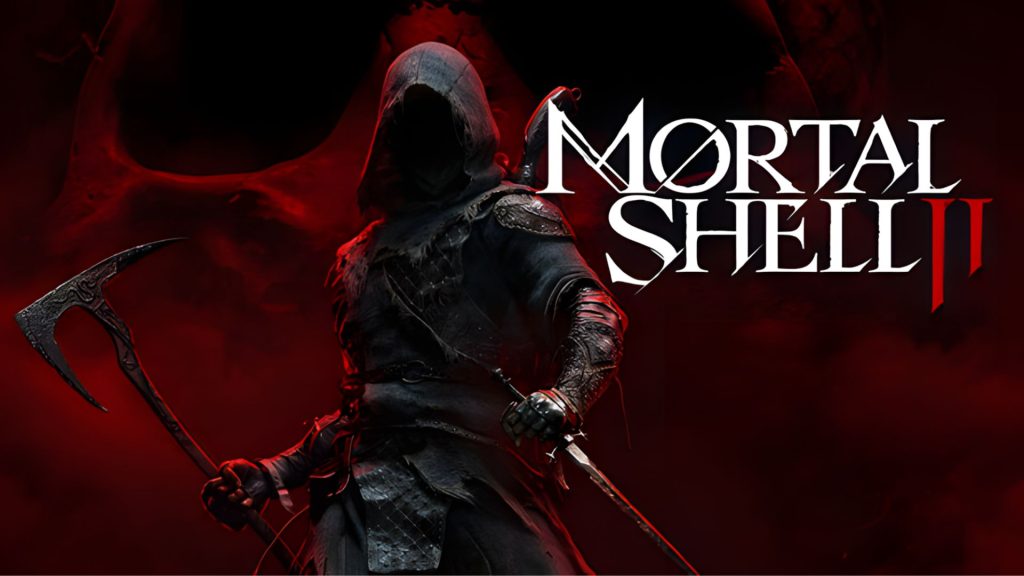
Mortal Shell II starts brilliantly but grows repetitive and exhausting, while remaining a rewarding and ambitious Soulslike sequel.
![[GAMESCOM 2026] Terranigma Preview – A Lost SNES Classic Returns in 2027](https://www.indie-games.eu/wp-content/uploads/2026/08/Terranigma-1-1024x576.jpg)
After more than three decades of limited availability, Terranigma is returning in 2027. We played its enhanced re-release at Gamescom…

Reading another person’s mind is often presented as a desirable superpower, but Sister Other Paranoia immediately understands why it could…
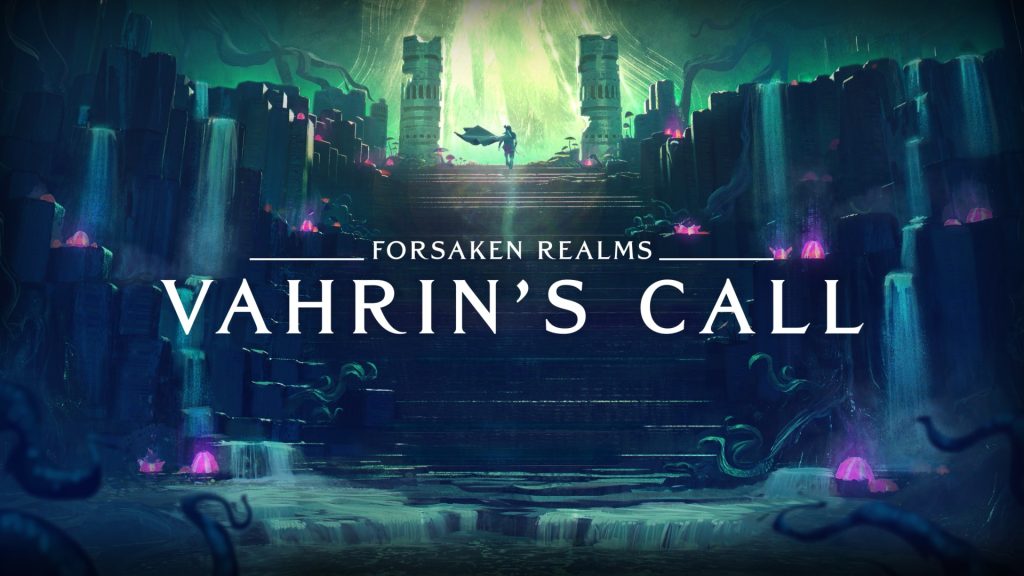
Forsaken Realms: Vahrin’s Call is exactly the kind of ambitious, slightly clumsy fantasy RPG that used to be far more…
![[Early Access] 2nd EVE – Sci-Fi Action RPG That Lacks a Sense of Stakes](https://www.indie-games.eu/wp-content/uploads/2026/08/2ND-EVE-1024x576.jpg)
2nd Eve is a space-set action RPG in which we strive to save humanity.
![[PREVIEW] Dreamcards – Strategic Exploration of Consciousness](https://www.indie-games.eu/wp-content/uploads/2026/08/Dreamcards_20260810_233631_0000-1024x576.jpg)
Dreamcards is a roguelike deckbuilder centered around dreams and nightmares.
![[Early Access] OFFBEAT – Incredibly Fun Way to Start a Music Career](https://www.indie-games.eu/wp-content/uploads/2026/08/Offbeat_20260808_201446_0000-1024x576.jpg)
In OFFBEAT, we play the role of a jobbing composer who is launching their music career.
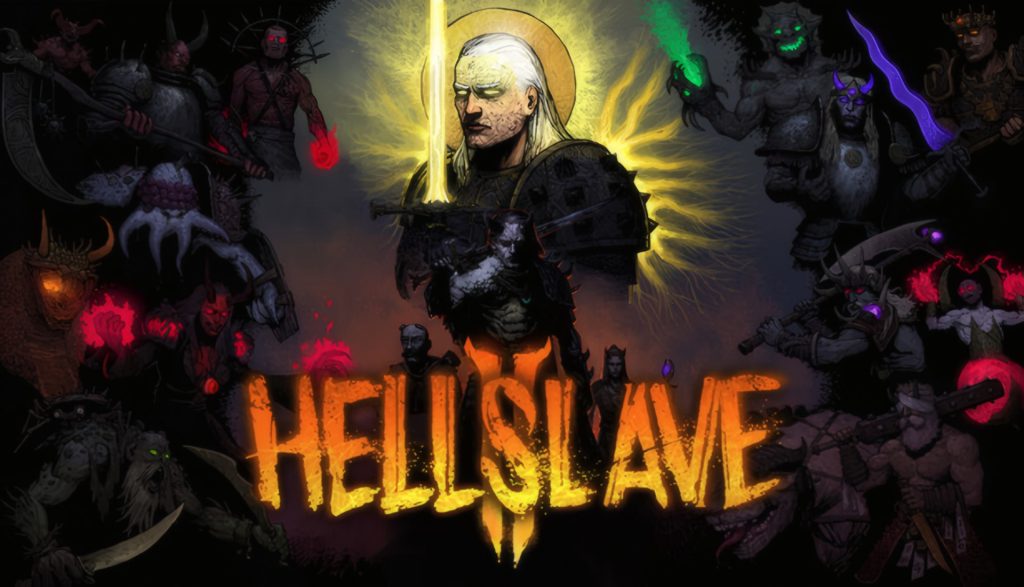
HellSlave II retains the original’s oppressive atmosphere, morally grey world and striking art while adding a larger world, randomized loot…
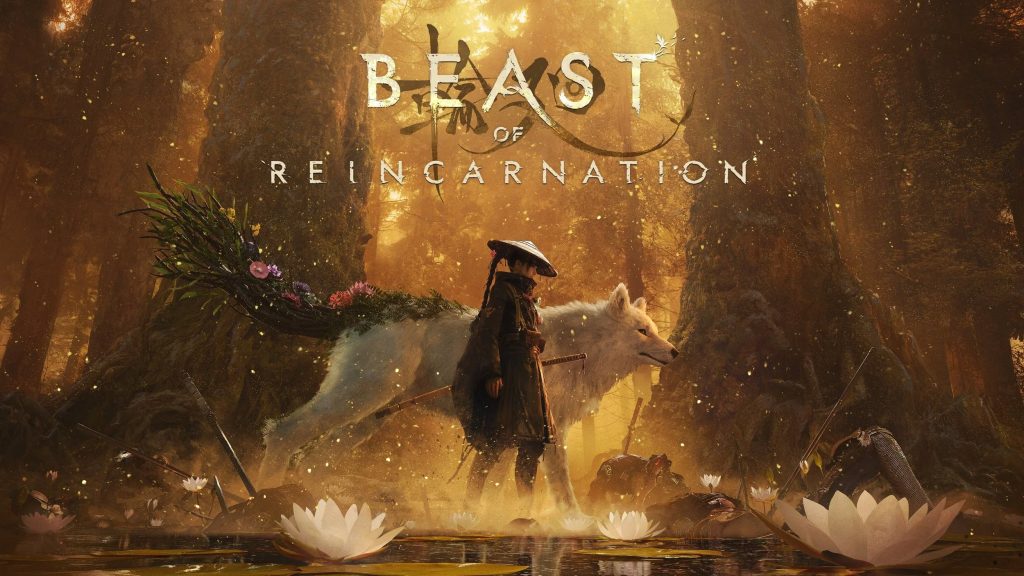
Beast of Reincarnation is an ambitious but uneven action RPG elevated by satisfying parry combat, beautiful art direction and the…

K-pop Idol Stories: Road to Debut captures the pressure of building idol group, but its management systems never explore that…
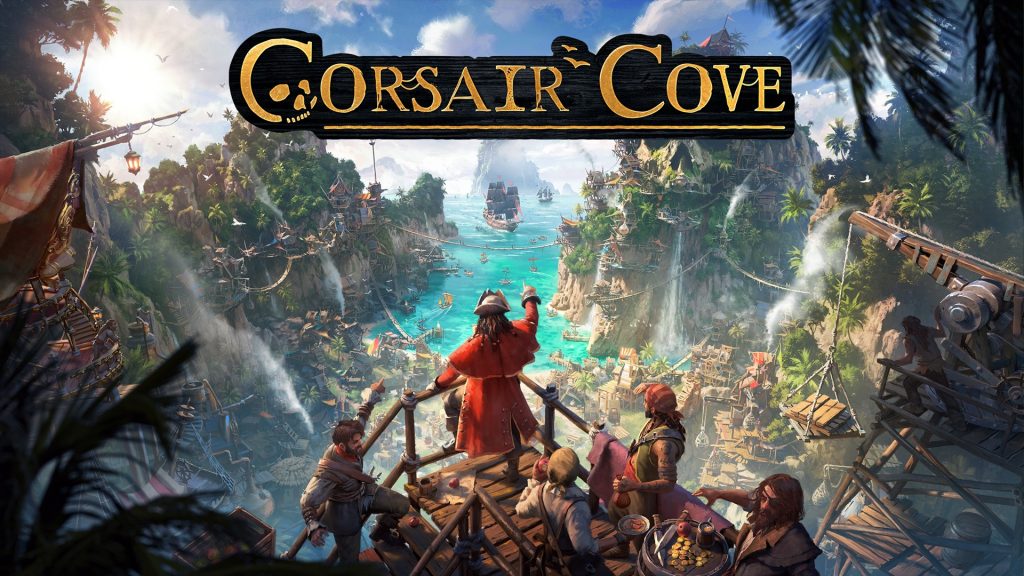
Hooded Horse keeps finding strategy games that know their audience, and Corsair Cove extends its impressive run of excellent city-builders.
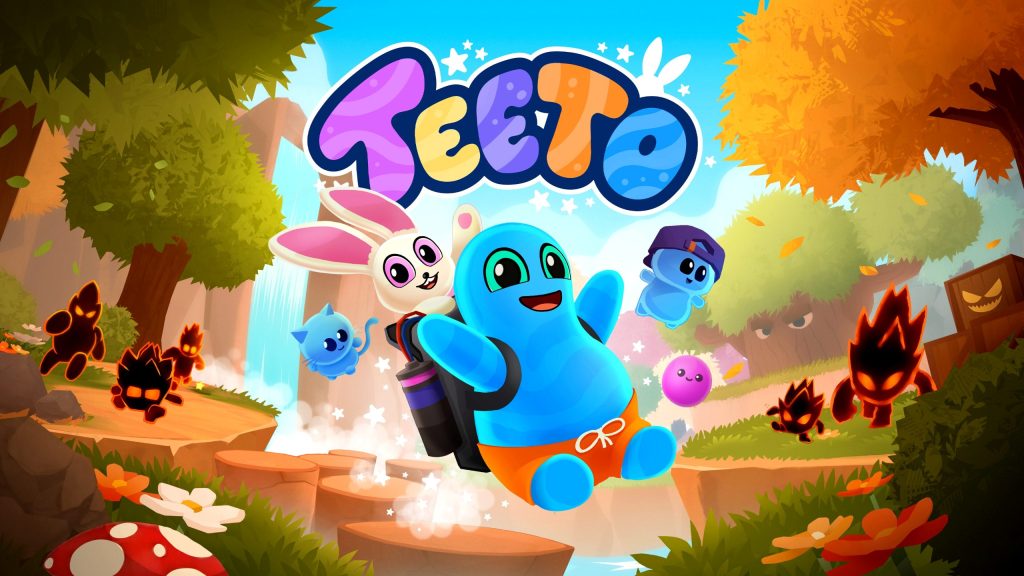
Teeto is a warm, cozy, creative and highly enjoyable 3D platformer that understands why classic collectathons remain so appealing.

Turnip Mountain stands out for its combination of a unique control system and a minimalist approach.
Dystopicon is an imaginative and memorable narrative experiment with sharp social commentary, engaging world-building and several wonderfully absurd scenarios.

Maneki Mania is an incremental game centered around petting a lucky cat.
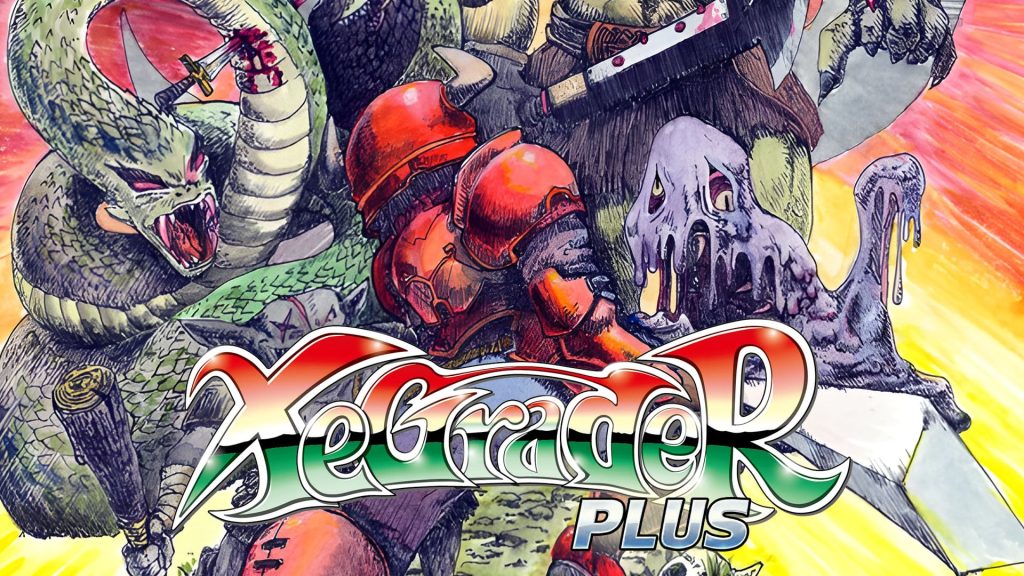
XeGrader Plus delivers colorful retro shooting, but basic mechanics, a short campaign and paid retro modes make its €20 price…
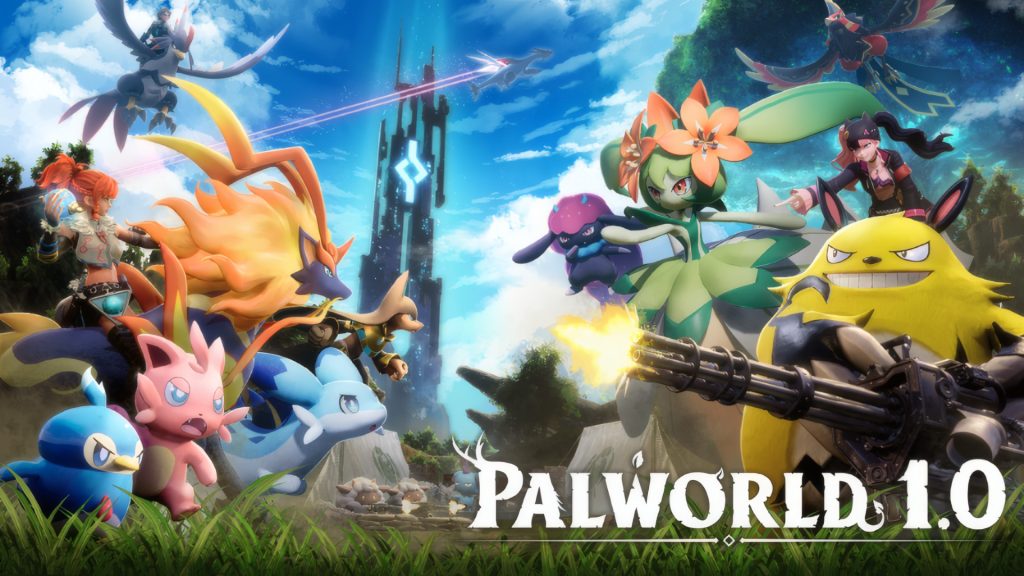
It has been roughly two and a half years since Palworld first entered Early Access, and quite a lot has…
![[EARLY ACCESS] The Last Caretaker – Survival Game I Cannot Stop Playing](https://www.indie-games.eu/wp-content/uploads/2026/07/The-last-Caretaker-Key-Art-1024x587.jpg)
The Last Caretaker is a compelling survival crafter with a flooded world and mobile base, but weak combat and performance…
