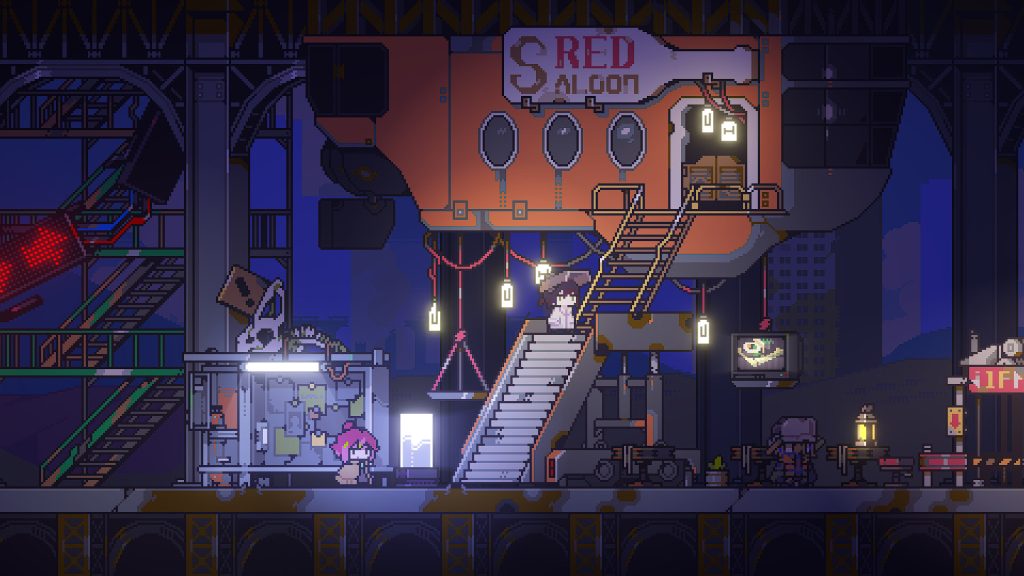
Doloc Town Reaches 180,000 Lifetime Sales After Version 1.0 Launch
Doloc Town surpasses 180,000 lifetime sales after selling more than 80,000 copies during the first two weeks following its Version…

If you enjoy independent indie game coverage, consider supporting Indie-Games.eu on Patreon. It helps keep the site independent.
In a recent interview, Mark Cerny confirmed that machine learning-based frame generation is in development for PlayStation platforms. The feature, being built in close collaboration with AMD, is designed to generate additional frames using AI, potentially pushing games from 60 frames per second toward a smoother, higher perceived output such as 120 frames per second. However, despite Cerny also made it clear that nothing related to this will be released in 2026, strongly suggesting that it is being prepared for future hardware rather than current systems.
This work is part of a broader partnership between Sony and AMD under what’s known as Project Amethyst, a collaboration that has already produced results. One of those is PlayStation Spectral Super Resolution, or PSSR, which powers improved image quality on newer PlayStation hardware. The same effort is now extending into frame generation, specifically tied to AMD’s next evolution of its upscaling technology, FidelityFX Super Resolution, often referred to as FSR Redstone.
Unlike earlier techniques that relied on more traditional interpolation methods, this newer approach uses machine learning models to predict and insert frames between rendered ones, creating smoother motion without fully doubling the rendering workload. If you’ve been following developments on the PC side, this will sound familiar. Frame generation has become a major focus in recent years, offering a way to significantly improve perceived performance, especially when a game already runs at a stable baseline frame rate.
The idea is simple on paper but complex in execution: instead of relying purely on hardware power to render every frame, the system intelligently fills in the gaps. When it works well, the result is noticeably smoother gameplay, though it can come with trade-offs such as minor visual artifacts or increased input latency if the base performance isn’t strong enough. At the same time, the lack of a near-term release window is telling.
By ruling out 2026, Cerny effectively confirms that this isn’t something coming to the current PlayStation lineup anytime soon, including the PS5 or even the PS5 Pro. Instead, it points toward the next generation, most likely the PlayStation 6, as the platform where this technology will fully materialize. That positions frame generation not as a mid-cycle upgrade, but as a foundational feature of what comes next.
Doloc Town surpasses 180,000 lifetime sales after selling more than 80,000 copies during the first two weeks following its Version…
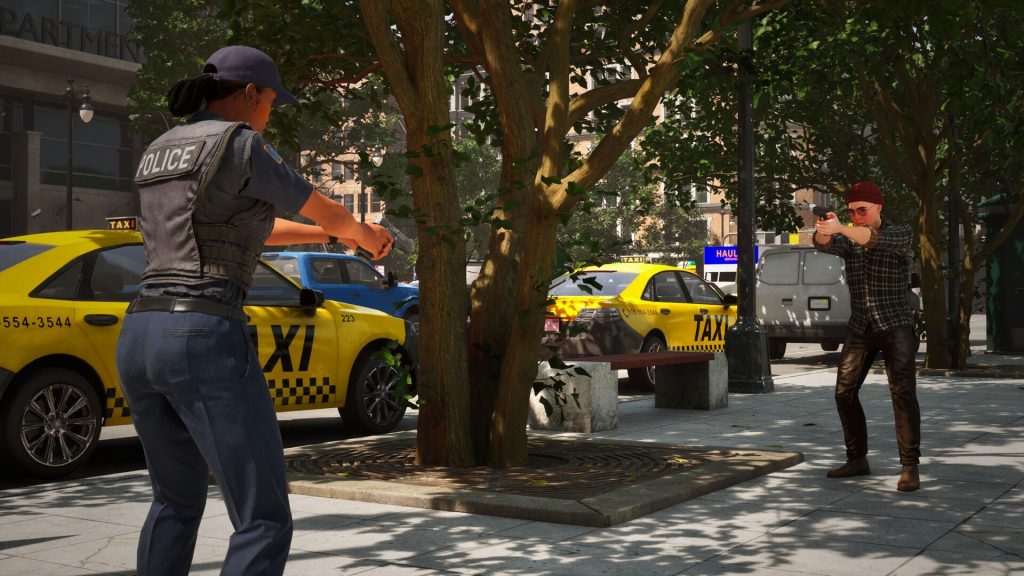
Police Simulator introduces K-9 patrols, more than 50 callouts and full cross-play when it launches for PC and consoles in…
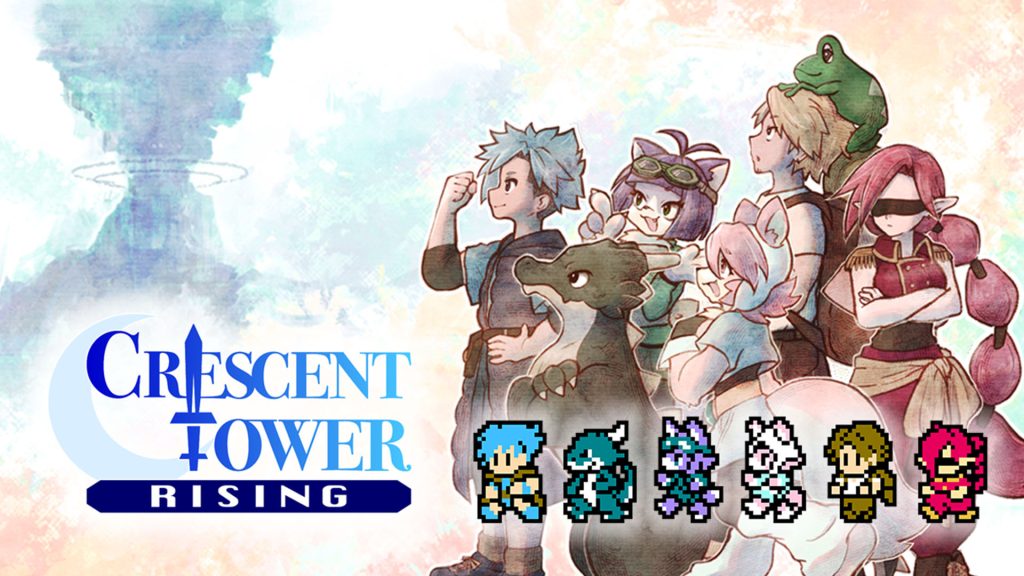
Crescent Tower: RISING brings five connected stories, 14 classes and a new Skill Blocks system to PC through Steam.
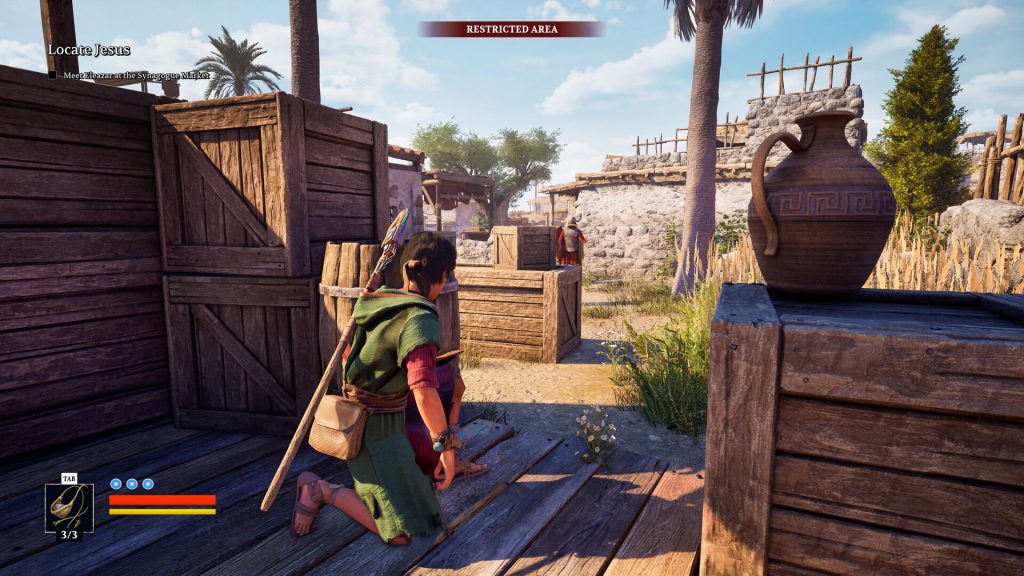
Gate Zero's first combat trailer sends Max into the time-corrupted EON World ahead of its spring 2027 launch.
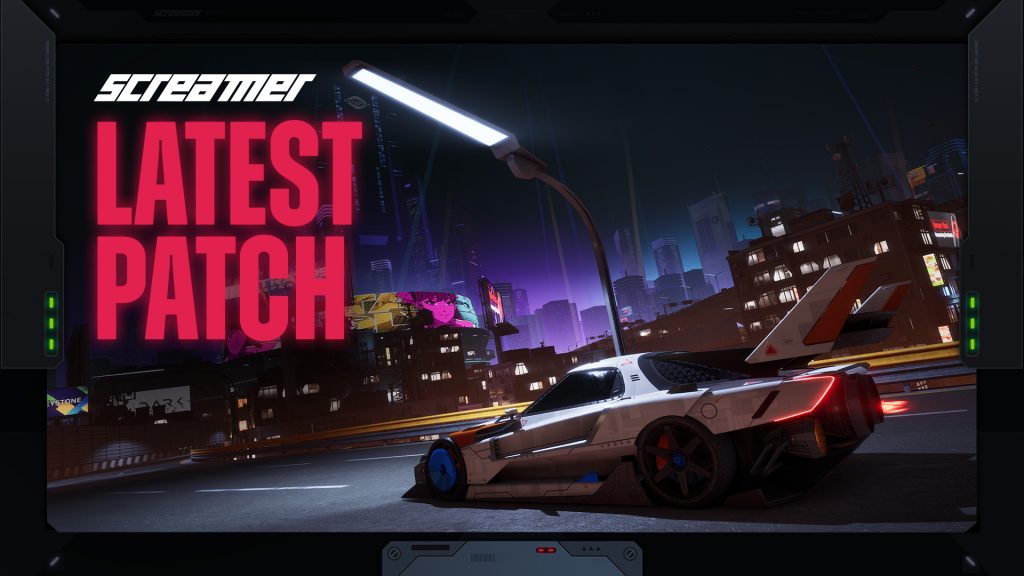
Screamer’s August 31st update buffs several characters, changes its first-boot behaviour and addresses leaderboard cheating.

Cloudgazer turns cloud watching into a relaxing hidden-object game when it launches for Steam, iOS and Android on September 3rd,…
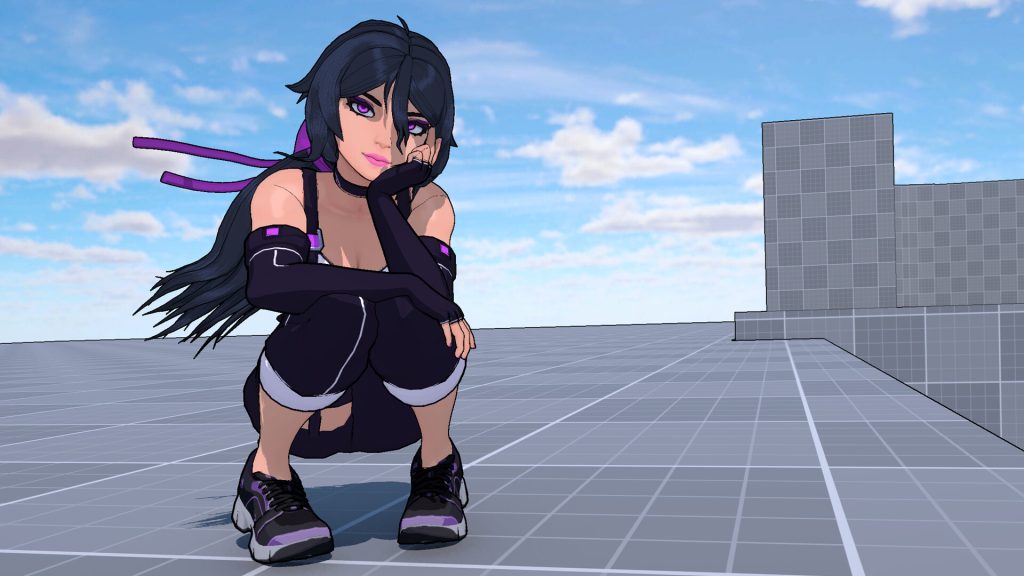
Tachyon Flow is a coming-soon PC runner built around skill-based momentum, freeform routes and expressive third-person parkour.
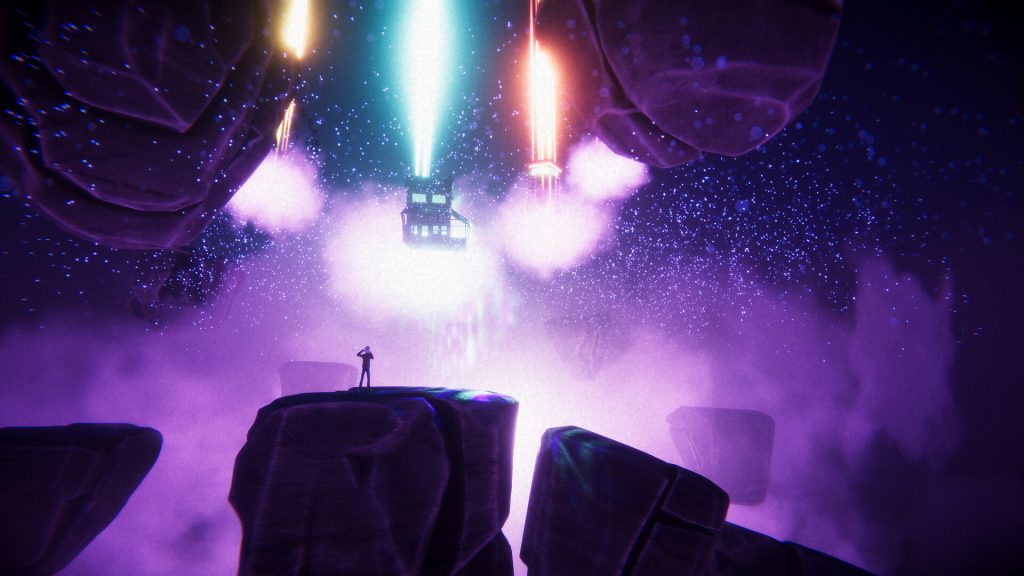
The Journey Home now has a free Steam demo, introducing its age-shifting puzzles, surreal world and emotional side-scrolling adventure.
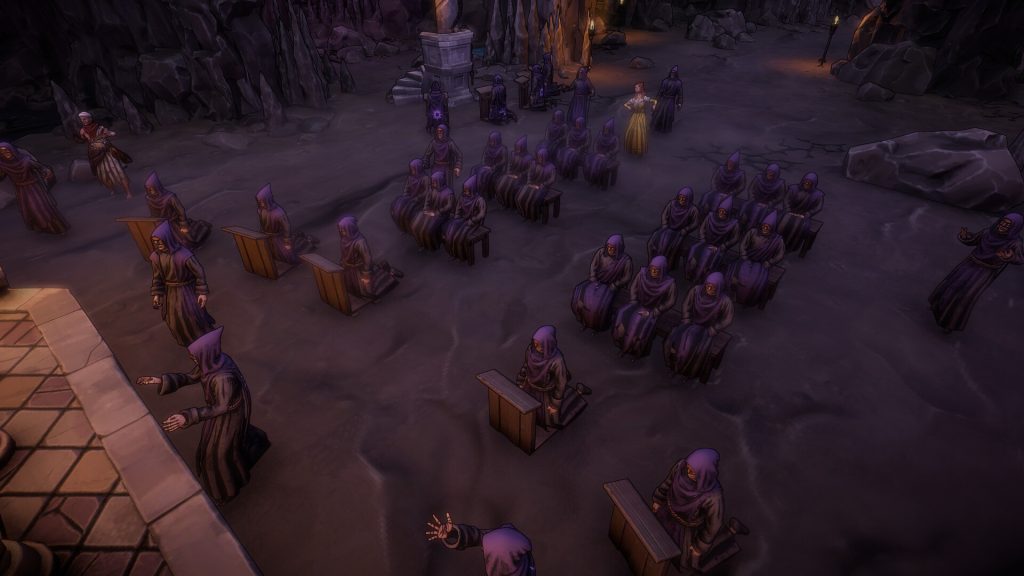
Above the Desk, the studio behind Above the Snow, has announced The Lunacy: That Game About a Cult, a dark-comedy…
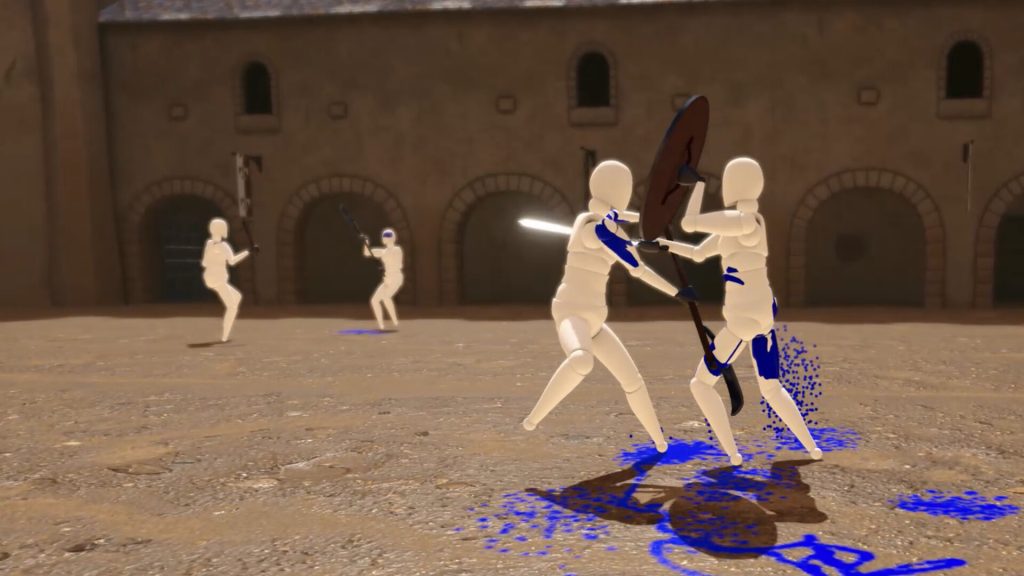
Gladio Mori leaves Steam Early Access and launches for PC, PlayStation 5 and Xbox Series X|S in September 2026, with…
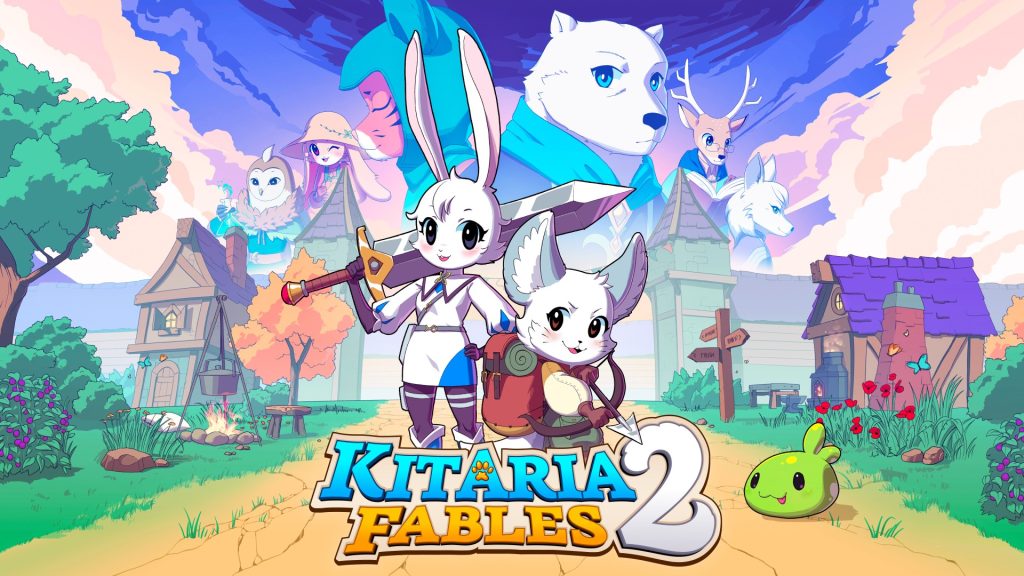
Kitaria Fables 2 will hold a closed Steam beta from September 7th to 21st, 2026, offering selected players roughly 60…

Midsummer Madness launches for PC, Nintendo Switch and Switch 2 in November 2026, following an exclusive one-day gamescom demo in…
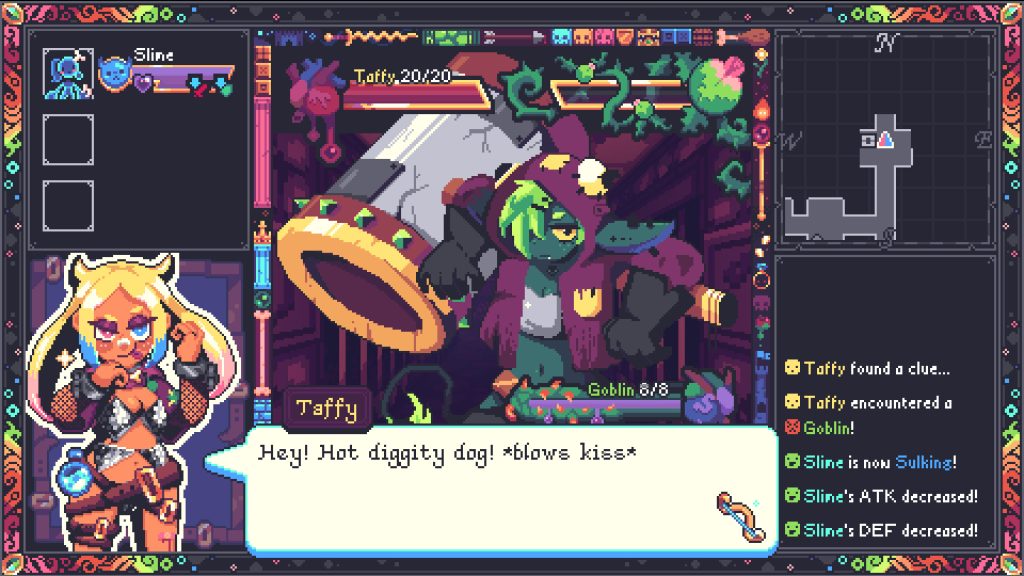
Rizz Dungeon: Skeleton Key to My Heart has been delayed to 2027, giving Snoozy Kazoo time to add more Monster…
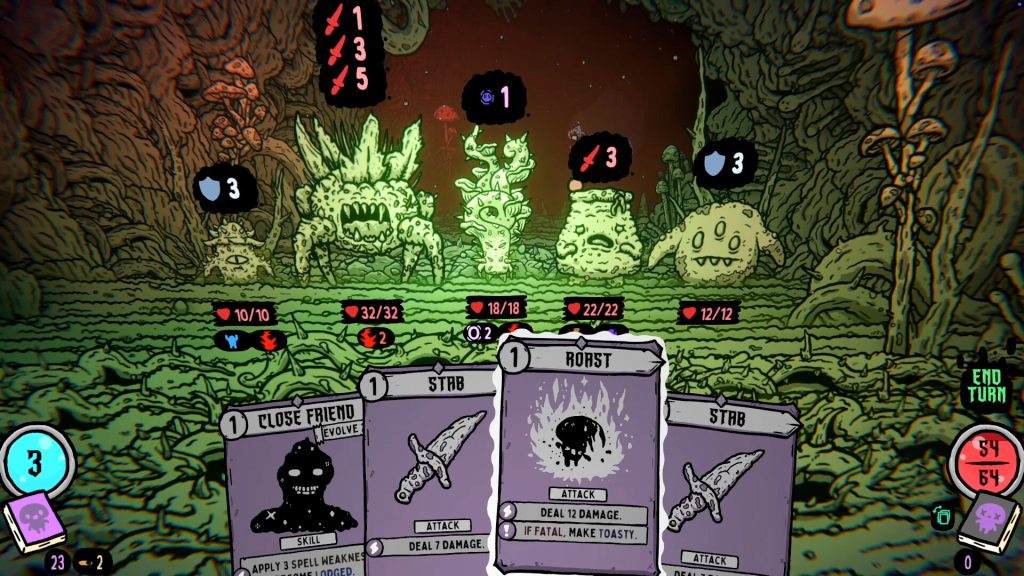
Shroom and Gloom enters Steam Early Access in September 2026, combining first-person dungeon crawling with separate exploration and combat decks.
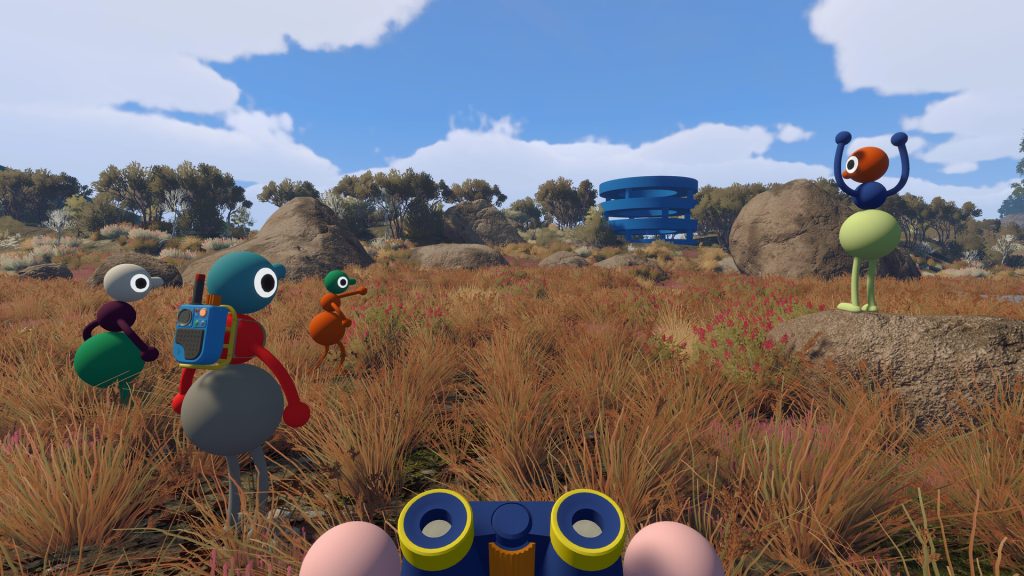
Big Walk sold more than one million copies in six days, strengthening the case for complete co-op-only games built around…

If you regularly visit Indie-Games.eu or follow the YouTube channel, you have probably noticed that things have become unusually quiet.
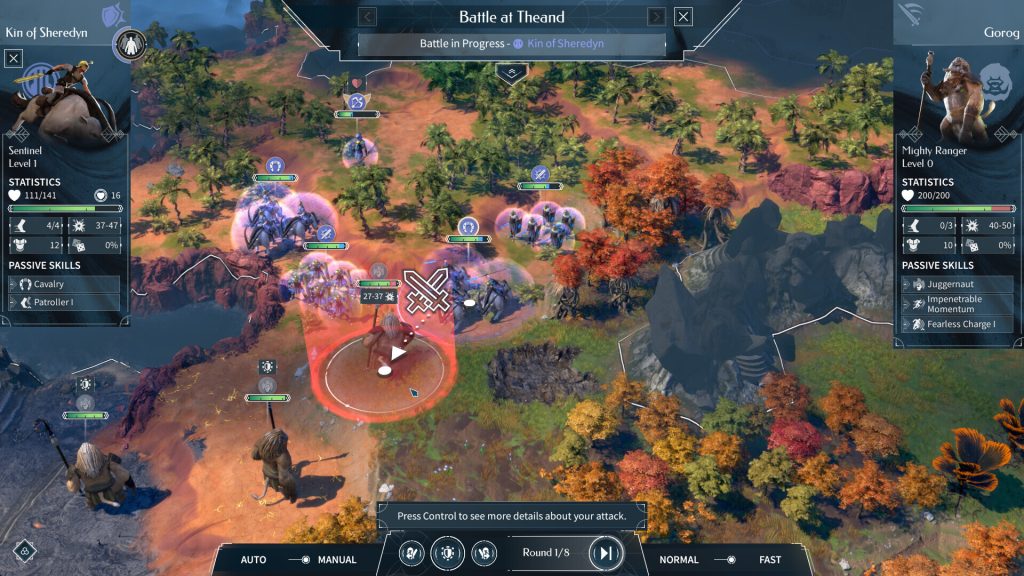
Endless Legend 2 leaves Early Access in September as version 1.0 rolls out, bringing console versions to PlayStation 5 and…
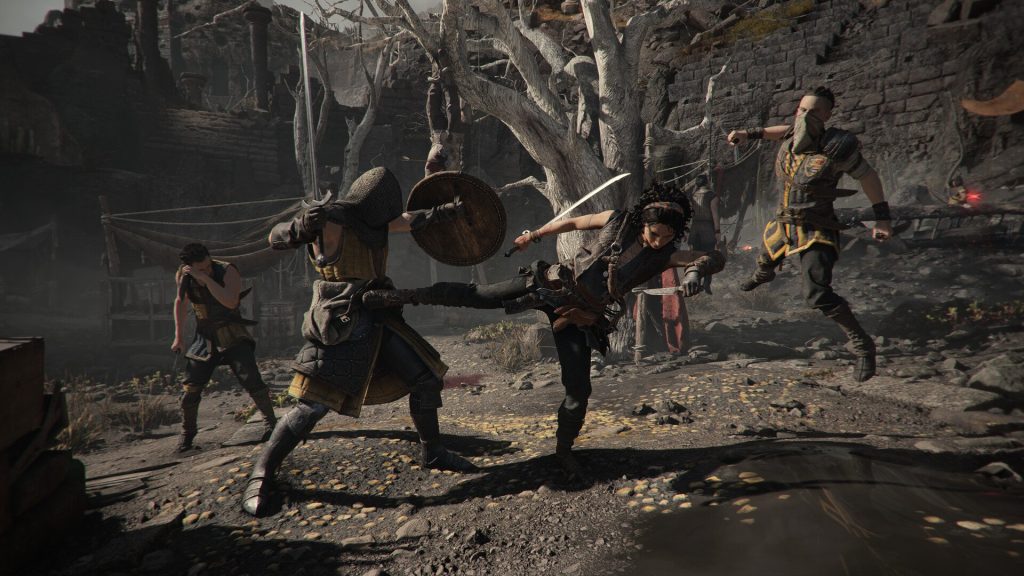
A new Resonance: A Plague Tale Legacy featurette shows how Sophia can use light to navigate dangerous environments and overcome…
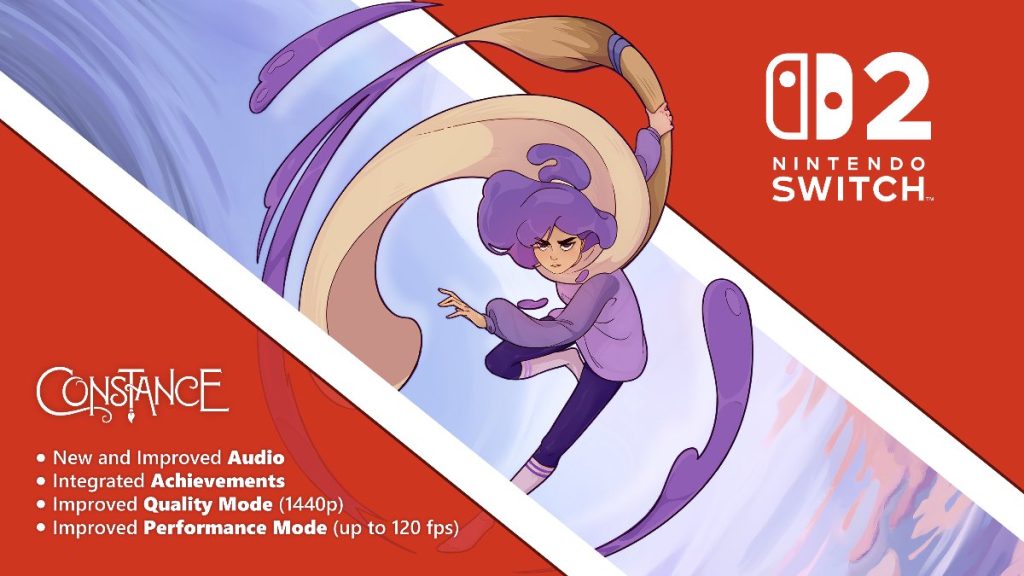
The nonlinear world contains six biomes, each representing a different part of the protagonist’s psyche and history.
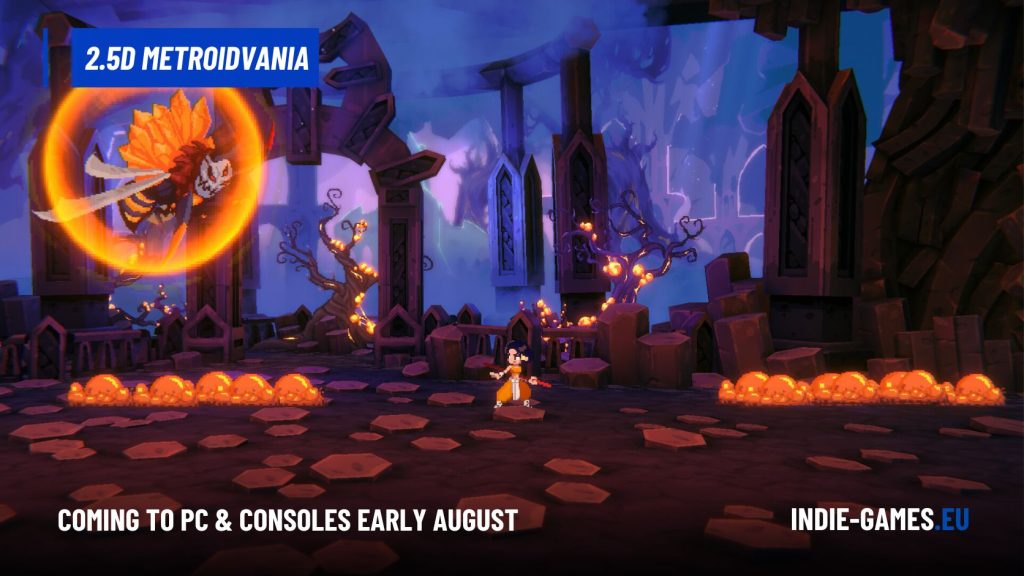
Akatori launches early August on PC and PlayStation and Xbox, featuring 2.5D Metroidvania action, parkour and staff-based combat.
