Palworld – Messy, Ambitious and Incredibly Addictive
It has been roughly two and a half years since Palworld first entered Early Access, and quite a lot has…

If you enjoy independent indie game coverage, consider supporting Indie-Games.eu on Patreon. It helps keep the site independent.
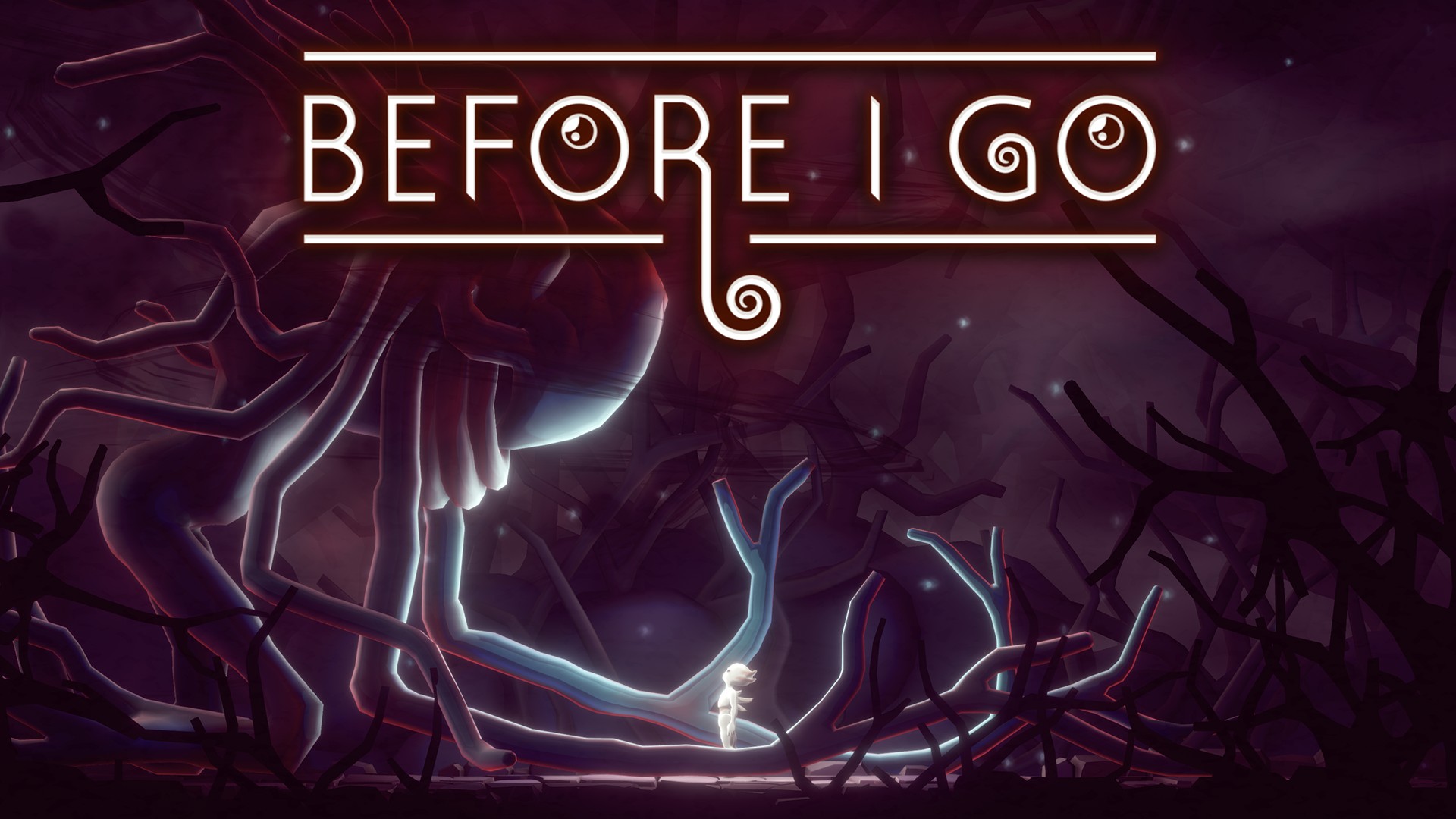
Before I Go is a side-scrolling platformer and Metroidvania that immediately stands out for how polished and thoughtfully put together it is. It’s one of those games where you can clearly see the care in its design, from the visuals to the pacing. At the same time, despite all of that, it ends up being a bit of a mixed experience, with some genuinely great elements and some noticeably underwhelming ones that hold it back.
On paper, the story sounds intriguing. You play as a young child in a broken, limbo-like world where an ominous affliction has left everything in a state of decay and despair. It’s supposed to be a contemplative journey about existence, loss, and finding peace.
The setting absolutely supports that idea. The world is filled with color despite its bleak tone, and the atmosphere is fantastic. Instead of relying heavily on music, the game leans into ambient sound design and subtle audio cues, which works really well in building that eerie, almost dreamlike feeling.
However, the actual narrative doesn’t live up to that premise at all. In practice, the story is almost nonexistent. You move from one area to another without much direction, occasionally encountering characters, but their dialogue rarely feels meaningful or impactful. There’s no strong sense of progression in the storytelling, and by the time you reach the ending, it doesn’t really carry any emotional weight. It feels like the game wants to say something important but never quite manages to deliver it.
What carries the experience instead is the gameplay, which leans heavily into classic Metroidvania structure. You explore interconnected areas, unlock new abilities like dashing, wall climbing, and combat upgrades, and gradually open up more of the map. Progression is tied to exploration rather than strict boss gating, which keeps things moving at a steady pace.
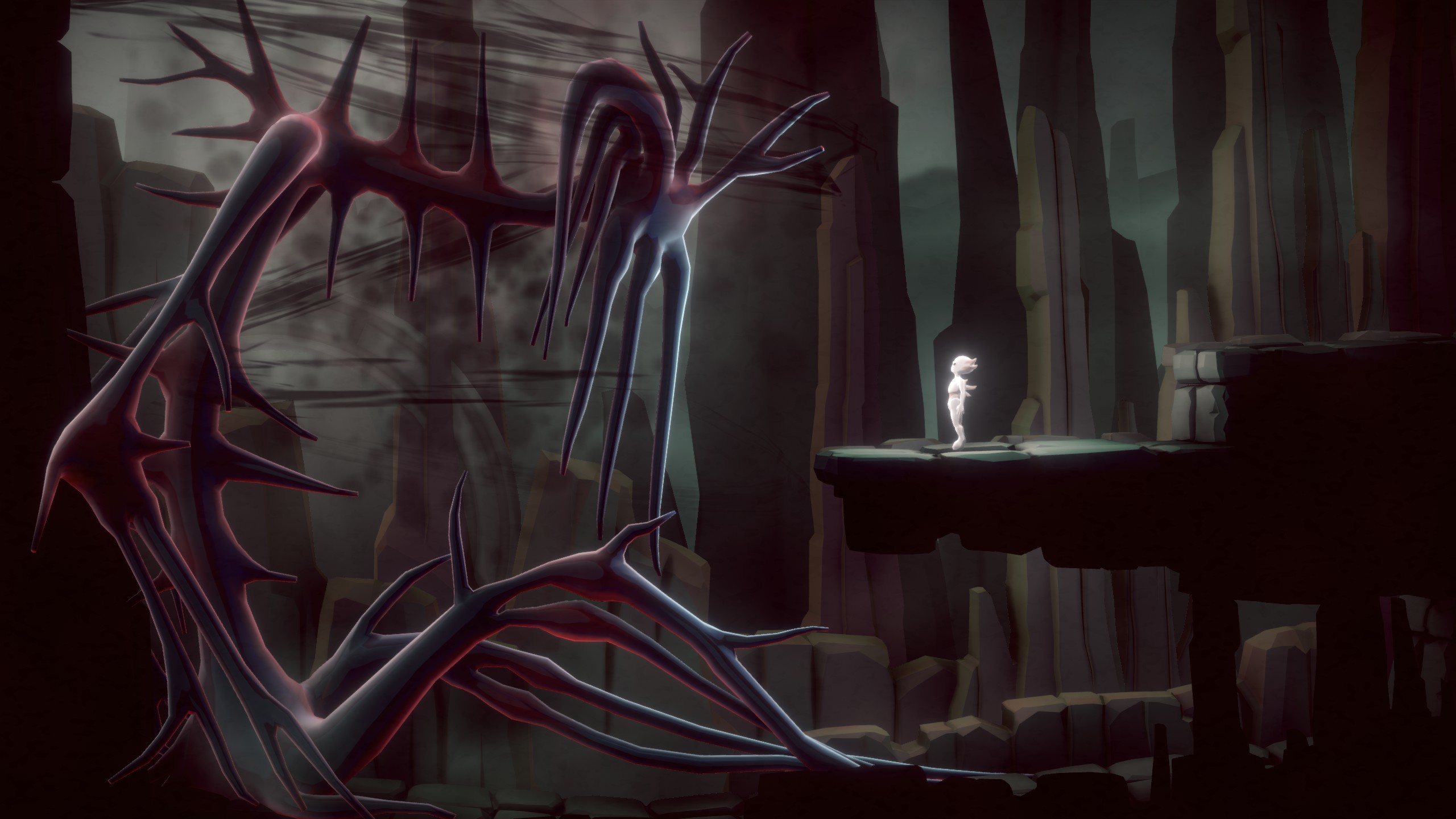
Platforming is easily one of the strongest aspects of the game. It’s not overly difficult, but it’s extremely well-paced. It strikes a nice balance where it challenges you just enough without becoming frustrating or overly punishing. Movement feels tight and responsive, and the game does a great job of introducing new mechanics without overwhelming you. It’s the kind of platforming that feels satisfying without demanding perfection.
That said, the checkpoint system is where things start to fall apart. The game is far too stingy with save points, especially in the mid and late game. There are multiple instances where you’ll go through long stretches of exploration or complete a difficult platforming section, only to realize there was no checkpoint nearby. You can technically purchase checkpoints using a special resource, but that often feels like a waste, and it doesn’t solve the core issue. Better checkpoint placement would have gone a long way in smoothing out the experience.
Combat is fairly simple but functional. You have a basic shooting mechanic that expands slightly as you unlock upgrades, but it never becomes particularly deep. It does its job, and once you get into the rhythm of dodging and attacking, it feels decent enough. Enemy variety exists, but it starts to feel repetitive over time when you spend a good amount of time in one area. It’s not a dealbreaker, but it does make combat less exciting the longer you play.
Boss design is another area that feels underwhelming. The game doesn’t aim for high difficulty, which is fine, but the bosses end up being too easy and not particularly memorable. Early bosses can often be defeated on the first try, and while later ones introduce slightly more complexity, they still don’t feel like major milestones. There’s also an odd pacing issue, where it takes quite a long time to reach certain bosses, only for the encounters themselves to feel relatively short and straightforward.
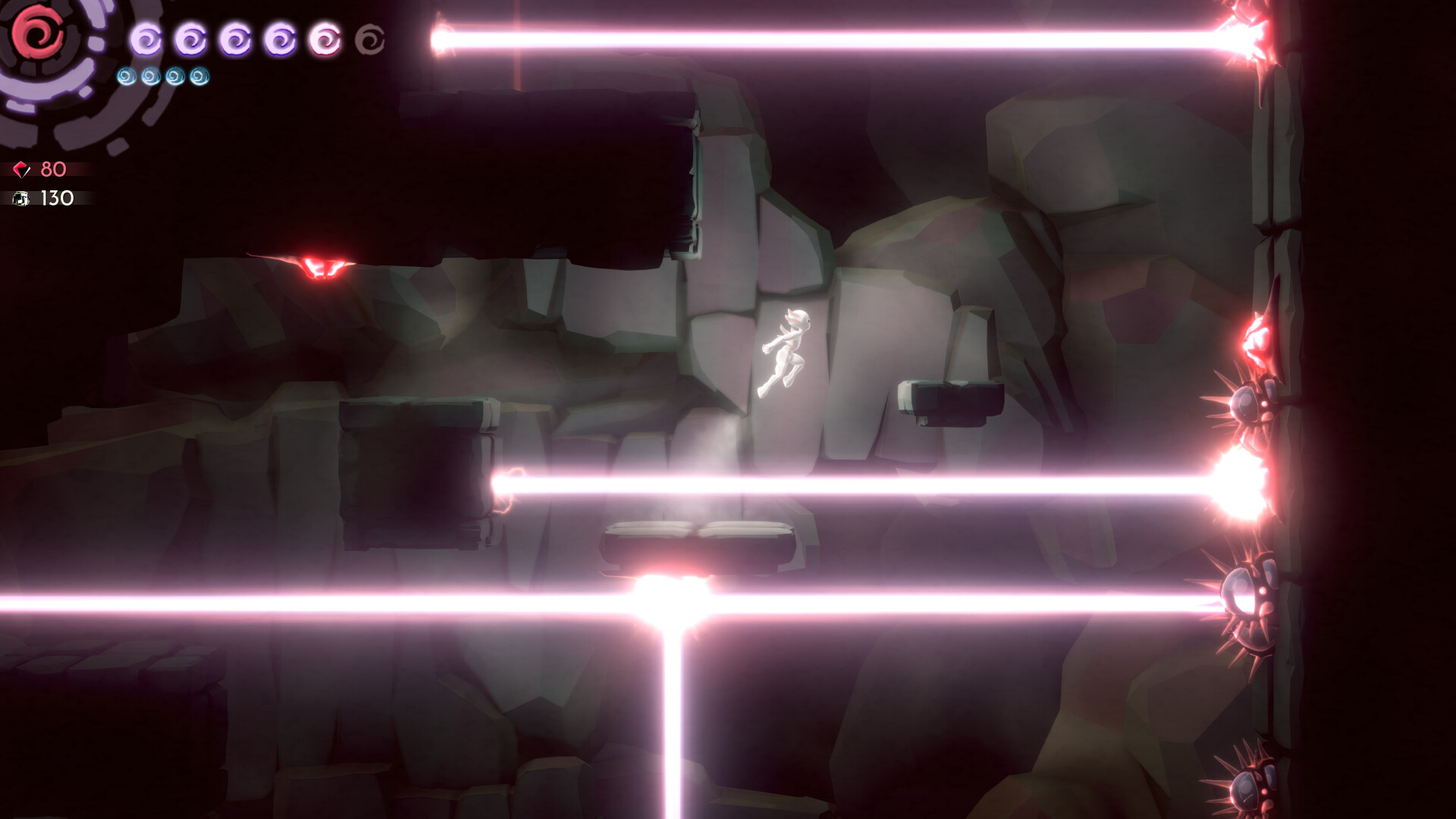
Visually, though, the game is outstanding. The art style is beautiful, environments are diverse and well-crafted, and everything feels cohesive. Each biome has its own identity, and the overall presentation is one of the game’s biggest strengths. It’s clear that a lot of effort went into making the world feel alive, even if the narrative doesn’t fully support it.
One thing I do appreciate is that the game doesn’t try to be something it’s not. It doesn’t lean into overly punishing difficulty or Souls-like design philosophies. Instead, it keeps things accessible and straightforward, which makes it a great entry point for newcomers to the genre. It’s easy to pick up, easy to understand, and doesn’t demand excessive trial and error to progress.
In the end, Before I Go is a really solid game with a strong foundation. It excels in presentation, atmosphere, and platforming, delivering a polished and enjoyable experience. At the same time, it falls short in areas like storytelling, checkpoint design, and long-term combat variety, which keeps it from reaching its full potential.
If you’re new to platformers or Metroidvanias, this is actually a great place to start. It’s approachable, well-made, and easy to get into. But if you’re already experienced with the genre, you’ll probably find it a bit too simple and, at times, slightly disappointing. Still, despite its flaws, it’s a well-crafted game that’s definitely worth your time.
Before I Go is a polished and thoughtfully put together game with outstanding visuals and fantastic atmosphere, yet undermined by an almost nonexistent story and a stingy checkpoint system. However, the platforming is well-paced, tight, and responsive – easily the strongest aspect of gameplay. Plus, the narrative doesn’t live up to its premise at all, you move from area to area without much direction and the ending carries no emotional weight.
Ending Thoughts
Review copy provided by the publisher
It has been roughly two and a half years since Palworld first entered Early Access, and quite a lot has…
![[EARLY ACCESS] The Last Caretaker – Survival Game I Cannot Stop Playing](https://www.indie-games.eu/wp-content/uploads/2026/07/The-last-Caretaker-Key-Art-1024x587.jpg)
The Last Caretaker is a compelling survival crafter with a flooded world and mobile base, but weak combat and performance…

Advent: Dawn is an intriguing science-fiction visual novel elevated by a likable cast and one of the most convenient flowchart…
![[EARLY ACCESS] Hell Maiden – Beautiful but Uneven Journey Through Hell](https://www.indie-games.eu/wp-content/uploads/2025/06/HMD_screenshot_019-1024x576.jpg)
Bullet heaven and rougelite game Hell Maiden lands between a polished Early Access release and a promising game that still…
![[PREVIEW] Dark Queen of Samobor – Promising Croatian Adventure Still in Need of Polish](https://www.indie-games.eu/wp-content/uploads/2026/07/Dark-Queen-of-Samobor-1024x587.jpg)
Dark Queen of Samobor is a promising 2.5D side-scrolling action-adventure that combines Croatian folklore with combat, puzzles and cinematic platforming.
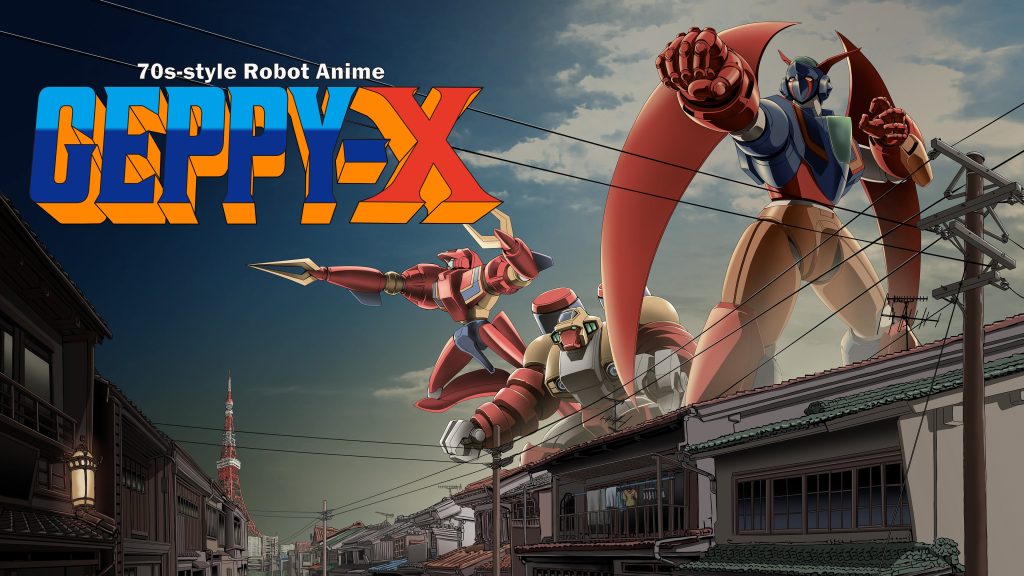
70s-style Robot Anime Geppy-X offers incredible animation, music and mecha nostalgia, but its average shooting make the €39 price difficult…

Denshattack! blends Tony Hawk, Jet Set Radio, and Japanese train culture into one of the year's most creative and unforgettable…
If you're looking for a game that takes an incredibly simple idea and somehow turns it into something addictive, KAZ…
Cat Mail Co. charms with cozy visuals and satisfying mail sorting, but its full release doesn't quite live up to…
Forensics: Crime Scene Detective follows Aerosoft's familiar formula: an interesting simulation with decent visuals, weak optimization, and repetitive gameplay.

Foxy The First Steps is an excellent precision platformer that understands exactly what makes the genre enjoyable.

Tokyo Valkyries blends visual novel, roguelite deck-building, and fan service into a surprisingly enjoyable mix, despite few standout elements.
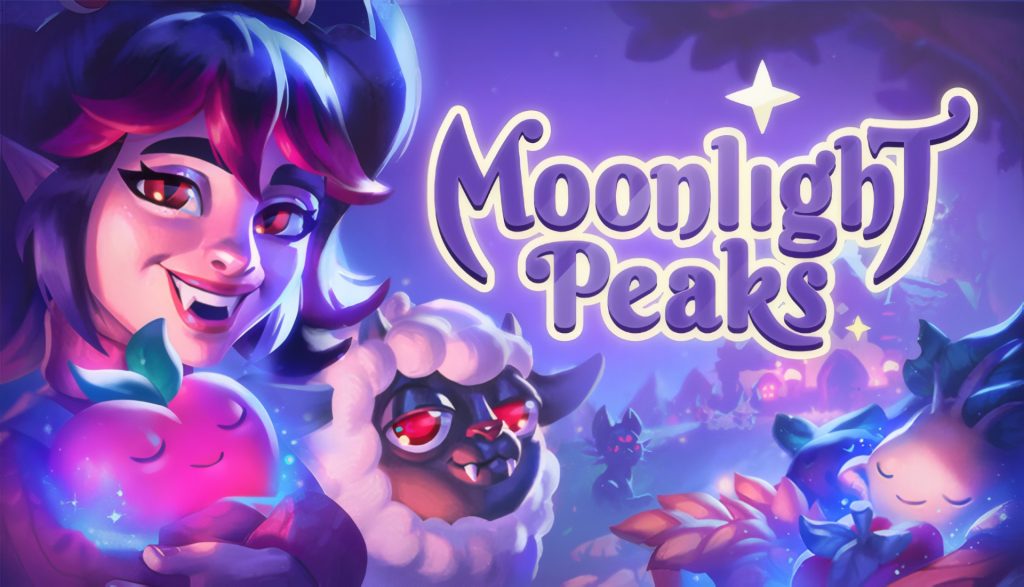
Moonlight Peaks refreshes the cozy farming formula with a more unique supernatural and magical approach while keeping the familiar mechanics…
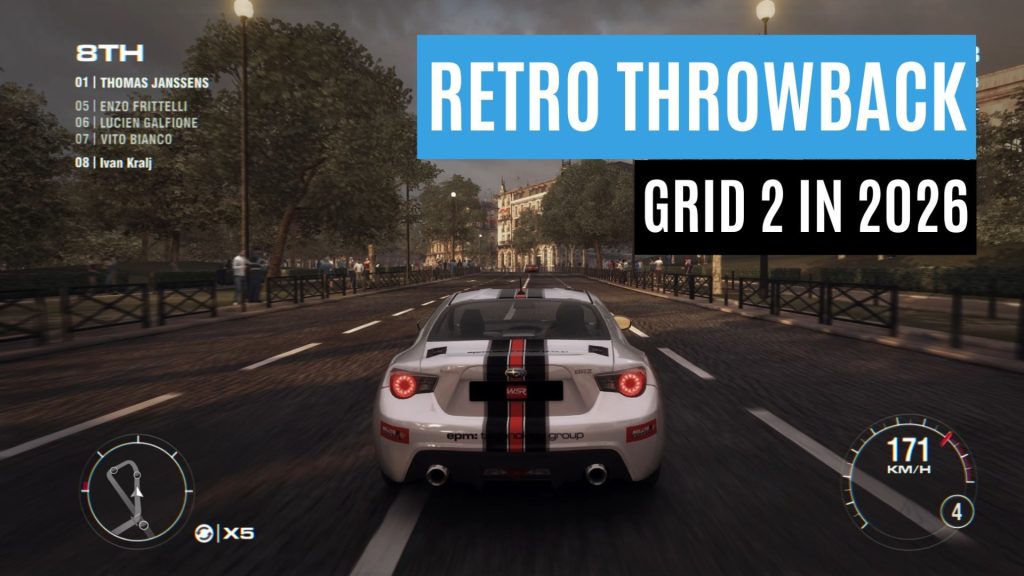
The first thing that stands out about GRID 2 in 2026 has nothing to do with its handling, graphics, or…
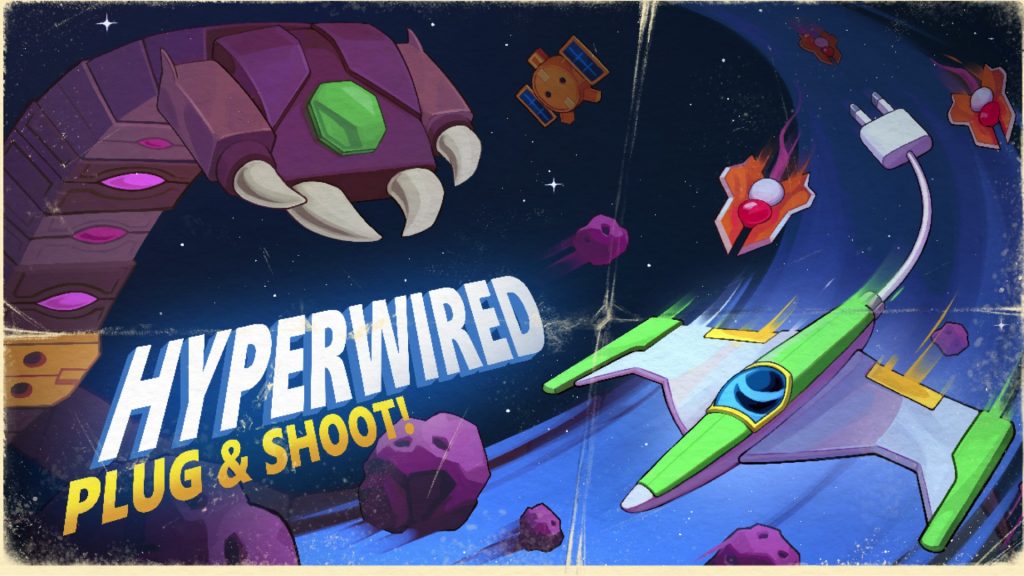
HYPERWIRED is a top-down roguelike where your ship drags a giant plug, powering sockets to complete objectives and progress through…
![[PREVIEW] 70s-style Robot Anime Geppy-X – This Game Pretends It’s a Real 1970s Anime](https://www.indie-games.eu/wp-content/uploads/2026/06/70s-Style-Robot-Anime-Geppy-X-Preview-1024x576.jpg)
As I continue my Steam Next Fest journey, I stumbled upon a game I honestly wasn't expecting to enjoy as…
![[PREVIEW] Edge of Memories – One of My Biggest Steam Next Fest Disappointments](https://www.indie-games.eu/wp-content/uploads/2026/06/Edge-of-Memories-Preview-1024x576.jpg)
Right now, Edge of Memories feels like a game with good ideas that hasn't yet figured out how to turn…
![[PREVIEW] Penguin Colony – Lovecraftian Horror Meets Antarctic Exploration](https://www.indie-games.eu/wp-content/uploads/2026/06/Penguin-Colony-5-1024x576.jpg)
It is surprisingly difficult to explain Penguin Colony, yet incredibly easy to become fascinated by.

Magical Princess is one of those games that immediately reminded me of the classic Princess Maker series, but it does…
![[PREVIEW] Mortal Shell II – Difficult, Fair, and Surprisingly Polished](https://www.indie-games.eu/wp-content/uploads/2026/06/Mortal-Shell-II-1-1-1024x576.jpg)
Mortal Shell II has opened its beta to everyone, and I have to admit, this is exactly how you showcase…
