![[GAMESCOM 2026] Clive Barker’s Hellraiser: Revival Preview – Ready to Open the Box](https://www.indie-games.eu/wp-content/uploads/2026/09/Clive-Barkers-Hellraiser-Revival-08-30-26-1-1024x576.jpg)
[GAMESCOM 2026] Clive Barker’s Hellraiser: Revival Preview – Ready to Open the Box
Hellraiser: Revival preserves the franchise’s sex, gore and psychological horror while delivering approachable survival-horror gameplay.


If you enjoy independent indie game coverage, consider supporting Indie-Games.eu on Patreon. It helps keep the site independent.
Last Flag is a third-person, 5v5 hero shooter with a bright, cartoonish presentation, simple mechanics, and a clear focus on objective-based PvP. For around ten euros, it does offer a decent amount of fun upfront, and I can’t deny that there’s something enjoyable about its fast-paced, chaotic matches. At the same time, this is also a very niche game that currently struggles with a lack of content and, more importantly, a lack of players. And for a multiplayer-only experience like this, that’s a serious problem.
The core gameplay revolves around a twist on capture the flag. Instead of simply grabbing a flag in plain sight, one player hides it at the start of the match, forcing the opposing team to locate it using map control. You capture points labeled A, B, and C, which act as scanning systems that slowly reveal the flag’s location. Once you find it and bring it back to your base, the enemy team has a short window to return it.
It’s a clever system that creates tension, especially in the late game when everything becomes chaotic and team coordination actually matters. Those final moments, where one team is desperately trying to recover their flag while the other defends it, are easily the most exciting part of the experience.
However, getting to that point isn’t always as engaging as it should be. The early game feels underwhelming, with you spending time destroying robots for currency that barely feels impactful. Upgrades exist, but they lack feedback and impact, and the game doesn’t do a good job of making you feel rewarded for progression.
Even basic things like unlocking cosmetics are buried in menus, instead of being presented in a satisfying or flashy way. For a genre that thrives on constant dopamine hits and progression systems, this is a noticeable weakness.
The roster itself is small, with only nine characters available, and while they are distinct in terms of abilities and playstyles, the balance between them feels inconsistent. Some characters feel extremely strong and versatile, while others are borderline useless due to low damage output or underwhelming abilities. You can swap between playstyles freely, which is nice, but it also removes that sense of attachment and mastery that most hero shooters rely on.
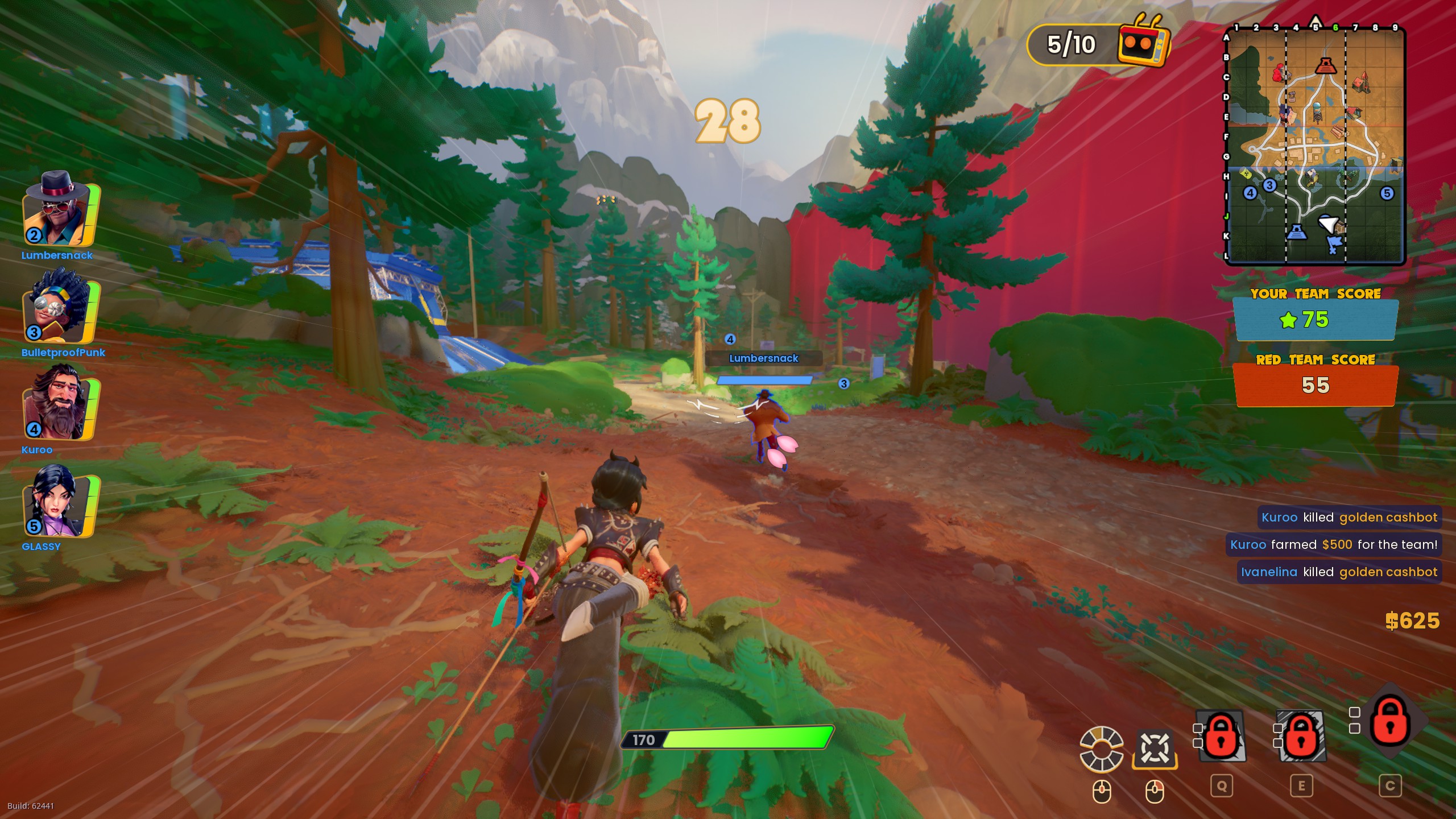
Mechanically, the game is very easy to pick up. Shooting feels simple, almost too simple, with no recoil and a strong reliance on basic aiming rather than deeper mechanics. This makes it accessible, but it also means it lacks depth in the long run. Matches can start to feel repetitive after just a few hours, especially since there are only two maps, and in my experience, I only played on one map, never getting chance to experience the second one. That lack of variety becomes a real issue quickly, especially when combined with the absence of ranked play or long-term progression systems.
Another major problem is matchmaking and player population. The game desperately needs a stable player base, but right now, it just doesn’t have one. Queue times can vary wildly depending on when you play, and the skill gap between players in matches is all over the place. One game you’re playing with complete beginners, the next you’re getting steamrolled by highly experienced players. Spawn camping is also a thing, which only makes these uneven matches more frustrating. For a PvP-focused title, this inconsistency hurts the overall experience a lot.
There are definitely positives. Visually, the game looks great, with clean, colorful environments and a style that fits its tone perfectly. The maps are compact, which keeps the action flowing, and there’s rarely a moment where nothing is happening. Teamplay is also genuinely important here, which I appreciate.
You can’t just run around solo and expect to win, you need to stick with your team, coordinate, and actually think about your approach. The game is also significantly more fun when played with friends, especially if you’re communicating. Solo play is viable, but it heavily depends on the teammates you get, which is always a gamble.
The music, surprisingly, is one of the more disappointing aspects. Despite the involvement of Imagine Dragons, it lacks impact and memorability. It’s there, but it never really elevates the experience or sticks with you, which feels like a missed opportunity. I wanted more of Dan Reynolds voice, more of his music, but we just get a soundtrack in the background that exists.
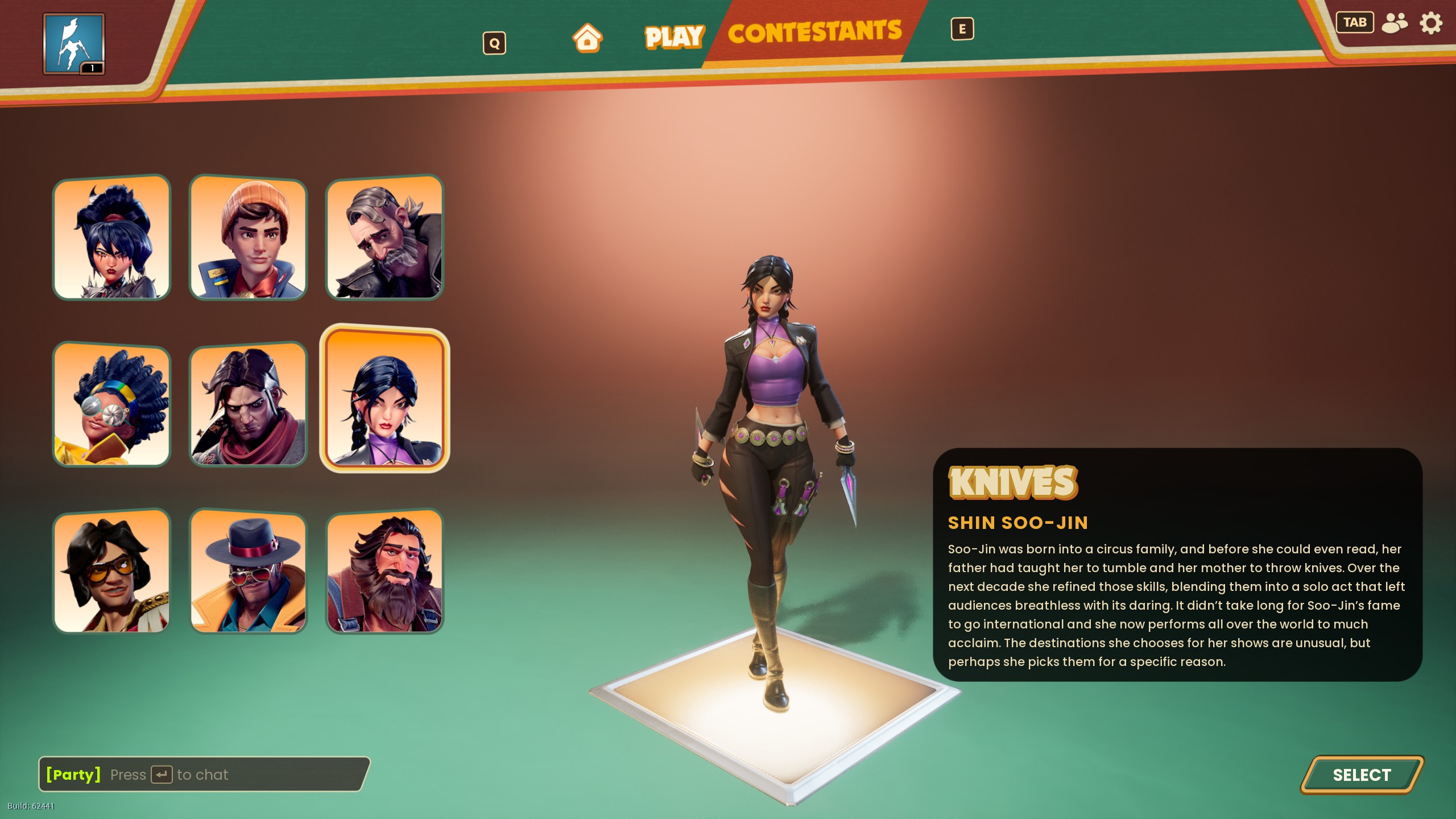
At the end of the day, Last Flag is a solid game with a genuinely interesting core idea, but it feels like it launched without enough content or systems to support long-term engagement. It has its moments, especially in those chaotic, high-stakes matches, but it struggles to keep you invested beyond a few hours. Without a stronger player base, more maps, better progression, and improved balancing, it’s hard to recommend it wholeheartedly, even at its low price. There’s definitely potential here, but right now, it feels more like an early access game than a fully realized release.
Last Flag has an interesting core idea with its clever twist on capture the flag, creating tense, chaotic late-game moments. It’s visually great, easy to pick up, and teamplay genuinely matters. However, the game is fundamentally undermined by a severe lack of players and skill gaps are unpredictable. Content is barebones: only two maps, nine characters with inconsistent balance, no ranked play, and no meaningful progression.
Ending Thoughts
Review copy provided by the publisher
Hellraiser: Revival preserves the franchise’s sex, gore and psychological horror while delivering approachable survival-horror gameplay.

Swan Song creates a peaceful and forgiving puzzle space without removing the challenge that makes solving a difficult puzzle rewarding.
Mortal Shell II starts brilliantly but grows repetitive and exhausting, while remaining a rewarding and ambitious Soulslike sequel.
![[GAMESCOM 2026] Terranigma Preview – A Lost SNES Classic Returns in 2027](https://www.indie-games.eu/wp-content/uploads/2026/08/Terranigma-1-1024x576.jpg)
After more than three decades of limited availability, Terranigma is returning in 2027. We played its enhanced re-release at Gamescom…
Reading another person’s mind is often presented as a desirable superpower, but Sister Other Paranoia immediately understands why it could…
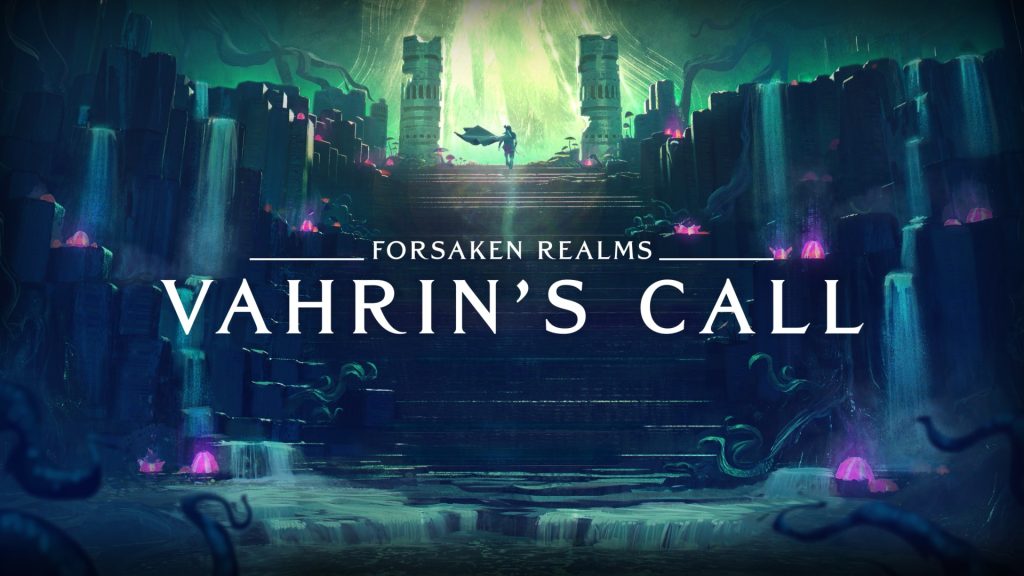
Forsaken Realms: Vahrin’s Call is exactly the kind of ambitious, slightly clumsy fantasy RPG that used to be far more…
![[Early Access] 2nd EVE – Sci-Fi Action RPG That Lacks a Sense of Stakes](https://www.indie-games.eu/wp-content/uploads/2026/08/2ND-EVE-1024x576.jpg)
2nd Eve is a space-set action RPG in which we strive to save humanity.
![[PREVIEW] Dreamcards – Strategic Exploration of Consciousness](https://www.indie-games.eu/wp-content/uploads/2026/08/Dreamcards_20260810_233631_0000-1024x576.jpg)
Dreamcards is a roguelike deckbuilder centered around dreams and nightmares.
![[Early Access] OFFBEAT – Incredibly Fun Way to Start a Music Career](https://www.indie-games.eu/wp-content/uploads/2026/08/Offbeat_20260808_201446_0000-1024x576.jpg)
In OFFBEAT, we play the role of a jobbing composer who is launching their music career.
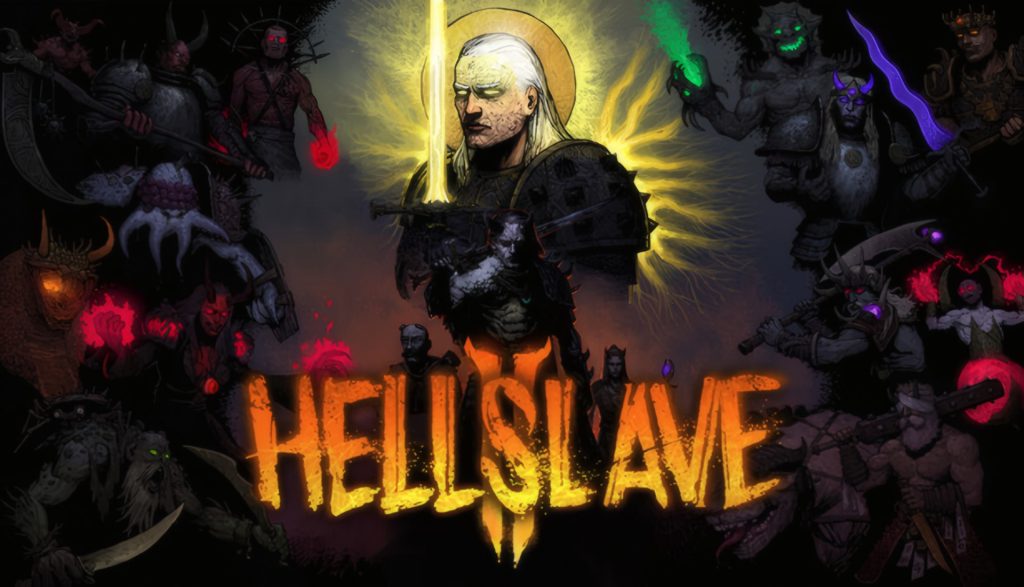
HellSlave II retains the original’s oppressive atmosphere, morally grey world and striking art while adding a larger world, randomized loot…
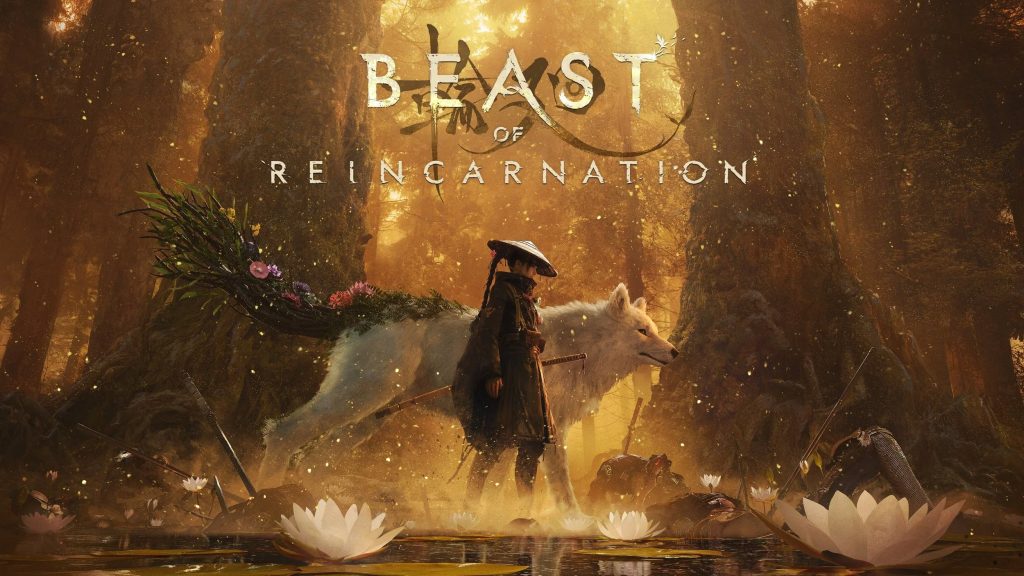
Beast of Reincarnation is an ambitious but uneven action RPG elevated by satisfying parry combat, beautiful art direction and the…

K-pop Idol Stories: Road to Debut captures the pressure of building idol group, but its management systems never explore that…
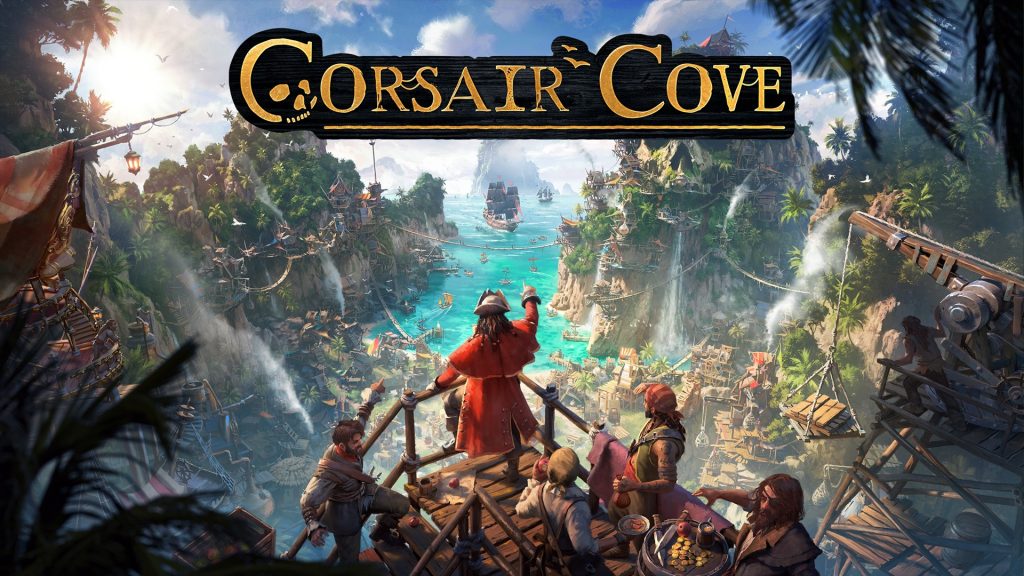
Hooded Horse keeps finding strategy games that know their audience, and Corsair Cove extends its impressive run of excellent city-builders.
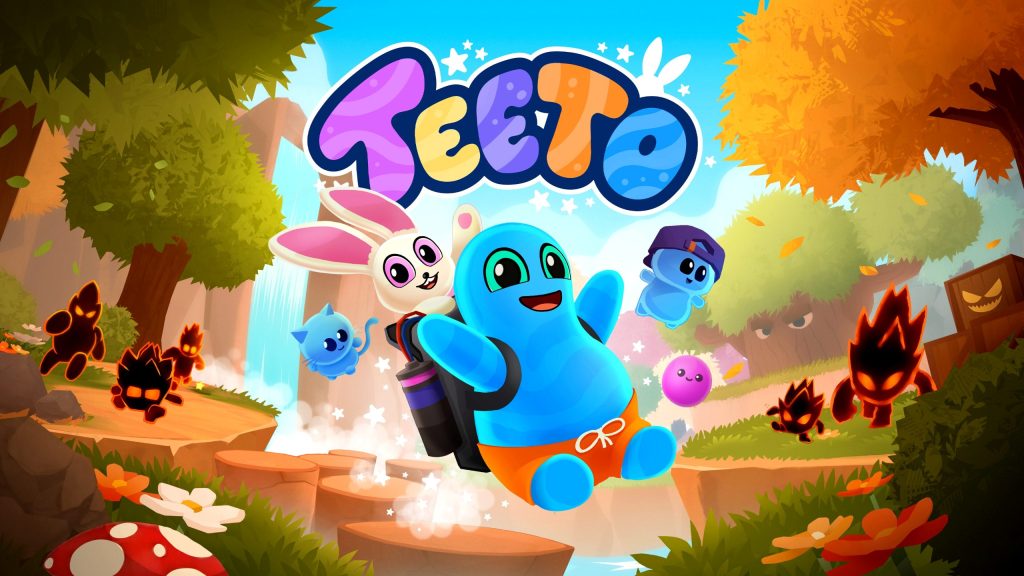
Teeto is a warm, cozy, creative and highly enjoyable 3D platformer that understands why classic collectathons remain so appealing.
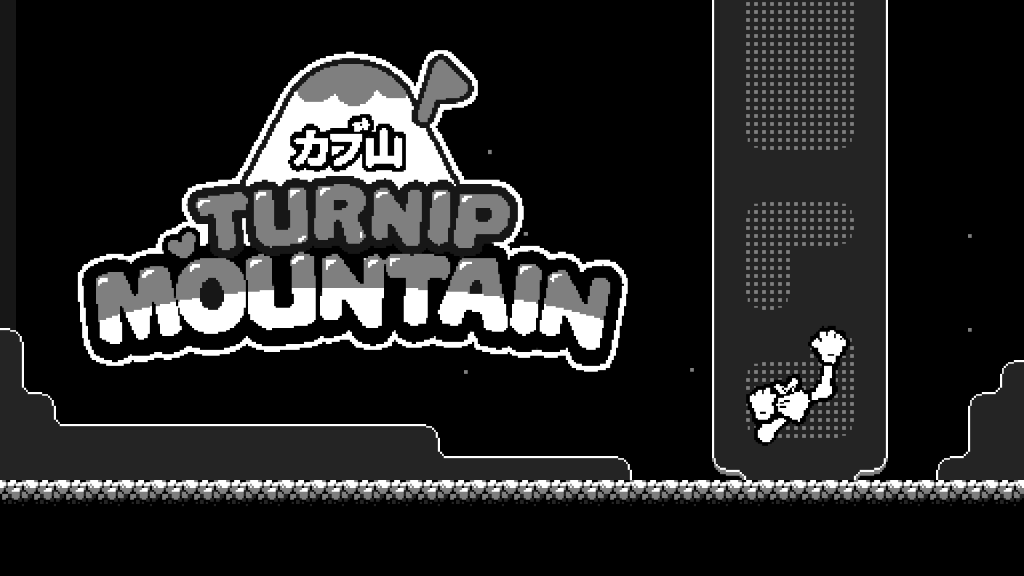
Turnip Mountain stands out for its combination of a unique control system and a minimalist approach.
Dystopicon is an imaginative and memorable narrative experiment with sharp social commentary, engaging world-building and several wonderfully absurd scenarios.
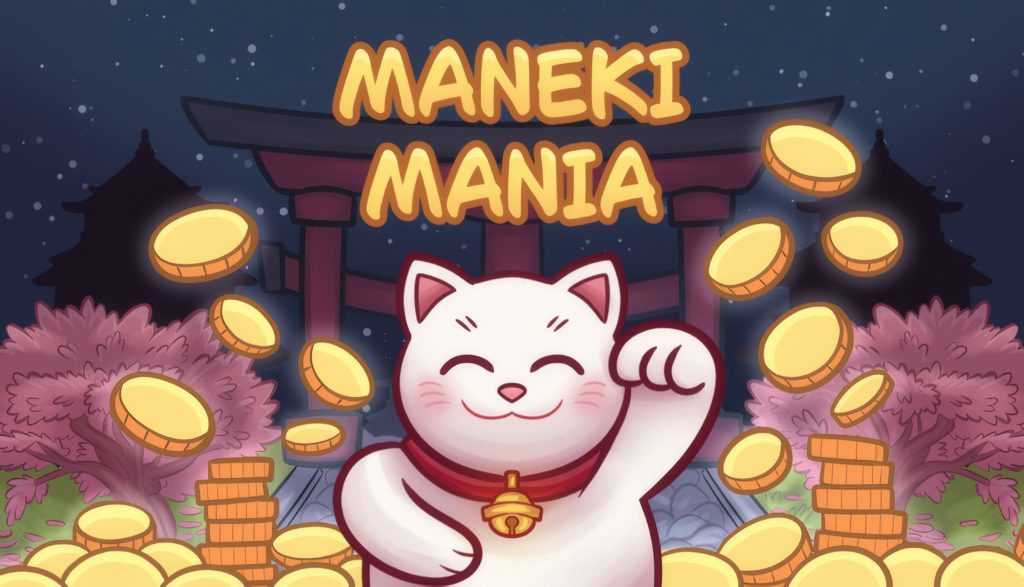
Maneki Mania is an incremental game centered around petting a lucky cat.
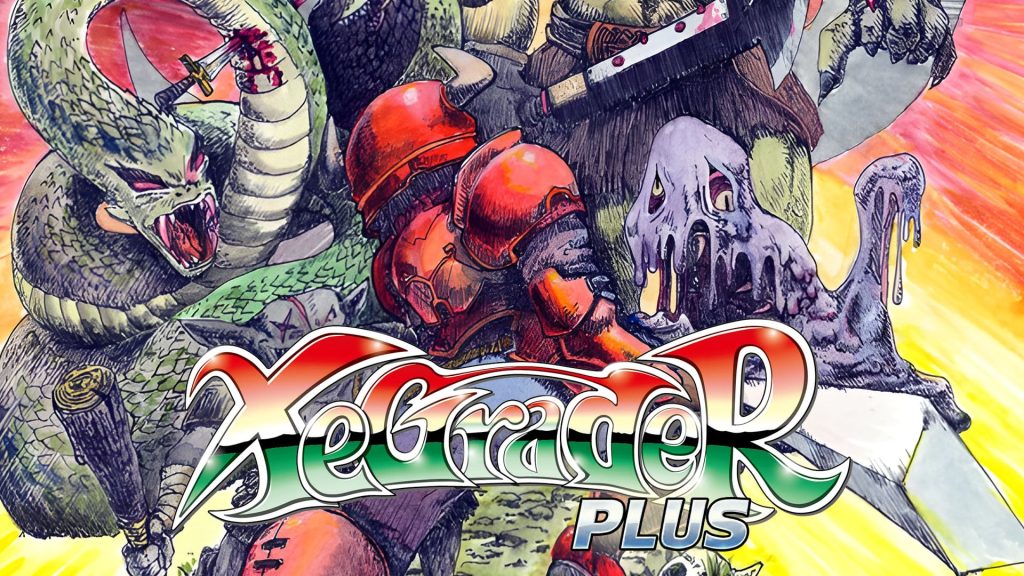
XeGrader Plus delivers colorful retro shooting, but basic mechanics, a short campaign and paid retro modes make its €20 price…
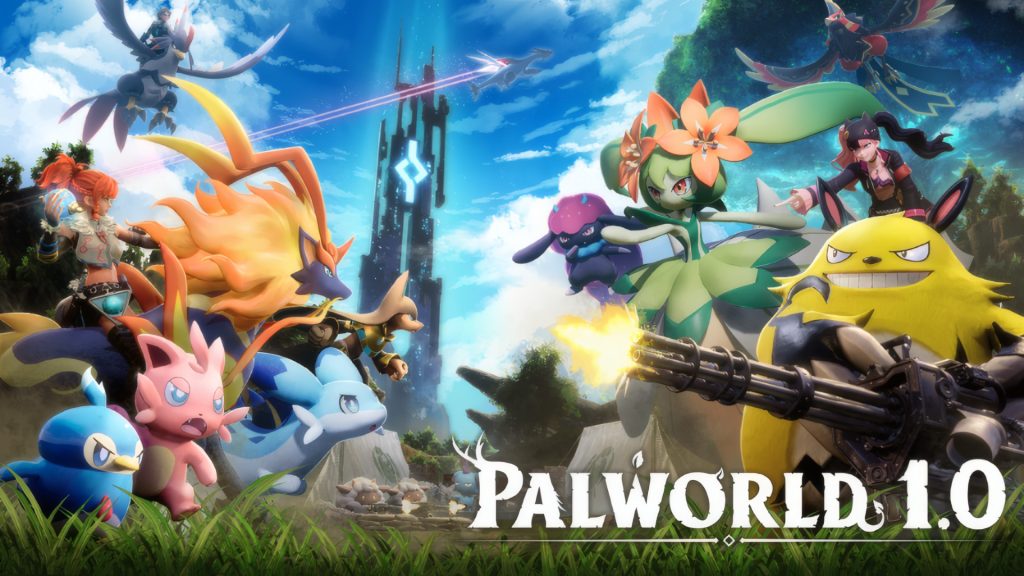
It has been roughly two and a half years since Palworld first entered Early Access, and quite a lot has…
![[EARLY ACCESS] The Last Caretaker – Survival Game I Cannot Stop Playing](https://www.indie-games.eu/wp-content/uploads/2026/07/The-last-Caretaker-Key-Art-1024x587.jpg)
The Last Caretaker is a compelling survival crafter with a flooded world and mobile base, but weak combat and performance…
