
If you enjoy independent indie game coverage, consider supporting Indie-Games.eu on Patreon. It helps keep the site independent.
For years we’ve been told that artificial intelligence would transform our lives. It would make us more productive, accelerate scientific discoveries, and push technology forward in ways we could barely imagine. While all of that may be true, there’s another side to the AI boom that doesn’t get nearly enough attention. It’s making gaming more expensive, and unless something changes, that trend could continue for the rest of the decade.
Micron’s latest announcement is probably one of the clearest signs yet that the industry is entering a new reality. The memory manufacturer has secured 16 long-term agreements with major customers stretching all the way to 2030, backed by roughly $22 billion in deposits and financial guarantees. These aren’t ordinary supply contracts. They lock in historically high pricing while ensuring AI companies receive priority access to the memory chips they desperately need to build ever-larger data centers.
From a business perspective, it’s difficult to criticize the move. If you’re Micron, why wouldn’t you prioritize customers willing to commit billions of dollars years in advance? The company is guaranteeing healthy profit margins, reducing uncertainty, and strengthening its position in one of the fastest-growing industries on the planet. Investors are understandably thrilled. The problem is that gamers aren’t the priority anymore.
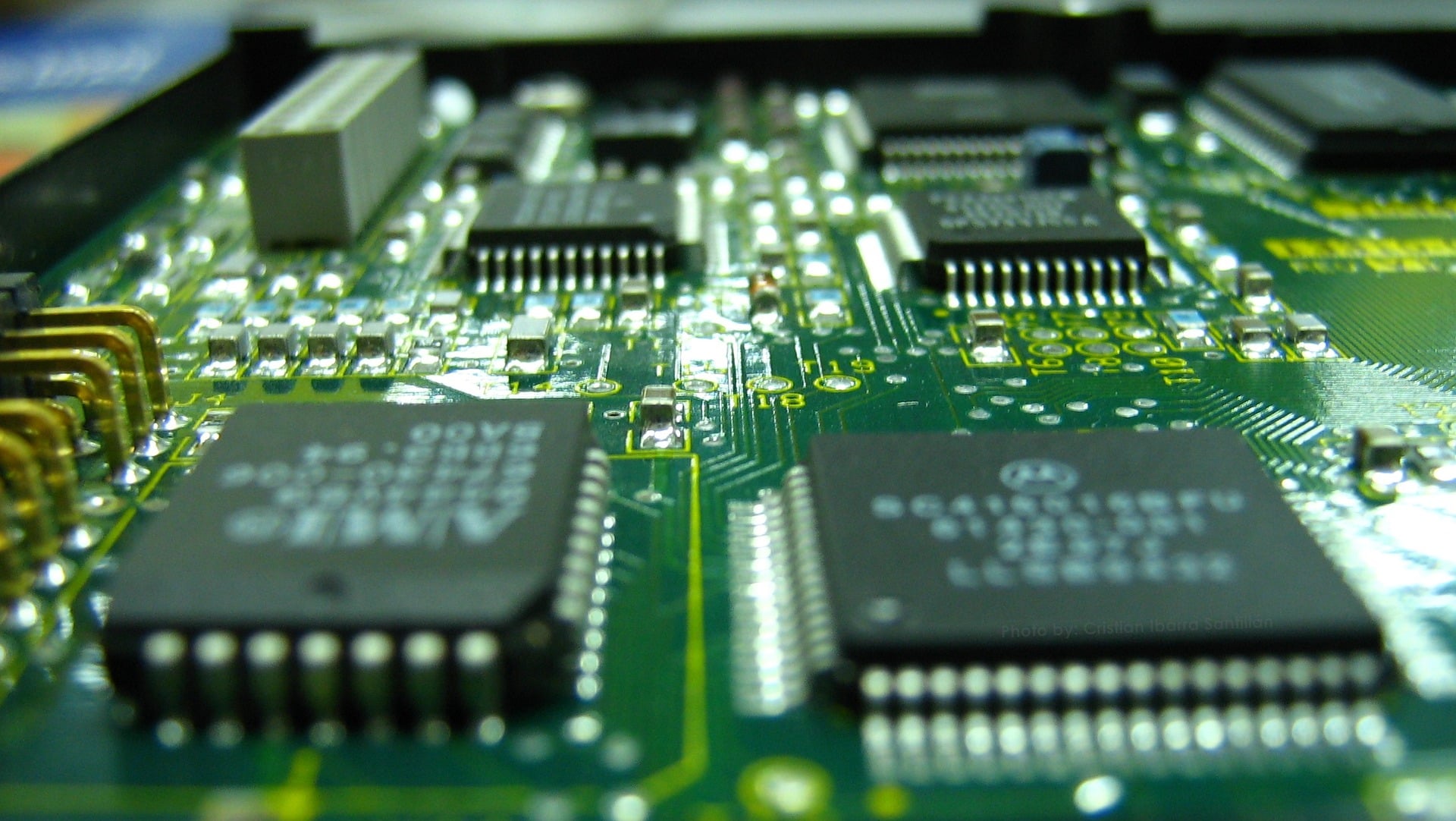
Every gaming PC, every Xbox, every PlayStation, every Steam Deck, every SSD, and every stick of RAM depends on the same memory supply that AI companies are now competing for. When the biggest players in the world start reserving enormous portions of that production years ahead of everyone else, the rest of the market is left fighting over what’s available. The result is exactly what you’d expect: higher prices, fewer affordable components, and manufacturers passing those costs directly onto consumers.
What’s perhaps most concerning is that this doesn’t look like a temporary shortage. Micron itself admits there is no clear timeline for when memory production will fully catch up with demand. New fabrication plants don’t appear overnight. They take years to build, billions of dollars to finance, and even longer to reach full production. Even optimistic forecasts suggest meaningful relief may not arrive until the latter part of the decade. That means the gaming industry may have to adapt to a future where expensive hardware simply becomes the norm.
We’ve already started seeing the warning signs. Xbox recently announced another global price increase for its current-generation consoles. Apple has raised hardware prices. PC components aren’t becoming dramatically cheaper the way many expected after previous shortages. If memory remains one of the biggest bottlenecks in the entire semiconductor industry, these price increases may not be isolated incidents. They could become the new standard.

What makes this especially frustrating is that gamers aren’t creating this shortage. Most people buying a graphics card or upgrading their PC aren’t running AI models or building hyperscale data centers. Yet they’re the ones paying the price for a race between some of the largest technology companies in the world.
Micron’s decision to move away from parts of its consumer-focused business, including the Crucial brand, only reinforces that feeling. Enterprise clients generate higher profits, AI customers are willing to spend enormous sums, and consumer hardware naturally slides further down the priority list. It’s a logical business decision, but it’s difficult not to see what it represents. The enthusiast market that helped build the PC industry is no longer the most valuable customer in the room.
I don’t blame Micron for following the money. Every publicly traded company exists to maximize returns for its shareholders. But I do think we’re reaching a point where the AI boom is beginning to reshape technology in ways that ordinary consumers never expected. We’re not just talking about smarter software or better chatbots anymore. We’re talking about a future where the devices we use every day become more expensive simply because AI infrastructure is consuming such an enormous share of the world’s resources.
The irony is hard to ignore. AI was supposed to make technology more accessible. Instead, for many gamers, it may end up making the hobby they love increasingly difficult to afford. And if current projections are accurate, we’re only seeing the beginning.

Indie developer HitBreak Games has announced that players will soon be able to experience Code RAPID for themselves, with a…

Visual novel Advent: Dawn combines psychological horror with science fiction as players attempt to uncover the truth behind a seemingly…

Offbrand games and moi rai games have released the biggest update yet for Aethermancer, with the free Alchemical Awakening expansion…

The Witch's Bakery follows Lunne, a young witch who moves to modern-day Paris to fulfill her dream of opening a…

Channel37 has released Update 5: New Horizons for The Last Caretaker, bringing one of the biggest Early Access expansions yet.
![[OPINION] Xbox Just Raised Console Prices Again And That’s Becoming A Serious Problem](https://www.indie-games.eu/wp-content/uploads/2026/06/Microsoft-Xbox-Consoles-300x169.jpg)
Microsoft has announced yet another price increase for the Xbox Series X and Xbox Series S, with the changes set…

Archon Soul is preparing to roll onto Steam in July, bringing a fresh spin to the roguelike genre by replacing…

Action roguelike Bless You Again features a beautiful cel-shaded art style that makes its characters and environments look close to…

Developer Death Kumiai and publisher Flashlight Games have confirmed that the story-driven roguelite RPG Annihilated will launch on Steam in…

Dinoblade throws players into a prehistoric world where dinosaurs don't just hunt each other anymore, they wield massive weapons and…

Life simulation game Paralives has officially crossed one million copies sold on Steam, and it achieved this milestone in roughly…

Arc System Works has officially announced Qliphah in Providence's Shadow, a tactical RPG set in a supernatural version of Tokyo…

Cozy games often focus on farming or decorating, but Clean Start is taking a different route, focusing on cleaning homes…

Cresata, formerly known as Revenant's Reach, has secured a publishing deal with Rocket Panda Games and acttil, targeting a 2027…

Awaken Realms and Fardust's upcoming dark fantasy RPG Shards of Order replaces traditional combat systems with a unique mechanic built…

Indie developer Maracas Studio has announced that Cat Mail Co. will officially launch on Steam this July, following a strong…

AstralShift has confirmed that Hell Maiden will enter Steam Early Access this July, letting players explore its reimagined take on…
![[OPINION] The Steam Machine Is Finally Here, But Who Is It Really For?](https://www.indie-games.eu/wp-content/uploads/2026/06/Steam-Machine-Opinion-300x169.jpg)
The Steam Machine starts at over €1,000, making it more expensive than current consoles while delivering performance that doesn't always…

Fans of gothic action games may want to keep a close eye on Bathory: Heritage of Blood, which takes clear…

Players follow detective Dick Slater and his rookie partner Robbie Knox as they investigate a brutal serial killer known only…
Indie developer HitBreak Games has announced that players will soon be able to experience Code RAPID for themselves, with a…
Visual novel Advent: Dawn combines psychological horror with science fiction as players attempt to uncover the truth behind a seemingly…
Offbrand games and moi rai games have released the biggest update yet for Aethermancer, with the free Alchemical Awakening expansion…
The Witch's Bakery follows Lunne, a young witch who moves to modern-day Paris to fulfill her dream of opening a…
Channel37 has released Update 5: New Horizons for The Last Caretaker, bringing one of the biggest Early Access expansions yet.
Microsoft has announced yet another price increase for the Xbox Series X and Xbox Series S, with the changes set…
Archon Soul is preparing to roll onto Steam in July, bringing a fresh spin to the roguelike genre by replacing…
Action roguelike Bless You Again features a beautiful cel-shaded art style that makes its characters and environments look close to…
Developer Death Kumiai and publisher Flashlight Games have confirmed that the story-driven roguelite RPG Annihilated will launch on Steam in…
Dinoblade throws players into a prehistoric world where dinosaurs don't just hunt each other anymore, they wield massive weapons and…
Life simulation game Paralives has officially crossed one million copies sold on Steam, and it achieved this milestone in roughly…
Arc System Works has officially announced Qliphah in Providence's Shadow, a tactical RPG set in a supernatural version of Tokyo…
Cozy games often focus on farming or decorating, but Clean Start is taking a different route, focusing on cleaning homes…
Cresata, formerly known as Revenant's Reach, has secured a publishing deal with Rocket Panda Games and acttil, targeting a 2027…
Awaken Realms and Fardust's upcoming dark fantasy RPG Shards of Order replaces traditional combat systems with a unique mechanic built…
Indie developer Maracas Studio has announced that Cat Mail Co. will officially launch on Steam this July, following a strong…
AstralShift has confirmed that Hell Maiden will enter Steam Early Access this July, letting players explore its reimagined take on…
The Steam Machine starts at over €1,000, making it more expensive than current consoles while delivering performance that doesn't always…
Fans of gothic action games may want to keep a close eye on Bathory: Heritage of Blood, which takes clear…
Players follow detective Dick Slater and his rookie partner Robbie Knox as they investigate a brutal serial killer known only…
