![[EARLY ACCESS] The Last Caretaker – Survival Game I Cannot Stop Playing](https://www.indie-games.eu/wp-content/uploads/2026/07/The-last-Caretaker-Key-Art-1024x587.jpg)
[EARLY ACCESS] The Last Caretaker – Survival Game I Cannot Stop Playing
The Last Caretaker is a compelling survival crafter with a flooded world and mobile base, but weak combat and performance…


If you enjoy independent indie game coverage, consider supporting Indie-Games.eu on Patreon. It helps keep the site independent.
Let’s take a moment to think about the main reason why we like playing games, especially a game like A.I.L.A. Of course, everyone values this medium for different reasons: for example, for its unique and engaging stories, for the wide range of emotions that accompany them, for the opportunity to discover and experience new worlds, or for the agency in making choices and deriving satisfaction from it. All these reasons can be boiled down to one conclusion: we like games because they allow us to forget about reality and immerse ourselves in a completely different dimension.
A.I.L.A, a title developed by Brazilian studio Pulsatrix, treats immersion as a canvas for creating horror that is capable of scaring on a personal level. Starting with AI, through dystopian visions of dependence on technology and meta commentary on the future of gaming, this production offers a varied catalog of horrors, although at the same time it fails to fully realize the potential of its concept.
A.I.L.A is a first-person horror game set in a future filled with immersive technology. We play as Samuel, a sole game tester for a revolutionary new fictional AI – A.I.L.A. As the program provides intense horror experiences that prey on peoples’ deepest fears, the line between the virtual world and reality slowly begins to blur. Surviving dark and disturbing experiences is no longer just about leaving feedback, it’s a fight to maintain our sanity and humanity.
The game is clearly divided into two sections: spending time in the offline world in our apartment and moving into virtual reality while testing scenarios created by A.I.L.A. Some may associate this with another horror game, Welcome To The Game, but that production offers a better balance between gameplay in front of the computer and outside of it. In the title from Pulsatrix studio, our movement in the real world consists mostly of performing repetitive activities: feeding the cat, picking up parcels, or drinking tea.
On the one hand, they do not pose any challenges for the player (unless you can’t figure out where everything is, which is not so easy when developers seem to really like buildings with lots of rooms) and constitute a very small part of the entire game. On the other hand, however, we then have time to look around and discover some well-placed details that allow us to learn more about Samuel, the world he lives in, and also get some clues about what’s to come. A children’s book lying in the corner, a sticky note attached to furniture, or a snippet of news on TV – even the smallest details can convey interesting information to us.
These details also contain Easter eggs that refer to great horror titles such as Outlast and Resident Evil. Inspiration from the latter is particularly evident in the second part of the game, i.e., the VR experiences. I must admit that the creators know how to scare you, using all the tricks in the book: sudden noises, dark locations, writings on the walls, jumpscares, chases, etc.
The greatest strength of this game is probably that, regardless of the scenario, it manages to create an atmosphere of tension and danger, as if the player is constantly being watched and every decision they make determines their fate. All the more so because this image fits in with the plot, in which the distinction between fictional experiences and real life becomes increasingly blurred.


So, let’s take a look at what A.I.L.A has in store for us in the main part of the game. We have several stories set in fairly hackneyed settings: there is a scary forest, there is an abandoned house on the outskirts, there are ghosts, there are monsters, and of course there is no chance of help. Despite using well-known themes, the game still manages to serve up a few unusual twists and turns, presenting its own design.
I am not going to delve into the content of these levels, but I will point out the one that I consider successful in terms of gameplay: that being Impossible House. It is the first scenario we encounter – straight out of the Saw series, it presents us with puzzles that require us to connect the dots, resist scare tactics, and, of course, sacrifice a few body parts in the process.
An interesting mechanic, which unfortunately never returns later in the game, is changing the scenery using the TV remote control. This adds some variety and gives more opportunities to scare the player. What’s more, after completing the first playthrough, there is a discussion with A.I.L.A., which prepares a similar but new experience based on our previous choices and responses from the conversation.
This aspect is also related to the disappointment I experienced when testing other scenarios. Firstly, all other experiences are practically the same: similar puzzles, similar weapons, similar walking from one point to another, similar combat system. Not to mention boss fights, which consist of walking in circles and shooting, even in the grand finale.


Considering that the combat system is rather clunky, and the puzzles don’t pose much of a challenge for the player, I’m not surprised if someone started to get bored and tired of it. To be honest, I liked the variety of ideas for telling stories in completely different settings – I particularly liked the story from Medieval. Unfortunately, these ideas were unable to hold up in the face of tedious and repetitive gameplay.
My second reservation concerns the aspect of player decisions and their importance. At first, we may get the impression that we must be careful about every choice we make, as it will affect not only the further development of the virtual adventure, but also how A.I.L.A. will behave in real life. In practice, this means that a significant choice appears after each boss battle, and it looks the same every time. Of course, along the way we also have the opportunity to decide on a few issues, but does this have any impact on the ending – who knows? In the best case scenario, it’s not noticeable.
As for the ending itself, I must admit that it was surprising, but an interesting solution, especially since there were clues along the way pointing in that direction. In my opinion, it was quite powerful, but too long – when the situation began to develop intensely, we still had to complete more repetitive experiences, which caused the big reveal to lose its momentum.
In addition, at this point, the occasional graphics issues have become the norm. I have mixed feelings about the visuals in this game: on the one hand, the photorealistic scenery and shots in various experiences are impressive, at times even looking like images from AAA productions. On the other hand, however, monsters attacking me through walls or flying around after being shot began to be quite annoying after a while.


A.I.L.A is a wonderful concept that starts off promisingly but loses its way halfway through. Where we would expect to see further exploration of the consequences of over-reliance on machines and the future role of artificial intelligence in game development, we instead get yet another iteration of the same experience – one that is quite effective at scaring us, but quickly becomes routine. It’s a shame, because it looked like we were going to get a Black Mirror episode in the form of a full-fledged game, I guess we’ll have to wait a little longer for that.
Review copy provided by the publisher
The Last Caretaker is a compelling survival crafter with a flooded world and mobile base, but weak combat and performance…

Advent: Dawn is an intriguing science-fiction visual novel elevated by a likable cast and one of the most convenient flowchart…
![[EARLY ACCESS] Hell Maiden – Beautiful but Uneven Journey Through Hell](https://www.indie-games.eu/wp-content/uploads/2025/06/HMD_screenshot_019-1024x576.jpg)
Bullet heaven and rougelite game Hell Maiden lands between a polished Early Access release and a promising game that still…
![[PREVIEW] Dark Queen of Samobor – Promising Croatian Adventure Still in Need of Polish](https://www.indie-games.eu/wp-content/uploads/2026/07/Dark-Queen-of-Samobor-1024x587.jpg)
Dark Queen of Samobor is a promising 2.5D side-scrolling action-adventure that combines Croatian folklore with combat, puzzles and cinematic platforming.

70s-style Robot Anime Geppy-X offers incredible animation, music and mecha nostalgia, but its average shooting make the €39 price difficult…

Denshattack! blends Tony Hawk, Jet Set Radio, and Japanese train culture into one of the year's most creative and unforgettable…
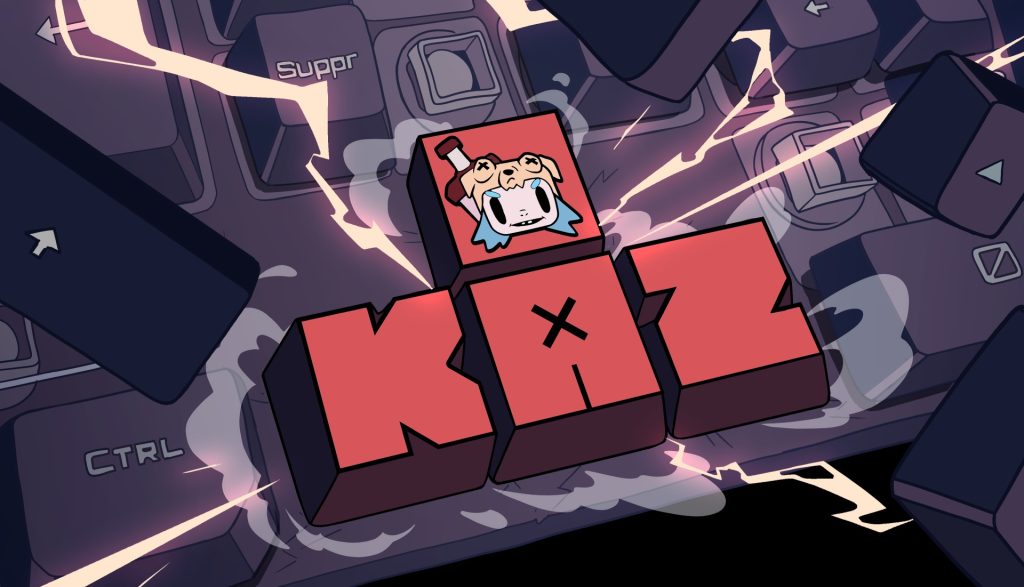
If you're looking for a game that takes an incredibly simple idea and somehow turns it into something addictive, KAZ…
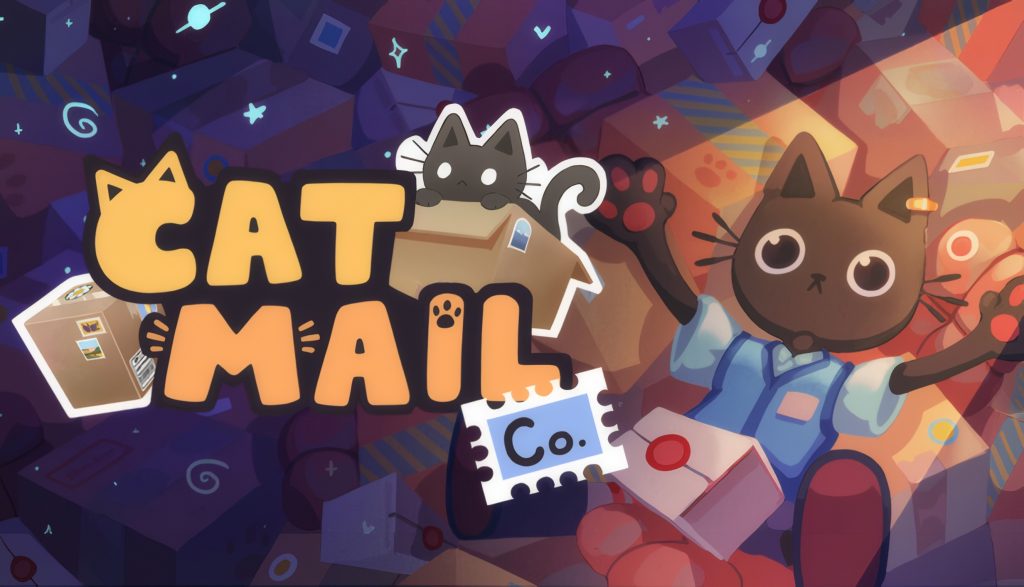
Cat Mail Co. charms with cozy visuals and satisfying mail sorting, but its full release doesn't quite live up to…
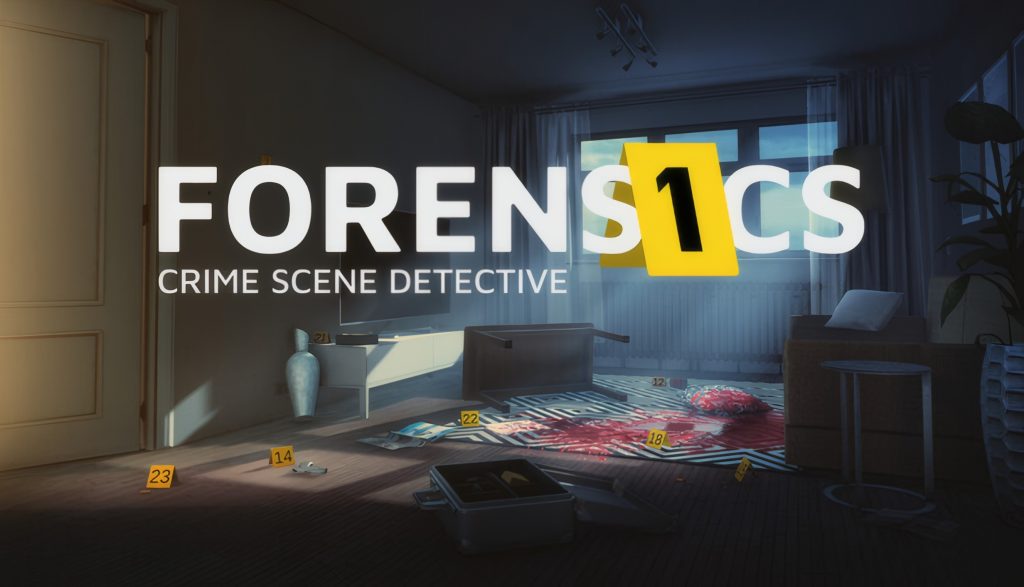
Forensics: Crime Scene Detective follows Aerosoft's familiar formula: an interesting simulation with decent visuals, weak optimization, and repetitive gameplay.

Foxy The First Steps is an excellent precision platformer that understands exactly what makes the genre enjoyable.

Tokyo Valkyries blends visual novel, roguelite deck-building, and fan service into a surprisingly enjoyable mix, despite few standout elements.
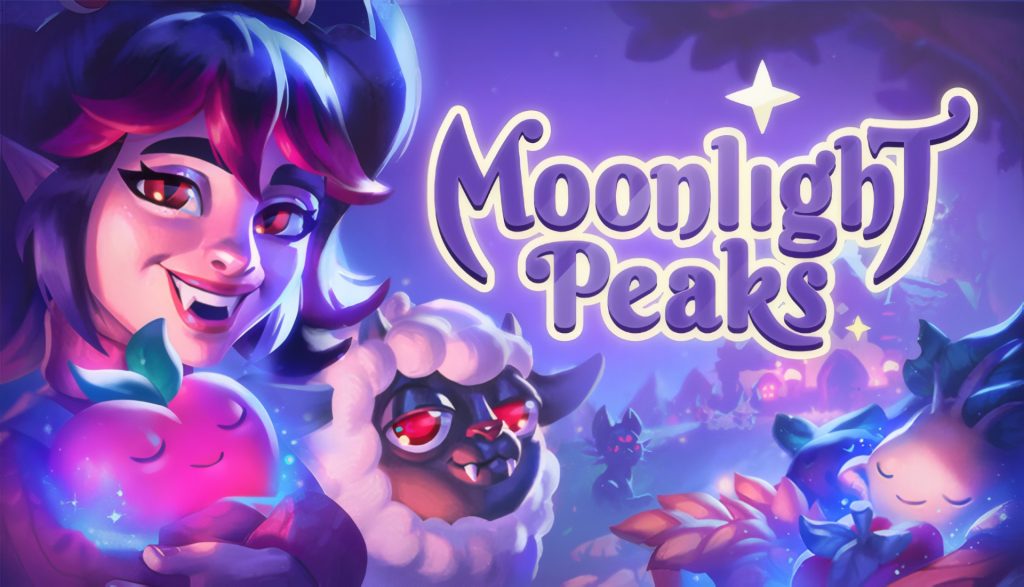
Moonlight Peaks refreshes the cozy farming formula with a more unique supernatural and magical approach while keeping the familiar mechanics…
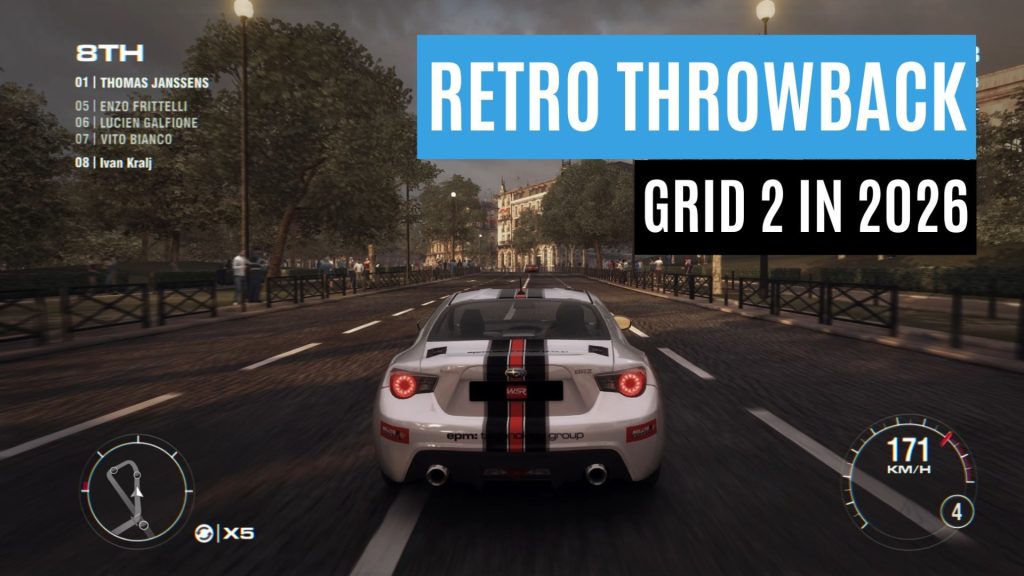
The first thing that stands out about GRID 2 in 2026 has nothing to do with its handling, graphics, or…
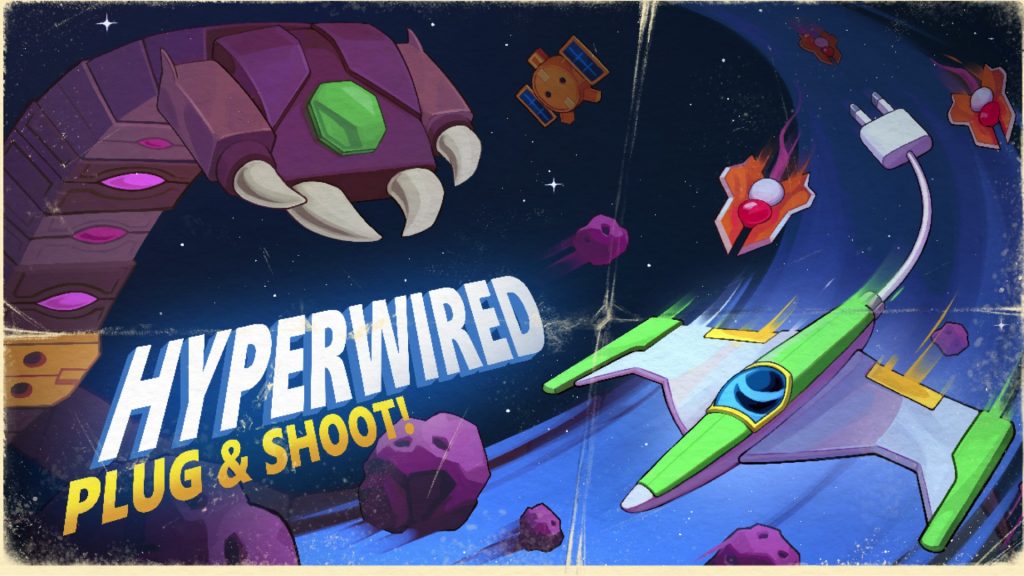
HYPERWIRED is a top-down roguelike where your ship drags a giant plug, powering sockets to complete objectives and progress through…
![[PREVIEW] 70s-style Robot Anime Geppy-X – This Game Pretends It’s a Real 1970s Anime](https://www.indie-games.eu/wp-content/uploads/2026/06/70s-Style-Robot-Anime-Geppy-X-Preview-1024x576.jpg)
As I continue my Steam Next Fest journey, I stumbled upon a game I honestly wasn't expecting to enjoy as…
![[PREVIEW] Edge of Memories – One of My Biggest Steam Next Fest Disappointments](https://www.indie-games.eu/wp-content/uploads/2026/06/Edge-of-Memories-Preview-1024x576.jpg)
Right now, Edge of Memories feels like a game with good ideas that hasn't yet figured out how to turn…
![[PREVIEW] Penguin Colony – Lovecraftian Horror Meets Antarctic Exploration](https://www.indie-games.eu/wp-content/uploads/2026/06/Penguin-Colony-5-1024x576.jpg)
It is surprisingly difficult to explain Penguin Colony, yet incredibly easy to become fascinated by.

Magical Princess is one of those games that immediately reminded me of the classic Princess Maker series, but it does…
![[PREVIEW] Mortal Shell II – Difficult, Fair, and Surprisingly Polished](https://www.indie-games.eu/wp-content/uploads/2026/06/Mortal-Shell-II-1-1-1024x576.jpg)
Mortal Shell II has opened its beta to everyone, and I have to admit, this is exactly how you showcase…
![[PREVIEW] 1666: Amsterdam – Fails to Capture the Promise of Its Reveal](https://www.indie-games.eu/wp-content/uploads/2026/06/1666-amsterdam-1024x576.jpg)
Having just recently been revealed during Summer Game Fest, 1666: Amsterdam has already received a playable prologue on Steam.
