![[GAMESCOM 2026] Tomb Raider: Legacy of Atlantis Preview – Expands the Original Without Losing Its Identity](https://www.indie-games.eu/wp-content/uploads/2026/09/tomb-raider-legacy-of-atlantis-06-02-26-1-1024x576.jpg)
[GAMESCOM 2026] Tomb Raider: Legacy of Atlantis Preview – Expands the Original Without Losing Its Identity
Tomb Raider: Legacy of Atlantis brings Lara back to her roots, but its Gamescom 2026 showing proved this is far…

If you enjoy independent indie game coverage, consider supporting Indie-Games.eu on Patreon. It helps keep the site independent.
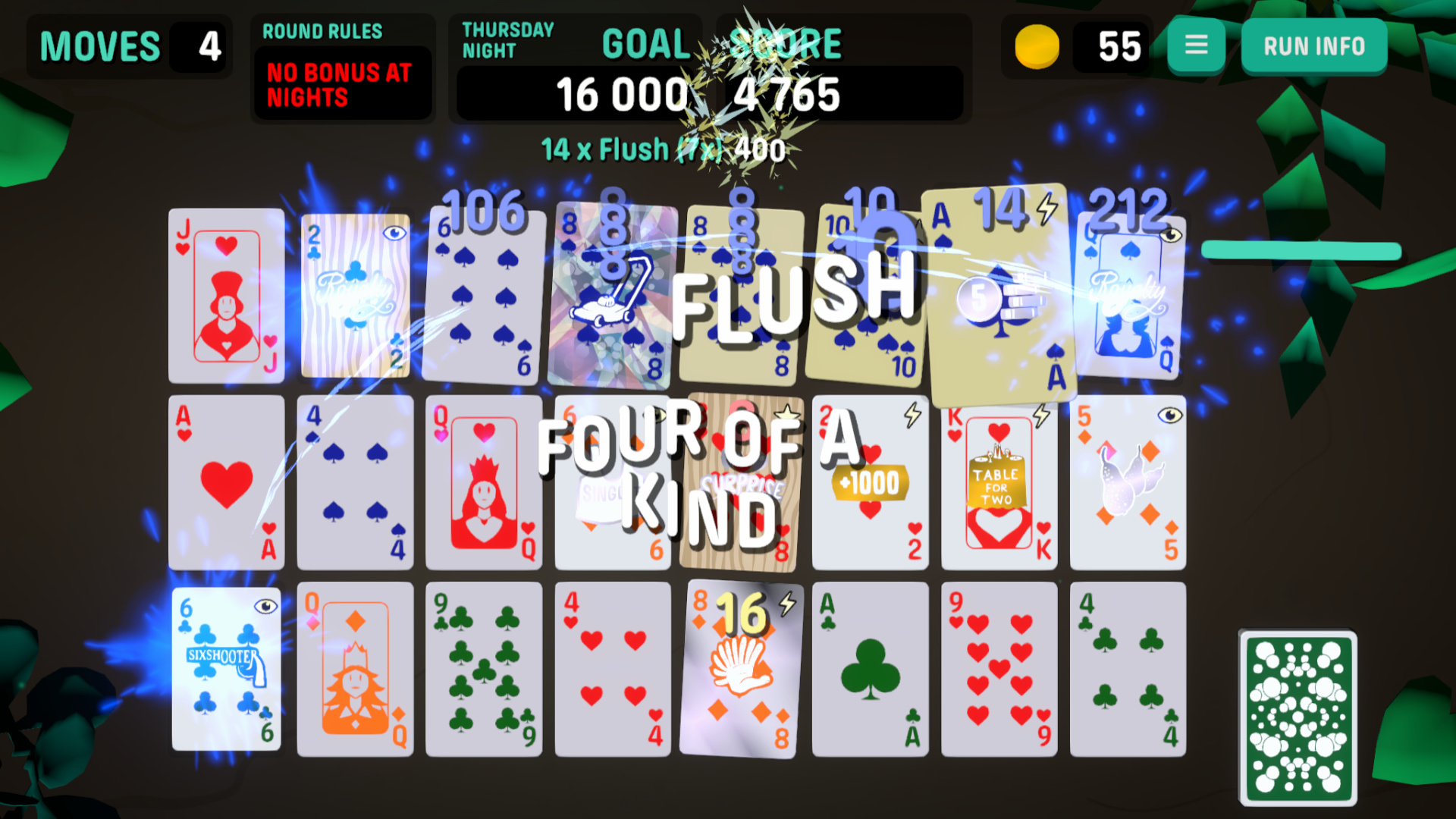
Cascadou is a game that immediately reminds you of Balatro, and not in a subtle way. The inspiration is very clear from the start, but instead of just copying the formula, it builds on it with its own twist centered around chain reactions and combos. At its core, this is a deck-building roguelike built around poker hands, where every move you make is about maximizing score, triggering effects, and pushing your run just a little bit further.
The basic idea is simple. You’re working with standard poker cards and forming familiar hands like pairs, straights, and full houses, but the way you get there is what makes the game stand out. You don’t just play a hand: you manipulate the board, move cards around within a limited number of actions, and try to set up chain reactions that explode into massive scoring combos. Each round increases the target score, so the pressure keeps building, and you’re constantly trying to outscale the game before it outscales you.
It’s extremely easy to pick up. You click cards, the game automatically recognizes the best possible poker combinations, and you move forward. But that simplicity is a bit deceptive, because once you get deeper into a run, it becomes much more about planning, optimization, and understanding how different systems interact. You’re limited by how many moves you can make per round, so every decision matters. Setting up a big combo isn’t just about luck, it’s about positioning, timing, and knowing when to commit.
What really drives the progression are stickers and badges. Stickers can be applied directly to cards, modifying how they behave or boosting specific outcomes. You might enhance certain suits, increase multipliers for specific hands, or create synergies that completely reshape how your deck functions. Badges, on the other hand, provide more global bonuses that persist across rounds, further pushing you toward certain builds. The game often nudges you into choosing a direction, either commit heavily to specific card types or lean into sticker-based strategies, and that tension between the two creates a lot of interesting decision-making.
The structure itself is built around a day cycle, split into morning, afternoon, and night phases. During the day, you benefit from bonuses, while at night those advantages disappear, forcing you to adapt. On top of that, optional challenges appear throughout runs, offering extra rewards if you’re willing to take on restrictions like disabling certain suits or limiting your moves even further. These modifiers keep things unique and add variety without overcomplicating the core loop.
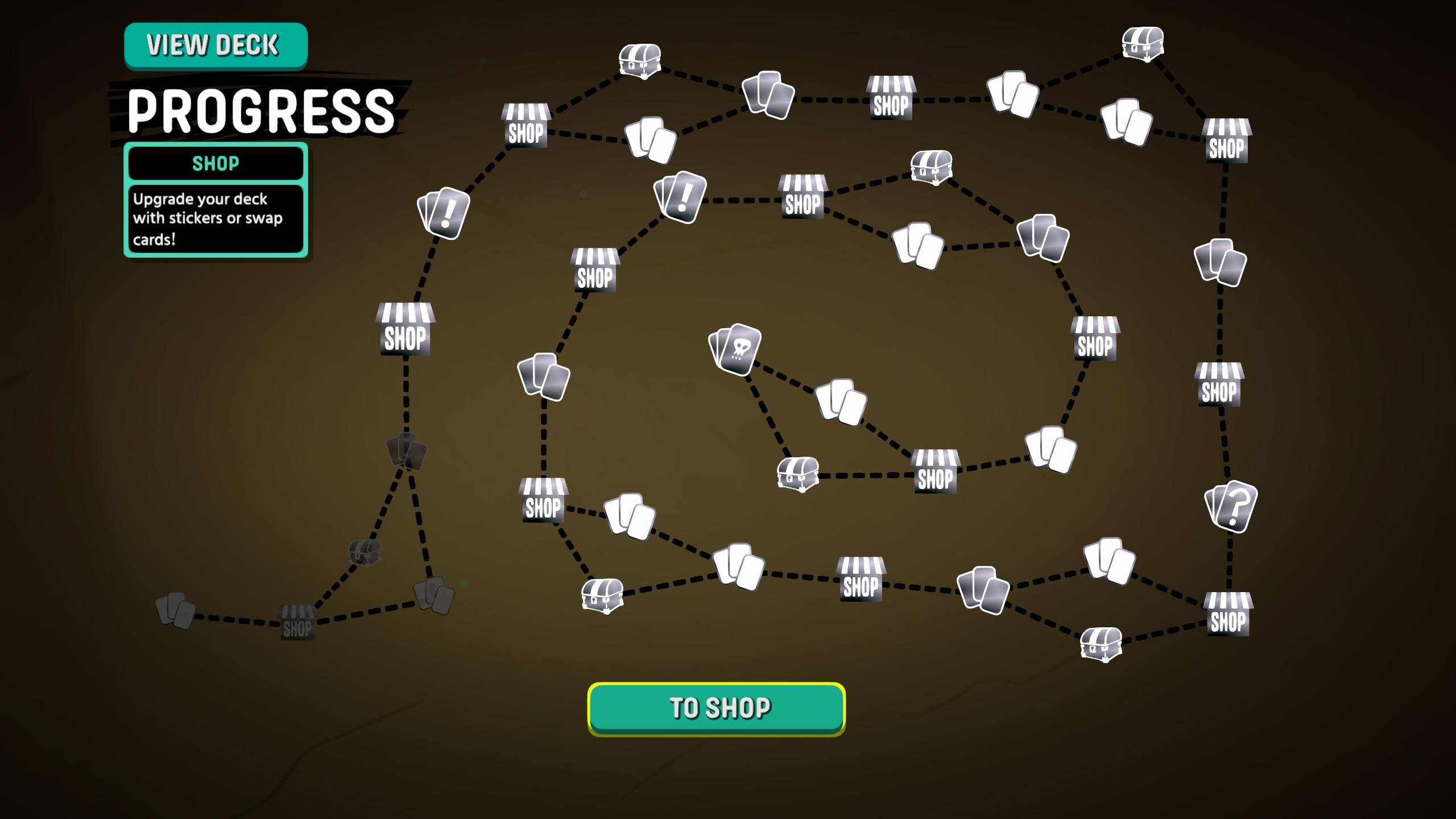
Replayability is where Cascadou really shines. You have multiple difficulty modes, custom runs with adjustable settings, and even daily challenges, which means there’s always another way to approach the game. Each run feels slightly different depending on the order of encounters, the stickers you find, and how your deck evolves. RNG is definitely part of the experience, especially early on, but it never feels unfair. It can absolutely ruin a run if things don’t go your way, but it’s balanced enough that you rarely feel cheated.
From a presentation standpoint, the game does a really solid job. The UI is clean, readable, and not cluttered, which is crucial for a game like this where you’re constantly managing information. The art style is also surprisingly polished, with a clear visual identity that makes everything easy to follow. It’s the kind of design that doesn’t get in your way, which is exactly what you want in a strategy-heavy game.
That said, there are a few areas where the game could improve. One of the biggest issues is clarity when it comes to decision-making. While the game does show you what kind of hand you’re about to create, it doesn’t always make it obvious how your actions will play out in full. Some of that information is hidden behind menus, and I found myself wishing for a more transparent, hands-on preview system that clearly shows the outcome of each move before committing to it. In a game where planning is everything, better feedback would go a long way.
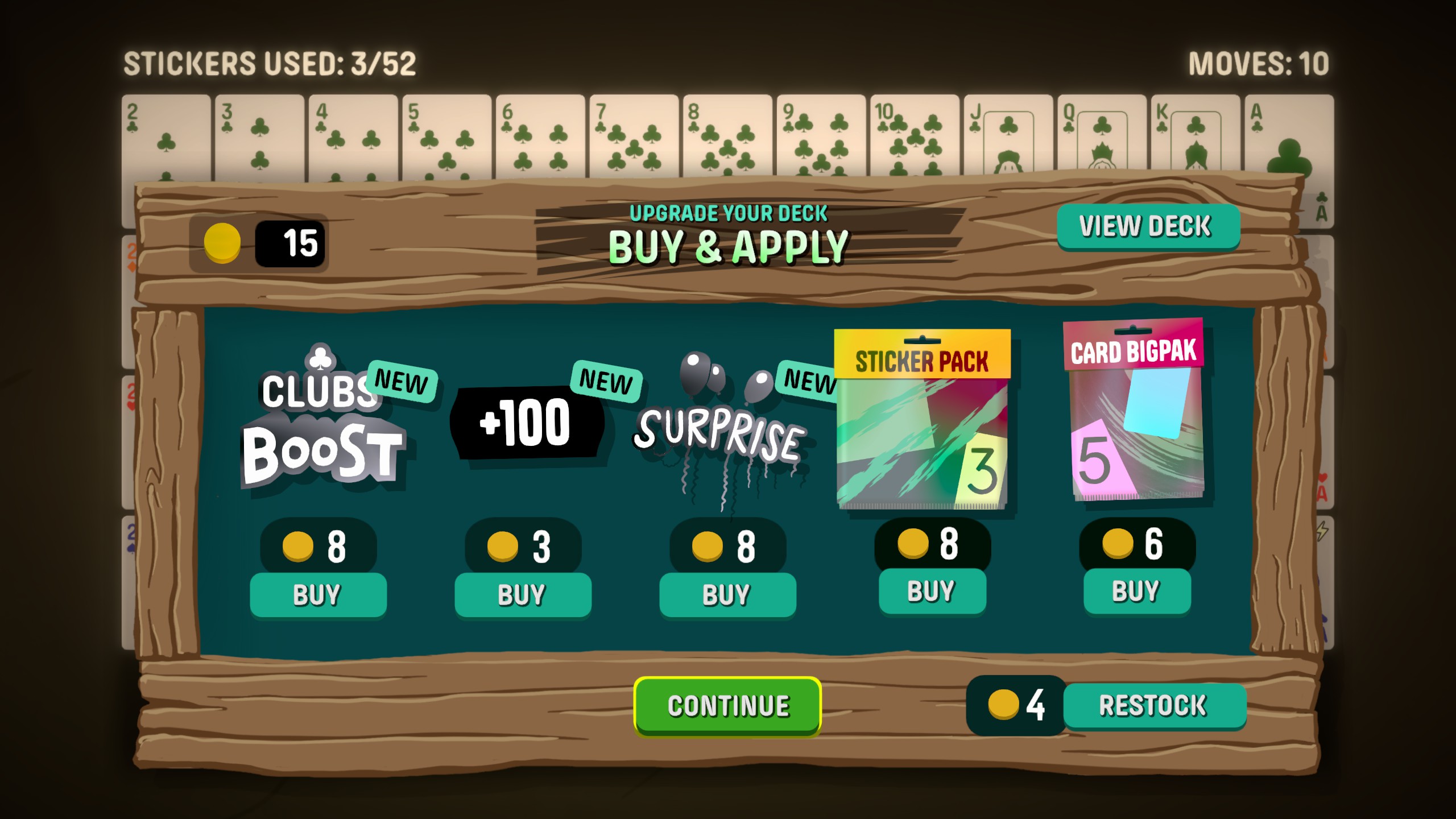
Despite everything mentioned, Cascadou is incredibly addictive. It’s one of those games where you tell yourself you’ll do one more run, and suddenly hours have passed. It’s easy to get into, hard to master, and constantly encourages you to experiment with new builds and strategies. The balance between accessibility and depth is handled really well, making it appealing both to newcomers and players who already enjoy deck-building roguelikes.
At its price point, it absolutely justifies what it offers. You can easily sink dozens of hours into it, and it never really feels like you’ve seen everything it has to offer. If you enjoy games like Balatro, or just like the idea of combining poker mechanics with strategic, combo-driven gameplay, this is a very easy recommendation. It doesn’t reinvent the genre, but it refines it in a way that feels satisfying and engaging. And most importantly, it keeps you coming back.
Cascadou is incredibly addictive deck-building roguelike that clearly takes inspiration from Balatro but builds on it with its own twist centered around chain reactions and combos. The core loop is easy to pick up but hard to master, where you manipulate cards within limited moves to set up massive scoring combos.
Ending Thoughts
This review is based on the retail copy I purchased
Tomb Raider: Legacy of Atlantis brings Lara back to her roots, but its Gamescom 2026 showing proved this is far…
![[GAMESCOM 2026] Clive Barker’s Hellraiser: Revival Preview – Ready to Open the Box](https://www.indie-games.eu/wp-content/uploads/2026/09/Clive-Barkers-Hellraiser-Revival-08-30-26-1-1024x576.jpg)
Hellraiser: Revival preserves the franchise’s sex, gore and psychological horror while delivering approachable survival-horror gameplay.

Swan Song creates a peaceful and forgiving puzzle space without removing the challenge that makes solving a difficult puzzle rewarding.
Mortal Shell II starts brilliantly but grows repetitive and exhausting, while remaining a rewarding and ambitious Soulslike sequel.
![[GAMESCOM 2026] Terranigma Preview – A Lost SNES Classic Returns in 2027](https://www.indie-games.eu/wp-content/uploads/2026/08/Terranigma-1-1024x576.jpg)
After more than three decades of limited availability, Terranigma is returning in 2027. We played its enhanced re-release at Gamescom…

Reading another person’s mind is often presented as a desirable superpower, but Sister Other Paranoia immediately understands why it could…
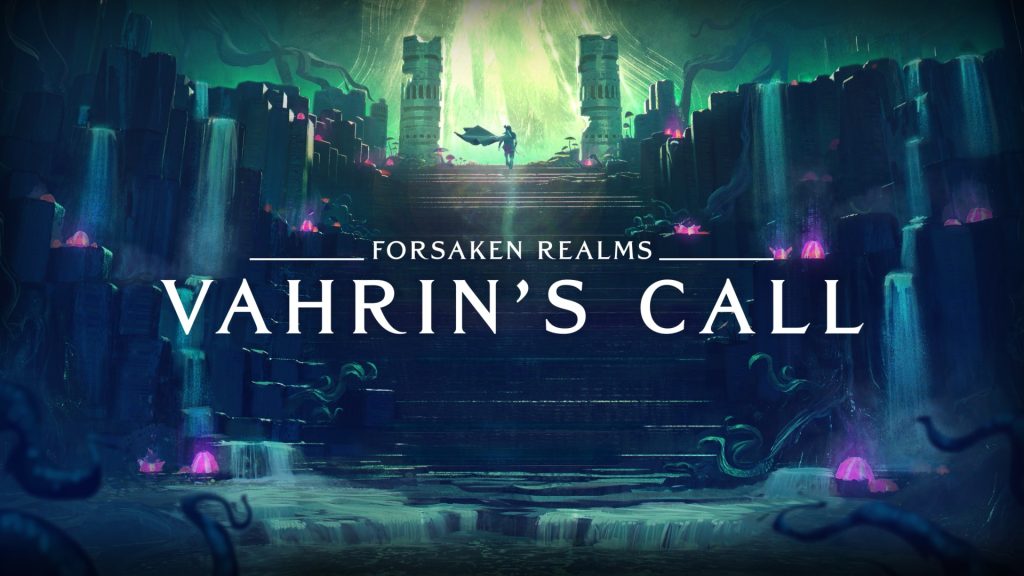
Forsaken Realms: Vahrin’s Call is exactly the kind of ambitious, slightly clumsy fantasy RPG that used to be far more…
![[Early Access] 2nd EVE – Sci-Fi Action RPG That Lacks a Sense of Stakes](https://www.indie-games.eu/wp-content/uploads/2026/08/2ND-EVE-1024x576.jpg)
2nd Eve is a space-set action RPG in which we strive to save humanity.
![[PREVIEW] Dreamcards – Strategic Exploration of Consciousness](https://www.indie-games.eu/wp-content/uploads/2026/08/Dreamcards_20260810_233631_0000-1024x576.jpg)
Dreamcards is a roguelike deckbuilder centered around dreams and nightmares.
![[Early Access] OFFBEAT – Incredibly Fun Way to Start a Music Career](https://www.indie-games.eu/wp-content/uploads/2026/08/Offbeat_20260808_201446_0000-1024x576.jpg)
In OFFBEAT, we play the role of a jobbing composer who is launching their music career.
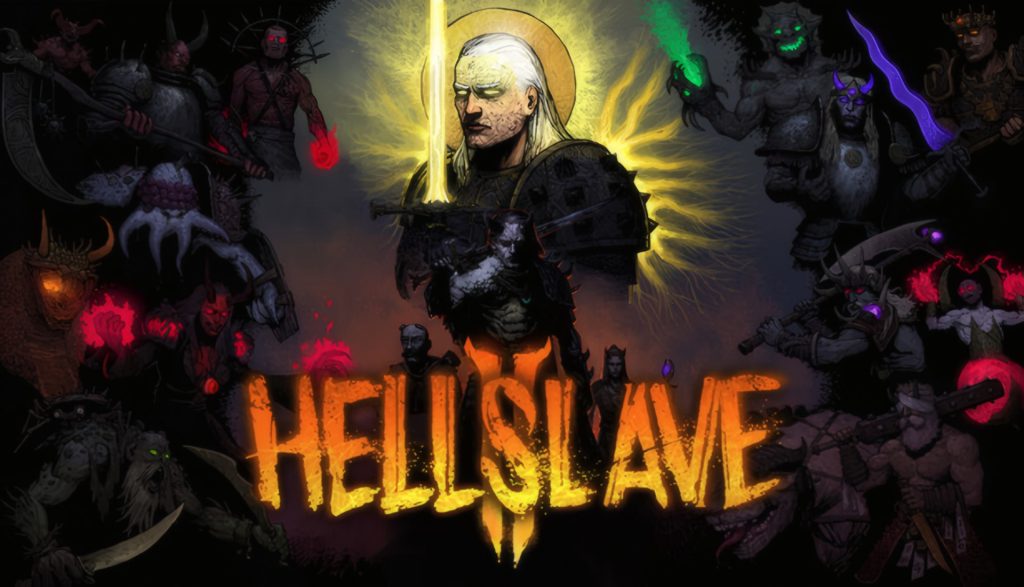
HellSlave II retains the original’s oppressive atmosphere, morally grey world and striking art while adding a larger world, randomized loot…
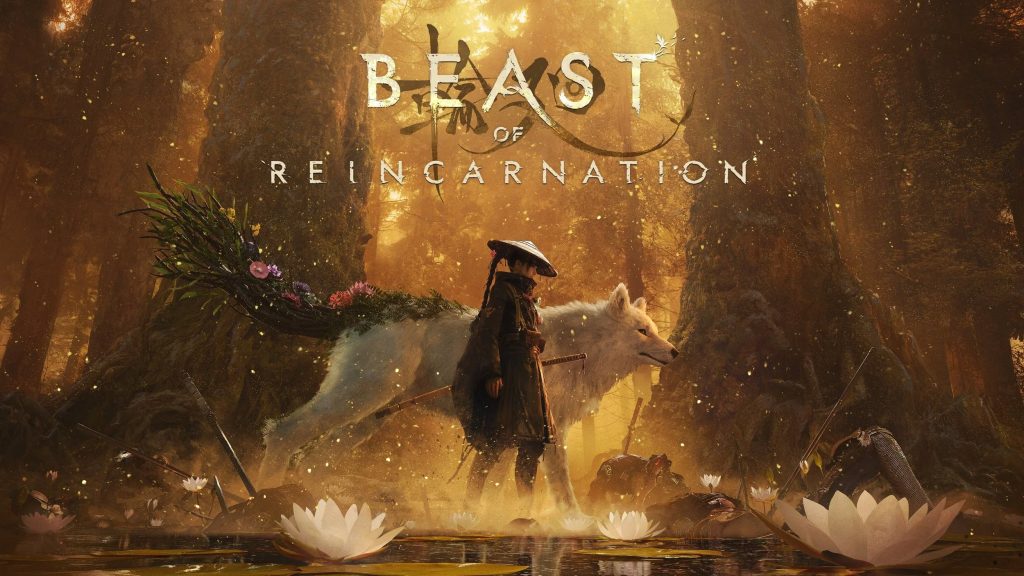
Beast of Reincarnation is an ambitious but uneven action RPG elevated by satisfying parry combat, beautiful art direction and the…

K-pop Idol Stories: Road to Debut captures the pressure of building idol group, but its management systems never explore that…
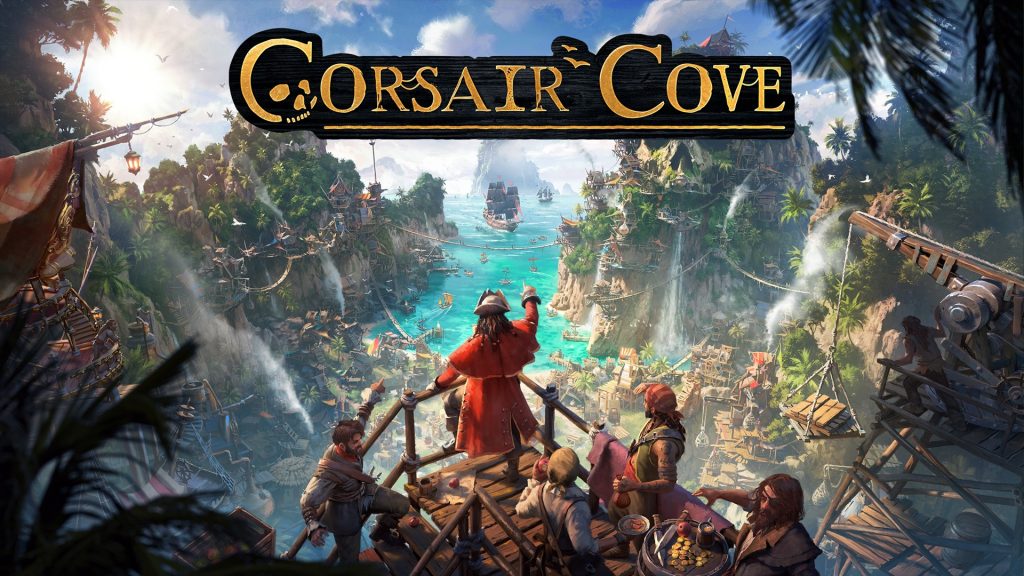
Hooded Horse keeps finding strategy games that know their audience, and Corsair Cove extends its impressive run of excellent city-builders.
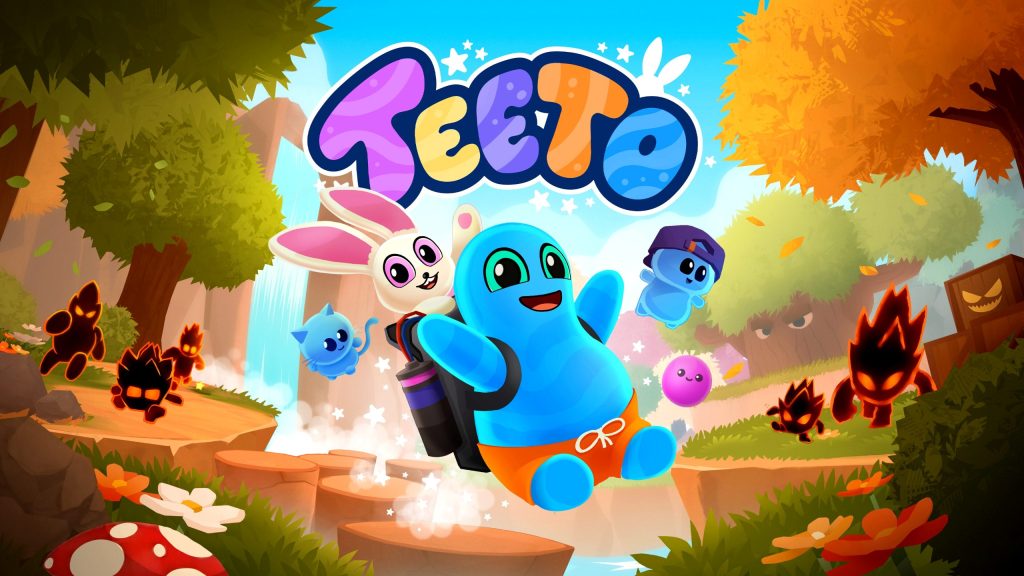
Teeto is a warm, cozy, creative and highly enjoyable 3D platformer that understands why classic collectathons remain so appealing.
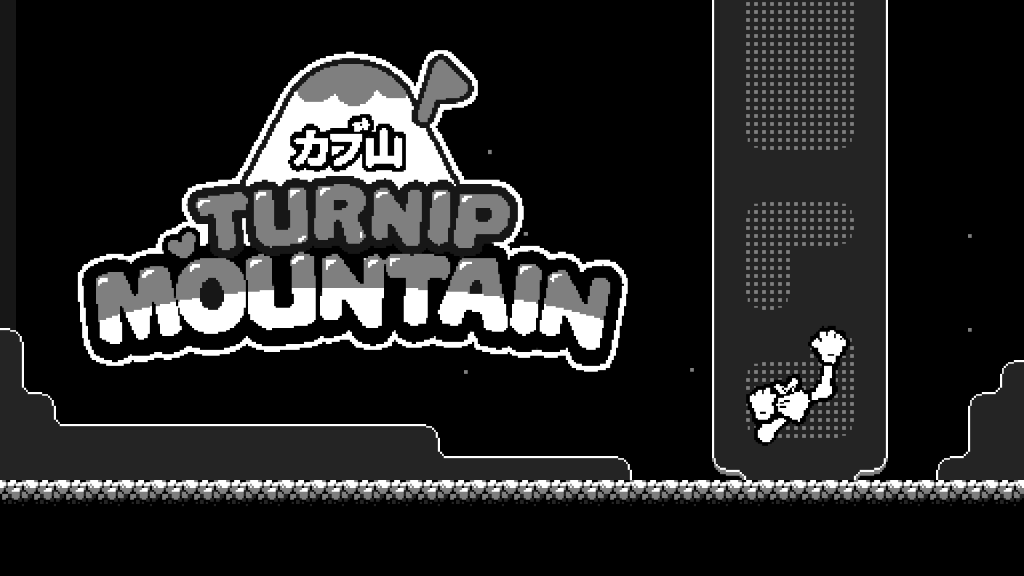
Turnip Mountain stands out for its combination of a unique control system and a minimalist approach.
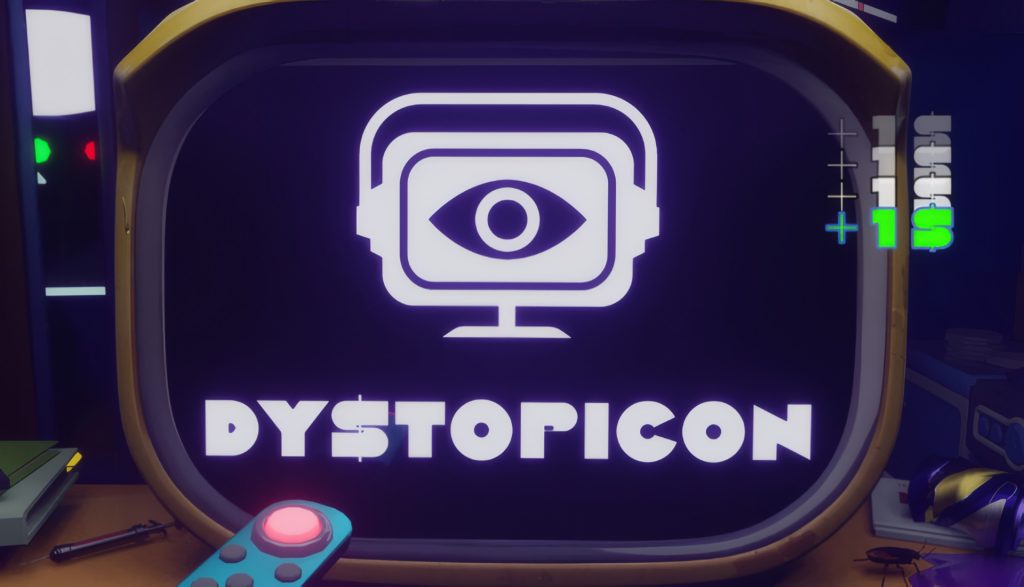
Dystopicon is an imaginative and memorable narrative experiment with sharp social commentary, engaging world-building and several wonderfully absurd scenarios.
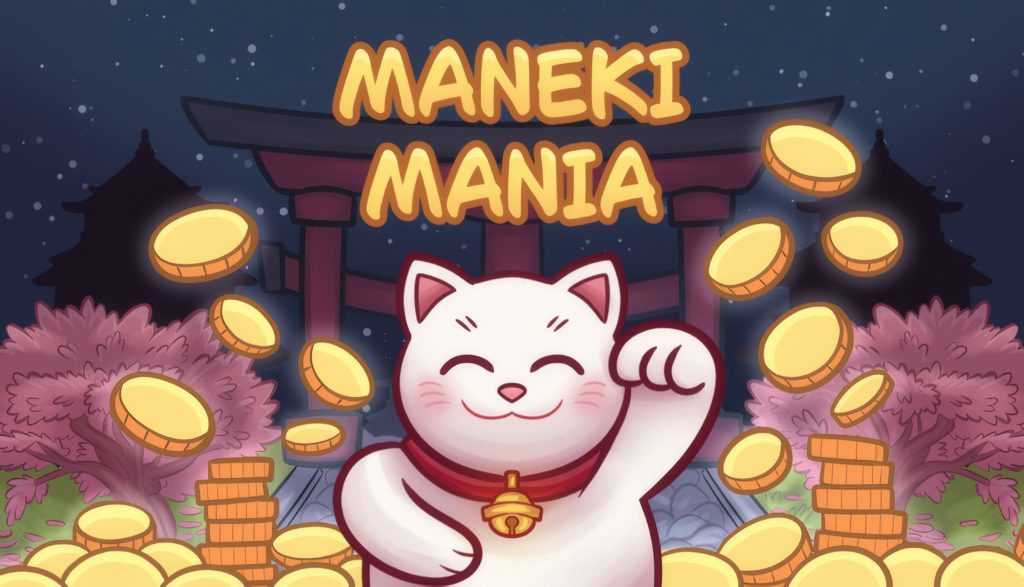
Maneki Mania is an incremental game centered around petting a lucky cat.
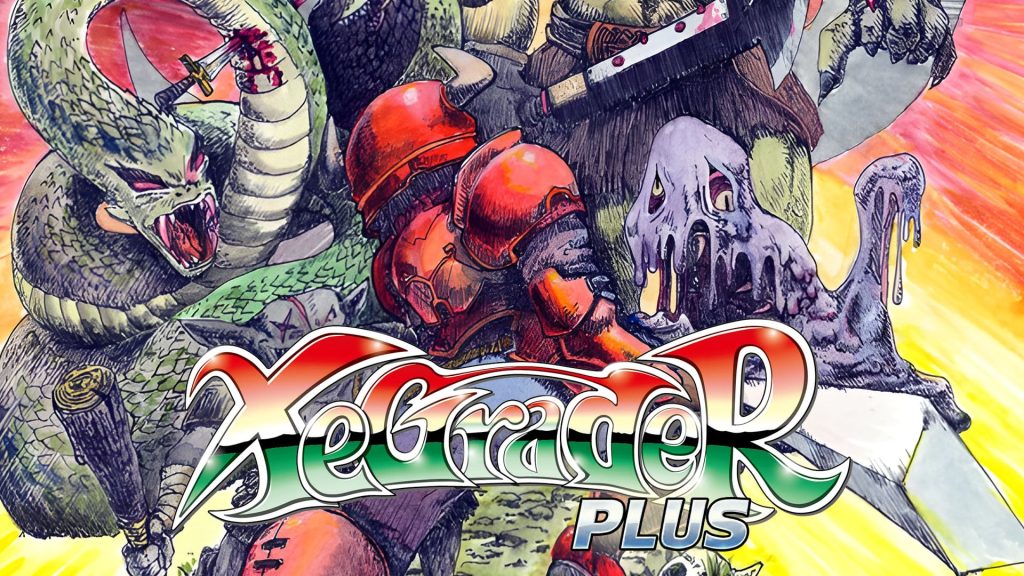
XeGrader Plus delivers colorful retro shooting, but basic mechanics, a short campaign and paid retro modes make its €20 price…
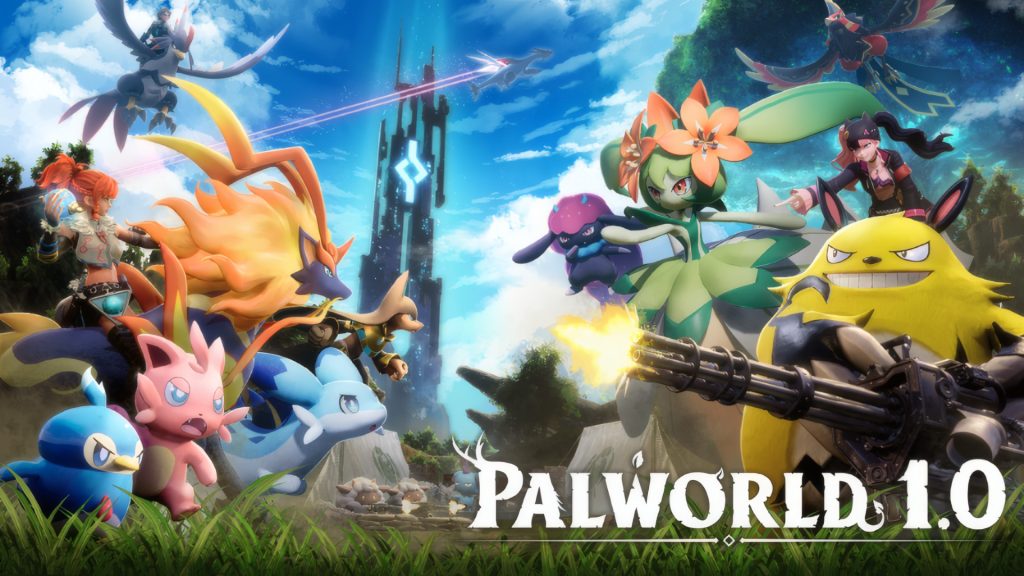
It has been roughly two and a half years since Palworld first entered Early Access, and quite a lot has…
