
Denshattack! – Tony Hawk Meets Jet Set Radio on High-Speed Trains
Denshattack! blends Tony Hawk, Jet Set Radio, and Japanese train culture into one of the year's most creative and unforgettable…


If you enjoy independent indie game coverage, consider supporting Indie-Games.eu on Patreon. It helps keep the site independent.
Valentine’s Day – the perfect date for games centered around love. While the first thought might be of lighthearted dating sim games, sometimes a connection with another person is intertwined with confusion, pain, and even loss. Afterlove EP is special because it successfully blends both of these aspects, combining a narrative adventure, dating sim, and rhythm game into a remarkable journey through everyday life.
Afterlove EP is a slice-of-life adventure from the creators of Coffee Talk and What Comes After. Set in the bustling city of Jakarta, the game follows the story of Rama, a young musician trying to come to terms with life after the death of his girlfriend, Cinte. Although his close friends and bandmates are determined to help him move on, Rama has been stuck in the past for over a year and now faces a serious challenge: either he rejoins the band for an upcoming gig and finally delivers the new songs he promised, or the band moves on without him. Over twenty-eight days and nights, your decisions will play a crucial role in confronting the past and shaping a new future.


The prologue is concise and direct: we are introduced to the main characters, their relationships, and their roles in the story, as well as elements that will follow them later, such as the rhythm games that we get used to from the very beginning. It is right then that we witness the key event of this story, Cinte’s death, and Rama’s struggle to accept it. It only takes about ten minutes of gameplay to learn the basic information, get acquainted with the manga-inspired aesthetic, and connect emotionally with the story (but don’t worry, the real emotional punch only arrives at the very end, when the elements you saw at the beginning will gain a much deeper meaning).
Then we move on to the main part of the game, a slice-of-life adventure that lasts for a month. The story places us one year after the events of the prologue, but the past still haunts us. The first few days serve as an introduction to the new reality, familiarizing us with the different mechanics and development possibilities. Exploring the city takes place through a side-scrolling perspective, and important conversations with new and old characters are initially guided by the game itself to keep us on track.
Most of the time, however, players have a great deal of freedom. Each day, you can complete two activities, including searching for memories, busking on the street, going to therapy, working shifts, or meeting one of the three romantic candidates. When planning your schedule, it’s important to keep in mind that some events are scripted and cannot be avoided, such as band rehearsals and conversations with band members. I know, there’s a lot to keep track of, but that’s why we have a phone to help us organize everything; applications like the map, calendar, and Messenger are intuitive and helpful in making decisions.


The narrative is undoubtedly the key element of this game, but it wouldn’t be as effective without an interesting setting and a unique style. Afterlove EP brilliantly succeeds in capturing the atmosphere of modern urban life: we can visit different neighborhoods, enter buildings, and casually chat with passersby. Jakarta is vibrant, dynamic, and full of surprises, but it also has room for the warmth and simplicity of everyday life. Furthermore, the inclusion of elements like the Indonesian language, traditions, and customs adds authenticity and a personal touch to the whole experience.
Both the visuals and the music are beautiful and perfectly complement each other. The graphics use a manga aesthetic, such as speech bubbles and separate panels, which is charming and fits the narrative perfectly. As soon as the combination of a rock band and comics appeared, it immediately reminded me of Scott Pilgrim vs. the World, although the two stories don’t have much in common. The design is simple and clean, which is especially noticeable in the animated scenes with smooth movements.
It’s safe to say that Soyatu’s art and the original soundtrack by the indie band L’Alphalpha fit together perfectly. I especially liked that instrumental versions of the songs are available during rehearsals, while vocals are added for performances. Unfortunately, the rhythm sections of the game could be more fun if they offered some challenge; there is no scoring system, and missed notes have no impact, which makes these parts of the game unsatisfying, repetitive, and a bit dull.


It took me seven hours to finish Afterlove EP, which is relatively short for a narrative-driven game. And I have to say, it just wasn’t enough. It had ideas with potential, but it failed to fully realize them. In the previous sections, I touched upon various aspects of the game to give you insight into what it tries to achieve. These concepts are original, easily relatable, and sound great, but the way they are implemented simply doesn’t do them justice. I think it would make more sense to compare how these elements look in theory and how they are actually executed.
The game borrows mechanics from different genres, which enriches the experience but can be confusing. The rhythm segments are present but repetitive and ultimately overshadowed by other aspects of the game. The dating part offers three romantic options, but it is often unclear how decisions affect the story. On the other hand, the narrative adventure truly shines and deals with loss, saving the band, and repairing friendships. However, balancing all these elements at once limits their deeper development. Once again, quality should take precedence over quantity.
The freedom of choice keeps players engaged, but Afterlove EP suffers from a lack of clarity. For instance, collecting photo memories is never emphasized as vital, so it remains unclear how they influence the story, gameplay, or ending. The game simply doesn’t explain it. Other activities have a similar problem; there’s a lack of feedback on what helps or has significance. Without clear goals, player actions feel like time-filling, which stretches out the story, and the emotional impact fades over time.


I appreciate how the game tackles serious themes like loss, mental health, and grief while maintaining a dose of humor. The therapy sessions, focused on understanding emotions, were the strongest part of the story. But if the goal is to move on from Cinte’s death, why is she present throughout the entire game? While this reflects the feeling of being stuck in the past, her constant presence, sometimes malevolent or manipulative, diminishes the gravity of her death. At least the voice acting was solid.
Our decisions in romantic relationships should influence the ending, right? I chose my romantic option, and yet I was met with a breakup ending. Okay, I messed up, but how am I supposed to know where and how? Too few dates? Wrong timing? Too much focus on other activities? Even if I wanted to load an older save file to fix the situation, I wouldn’t know where to start, and that is precisely what creates confusion.
Muddled – that is the impression the game left on me. It’s not bad; the presentation is fantastic, the themes are deep, and the messages it conveys are important. But again, all of that loses power when the vision isn’t clear. I would say Afterlove EP is a generally positive experience, and there will surely be players who fully enjoy it. For me, however, it was too vague and chaotic to effectively convey its message, even though the love and effort put into this story are evident. In the end, it may not be memorable, but the way it explores life is something you shouldn’t ignore.
| Pros | Cons |
|---|---|
| Engaging and fitting soundtrack. | Lack of guidance and feedback. |
| Charming and clean visuals. | No real rhythmic challenges. |
| Excellent balance between seriousness and lightheartedness. | The story drags on for too long. |
| Multiple routes and endings. | Narrative sometimes feels repetitive. |
Review copy provided by the publisher
Denshattack! blends Tony Hawk, Jet Set Radio, and Japanese train culture into one of the year's most creative and unforgettable…
If you're looking for a game that takes an incredibly simple idea and somehow turns it into something addictive, KAZ…

Cat Mail Co. charms with cozy visuals and satisfying mail sorting, but its full release doesn't quite live up to…
Forensics: Crime Scene Detective follows Aerosoft's familiar formula: an interesting simulation with decent visuals, weak optimization, and repetitive gameplay.

Foxy The First Steps is an excellent precision platformer that understands exactly what makes the genre enjoyable.

Tokyo Valkyries blends visual novel, roguelite deck-building, and fan service into a surprisingly enjoyable mix, despite few standout elements.
Moonlight Peaks refreshes the cozy farming formula with a more unique supernatural and magical approach while keeping the familiar mechanics…

The first thing that stands out about GRID 2 in 2026 has nothing to do with its handling, graphics, or…
HYPERWIRED is a top-down roguelike where your ship drags a giant plug, powering sockets to complete objectives and progress through…
![[PREVIEW] 70s-style Robot Anime Geppy-X – This Game Pretends It’s a Real 1970s Anime](https://www.indie-games.eu/wp-content/uploads/2026/06/70s-Style-Robot-Anime-Geppy-X-Preview-1024x576.jpg)
As I continue my Steam Next Fest journey, I stumbled upon a game I honestly wasn't expecting to enjoy as…
![[PREVIEW] Edge of Memories – One of My Biggest Steam Next Fest Disappointments](https://www.indie-games.eu/wp-content/uploads/2026/06/Edge-of-Memories-Preview-1024x576.jpg)
Right now, Edge of Memories feels like a game with good ideas that hasn't yet figured out how to turn…
![[PREVIEW] Penguin Colony – Lovecraftian Horror Meets Antarctic Exploration](https://www.indie-games.eu/wp-content/uploads/2026/06/Penguin-Colony-5-1024x576.jpg)
It is surprisingly difficult to explain Penguin Colony, yet incredibly easy to become fascinated by.
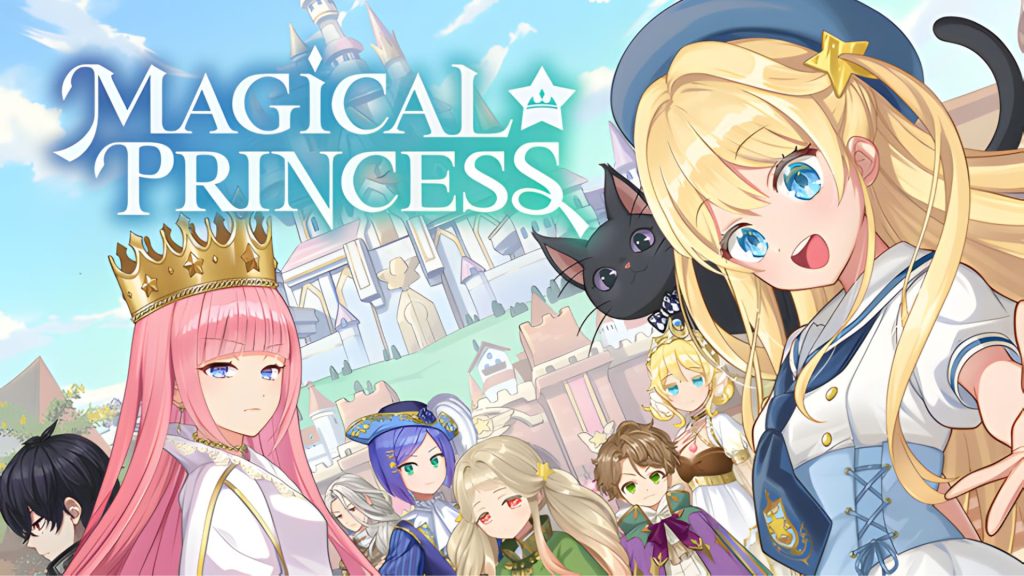
Magical Princess is one of those games that immediately reminded me of the classic Princess Maker series, but it does…
![[PREVIEW] Mortal Shell II – Difficult, Fair, and Surprisingly Polished](https://www.indie-games.eu/wp-content/uploads/2026/06/Mortal-Shell-II-1-1-1024x576.jpg)
Mortal Shell II has opened its beta to everyone, and I have to admit, this is exactly how you showcase…
![[PREVIEW] 1666: Amsterdam – Fails to Capture the Promise of Its Reveal](https://www.indie-games.eu/wp-content/uploads/2026/06/1666-amsterdam-1024x576.jpg)
Having just recently been revealed during Summer Game Fest, 1666: Amsterdam has already received a playable prologue on Steam.
![[EARLY ACCESS] Far Far West – Co-Op Shooter I Didn’t Expect to Love This Much](https://www.indie-games.eu/wp-content/uploads/2026/04/Far-Far-West-1024x576.jpg)
There is a reason why Far Far West is currently sitting at overwhelmingly positive reviews on Steam and has already…
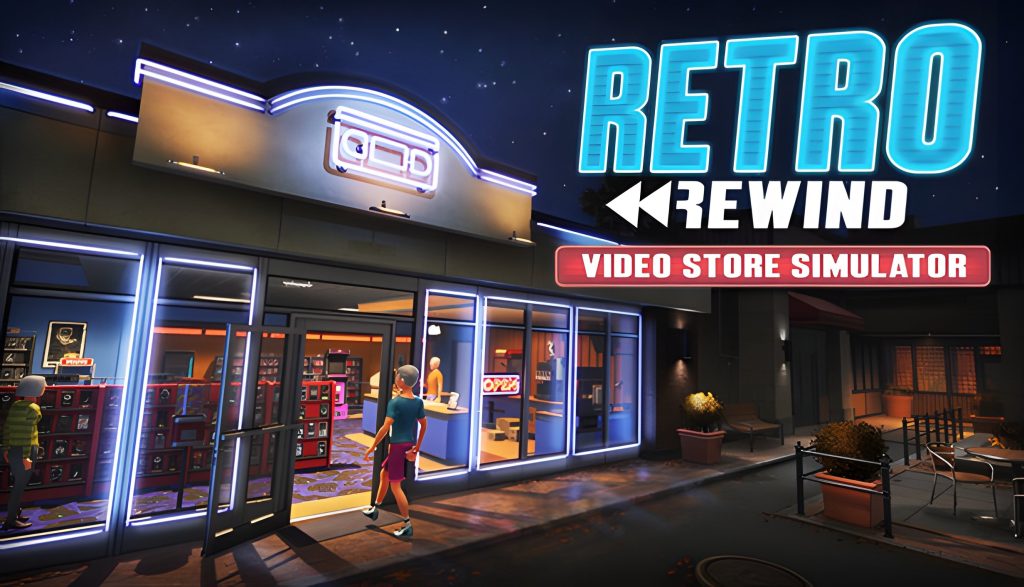
Retro Rewind - Video Store Simulator latest update that adds repair stations, street sign and more to the game, could…
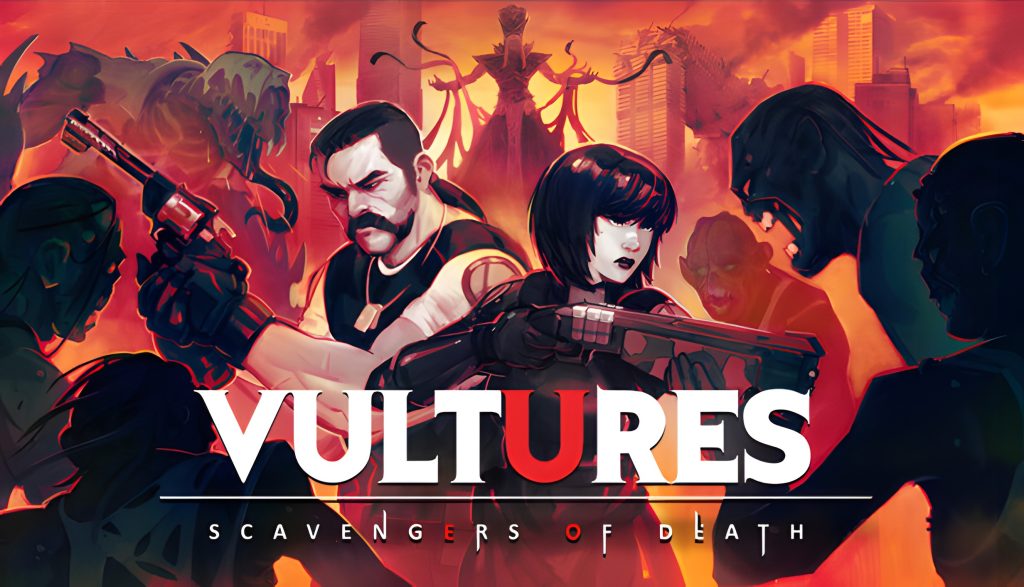
Vultures: Scavengers of Death is a turn-based tactical strategy game heavily inspired by classic survival horror.
![[Early Access] No Stone Unturned – A Fowl Play](https://www.indie-games.eu/wp-content/uploads/2026/05/Unturned-1-1024x576.jpg)
In No Stone Unturned, we play as Detective Cox, a squirrel with amnesia who investigates a murder of a chicken…

Outbound is a mediocre, shallow cozy game with a beautiful presentation and strong concept, but one that fails to deliver…
