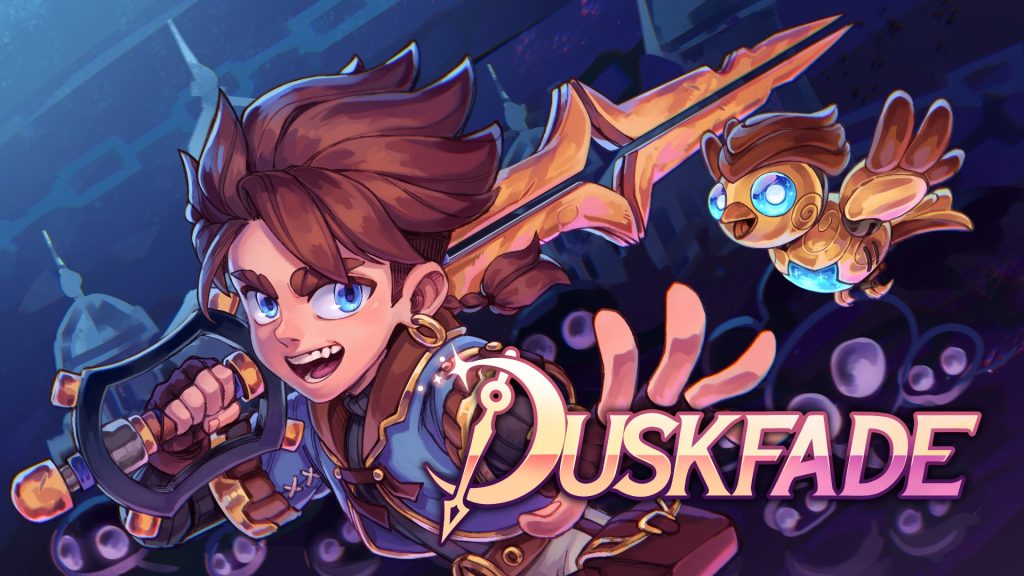
Duskfade – The PS2 Era Returns With All Its Strengths and Weaknesses
Duskfade is worth considering for players who miss colourful PS2-style action-platformers and can tolerate basic combat, floaty movement and backtracking.

If you enjoy independent indie game coverage, consider supporting Indie-Games.eu on Patreon. It helps keep the site independent.
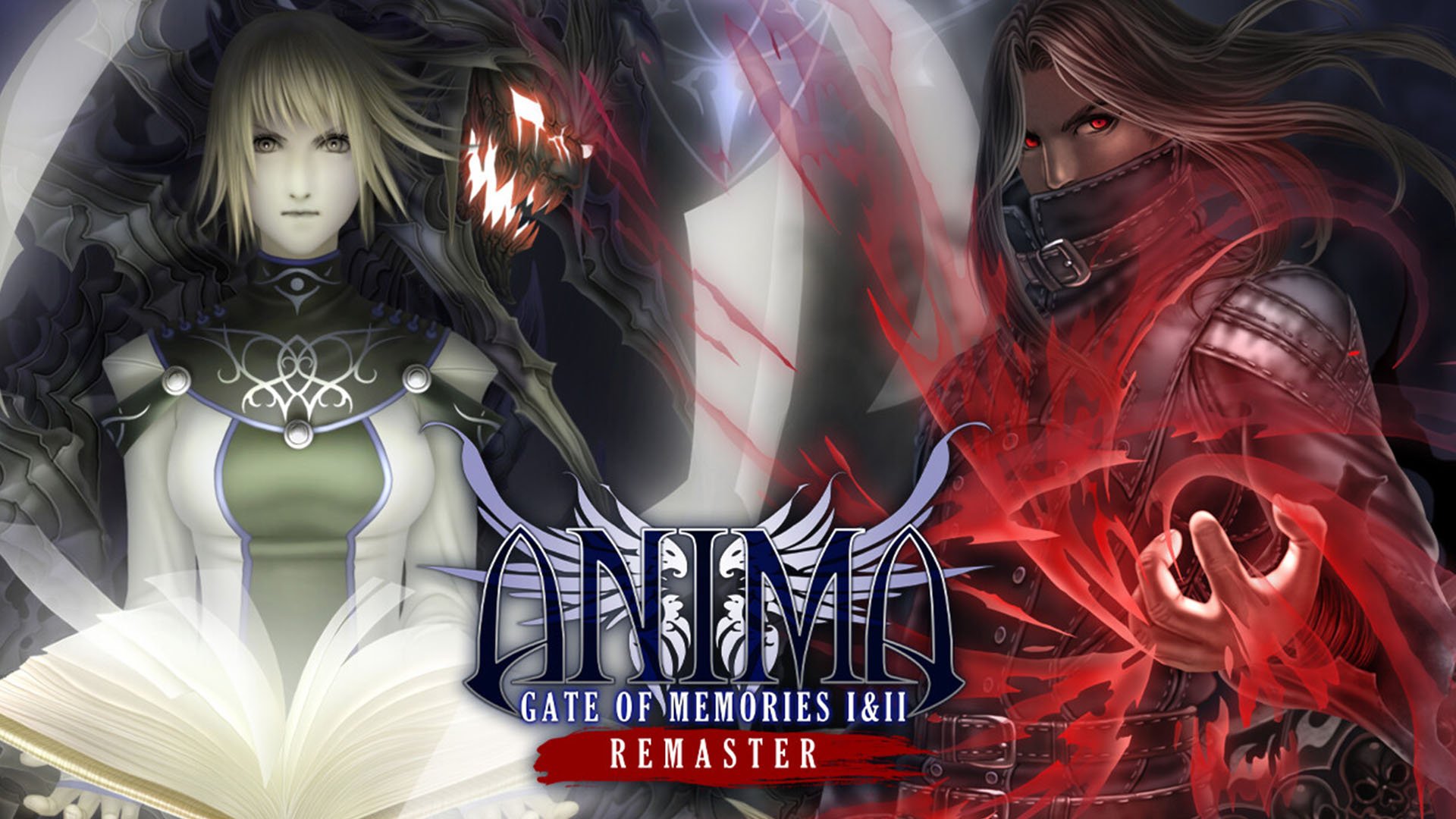
The Anima: Gate of Memories series has always stood slightly outside the mainstream: ambitious, philosophical, and rooted in the Anima: Beyond Fantasy tabletop universe. With Anima: Gate of Memories I & II Remaster, developer Anima Project attempts to bring its cult classics into the modern era. What emerges is not a reinvention, but a thoughtful, more polished presentation of two interconnected adventures that retain both their strengths and their persistent flaws.

The remaster bundles the original Gate of Memories together with The Nameless Chronicles, preserving their dense, lore-heavy narratives intact. The first game follows The Bearer, a mysterious girl who has lost her memories, and Ergo Mundus, the demon bound to her in the form of a living book. Their unwilling partnership forms the emotional backbone of the story, carried by their sarcasm, disagreements, and gradually deepening trust.
The Nameless Chronicles, in contrast, takes a more introspective route by placing you in the role of Nameless, an immortal soul burdened by centuries of guilt and loneliness. His journey leans more into themes of fate and redemption and provides a more personal tone that complements the broader, more adventurous style of the first game.
The world remains one of the series’ most distinct elements. Much of the adventure revolves around the Tower of Arcane, where memories manifest as surreal, symbolic environments. Each location feels like an abstract reinterpretation of reality – haunted mansions, snow-covered fields, ethereal plains, each with its own mood and rhythm.
Exploration plays a central role, often demanding that you solve environmental puzzles, traverse tricky platforming sections, and revisit areas as new skills unlock new routes. This non-linear structure is rewarding for those who enjoy discovery, but the lack of a traditional quest log or clear navigational guidance can also make progression confusing.

Combat continues to rely on fast-paced action where character-switching creates dynamic encounters. In the first game, you alternate between the Bearer’s magical abilities and Ergo’s melee-focused style, while The Nameless Chronicles expands this formula with additional forms and abilities. The core combat system combines melee strikes, ranged spells, evasive maneuvers, and skill-tree customization, all governed by a Ki system that functions like stamina.
While the Ki mechanics add a layer of tactical choice, they also restrict fluidity, occasionally slowing battles just as they become engaging. Boss encounters fare better, offering aggressive patterns and visually striking designs that often push you into a careful dance of dodging, spacing, and well-timed counters. Even so, the combat can become repetitive during long sessions, especially when backtracking through familiar areas.
As a remaster, this collection aims for refinement rather than transformation. Visuals are noticeably improved, with sharper textures, stronger lighting, and polished effects that give environments more depth. Camera behavior is more stable, movement feels tighter, and overall performance is much smoother, particularly in larger areas.
Enemy AI has been lightly rebalanced and new difficulty settings make the experience more flexible for newcomers and returning players. Audio mixing is improved as well, allowing the excellent soundtrack to better complement both story and exploration. The voice acting, however, remains uneven, and some of the stiffness in character animations still disrupts the cinematic presentation.

Despite these technical improvements, several long-standing issues persist. Navigation remains unclear, the absence of a quest log often leads to unnecessary wandering, and some platforming sections continue to feel imprecise. The remaster also does not introduce much new content, making it clear that its purpose is restoration rather than expansion. What has been added improves the moment-to-moment experience, but those hoping for substantial new material will likely be disappointed.
Even with its rough edges, Anima: Gate of Memories I & II Remaster retains an unmistakable sense of identity. Its philosophical undercurrents, atmospheric world, and unusual dual-character structure make it stand out from more conventional action RPGs. The remaster gives both games the technical stability and visual clarity they needed without undermining the tone or intent of the originals.
For returning players, this is easily the best way to revisit the Anima universe. For newcomers, it serves as a strong entry point, offering an expansive, moody world filled with ideas and mystery. It’s still niche, still occasionally clunky, and still unmistakably itself, but now in a more polished and accessible form.
Review copy provided by the publisher
Duskfade is worth considering for players who miss colourful PS2-style action-platformers and can tolerate basic combat, floaty movement and backtracking.
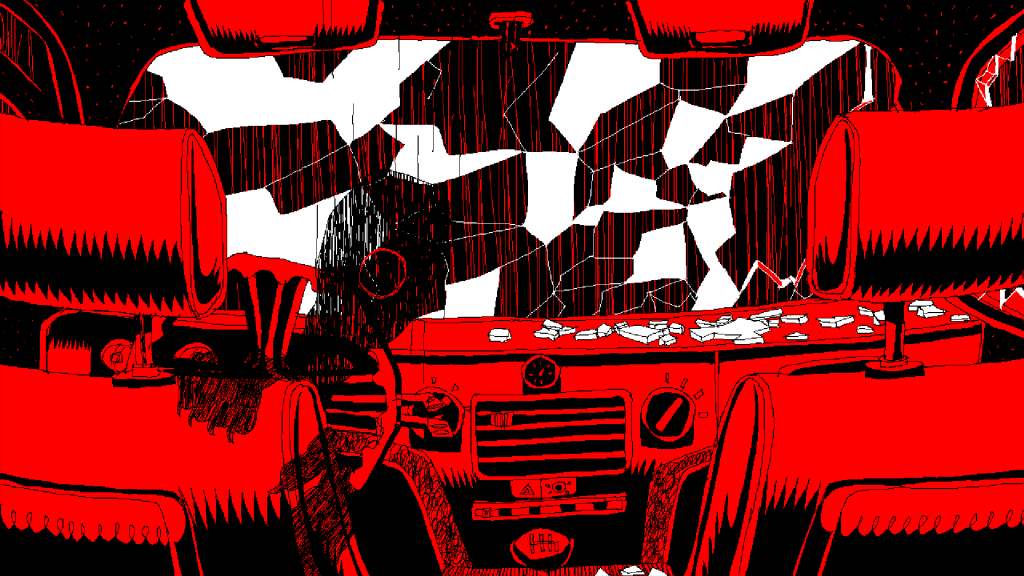
Man I Just Wanna Go Home is a noir crime story with visuals from MS Paint and life-or-death choices.
![[GAMESCOM 2026] Vikings Dynasty Preview – Expands the Dynasty Formula](https://www.indie-games.eu/wp-content/uploads/2026/09/Viking-Dynasty-09-21-26-2-1024x576.jpg)
After showing me Prospera at Gamescom 2026, Toplitz Productions' Mathias Oertel moved to a very different kind of settlement builder.…
![[GAMESCOM 2026] Prospera Preview – Production, Prosperity and Victorian Industry](https://www.indie-games.eu/wp-content/uploads/2026/09/Prospera-09-21-26-5-1024x576.jpg)
At Gamescom 2026, I met with Toplitz Productions' Mathias Oertel for a guided presentation of two upcoming games. One of…
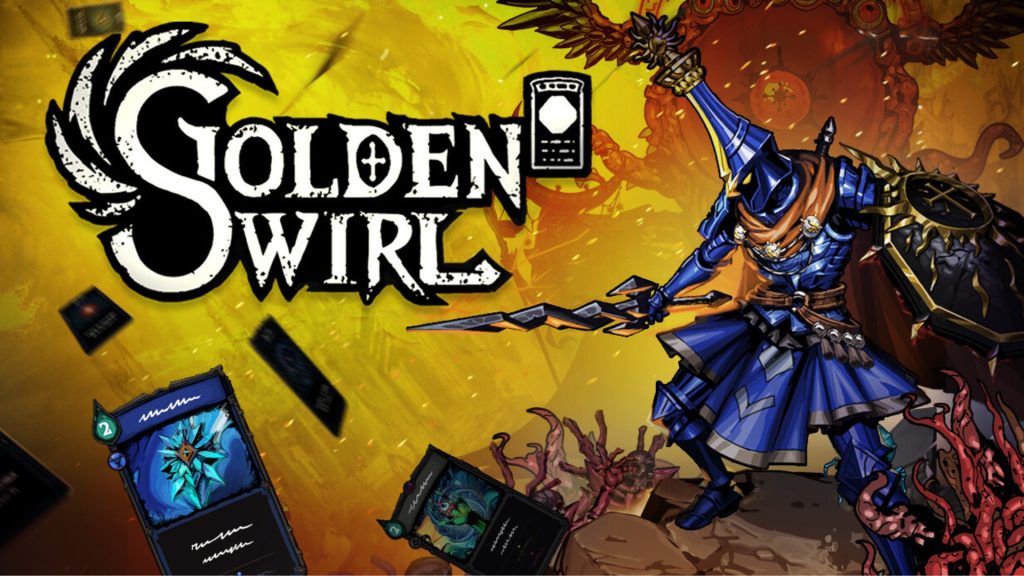
Golden Swirl inventive card combat carries the experience, but repetitive rooms, weak upgrades and excessive dialogue hold it back.
![[GAMESCOM 2026] Wilderdark Preview – Ambitious Dinosaur Horror Game That Still Has Plenty to Prove](https://www.indie-games.eu/wp-content/uploads/2026/09/Wilderdark-1024x576.jpg)
Dinosaur survival horror game Wilderdark has one of those premises that immediately makes you wonder why more games have not…
![[PREVIEW] Tiny Metal 2 – Strategy Game That Wants You to Learn From Every Mistake](https://www.indie-games.eu/wp-content/uploads/2026/09/Tiny-Metal-2-1024x576.jpg)
I rarely enjoy discovering that my opening strategy was completely wrong, but Tiny Metal 2 made that process one of…
![[PREVIEW] Remothered: Red Nun’s Legacy – Ambitious Survival Horror That Needs More Polish](https://www.indie-games.eu/wp-content/uploads/2026/09/Remothered-Red-Nuns-Legacy-4-1024x576.jpg)
Remothered: Red Nun’s Legacy has a gripping atmosphere and promising survival tools, but its repetitive hiding and rough visuals need…
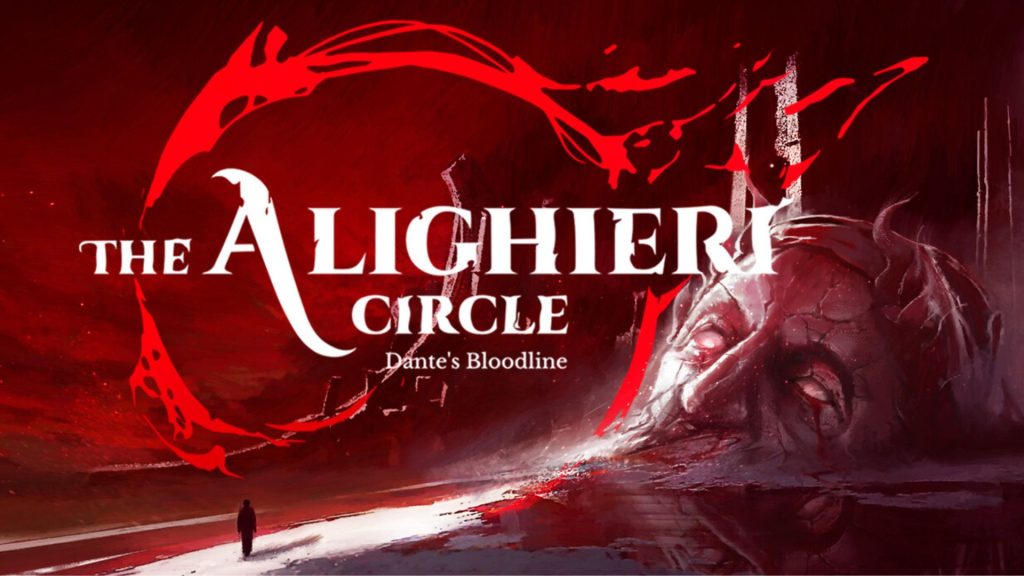
The Alighieri Circle: Dante’s Bloodline is difficult to recommend beyond players who are especially interested in Dante or enjoy solving…
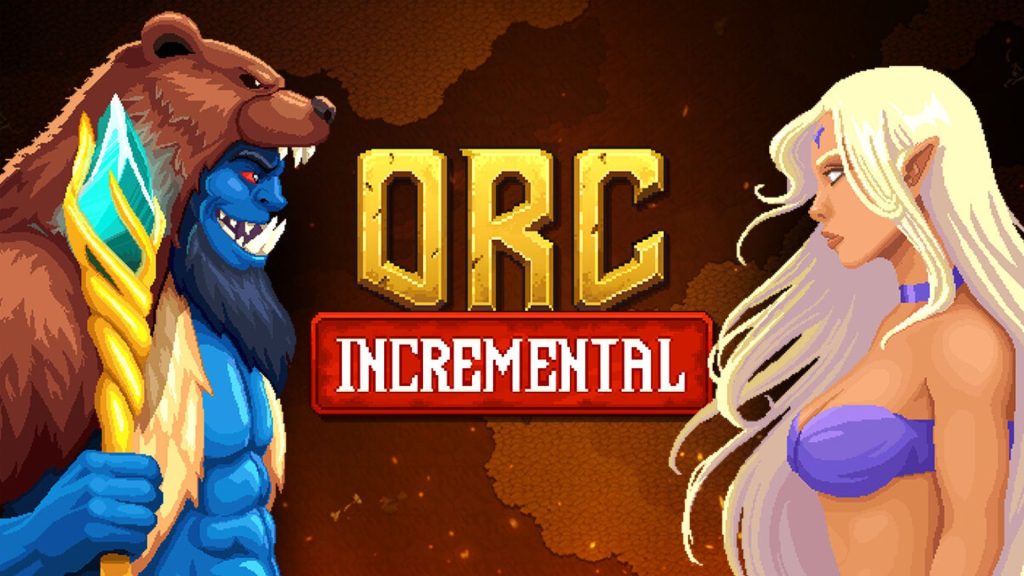
Orc Incremental offers satisfying progression, entertaining totem combinations and enough content to justify its affordable price.
![[GAMESCOM 2026] Chronoscript: The Endless End Preview – Beautiful Pages Hide Deliberate Combat](https://www.indie-games.eu/wp-content/uploads/2026/09/Chronoscript-The-Endless-End-1-1024x576.jpg)
Chronoscript: The Endless End stands out from other Metroidvanias by blending 2D manuscript worlds with exploration inside a 3D manor.
![[GAMESCOM 2026] MegaGum Preview – Combat Hits Hard in This Sticky Platforming Adventure](https://www.indie-games.eu/wp-content/uploads/2026/09/MegaGum-09-09-26-5-1024x576.jpg)
MegaGum combines hard-hitting combat, varied weapons and Gum-powered platforming in a promising Gamescom 2026 demo.
![[GAMESCOM 2026] Delphinium Preview – Cozy Routine Mixed With Enjoyable Minigames](https://www.indie-games.eu/wp-content/uploads/2026/03/Delphinium--1024x665.jpg)
Delphinium mixes cozy farming, exploration and relationships with enjoyable fishing, cooking and forging minigames in its Gamescom 2026 demo.
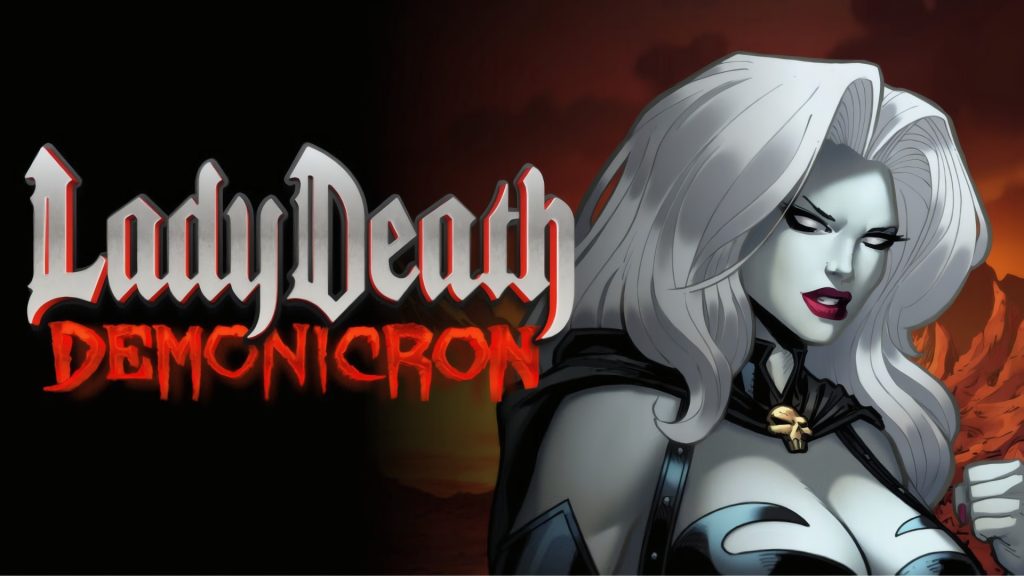
Lady Death: Demonicron looks the part, but underneath its excellent comic-book exterior is a clunky and painfully short brawler.
![[GAMESCOM 2026] Tomb Raider: Legacy of Atlantis Preview – Expands the Original Without Losing Its Identity](https://www.indie-games.eu/wp-content/uploads/2026/09/tomb-raider-legacy-of-atlantis-06-02-26-1-1024x576.jpg)
Tomb Raider: Legacy of Atlantis brings Lara back to her roots, but its Gamescom 2026 showing proved this is far…
![[GAMESCOM 2026] Clive Barker’s Hellraiser: Revival Preview – Ready to Open the Box](https://www.indie-games.eu/wp-content/uploads/2026/09/Clive-Barkers-Hellraiser-Revival-08-30-26-1-1024x576.jpg)
Hellraiser: Revival preserves the franchise’s sex, gore and psychological horror while delivering approachable survival-horror gameplay.

Swan Song creates a peaceful and forgiving puzzle space without removing the challenge that makes solving a difficult puzzle rewarding.
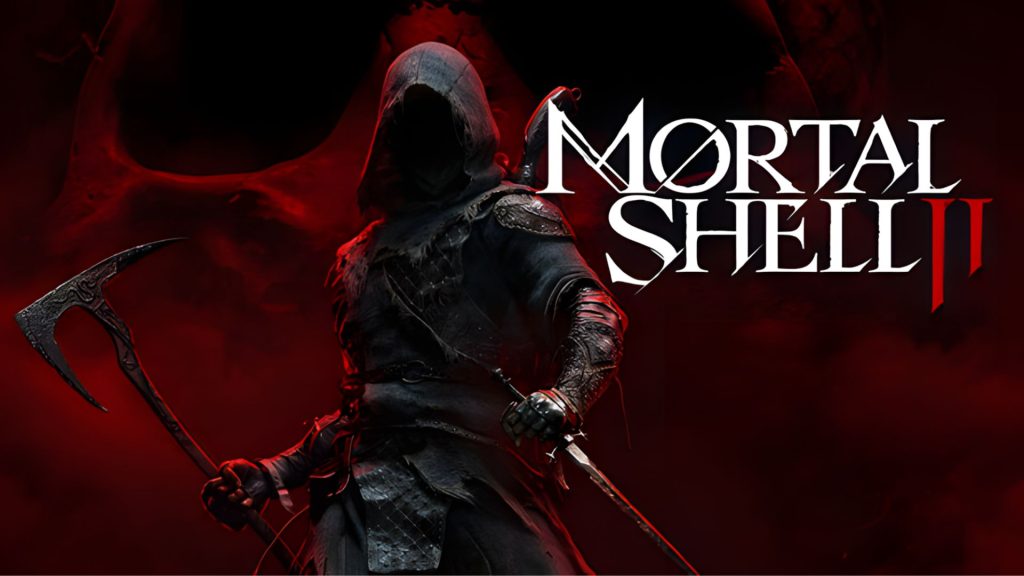
Mortal Shell II starts brilliantly but grows repetitive and exhausting, while remaining a rewarding and ambitious Soulslike sequel.
![[GAMESCOM 2026] Terranigma Preview – A Lost SNES Classic Returns in 2027](https://www.indie-games.eu/wp-content/uploads/2026/08/Terranigma-1-1024x576.jpg)
After more than three decades of limited availability, Terranigma is returning in 2027. We played its enhanced re-release at Gamescom…
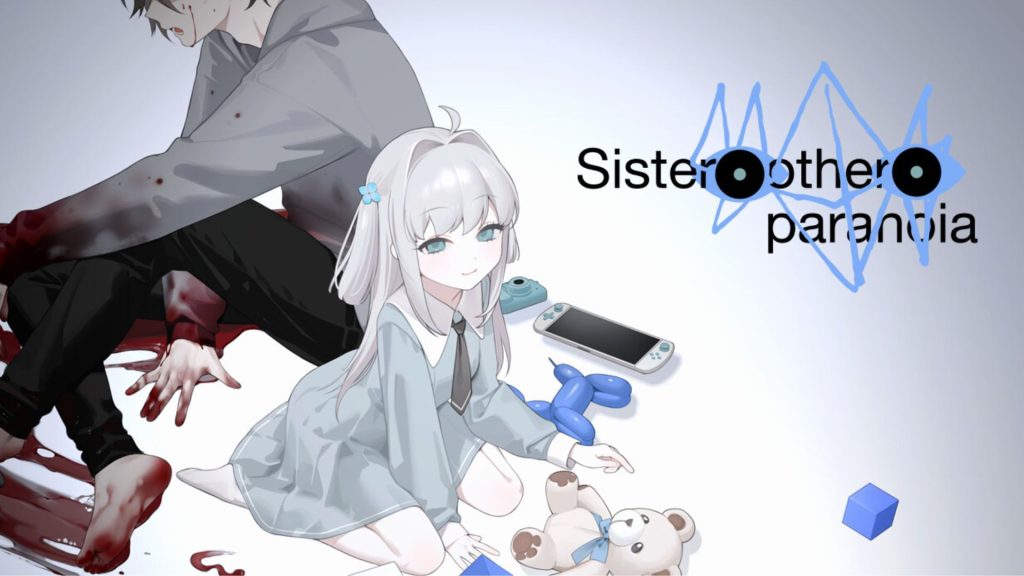
Reading another person’s mind is often presented as a desirable superpower, but Sister Other Paranoia immediately understands why it could…
