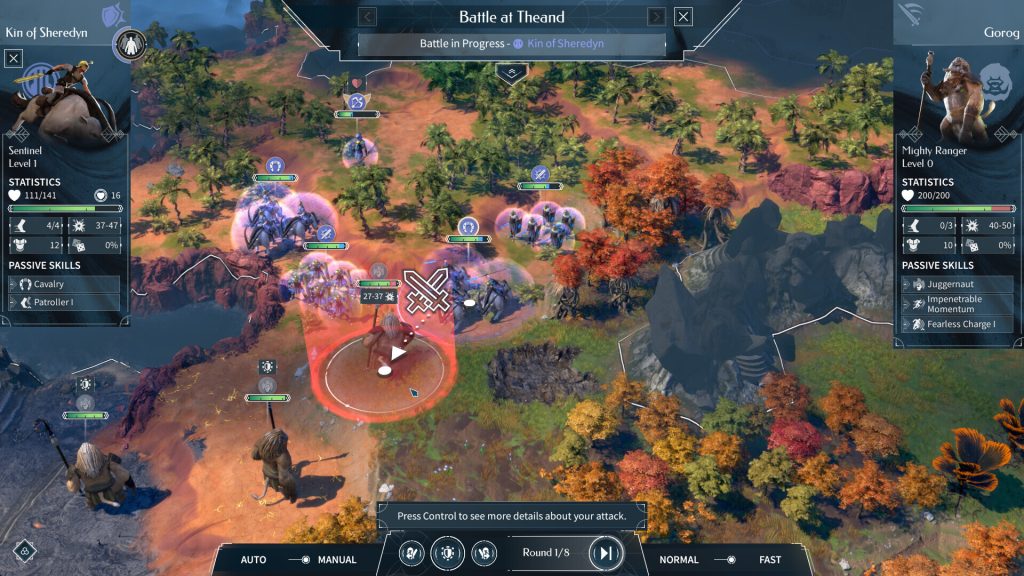
Endless Legend 2 Leaves Early Access in September, Adds Console Versions
Endless Legend 2 leaves Early Access in September as version 1.0 rolls out, bringing console versions to PlayStation 5 and…


If you enjoy independent indie game coverage, consider supporting Indie-Games.eu on Patreon. It helps keep the site independent.
The games industry has recently seen a wave of layoffs and shutdowns, particularly among indie studios. Despite the creativity and innovation of the indie scene, small studios face critical challenges in surviving an increasingly competitive market. From funding issues and technological obstacles to marketing barriers, these problems can make sustaining an indie studio almost impossible. GamesIndustry.biz recently spoke with indie developers about these urgent issues and the support needed to help independent studios thrive.
Securing funding is a primary challenge for many indie studios. Aurélien Condomines, co-founder of Kamaeru: A Frog Refuge developer Humble Reeds, explains that competition in the indie market constantly pressures studios to underprice their games.
With limited funding, studios face a “squeezing effect” that threatens their financial stability and long-term survival. Rebekah Saltsman, CEO of Finji, echoes this sentiment, noting that although her studio has a strong history, finding outside funding or a marketing partner feels “immensely impossible” for indie developers.
“Whether studios are looking for $100,000 or $10 million, it’s really tough,” Saltsman says. Difficulty securing major investments or marketing partnerships leaves indie developers vulnerable, struggling to meet the rising costs of game development.

Indie studios relying on third-party engines like Unity face various challenges. For Finji, long development cycles mean dealing with technological advancements that shift the engine landscape. Saltsman describes a “moving target” scenario where technology improves faster than a game can be completed. This often forces developers to upgrade graphical fidelity and gameplay mechanics to match current standards, increasing development costs.
Gaining attention is another struggle. With a flood of games releasing on platforms like Steam, finding an audience is difficult. Humble Reeds co-founder Mélanie Christin highlights the challenge of standing out: “There are people who would be interested in your game, but they simply can’t see it because there are so many other good games.” Alison Czarnietzki, CEO of Only By Midnight, adds that new Steam releases often get only a few hours of exposure, forcing indie developers to compete for visibility with big-budget titles.
Developers agree that visibility and support can make a major difference. Events like Gamescom’s Indie Arena Booth provide valuable exposure for indie titles, but Czarnietzki stresses the need for more such opportunities: “There is real art and innovation on display, but we are all struggling to get attention.” For games with limited budgets, targeted launch support can have a significant impact.
Saltsman also advocates for mentorship as a way to support the next generation of indie developers. She encourages experienced industry veterans to offer guidance and help newer studios navigate the complexities of game development and release: “If you have the space to reach back, that’s the only way our industry will grow,” she says, adding that “humble profits” can help keep studios open and productive.
Endless Legend 2 leaves Early Access in September as version 1.0 rolls out, bringing console versions to PlayStation 5 and…
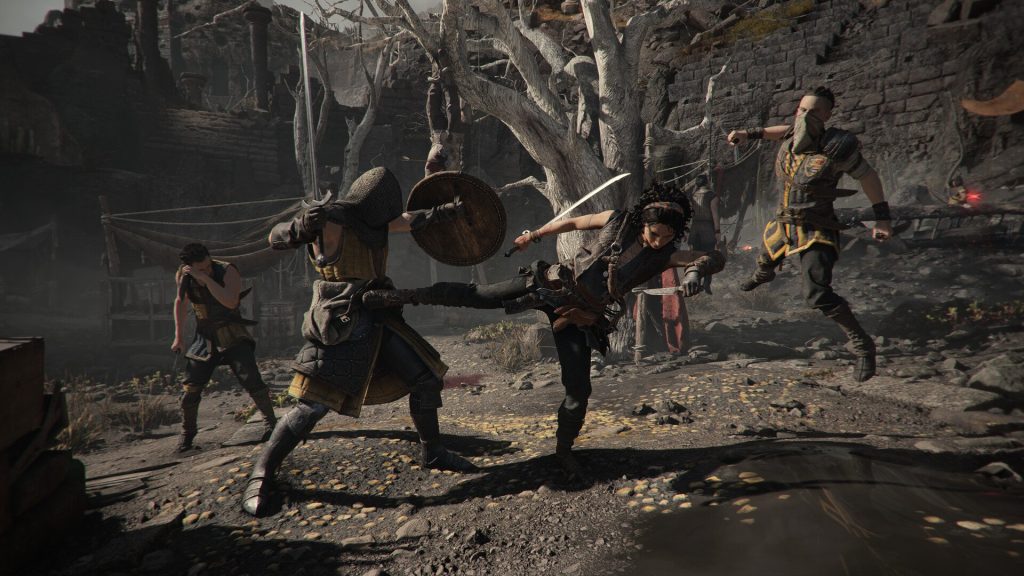
A new Resonance: A Plague Tale Legacy featurette shows how Sophia can use light to navigate dangerous environments and overcome…
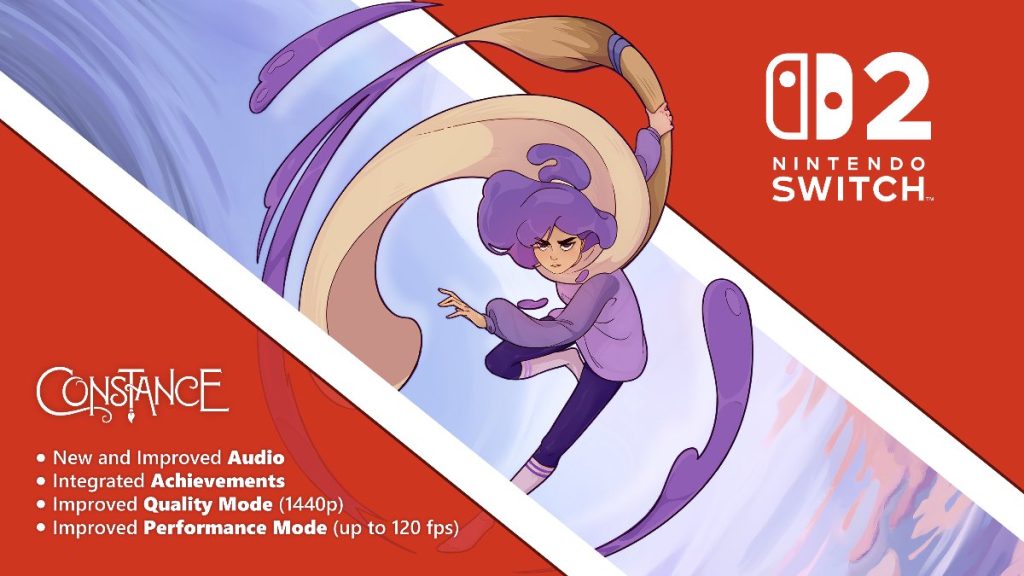
The nonlinear world contains six biomes, each representing a different part of the protagonist’s psyche and history.
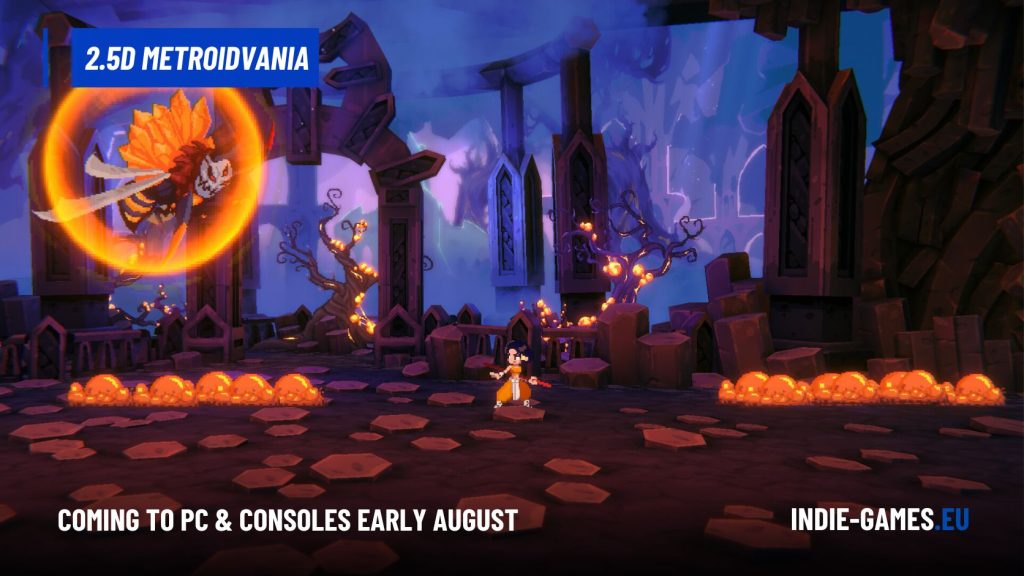
Akatori launches early August on PC and PlayStation and Xbox, featuring 2.5D Metroidvania action, parkour and staff-based combat.
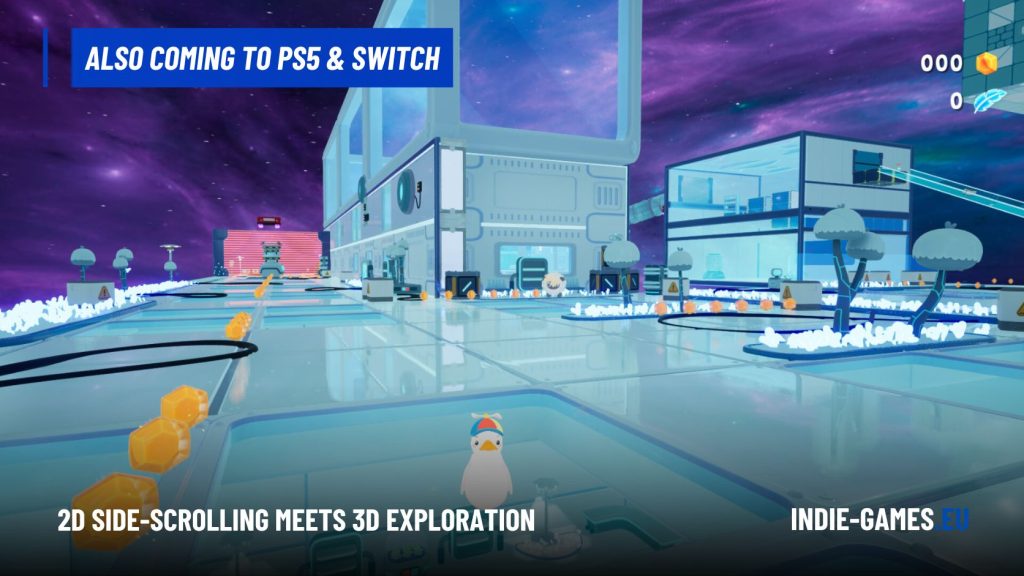
Dodo Duckie! launches on PC and Xbox today, with PS5 and Switch versions arriving later in 2026, featuring unique 2D…
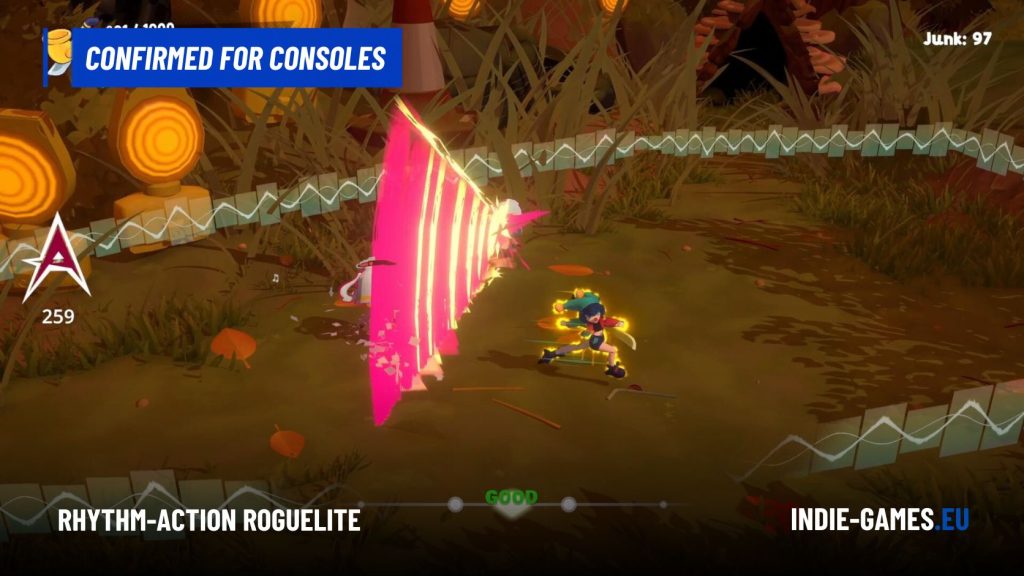
Alpha Nomos launches on PlayStation 5, Xbox Series and PC in 2026, featuring rhythm-based roguelite combat, live-recorded weapons and a…
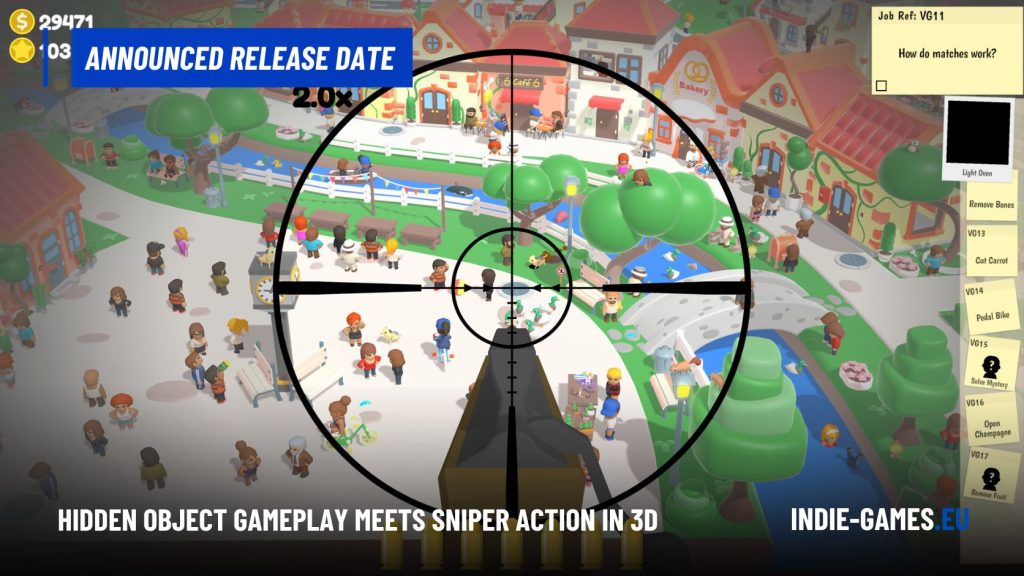
Sniper Dan launches in September for PlayStation 5, Xbox, Switch and PC, blending hidden object gameplay, puzzles and family-friendly sniper…
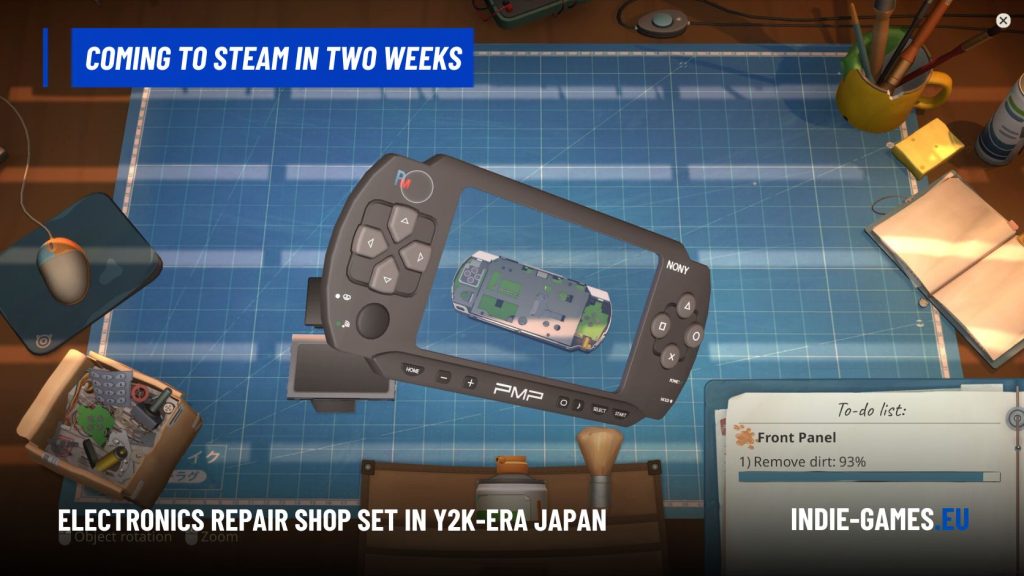
In ReStory, you will repair a wide range of early-2000s technology, including mobile phones, handheld gaming systems, digital pets, music…
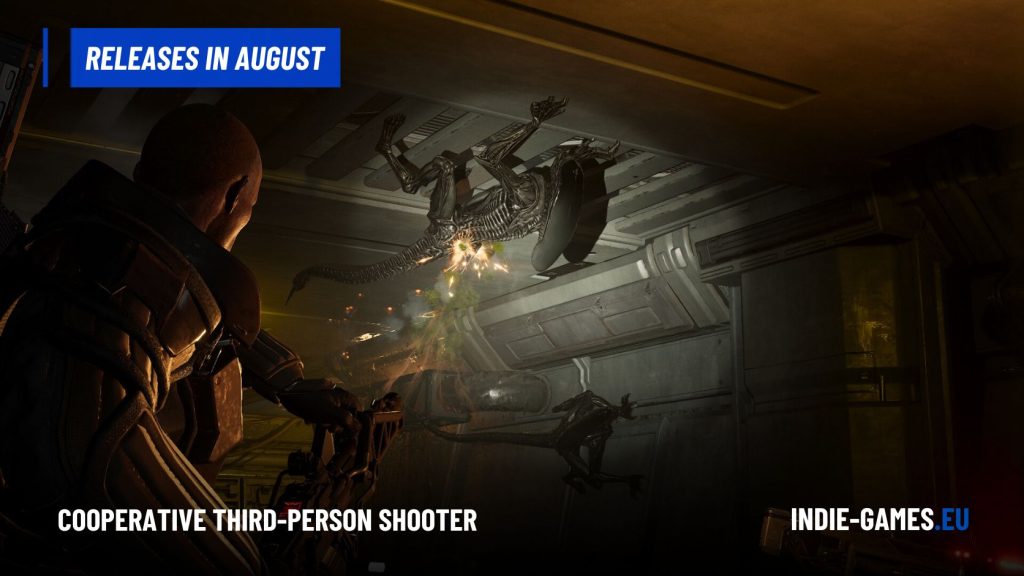
Aliens: Fireteam Elite 2 expands its fireteams to four players, who take control of Colonial Marines deployed across hostile locations…
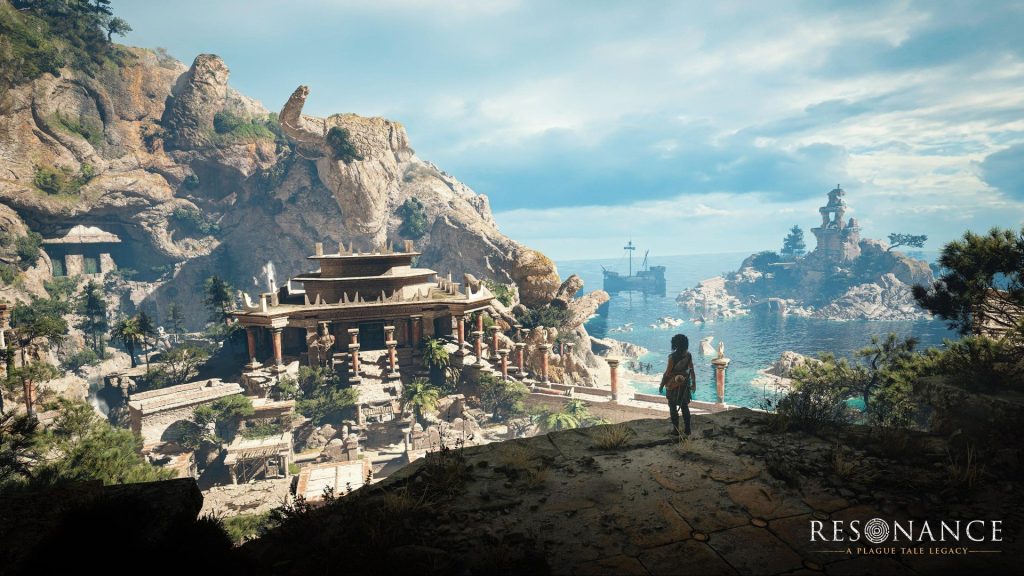
Asobo Studio has released a short scenic clip for Resonance: A Plague Tale Legacy, showcasing its Mediterranean-inspired locations.
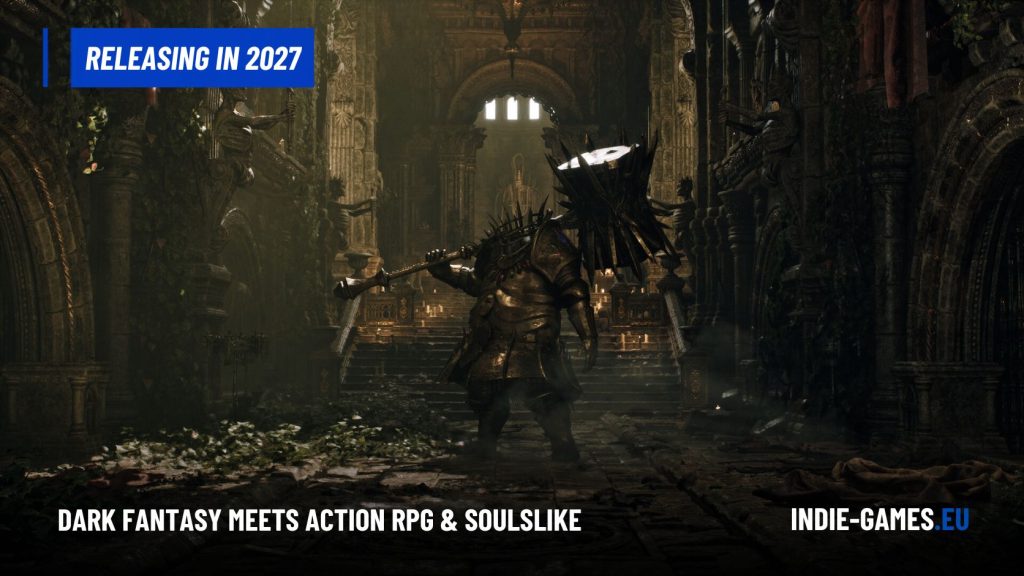
Turkish solo developer Celal Sahin has announced Godless Dawn, a dark fantasy action RPG targeting a Q1 2027 release on…
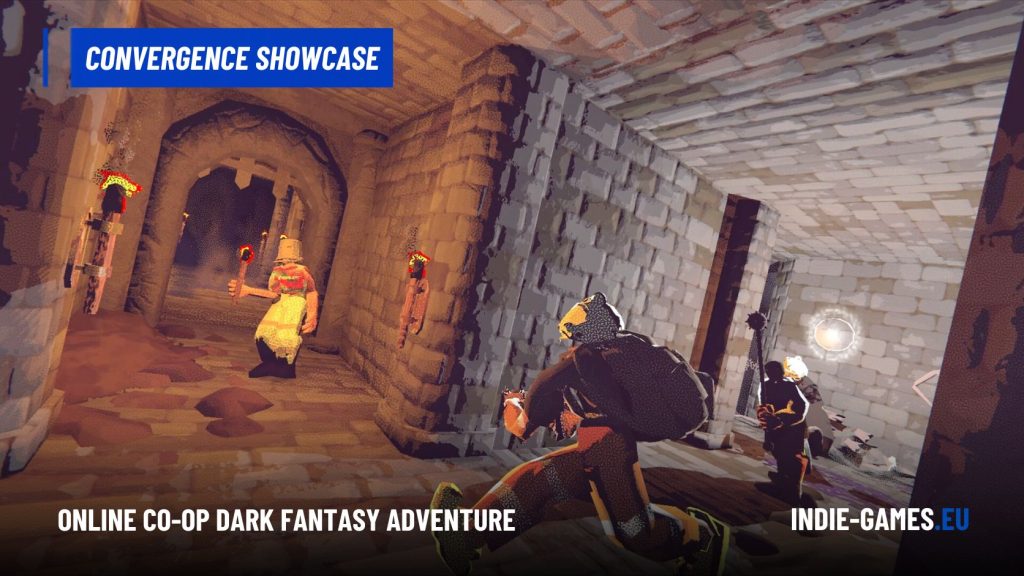
Vision Quench, an online co-op dark fantasy adventure from developer WizMUD Games and Pocketpair Publishing, is targeting an early 2027…
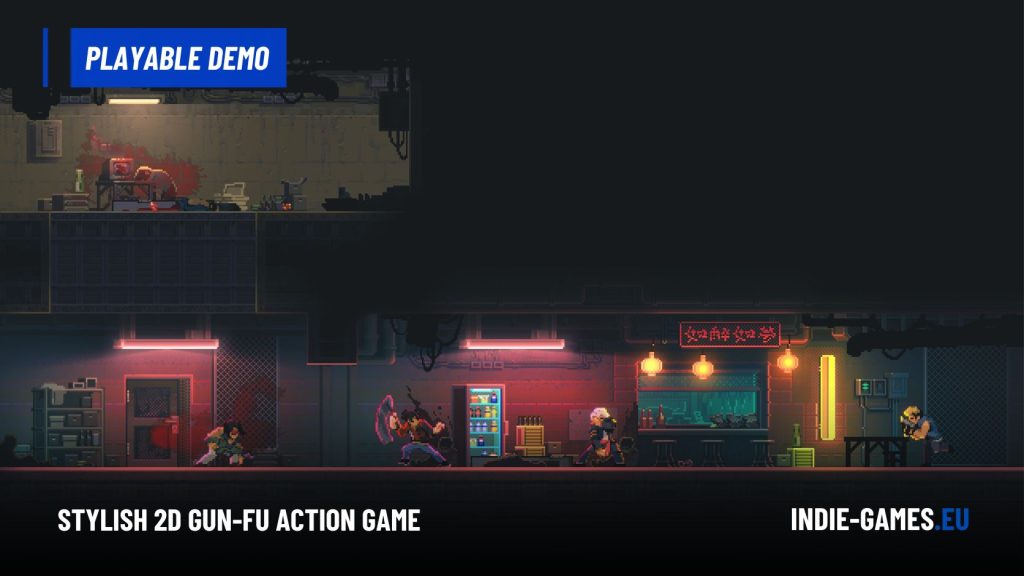
Named “The Bud Trial,” the playable preview offers an early look at the game ahead of its planned PC release…
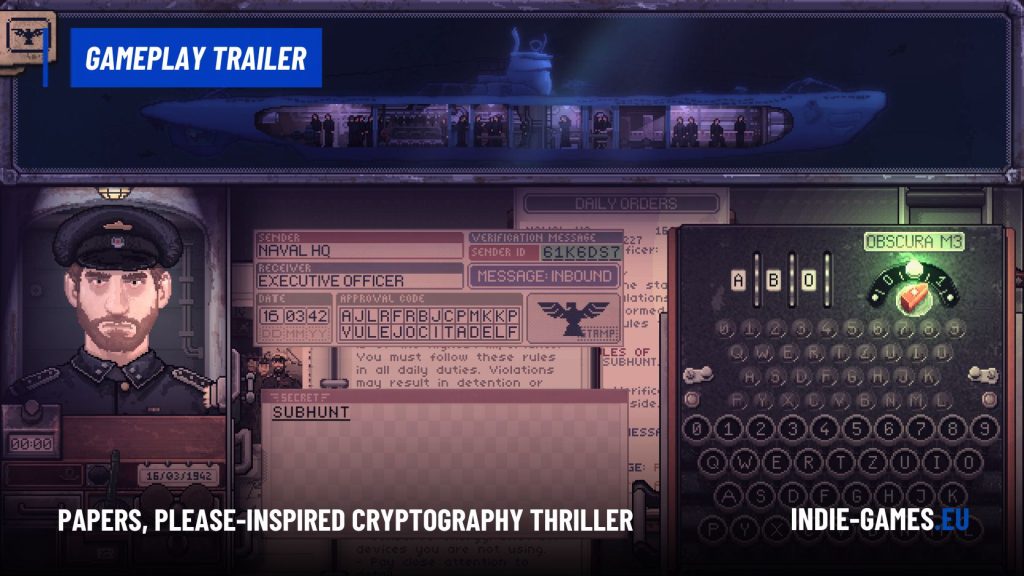
Serbian independent studio Retromagine has revealed False Echo, a narrative cryptography thriller inspired by Papers, Please and classic submarine dramas.
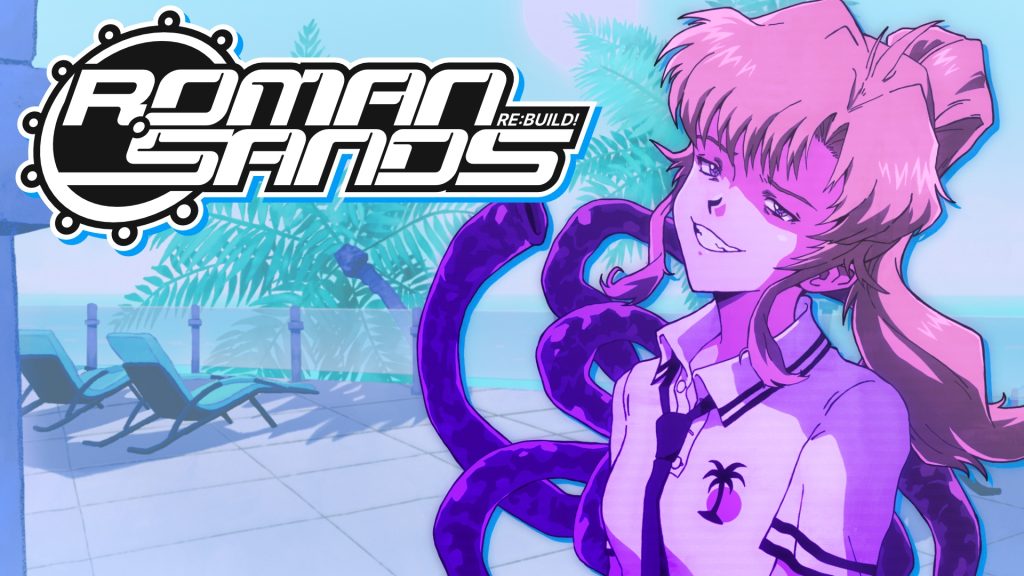
Surreal adventure Roman Sands RE:Build launches in September of this year on PC and consoles alongside the expanded Paratopic: Overdub.
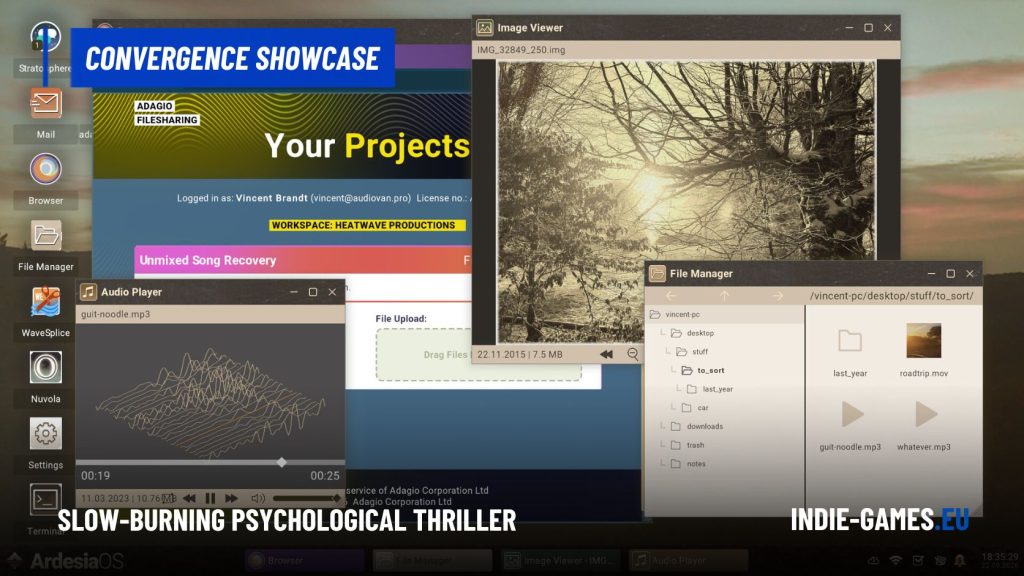
German indie studio Cobalt Lane has released a new trailer and Steam demo for Imprinted, a slow-burning psychological thriller.
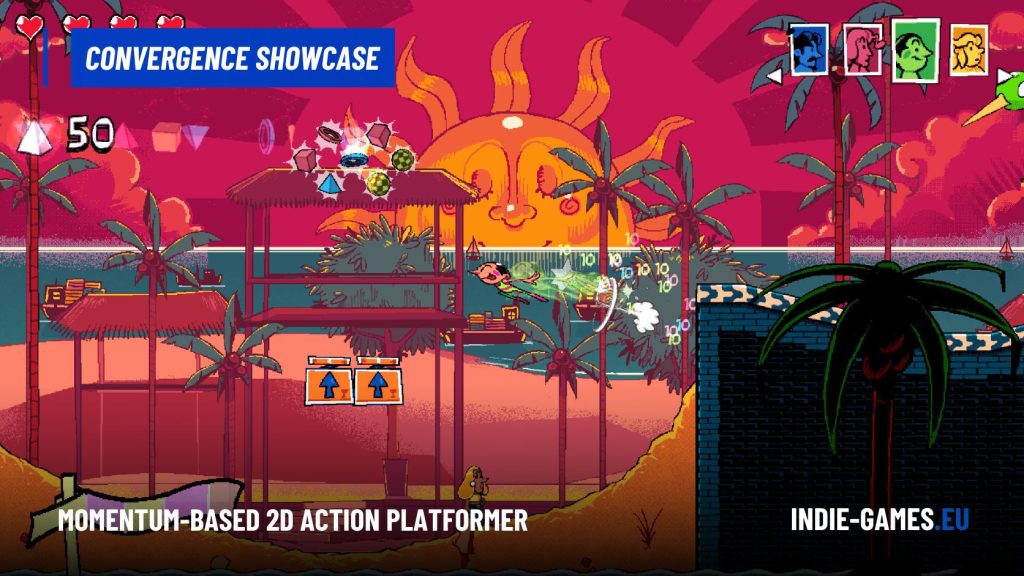
IndieArk and developer PVic Games have announced that momentum-based 2D action platformer ARTIUS: Pure Imagination will launch for PC via…
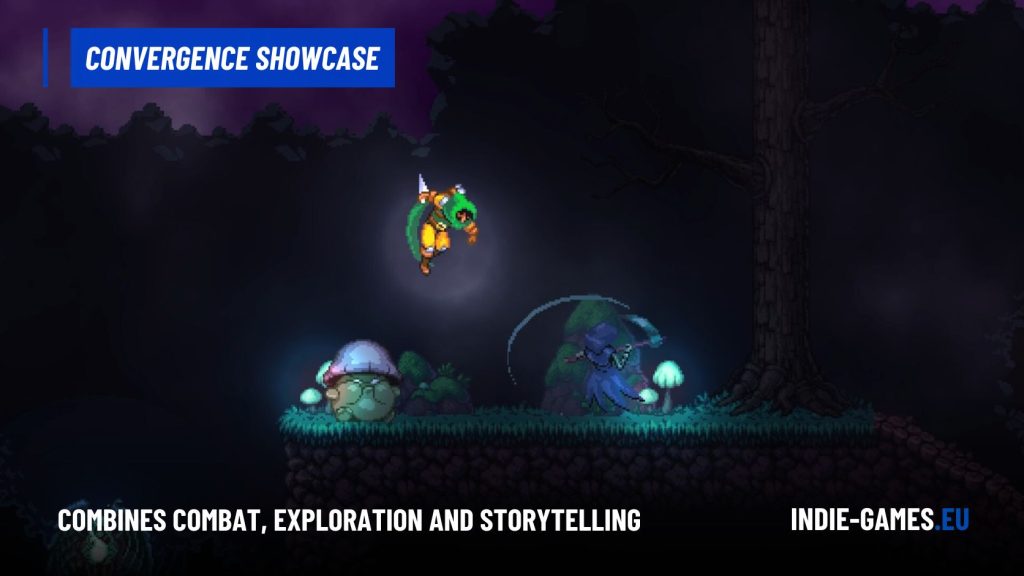
Decemberborn Interactive has released a new gameplay trailer for Cathedral: Crow’s Curse, an action-adventure prequel set in the world of…
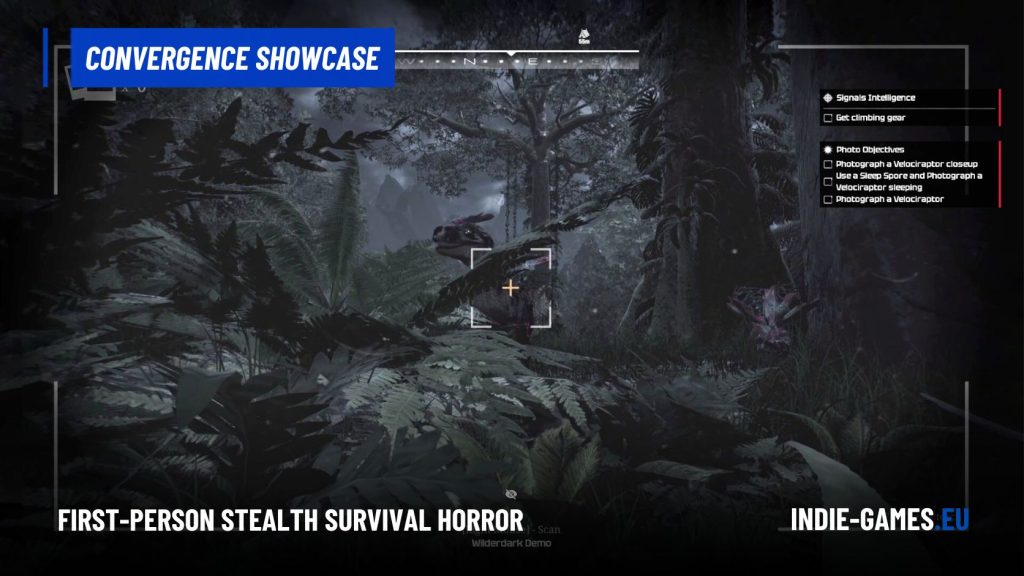
Wilderdark begins with the player crash-landing on an unnatural island overrun by hostile wildlife.
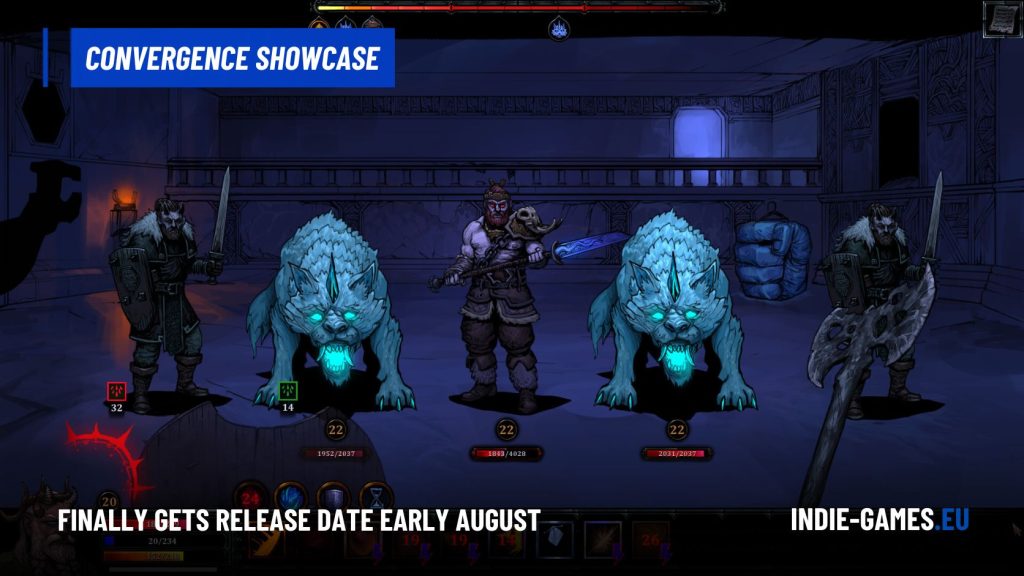
Independent French developer Ars Goetia and publisher Dear Villagers have announced that HellSlave II: Judgment of the Archon will launch…
