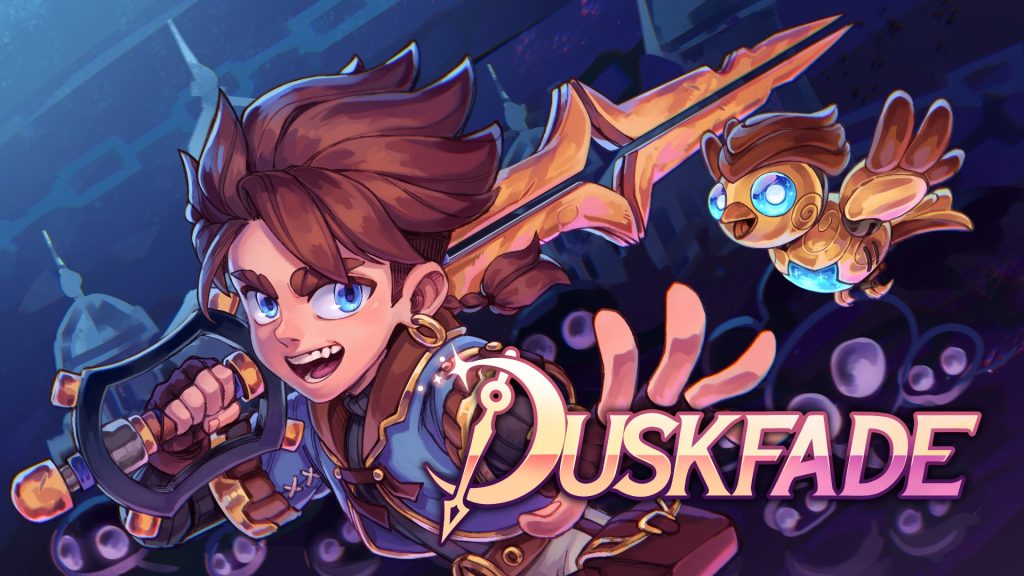
Duskfade – The PS2 Era Returns With All Its Strengths and Weaknesses
Duskfade is worth considering for players who miss colourful PS2-style action-platformers and can tolerate basic combat, floaty movement and backtracking.


If you enjoy independent indie game coverage, consider supporting Indie-Games.eu on Patreon. It helps keep the site independent.
Classified: France ‘44 is a turn-based tactical strategy game, similar to X-COM, set during World War II. You will command an elite team of Allied special operations agents, specifically the French Resistance, or Résistance as the French call it, with the goal of weakening and disrupting the Germans before D-Day. You have 60 days to capture certain provinces, recruit various characters, train them, and undertake about fifty different missions, each bringing its own specific challenges.
Perhaps the historical aspect will appeal to most players, and the basic idea of the game authentically presents what the firearms, equipment, and clothing of the Americans, French, British, and Germans looked like during that historical era. You also have the option to individually shape these characters through RPG elements, excluding the Germans you fight against. You will control male and female characters, and it’s impressive that almost all characters have their own voice acting and specific accents characteristic of each nation.
The plot of the entire game will focus on a map of France, where you choose different missions. Sometimes you will be faced with a choice between two missions, and each has its own story and puts you in a different environment. It is up to you to choose what to focus on first, and it is important to note that certain missions simply disappear when you choose another.
Time in the game progresses through days, with each turn taking two days, or more through special events. Although the game continuously offers specific events that can affect the development of the “story” and your resources, their number is limited and the content lacks depth, as there is no critical impact on your decisions. Whether you expend a few boxes, or resources, to help the population or perhaps opt for one faction and thus lose influence points with the other, it makes no difference because you can always regain all that later.


Snippets of various true historical events, such as the preparations happening before D-Day, enrich the game and add interest to the drier aspects of the events. Instead of classic cutscenes, the game uses a comic book format or drawings to explain the significance of each mission or to more closely introduce the characters you play with. This is all very neatly done, and I have no objections to this approach being used to convey certain parts to us.
Throughout the campaign, you will face enemy units like the Gestapo or various Generals on the map, who will try to prevent your conquest of provinces, meaning they will move from one province to another. Each province grants a certain number of points; some are critical to success, some less so, but each brings special bonuses. These bonuses include gaining additional resources during missions or can affect the execution of D-Day. The game allows you to compensate for failures by undertaking various side missions with your characters.
For example, you can recruit special agents who will stop enemy unit activities, improve relations with factions, or simply train your characters. All these missions require resources, which you earn by successfully completing tasks. Missions have ratings and main and side objectives, and the more successful you are, the more rewards you will receive.


I understand that creating a perfect game is challenging, especially when it comes to a targeting system that would satisfy everyone. Before we touch on that, it’s important to emphasize that you can assemble your squad of any four troops according to your own preferences, tailoring it to the needs of each mission. Whether you decide to lead a General, a Medic, or a Sniper, each has key roles and possesses special skills that you can utilize during gameplay. Every available character is equipped with a primary weapon, sidearm, grenades, and knives, which contributes to the stealth elements.
The missions in the game unfold in player and enemy turns. You can move each character within a specific radius, but at the beginning, you must be careful not to be noticed by enemies, which we will consider in more detail later. Cover is crucial in the game, because without it, you can take a lot of damage, which you certainly don’t want. The game clearly marks safe spots, such as walls or doors.
Also, every shot carries a certain percentage of success depending on the range and the player’s line of sight. Despite the game’s detailed explanations of percentages, we could debate the reality of the situations, where there is often a chance to miss, even when the enemy is close or you’re looking directly at them, and this is further influenced by attacking from the flank.


The majority of your gameplay will focus on outsmarting enemies, sneaking up behind them, and quietly eliminating them. This approach was actually fun, but there are certain elements that cause frustration. At the beginning of each mission, you have a limited number of times you can eliminate enemies in the shadows before the game decides to force an ambush, whereby all your spent Action Points are reset, and you take your turn again. Although some missions required one hundred percent elimination from the shadows, most did not. I personally didn’t mind this approach, but it is extremely frustrating that it is not possible to eliminate all enemies stealthily, including Generals and heavy infantry.
Killing makes sounds that can alarm enemies and prompt them to check the situation. The same applies to breaking windows and cutting wires, but not to opening doors. What might be the strangest is that when you eliminate enemies, they simply vanish, the body is no longer present, and the AI is not concerned with the disappearance of its comrades. In short, the stealth elements work, but they are superficial. Situations where you alarm enemies are very rare because there is a specific field of view that precisely marks where they can see. This, on the one hand, simplifies approach and planning, but it’s unusual due to the way the field of view is displayed. Some angles, it seems, remain invisible to enemies, even when they are practically looking in that direction.
The animations in this game are quite questionable. Sometimes it looks like your character is shooting at a wall instead of the enemies, even when leaning or not moving to get a better position. Sometimes bullets will inexplicably fly toward the sky, while other moments show precise targeting without any dynamism. While it’s nice to see characters duck behind cover, it’s strange to follow the path of the bullets towards them and the way they are hit.
Also, it’s important to note that the game lacks greater interaction with the environment. Besides being able to pick up a medkit or a key for a mission, it would be more interesting if players had the option to use tanks or participate in air strikes. Enemies have this capability, but tanks are merely static and cannot move, and you will rarely encounter them.

Finally, we come to skills, where you can essentially consider the characters in the game as classes. When reviewing characters in detail, you can customize everything from their weapons to their clothing. There are four skill trees, with a maximum attainable level of 25. Each tree brings specific bonuses, such as improved targeting, more Action Points, or morale, and unlocks special abilities.
For example, the Medic can heal any character on the map or revive fallen comrades. There are also extremely powerful skills, such as one that allows the General to grant their soldier an additional 6 Action Points, with that benefit then being deducted from the General, effectively allowing the soldier to shoot again in the same turn. Furthermore, the General can also shoot themselves in the same turn.
Skills are also available to enemies, as I already mentioned through their classes. Generally, Generals boost morale, heavy infantry reduces morale, grenadiers use grenades and have high health, and so on. Perhaps the most interesting aspect is the influence of factions on all of this. The better your relations with the factions, the more access you will have to stronger weapons. Weapons and clothing are purchased with resources, and each is marked with different colors, from common grey to epic purple. Each nation has its own specific types of weapons and clothing that it can use, so not everything is universal for everyone, which also applies to female characters.
Skills have an exceptional impact on the flow of the game; they are extremely important and subject to a cooldown after use. They can significantly affect the outcome of the entire mission, so it is always wise to use them before other options. Here is an example: if three of your characters are below 50% health, the Medic can gather the characters around them and apply a skill that will heal all characters within a certain radius. The Commander is a key figure in the game as they are the only one capable of restoring morale, making them indispensable for maintaining team effectiveness.

Classified: France ‘44 is truly a quality title with an abundance of content. After completing the campaign, which provides between 20 and 30 hours of enjoyment, there are also special missions you can explore. Additionally, the game offers the ability for players to create their own levels, so you’ll always have a reason to return to this game. Although some elements could be improved, such as the stealth elements or added depth to the campaign, the game itself provides fun gameplay and an impressive morale system. Compared to other titles in a similar genre, we rarely encounter a World War II theme, which further enriches the game along with the quality RPG elements.
I believe this title will particularly appeal to turn-based game enthusiasts. It brings freshness to the genre; it’s not overly demanding or boring, requires a certain level of foresight, and trying different difficulty settings will provide you with a worthy challenge and enjoyment.
Review copy provided by the publisher.
Duskfade is worth considering for players who miss colourful PS2-style action-platformers and can tolerate basic combat, floaty movement and backtracking.
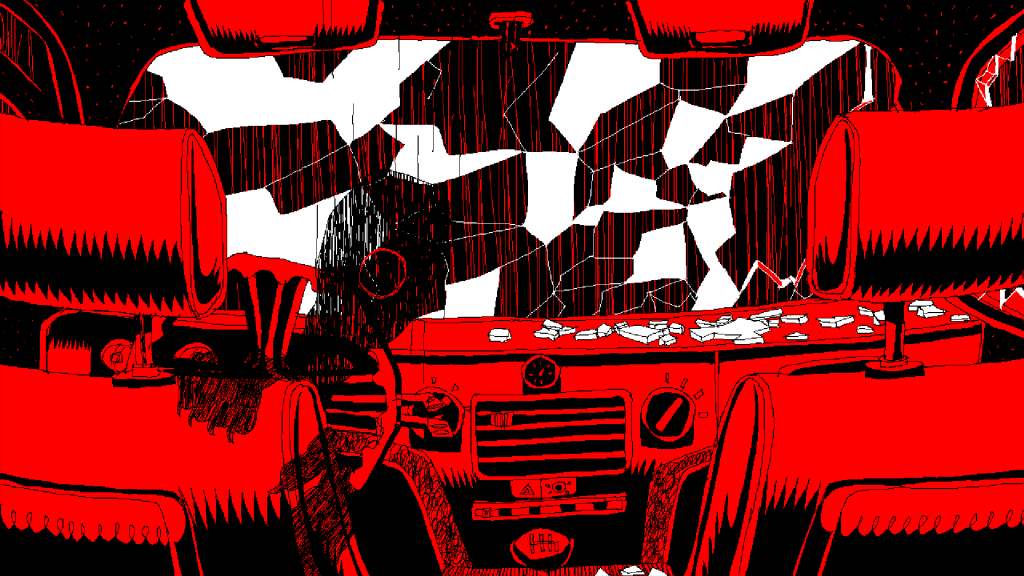
Man I Just Wanna Go Home is a noir crime story with visuals from MS Paint and life-or-death choices.
![[GAMESCOM 2026] Vikings Dynasty Preview – Expands the Dynasty Formula](https://www.indie-games.eu/wp-content/uploads/2026/09/Viking-Dynasty-09-21-26-2-1024x576.jpg)
After showing me Prospera at Gamescom 2026, Toplitz Productions' Mathias Oertel moved to a very different kind of settlement builder.…
![[GAMESCOM 2026] Prospera Preview – Production, Prosperity and Victorian Industry](https://www.indie-games.eu/wp-content/uploads/2026/09/Prospera-09-21-26-5-1024x576.jpg)
At Gamescom 2026, I met with Toplitz Productions' Mathias Oertel for a guided presentation of two upcoming games. One of…
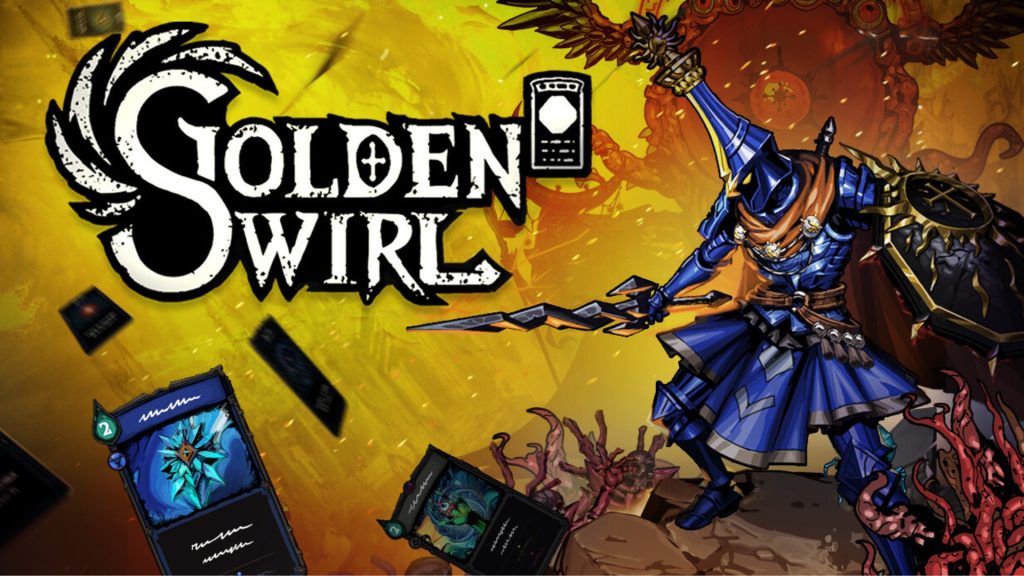
Golden Swirl inventive card combat carries the experience, but repetitive rooms, weak upgrades and excessive dialogue hold it back.
![[GAMESCOM 2026] Wilderdark Preview – Ambitious Dinosaur Horror Game That Still Has Plenty to Prove](https://www.indie-games.eu/wp-content/uploads/2026/09/Wilderdark-1024x576.jpg)
Dinosaur survival horror game Wilderdark has one of those premises that immediately makes you wonder why more games have not…
![[PREVIEW] Tiny Metal 2 – Strategy Game That Wants You to Learn From Every Mistake](https://www.indie-games.eu/wp-content/uploads/2026/09/Tiny-Metal-2-1024x576.jpg)
I rarely enjoy discovering that my opening strategy was completely wrong, but Tiny Metal 2 made that process one of…
![[PREVIEW] Remothered: Red Nun’s Legacy – Ambitious Survival Horror That Needs More Polish](https://www.indie-games.eu/wp-content/uploads/2026/09/Remothered-Red-Nuns-Legacy-4-1024x576.jpg)
Remothered: Red Nun’s Legacy has a gripping atmosphere and promising survival tools, but its repetitive hiding and rough visuals need…
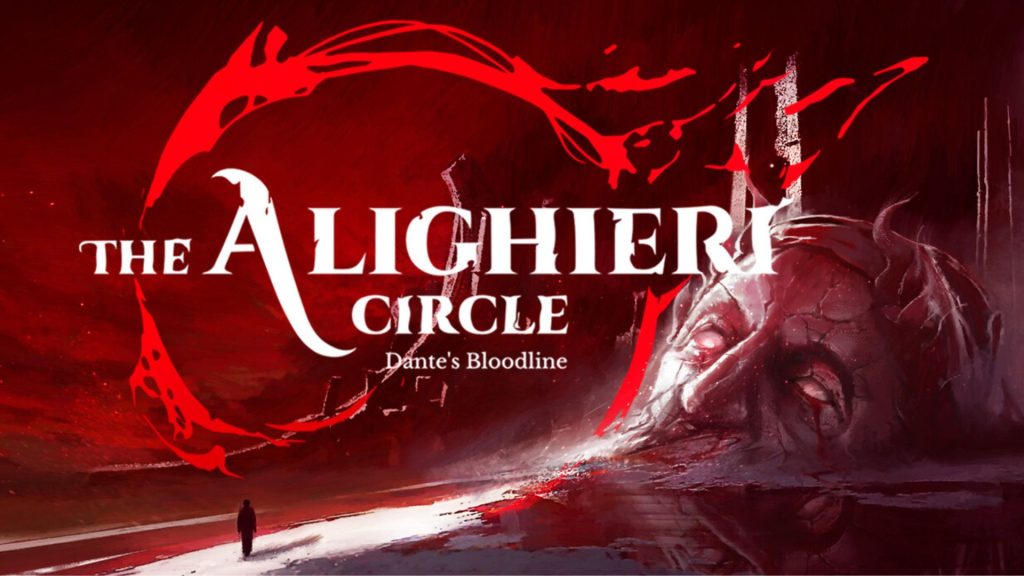
The Alighieri Circle: Dante’s Bloodline is difficult to recommend beyond players who are especially interested in Dante or enjoy solving…
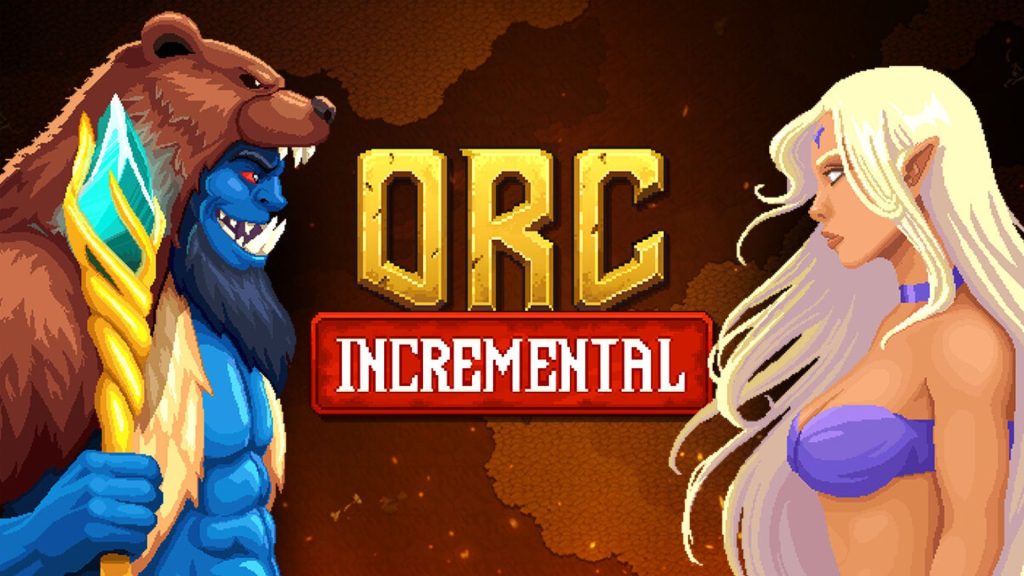
Orc Incremental offers satisfying progression, entertaining totem combinations and enough content to justify its affordable price.
![[GAMESCOM 2026] Chronoscript: The Endless End Preview – Beautiful Pages Hide Deliberate Combat](https://www.indie-games.eu/wp-content/uploads/2026/09/Chronoscript-The-Endless-End-1-1024x576.jpg)
Chronoscript: The Endless End stands out from other Metroidvanias by blending 2D manuscript worlds with exploration inside a 3D manor.
![[GAMESCOM 2026] MegaGum Preview – Combat Hits Hard in This Sticky Platforming Adventure](https://www.indie-games.eu/wp-content/uploads/2026/09/MegaGum-09-09-26-5-1024x576.jpg)
MegaGum combines hard-hitting combat, varied weapons and Gum-powered platforming in a promising Gamescom 2026 demo.
![[GAMESCOM 2026] Delphinium Preview – Cozy Routine Mixed With Enjoyable Minigames](https://www.indie-games.eu/wp-content/uploads/2026/03/Delphinium--1024x665.jpg)
Delphinium mixes cozy farming, exploration and relationships with enjoyable fishing, cooking and forging minigames in its Gamescom 2026 demo.
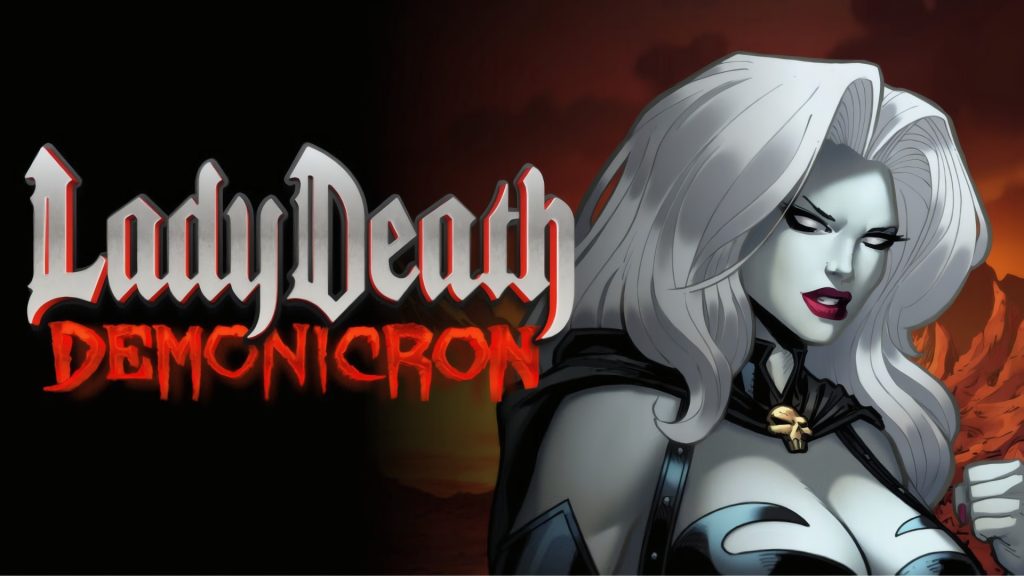
Lady Death: Demonicron looks the part, but underneath its excellent comic-book exterior is a clunky and painfully short brawler.
![[GAMESCOM 2026] Tomb Raider: Legacy of Atlantis Preview – Expands the Original Without Losing Its Identity](https://www.indie-games.eu/wp-content/uploads/2026/09/tomb-raider-legacy-of-atlantis-06-02-26-1-1024x576.jpg)
Tomb Raider: Legacy of Atlantis brings Lara back to her roots, but its Gamescom 2026 showing proved this is far…
![[GAMESCOM 2026] Clive Barker’s Hellraiser: Revival Preview – Ready to Open the Box](https://www.indie-games.eu/wp-content/uploads/2026/09/Clive-Barkers-Hellraiser-Revival-08-30-26-1-1024x576.jpg)
Hellraiser: Revival preserves the franchise’s sex, gore and psychological horror while delivering approachable survival-horror gameplay.

Swan Song creates a peaceful and forgiving puzzle space without removing the challenge that makes solving a difficult puzzle rewarding.
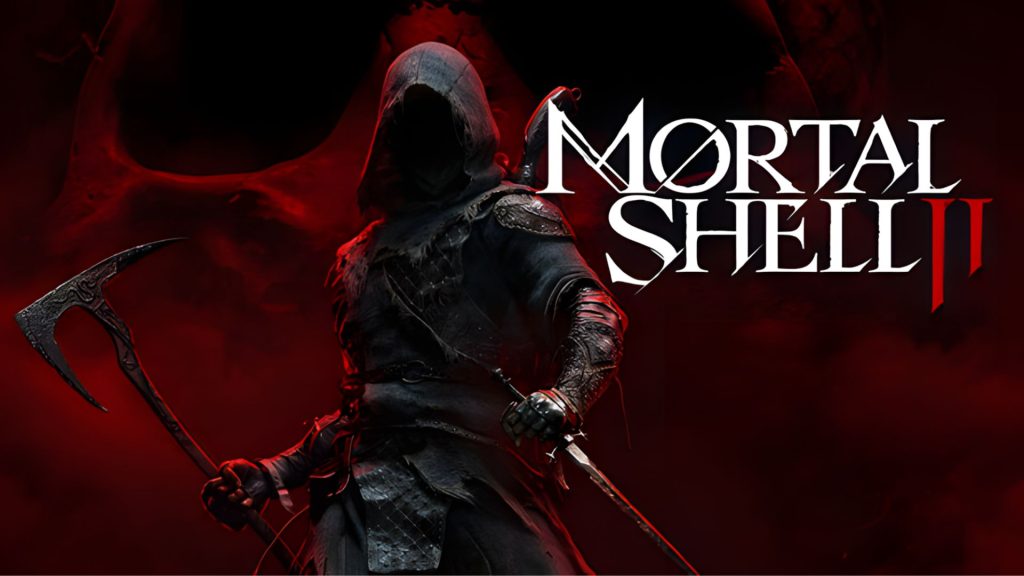
Mortal Shell II starts brilliantly but grows repetitive and exhausting, while remaining a rewarding and ambitious Soulslike sequel.
![[GAMESCOM 2026] Terranigma Preview – A Lost SNES Classic Returns in 2027](https://www.indie-games.eu/wp-content/uploads/2026/08/Terranigma-1-1024x576.jpg)
After more than three decades of limited availability, Terranigma is returning in 2027. We played its enhanced re-release at Gamescom…
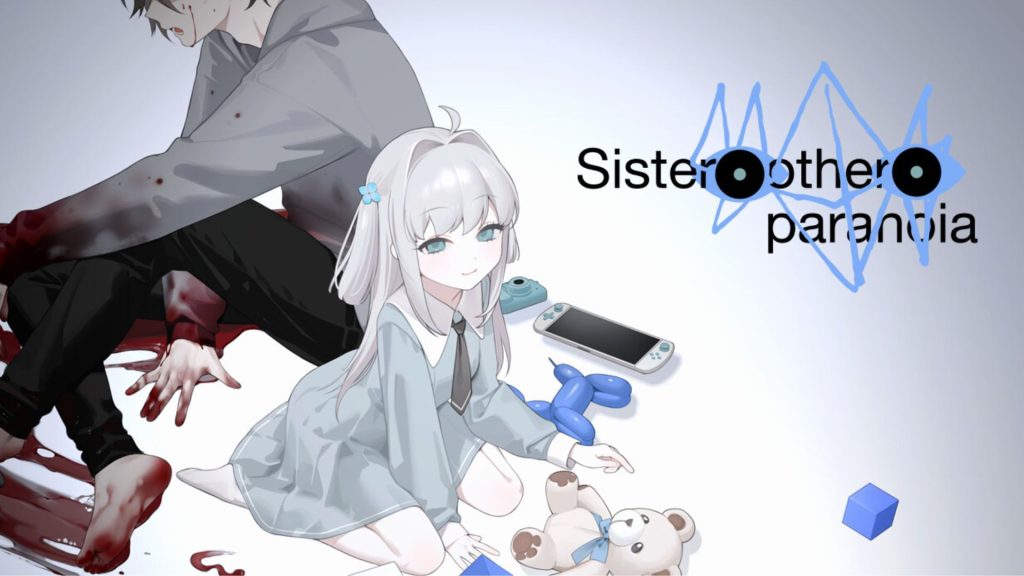
Reading another person’s mind is often presented as a desirable superpower, but Sister Other Paranoia immediately understands why it could…
