![[GAMESCOM 2026] Tomb Raider: Legacy of Atlantis Preview – Expands the Original Without Losing Its Identity](https://www.indie-games.eu/wp-content/uploads/2026/09/tomb-raider-legacy-of-atlantis-06-02-26-1-1024x576.jpg)
[GAMESCOM 2026] Tomb Raider: Legacy of Atlantis Preview – Expands the Original Without Losing Its Identity
Tomb Raider: Legacy of Atlantis brings Lara back to her roots, but its Gamescom 2026 showing proved this is far…

If you enjoy independent indie game coverage, consider supporting Indie-Games.eu on Patreon. It helps keep the site independent.
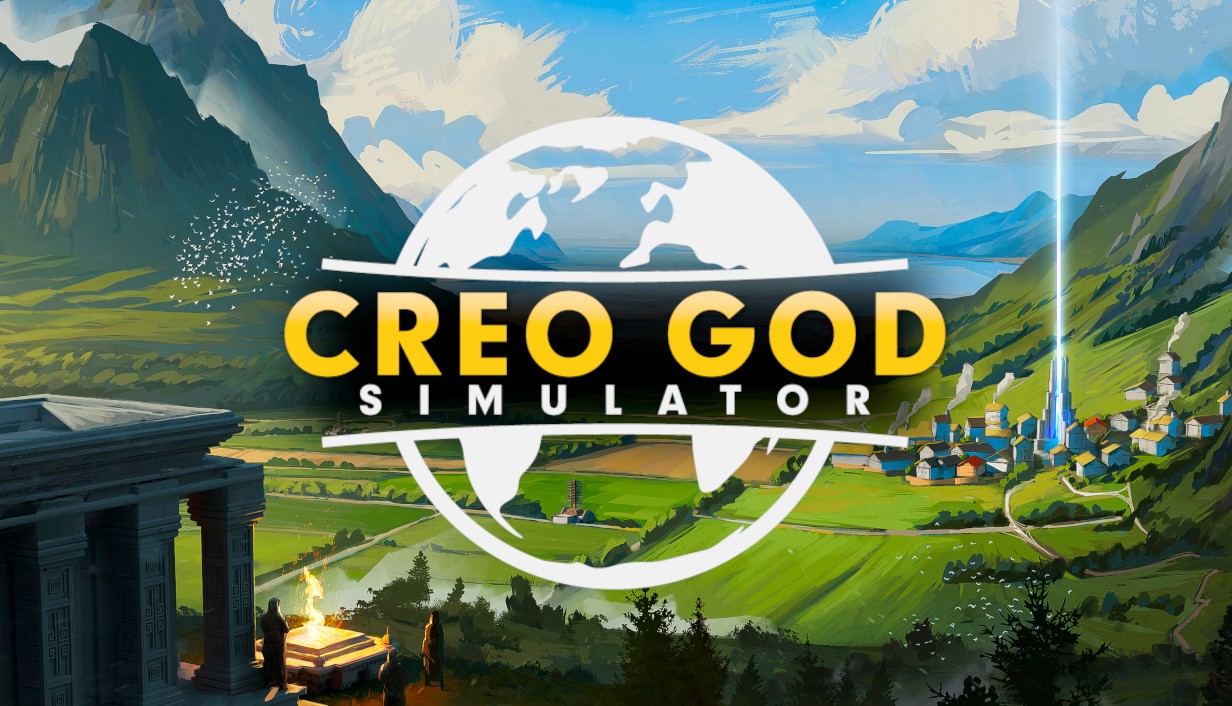
Creo God Simulator is a resource management and survival city-builder game where you play as a Creostrider, a divine being tasked with establishing a thriving civilization while simultaneously proving you are the one true god. The game combines elements of classic “god games” like Populous with modern mechanics, offering a blend of creativity, strategy, and divine intervention. Although the premise is exciting and the game’s foundations are solidly laid, the game suffers from slow pacing, clumsy controls, and a lack of polish, which prevents it from reaching its full potential.
The gameplay in Creo God Simulator revolves around building a civilization, managing resources, and using divine powers to influence your followers. You start with a small group of villagers and gradually expand your settlement by constructing buildings, unlocking new technologies, and reacting to random events. The game features a faith and fear system, where your decisions, whether benevolent or tyrannical, affect how your followers perceive you.
However, the biggest problem with this game is that using divine powers requires willpower, which regenerates incredibly slowly, especially in the early stages of the game, making the gameplay tedious. Creo God Simulator feels like a game you should play while doing something else, as everything in it happens at a very slow pace. Divine powers, such as summoning meteors or controlling the weather, are fun to use but are limited by the scarce resources you receive. These restrictions make it difficult to interact meaningfully with your followers, which undermines the very core of the fantasy of being a god.

The building system in this game is surprisingly good. You can place structures freely, allowing for creative city layouts. Whether you want a densely populated urban center or a sprawling village, the choice is yours. The Inspiration system (tech tree) lets you unlock advanced buildings and decorations, giving you more tools to shape your society. However, as mentioned earlier, resource generation is also incredibly slow. Even basic buildings, like lumberjacks, require large amounts of resources, and since resources are gathered at a snail’s pace, the game often feels like a waiting simulator instead of a god simulation.
But when things finally get going, all the buildings start to make sense and, in combination, produce solid quantities of resources like stone, wood, and food. However, there is another aspect that complicates the gameplay — the population system. The population is divided into different age groups: children, adults, and the elderly, and since only adults can work, you constantly have to build new houses to attract more families.
Over time, this becomes tiresome because the loss of adults directly reduces your workforce, and since everything in the game requires manual input, such as assigning workers to buildings or removing them, this adds an extra layer of micromanagement that can become frustrating. The followers influence the amount of willpower you receive, but this mechanic still seems to be quite buggy to me.
For some reason, the number of followers constantly fluctuates, sometimes dropping to just 5, then abruptly jumping to 50. The system is unpredictable, and I am still trying to figure out how it actually works. Also, there is no clear explanation of who these followers are and why their numbers change so drastically. In the end, this mechanic did not have a significant impact on the overall gameplay, but it was an irritating and poorly implemented feature.

The procedural events and quests in the game add some variety, but they become repetitive over time. Disasters like earthquakes or locust infestations are interesting at first, but the lack of depth in how you can resolve them makes them more of a nuisance than a true challenge. The archaeology system, which allows you to collect artifacts and uncover the game world’s lore, is a nice addition but does not significantly contribute to the gameplay.
Some events are particularly frustrating, such as when cats suddenly settle in your food reserves and cause famine in the population. Instead of getting rid of them in a logical way, you are forced to spend willpower to drive them away. The problem is that you often don’t have enough willpower available, which leaves you completely powerless to resolve the situation. In many cases, the only reasonable option is to restart the game.
Visually, Creo God Simulator has a charming art style that perfectly suits its imaginative, divine theme. The buildings and environment are vibrant, full of color and rich detail. However, the camera controls are clumsy and slow, making smooth navigation through your growing settlement difficult. This becomes a serious problem as your civilization expands. But I never managed to fully populate the map because the game progresses incredibly slowly.

Honestly, Creo God Simulator has the potential to become an excellent god simulation, but in its current state, it feels unfinished and clumsy. Unfortunately, there isn’t much fun to be had in the game right now. Adjustments are desperately needed, especially concerning the amount of available resources and the pace of progression. Even the option to speed up time doesn’t help much; the game simply turns into an even longer wait and adds to the frustration. However, if the developers address these issues, Creo God Simulator could evolve into a truly high-quality experience.
| Pros | Cons |
|---|---|
| Creative building system. | Slow gameplay pace. |
| Potential for growth. | Bugs in certain mechanics. |
| Game is not finished. | |
| Resources are gathered very slowly. |
Review copy provided by the publisher
Tomb Raider: Legacy of Atlantis brings Lara back to her roots, but its Gamescom 2026 showing proved this is far…
![[GAMESCOM 2026] Clive Barker’s Hellraiser: Revival Preview – Ready to Open the Box](https://www.indie-games.eu/wp-content/uploads/2026/09/Clive-Barkers-Hellraiser-Revival-08-30-26-1-1024x576.jpg)
Hellraiser: Revival preserves the franchise’s sex, gore and psychological horror while delivering approachable survival-horror gameplay.

Swan Song creates a peaceful and forgiving puzzle space without removing the challenge that makes solving a difficult puzzle rewarding.
Mortal Shell II starts brilliantly but grows repetitive and exhausting, while remaining a rewarding and ambitious Soulslike sequel.
![[GAMESCOM 2026] Terranigma Preview – A Lost SNES Classic Returns in 2027](https://www.indie-games.eu/wp-content/uploads/2026/08/Terranigma-1-1024x576.jpg)
After more than three decades of limited availability, Terranigma is returning in 2027. We played its enhanced re-release at Gamescom…

Reading another person’s mind is often presented as a desirable superpower, but Sister Other Paranoia immediately understands why it could…
Forsaken Realms: Vahrin’s Call is exactly the kind of ambitious, slightly clumsy fantasy RPG that used to be far more…
![[Early Access] 2nd EVE – Sci-Fi Action RPG That Lacks a Sense of Stakes](https://www.indie-games.eu/wp-content/uploads/2026/08/2ND-EVE-1024x576.jpg)
2nd Eve is a space-set action RPG in which we strive to save humanity.
![[PREVIEW] Dreamcards – Strategic Exploration of Consciousness](https://www.indie-games.eu/wp-content/uploads/2026/08/Dreamcards_20260810_233631_0000-1024x576.jpg)
Dreamcards is a roguelike deckbuilder centered around dreams and nightmares.
![[Early Access] OFFBEAT – Incredibly Fun Way to Start a Music Career](https://www.indie-games.eu/wp-content/uploads/2026/08/Offbeat_20260808_201446_0000-1024x576.jpg)
In OFFBEAT, we play the role of a jobbing composer who is launching their music career.
HellSlave II retains the original’s oppressive atmosphere, morally grey world and striking art while adding a larger world, randomized loot…
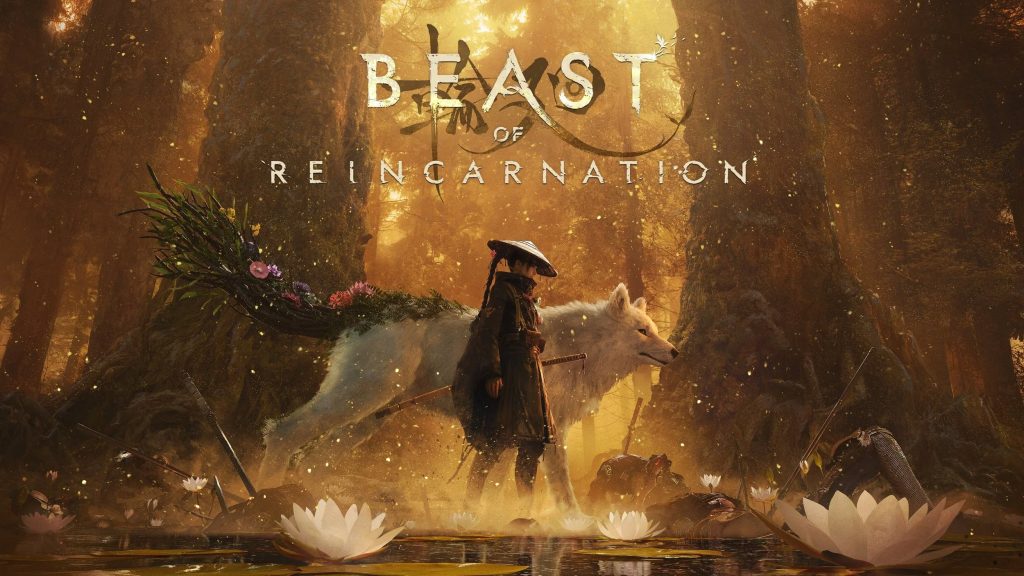
Beast of Reincarnation is an ambitious but uneven action RPG elevated by satisfying parry combat, beautiful art direction and the…

K-pop Idol Stories: Road to Debut captures the pressure of building idol group, but its management systems never explore that…
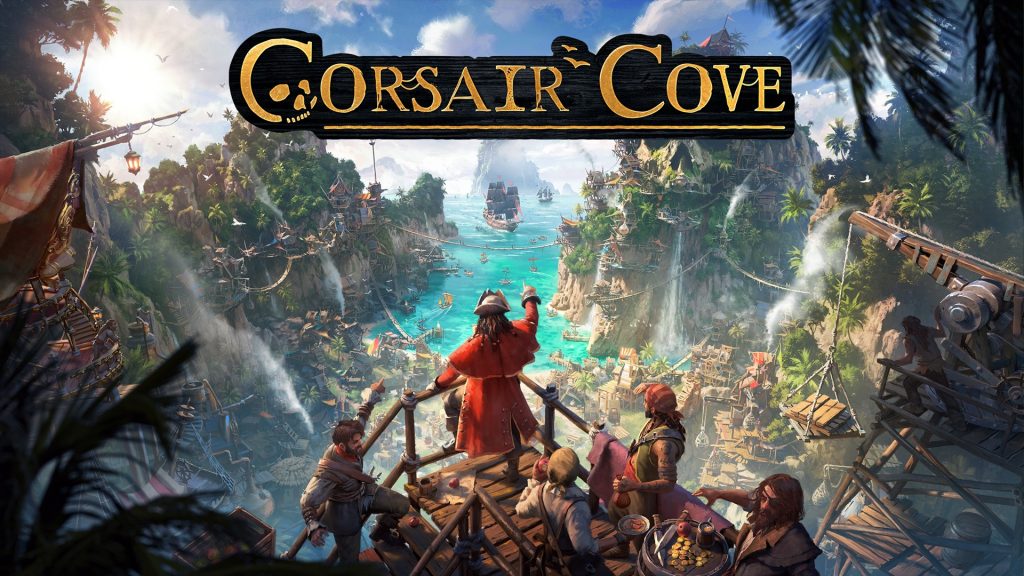
Hooded Horse keeps finding strategy games that know their audience, and Corsair Cove extends its impressive run of excellent city-builders.
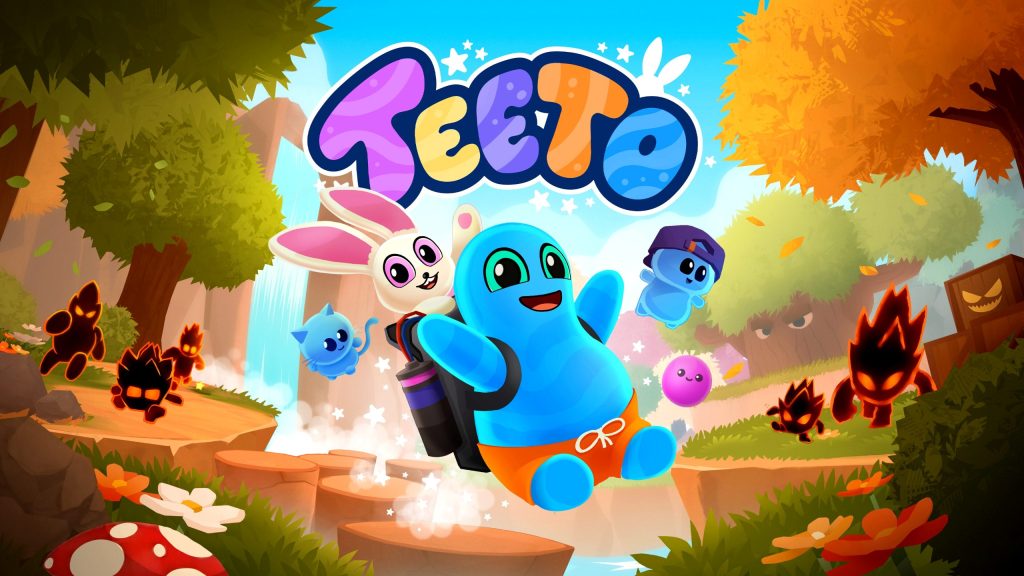
Teeto is a warm, cozy, creative and highly enjoyable 3D platformer that understands why classic collectathons remain so appealing.

Turnip Mountain stands out for its combination of a unique control system and a minimalist approach.
Dystopicon is an imaginative and memorable narrative experiment with sharp social commentary, engaging world-building and several wonderfully absurd scenarios.

Maneki Mania is an incremental game centered around petting a lucky cat.
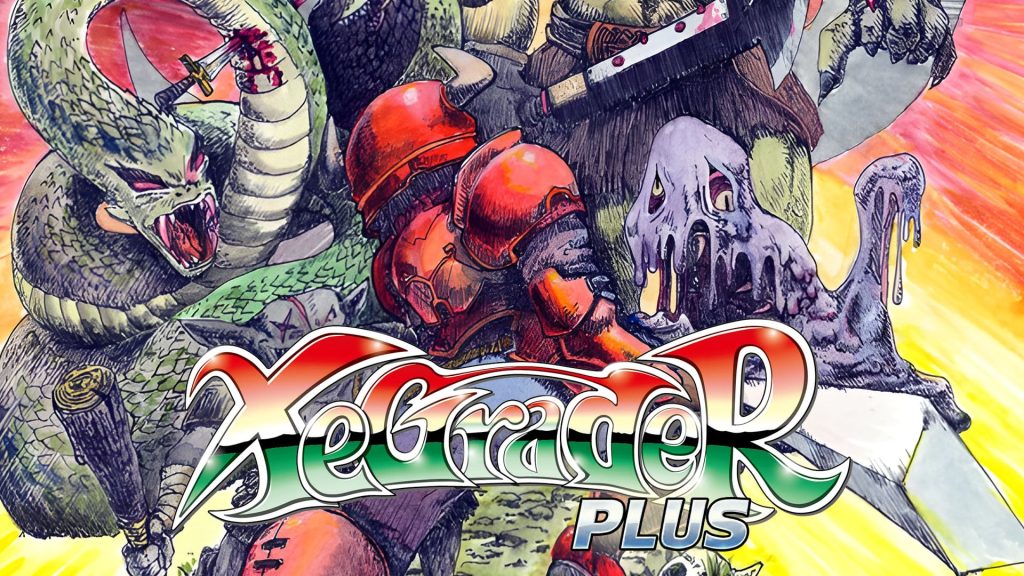
XeGrader Plus delivers colorful retro shooting, but basic mechanics, a short campaign and paid retro modes make its €20 price…
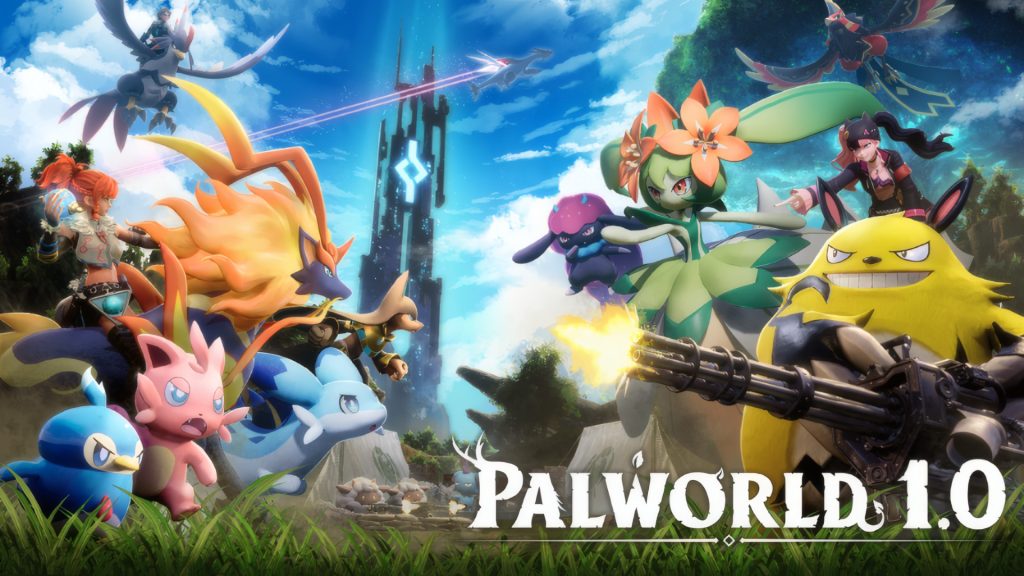
It has been roughly two and a half years since Palworld first entered Early Access, and quite a lot has…
