![[EARLY ACCESS] The Last Caretaker – Survival Game I Cannot Stop Playing](https://www.indie-games.eu/wp-content/uploads/2026/07/The-last-Caretaker-Key-Art-1024x587.jpg)
[EARLY ACCESS] The Last Caretaker – Survival Game I Cannot Stop Playing
The Last Caretaker is a compelling survival crafter with a flooded world and mobile base, but weak combat and performance…


If you enjoy independent indie game coverage, consider supporting Indie-Games.eu on Patreon. It helps keep the site independent.
Deathless is a roguelike deckbuilding game set in the Tales of Old Rus universe, featuring Slavic heroes and monsters. The game has launched in Early Access, meaning it is still in development, and the developers plan to continue improving it until the end of the year. Their goal is to experiment with game balance, such as card costs and effects, while the full version will introduce new heroes, enemies, card sets, and relics.
The current Early Access version features a single heroine named Varvara the Fair, offering more than six hours of replayable content (the time it took me to unlock every card and finish the story), along with missions, numerous cards, relics, and consumables. What makes this game stand out from others in the genre? Primarily, it has smooth and charming visuals, including well-designed characters, enemies, cards, backgrounds, and a simple user interface. The art style is thoughtfully crafted, visually pleasing with its colorful 2D artwork, making for an enjoyable aesthetic experience.
Additionally, the game is less punishing compared to others in the genre and allows for steady progression with some intriguing card concepts. However, certain aspects are not as balanced as they should be. More on that below.

Gameplay involves typical roguelite mechanics combined with deckbuilding, with a small twist. Each run, you choose between three paths, each offering different rewards such as new cards, relics, healing, or shops, all with various bonuses and modifiers. These can be either helpful or harmful, requiring you to adapt and choose the path that best suits your current needs. The key is to select items that synergize well in order to progress into the later stages of the game.
As with most games in this genre, starting with strong cards is crucial for defeating the final boss. You will face three bosses in total; however, the first two are relatively easy to defeat. Strangely, after the second boss, the game’s difficulty spikes dramatically, the difficulty scaling is inconsistent. Don’t get me wrong, the game is quite challenging, with increasingly problematic enemies equipped with various buffs and debuffs. Some of them are more annoying than others. Despite this, it sometimes feels off, you progress quickly only to later realize you needed better cards to defeat the final boss.
My biggest complaint about the game is the starting modifiers. It feels like the enemies always get the best ones. Why do they need triple the Vigor, allowing them to deal massive damage? Why do they need healing effects when there are already five of them on the map? These modifiers sometimes feel ridiculous, making the game unnecessarily harder.
On the other hand, it makes sense that the game gets more difficult as you progress, but it doesn’t always do so in the best way. Since you play solo, drawing the right cards becomes extremely important, and that doesn’t always happen. Most of the time, you’ll focus on acquiring relics and new cards. Healing or gaining more gold isn’t as useful because the rewards simply aren’t good enough.


The cards themselves are not very complex. They are fairly simple, consisting of attack, defense, and movement cards, leaving you wishing for more variety. There are also universal cards that you can draw, purchase, or unlock, similar to other card types. However, the game often becomes repetitive because you frequently end up choosing the same cards you know are good enough.
On top of that, you don’t earn much gold. Shops don’t always offer the best options, and removing a card costs 100 gold, which is strange. The biggest issue is that the starting deck is always the same, you always get the same five weak attack cards and four armor cards, and they typically stay in your deck until the end. Although there are relics that can remove these cards, it’s generally better to pick different ones. You simply don’t have many options to meaningfully influence your deck.
I also noticed that obtaining as many relics as possible is crucial. You get them by choosing certain paths, and they can significantly affect your progress, some are incredibly strong, while others are quite bad. The best relic allows you to randomly draw one of three universal cards, which are generally far better than your regular cards. Despite this, the exploration aspect of the game is quite enjoyable. The card effects themselves are interesting, adding variety to the gameplay. Keep in mind that this is still Early Access, so we can expect more content in the future. At this point, there isn’t much deck variety — you don’t have magic or other useful card modifiers, but I still enjoyed what the game currently offers.
It’s interesting how the developers incorporated Slavic folklore. You encounter various creatures such as khuds, yagas, rusalkas, and many others, each unique and different. Every creature has specific attack animations and abilities, allowing you to learn their patterns and predict their moves. For example, witches can turn dead enemies into cocoons from which new creatures emerge to fight again. Overall, the enemies are quite intriguing, although the game can become repetitive after some time, and fighting three massive enemies in a row can eventually feel monotonous.

The game definitely needs some quality-of-life improvements. For example, being able to hide and preview cards when choosing or replacing them during battles would help you better understand how they will affect your gameplay. Additionally, shops need major improvements, such as better items and more gold, to make visiting them more interesting and rewarding. Introducing a new hero should also improve replayability.
I’d like to have the option to change the starting deck and more ways to upgrade cards. Currently, cards can only be upgraded once, and some upgrades are not very useful. The game needs better balance and difficulty scaling. It should become more challenging after the first boss, but that often doesn’t happen. The animation style is good, but attack patterns can be inconsistent, sometimes pushing you back across the entire screen, only to repeat the pattern quickly afterward.
The story or quest for our hero was rather dull. Honestly, I didn’t find the text interesting, nor was the story engaging; I was more interested in the deckbuilding mechanics, which the game handles well. The game isn’t slow or empty, offering about six hours of content to explore. The more you play, the more you unlock, adding depth beyond simple deckbuilding. The game’s fast pace ensures you don’t waste time and keeps you engaged without unnecessary delays.
Review copy provided by the publisher
The Last Caretaker is a compelling survival crafter with a flooded world and mobile base, but weak combat and performance…

Advent: Dawn is an intriguing science-fiction visual novel elevated by a likable cast and one of the most convenient flowchart…
![[EARLY ACCESS] Hell Maiden – Beautiful but Uneven Journey Through Hell](https://www.indie-games.eu/wp-content/uploads/2025/06/HMD_screenshot_019-1024x576.jpg)
Bullet heaven and rougelite game Hell Maiden lands between a polished Early Access release and a promising game that still…
![[PREVIEW] Dark Queen of Samobor – Promising Croatian Adventure Still in Need of Polish](https://www.indie-games.eu/wp-content/uploads/2026/07/Dark-Queen-of-Samobor-1024x587.jpg)
Dark Queen of Samobor is a promising 2.5D side-scrolling action-adventure that combines Croatian folklore with combat, puzzles and cinematic platforming.
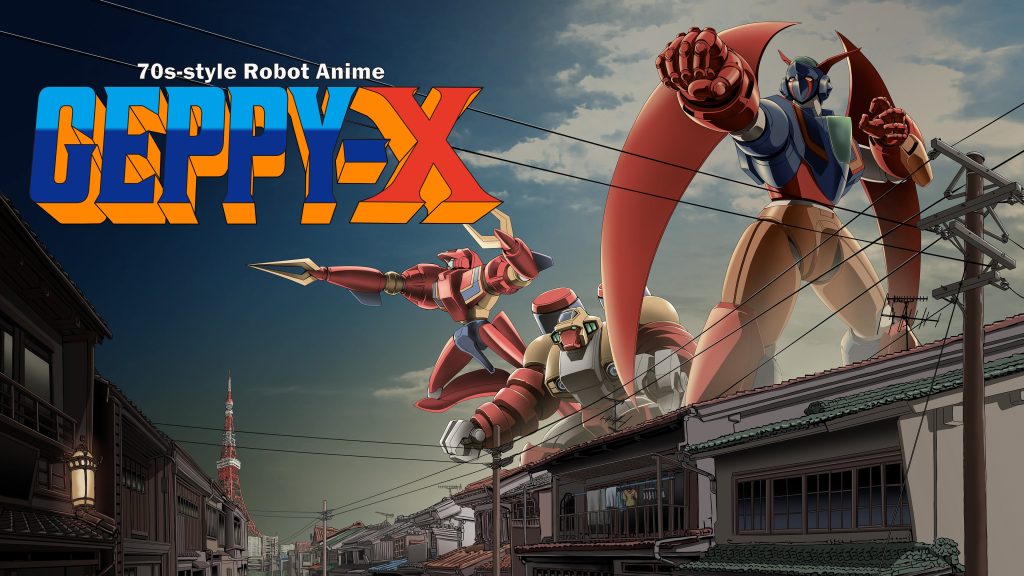
70s-style Robot Anime Geppy-X offers incredible animation, music and mecha nostalgia, but its average shooting make the €39 price difficult…

Denshattack! blends Tony Hawk, Jet Set Radio, and Japanese train culture into one of the year's most creative and unforgettable…
If you're looking for a game that takes an incredibly simple idea and somehow turns it into something addictive, KAZ…
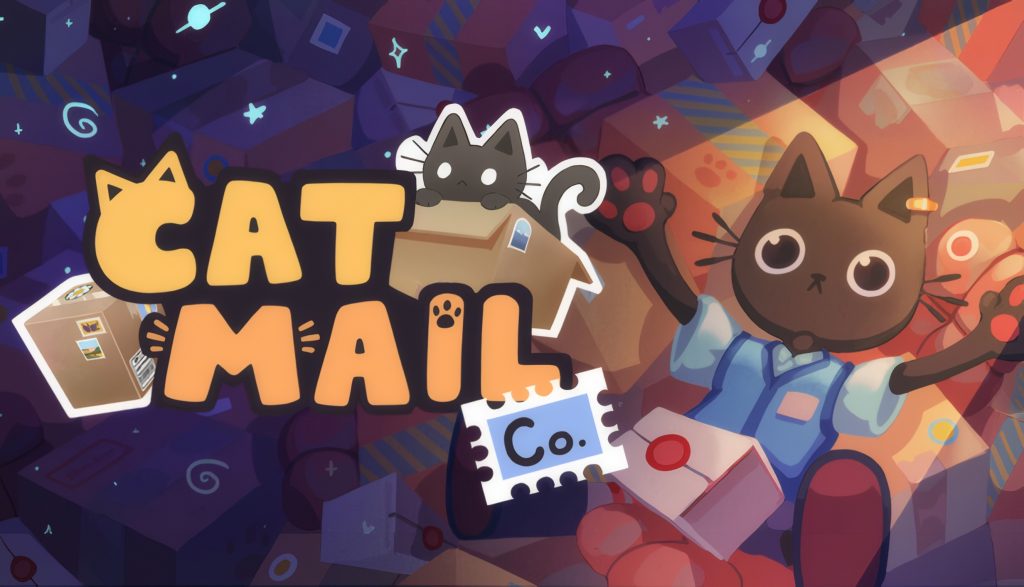
Cat Mail Co. charms with cozy visuals and satisfying mail sorting, but its full release doesn't quite live up to…
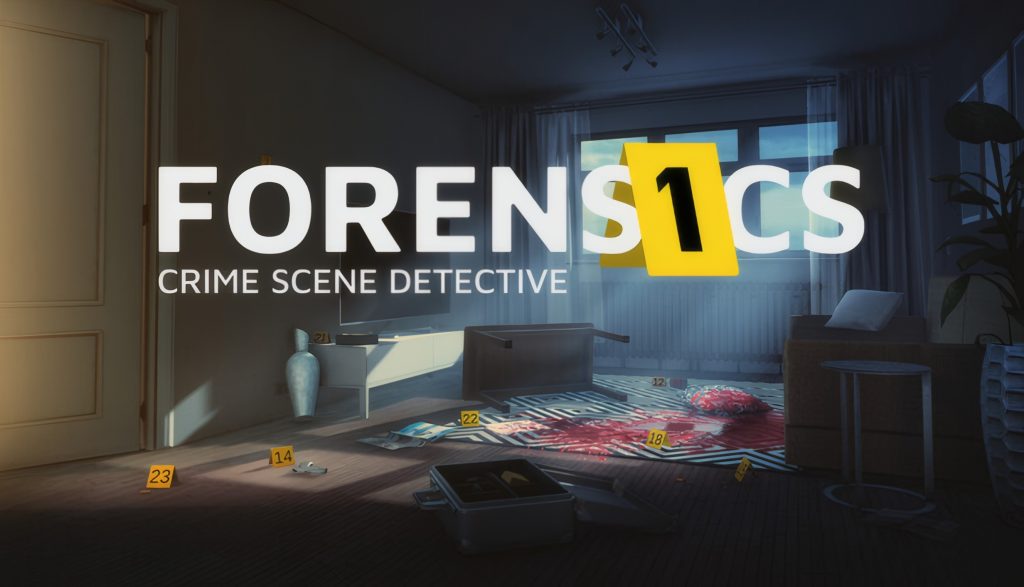
Forensics: Crime Scene Detective follows Aerosoft's familiar formula: an interesting simulation with decent visuals, weak optimization, and repetitive gameplay.

Foxy The First Steps is an excellent precision platformer that understands exactly what makes the genre enjoyable.

Tokyo Valkyries blends visual novel, roguelite deck-building, and fan service into a surprisingly enjoyable mix, despite few standout elements.
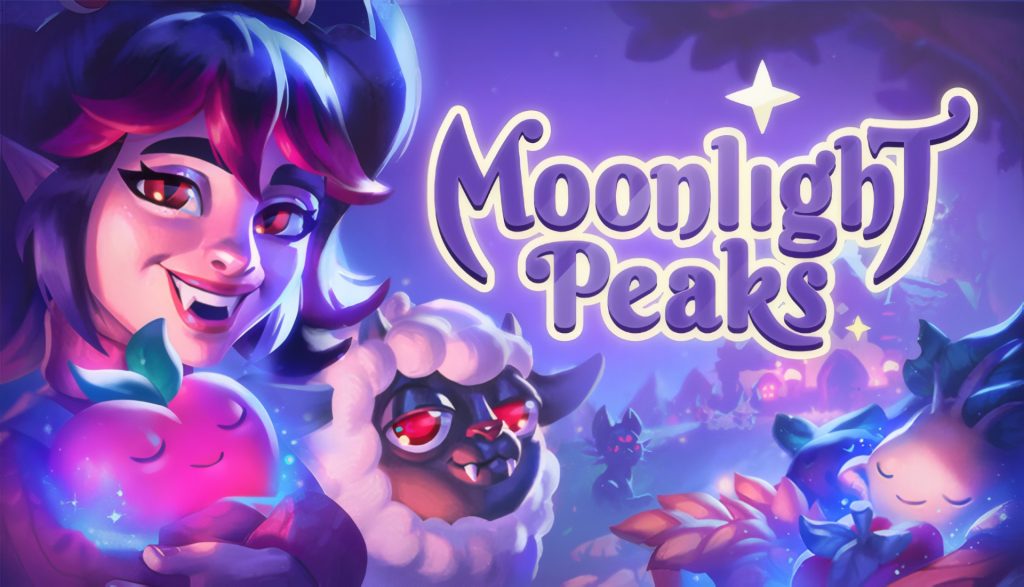
Moonlight Peaks refreshes the cozy farming formula with a more unique supernatural and magical approach while keeping the familiar mechanics…

The first thing that stands out about GRID 2 in 2026 has nothing to do with its handling, graphics, or…
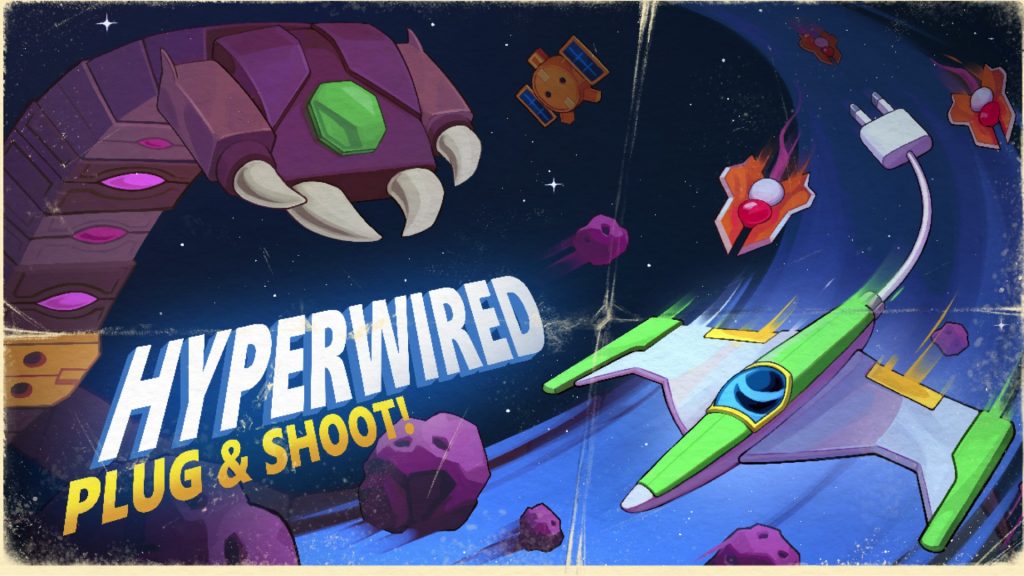
HYPERWIRED is a top-down roguelike where your ship drags a giant plug, powering sockets to complete objectives and progress through…
![[PREVIEW] 70s-style Robot Anime Geppy-X – This Game Pretends It’s a Real 1970s Anime](https://www.indie-games.eu/wp-content/uploads/2026/06/70s-Style-Robot-Anime-Geppy-X-Preview-1024x576.jpg)
As I continue my Steam Next Fest journey, I stumbled upon a game I honestly wasn't expecting to enjoy as…
![[PREVIEW] Edge of Memories – One of My Biggest Steam Next Fest Disappointments](https://www.indie-games.eu/wp-content/uploads/2026/06/Edge-of-Memories-Preview-1024x576.jpg)
Right now, Edge of Memories feels like a game with good ideas that hasn't yet figured out how to turn…
![[PREVIEW] Penguin Colony – Lovecraftian Horror Meets Antarctic Exploration](https://www.indie-games.eu/wp-content/uploads/2026/06/Penguin-Colony-5-1024x576.jpg)
It is surprisingly difficult to explain Penguin Colony, yet incredibly easy to become fascinated by.
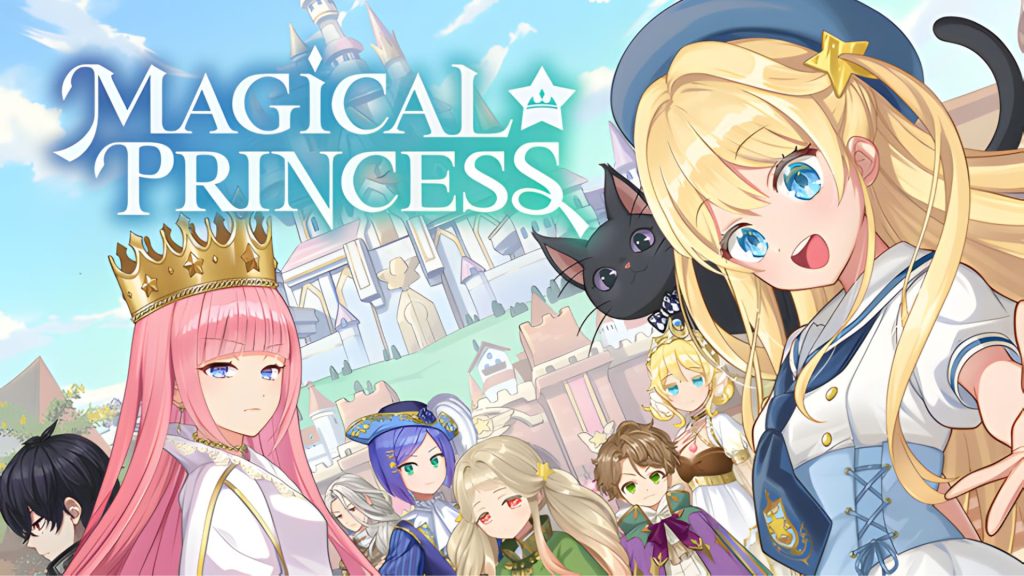
Magical Princess is one of those games that immediately reminded me of the classic Princess Maker series, but it does…
![[PREVIEW] Mortal Shell II – Difficult, Fair, and Surprisingly Polished](https://www.indie-games.eu/wp-content/uploads/2026/06/Mortal-Shell-II-1-1-1024x576.jpg)
Mortal Shell II has opened its beta to everyone, and I have to admit, this is exactly how you showcase…
![[PREVIEW] 1666: Amsterdam – Fails to Capture the Promise of Its Reveal](https://www.indie-games.eu/wp-content/uploads/2026/06/1666-amsterdam-1024x576.jpg)
Having just recently been revealed during Summer Game Fest, 1666: Amsterdam has already received a playable prologue on Steam.
