![[EARLY ACCESS] The Last Caretaker – Survival Game I Cannot Stop Playing](https://www.indie-games.eu/wp-content/uploads/2026/07/The-last-Caretaker-Key-Art-1024x587.jpg)
[EARLY ACCESS] The Last Caretaker – Survival Game I Cannot Stop Playing
The Last Caretaker is a compelling survival crafter with a flooded world and mobile base, but weak combat and performance…


If you enjoy independent indie game coverage, consider supporting Indie-Games.eu on Patreon. It helps keep the site independent.
I take back everything I said about the Early Access version of this game. Deathless. Tales of Old Rus pleasantly surprised me the more I played it. Not only does it stand out with its unique and well-designed characters and interesting deck-builder mechanics, but also with its visuals, quests, and the way the game evolved throughout the Early Access period. It has turned into something truly high-quality—maybe not perfect, but good enough to win over fans of the genre. It’s a shame the game hasn’t reached a wider audience because it deserves more attention.
This title is inspired by Slavic mythology and various literary works, bringing diverse mythological creatures and monsters like Bohinka, Bosorka, Rusalki, Kopitar, and others, along with challenging final bosses. However, the game’s story is not particularly memorable, it is mostly told through textual dialogues, which are easy to skip because they are short, and story progression only comes when you choose a special path. Nevertheless, following the story makes sense as it guides you to the final boss. Each character has their unique opponent they must defeat before the final chapter.
In the game, you have four playable characters: Varvara, Vasilisa, Dobrynya, and Alyosha, two women and two men. Each of them brings a different playstyle and new cards. For example, Vasilisa is accompanied on her journey by fairies who grant her special abilities, while Dobrynya wields a massive shield and unique types of attacks. This diversity allows players to find the playstyle that suits them best, but it is essential to complete the game with all characters to unlock the final part of the story.
The card mechanics in the game offer interesting combinations, but in addition to standard attacks and skills, there are also negative cards that can bring bad effects. Furthermore, the game includes universal cards available to all characters, which will provide additional strategic flexibility. Every run is different, although certain cards repeat. However, this title contains a large number of them, each character has seven pages of cards that allow for diverse combinations and playstyles. For example, Varvara has cards that move enemies, so her playstyle will be focused on exploiting those abilities.
Don’t expect revolutionary mechanics; the game relies on simplicity and does it well. The cards and their abilities are clear, without complex descriptions or hidden effects. Everything you find during the game will be available to you in future runs as well. The game is based on a three-path system that you choose yourself. Each path can bring rewards such as new cards, consumables, artifacts, or opportunities to upgrade cards.


The deck-building elements in Deathless sometimes feel limited. Cards can only be upgraded once, but those upgrades are not always worthwhile. The game forces you to choose upgrades carefully, but there aren’t many options. An additional problem is the length of the battles. Individual fights, especially against bosses, can last up to 20 minutes as you slowly chip away at their health bar. Also, despite the large number of cards, in version 1.0, certain cards seem to repeat too often.
One of the game’s features that still causes doubts is the Artifacts. While there are genuinely good artifacts, too many are not well-designed. Furthermore, opportunities that increase only the energy for moves are rarely provided. I tested whether collecting 10 artifacts would be enough for victory, but that is not always the case because cards are still key to success. Artifacts, for example, can increase your attack power, allow you to draw specific cards, or provide more shield.
The problem is that the game has three phases before the final confrontation with the main boss, and the difference between common and legendary artifacts is keenly felt. The same goes for consumables, although you can upgrade three carrying slots, you will have to choose carefully whether to focus on items that restore health or those that allow you to inflict negative effects on enemies.


The enemy balancing in Deathless is generally well-executed. Enemies are diverse; they can attack you with fast attacks, magic, or projectiles like arrows. Mini-bosses also introduce freshness as each one brings a special challenge and a different fighting style. However, a potential issue for the game experience is the bonuses and effects associated with the chosen paths. Each path can offer positive or negative bonuses, but in most cases, negative effects prevail.
The more valuable the reward at the end of the path, the harder the journey to it. You will often face enemies with increased health, stronger hits, or who simply overwhelm the battlefield with their numbers. However, this did not excessively affect the overall gameplay dynamic. The key to success lies in how good a deck of cards you have. Deathless is in a strange position, it’s a good enough game, but it’s hard to compete with the biggest names in the genre.
In addition, it’s very helpful that the game allows you to speed up animations, so you won’t always spend too much time fighting enemies. Another great advantage is the quality Quality of Life features, such as the ability to see what’s behind the cards or to quickly understand what each card or bonus does, along with the option to retry a battle if you lose. The game does a lot automatically for you, while only a little strategic thinking is expected from the player.
With the truly beautiful ambient graphics and card art, as well as detailed enemies and characters, don’t expect anything spectacular, as many elements will often repeat. Nevertheless, everything is executed at a solid level, without lagging, bugs, glitches, or wasted time. Besides the main missions, the game offers various side quests that yield useful rewards, giving you more options for playing. The story, although forgettable, is well-designed enough not to feel silly, and each character has their own background story you can follow.
Replayability is one of this title’s strong suits. Although the variations will diminish over time, you won’t regret deciding to replay the game several times. Fans of the genre will certainly enjoy it, though it’s understandable if you choose to complete the game only once. Keep in mind that the final story requires completing all quests, which means you will likely have to start over a few times after being defeated.
Be that as it may, Deathless. Tales of Old Rus is, for me, a true hidden gem among indie games this year.
Review copy provided by the publisher
The Last Caretaker is a compelling survival crafter with a flooded world and mobile base, but weak combat and performance…
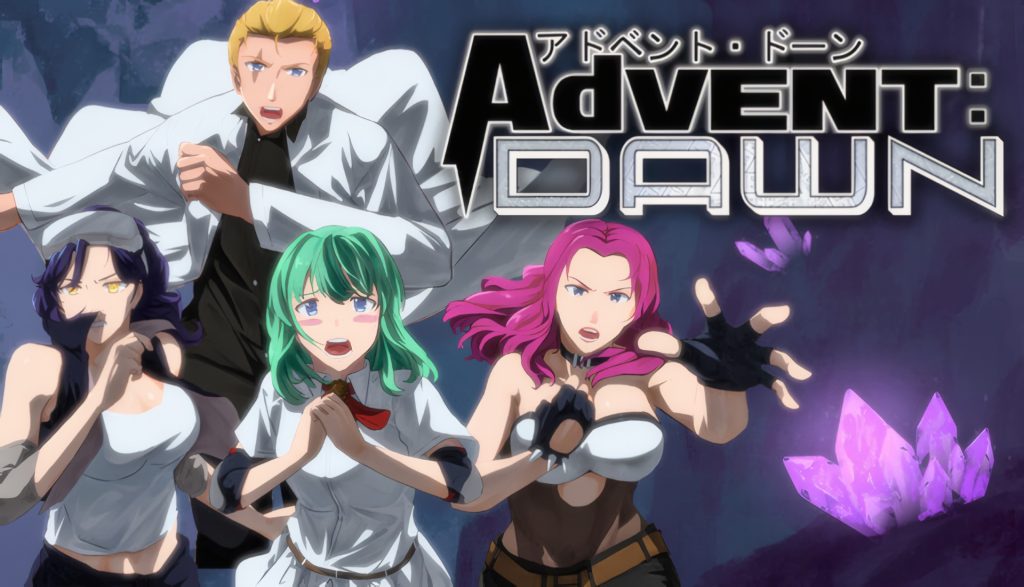
Advent: Dawn is an intriguing science-fiction visual novel elevated by a likable cast and one of the most convenient flowchart…
![[EARLY ACCESS] Hell Maiden – Beautiful but Uneven Journey Through Hell](https://www.indie-games.eu/wp-content/uploads/2025/06/HMD_screenshot_019-1024x576.jpg)
Bullet heaven and rougelite game Hell Maiden lands between a polished Early Access release and a promising game that still…
![[PREVIEW] Dark Queen of Samobor – Promising Croatian Adventure Still in Need of Polish](https://www.indie-games.eu/wp-content/uploads/2026/07/Dark-Queen-of-Samobor-1024x587.jpg)
Dark Queen of Samobor is a promising 2.5D side-scrolling action-adventure that combines Croatian folklore with combat, puzzles and cinematic platforming.
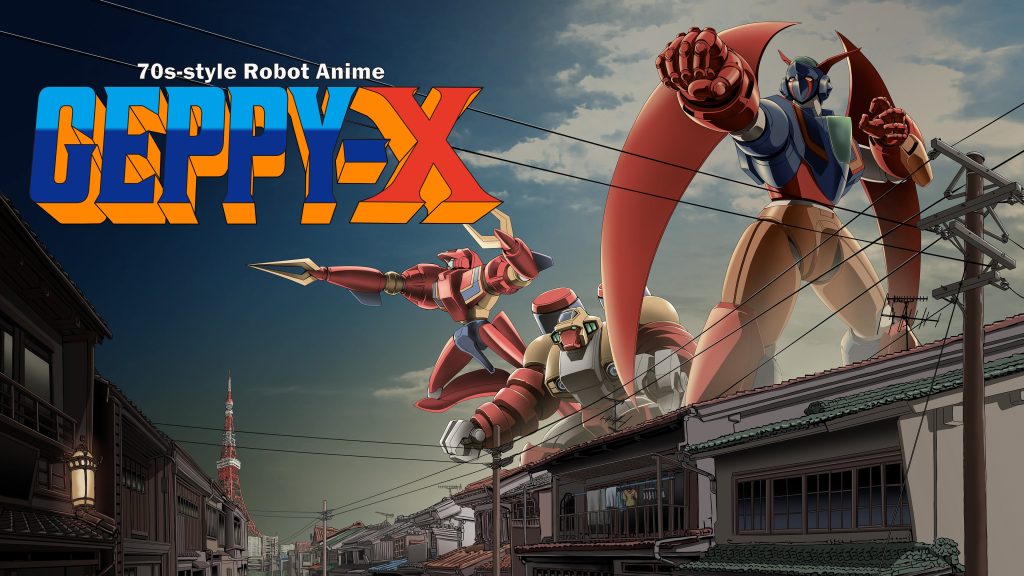
70s-style Robot Anime Geppy-X offers incredible animation, music and mecha nostalgia, but its average shooting make the €39 price difficult…
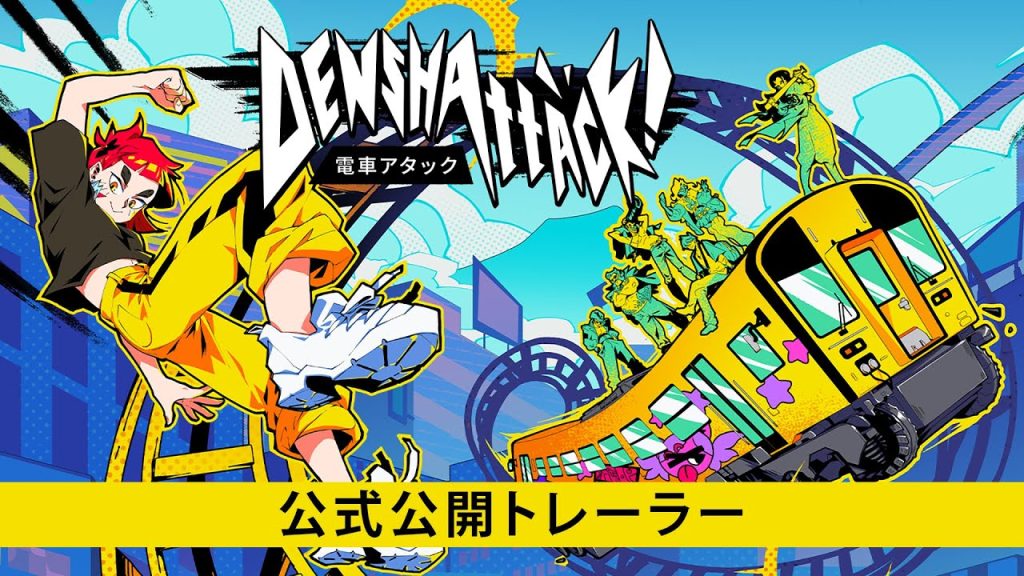
Denshattack! blends Tony Hawk, Jet Set Radio, and Japanese train culture into one of the year's most creative and unforgettable…
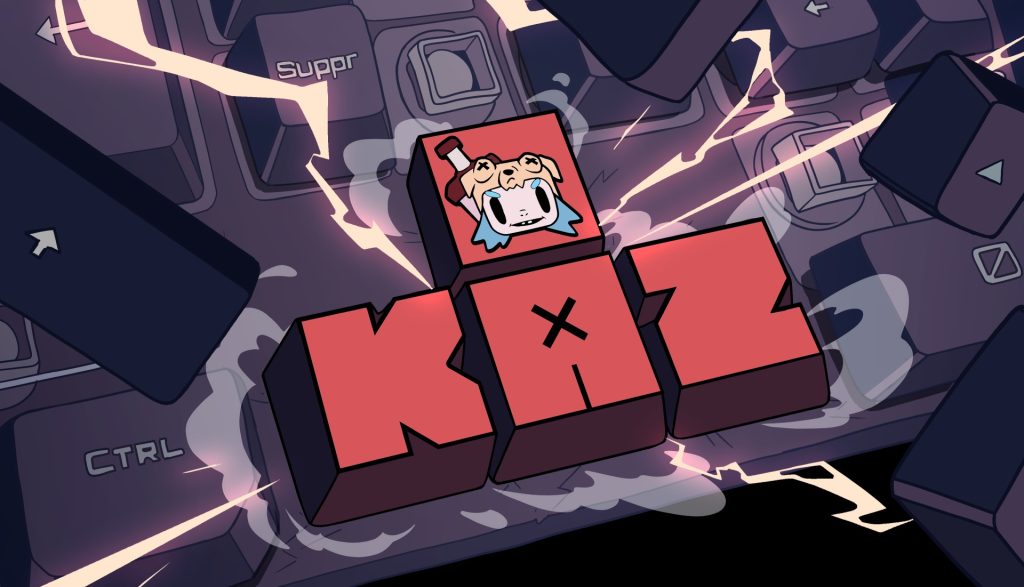
If you're looking for a game that takes an incredibly simple idea and somehow turns it into something addictive, KAZ…
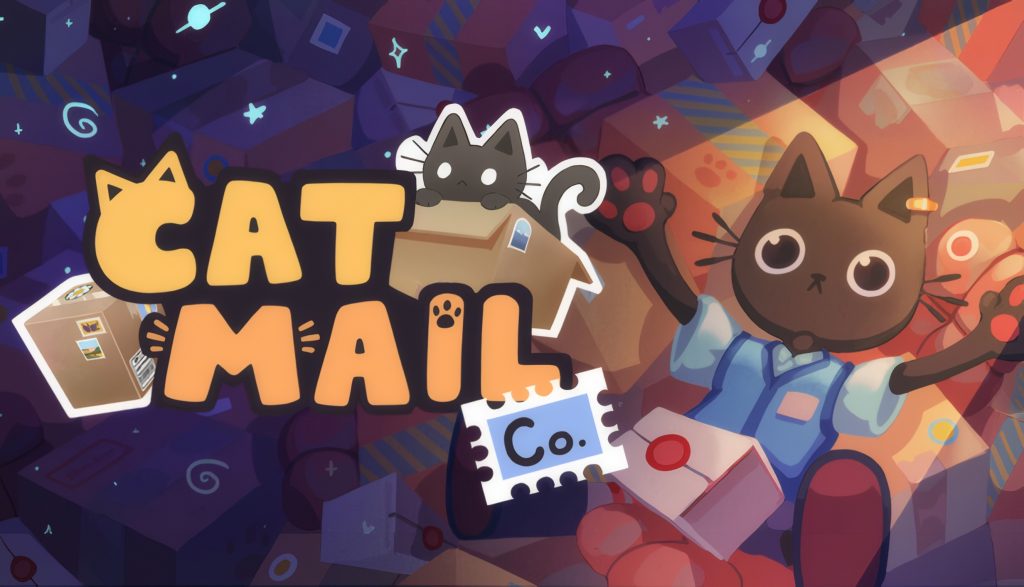
Cat Mail Co. charms with cozy visuals and satisfying mail sorting, but its full release doesn't quite live up to…
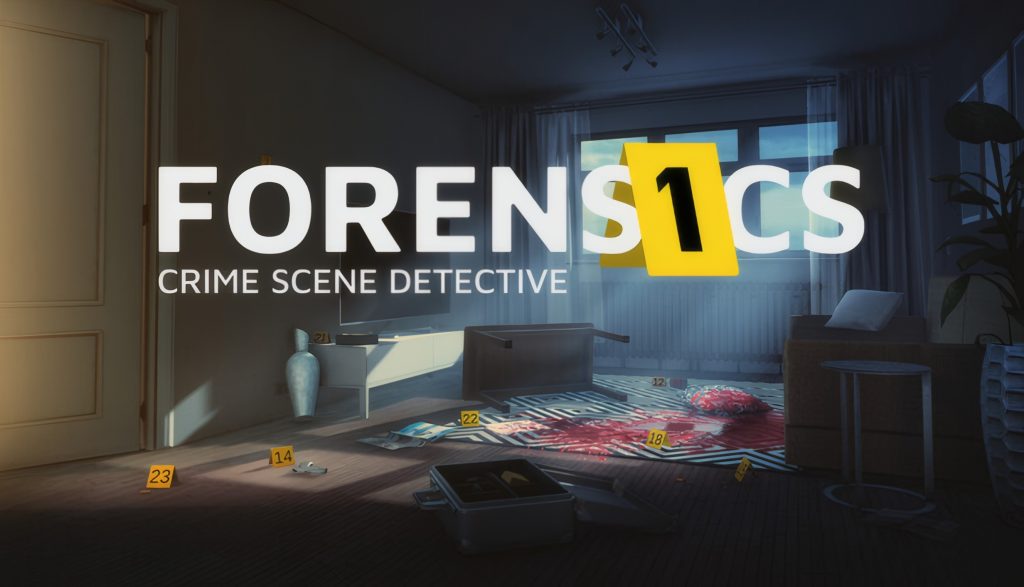
Forensics: Crime Scene Detective follows Aerosoft's familiar formula: an interesting simulation with decent visuals, weak optimization, and repetitive gameplay.

Foxy The First Steps is an excellent precision platformer that understands exactly what makes the genre enjoyable.

Tokyo Valkyries blends visual novel, roguelite deck-building, and fan service into a surprisingly enjoyable mix, despite few standout elements.
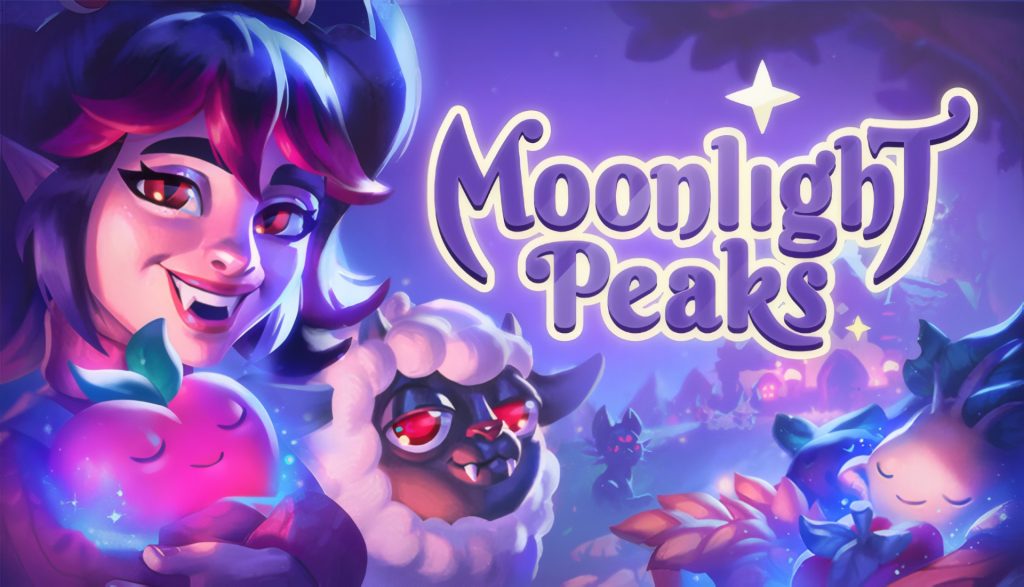
Moonlight Peaks refreshes the cozy farming formula with a more unique supernatural and magical approach while keeping the familiar mechanics…

The first thing that stands out about GRID 2 in 2026 has nothing to do with its handling, graphics, or…
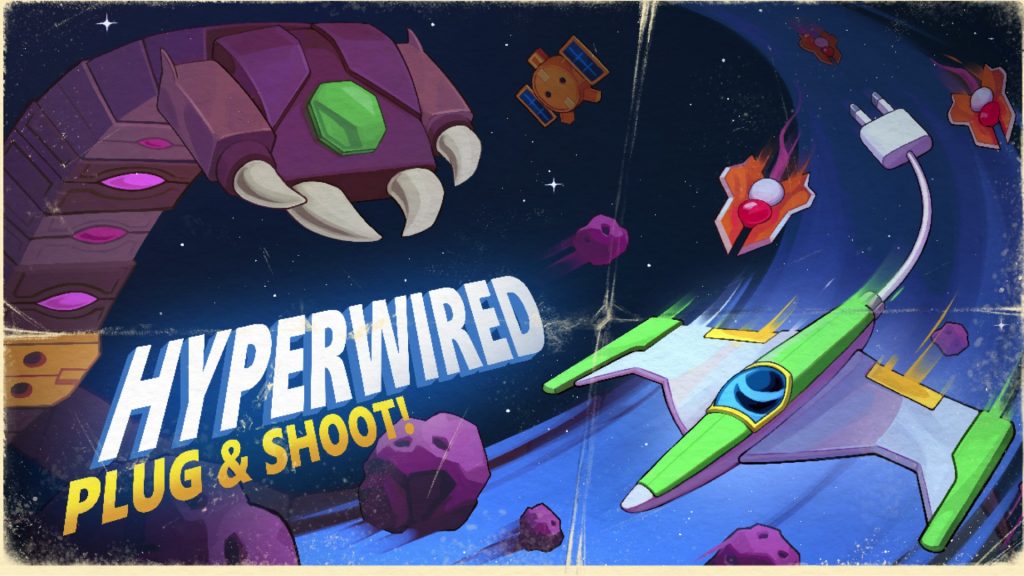
HYPERWIRED is a top-down roguelike where your ship drags a giant plug, powering sockets to complete objectives and progress through…
![[PREVIEW] 70s-style Robot Anime Geppy-X – This Game Pretends It’s a Real 1970s Anime](https://www.indie-games.eu/wp-content/uploads/2026/06/70s-Style-Robot-Anime-Geppy-X-Preview-1024x576.jpg)
As I continue my Steam Next Fest journey, I stumbled upon a game I honestly wasn't expecting to enjoy as…
![[PREVIEW] Edge of Memories – One of My Biggest Steam Next Fest Disappointments](https://www.indie-games.eu/wp-content/uploads/2026/06/Edge-of-Memories-Preview-1024x576.jpg)
Right now, Edge of Memories feels like a game with good ideas that hasn't yet figured out how to turn…
![[PREVIEW] Penguin Colony – Lovecraftian Horror Meets Antarctic Exploration](https://www.indie-games.eu/wp-content/uploads/2026/06/Penguin-Colony-5-1024x576.jpg)
It is surprisingly difficult to explain Penguin Colony, yet incredibly easy to become fascinated by.
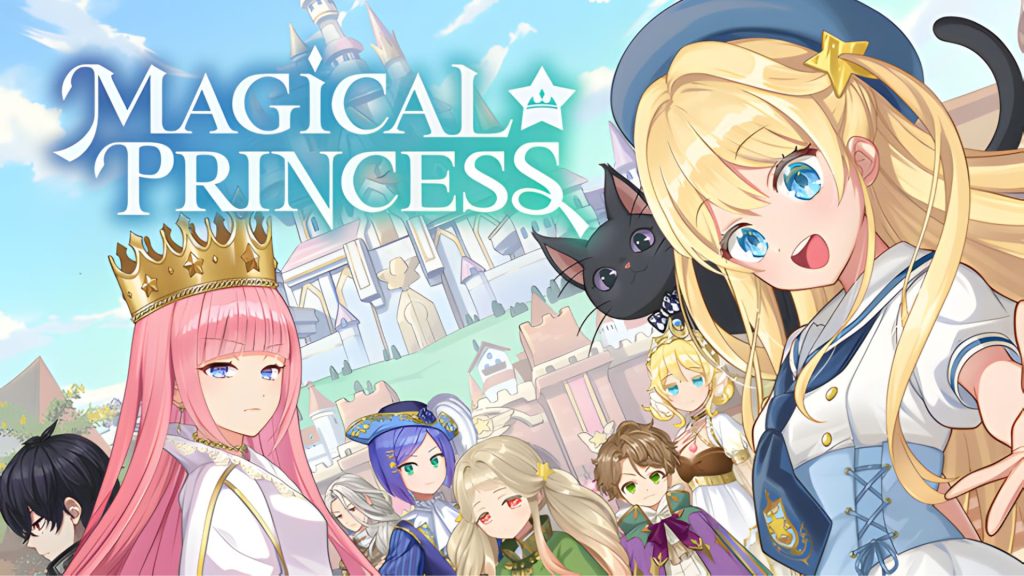
Magical Princess is one of those games that immediately reminded me of the classic Princess Maker series, but it does…
![[PREVIEW] Mortal Shell II – Difficult, Fair, and Surprisingly Polished](https://www.indie-games.eu/wp-content/uploads/2026/06/Mortal-Shell-II-1-1-1024x576.jpg)
Mortal Shell II has opened its beta to everyone, and I have to admit, this is exactly how you showcase…
![[PREVIEW] 1666: Amsterdam – Fails to Capture the Promise of Its Reveal](https://www.indie-games.eu/wp-content/uploads/2026/06/1666-amsterdam-1024x576.jpg)
Having just recently been revealed during Summer Game Fest, 1666: Amsterdam has already received a playable prologue on Steam.
