![[GAMESCOM 2026] Clive Barker’s Hellraiser: Revival Preview – Ready to Open the Box](https://www.indie-games.eu/wp-content/uploads/2026/09/Clive-Barkers-Hellraiser-Revival-08-30-26-1-1024x576.jpg)
[GAMESCOM 2026] Clive Barker’s Hellraiser: Revival Preview – Ready to Open the Box
Hellraiser: Revival preserves the franchise’s sex, gore and psychological horror while delivering approachable survival-horror gameplay.


If you enjoy independent indie game coverage, consider supporting Indie-Games.eu on Patreon. It helps keep the site independent.
From the moment I first set sail in Demon Tides, I was taken in by its candy-colored world. A vast ocean stretches out before you, dotted with eccentric islands that seem to promise secrets at every shoreline. It’s the kind of setting that immediately sparks curiosity. I wanted to get lost in it, to chart my own course and uncover everything Fabraz had hidden beneath the waves.
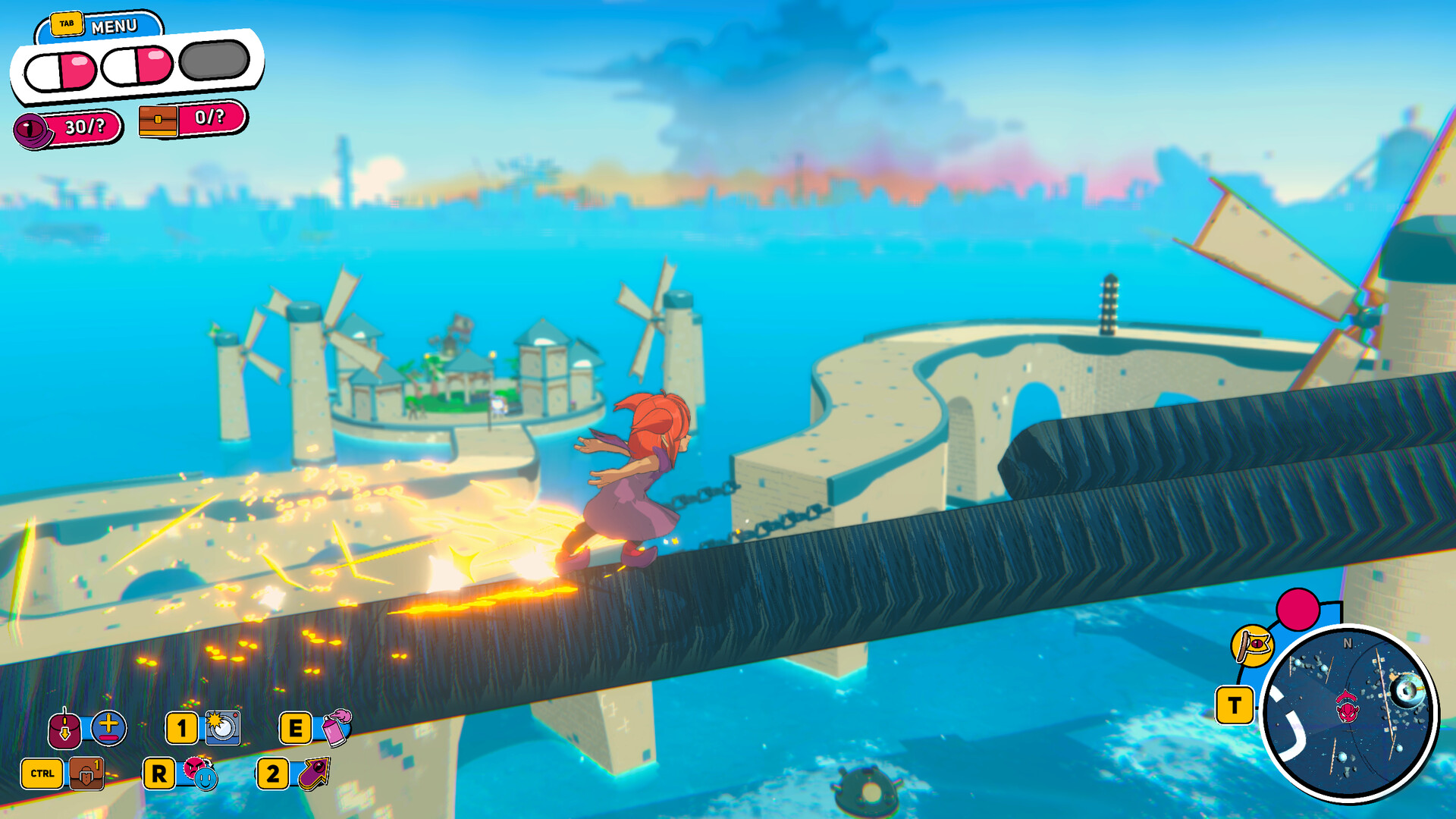
On paper, the concept is incredibly appealing: an expansive open-world platformer built around expressive movement. You can climb various surfaces, wall-run across gaps, switch sides mid-jump, glide as a bat, and even transform into a snake to slither faster across land or water. The sheer number of mechanics is impressive. It suggests freedom, creativity, and mastery waiting to happen.
But in practice, I never quite found that sense of flow. Rather than feeling liberated by the movement system, I often felt constrained by it. Playing with a controller in particular made things feel overwhelming. Instead of chaining moves together instinctively, I was constantly second-guessing myself, worried I’d trigger the wrong ability at the wrong time. Precision is clearly the goal here, yet it rarely felt elegant. There’s no smooth safety net when you misstep, and slipping off a ledge because you couldn’t cancel an animation quickly enough became a familiar frustration.
The camera positioning didn’t help as well. In tight platforming sections, it felt clunky and hard to wrangle into the perfect angle. When a game demands accuracy, the tools supporting that precision need to be solid. Here, they often weren’t. In other words, the move set feels restrictive. By forcing you to commit to a specific jump before leaving the ground, the game prevents you from adjusting on the fly. This lack of mid-air flexibility kills the intuitive flow essential to a good platformer.
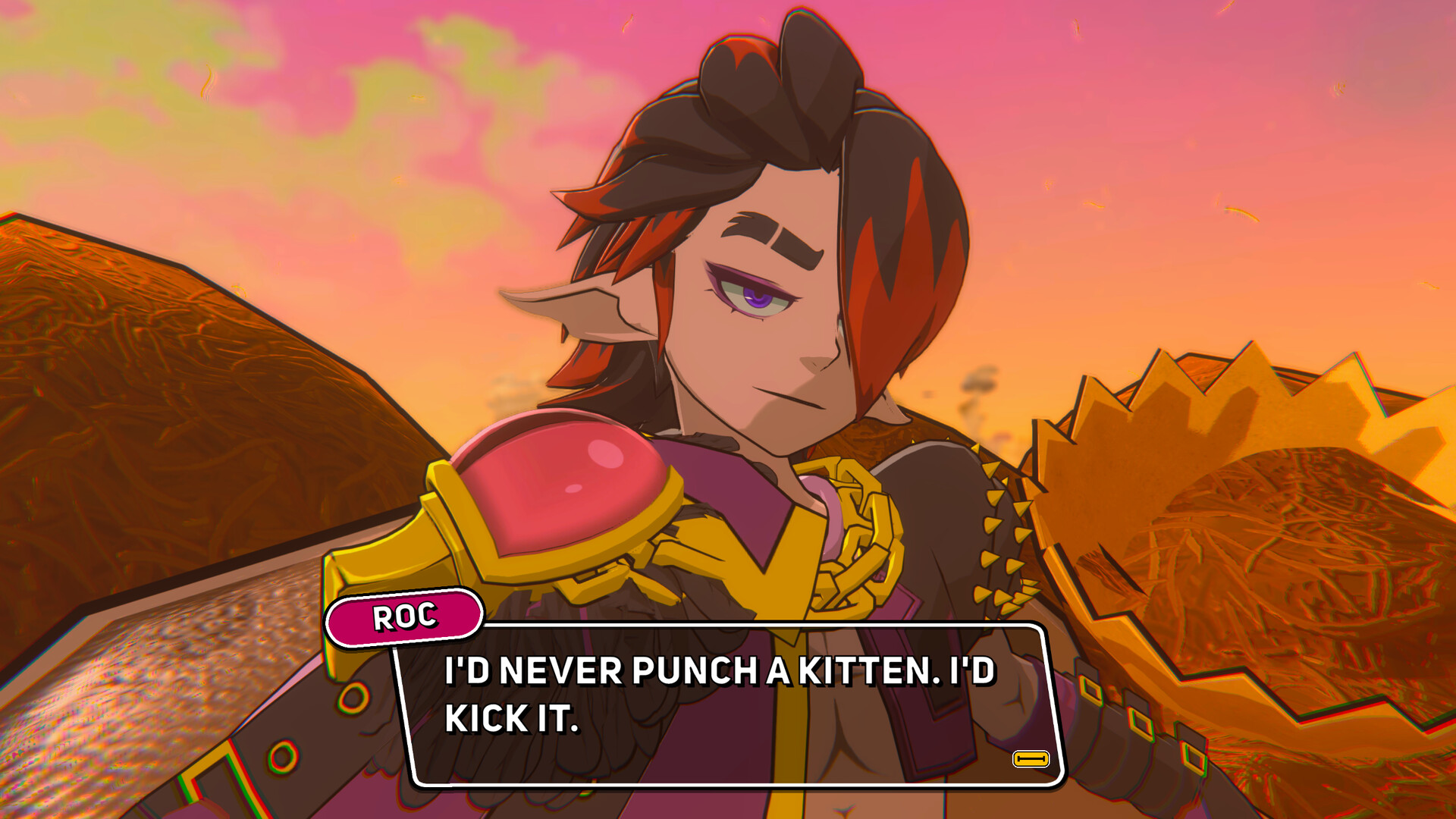
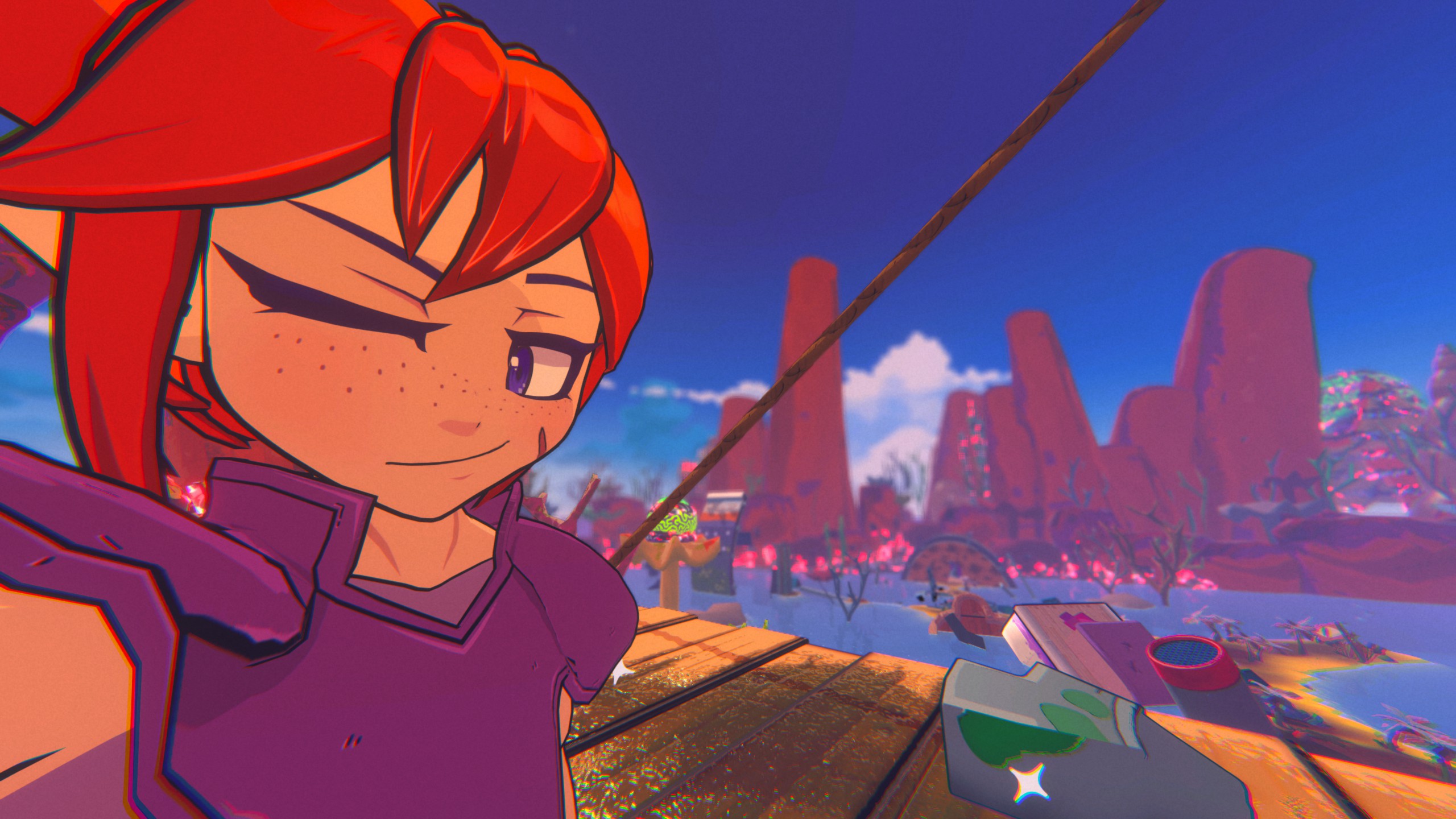
If there’s one area where Demon Tides bursts with personality, it’s in its cast. The characters are visually distinct, boldly designed, and full of flair. From colorful hairstyles to unique outfits, the game offers a refreshing sense of individuality. There’s also a satisfying degree of customization, letting you shape your own look and identity within this world.
Yet narratively, I struggled to connect. At its core, the story follows a group of kids searching for Beebz’s father. It leans heavily into Gen Alpha humor, with slang-filled dialogue and self-aware jokes that aim for irreverence. Lines were filled with phrases like “no cap” and constant playful jabs at one another clearly target a younger audience. For some players, that tone may land perfectly.
For me, however, it rarely did. Without voice acting, much of the humor feels stranded in text boxes. The expressive character animations and small vocal sounds try to compensate, but the emotional moments and punchlines often fall flat. Comedy depends so much on timing and delivery, and here it feels muted. I could see the intention, but I rarely felt the impact.
More importantly, the narrative never fully commits to a clear identity. It flirts with heartfelt adventure but undercuts it with constant irony. It reaches for humor but doesn’t quite sharpen it. Meanwhile, the massive open world, complete with detailed map markers and a great quest log, sometimes buries the story under sheer scale. I often felt like I was wandering through a world bigger than its emotional core could anchor.
There’s no denying that Demon Tides is packed with things to do. Chests are tucked into clever corners, puzzles reward curiosity, and talismans are scattered generously across the map. Every island feels deliberately crafted to hide something valuable. That steady drip of rewards makes exploration genuinely fun, especially in the early hours.
The game also introduces some creative social elements. Instead of traditional co-op, it offers ghost races in specialized speed-run challenges, letting you compete against other players’ best times. There’s also a graffiti system that allows you to tag walls, leaving your mark in other players’ worlds. It’s subtle, but seeing someone else’s presence woven into your adventure adds a surprising sense of belonging to an otherwise solitary sea.
And yet, the open world is both the game’s greatest strength and its biggest hurdle. Traveling across the enormous ocean can feel like a slog. While you can place checkpoints to return to, there’s no robust fast-travel system to ease long journeys, and in the heat of exploration it’s easy to forget to set those anchors. What should feel freeing sometimes becomes isolating, especially when backtracking is required.
After several hours, I did begin to understand the rhythm the game expects from you. The mechanics started to click, and I could glimpse the joy it offers to players willing to master its systems. But I also realized that this is a very specific kind of enjoyment. For some, the scale and freedom will be everything they wanted. For me, they often felt disjointed, like an ocean that occasionally loses sight of its shoreline.
Combat in Demon Tides never quite takes center stage. The moveset is functional, and you do unlock a variety of attacks, but encounters feel secondary to platforming. Regular enemies rarely pose a serious threat. Dodging is straightforward, and dispatching foes quickly becomes routine rather than exhilarating.
Boss battles, however, are a different story. They’re staged, multi-phase encounters with distinct patterns to learn and creative mechanics to overcome. One early boss, for example, spins a wheel of attacks and forces you to use his own rockets against him, blending spectacle with light tactical thinking. These fights feel carefully designed, serving as memorable finales to each act.
Still, even these highlights rarely push you to your limits. The challenge is moderate, accessible, and more about learning patterns than testing reflexes to the extreme. The bosses shine through presentation and variety rather than raw difficulty. They’re satisfying narrative moments, but not grueling trials.
Exploration also remains visually rewarding, even when the mechanics falter. As for replayability, it depends on your appetite for completionism. There are plenty of collectibles and tougher platforming segments for those who want to master every inch of the map. For others, following the main quest at a relaxed pace will provide a shorter, more focused journey.
In the end, I admired Demon Tides more than I loved it, a bold, unique adventure that never quite aligned with my personal rhythm, but one that will likely resonate deeply with players willing to embrace all of its pros and cons. While it certainly wasn’t my type of game, I can definitely see some one else enjoy it quite a lot. Without a doubt, it can be a fun game if you’re specifically into this type of genre and games, but if you’re some one who doesn’t want to waste so much time in mastering mechanics and exploring a huge open-world, it might be best to find something else on your repertoire.
Review copy provided by the publisher
Hellraiser: Revival preserves the franchise’s sex, gore and psychological horror while delivering approachable survival-horror gameplay.

Swan Song creates a peaceful and forgiving puzzle space without removing the challenge that makes solving a difficult puzzle rewarding.
Mortal Shell II starts brilliantly but grows repetitive and exhausting, while remaining a rewarding and ambitious Soulslike sequel.
![[GAMESCOM 2026] Terranigma Preview – A Lost SNES Classic Returns in 2027](https://www.indie-games.eu/wp-content/uploads/2026/08/Terranigma-1-1024x576.jpg)
After more than three decades of limited availability, Terranigma is returning in 2027. We played its enhanced re-release at Gamescom…

Reading another person’s mind is often presented as a desirable superpower, but Sister Other Paranoia immediately understands why it could…
Forsaken Realms: Vahrin’s Call is exactly the kind of ambitious, slightly clumsy fantasy RPG that used to be far more…
![[Early Access] 2nd EVE – Sci-Fi Action RPG That Lacks a Sense of Stakes](https://www.indie-games.eu/wp-content/uploads/2026/08/2ND-EVE-1024x576.jpg)
2nd Eve is a space-set action RPG in which we strive to save humanity.
![[PREVIEW] Dreamcards – Strategic Exploration of Consciousness](https://www.indie-games.eu/wp-content/uploads/2026/08/Dreamcards_20260810_233631_0000-1024x576.jpg)
Dreamcards is a roguelike deckbuilder centered around dreams and nightmares.
![[Early Access] OFFBEAT – Incredibly Fun Way to Start a Music Career](https://www.indie-games.eu/wp-content/uploads/2026/08/Offbeat_20260808_201446_0000-1024x576.jpg)
In OFFBEAT, we play the role of a jobbing composer who is launching their music career.
HellSlave II retains the original’s oppressive atmosphere, morally grey world and striking art while adding a larger world, randomized loot…
Beast of Reincarnation is an ambitious but uneven action RPG elevated by satisfying parry combat, beautiful art direction and the…

K-pop Idol Stories: Road to Debut captures the pressure of building idol group, but its management systems never explore that…
Hooded Horse keeps finding strategy games that know their audience, and Corsair Cove extends its impressive run of excellent city-builders.
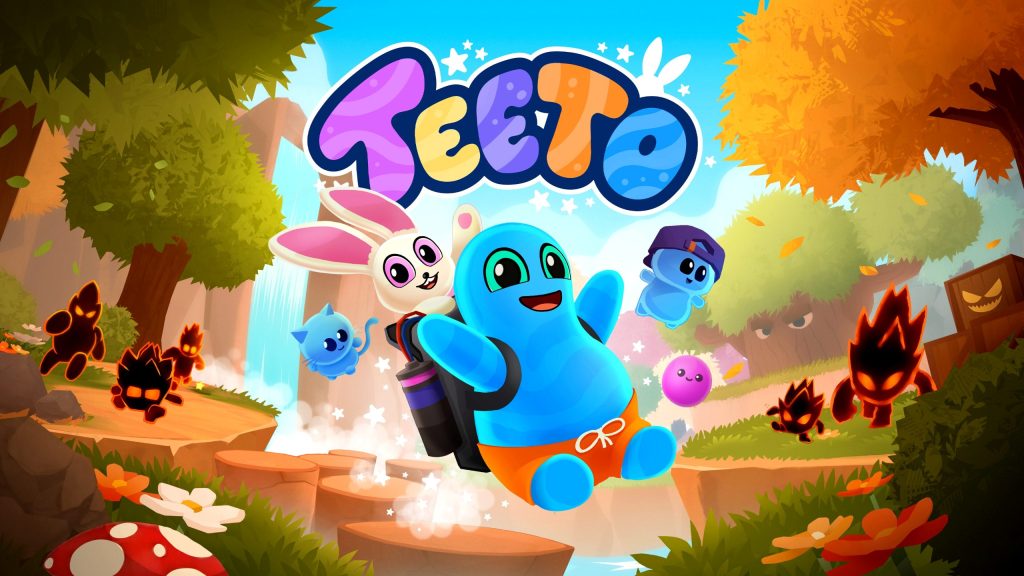
Teeto is a warm, cozy, creative and highly enjoyable 3D platformer that understands why classic collectathons remain so appealing.
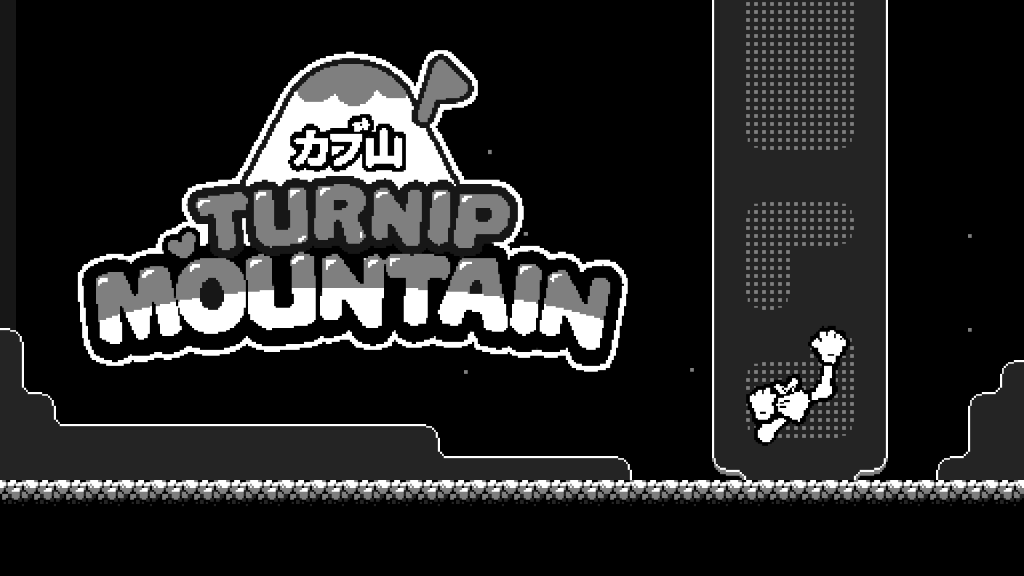
Turnip Mountain stands out for its combination of a unique control system and a minimalist approach.
Dystopicon is an imaginative and memorable narrative experiment with sharp social commentary, engaging world-building and several wonderfully absurd scenarios.
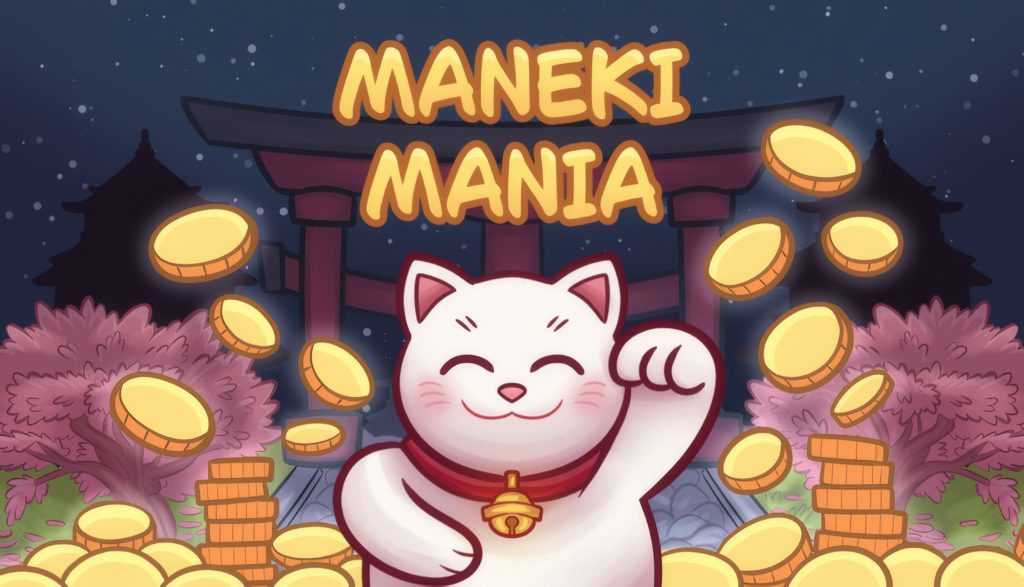
Maneki Mania is an incremental game centered around petting a lucky cat.
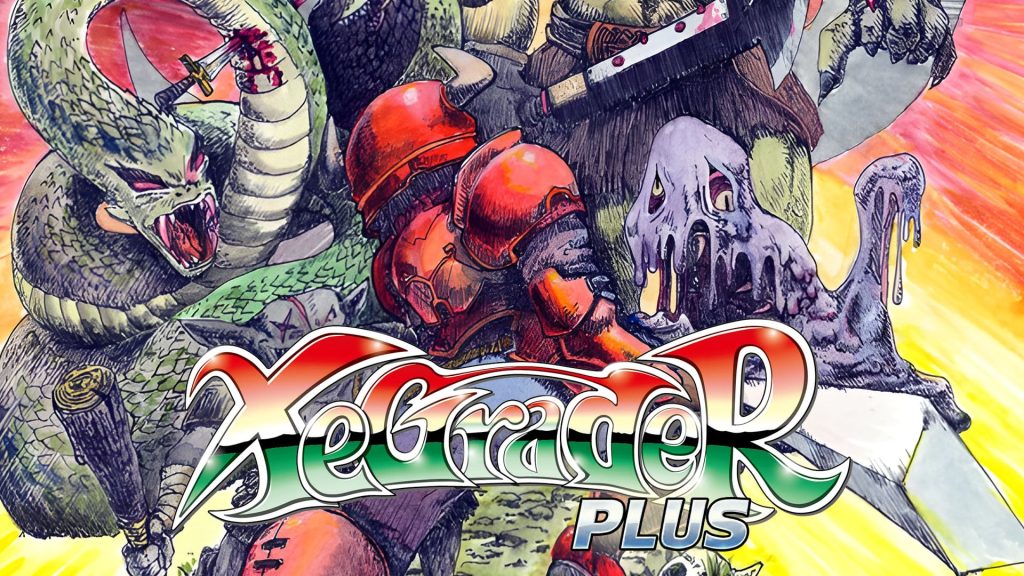
XeGrader Plus delivers colorful retro shooting, but basic mechanics, a short campaign and paid retro modes make its €20 price…
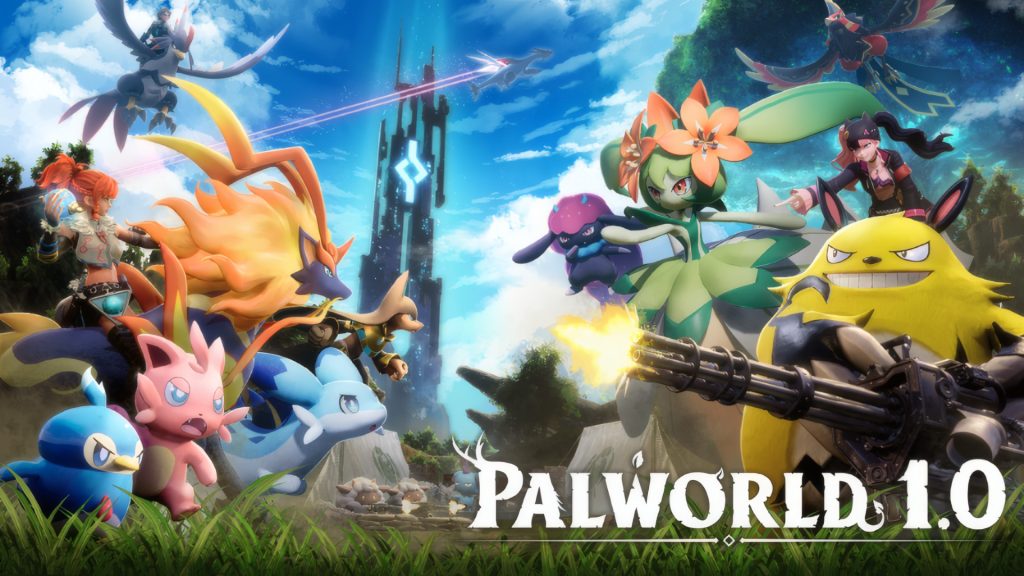
It has been roughly two and a half years since Palworld first entered Early Access, and quite a lot has…
![[EARLY ACCESS] The Last Caretaker – Survival Game I Cannot Stop Playing](https://www.indie-games.eu/wp-content/uploads/2026/07/The-last-Caretaker-Key-Art-1024x587.jpg)
The Last Caretaker is a compelling survival crafter with a flooded world and mobile base, but weak combat and performance…
