![[PREVIEW] Tiny Metal 2 – Strategy Game That Wants You to Learn From Every Mistake](https://www.indie-games.eu/wp-content/uploads/2026/09/Tiny-Metal-2-1024x576.jpg)
[PREVIEW] Tiny Metal 2 – Strategy Game That Wants You to Learn From Every Mistake
I rarely enjoy discovering that my opening strategy was completely wrong, but Tiny Metal 2 made that process one of…


If you enjoy independent indie game coverage, consider supporting Indie-Games.eu on Patreon. It helps keep the site independent.
Demonschool is built around a simple but effective loop. You explore the island, talk to people, and then fight demons. Progressing the main story moves time forward through the day, from morning to evening and finally to night, and battles usually mark the shift between these phases. As days pass and weeks roll on, the island slowly changes. New events appear, characters move to different places, and there is almost always someone new to speak with. Party members also constantly ask you to spend time with them, whether that means going out together, helping with personal problems, or just hanging out to deepen your bond. These moments are not just filler: they shape relationships, unlock new skills, and sometimes lead to romance.

Spending time between main missions is one of the strongest parts of Demonschool. Exploring the campus and nearby town helps the story feel alive. Many NPCs have their own strange lives and problems, and talking to them repeatedly reveals small pieces of lore. You might meet a man who keeps forgetting how many children he has, an elderly woman who insists every man she meets is her husband, or a shrine that becomes more talkative the more often you visit it.
That said, the game is extremely text-heavy, and there is no voice acting or dialogue log. This can be frustrating. If you accidentally skip through a conversation too fast, there is no way to reread it. When you are tired or distracted, it is easy to miss important details. Still, when you are focused, the writing adds a lot of personality and charm to the world.
The main story setup is familiar on paper: demons, the end of the world, and the idea that hell and reality are deeply connected. Nothing about the core premise is especially new. What makes it work is the tone and the characters. The writing is sharp, often funny, and never takes itself too seriously. Jokes land naturally, and the cast is easy to like, which helps carry a story that could otherwise feel generic.
Demonschool also has a very large cast. There are fifteen playable demon hunters in total, plus a number of side characters who appear throughout the story. Some of them leave a strong impression, while others feel less developed. This is one of the downsides of having such a big roster. A few early characters, like Mercy, are introduced clearly but never feel fully explored, either in gameplay or story.
On the other hand, several characters are memorable almost immediately. Namako, a quiet and awkward photography student, and Destin, a well-meaning but not very bright musclehead, both stand out early on. Later party members like Kestrel, a sharp-tongued rival, and Ti, a powerful and confident fighter, prove that strong writing and expressive art can make characters shine even with limited screen time. Trimming the cast slightly might have allowed the game to give everyone more depth, but the variety does add flavor and choice.

It’s worth pointing out that the large cast really shines in combat. Demonschool’s battle system is one of its greatest strengths. When a fight begins, the world pulls away into a grid-based battlefield in a way that looks smooth and stylish. The transition alone is impressive, mixing 2D art with subtle 3D effects. Visually, the game is beautiful from start to finish.
In battle, you control a team of up to four characters, all sharing a single pool of action points. Every move, attack, or ability costs points, and using the same character multiple times becomes more expensive. This creates an interesting balance where you must constantly decide who should act and when. No single character can dominate every turn without draining your options.
Characters fall into roles where some focus on direct damage, others can move through enemies, some specialize in healing, and a few have strange, unique abilities, like Henk, who can literally drop school desks on demons. The variety encourages experimentation, and mixing different roles together leads to creative solutions.
The most unique part of combat is how each turn is split into two phases. First comes the planning phase, where you can test every move before committing to it. You can reposition characters, preview attacks, undo actions, and experiment freely. It feels like solving a puzzle with full information. Once you are satisfied, you start the action phase, and everything plays out at once in a fast, cinematic sequence.
Combat is built less around grinding and more around problem-solving. There are no traditional experience levels. Instead, you unlock new abilities and options that change how you approach fights. These abilities allow for stuns, counters, healing, and powerful elemental effects. Over time, your understanding of the system grows, and encounters start to feel like open-ended challenges rather than simple skirmishes.

That said, the game is not without issues. Mainly, the story pacing stumbles at times. Some side quests reveal information too early, spoiling future party members or plot points before the main story introduces them. This hurts the sense of mystery and makes the narrative feel less carefully structured. Combined with a lack of deeper tutorials for some systems, these problems can pull you out of the experience.
The game wears its inspirations openly – it clearly draws from Persona, classic tactical RPGs, and early 2000s supernatural TV shows. Yet it never feels like a lazy copy. The isolated island campus, filled with hidden corners and eerie locations, gives the setting its own identity. Visuals use bold colors and surreal lighting to create an unsettling but playful mood, as if the entire campus exists on the edge of a dream or a nightmare.
Also, the soundtrack deserves special praise as synth-heavy tracks give the game a strong atmosphere, whether you are exploring town or fighting demons. Sound effects reinforce the strange tone, with distorted noises, static, and otherworldly sounds filling the background.
Outside of combat, the game mixes in small side activities and mini-games that help flesh out characters and the world. These moments are short but memorable, adding personality and humor while occasionally deepening the lore. Building relationships rewards you with new abilities and story moments, making it feel worthwhile to invest time in your teammates.

Demonschool is not for everyone, because its structure is fairly linear, and some may find the repeated battles and puzzle-focused combat tiring over time. A few characters are clearly stronger than others, and balance can feel uneven from time to time. Still, for those who enjoy tactical puzzles, strong style, and character-driven stories, it offers something special.
In the end, Demonschool succeeds because it understands what it wants to be. It blends strategy, horror, humor, and school-life drama into a cohesive whole. Its combat constantly challenges your brain, its cast makes you want to stick around, and its presentation is bold and confident. It may stumble in places, but when everything clicks, it is hard to stop playing. Demonschool is weird, stylish, and deeply engaging, a standout tactics RPG that stays with you long after the credits roll.
Review copy provided by the publisher
I rarely enjoy discovering that my opening strategy was completely wrong, but Tiny Metal 2 made that process one of…
![[PREVIEW] Remothered: Red Nun’s Legacy – Ambitious Survival Horror That Needs More Polish](https://www.indie-games.eu/wp-content/uploads/2026/09/Remothered-Red-Nuns-Legacy-4-1024x576.jpg)
Remothered: Red Nun’s Legacy has a gripping atmosphere and promising survival tools, but its repetitive hiding and rough visuals need…
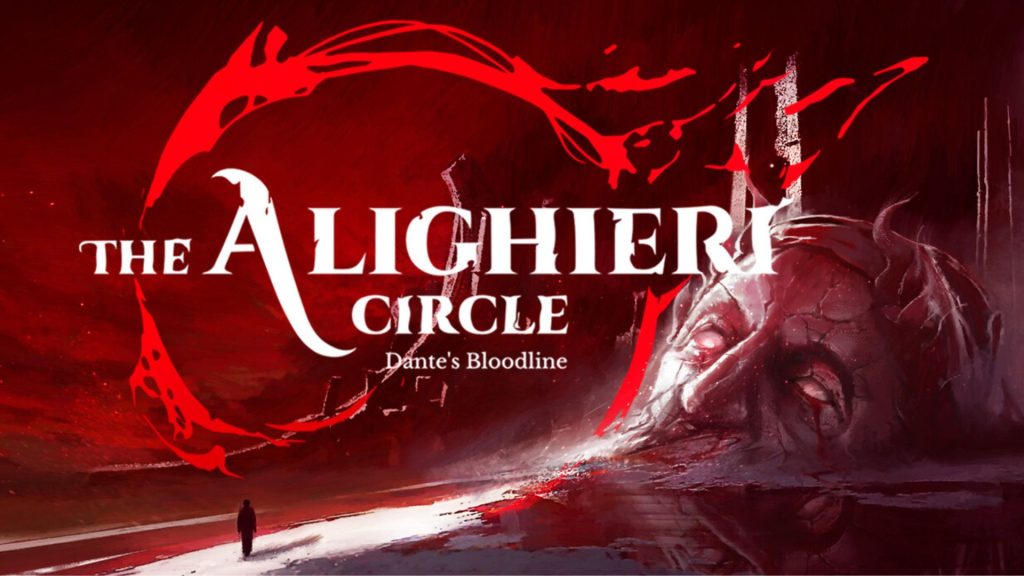
The Alighieri Circle: Dante’s Bloodline is difficult to recommend beyond players who are especially interested in Dante or enjoy solving…
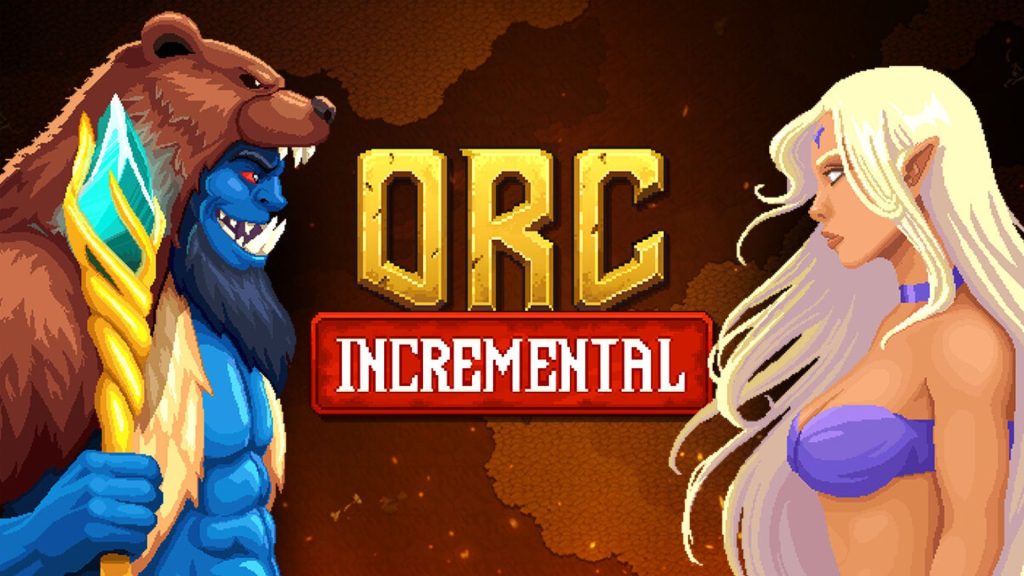
Orc Incremental offers satisfying progression, entertaining totem combinations and enough content to justify its affordable price.
![[GAMESCOM 2026] Chronoscript: The Endless End Preview – Beautiful Pages Hide Deliberate Combat](https://www.indie-games.eu/wp-content/uploads/2026/09/Chronoscript-The-Endless-End-1-1024x576.jpg)
Chronoscript: The Endless End stands out from other Metroidvanias by blending 2D manuscript worlds with exploration inside a 3D manor.
![[GAMESCOM 2026] MegaGum Preview – Combat Hits Hard in This Sticky Platforming Adventure](https://www.indie-games.eu/wp-content/uploads/2026/09/MegaGum-09-09-26-5-1024x576.jpg)
MegaGum combines hard-hitting combat, varied weapons and Gum-powered platforming in a promising Gamescom 2026 demo.
![[GAMESCOM 2026] Delphinium Preview – Cozy Routine Mixed With Enjoyable Minigames](https://www.indie-games.eu/wp-content/uploads/2026/03/Delphinium--1024x665.jpg)
Delphinium mixes cozy farming, exploration and relationships with enjoyable fishing, cooking and forging minigames in its Gamescom 2026 demo.
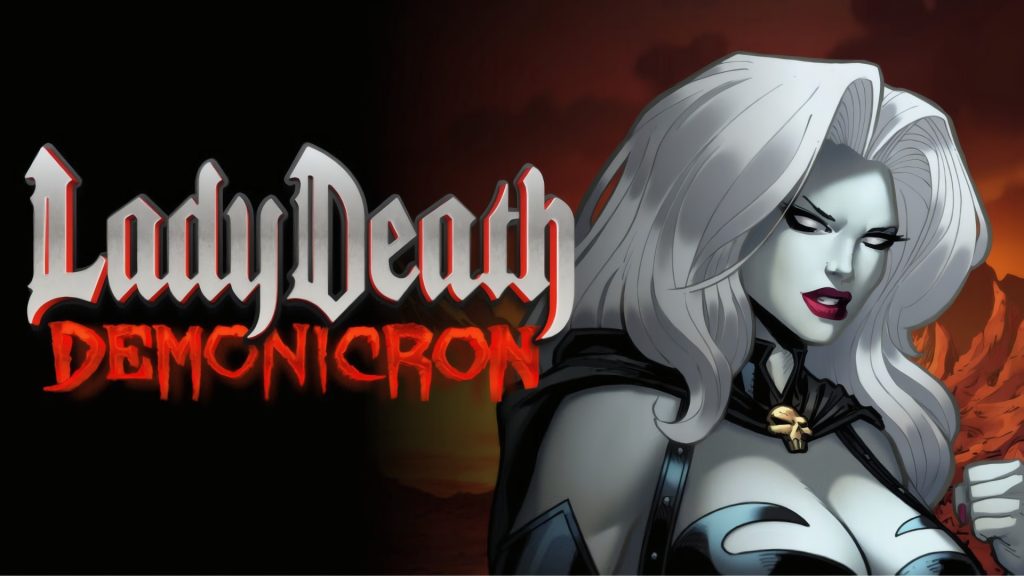
Lady Death: Demonicron looks the part, but underneath its excellent comic-book exterior is a clunky and painfully short brawler.
![[GAMESCOM 2026] Tomb Raider: Legacy of Atlantis Preview – Expands the Original Without Losing Its Identity](https://www.indie-games.eu/wp-content/uploads/2026/09/tomb-raider-legacy-of-atlantis-06-02-26-1-1024x576.jpg)
Tomb Raider: Legacy of Atlantis brings Lara back to her roots, but its Gamescom 2026 showing proved this is far…
![[GAMESCOM 2026] Clive Barker’s Hellraiser: Revival Preview – Ready to Open the Box](https://www.indie-games.eu/wp-content/uploads/2026/09/Clive-Barkers-Hellraiser-Revival-08-30-26-1-1024x576.jpg)
Hellraiser: Revival preserves the franchise’s sex, gore and psychological horror while delivering approachable survival-horror gameplay.

Swan Song creates a peaceful and forgiving puzzle space without removing the challenge that makes solving a difficult puzzle rewarding.
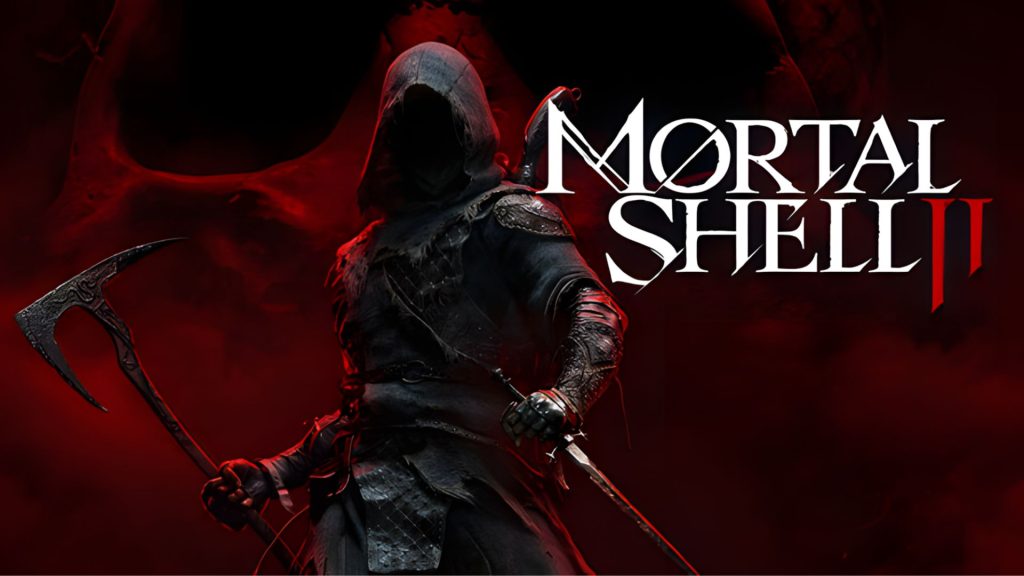
Mortal Shell II starts brilliantly but grows repetitive and exhausting, while remaining a rewarding and ambitious Soulslike sequel.
![[GAMESCOM 2026] Terranigma Preview – A Lost SNES Classic Returns in 2027](https://www.indie-games.eu/wp-content/uploads/2026/08/Terranigma-1-1024x576.jpg)
After more than three decades of limited availability, Terranigma is returning in 2027. We played its enhanced re-release at Gamescom…
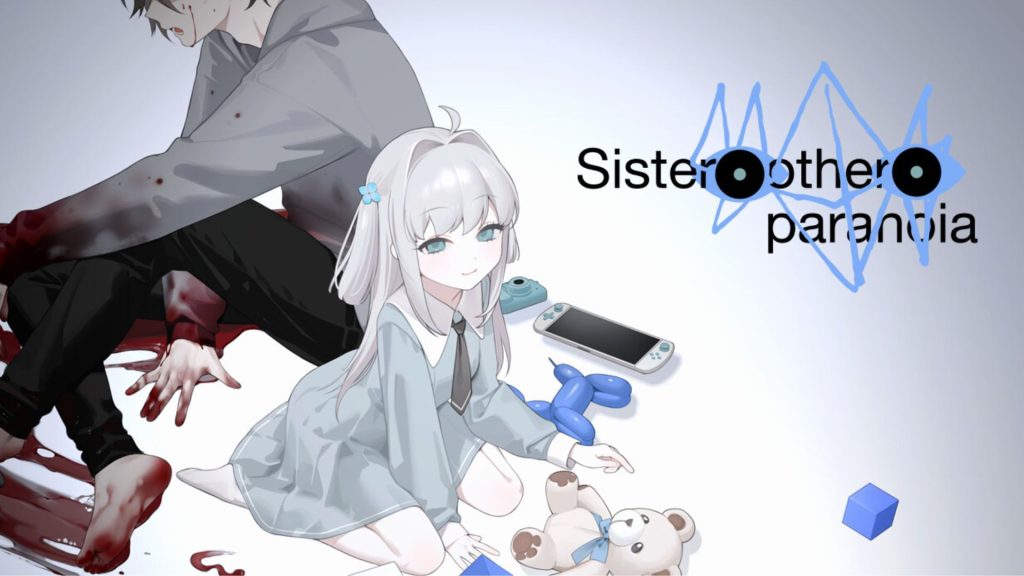
Reading another person’s mind is often presented as a desirable superpower, but Sister Other Paranoia immediately understands why it could…
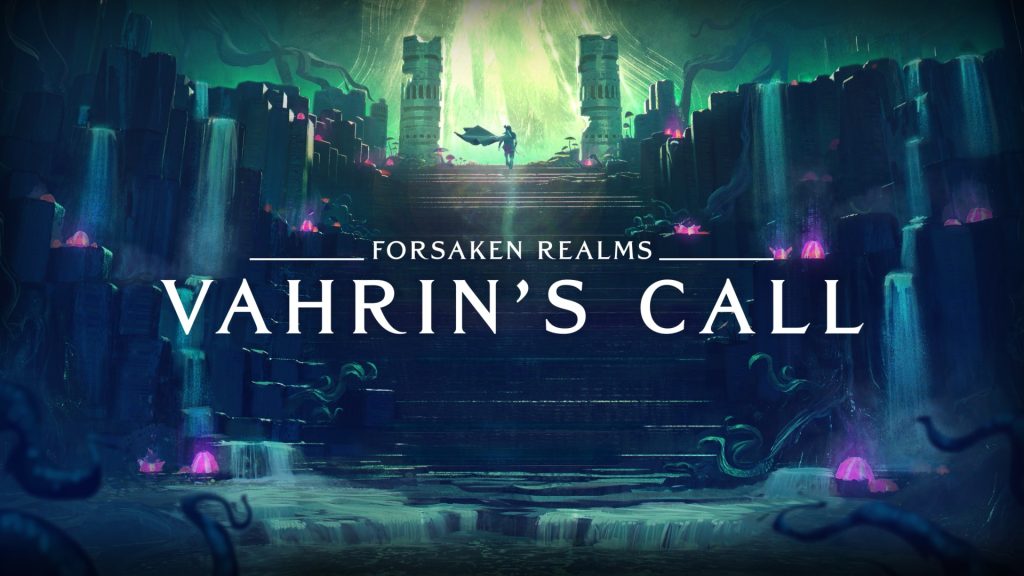
Forsaken Realms: Vahrin’s Call is exactly the kind of ambitious, slightly clumsy fantasy RPG that used to be far more…
![[Early Access] 2nd EVE – Sci-Fi Action RPG That Lacks a Sense of Stakes](https://www.indie-games.eu/wp-content/uploads/2026/08/2ND-EVE-1024x576.jpg)
2nd Eve is a space-set action RPG in which we strive to save humanity.
![[PREVIEW] Dreamcards – Strategic Exploration of Consciousness](https://www.indie-games.eu/wp-content/uploads/2026/08/Dreamcards_20260810_233631_0000-1024x576.jpg)
Dreamcards is a roguelike deckbuilder centered around dreams and nightmares.
![[Early Access] OFFBEAT – Incredibly Fun Way to Start a Music Career](https://www.indie-games.eu/wp-content/uploads/2026/08/Offbeat_20260808_201446_0000-1024x576.jpg)
In OFFBEAT, we play the role of a jobbing composer who is launching their music career.
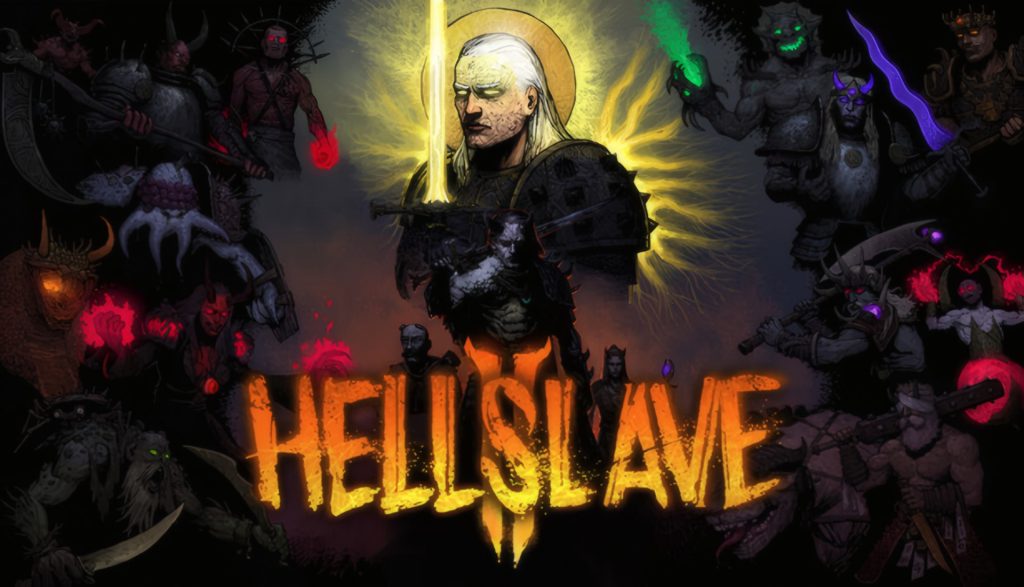
HellSlave II retains the original’s oppressive atmosphere, morally grey world and striking art while adding a larger world, randomized loot…
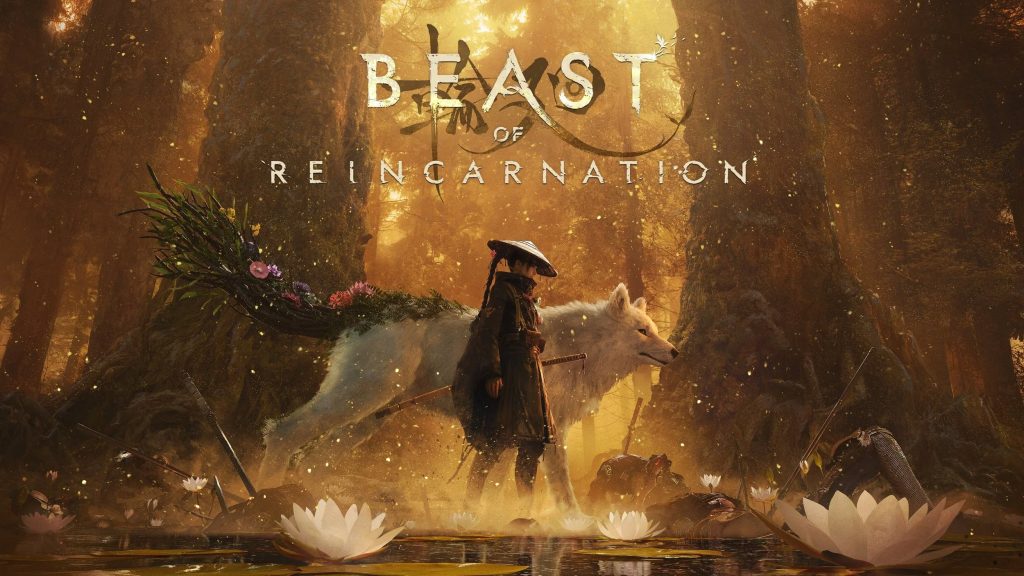
Beast of Reincarnation is an ambitious but uneven action RPG elevated by satisfying parry combat, beautiful art direction and the…
