Fire Emblem Awakening Retro Review – Unfulfilled Potential
Awakening is worth playing if you enjoy developing characters, experimenting with tactical partnerships, and shaping an army over a massive…

If you enjoy independent indie game coverage, consider supporting Indie-Games.eu on Patreon. It helps keep the site independent.
Doors & Loot is a dungeon-crawler with roguelike elements. In this game, you’ll explore various dungeons, collect loot, fight a wide range of enemies, and upgrade your skills. Your ultimate goal is to reach the top of the tower and uncover the secrets hidden within.
Unlike traditional roguelike games where death sends you back to a resting area to improve your skills, this game offers a unique twist. After clearing a floor, a special reward chest appears that ends your run. You must decide whether to take the reward and return, or risk progressing to the next floor for potentially greater loot while facing tougher enemies.
The game features simple mechanics, making it easy to learn without a steep learning curve. You mainly use the left and right mouse buttons, along with health and mana potions. What I particularly like about the game is the ability to dodge enemies by moving around them, which is especially useful against foes that attack from range.
However, one drawback is the constant clicking required to attack enemies. Instead of pressing a single key to target the nearest enemy, you must click each one individually. While the developers intended this system to help you target specific enemies, it becomes tedious when dealing with multiple foes close together, as you’ll end up clicking many of them instead of focusing on just one.
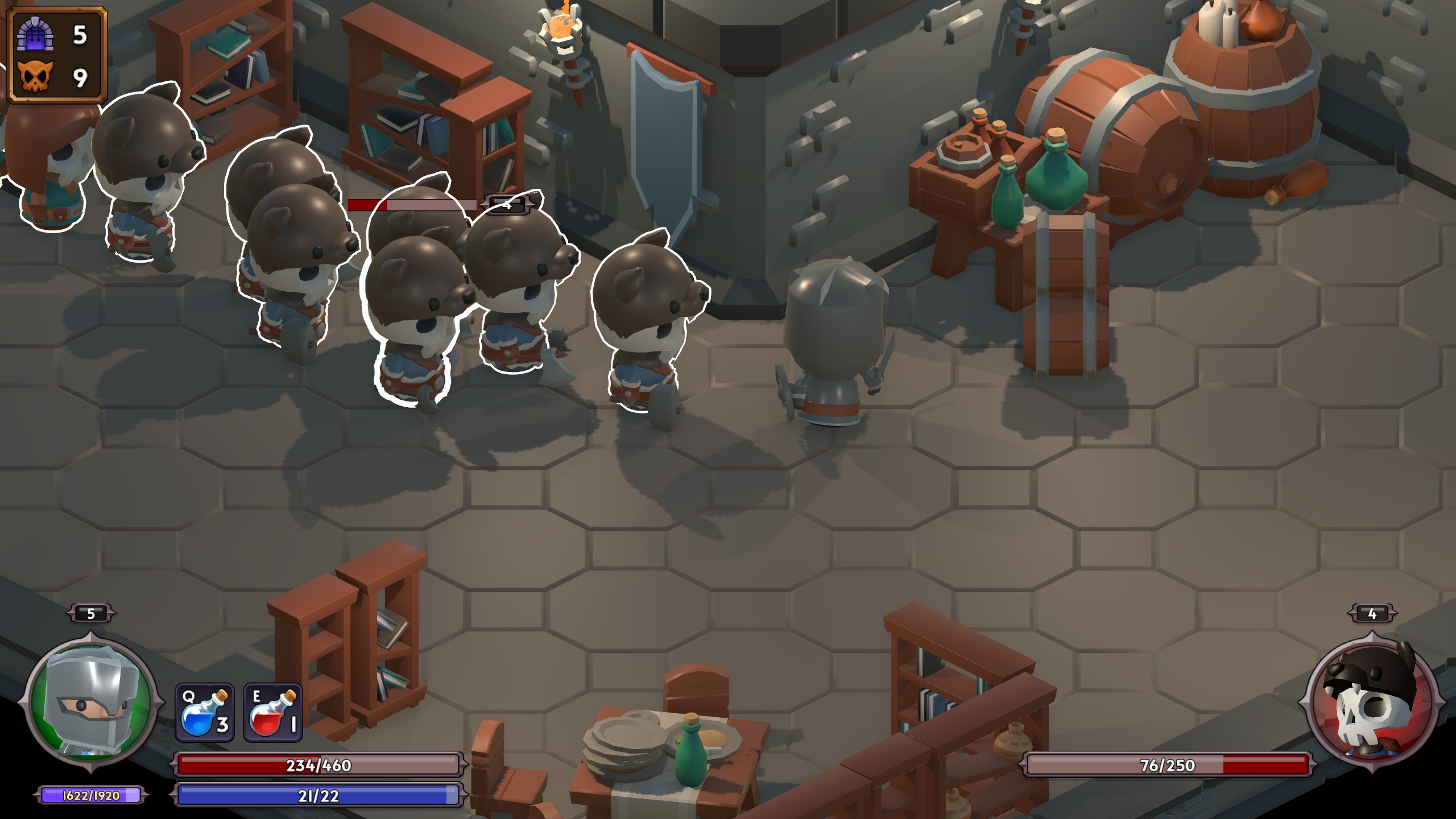
Key features include a tower with 50 floors, over 30 different dungeon models, 10 enemy types, and 4 challenging bosses. You can also discover lore books, new journals, and character dialogues, which add depth to the game. However, these textual elements are not particularly special and often lack the intrigue needed to keep you reading all of them.
Regarding dungeon models, maps are procedurally generated from 30 pre-designed layouts. Unfortunately, this leads to repetition, as you’ll encounter the same layouts multiple times in a single run. I find the system somewhat confusing; I spent more time walking through simple corridors than discovering new dungeon designs.
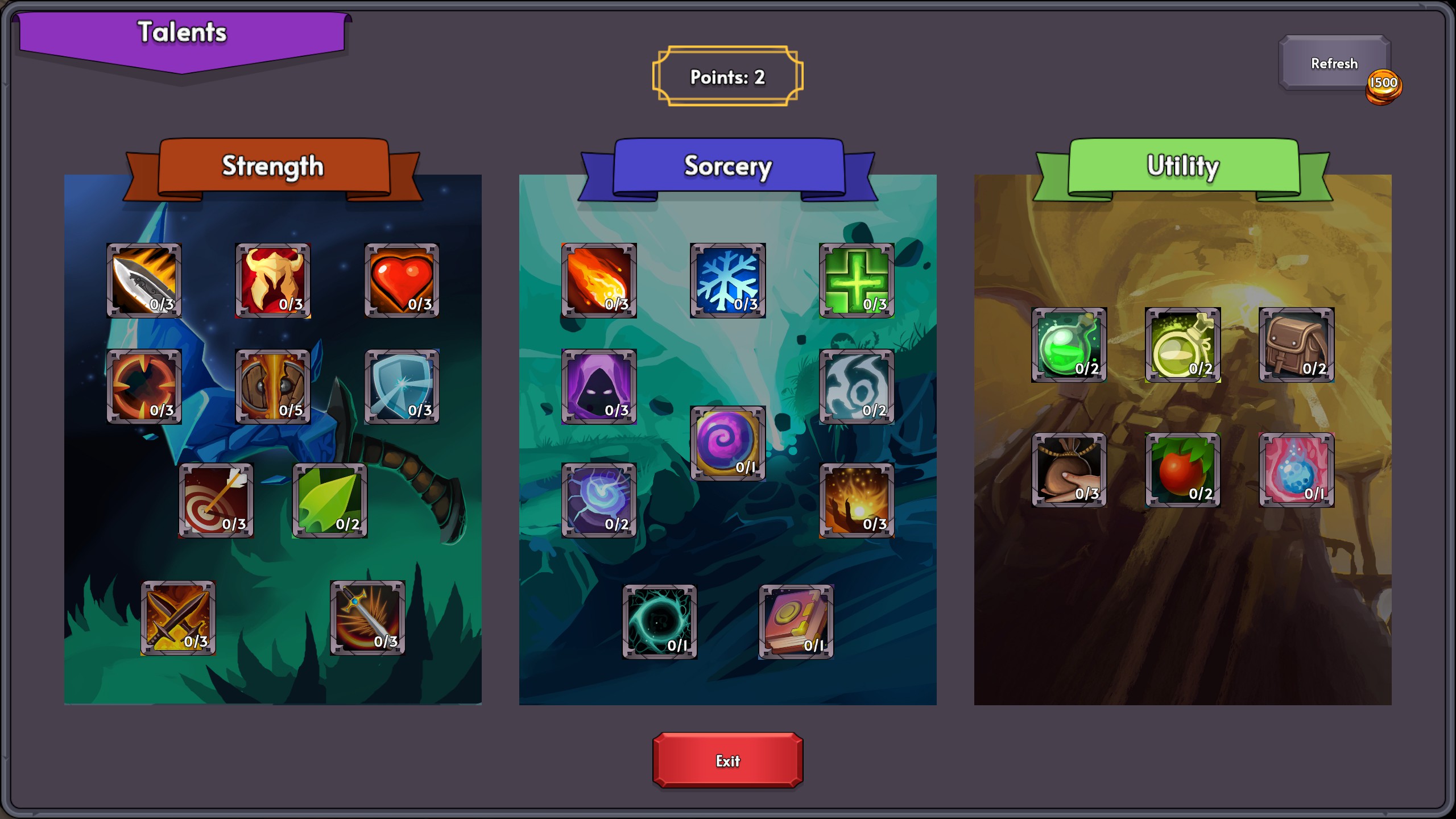
After finishing a run, you’ll always have some weapons, armor, potions, and arrows in your inventory for various purposes. First, you can upgrade your skills through three skill trees: one focused on magic, another on attack, and a third on general upgrades such as increased inventory space or better healing. Although you progress at a reasonable pace, it still takes time to unlock all skills. Despite a decent amount of content, it may not keep you engaged until the very end. Personally, I lost interest after defeating the third boss.
Additionally, you can upgrade, buy, or sell your equipment (finding scrolls is important). Each run provides crafting resources and gear to sell for money. While money was never an issue, there is one core aspect that affects the overall experience. What really stood out to me was the weapon level system. Still, I’m not entirely sure how it works. A level 1 weapon can be stronger than a level 6 weapon depending on its modifiers.
Fortunately, comparing weapons is easy: hovering over an item shows the bonuses and improvements of both the current and potential replacement gear. I often swapped weapons but remained confused by the inconsistency of the equipment level system. Also, item rarity did not significantly affect weapon performance.
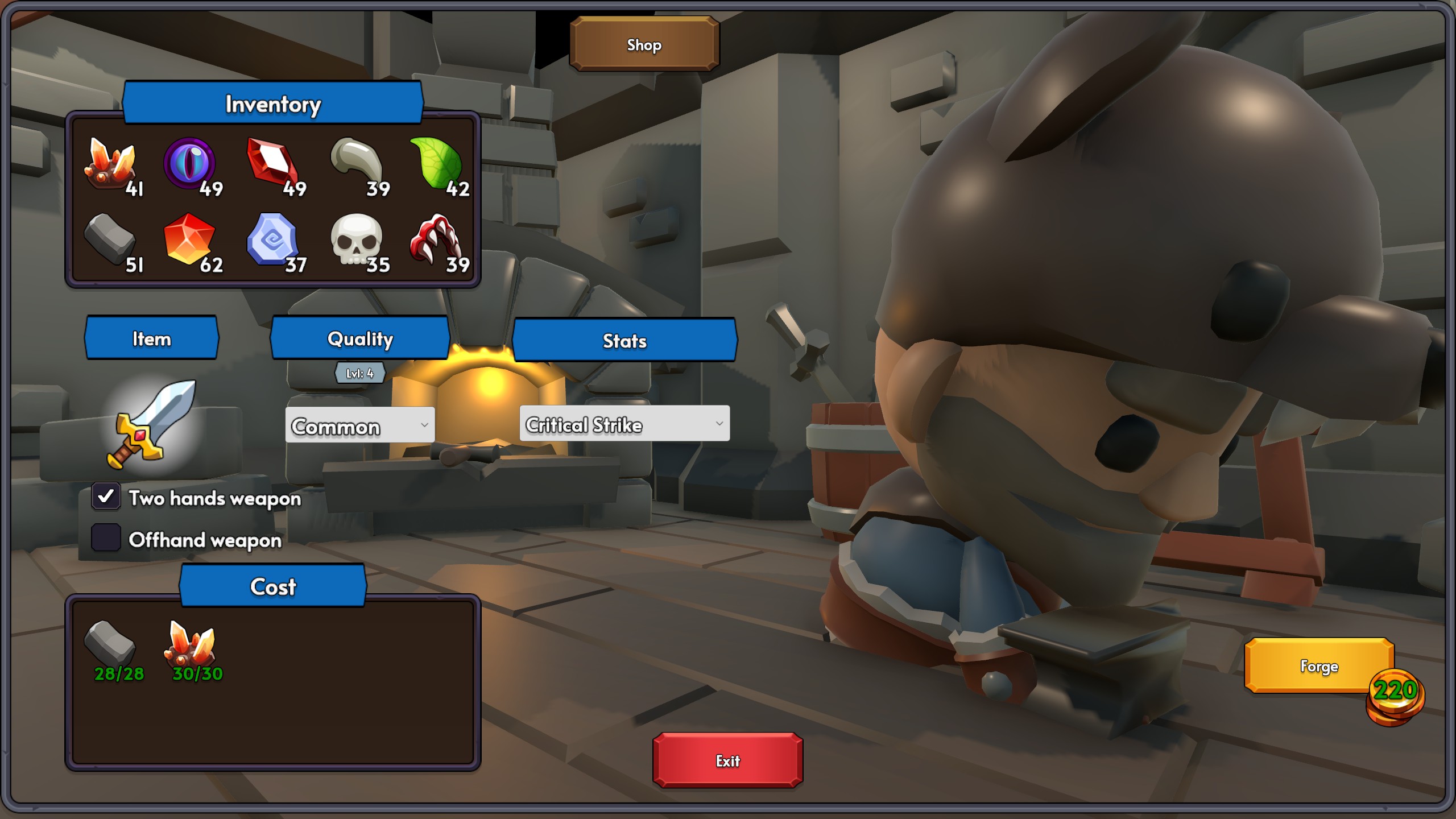
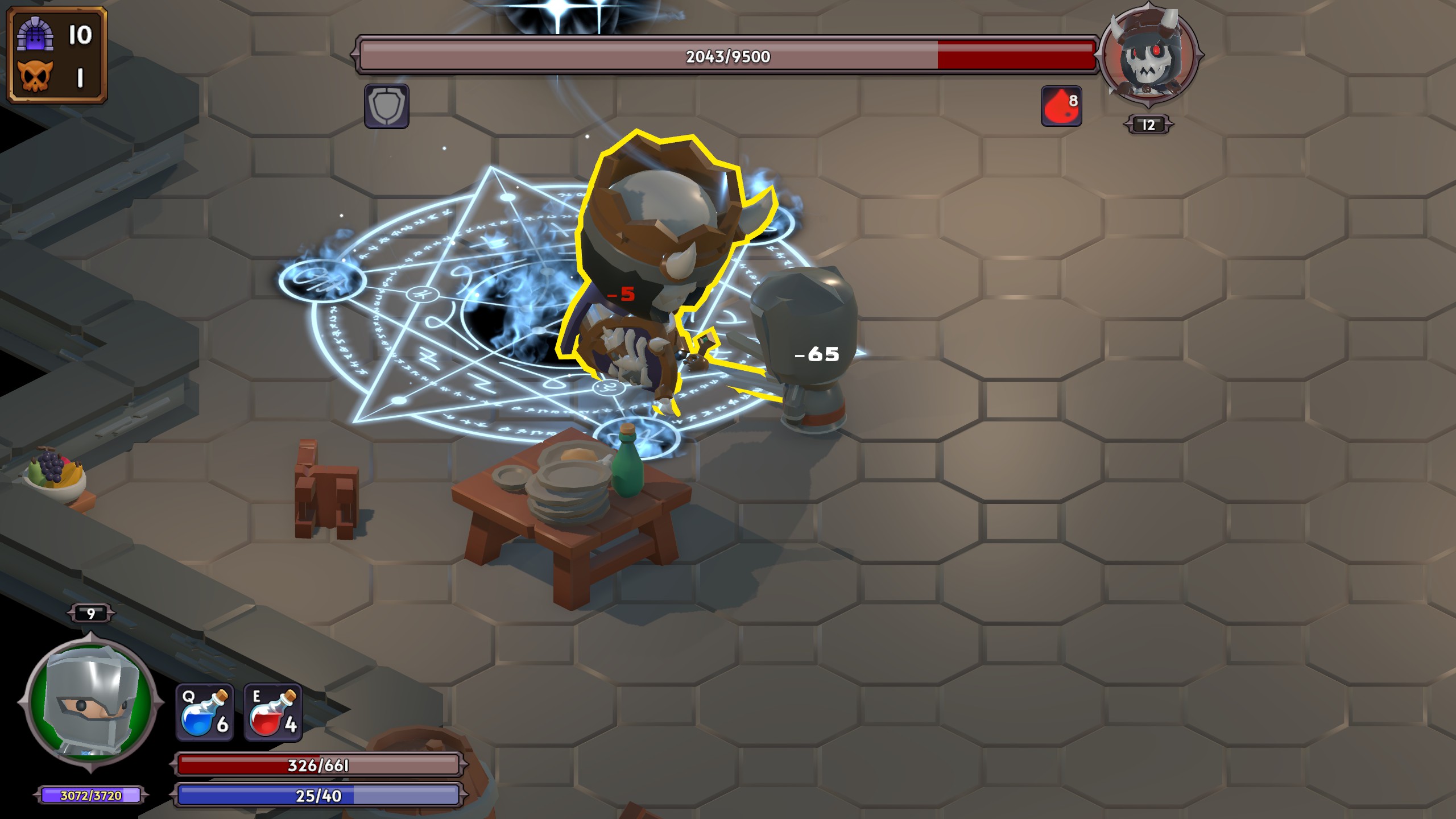
Still, using bows, swords, axes, hammers, and spellbooks was fun, as each offered a unique gameplay experience. Make sure to buy a limited number of arrows, mana potions, and health potions. Honestly, it’s much better to focus on critical hits or equipment that increases your critical strike chance.
Pressing SPACE lets you perform a powerful critical attack when the “percentage” icon appears at the right moment. Most other weapons are quite limited. You can’t carry many arrows, mana drains quickly, so it’s best to save it for strategic use. Unfortunately, magic doesn’t deal enough damage to be very effective.
The bosses are quite challenging, with large amounts of HP and special attacks that you can strategically use to your advantage. To defeat them successfully, you’ll need time and smart play. On top of that, loot chances are good, the higher the floor you reach, the better the chest rewards. The game conveniently shows the percentage chance for each gear rarity, so you don’t have to guess.
In conclusion, the graphics may not stand out, some may find them dull, others simple but appealing. The real focus here is the gameplay. For an indie game, the gameplay loop is well-balanced and carefully designed, with varied loot and enemies that keep things entertaining. So, is this game worth playing? If you’re looking for a side game to play when you’re bored, something simple and not too time-consuming, Doors & Loot is a perfect choice.
Review copy provided by the publisher
Awakening is worth playing if you enjoy developing characters, experimenting with tactical partnerships, and shaping an army over a massive…
Duskfade is worth considering for players who miss colourful PS2-style action-platformers and can tolerate basic combat, floaty movement and backtracking.

Man I Just Wanna Go Home is a noir crime story with visuals from MS Paint and life-or-death choices.
![[GAMESCOM 2026] Vikings Dynasty Preview – Expands the Dynasty Formula](https://www.indie-games.eu/wp-content/uploads/2026/09/Viking-Dynasty-09-21-26-2-1024x576.jpg)
After showing me Prospera at Gamescom 2026, Toplitz Productions' Mathias Oertel moved to a very different kind of settlement builder.…
![[GAMESCOM 2026] Prospera Preview – Production, Prosperity and Victorian Industry](https://www.indie-games.eu/wp-content/uploads/2026/09/Prospera-09-21-26-5-1024x576.jpg)
At Gamescom 2026, I met with Toplitz Productions' Mathias Oertel for a guided presentation of two upcoming games. One of…
Golden Swirl inventive card combat carries the experience, but repetitive rooms, weak upgrades and excessive dialogue hold it back.
![[GAMESCOM 2026] Wilderdark Preview – Ambitious Dinosaur Horror Game That Still Has Plenty to Prove](https://www.indie-games.eu/wp-content/uploads/2026/09/Wilderdark-1024x576.jpg)
Dinosaur survival horror game Wilderdark has one of those premises that immediately makes you wonder why more games have not…
![[PREVIEW] Tiny Metal 2 – Strategy Game That Wants You to Learn From Every Mistake](https://www.indie-games.eu/wp-content/uploads/2026/09/Tiny-Metal-2-1024x576.jpg)
I rarely enjoy discovering that my opening strategy was completely wrong, but Tiny Metal 2 made that process one of…
![[PREVIEW] Remothered: Red Nun’s Legacy – Ambitious Survival Horror That Needs More Polish](https://www.indie-games.eu/wp-content/uploads/2026/09/Remothered-Red-Nuns-Legacy-4-1024x576.jpg)
Remothered: Red Nun’s Legacy has a gripping atmosphere and promising survival tools, but its repetitive hiding and rough visuals need…
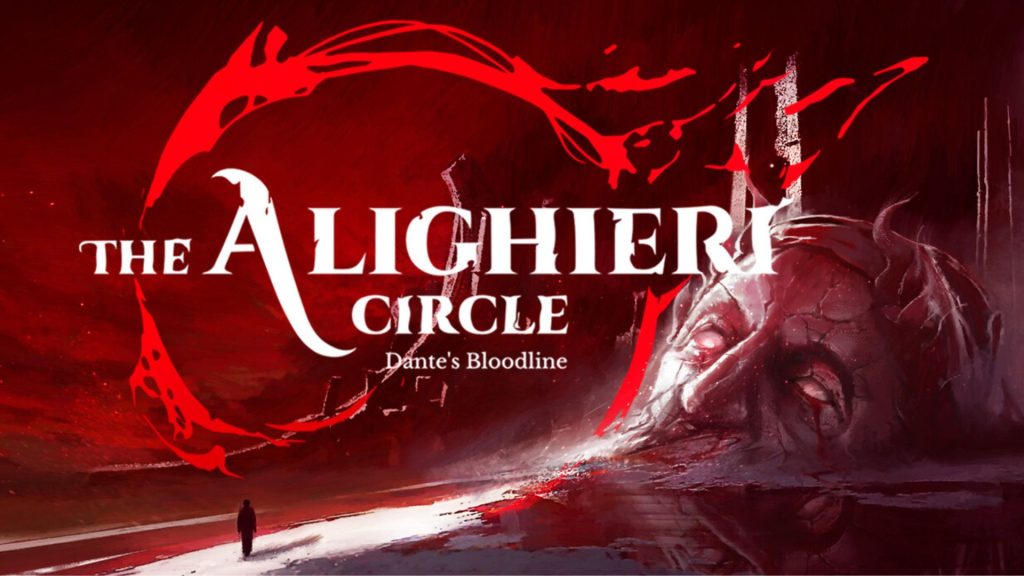
The Alighieri Circle: Dante’s Bloodline is difficult to recommend beyond players who are especially interested in Dante or enjoy solving…
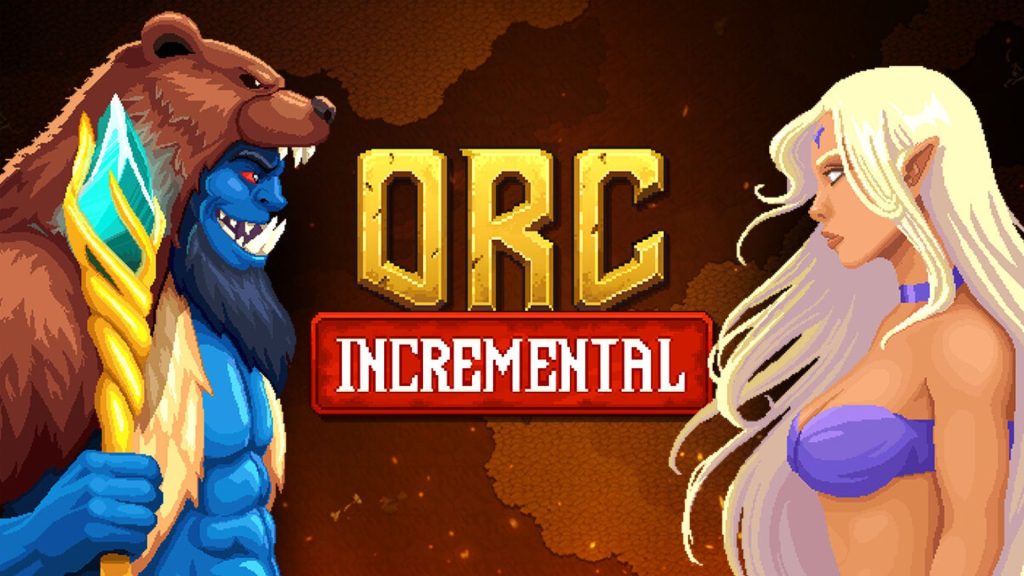
Orc Incremental offers satisfying progression, entertaining totem combinations and enough content to justify its affordable price.
![[GAMESCOM 2026] Chronoscript: The Endless End Preview – Beautiful Pages Hide Deliberate Combat](https://www.indie-games.eu/wp-content/uploads/2026/09/Chronoscript-The-Endless-End-1-1024x576.jpg)
Chronoscript: The Endless End stands out from other Metroidvanias by blending 2D manuscript worlds with exploration inside a 3D manor.
![[GAMESCOM 2026] MegaGum Preview – Combat Hits Hard in This Sticky Platforming Adventure](https://www.indie-games.eu/wp-content/uploads/2026/09/MegaGum-09-09-26-5-1024x576.jpg)
MegaGum combines hard-hitting combat, varied weapons and Gum-powered platforming in a promising Gamescom 2026 demo.
![[GAMESCOM 2026] Delphinium Preview – Cozy Routine Mixed With Enjoyable Minigames](https://www.indie-games.eu/wp-content/uploads/2026/03/Delphinium--1024x665.jpg)
Delphinium mixes cozy farming, exploration and relationships with enjoyable fishing, cooking and forging minigames in its Gamescom 2026 demo.
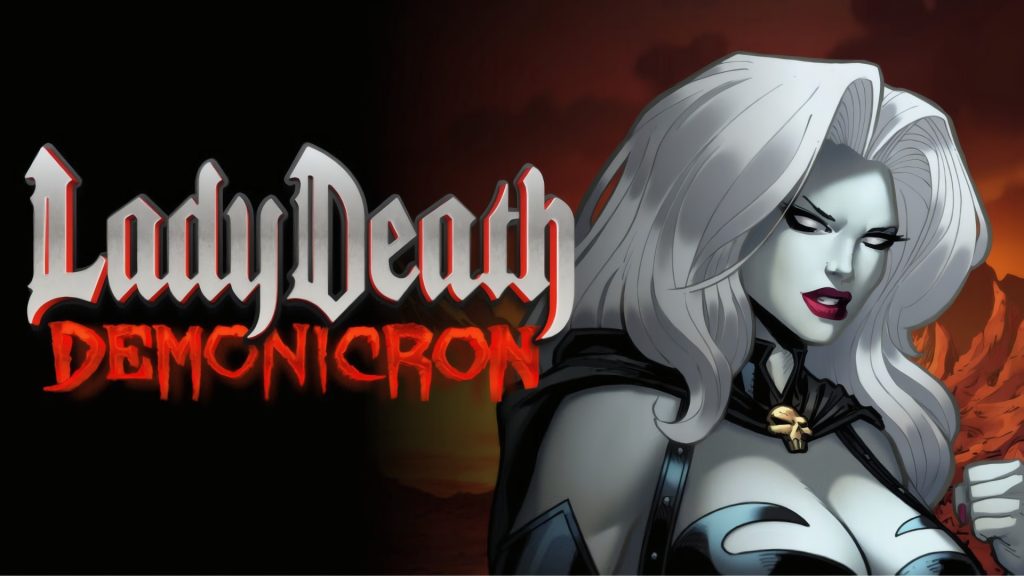
Lady Death: Demonicron looks the part, but underneath its excellent comic-book exterior is a clunky and painfully short brawler.
![[GAMESCOM 2026] Tomb Raider: Legacy of Atlantis Preview – Expands the Original Without Losing Its Identity](https://www.indie-games.eu/wp-content/uploads/2026/09/tomb-raider-legacy-of-atlantis-06-02-26-1-1024x576.jpg)
Tomb Raider: Legacy of Atlantis brings Lara back to her roots, but its Gamescom 2026 showing proved this is far…
![[GAMESCOM 2026] Clive Barker’s Hellraiser: Revival Preview – Ready to Open the Box](https://www.indie-games.eu/wp-content/uploads/2026/09/Clive-Barkers-Hellraiser-Revival-08-30-26-1-1024x576.jpg)
Hellraiser: Revival preserves the franchise’s sex, gore and psychological horror while delivering approachable survival-horror gameplay.

Swan Song creates a peaceful and forgiving puzzle space without removing the challenge that makes solving a difficult puzzle rewarding.
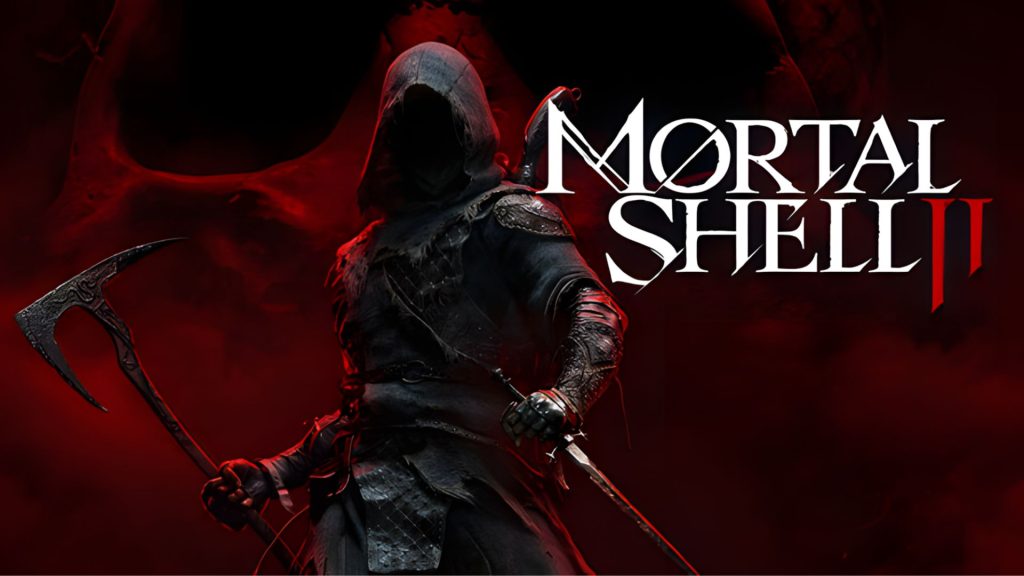
Mortal Shell II starts brilliantly but grows repetitive and exhausting, while remaining a rewarding and ambitious Soulslike sequel.
![[GAMESCOM 2026] Terranigma Preview – A Lost SNES Classic Returns in 2027](https://www.indie-games.eu/wp-content/uploads/2026/08/Terranigma-1-1024x576.jpg)
After more than three decades of limited availability, Terranigma is returning in 2027. We played its enhanced re-release at Gamescom…
