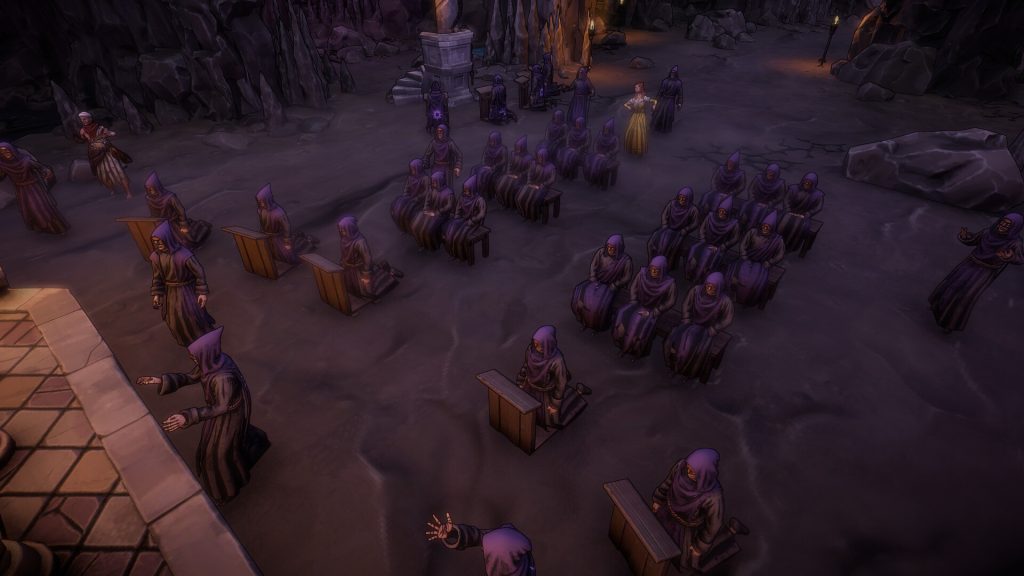
The Lunacy Lets You Build a Secret Cult Beneath Inquisition-Era Spain
Above the Desk, the studio behind Above the Snow, has announced The Lunacy: That Game About a Cult, a dark-comedy…

If you enjoy independent indie game coverage, consider supporting Indie-Games.eu on Patreon. It helps keep the site independent.
We recently visited Željko Kos in his studio, or office, whichever you prefer, located inside the Zagrepčanka business skyscraper in Zagreb, at the intersection of Savska Road and Ulica grada Vukovara. The reason was our earlier interview in which we only touched on his project, and now we got the opportunity to get a closer look at Pompeii: The Legacy, which already has 15,000 wishlists on Steam.
It’s an ambitious city-builder title set in the Roman era, promising hours of enjoyment in strategy and construction, judging by what Kos showed us. The studio is a small space where the game Kaiserpunk is also being developed, literally right next to him.
“I am working on this game solo, while the rest of the team is working on Kaiserpunk. There are ten of them, and the reason I’m not involved in that project is that I was finishing Aquatico while they were switching to Unity. I’m a stubborn person and wanted to stick with my engine. That’s how it all started,” Kos explains.
Although he leads the main part of the development himself, he occasionally seeks help from graphic designers and artists for creating buildings, characters, and portraits. He also consults with other developers when he needs advice. His focus remains on programming the key elements of the game, from water, nature, landscape, animals, to playable mechanics like building construction, family trees, and the army. In addition to all that, Kos also creates certain things for the game himself, uses Photoshop, and manages social media promotion.
“Every day I write down what I need to do. I have a lot planned; I even worked over the holidays. However, every day of mine is a ‘failure’; I always have a plan, but I never manage to fully accomplish it. Nevertheless, I push as much as I can. The game is developing very well, although there is still a lot of work to do. Everything is going according to plan. Such is the life of a developer,” Kos honestly admits to us.

“The main reference for the game is Caesar. Since I have already worked on two city-builders, it is natural for me to take certain ideas from there as well. I simply can’t escape it. I use a lot of my own photographs, mostly from Istria and Italy, but I also rely on Google Street View. Whenever I need to check something, for example, the view of Mount Vesuvius from a certain point on a hill, Street View is an excellent tool. I went into detail; I virtually visited the remains of various sites to study the bushes, trees, and other elements. Of course, it’s not the same as being there live, but as a reference, it’s great,” Kos explained.
He added that he also draws inspiration from documentaries, series, and movies: “Series and films like Gladiator take me back to that era and help me feel the atmosphere of Rome. My goal is for the player to feel the same through the game, to immerse themselves in the world we are building. It’s not enough for me for it to be just a city-builder. I love games that have depth, a feeling, where you can explore every part of the game in detail.”
The game will feature four levels of social strata through buildings: slaves, plebeians, patricians, and senators. Although senators will not be visually represented, as Pompeii served more as a provincial resort, they will serve as a source of income. The city-builder mechanics include mining, trade, crop and livestock farming, among others, while buildings have specific functions. For example, resources like stone will have to be taken directly from the mountain or quarry, while collectors will be in charge of gathering certain things.


The map will feature more than 20 cities with which you can trade and interact. Diplomacy will involve arranging marriages, alliances, or resolving conflicts: “There will be intrigue and drama, but it won’t go too deep. The goal is to provide an additional dynamic while you build your city. For example, if you have an heir who must marry, you can choose whether it will be done for love or for political interests. Whether they will go to war over it, or whether the marriage will bring family benefits through the bride’s skills—these are decisions that introduce RPG elements into the game,” Kos clarified. The RPG elements won’t fundamentally change the core gameplay but will affect the game’s flow, all to add extra depth and a reason to keep coming back.
Kos also demonstrated how the portraits for the in-game characters were created. He used 3D scans of real people as a reference, which were then edited and adapted to fit the time period and style of the game. All of this was done with the goal of avoiding the use of AI technology. The game will feature a total of 120 characters, each with unique clothing and representation: “The reason is that players are still sensitive about AI technology, and Steam also requires clear labeling if a game uses generated content,” Kos said.
One element of this title he highlighted is the character who guides you through the game, speaking and explaining the basic mechanics. Additionally, the game will have long-term tasks that will provide clear objectives and maintain player interest: “The tasks last a very long time; they will span a period of three hundred years. The idea is that you always have something to do, without too much philosophy, while hints help you navigate,” Kos added.


The research system is divided into two branches: Technology and Philosophy. “I have to admit that I haven’t figured everything out yet,” Kos says. “While I was on vacation in Pula, I sat in the Arena and observed what was happening inside for an hour to get a feel for the Roman era. The philosophical part of the game is especially important to me, but finding a balance is challenging. For example, when I wanted to include Stoicism, people ‘attacked’ me because they thought I planned to feature famous philosophers. The goal is for technology and philosophy to be linked to construction, to create a dynamic system.”
Kos also showed us how his proprietary engine and editor work, which he uses to create the game’s buildings, animations, and other elements. He demonstrated, for instance, what the soldiers will look like inside the game, how they will move, and in which locations. His editor allows for assembling models, animating them, and precisely controlling every aspect of the characters and the environment.


The entire area around the volcano will be scorched at the start of the game, meaning players will be able to collect resources and items from the destroyed buildings. There will be certain placeholders that will display a recreation of the devastated city.
“The river was once much smaller and flowed from Vesuvius, but that is not depicted that way in the game. The river flows close to the volcano because it’s simply not possible to recreate it precisely. A man from Naples advised me not to make everything identical, but to create a feeling of authenticity. Players will clean the area in front of them and gradually move towards the top of the map and the volcano. In reality, that part hasn’t been touched for centuries, but that’s part of the fiction. In later stages of the game, players will get technology from Rome that will allow them to dig up buildings buried in ash and collect resources.”
Over time, the volcano can reactivate. Ash will fall like snow, magma will be ejected, and earthquakes will further shake the city. However, the city will not be completely destroyed; instead, players will have the opportunity to adapt to these challenges.


One of the more interesting elements of the game is family generation, which is displayed through a family tree. Every family member, whether a child or an adult, will have their own skills. They will serve more as an RPG element, where the usefulness of the family is crucial for progression.
Religion will be simply depicted, with the sacrificing of animals, which was common in that era. Alongside religion, hygiene and medicine systems will also be added. You will be able to build public baths (thermae) and laundries (fullonica), and hire herbalists and “doctors.” Social life will also play an important role. The game will feature entertainment elements such as gladiatorial combat, arenas, circuses, and amphitheatres, providing players with diverse activities.
Kos also showed us how the decoration and monuments system will work. Monuments won’t just be decorative elements for recreation points; they will interact with each other. For instance, a larger monument is best connected with fountains, while smaller monuments nearby can receive limited bonuses. Monuments will come in various appearances and provide both aesthetic and functional value within the city.
The idea, according to Kos, is to complete the demo version by the sixth month (June), just in time for the Steam Next Fest. The next step is the release of a gameplay trailer, which should arrive very soon. Kos hinted at the possibility of collaborating with a publisher, mentioning some big names, but we won’t reveal too much about that for now since nothing has been officially agreed upon yet. What he did confirm is that the goal is to release the game this year, but whether that plan will materialize remains to be seen.
? Huge milestones for Pompeii: The Legacy! ?
— Zeljko Kos – Making Pompeii: The Legacy (@zzeljkokos) January 10, 2025
? Thank you for +15,000 wishlists on Steam!
A special thanks to the Croatian Audiovisual Centre for their incredible support with a €15,000 grant to bring this dream to life. ?️#IndieGame #CityBuilder #PompeiiTheLegacy pic.twitter.com/9XHrjBoIH0
Above the Desk, the studio behind Above the Snow, has announced The Lunacy: That Game About a Cult, a dark-comedy…
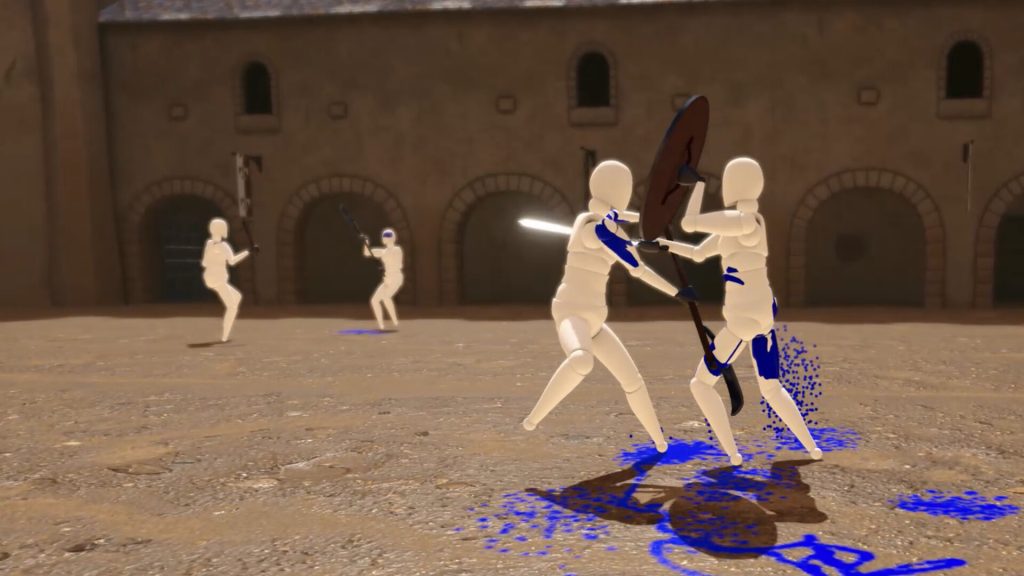
Gladio Mori leaves Steam Early Access and launches for PC, PlayStation 5 and Xbox Series X|S in September 2026, with…
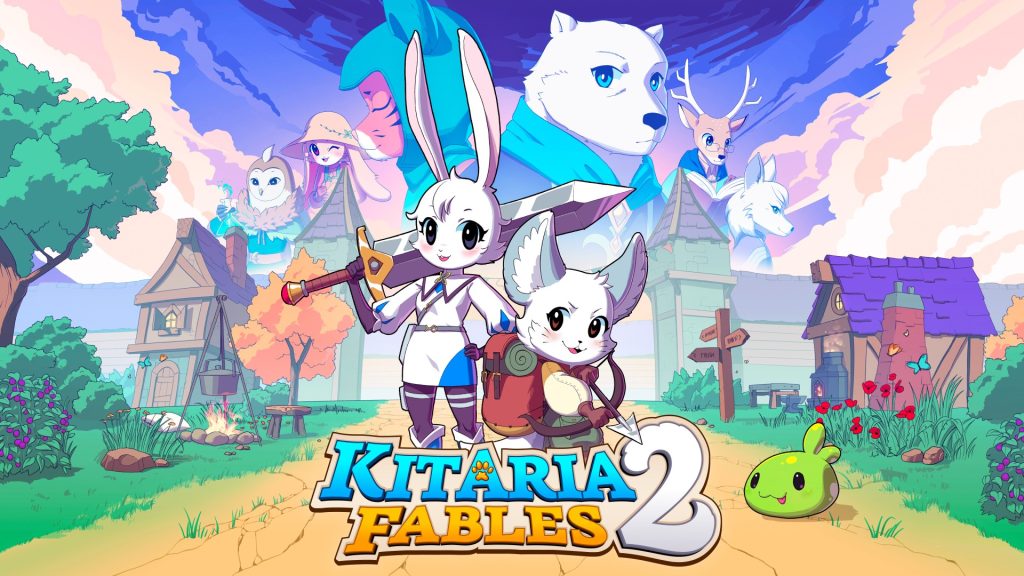
Kitaria Fables 2 will hold a closed Steam beta from September 7th to 21st, 2026, offering selected players roughly 60…
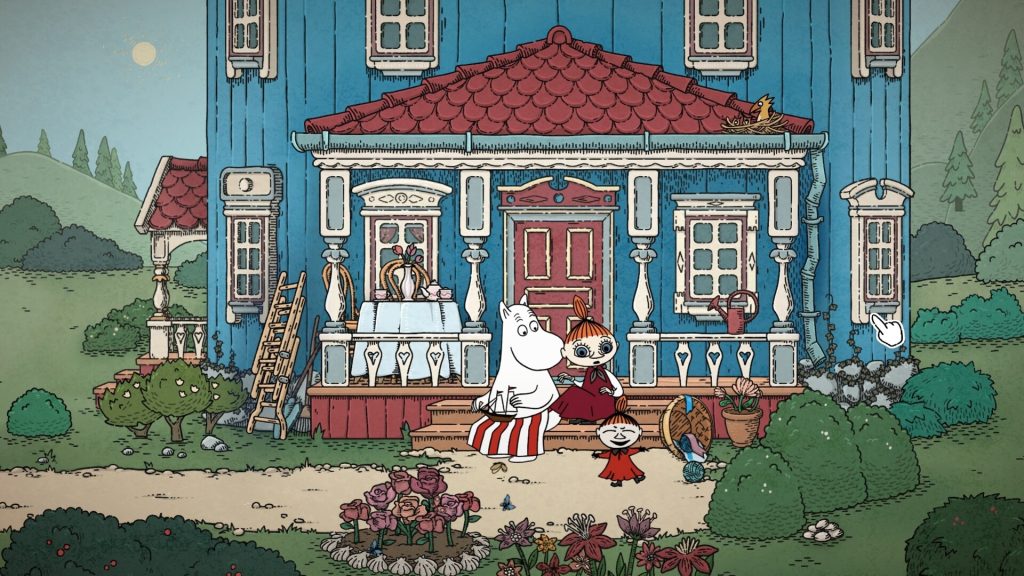
Midsummer Madness launches for PC, Nintendo Switch and Switch 2 in November 2026, following an exclusive one-day gamescom demo in…
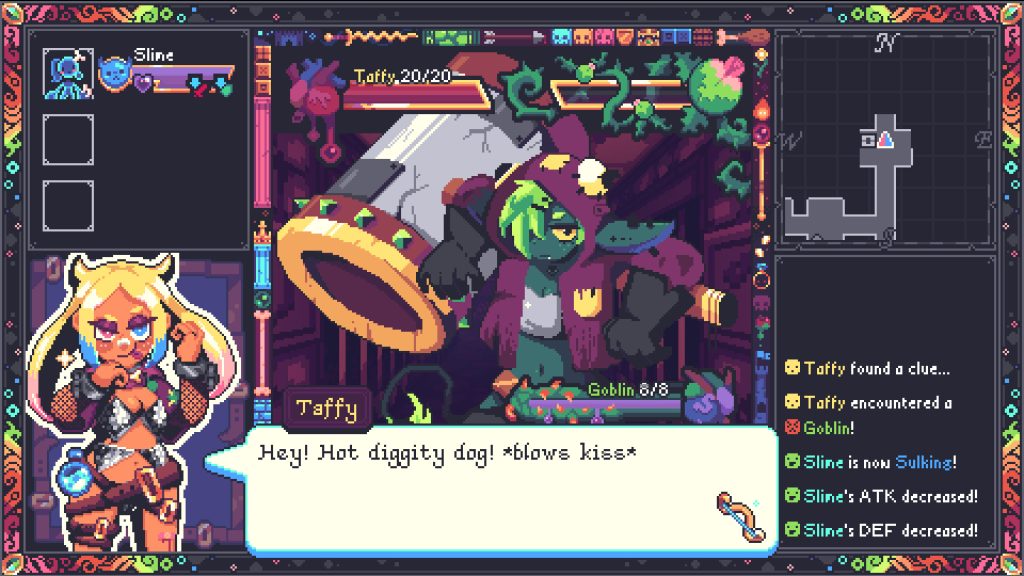
Rizz Dungeon: Skeleton Key to My Heart has been delayed to 2027, giving Snoozy Kazoo time to add more Monster…
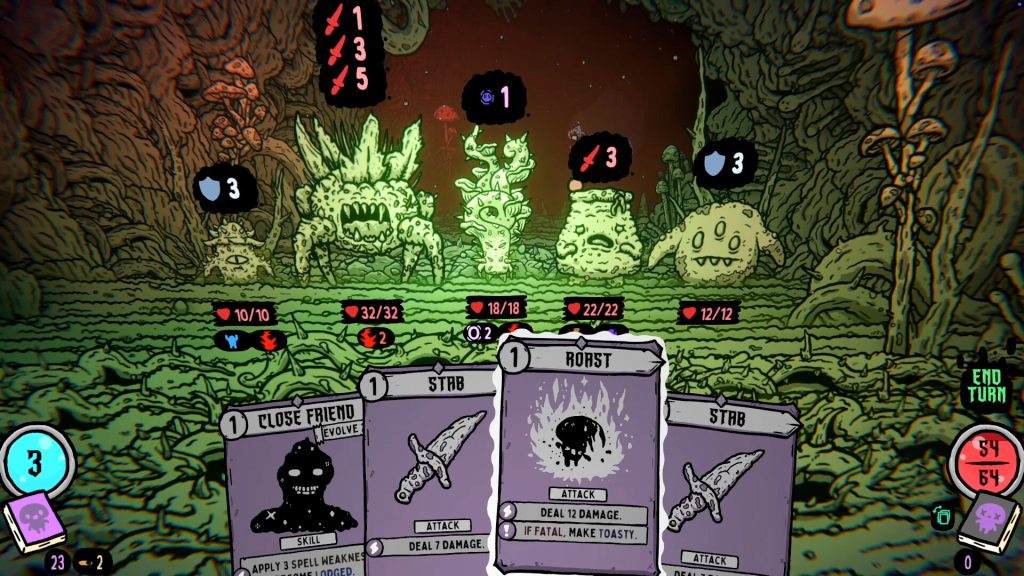
Shroom and Gloom enters Steam Early Access in September 2026, combining first-person dungeon crawling with separate exploration and combat decks.
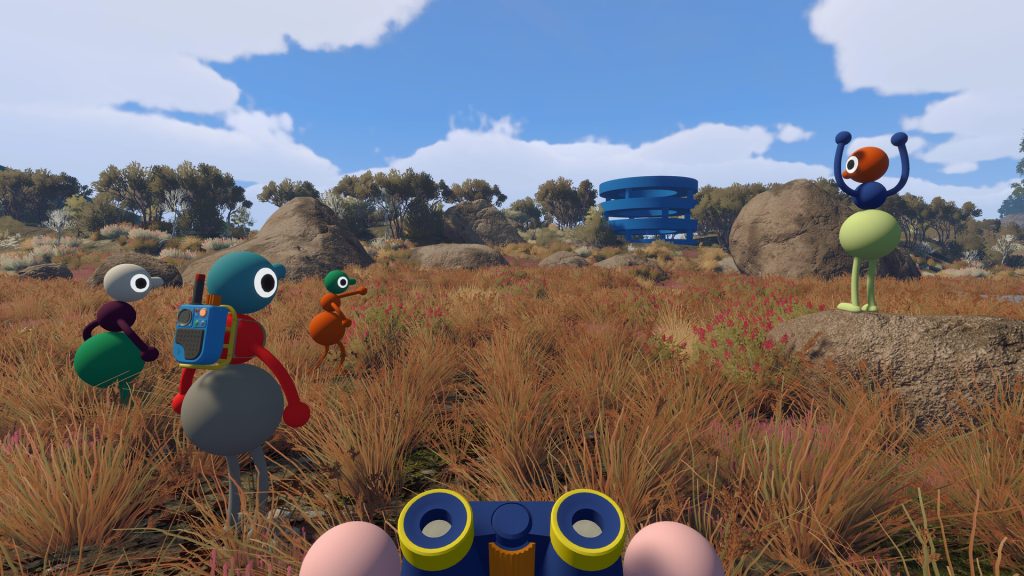
Big Walk sold more than one million copies in six days, strengthening the case for complete co-op-only games built around…

If you regularly visit Indie-Games.eu or follow the YouTube channel, you have probably noticed that things have become unusually quiet.
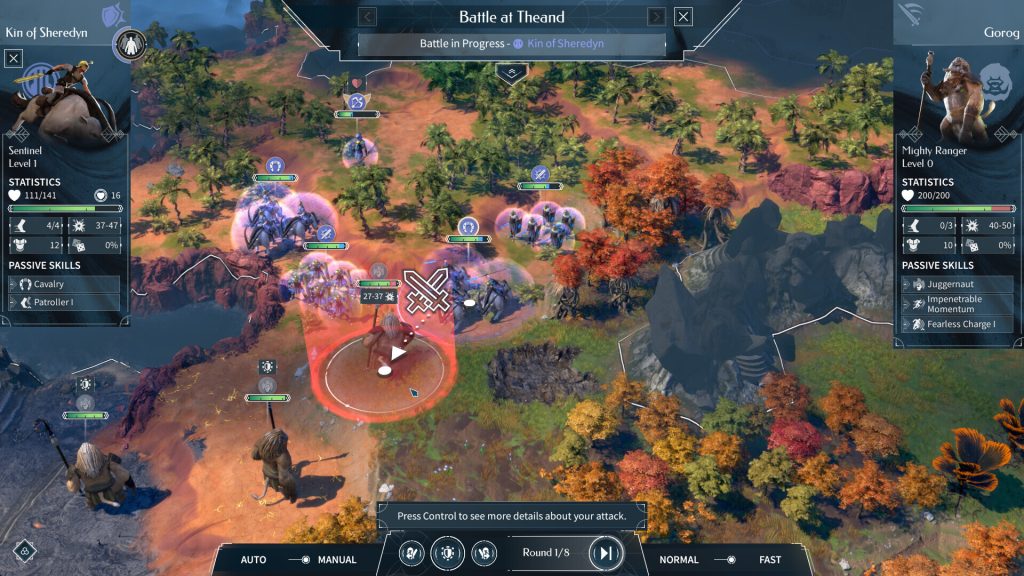
Endless Legend 2 leaves Early Access in September as version 1.0 rolls out, bringing console versions to PlayStation 5 and…
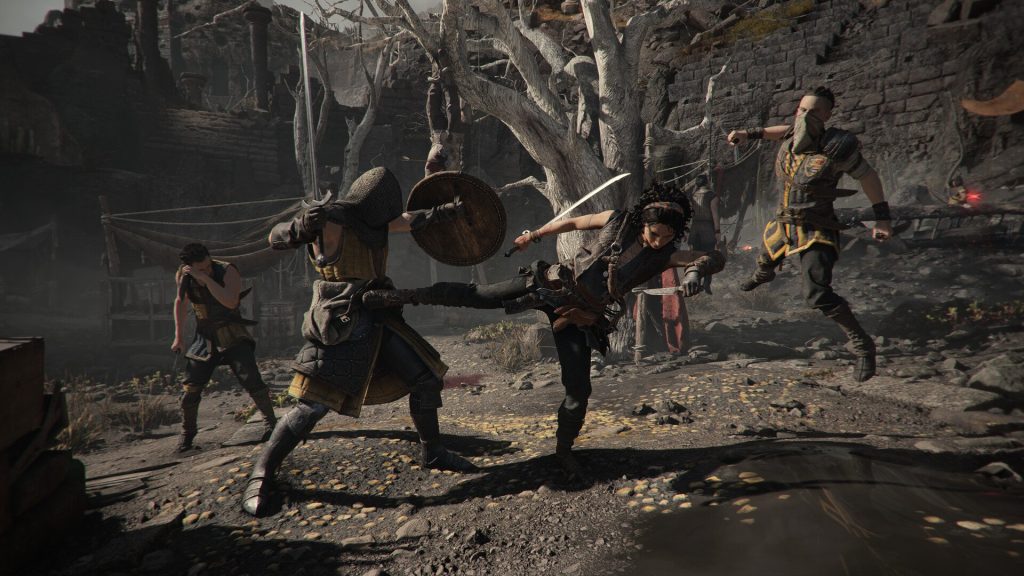
A new Resonance: A Plague Tale Legacy featurette shows how Sophia can use light to navigate dangerous environments and overcome…
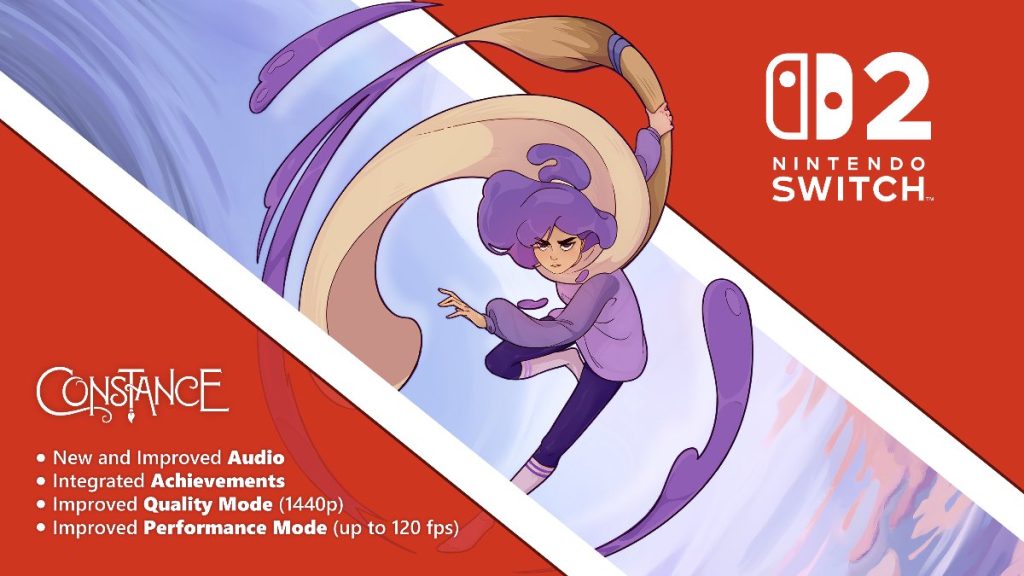
The nonlinear world contains six biomes, each representing a different part of the protagonist’s psyche and history.
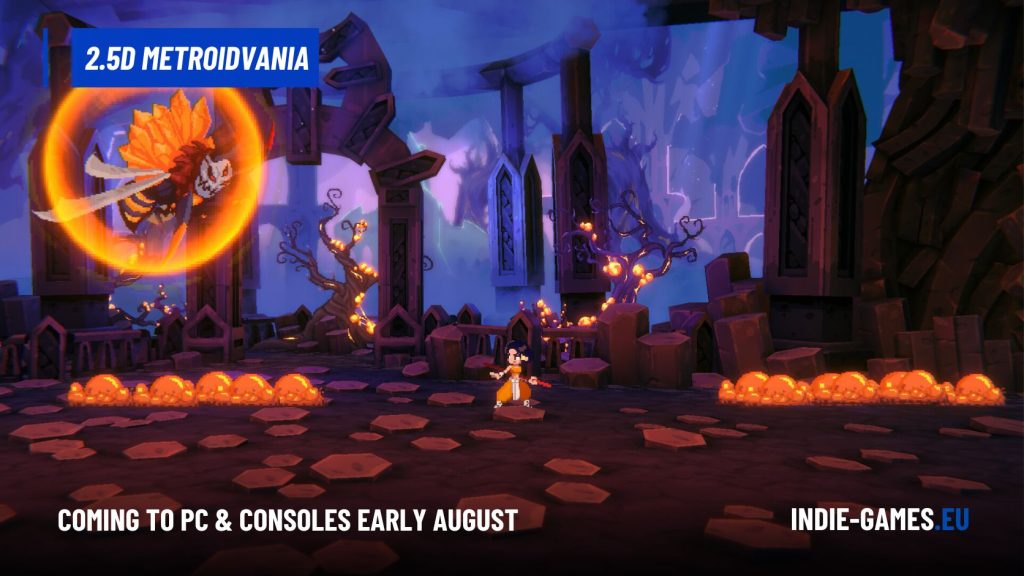
Akatori launches early August on PC and PlayStation and Xbox, featuring 2.5D Metroidvania action, parkour and staff-based combat.
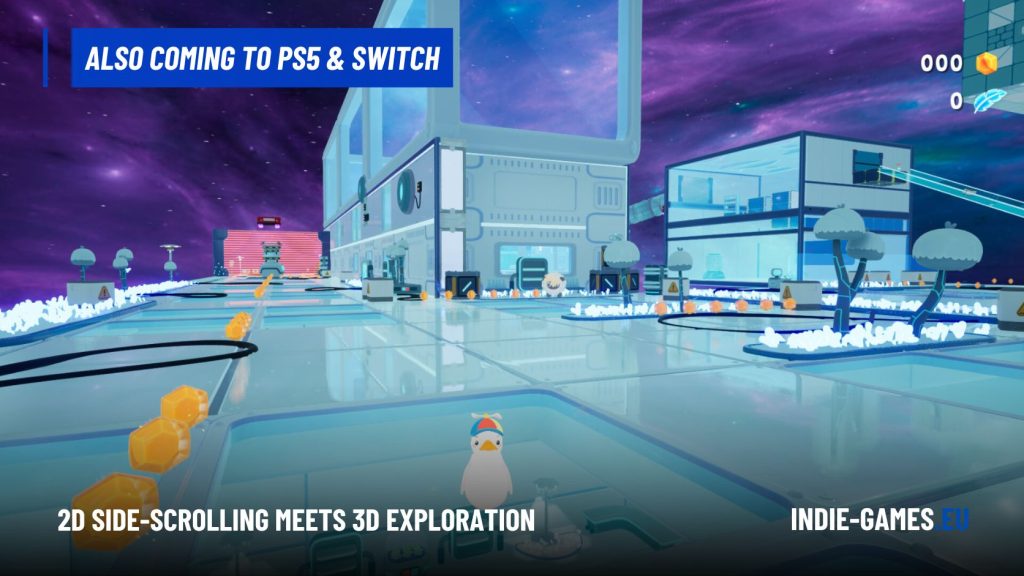
Dodo Duckie! launches on PC and Xbox today, with PS5 and Switch versions arriving later in 2026, featuring unique 2D…
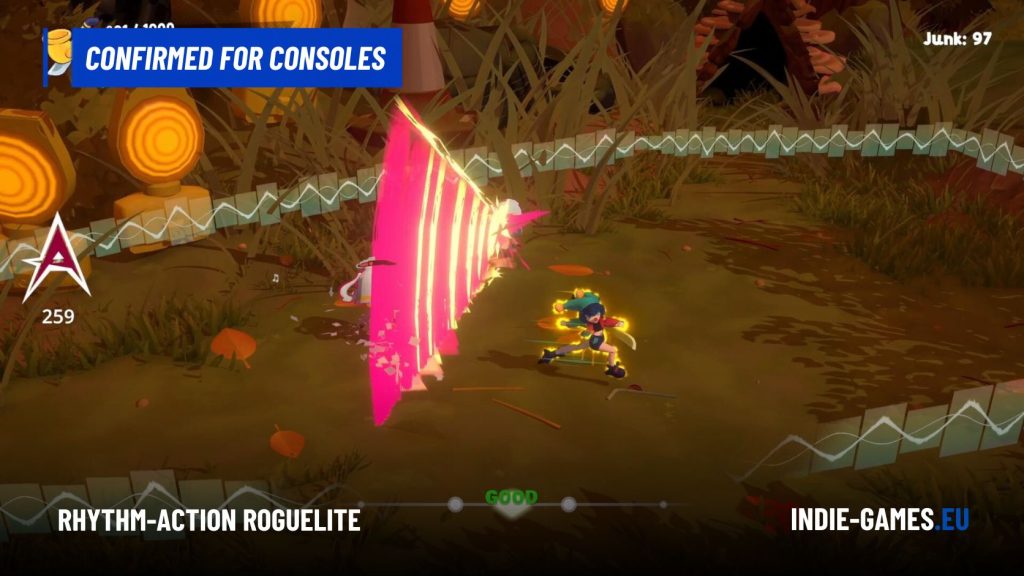
Alpha Nomos launches on PlayStation 5, Xbox Series and PC in 2026, featuring rhythm-based roguelite combat, live-recorded weapons and a…
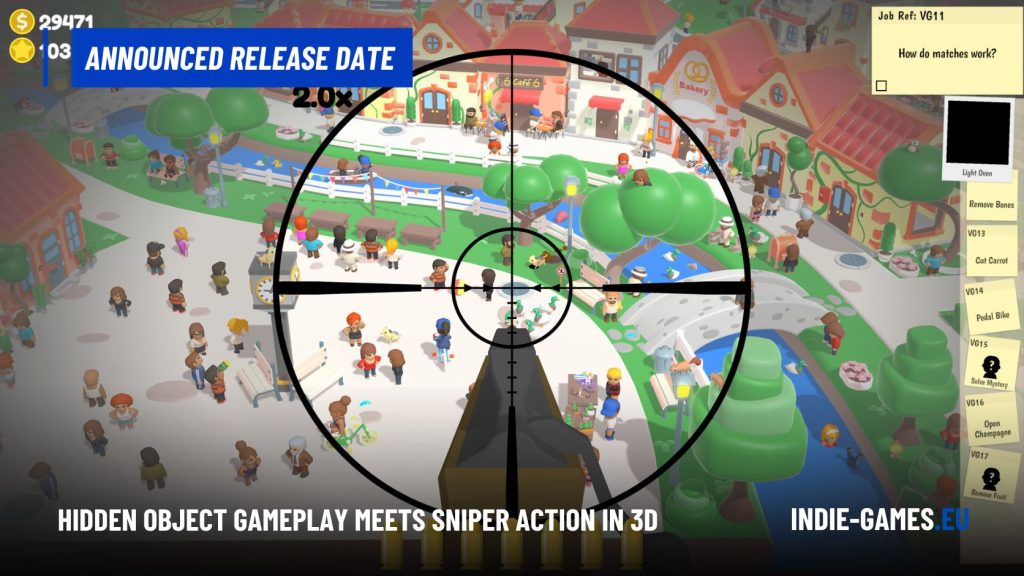
Sniper Dan launches in September for PlayStation 5, Xbox, Switch and PC, blending hidden object gameplay, puzzles and family-friendly sniper…
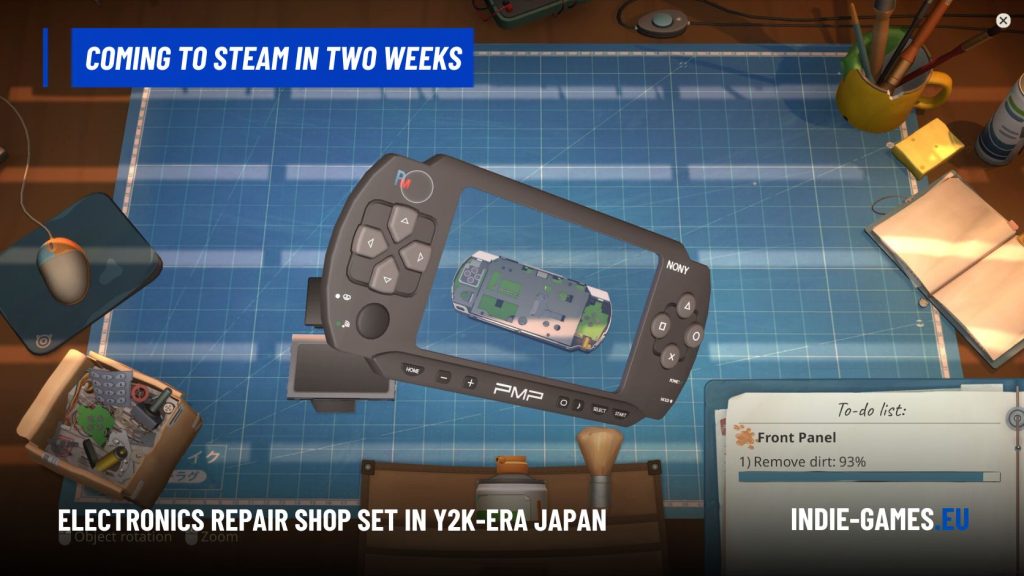
In ReStory, you will repair a wide range of early-2000s technology, including mobile phones, handheld gaming systems, digital pets, music…
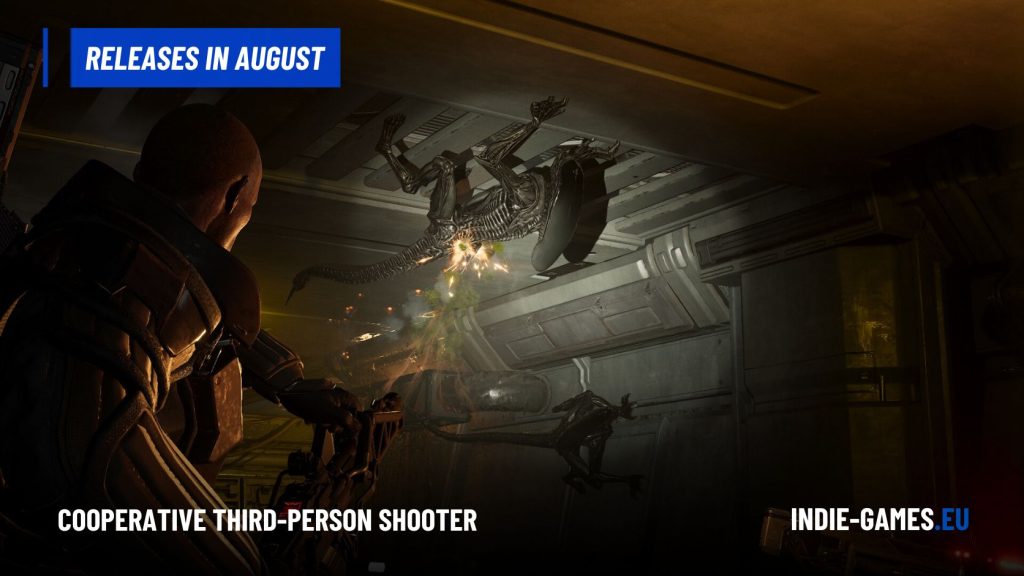
Aliens: Fireteam Elite 2 expands its fireteams to four players, who take control of Colonial Marines deployed across hostile locations…
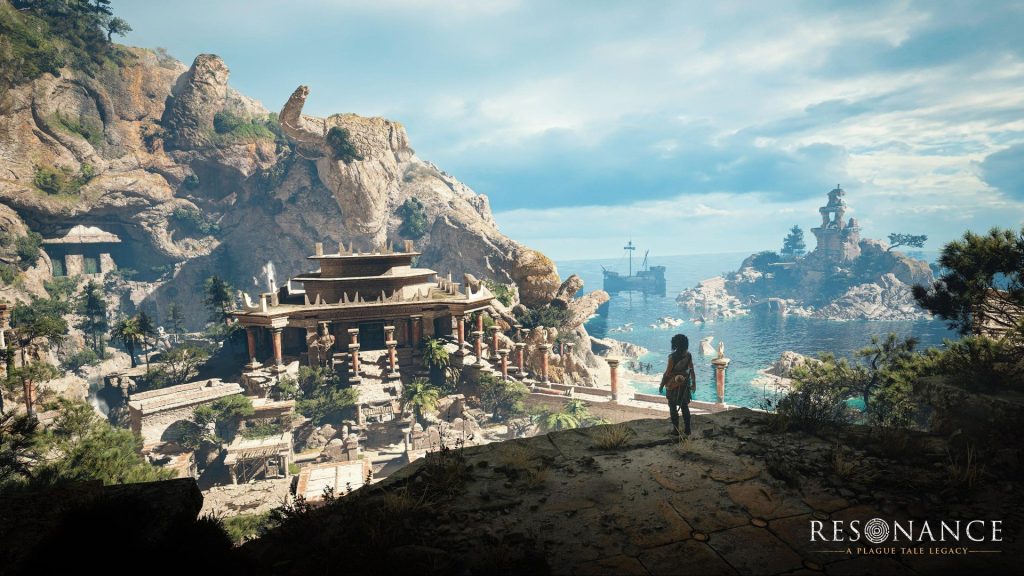
Asobo Studio has released a short scenic clip for Resonance: A Plague Tale Legacy, showcasing its Mediterranean-inspired locations.
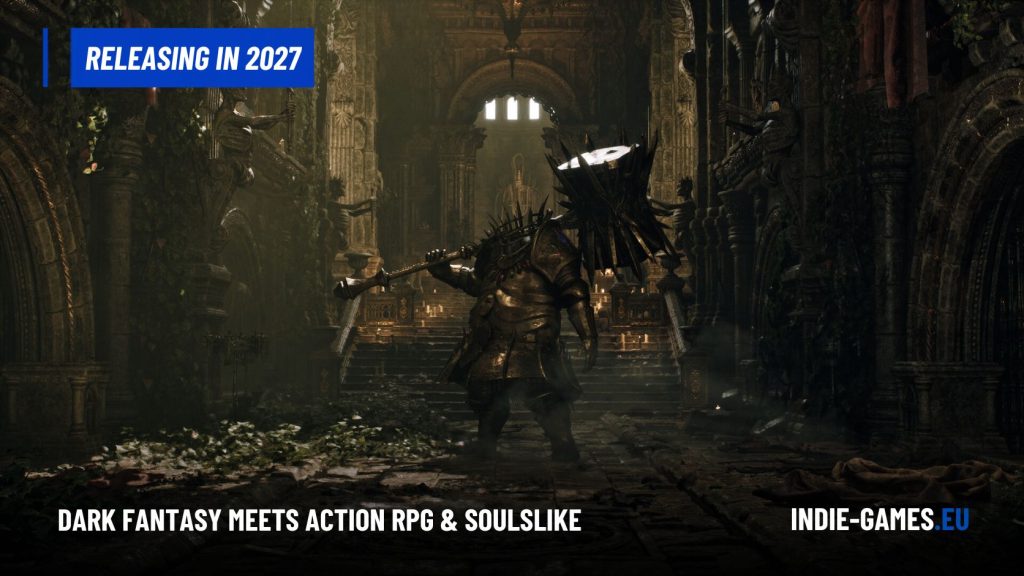
Turkish solo developer Celal Sahin has announced Godless Dawn, a dark fantasy action RPG targeting a Q1 2027 release on…
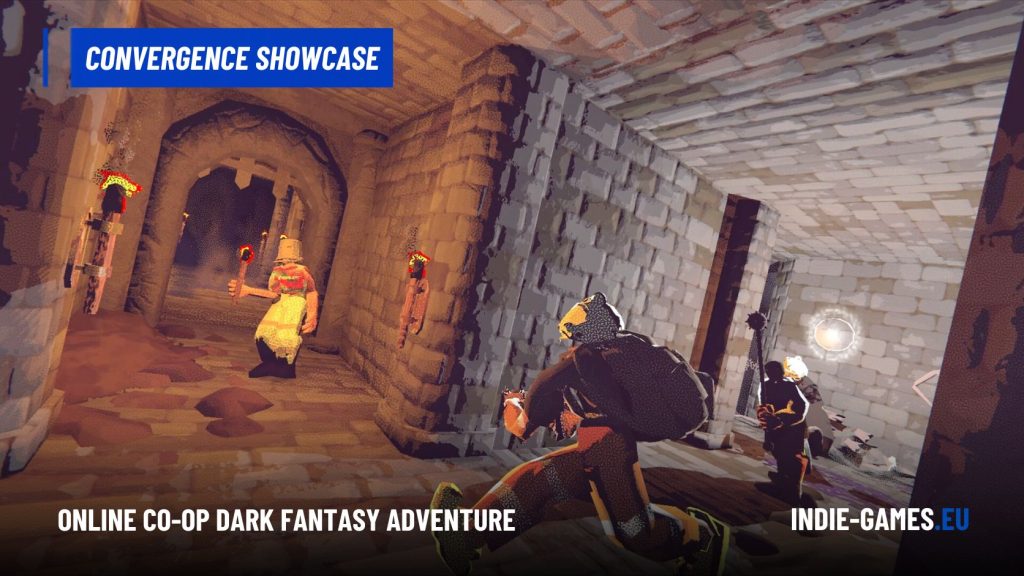
Vision Quench, an online co-op dark fantasy adventure from developer WizMUD Games and Pocketpair Publishing, is targeting an early 2027…
