
Denshattack! – Tony Hawk Meets Jet Set Radio on High-Speed Trains
Denshattack! blends Tony Hawk, Jet Set Radio, and Japanese train culture into one of the year's most creative and unforgettable…

If you enjoy independent indie game coverage, consider supporting Indie-Games.eu on Patreon. It helps keep the site independent.
For over two decades, fans of the “god game” genre have been waiting for a true spiritual successor to Black & White. With the launch of Fata Deum, developer 42 Bits Entertainment steps into this divine role. The game promises a modern take on the genre, blending god-like powers with settlement management and moral choices. But does it live up to the hallowed legacy of its predecessors, or is it just another mortal attempt?
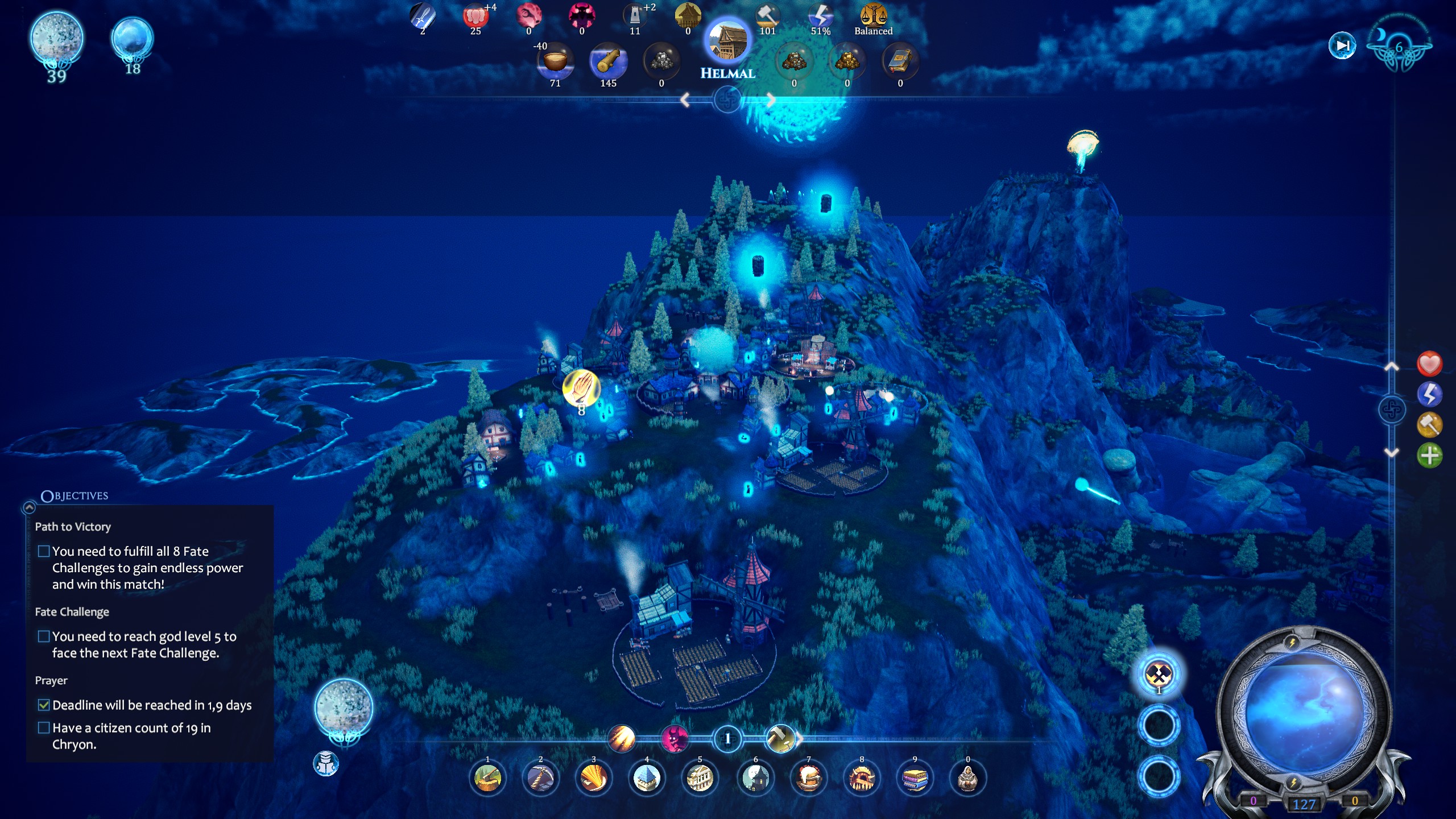
At its core, Fata Deum is a strategic simulation game where you play as a new god, competing against rivals for followers and influence. The main mechanic involves managing mana, a divine resource used to perform miracles. These miracles can be positive, like inspiring your people to build and procreate, or destructive, like acts of vengeance that instill fear. The game is also cleverly divided into a day and night cycle.
“You cannot simply drag a road or place a building wherever you please.”
During the day, you openly interact with the world and influence your followers. At night, while the villagers sleep, you can whisper into their dreams to set long-term plans, such as to control their productivity, or even attack rival villages. However, the game is more complex than it first appears, as you also need to manage resources like wood, stone, iron, and gold. Each citizen also has their own energy and productivity rate to consider. While it’s a more expanded version of the city-builder genre, it still keeps things simple to understand.
Unlike some city-builders, your direct control is limited. You cannot simply drag a road or place a building wherever you please. Instead, you must guide your followers’ free will. You inspire them to build, influence their priorities, and watch as they collectively shape a world in your image. The game features four rival gods: Violence, Deceit, Fertility, and Pleasure, each with their own unique style and objectives. You must constantly compete with other gods for the loyalty of mortals, which adds a competitive layer and keeps the gameplay from becoming too passive.
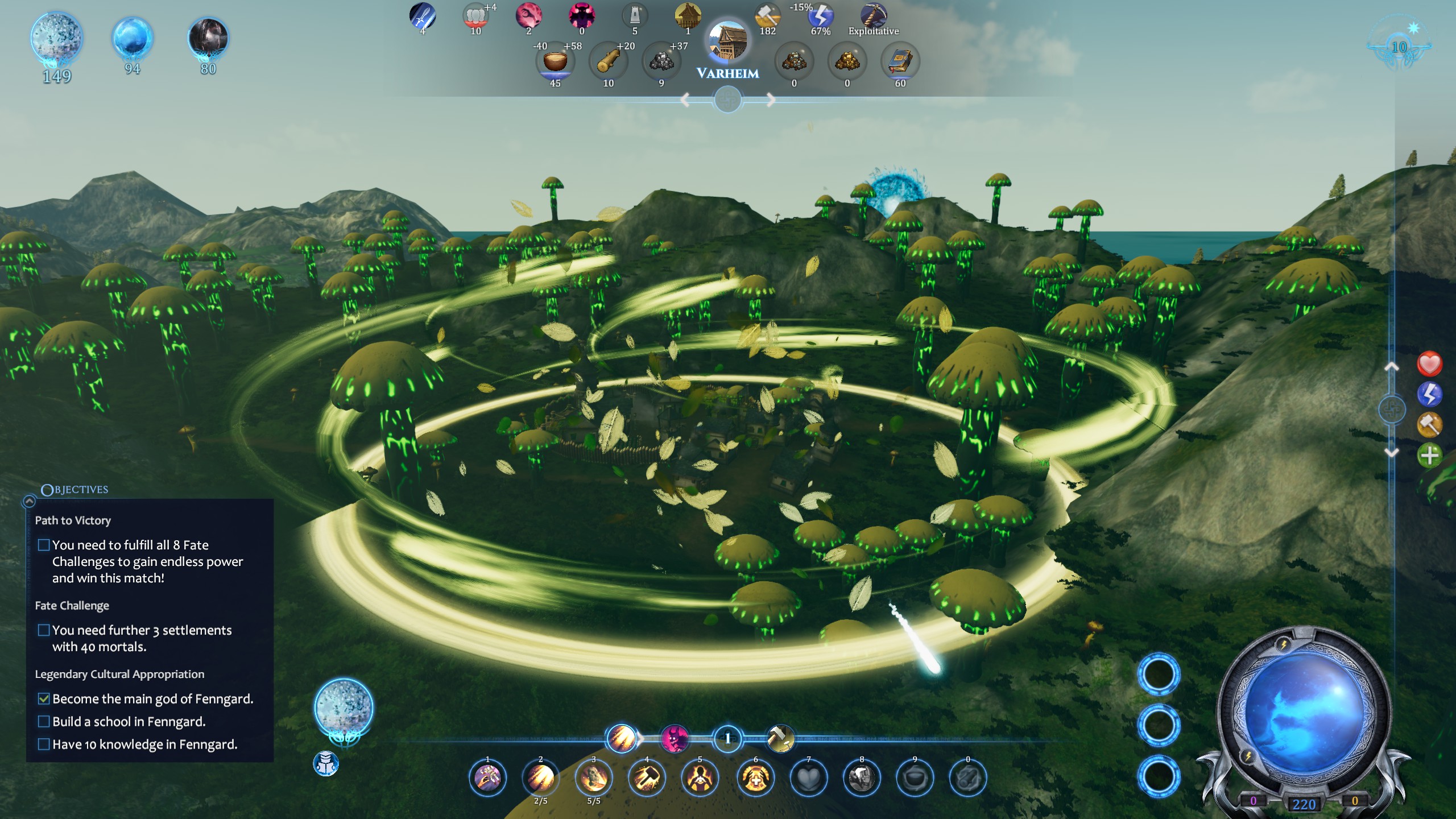
The most unique aspect of the game is its morality system, where your choices have a direct and visible impact on the world. A benevolent god who nurtures followers and blesses the land will create thriving environment. In contrast, a tyrannical god who sacrifices mortals and raises undead armies will leave a scorched and barren wasteland. This visual transformation of the environment is a powerful way to reinforce the path you choose.
The game also includes powerful “one-time miracles,” which are single-use spells you get from completing quests or finding “Points of Interest” on the map. These let you feel powerful early on without compromising the long-term progression system. But, a key element from its main inspiration is missing: a creature. Unlike the memorable animal companion in Black & White, there is no personal pet to raise and train. While the developers have stated this is a difficult feature to implement, it remains a major request from the community.
“The most unique aspect of the game is its morality system, where your choices have a direct and visible impact on the world.”
You can also choose to listen to your followers’ wishes. They’ll give you side missions that influence your control over the map. For example, a follower might ask you to kill someone, or a mission could require you to have 300 followers. There are also main missions from the other main gods, such as Nature. Completing these objectives helps you finish the map and unlock new content. While having to unlock new content might feel limiting, remember that the length of your game can vary greatly depending on whether you choose to be good or evil.
I wasn’t particularly impressed with the game. The maps feel repetitive, and so do the starts, which are limited to being either good or evil or the mix between the two. While there’s some variety in how each rival god plays, the missions and goals are always the same, repeating multiple times even in a single playthrough. This is an Early Access title, but the game genuinely lacks something to keep you hooked for a long time.
“The various miracles and powers keep things very interesting.”
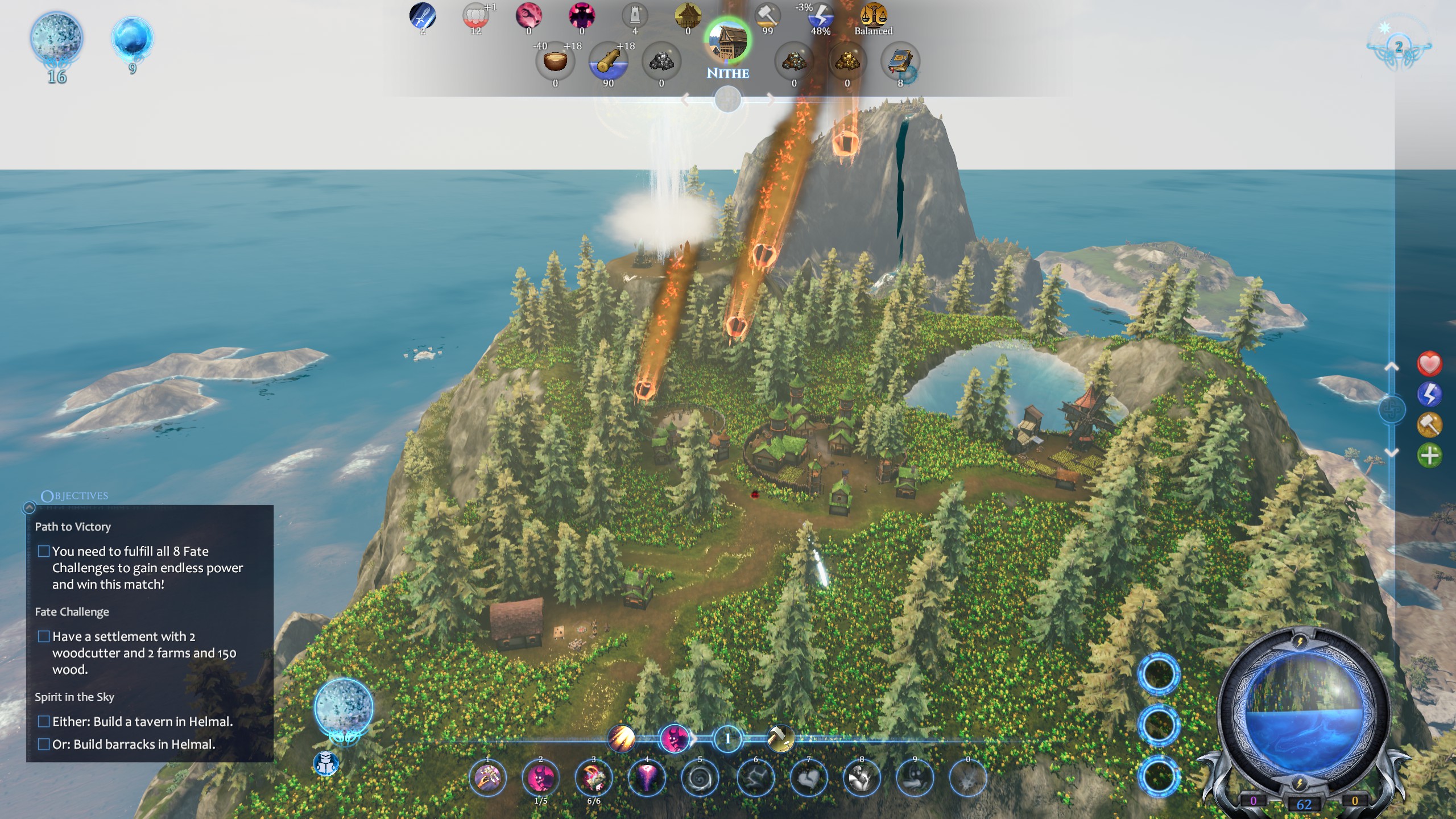
While it’s fun to throw meteors at other cities, there’s a lack of visual clarity. For example, after throwing a huge meteor at a village, the ground remains the same, and the village is still standing. There’s not much visual destruction besides the land turning black and a few things being destroyed. Fata Deum has technical issues, including FPS drops, lag, and freezing. Some parts of the landscape and structures look visually strange or out of place. But, despite these problems, the game’s overall structure works well.
That’s not to say it isn’t a fun game. The various miracles and powers keep things very interesting, especially on harder difficulties where you can expect a lot of chaos from the start. Fata Deum will take you some time to properly learn everything, from expanding your outposts and villages into bigger cities to managing hundreds of followers in one place. Mana is a crucial resource, so don’t forget to build temples to increase your supply.
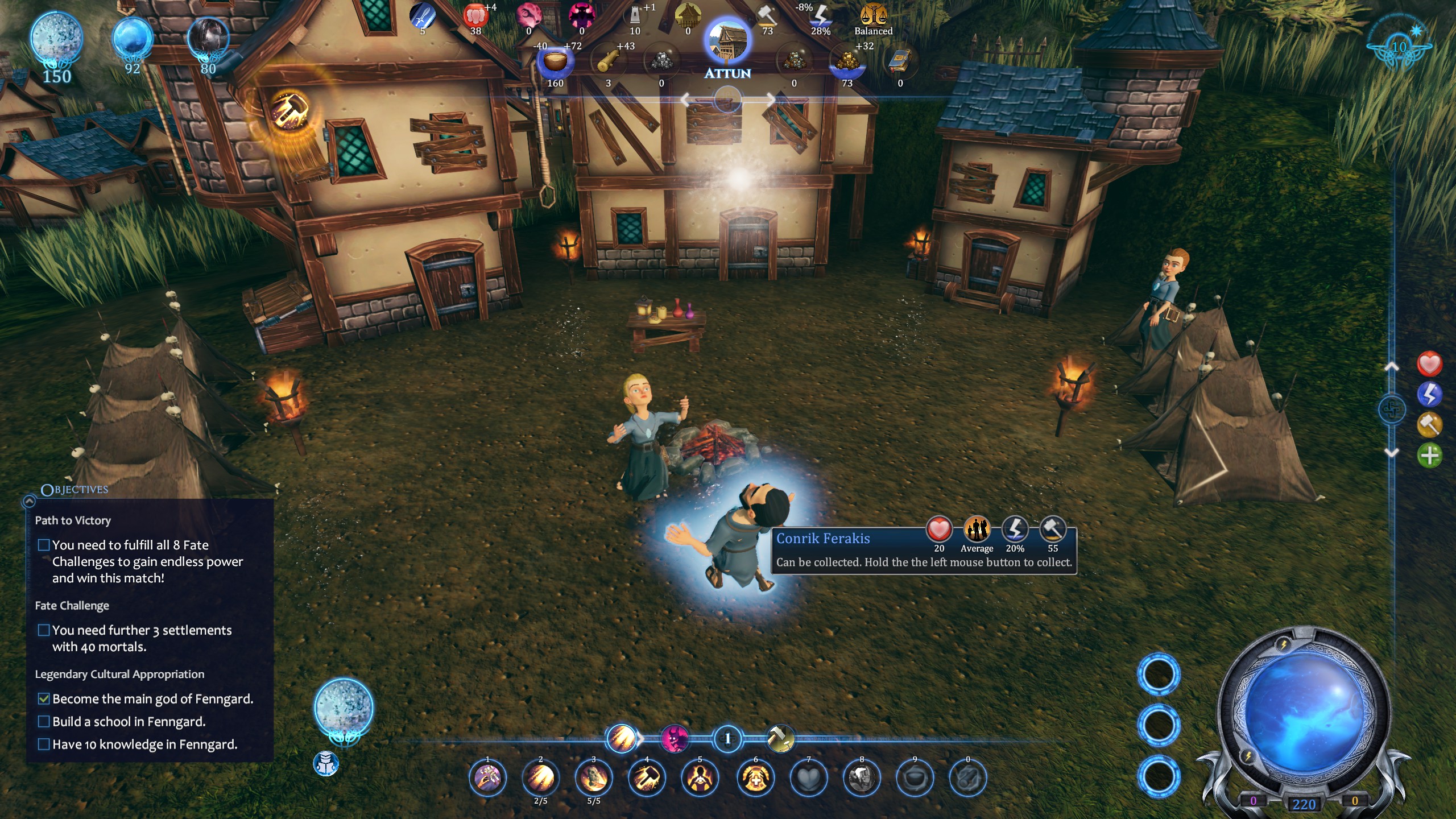
Fata Deum is a very promising revival of a beloved but long-dormant genre. It successfully captures the feeling of wielding immense power and watching a world bend to your will, just like classic god games such as Black & White. The morality system and dynamic world-building are excellent, and the competition with other gods keeps the gameplay engaging. While the game currently lacks the polish of a finished title, and is missing a personal creature companion, it offers a solid foundation. Fata Deum is a worthwhile investment for anyone who has been yearning to play as a deity again.
| Pros | Cons |
|---|---|
| Faithful to the genre. | Limited customization. |
| Unique morality system. | Repetitive objectives and wishes. |
| Engaging indirect control. | Constant FPS drops and technical issues. |
| Strategic depth. | Lack of visual destruction. |
Review copy provided by the publisher
Denshattack! blends Tony Hawk, Jet Set Radio, and Japanese train culture into one of the year's most creative and unforgettable…
If you're looking for a game that takes an incredibly simple idea and somehow turns it into something addictive, KAZ…
Cat Mail Co. charms with cozy visuals and satisfying mail sorting, but its full release doesn't quite live up to…
Forensics: Crime Scene Detective follows Aerosoft's familiar formula: an interesting simulation with decent visuals, weak optimization, and repetitive gameplay.

Foxy The First Steps is an excellent precision platformer that understands exactly what makes the genre enjoyable.

Tokyo Valkyries blends visual novel, roguelite deck-building, and fan service into a surprisingly enjoyable mix, despite few standout elements.
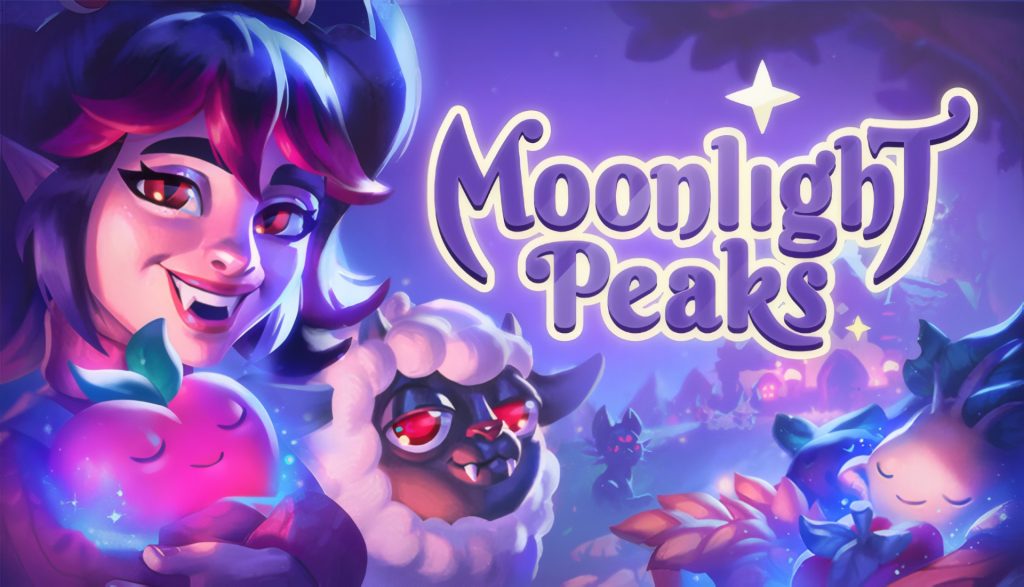
Moonlight Peaks refreshes the cozy farming formula with a more unique supernatural and magical approach while keeping the familiar mechanics…

The first thing that stands out about GRID 2 in 2026 has nothing to do with its handling, graphics, or…
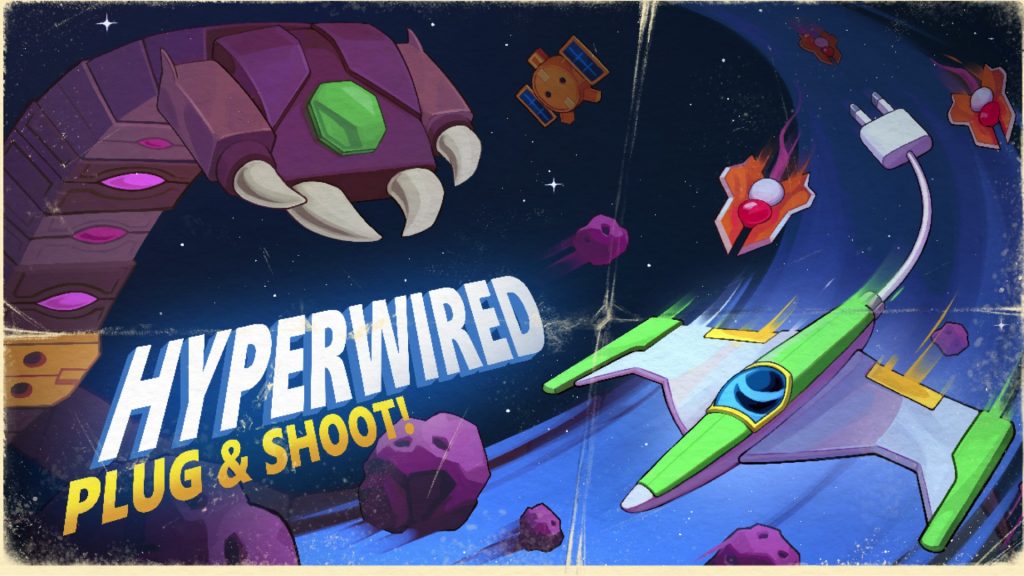
HYPERWIRED is a top-down roguelike where your ship drags a giant plug, powering sockets to complete objectives and progress through…
![[PREVIEW] 70s-style Robot Anime Geppy-X – This Game Pretends It’s a Real 1970s Anime](https://www.indie-games.eu/wp-content/uploads/2026/06/70s-Style-Robot-Anime-Geppy-X-Preview-1024x576.jpg)
As I continue my Steam Next Fest journey, I stumbled upon a game I honestly wasn't expecting to enjoy as…
![[PREVIEW] Edge of Memories – One of My Biggest Steam Next Fest Disappointments](https://www.indie-games.eu/wp-content/uploads/2026/06/Edge-of-Memories-Preview-1024x576.jpg)
Right now, Edge of Memories feels like a game with good ideas that hasn't yet figured out how to turn…
![[PREVIEW] Penguin Colony – Lovecraftian Horror Meets Antarctic Exploration](https://www.indie-games.eu/wp-content/uploads/2026/06/Penguin-Colony-5-1024x576.jpg)
It is surprisingly difficult to explain Penguin Colony, yet incredibly easy to become fascinated by.

Magical Princess is one of those games that immediately reminded me of the classic Princess Maker series, but it does…
![[PREVIEW] Mortal Shell II – Difficult, Fair, and Surprisingly Polished](https://www.indie-games.eu/wp-content/uploads/2026/06/Mortal-Shell-II-1-1-1024x576.jpg)
Mortal Shell II has opened its beta to everyone, and I have to admit, this is exactly how you showcase…
![[PREVIEW] 1666: Amsterdam – Fails to Capture the Promise of Its Reveal](https://www.indie-games.eu/wp-content/uploads/2026/06/1666-amsterdam-1024x576.jpg)
Having just recently been revealed during Summer Game Fest, 1666: Amsterdam has already received a playable prologue on Steam.
![[EARLY ACCESS] Far Far West – Co-Op Shooter I Didn’t Expect to Love This Much](https://www.indie-games.eu/wp-content/uploads/2026/04/Far-Far-West-1024x576.jpg)
There is a reason why Far Far West is currently sitting at overwhelmingly positive reviews on Steam and has already…

Retro Rewind - Video Store Simulator latest update that adds repair stations, street sign and more to the game, could…
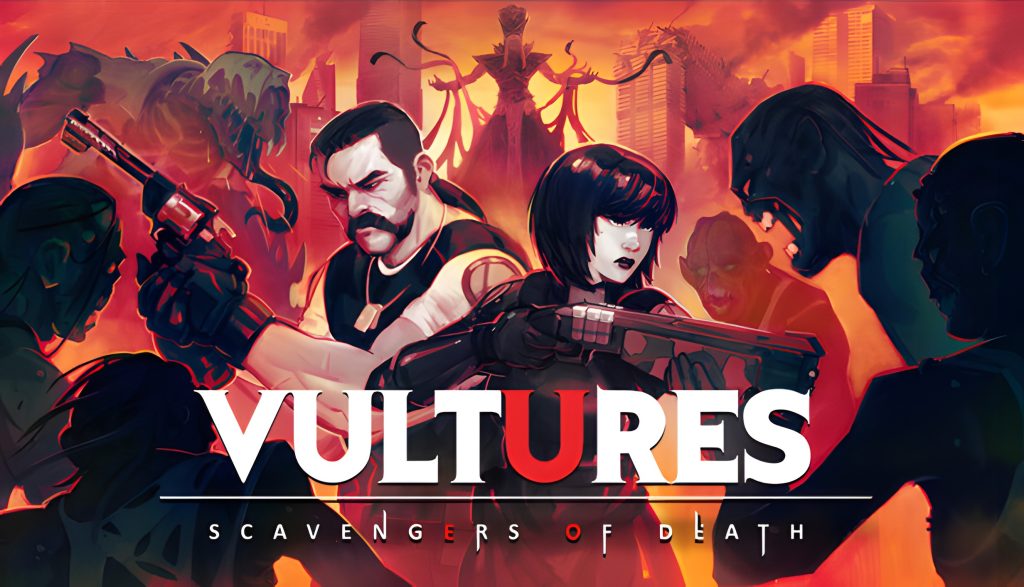
Vultures: Scavengers of Death is a turn-based tactical strategy game heavily inspired by classic survival horror.
![[Early Access] No Stone Unturned – A Fowl Play](https://www.indie-games.eu/wp-content/uploads/2026/05/Unturned-1-1024x576.jpg)
In No Stone Unturned, we play as Detective Cox, a squirrel with amnesia who investigates a murder of a chicken…

Outbound is a mediocre, shallow cozy game with a beautiful presentation and strong concept, but one that fails to deliver…
