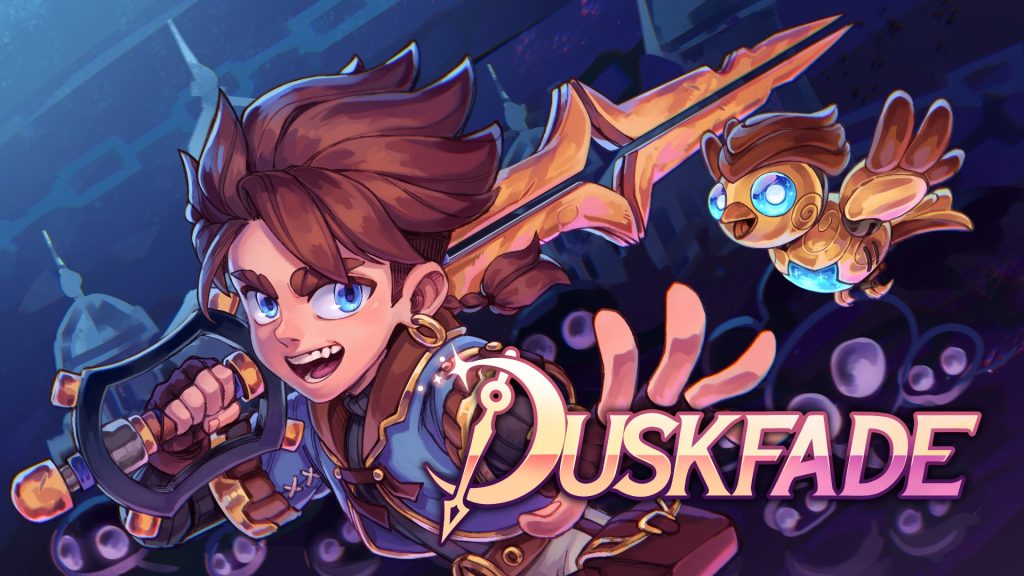
Duskfade – The PS2 Era Returns With All Its Strengths and Weaknesses
Duskfade is worth considering for players who miss colourful PS2-style action-platformers and can tolerate basic combat, floaty movement and backtracking.

If you enjoy independent indie game coverage, consider supporting Indie-Games.eu on Patreon. It helps keep the site independent.
There was a period when fantasy RPGs did not need enormous open worlds or hundreds of hours of content. Games such as Fable, Gothic and Kingdoms of Amalur: Reckoning offered more focused adventures that were often clumsy, yet memorable. Forsaken Realms: Vahrin’s Call feels like it escaped directly from that era.
Developed over more than a decade by the seven-person team at Titan Roc, Vahrin’s Call is an extraordinarily ambitious action RPG. Its rewarding exploration, flexible progression and colorful environments provide the kind of nostalgic fantasy adventure that has become increasingly rare. Unfortunately, weak narrative presentation, uneven combat and a serious lack of polish prevent it from completely answering the call.
The insect-like Khraiax have devastated Vahrin. Although armies from the Free Cities appeared capable of containing the invasion, something more dangerous emerged beneath the city and killed its king alongside thousands of soldiers. You create an ordinary mercenary answering the queen’s call for assistance, initially accepting contracts for money before becoming entangled in a larger conflict involving rival mercenaries, undead armies and demons.
It is an appealing premise because Vahrin feels like a place that existed before the protagonist arrived. Unfortunately, it sometimes feels as though the more interesting story also belongs to everyone except you. Characters discuss politics and shared history while your blank-slate mercenary silently watches. Numerous factions and proper nouns are introduced with little context, while the absence of meaningful choices, branching routes and substantial cinematics makes the narrative feel rushed.
Side quests leave a stronger impression, mixing stories about grief and desperation with unexpectedly funny interactions. Full English voice acting also gives these survivors more personality than their simple models can convey.

Vahrin’s Call is divided across large interconnected zones rather than one seamless open world. Loading transitions separate its wilderness, bogs, castles and magical caverns, but each area contains layered routes, hidden caves and optional dungeons. Exploration is comfortably the game’s greatest achievement.
Following a suspicious path can uncover rare equipment, talismans, puzzles, side quests, secret bosses and valuable skill books. Those discoveries are not merely collectibles. Many attacks, spells and passive upgrades only become available after finding their corresponding books, directly connecting curiosity to character development.
An optional exploration mode removes quest markers, requiring you to read directions and recognize landmarks. It recalls Gothic and Morrowind without forcing that philosophy upon everyone. Clumsy movement occasionally undermines this freedom, especially when routes demand precise jumping. Glowing resources can overwhelm the screen, while winding dungeons sometimes continue longer than their combat can justify. Nevertheless, nearly every diversion offers something useful.
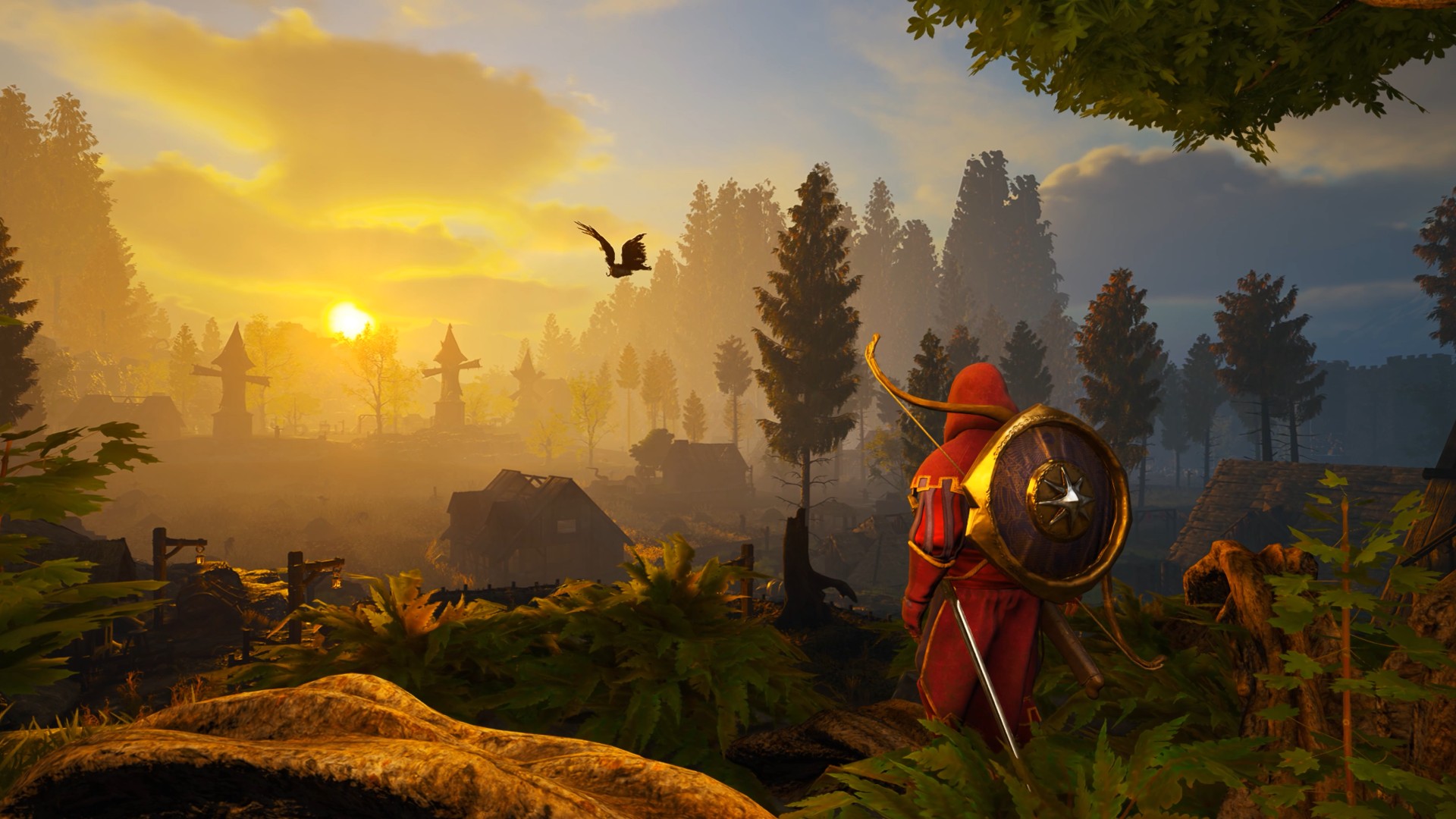
Rather than selecting a class, your actions determine what the mercenary becomes. Using swords, bows, armor, magic, alchemy or traps increases the corresponding proficiency, following the familiar Elder Scrolls principle that practice creates improvement. Traditional levels still award skill points, but stronger nodes require sufficient proficiency and frequently a skill book found through exploration. Upgrades provide combos and secondary effects instead of merely increasing damage.
This structure supports creative hybrids. An archer can slow enemies with traps before applying elemental arrows, while a dual-wielding warrior can enhance both weapons with magic. Equipment has few restrictions and points can be redistributed freely, turning unusual loot into an invitation to experiment.
Free respecialization removes some consequence from progression, while raising an abandoned speciality can become repetitive. Even so, developing abilities through actual use gives the character a more organic identity than choosing every improvement from a conventional menu.
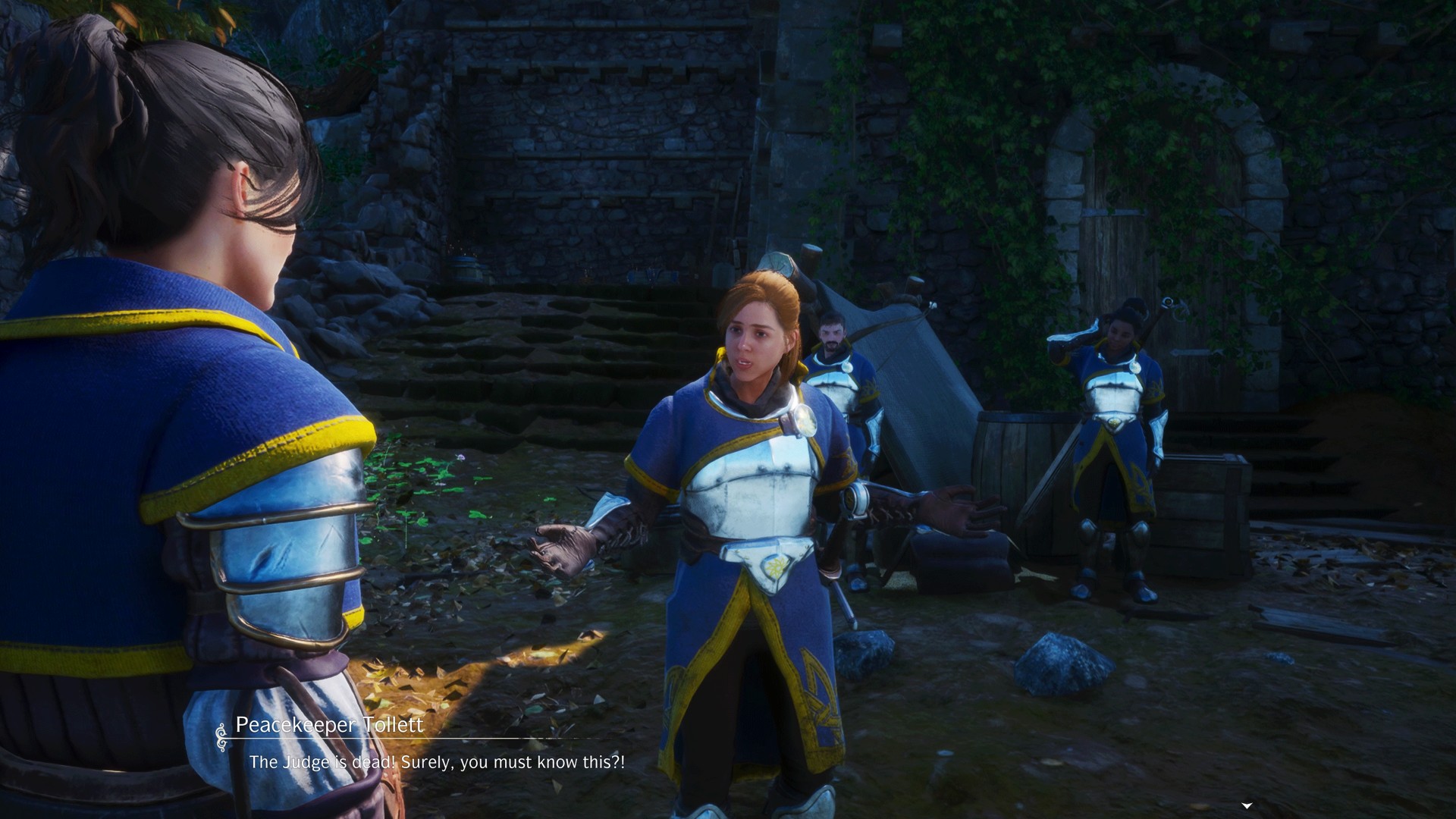
Combat combines light and heavy attacks with blocking, perfect parries, dodging, techniques and status effects. Regular attacks do not consume stamina, leaving it for defensive actions and stronger moves. This creates a faster rhythm than a Soulslike and places the action closer to a rougher Kingdoms of Amalur. Shields provide reliable defense, dual weapons favor aggression and heavy weapons control groups.
Bows reward precisely timed releases, while four schools of magic, traps and potions provide projectiles, buffs and elemental combinations. Unfortunately, melee attacks lack convincing sound and reactions, making heavy weapons feel as though they are cutting through air. Lock-on restricts awareness, dodging can feel awkward and several weapons share too many animations. Build variety disguises these problems without fixing them.
Bandits, beasts, Khraiax, undead and demons use different ranges and status effects, although repeated groups make some dungeons drag. Bosses fluctuate between interesting patterns and fights that end before their mechanics matter. Strong hybrid builds can trivialize much of the game before several late encounters create abrupt damage spikes.
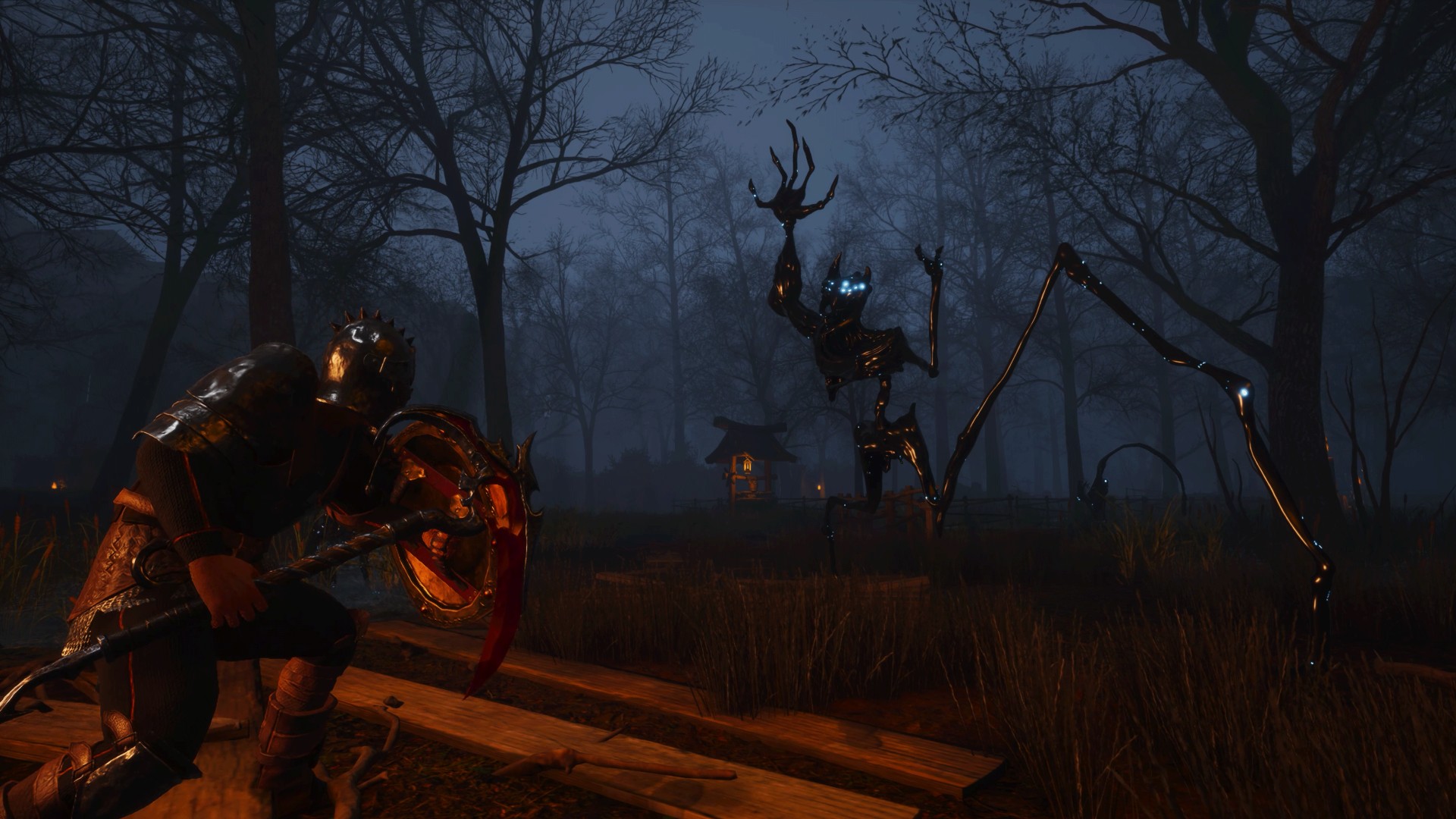
The comparison to Fable is most appropriate in the art direction. Crooked buildings, quaint settlements, exaggerated architecture and vibrant landscapes create a charming storybook world. It also balances grim events with silliness in a way few contemporary RPGs attempt.
It does not recreate Fable’s morality, social systems or meaningful decisions. Models, facial animations and menus look dated, while performance is disproportionately demanding. Updates have helped, but the interface still resembles a placeholder. Forsaken Realms: Vahrin’s Call is too uneven to become the independent successor to Fable some may expect. Its main story lacks involvement, its combat needs stronger feedback and nearly every menu reminds you how small the team was.
Yet few games understand the pleasure of wandering towards something interesting quite as well. Exploration feeds directly into an excellent classless progression system, while the colorful world and sincere fantasy atmosphere generate genuine nostalgia. Players who miss ambitious, imperfect RPGs from the early 2000s may discover something special here. Anyone demanding fluid combat, consequential role-playing or AAA polish should wait for further updates and a discount.
Forsaken Realms: Vahrin’s Call is exactly the kind of ambitious, slightly clumsy fantasy RPG that used to be far more common. Its exploration is excellent, its classless progression encourages experimentation and its colourful world repeatedly rewards players for ignoring the obvious path and seeing what lies around the next corner. Unfortunately, the combat lacks impact, the narrative gives the protagonist surprisingly little agency and almost every part of the presentation carries some degree of technical roughness.
Ending Thoughts
Review copy provided by the publisher
Duskfade is worth considering for players who miss colourful PS2-style action-platformers and can tolerate basic combat, floaty movement and backtracking.
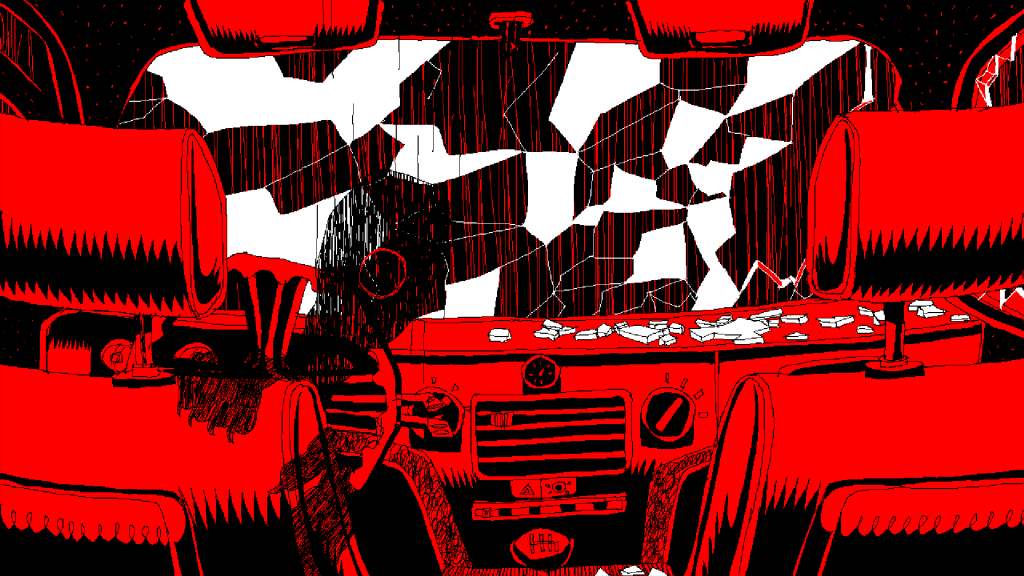
Man I Just Wanna Go Home is a noir crime story with visuals from MS Paint and life-or-death choices.
![[GAMESCOM 2026] Vikings Dynasty Preview – Expands the Dynasty Formula](https://www.indie-games.eu/wp-content/uploads/2026/09/Viking-Dynasty-09-21-26-2-1024x576.jpg)
After showing me Prospera at Gamescom 2026, Toplitz Productions' Mathias Oertel moved to a very different kind of settlement builder.…
![[GAMESCOM 2026] Prospera Preview – Production, Prosperity and Victorian Industry](https://www.indie-games.eu/wp-content/uploads/2026/09/Prospera-09-21-26-5-1024x576.jpg)
At Gamescom 2026, I met with Toplitz Productions' Mathias Oertel for a guided presentation of two upcoming games. One of…
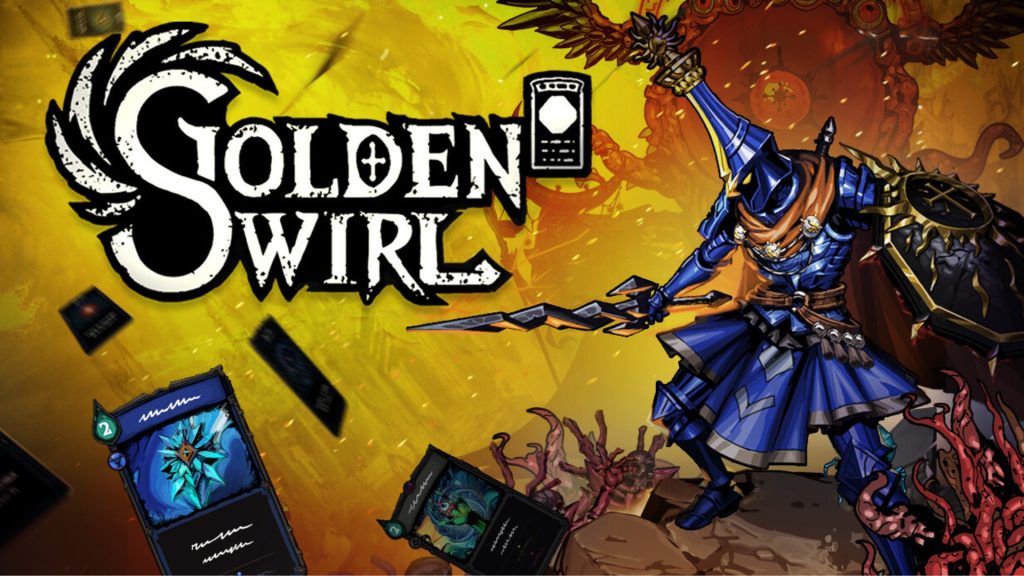
Golden Swirl inventive card combat carries the experience, but repetitive rooms, weak upgrades and excessive dialogue hold it back.
![[GAMESCOM 2026] Wilderdark Preview – Ambitious Dinosaur Horror Game That Still Has Plenty to Prove](https://www.indie-games.eu/wp-content/uploads/2026/09/Wilderdark-1024x576.jpg)
Dinosaur survival horror game Wilderdark has one of those premises that immediately makes you wonder why more games have not…
![[PREVIEW] Tiny Metal 2 – Strategy Game That Wants You to Learn From Every Mistake](https://www.indie-games.eu/wp-content/uploads/2026/09/Tiny-Metal-2-1024x576.jpg)
I rarely enjoy discovering that my opening strategy was completely wrong, but Tiny Metal 2 made that process one of…
![[PREVIEW] Remothered: Red Nun’s Legacy – Ambitious Survival Horror That Needs More Polish](https://www.indie-games.eu/wp-content/uploads/2026/09/Remothered-Red-Nuns-Legacy-4-1024x576.jpg)
Remothered: Red Nun’s Legacy has a gripping atmosphere and promising survival tools, but its repetitive hiding and rough visuals need…
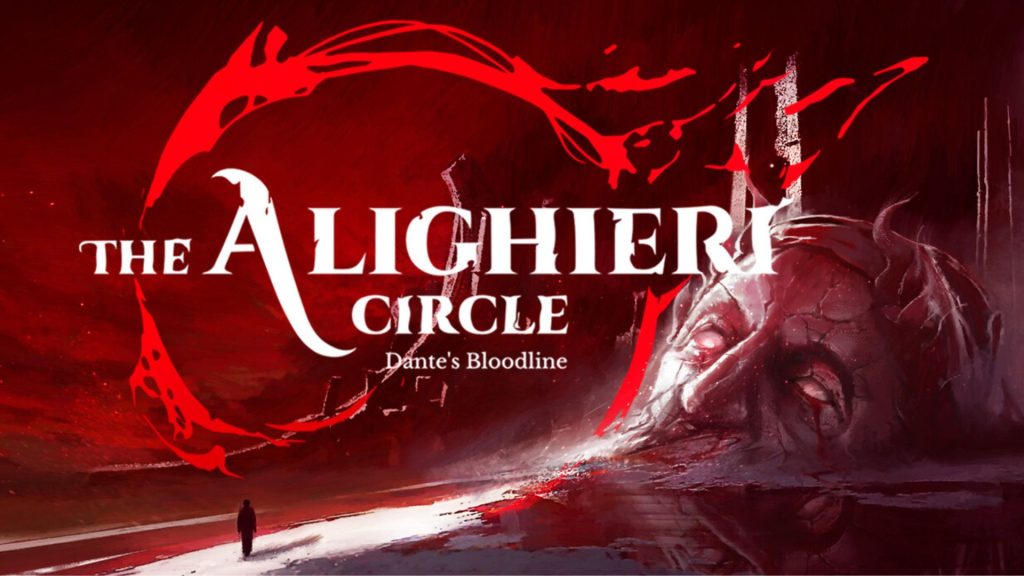
The Alighieri Circle: Dante’s Bloodline is difficult to recommend beyond players who are especially interested in Dante or enjoy solving…
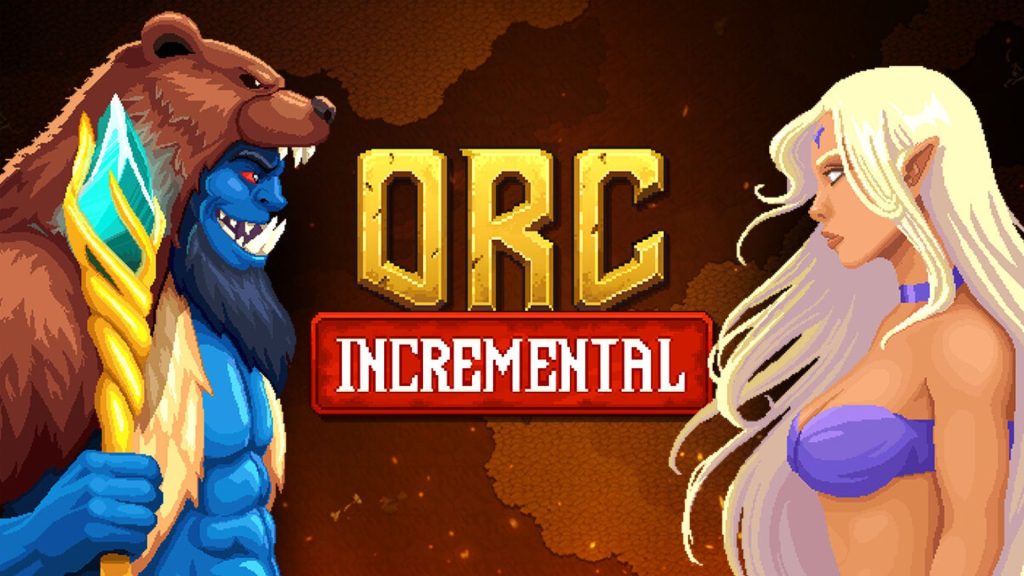
Orc Incremental offers satisfying progression, entertaining totem combinations and enough content to justify its affordable price.
![[GAMESCOM 2026] Chronoscript: The Endless End Preview – Beautiful Pages Hide Deliberate Combat](https://www.indie-games.eu/wp-content/uploads/2026/09/Chronoscript-The-Endless-End-1-1024x576.jpg)
Chronoscript: The Endless End stands out from other Metroidvanias by blending 2D manuscript worlds with exploration inside a 3D manor.
![[GAMESCOM 2026] MegaGum Preview – Combat Hits Hard in This Sticky Platforming Adventure](https://www.indie-games.eu/wp-content/uploads/2026/09/MegaGum-09-09-26-5-1024x576.jpg)
MegaGum combines hard-hitting combat, varied weapons and Gum-powered platforming in a promising Gamescom 2026 demo.
![[GAMESCOM 2026] Delphinium Preview – Cozy Routine Mixed With Enjoyable Minigames](https://www.indie-games.eu/wp-content/uploads/2026/03/Delphinium--1024x665.jpg)
Delphinium mixes cozy farming, exploration and relationships with enjoyable fishing, cooking and forging minigames in its Gamescom 2026 demo.
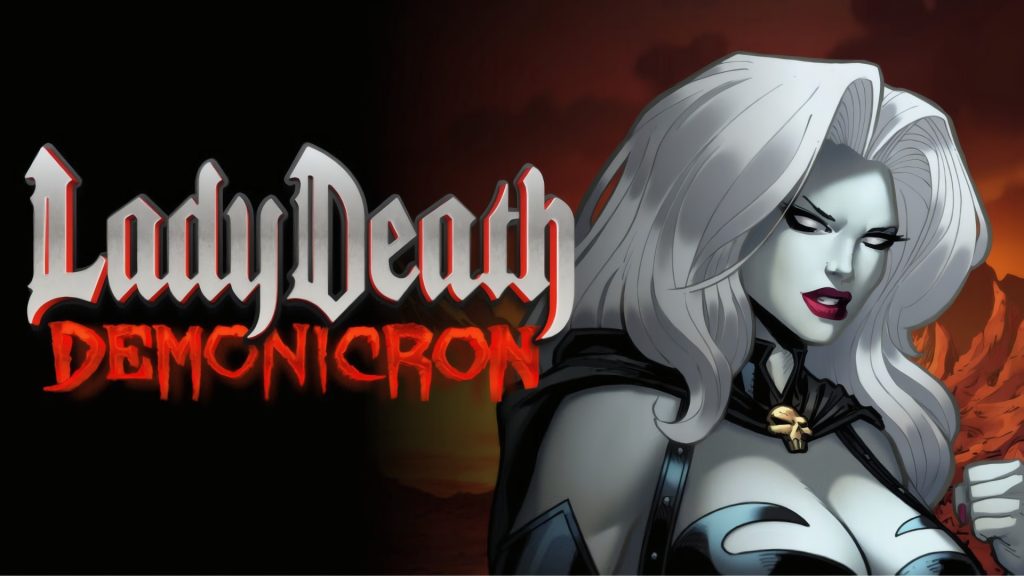
Lady Death: Demonicron looks the part, but underneath its excellent comic-book exterior is a clunky and painfully short brawler.
![[GAMESCOM 2026] Tomb Raider: Legacy of Atlantis Preview – Expands the Original Without Losing Its Identity](https://www.indie-games.eu/wp-content/uploads/2026/09/tomb-raider-legacy-of-atlantis-06-02-26-1-1024x576.jpg)
Tomb Raider: Legacy of Atlantis brings Lara back to her roots, but its Gamescom 2026 showing proved this is far…
![[GAMESCOM 2026] Clive Barker’s Hellraiser: Revival Preview – Ready to Open the Box](https://www.indie-games.eu/wp-content/uploads/2026/09/Clive-Barkers-Hellraiser-Revival-08-30-26-1-1024x576.jpg)
Hellraiser: Revival preserves the franchise’s sex, gore and psychological horror while delivering approachable survival-horror gameplay.

Swan Song creates a peaceful and forgiving puzzle space without removing the challenge that makes solving a difficult puzzle rewarding.
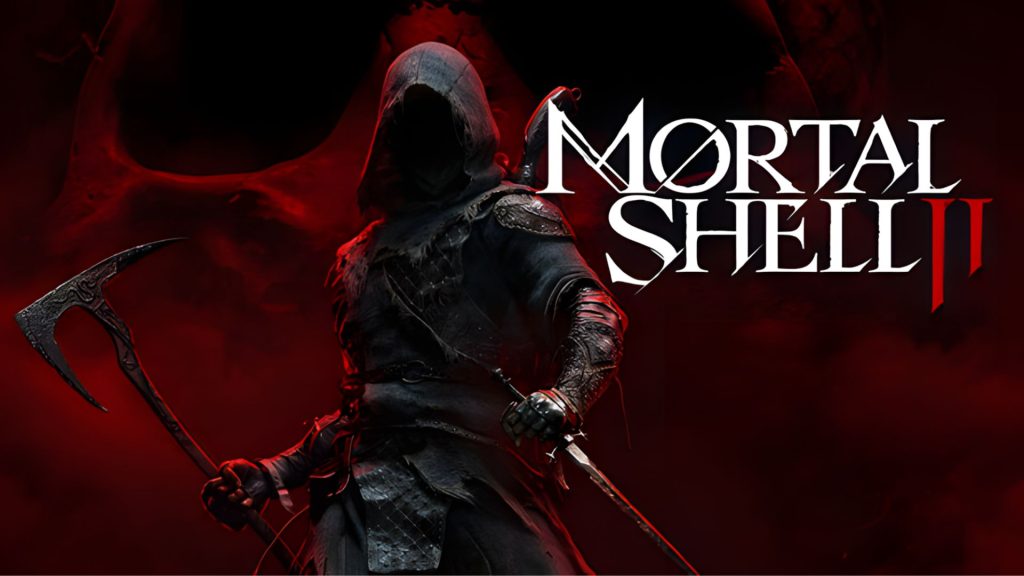
Mortal Shell II starts brilliantly but grows repetitive and exhausting, while remaining a rewarding and ambitious Soulslike sequel.
![[GAMESCOM 2026] Terranigma Preview – A Lost SNES Classic Returns in 2027](https://www.indie-games.eu/wp-content/uploads/2026/08/Terranigma-1-1024x576.jpg)
After more than three decades of limited availability, Terranigma is returning in 2027. We played its enhanced re-release at Gamescom…
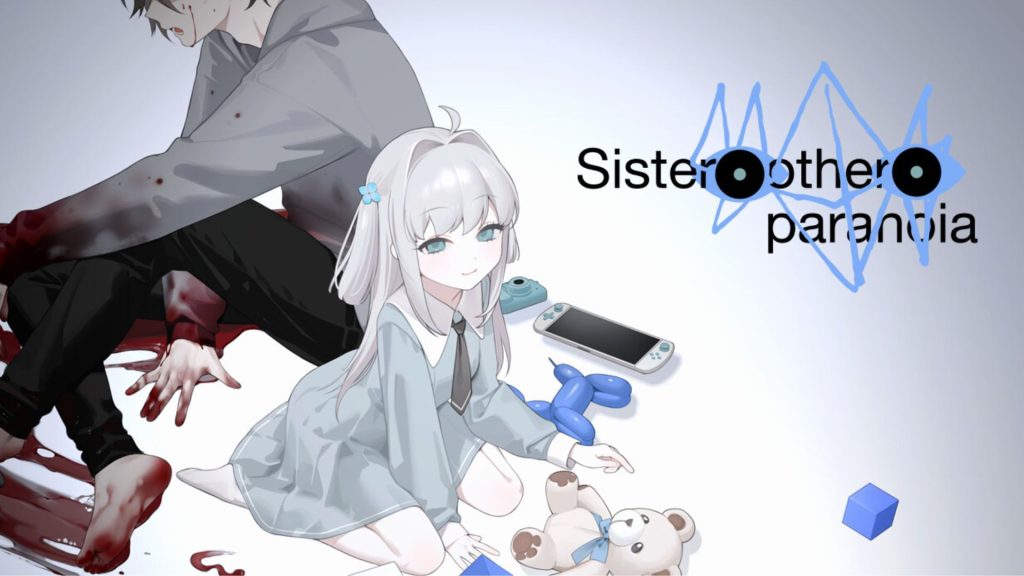
Reading another person’s mind is often presented as a desirable superpower, but Sister Other Paranoia immediately understands why it could…
