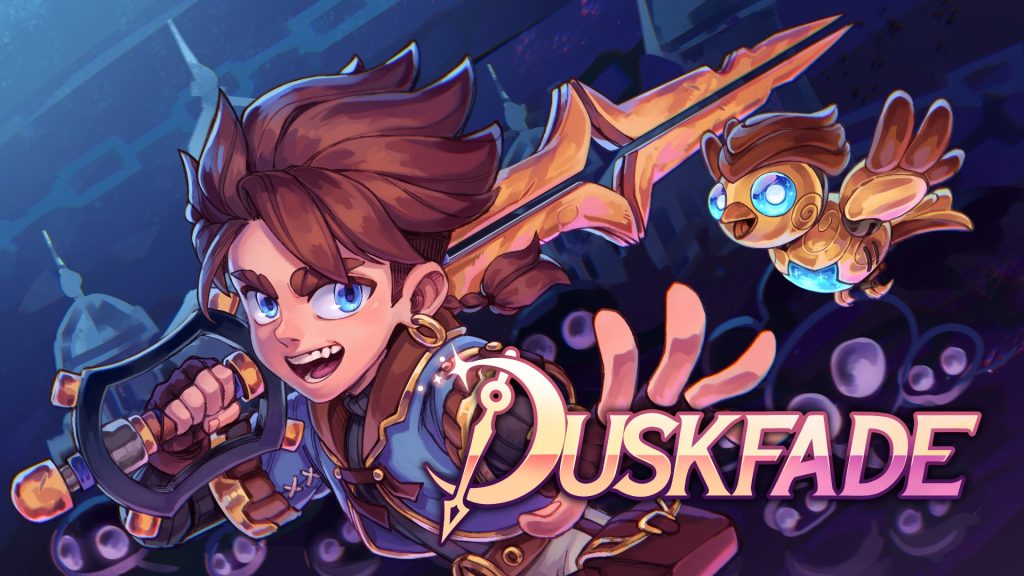
Duskfade – The PS2 Era Returns With All Its Strengths and Weaknesses
Duskfade is worth considering for players who miss colourful PS2-style action-platformers and can tolerate basic combat, floaty movement and backtracking.


If you enjoy independent indie game coverage, consider supporting Indie-Games.eu on Patreon. It helps keep the site independent.
Ghostboy is likely an indie game many people won’t hear about. Not only is it extremely unique, but it also combines tower-defense mechanics with a deeply emotional story about grief, loss, decision-making, and mental health. If you’re struggling with the grief of losing someone—a family member or friend—Ghostboy is a game you need to play.
A four-person team, including child and adult psychologists, has seamlessly integrated educational elements with gameplay. According to the developers, tower defense maps symbolize the struggle with negative thoughts, but the genre is fundamentally reshaped to offer players new and creative solutions to constantly changing challenges.
There are numerous mechanics to engage with, such as dealing with mental disorders affecting family members, solving puzzles to upgrade items, unlocking new types of companions, and strengthening the mental resilience of family members through mutual support. While there is a lot of micro-management, it’s introduced gradually, allowing you to take your time and plan carefully. More on that later.


The game begins with a harsh truth: a family of four has lost their son. The brother, mother, and father each cope in their own way, and various events unfold as you progress. You play as the boy in his spiritual form, helping your family move forward. Events are impactful, such as the brother losing his temper and getting into a fight, or the mother experiencing a car accident. These events are influenced by your choices, allowing you to decide how to react and shape the story’s progression. Sometimes, these choices can lead to different mental disorders you must manage, demonstrating that these challenges can be overcome.
While the game isn’t a substitute for therapy for those actively grieving, it can help players prepare for future challenges. This is where the tower-defense elements come into play. The game guides you through four stages of grief, each offering different levels that unlock various maps and mechanics. You start with easier levels and gradually progress to harder ones. In each stage, you can play as a different family member.
Before each level, you choose cards to fill available slots, spending points (EP). Each card represents a different action, such as attacking, defending, healing, or supporting the family. For example, you can choose a card to take your brother to school, helping the family member earn more points. You can also select cards that provide extra starting money or additional EP after completing a level.
These mental disorders can significantly impact gameplay, providing negative effects during play, so it’s best to eliminate them as soon as possible, as they can carry over to the next stage. However, I have two issues with this card system. First, some cards can give you these mental disorders, which you obviously want to avoid.
Second, you can repeatedly pick the same types of cards and always win, which makes the game too easy. You’ll have a much better chance of success if you consistently take archer towers, bombardment towers, and knights that attack all enemies in sight, rather than experimenting with other options.


Before entering a level, you select one of four helpers, each offering a different playstyle. For example, one might shoot a gun, while another is a knight who can attack and heal nearby allies. Once selected, you enter the level. Upon entering, you have time to prepare, plan strategically, and set up defenses for a family member.
Some towers require a worker to be placed on a tile to build or repair them. Afterward, you control your helper, attack enemies, and upgrade towers. Each tower has three upgrade tiers. If you prefer fast-paced gameplay, Ghostboy delivers that. Most levels are completed quickly, and everything is very approachable, letting you build as you see fit.
As you progress, enemies become stronger and more varied. For example, you might encounter a creature that causes mental disorders in your family members, one that can pass through walls, or one that’s heavily armored. There’s a wide range of enemies, each unique to different family members. Additionally, after completing normal levels, special levels become available, offering even more unique challenges. For example, you might play a board game against an evil wizard, rolling dice to reach the finish line before him. With so much to do, you’ll never get bored.
The main goal is to avoid mental disorders as much as possible. Despite the simple gameplay, there are about 10 hours of content to explore. Unfortunately, there isn’t much variety in the cards you receive or in the ways you can help your family members, which can make the game somewhat repetitive. However, the amount of content available helps offset this issue. Still, I wished there were more ways to defeat those pesky nightmares.


I also lost a few times, but fortunately, it doesn’t significantly impact gameplay—you just have to spend your points again. This emphasizes the importance of strategic placement, and using healing flowers to restore family members can be useful from time to time. Visually, this is a very charming game. While it may not be stunning, and has plenty of gray and dark tones, you’ll occasionally encounter bright colors, showing that not everything needs to be gloomy.
There are many aspects I haven’t even mentioned, such as unique symbols for each family member and their distinct personalities that shine throughout the game. Despite that, this is probably one of my favorite indie games this year. I just wish it had a bit more ambition. Adding a co-op mode to explore tower-defense elements with friends, or introducing more content like an endless mode for fighting enemies, would enhance the experience.
In case you haven’t heard of this game, I highly recommend giving it a try. Not only does it combine two fascinating elements, but it also has an educational purpose you can explore in depth within the game. Thank you to the Two Blackbirds development team for creating such a beautiful game.
Review copy provided by the publisher
Duskfade is worth considering for players who miss colourful PS2-style action-platformers and can tolerate basic combat, floaty movement and backtracking.
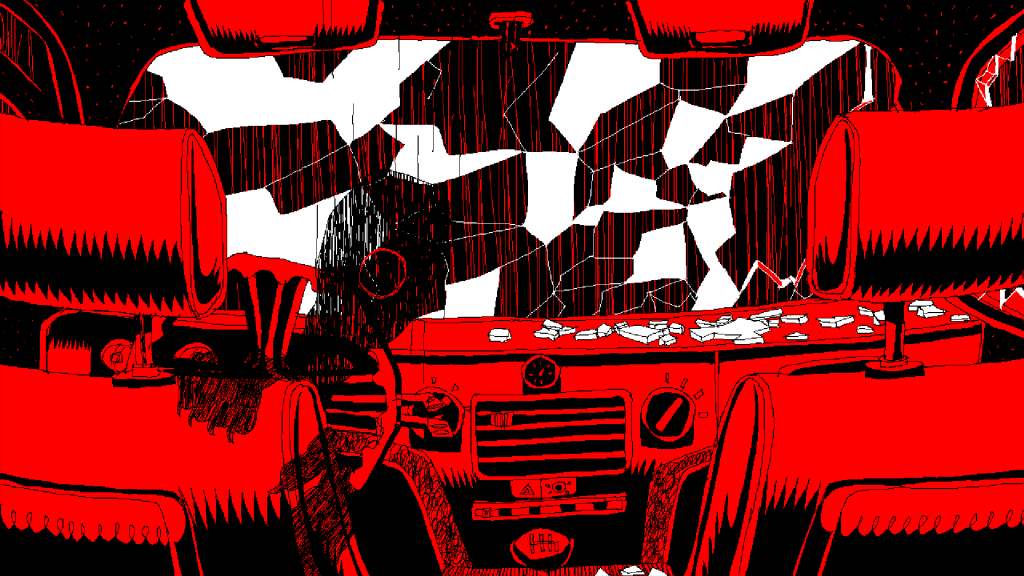
Man I Just Wanna Go Home is a noir crime story with visuals from MS Paint and life-or-death choices.
![[GAMESCOM 2026] Vikings Dynasty Preview – Expands the Dynasty Formula](https://www.indie-games.eu/wp-content/uploads/2026/09/Viking-Dynasty-09-21-26-2-1024x576.jpg)
After showing me Prospera at Gamescom 2026, Toplitz Productions' Mathias Oertel moved to a very different kind of settlement builder.…
![[GAMESCOM 2026] Prospera Preview – Production, Prosperity and Victorian Industry](https://www.indie-games.eu/wp-content/uploads/2026/09/Prospera-09-21-26-5-1024x576.jpg)
At Gamescom 2026, I met with Toplitz Productions' Mathias Oertel for a guided presentation of two upcoming games. One of…
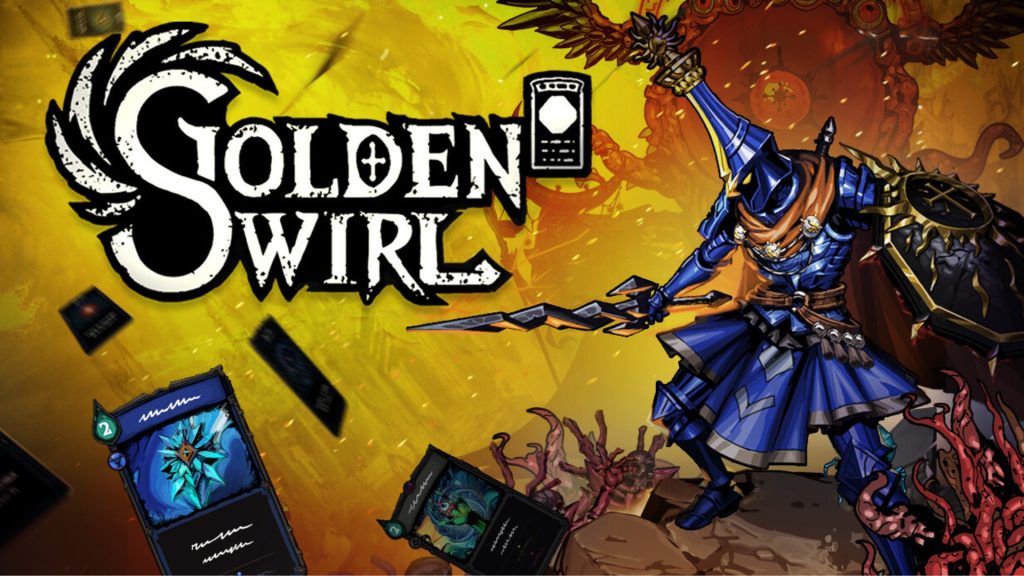
Golden Swirl inventive card combat carries the experience, but repetitive rooms, weak upgrades and excessive dialogue hold it back.
![[GAMESCOM 2026] Wilderdark Preview – Ambitious Dinosaur Horror Game That Still Has Plenty to Prove](https://www.indie-games.eu/wp-content/uploads/2026/09/Wilderdark-1024x576.jpg)
Dinosaur survival horror game Wilderdark has one of those premises that immediately makes you wonder why more games have not…
![[PREVIEW] Tiny Metal 2 – Strategy Game That Wants You to Learn From Every Mistake](https://www.indie-games.eu/wp-content/uploads/2026/09/Tiny-Metal-2-1024x576.jpg)
I rarely enjoy discovering that my opening strategy was completely wrong, but Tiny Metal 2 made that process one of…
![[PREVIEW] Remothered: Red Nun’s Legacy – Ambitious Survival Horror That Needs More Polish](https://www.indie-games.eu/wp-content/uploads/2026/09/Remothered-Red-Nuns-Legacy-4-1024x576.jpg)
Remothered: Red Nun’s Legacy has a gripping atmosphere and promising survival tools, but its repetitive hiding and rough visuals need…
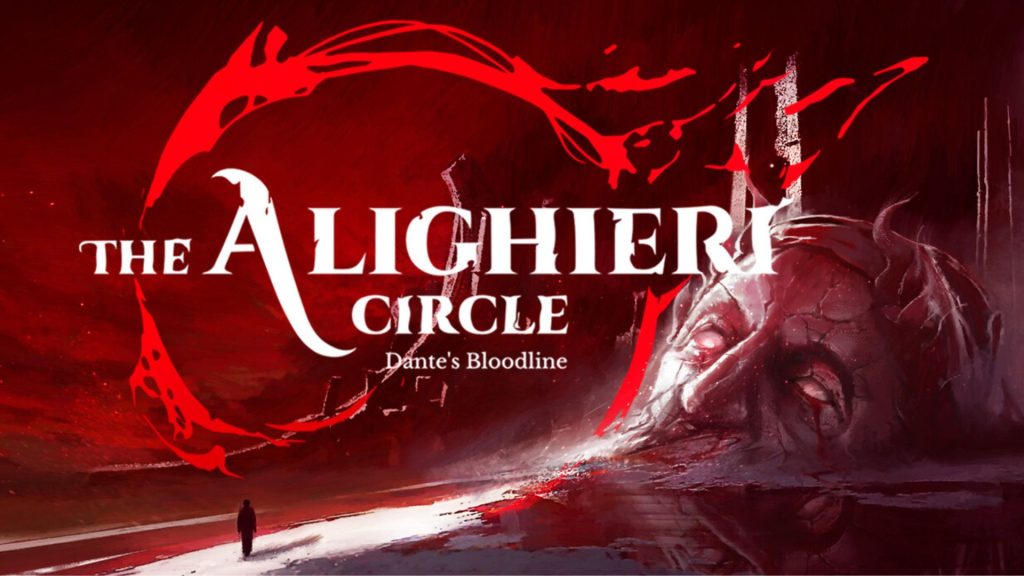
The Alighieri Circle: Dante’s Bloodline is difficult to recommend beyond players who are especially interested in Dante or enjoy solving…
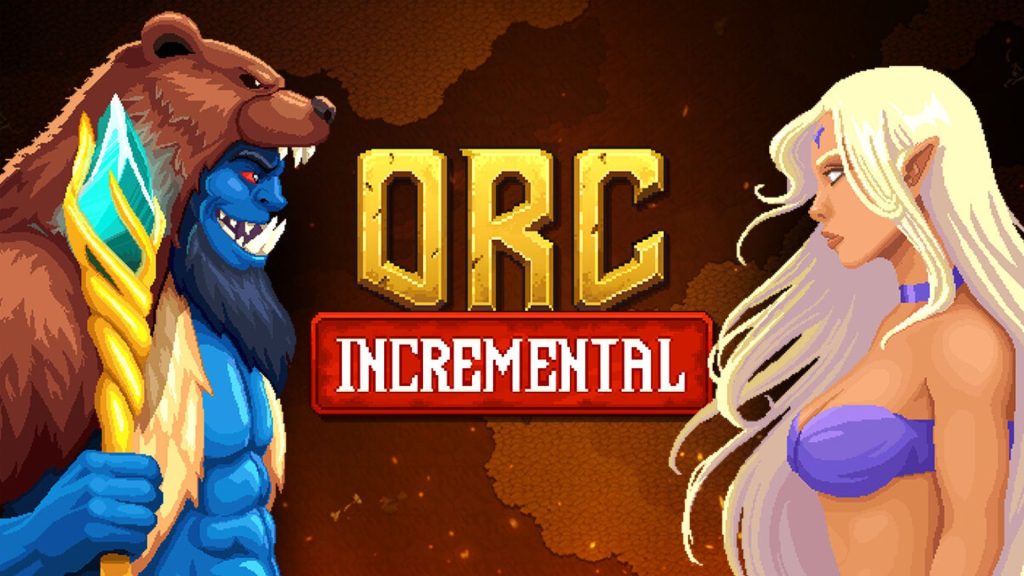
Orc Incremental offers satisfying progression, entertaining totem combinations and enough content to justify its affordable price.
![[GAMESCOM 2026] Chronoscript: The Endless End Preview – Beautiful Pages Hide Deliberate Combat](https://www.indie-games.eu/wp-content/uploads/2026/09/Chronoscript-The-Endless-End-1-1024x576.jpg)
Chronoscript: The Endless End stands out from other Metroidvanias by blending 2D manuscript worlds with exploration inside a 3D manor.
![[GAMESCOM 2026] MegaGum Preview – Combat Hits Hard in This Sticky Platforming Adventure](https://www.indie-games.eu/wp-content/uploads/2026/09/MegaGum-09-09-26-5-1024x576.jpg)
MegaGum combines hard-hitting combat, varied weapons and Gum-powered platforming in a promising Gamescom 2026 demo.
![[GAMESCOM 2026] Delphinium Preview – Cozy Routine Mixed With Enjoyable Minigames](https://www.indie-games.eu/wp-content/uploads/2026/03/Delphinium--1024x665.jpg)
Delphinium mixes cozy farming, exploration and relationships with enjoyable fishing, cooking and forging minigames in its Gamescom 2026 demo.
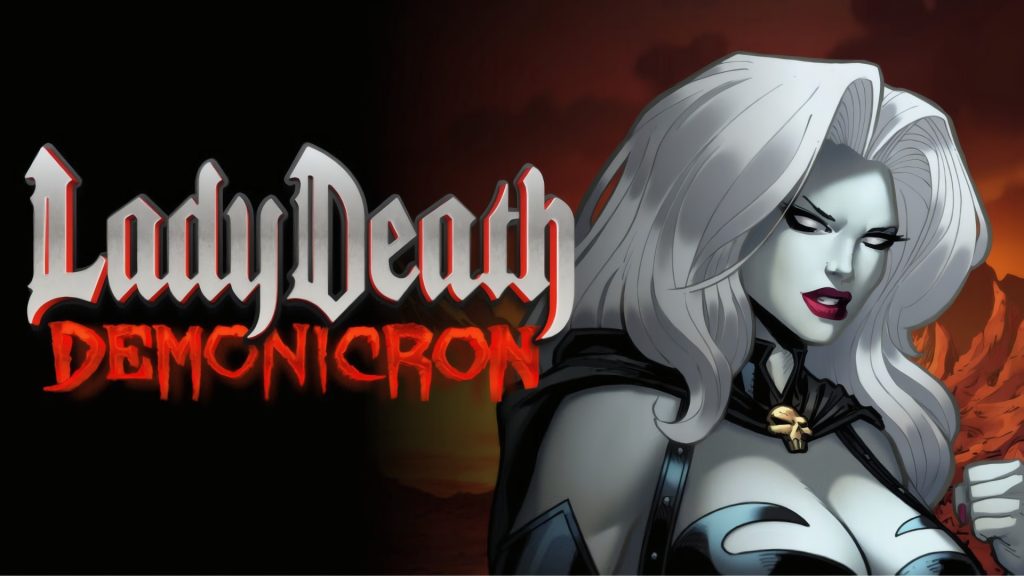
Lady Death: Demonicron looks the part, but underneath its excellent comic-book exterior is a clunky and painfully short brawler.
![[GAMESCOM 2026] Tomb Raider: Legacy of Atlantis Preview – Expands the Original Without Losing Its Identity](https://www.indie-games.eu/wp-content/uploads/2026/09/tomb-raider-legacy-of-atlantis-06-02-26-1-1024x576.jpg)
Tomb Raider: Legacy of Atlantis brings Lara back to her roots, but its Gamescom 2026 showing proved this is far…
![[GAMESCOM 2026] Clive Barker’s Hellraiser: Revival Preview – Ready to Open the Box](https://www.indie-games.eu/wp-content/uploads/2026/09/Clive-Barkers-Hellraiser-Revival-08-30-26-1-1024x576.jpg)
Hellraiser: Revival preserves the franchise’s sex, gore and psychological horror while delivering approachable survival-horror gameplay.

Swan Song creates a peaceful and forgiving puzzle space without removing the challenge that makes solving a difficult puzzle rewarding.
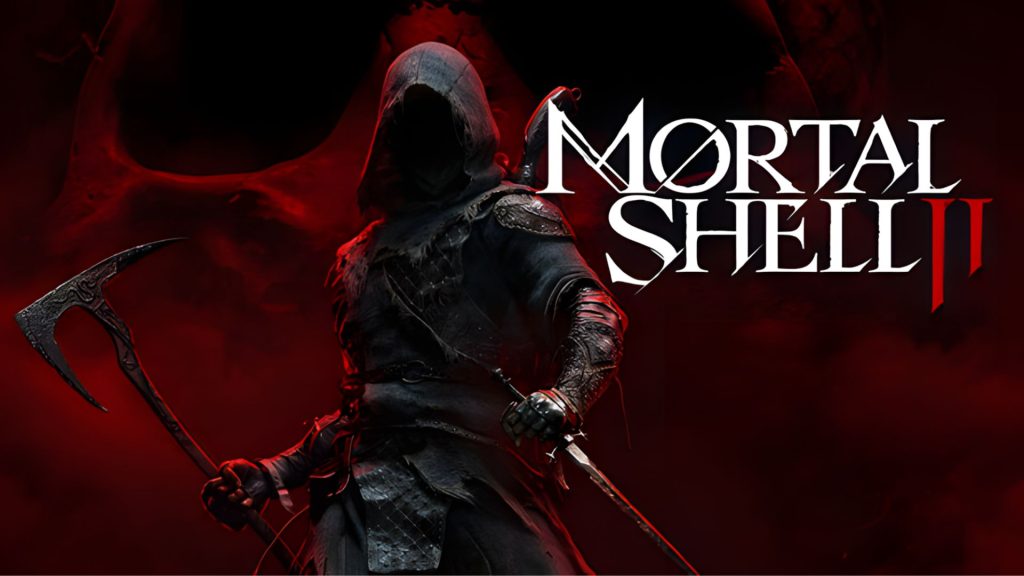
Mortal Shell II starts brilliantly but grows repetitive and exhausting, while remaining a rewarding and ambitious Soulslike sequel.
![[GAMESCOM 2026] Terranigma Preview – A Lost SNES Classic Returns in 2027](https://www.indie-games.eu/wp-content/uploads/2026/08/Terranigma-1-1024x576.jpg)
After more than three decades of limited availability, Terranigma is returning in 2027. We played its enhanced re-release at Gamescom…
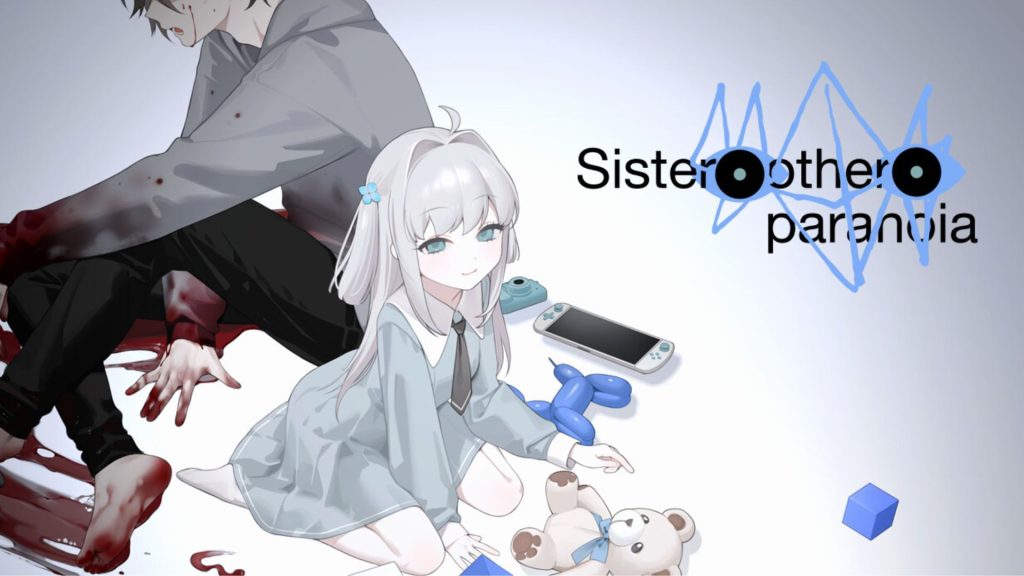
Reading another person’s mind is often presented as a desirable superpower, but Sister Other Paranoia immediately understands why it could…
