![[GAMESCOM 2026] Clive Barker’s Hellraiser: Revival Preview – Ready to Open the Box](https://www.indie-games.eu/wp-content/uploads/2026/09/Clive-Barkers-Hellraiser-Revival-08-30-26-1-1024x576.jpg)
[GAMESCOM 2026] Clive Barker’s Hellraiser: Revival Preview – Ready to Open the Box
Hellraiser: Revival preserves the franchise’s sex, gore and psychological horror while delivering approachable survival-horror gameplay.

![[Hands-On Preview] Aphelion – It Has Us Both Excited and Worried](https://www.indie-games.eu/wp-content/uploads/2026/02/Aphelion-naslovna.jpg)
If you enjoy independent indie game coverage, consider supporting Indie-Games.eu on Patreon. It helps keep the site independent.
Two weeks ago, we had the chance to attend a special preview event for Aphelion, the upcoming sci-fi action adventure from DON’T NOD. Executive producer Dimitri Weideli and creative director Florent Guillaume walked us through the game, showed new gameplay, and talked about the story and the ideas behind it. Afterwards, we got our own hands on the game.
From the first moment on the frozen planet Persephone, I could see that Aphelion wants to be a big cinematic experience. The world is covered in ice, the sky feels endless, and there is a strong sense of isolation. We played two different chapters. The first focused on platforming and survival as astronaut Ariane Montclair fights to stay alive. The second was slower and more tense, built around stealth and an alien creature hunting us in the dark.

The first chapter takes place on the damaged Hope-01 ship. It is breaking apart, and Ariane is trying to escape and find Thomas. Right away, the game throws you into fast platforming sections. The ship shakes, metal breaks around you, and every jump feels risky. I liked how the jumps are not automatic. You need to press the left mouse button at the right moment to land safely. If you fail, Ariane almost falls, and you must quickly press a certain button to hold on. They are simple mechanics, but they create stress in a good way.
As you move through the ship, there are small events that keep the pace high. You dodge flying debris, climb unstable ladders, and use a grappling hook to cross large gaps. Then, just when you start to relax, the game cuts to a dramatic scene. A fall. A scream. A close-up of fear in Ariane’s eyes. I have to admit, these moments are strong. The mix of gameplay and cutscenes works well, and it pulls you into the chaos.
That said, once the first excitement passed, I started to see the limits. The platforming feels solid, but not new. It works, and it feels polished, but it does not surprise you. The team worked with the European Space Agency, and you can see that in the details. The suits, the tools, and the harsh weather feel believable. Still, under the cinematic style, the gameplay sometimes feels familiar. There were also a few small technical issues during my session. I noticed some animation glitches and a few FPS drops. Nothing terrible, but enough to break the immersion for a moment.

I also struggled a bit with Ariane as a character. She clearly carries the emotional side of the story, but during this preview, I did not fully connect with her. She felt more like someone I was watching than someone I truly understood. Maybe that will change in the full game, but for now, some distance remains.
The second chapter was very different. This time, we explored the icy surface while being hunted by an alien creature hiding under the ice. The monster is blind but reacts to sound. This creates real tension where every step matters. Move too fast, and you risk being heard. I enjoyed this part more than I expected. The fear of making noise made even simple movement feel dangerous.
There is also a magnetic field mechanic that lets you move objects in the world to solve puzzles and open new paths. It is not too complex, but it adds variety. A radar system helps guide you, so you rarely feel lost. The game gives you space to explore, but it does not leave you confused. Visually, this chapter was beautiful. The ice fields look cold and sharp, and the scale of the world is impressive.

After playing both chapters, I feel both excited and cautious. Aphelion clearly has heart. The world is well built, the presentation is strong, and there is real passion behind it. At the same time, I worry that it may rely too much on cinematic moments and not enough on new gameplay ideas.
If the rest of the game can push its mechanics further and deepen the characters, it could become something special. If not, it may end up as a beautiful but familiar adventure. For now, I am curious. Aphelion has my attention. The question is whether it can truly stand out when it finally launches.
Hellraiser: Revival preserves the franchise’s sex, gore and psychological horror while delivering approachable survival-horror gameplay.

Swan Song creates a peaceful and forgiving puzzle space without removing the challenge that makes solving a difficult puzzle rewarding.
Mortal Shell II starts brilliantly but grows repetitive and exhausting, while remaining a rewarding and ambitious Soulslike sequel.
![[GAMESCOM 2026] Terranigma Preview – A Lost SNES Classic Returns in 2027](https://www.indie-games.eu/wp-content/uploads/2026/08/Terranigma-1-1024x576.jpg)
After more than three decades of limited availability, Terranigma is returning in 2027. We played its enhanced re-release at Gamescom…
Reading another person’s mind is often presented as a desirable superpower, but Sister Other Paranoia immediately understands why it could…
Forsaken Realms: Vahrin’s Call is exactly the kind of ambitious, slightly clumsy fantasy RPG that used to be far more…
![[Early Access] 2nd EVE – Sci-Fi Action RPG That Lacks a Sense of Stakes](https://www.indie-games.eu/wp-content/uploads/2026/08/2ND-EVE-1024x576.jpg)
2nd Eve is a space-set action RPG in which we strive to save humanity.
![[PREVIEW] Dreamcards – Strategic Exploration of Consciousness](https://www.indie-games.eu/wp-content/uploads/2026/08/Dreamcards_20260810_233631_0000-1024x576.jpg)
Dreamcards is a roguelike deckbuilder centered around dreams and nightmares.
![[Early Access] OFFBEAT – Incredibly Fun Way to Start a Music Career](https://www.indie-games.eu/wp-content/uploads/2026/08/Offbeat_20260808_201446_0000-1024x576.jpg)
In OFFBEAT, we play the role of a jobbing composer who is launching their music career.
HellSlave II retains the original’s oppressive atmosphere, morally grey world and striking art while adding a larger world, randomized loot…
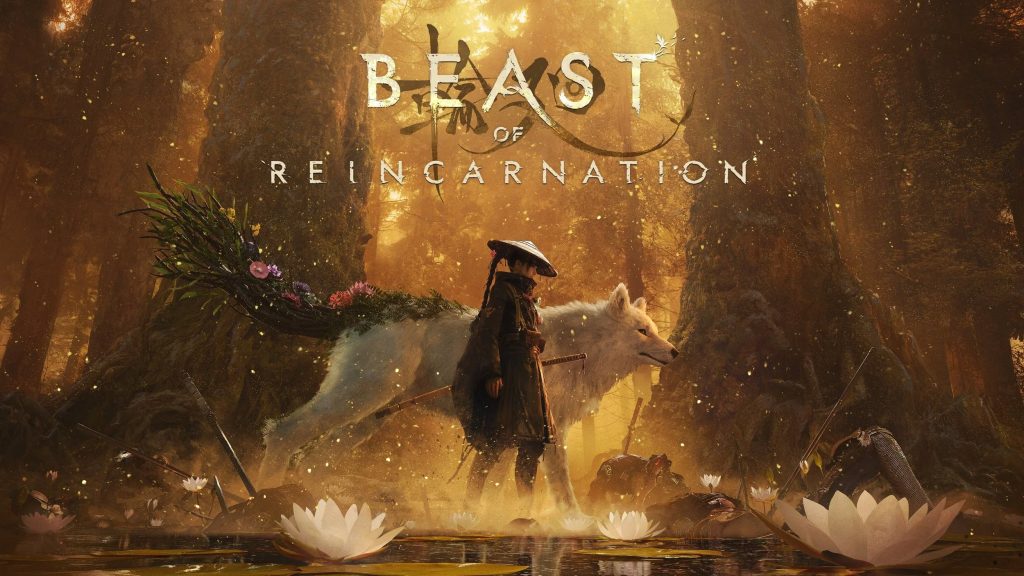
Beast of Reincarnation is an ambitious but uneven action RPG elevated by satisfying parry combat, beautiful art direction and the…

K-pop Idol Stories: Road to Debut captures the pressure of building idol group, but its management systems never explore that…
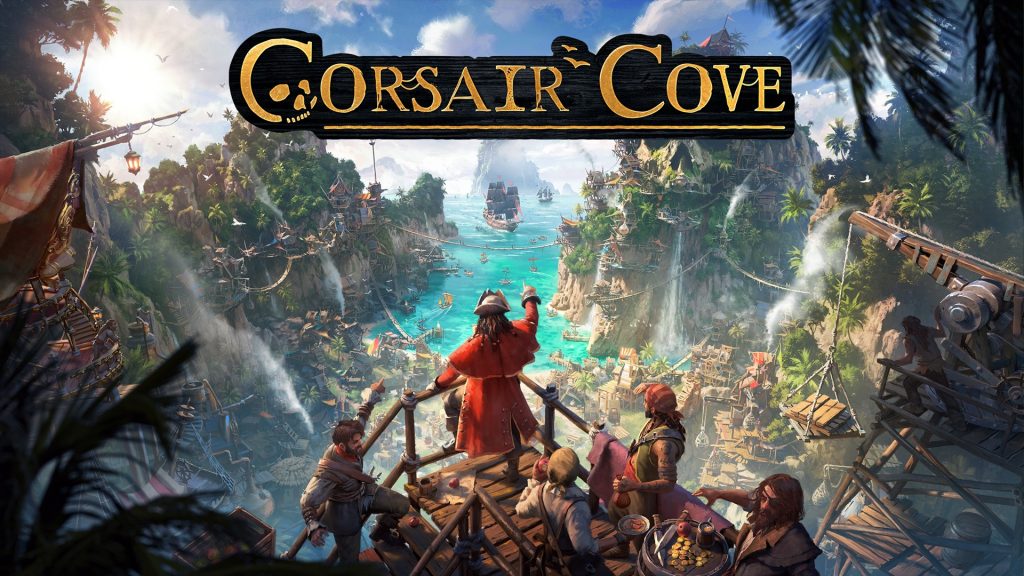
Hooded Horse keeps finding strategy games that know their audience, and Corsair Cove extends its impressive run of excellent city-builders.
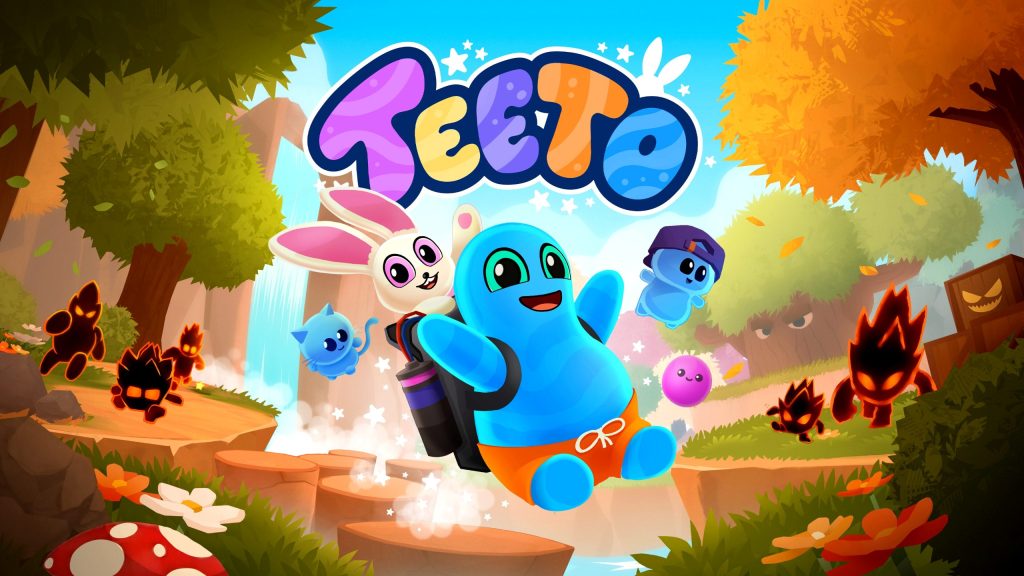
Teeto is a warm, cozy, creative and highly enjoyable 3D platformer that understands why classic collectathons remain so appealing.
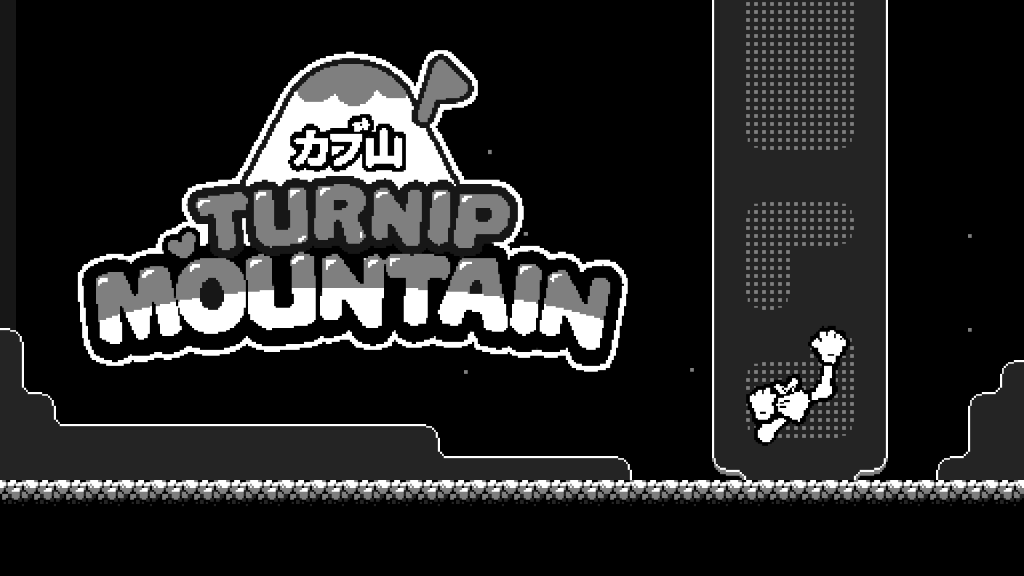
Turnip Mountain stands out for its combination of a unique control system and a minimalist approach.
Dystopicon is an imaginative and memorable narrative experiment with sharp social commentary, engaging world-building and several wonderfully absurd scenarios.
Maneki Mania is an incremental game centered around petting a lucky cat.
XeGrader Plus delivers colorful retro shooting, but basic mechanics, a short campaign and paid retro modes make its €20 price…
It has been roughly two and a half years since Palworld first entered Early Access, and quite a lot has…
![[EARLY ACCESS] The Last Caretaker – Survival Game I Cannot Stop Playing](https://www.indie-games.eu/wp-content/uploads/2026/07/The-last-Caretaker-Key-Art-1024x587.jpg)
The Last Caretaker is a compelling survival crafter with a flooded world and mobile base, but weak combat and performance…
