![[GAMESCOM 2026] Vikings Dynasty Preview – Expands the Dynasty Formula](https://www.indie-games.eu/wp-content/uploads/2026/09/Viking-Dynasty-09-21-26-2-1024x576.jpg)
[GAMESCOM 2026] Vikings Dynasty Preview – Expands the Dynasty Formula
After showing me Prospera at Gamescom 2026, Toplitz Productions' Mathias Oertel moved to a very different kind of settlement builder.…

If you enjoy independent indie game coverage, consider supporting Indie-Games.eu on Patreon. It helps keep the site independent.
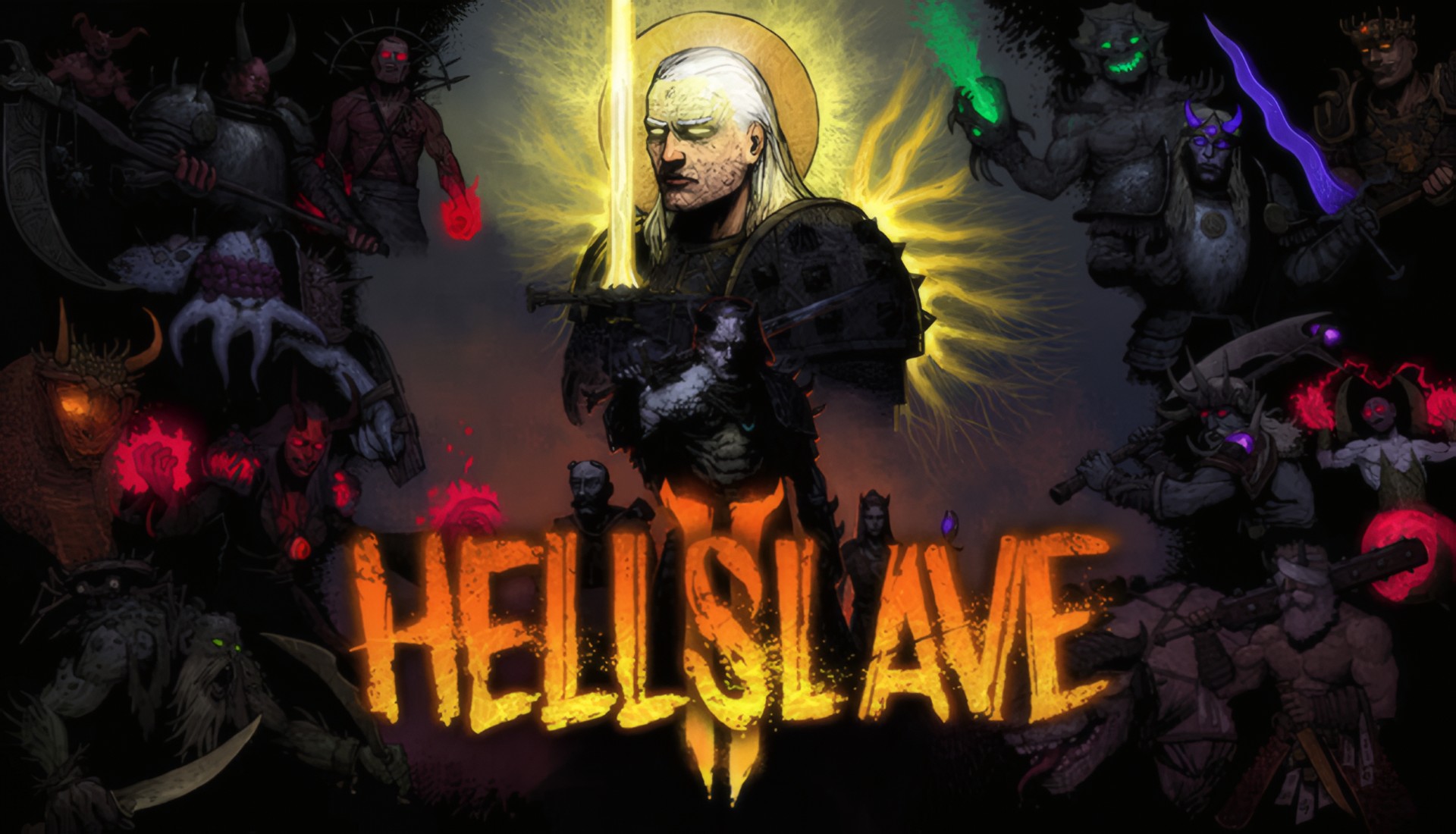
The original HellSlave was a compact dungeon crawler remembered for its oppressive atmosphere, morally grey world and great artwork. HellSlave II: Judgment of the Archon does not abandon those qualities, but it considerably expands the formula with a larger world, randomized equipment and much deeper character-building systems.
The result is a mechanically ambitious sequel whose greatest pleasure comes from turning one initially vulnerable warrior or sorcerer into an unstoppable servant of Hell. Its timeline-based combat and enormous build variety can be genuinely fun, although repetitive encounters, simple quests and excessive inventory management prevent the journey from remaining equally exciting throughout.
Thousands of years of conflict between six Demon Lords have devastated the world. Heaven has finally lost patience and dispatched the Archon of Judgment to erase what remains. Humanity is offered one final opportunity: destroy the demons before the Archon destroys everything. The adventure begins on a more personal note, with the protagonist searching for a captured friend. This soon leads to a permanent pact with one of six demons and a much larger mission to end the war.
HellSlave II replaces much of the original game’s abstract map navigation with a top-down overworld containing settlements, sanctuaries, dungeons and ruined villages. You explore these locations, accept quests, collect lore pages and enter first-person battles against groups of grotesque enemies.
This makes the world feel larger and more conventional than before, but not necessarily deeper. Side quests commonly involve travelling somewhere, recovering an object or eliminating certain enemies. They are short and provide useful rewards, yet their objectives rarely develop beyond familiar RPG errands.
The world-building is more memorable. Collectible pages provide additional context about its inhabitants, monsters and religious conflict, while occasional dry humour offers relief from the otherwise miserable setting. Unfortunately, the central story is less impactful than the lore surrounding it.
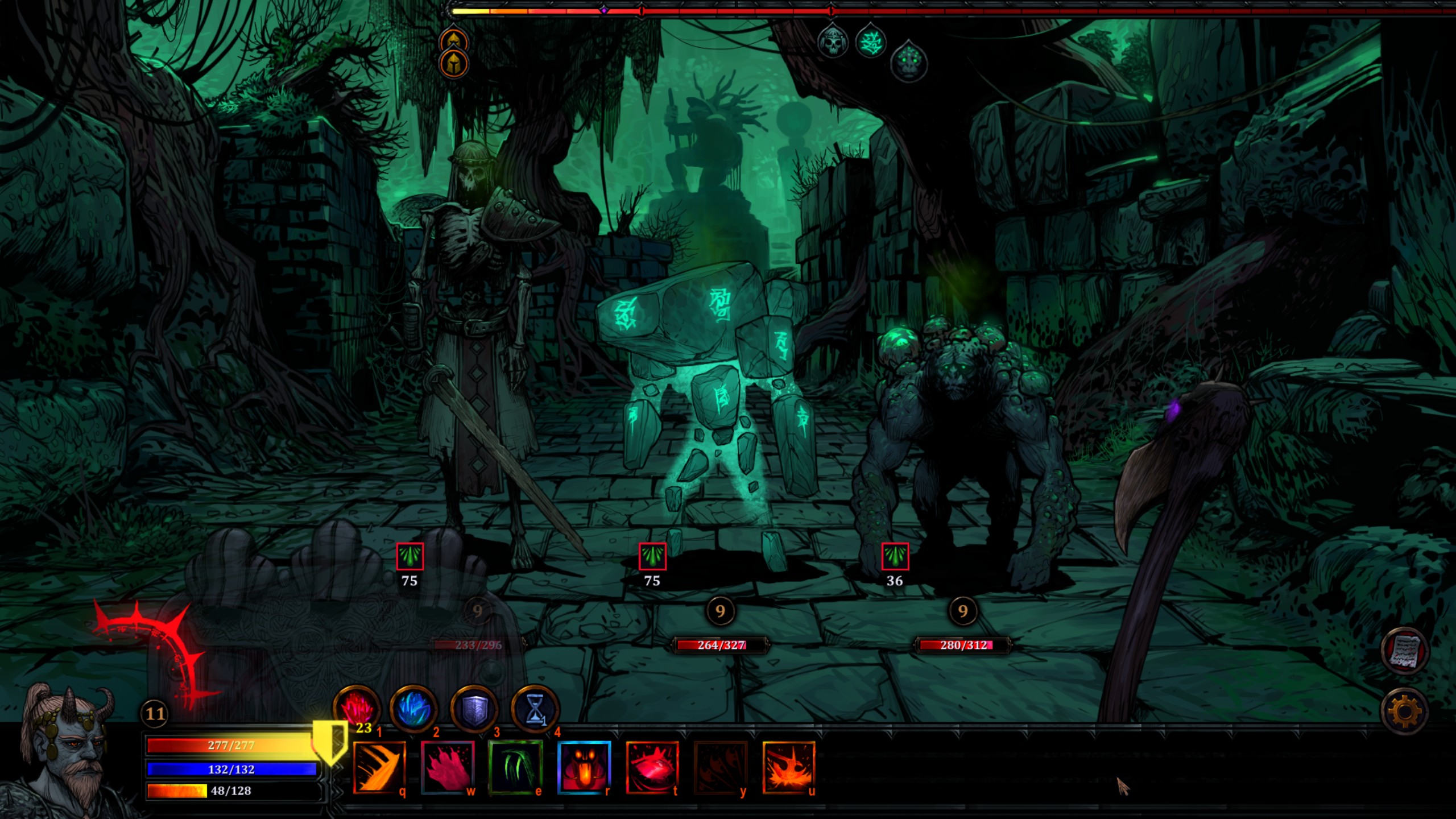
HellSlave II uses turn-based combat without following a conventional sequence of alternating actions. Every attack, spell and ability has a fatigue cost represented in seconds. Powerful attacks inflict considerable damage but push the player further down the timeline, potentially allowing several enemies to respond before another action becomes available.
Weapon weight feeds directly into this system. A heavy weapon may hit harder but act slowly, while lighter equipment offers more frequent opportunities to attack. Abilities also have cooldowns, making combat about much more than selecting the largest damage number.
This produces meaningful tactical questions. A slow attack might eliminate the most dangerous enemy immediately, but using it could expose the player to several retaliatory attacks. Healing may secure survival but sacrifice an opportunity to finish a weakened opponent. Certain abilities can also manipulate fatigue or action order, adding another layer of strategy.
The system works particularly well during difficult encounters and boss battles, where poor timing can destroy an otherwise effective character. The problem is that ordinary battles become predictable once a powerful opening rotation has been established. Repeating the same abilities against every group eventually creates fatigue, especially when lengthy animations cannot be skipped.
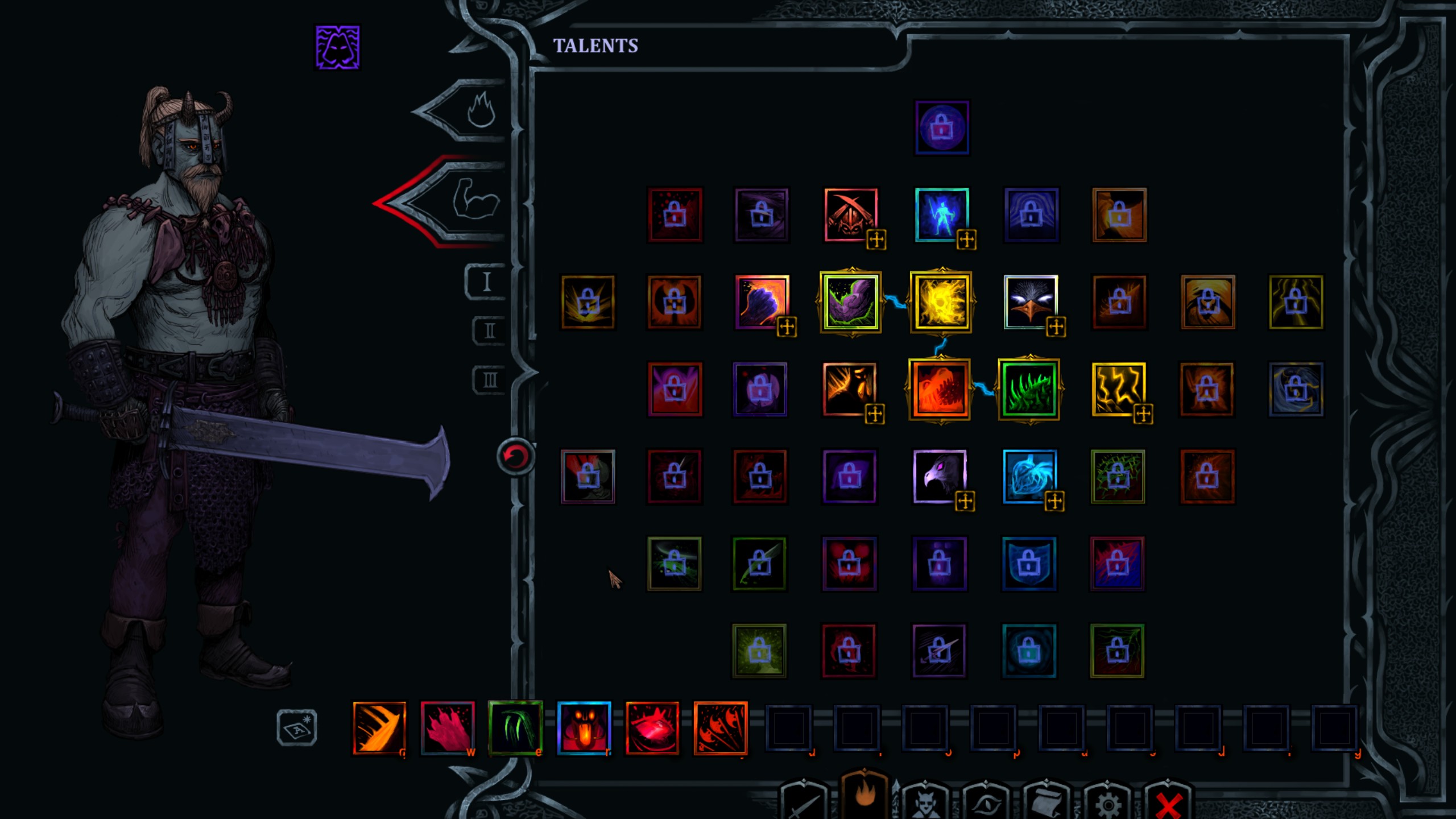
You begin as either a warrior or sorcerer before developing into one of six specializations. Physical paths support aggressive melee, spectral survivability and demonic damage, while magical options cover fire, poison, disease, gravity and time manipulation. Each level provides points for Strength, Health, Magic Power or Mysticism, while completely clearing an area of enemies awards two additional points. Sadly, hunting down weaker enemies can eventually feel like mandatory cleanup.
Class abilities are only part of character development. After the first major dungeon, you permanently pledge yourself to Satan, Leviathan, Mammon, Baal, Asmodeus or Beelzebub. Each demonic path adds another collection of active and passive powers on top of the chosen class.
Leviathan, for example, supports magical critical hits, area damage, elemental explosions and mana restoration. Killing one enemy can trigger an explosion against everything else while simultaneously restoring mana and activating equipment effects. Discovering combinations like this is enormously satisfying.

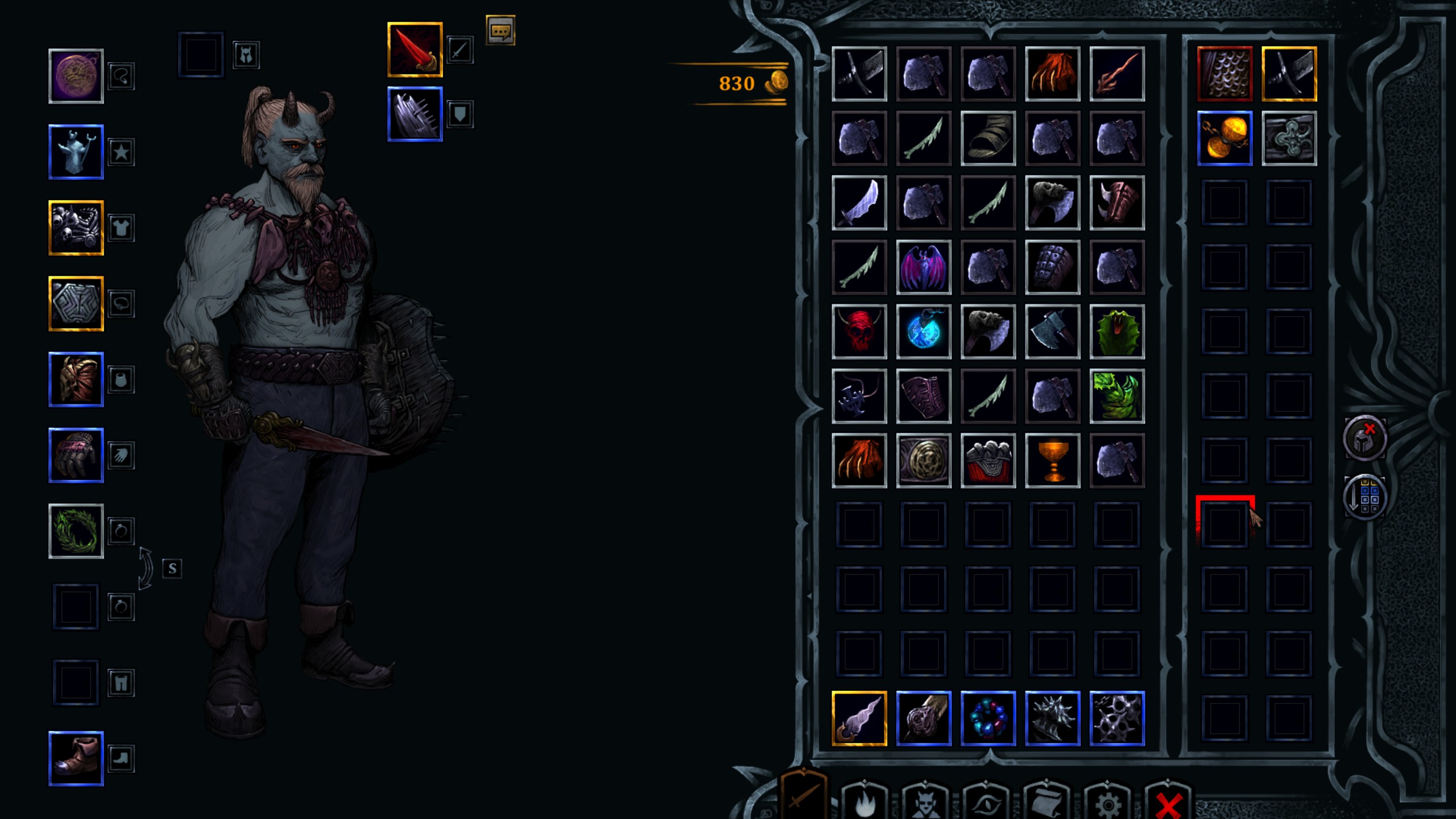
Randomized equipment gives HellSlave II a noticeable Diablo-like quality. There are approximately a dozen equipment slots, several rarity levels and enough inventory space to accumulate a mountain of weapons, armour and accessories. Items can provide far more than basic statistical improvements. Equipment may add life-steal, retaliation damage, mana recovery, status effects, combat-opening attacks, on-kill bonuses or low-health benefits.
Socket-style customization provides another opportunity to refine a build. This means a single discovery can solve a serious problem. A vulnerable character might suddenly gain enough life-steal to remain healthy throughout a dungeon. Retaliation effects can transform defence into damage, while opening triggers may poison or injure enemies before the player manually attacks.
Equipment is plentiful and money is not especially difficult to obtain, allowing you to change direction when a build encounters resistant enemies. Unfortunately, abundance creates its own problem. Constantly comparing similar items interrupts exploration, low-value drops quickly accumulate and the absence of a convenient “loot all” option makes collection unnecessarily tedious.
Balance also becomes increasingly unstable. The most effective combinations can eliminate ordinary enemies before they act, undermining the same timeline system that initially made combat interesting.
Enemy design is visually excellent and mechanically varied. Creatures can disrupt mana, prevent healing, apply status effects or resist particular damage types. The better encounters combine enemies with complementary abilities, forcing you to prioritize targets and reconsider established rotations.
Bosses provide the strongest tests of preparation. Their larger health pools and specialized mechanics expose weaknesses that ordinary encounters may not reveal. A character built entirely around one damage type can suddenly struggle against the wrong resistance. Nevertheless, powerful poison, explosion, critical-hit and life-steal builds can bypass substantial portions of the challenge.
HellSlave II’s presentation remains its most immediately impressive feature. Its characters, demons and narrative sequences are entirely hand-drawn, using thick shadows and a restrained palette of grey, black, red and fiery orange. Environments cannot always match the detail of the illustrations, and the top-down protagonist looks comparatively generic. Combat animation is also limited and occasionally slows repeated encounters. Still, the creature designs and story panels give the game an identity that many larger RPGs lack.
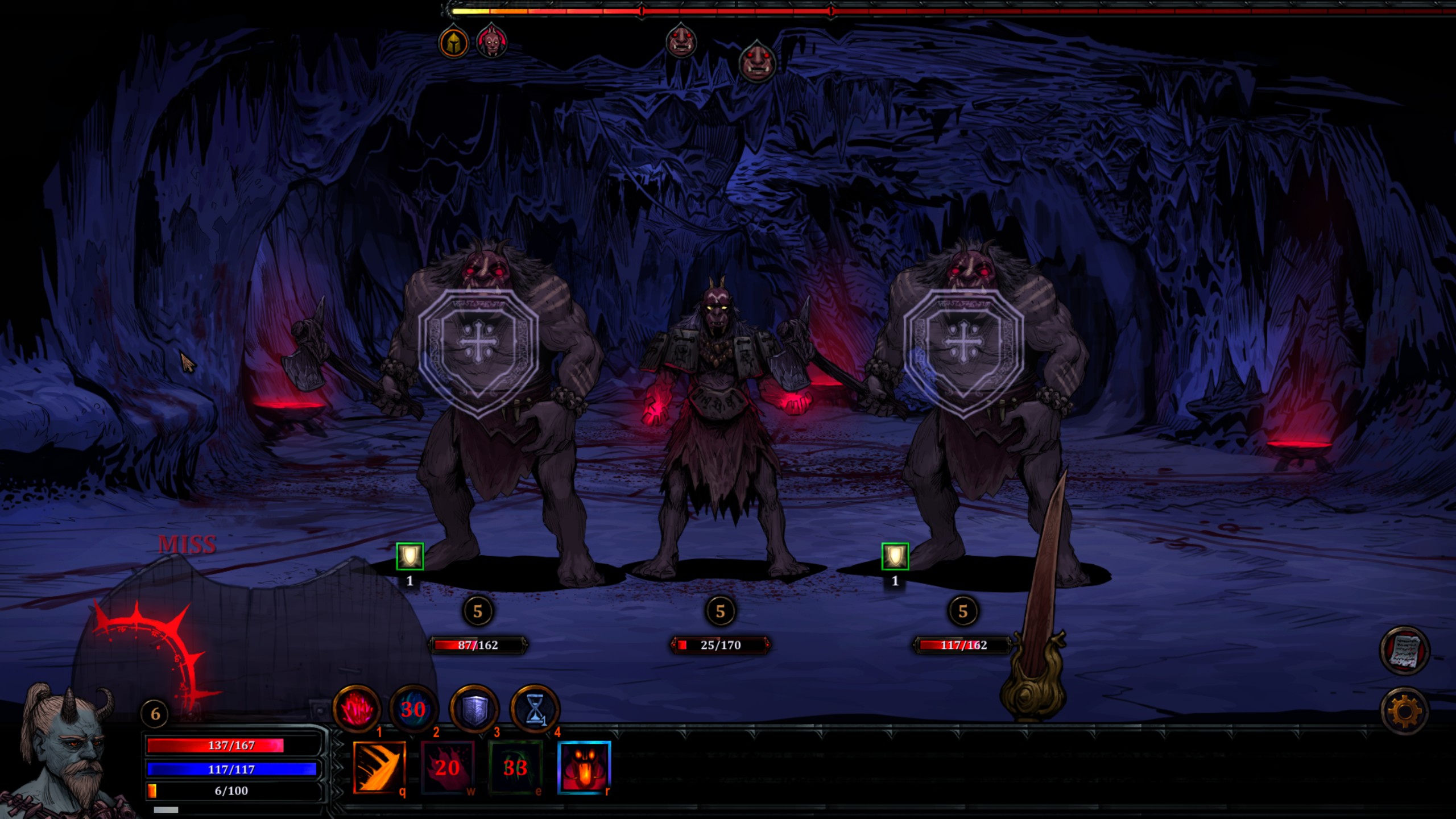
HellSlave II is larger, more customizable and mechanically more interesting than its predecessor. Its flexible classes, permanent demonic paths and transformative equipment provide tremendous opportunities for experimentation. Constructing a build in which several effects trigger from one perfectly timed attack is easily the game’s greatest achievement.
However, greater scale brings more repetition. Straightforward quests, excessive equipment management and easily solved encounters struggle to support the expanded world. The first game arguably remains darker, tighter and more morally unsettling, while the sequel offers a broader but more conventional RPG structure.
Judgment of the Archon is nevertheless an impressive accomplishment from a solo developer. Those who enjoy theorycrafting, randomized loot and methodical turn-based combat will find plenty to appreciate, even if its systems eventually become powerful enough to consume its challenge.
HellSlave II: Judgment of the Archon is a mechanically ambitious sequel that succeeds most strongly as a character-building RPG. Its timeline combat, permanent demonic allegiances and transformative equipment create enormous room for experimentation, while discovering a build in which several effects trigger from one attack can be incredibly satisfying. Its expanded scale also exposes its weaknesses. Repetitive quests, predictable encounters, excessive loot management and unstable balance prevent the journey from remaining equally engaging throughout. The original may have been tighter and more oppressive, but the sequel is broader, more customizable and significantly deeper.
Ending Thoughts
Review copy provided by the publisher
After showing me Prospera at Gamescom 2026, Toplitz Productions' Mathias Oertel moved to a very different kind of settlement builder.…
![[GAMESCOM 2026] Prospera Preview – Production, Prosperity and Victorian Industry](https://www.indie-games.eu/wp-content/uploads/2026/09/Prospera-09-21-26-5-1024x576.jpg)
At Gamescom 2026, I met with Toplitz Productions' Mathias Oertel for a guided presentation of two upcoming games. One of…
Golden Swirl inventive card combat carries the experience, but repetitive rooms, weak upgrades and excessive dialogue hold it back.
![[GAMESCOM 2026] Wilderdark Preview – Ambitious Dinosaur Horror Game That Still Has Plenty to Prove](https://www.indie-games.eu/wp-content/uploads/2026/09/Wilderdark-1024x576.jpg)
Dinosaur survival horror game Wilderdark has one of those premises that immediately makes you wonder why more games have not…
![[PREVIEW] Tiny Metal 2 – Strategy Game That Wants You to Learn From Every Mistake](https://www.indie-games.eu/wp-content/uploads/2026/09/Tiny-Metal-2-1024x576.jpg)
I rarely enjoy discovering that my opening strategy was completely wrong, but Tiny Metal 2 made that process one of…
![[PREVIEW] Remothered: Red Nun’s Legacy – Ambitious Survival Horror That Needs More Polish](https://www.indie-games.eu/wp-content/uploads/2026/09/Remothered-Red-Nuns-Legacy-4-1024x576.jpg)
Remothered: Red Nun’s Legacy has a gripping atmosphere and promising survival tools, but its repetitive hiding and rough visuals need…
The Alighieri Circle: Dante’s Bloodline is difficult to recommend beyond players who are especially interested in Dante or enjoy solving…
Orc Incremental offers satisfying progression, entertaining totem combinations and enough content to justify its affordable price.
![[GAMESCOM 2026] Chronoscript: The Endless End Preview – Beautiful Pages Hide Deliberate Combat](https://www.indie-games.eu/wp-content/uploads/2026/09/Chronoscript-The-Endless-End-1-1024x576.jpg)
Chronoscript: The Endless End stands out from other Metroidvanias by blending 2D manuscript worlds with exploration inside a 3D manor.
![[GAMESCOM 2026] MegaGum Preview – Combat Hits Hard in This Sticky Platforming Adventure](https://www.indie-games.eu/wp-content/uploads/2026/09/MegaGum-09-09-26-5-1024x576.jpg)
MegaGum combines hard-hitting combat, varied weapons and Gum-powered platforming in a promising Gamescom 2026 demo.
![[GAMESCOM 2026] Delphinium Preview – Cozy Routine Mixed With Enjoyable Minigames](https://www.indie-games.eu/wp-content/uploads/2026/03/Delphinium--1024x665.jpg)
Delphinium mixes cozy farming, exploration and relationships with enjoyable fishing, cooking and forging minigames in its Gamescom 2026 demo.
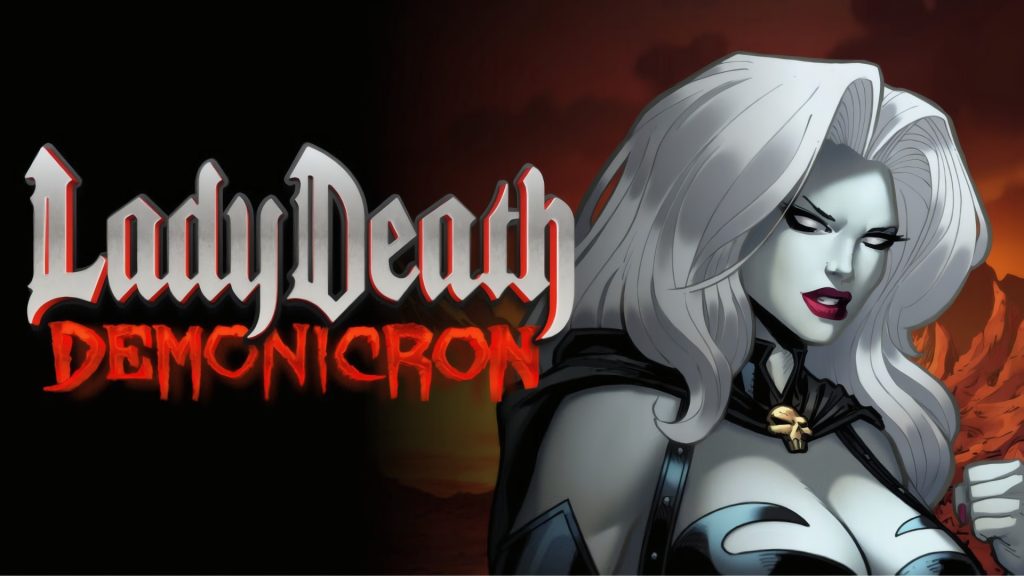
Lady Death: Demonicron looks the part, but underneath its excellent comic-book exterior is a clunky and painfully short brawler.
![[GAMESCOM 2026] Tomb Raider: Legacy of Atlantis Preview – Expands the Original Without Losing Its Identity](https://www.indie-games.eu/wp-content/uploads/2026/09/tomb-raider-legacy-of-atlantis-06-02-26-1-1024x576.jpg)
Tomb Raider: Legacy of Atlantis brings Lara back to her roots, but its Gamescom 2026 showing proved this is far…
![[GAMESCOM 2026] Clive Barker’s Hellraiser: Revival Preview – Ready to Open the Box](https://www.indie-games.eu/wp-content/uploads/2026/09/Clive-Barkers-Hellraiser-Revival-08-30-26-1-1024x576.jpg)
Hellraiser: Revival preserves the franchise’s sex, gore and psychological horror while delivering approachable survival-horror gameplay.

Swan Song creates a peaceful and forgiving puzzle space without removing the challenge that makes solving a difficult puzzle rewarding.
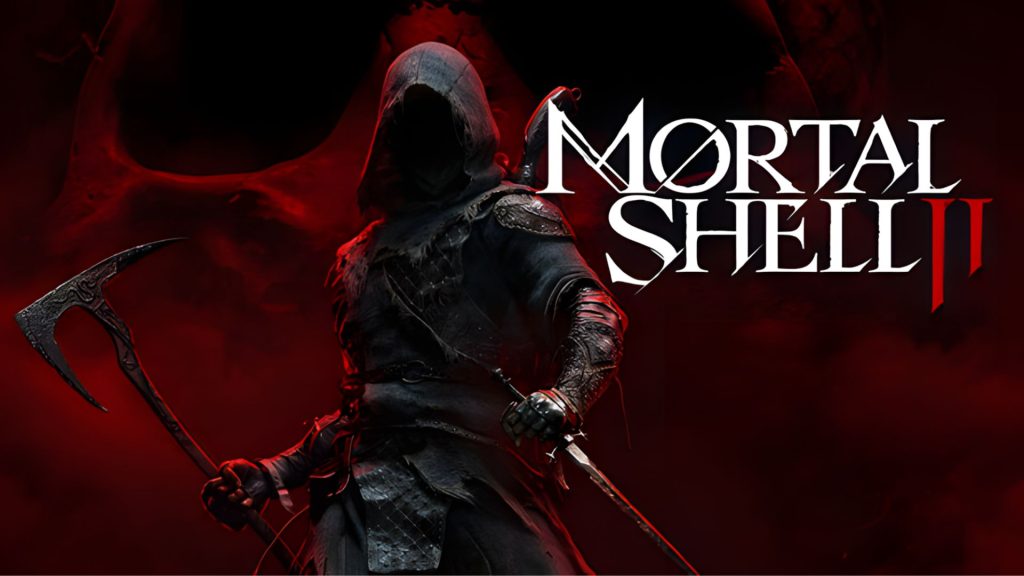
Mortal Shell II starts brilliantly but grows repetitive and exhausting, while remaining a rewarding and ambitious Soulslike sequel.
![[GAMESCOM 2026] Terranigma Preview – A Lost SNES Classic Returns in 2027](https://www.indie-games.eu/wp-content/uploads/2026/08/Terranigma-1-1024x576.jpg)
After more than three decades of limited availability, Terranigma is returning in 2027. We played its enhanced re-release at Gamescom…

Reading another person’s mind is often presented as a desirable superpower, but Sister Other Paranoia immediately understands why it could…
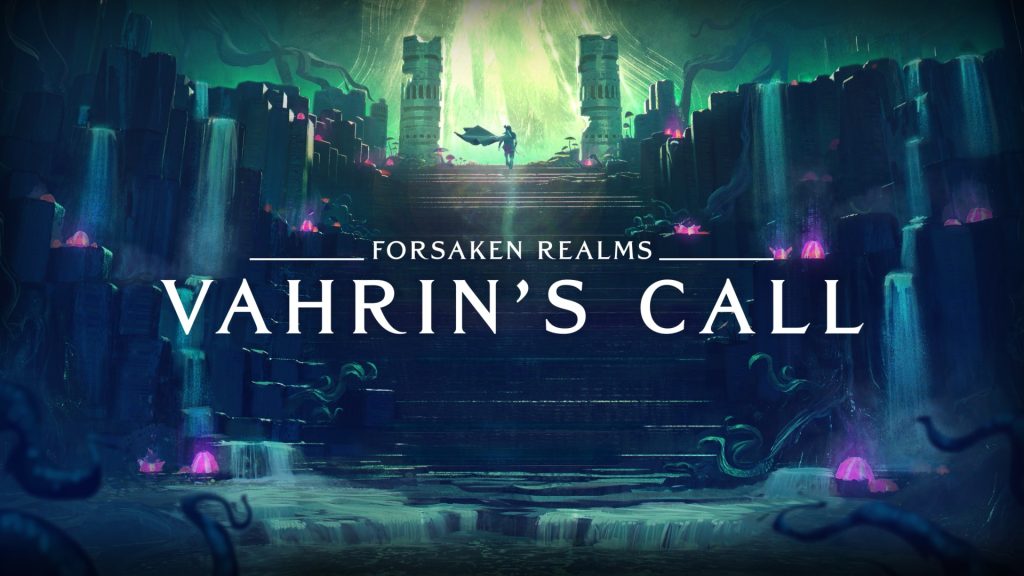
Forsaken Realms: Vahrin’s Call is exactly the kind of ambitious, slightly clumsy fantasy RPG that used to be far more…
![[Early Access] 2nd EVE – Sci-Fi Action RPG That Lacks a Sense of Stakes](https://www.indie-games.eu/wp-content/uploads/2026/08/2ND-EVE-1024x576.jpg)
2nd Eve is a space-set action RPG in which we strive to save humanity.
