![[GAMESCOM 2026] Clive Barker’s Hellraiser: Revival Preview – Ready to Open the Box](https://www.indie-games.eu/wp-content/uploads/2026/09/Clive-Barkers-Hellraiser-Revival-08-30-26-1-1024x576.jpg)
[GAMESCOM 2026] Clive Barker’s Hellraiser: Revival Preview – Ready to Open the Box
Hellraiser: Revival preserves the franchise’s sex, gore and psychological horror while delivering approachable survival-horror gameplay.


If you enjoy independent indie game coverage, consider supporting Indie-Games.eu on Patreon. It helps keep the site independent.
Fairy tales rarely ask what happens when the prince never shows up. Hungry Horrors does, and then hands the princess a ladle instead of a sword. Launching into Early Access on Steam, Hungry Horrors is a roguelite deck-builder that centers on an unexpectedly unique idea: monsters from British and Irish folklore aren’t meant to be slain, they’re meant to be fed. The result is a game that feels strategic without being overwhelming and confident in its theme from the very first run.
You play as a princess who wakes up trapped, mildly annoyed and fully convinced that rescue is coming. That belief ends quickly. With the help of a talking cat named Lady Catherine, she stumbles into a role she never wanted: saving the kingdom herself through cooking. The narrative doesn’t aim for drama, instead leaning into dry humor and self-awareness. The princess complains, resists responsibility, and yet steadily becomes more capable, which gives the game a subtle arc that unfolds naturally through play rather than cutscenes.
Hungry Horrors’ defining strength is how completely it commits to its culinary identity. Every encounter revolves around food. Your “weapons” are traditional dishes, your upgrades are cookware and seasonings and your enemies are horrors with very specific appetites. Each monster advances toward you as turns pass and your goal is to satisfy their hunger before they reach you. Failure sends you back to the start, but like any good roguelite, death is simply another step toward mastery.
The combat system revolves around cravings. Dishes fall into flavor categories such as sweet, savory, bitter, sour, and salty and monsters respond differently depending on both the dish itself and the craving it satisfies. Playing the right sequence of meals builds favor combos that dramatically accelerate your progress, while feeding a monster something it hates can undo your momentum in an instant. The game constantly encourages you to plan, asking you to think not just about your current hand, but about what you want to serve next.
Seasonings add another layer to this system. Herbs and spices collected during a run can be applied to dishes at specific moments, altering their effects and opening up new strategies. Even small tweaks can dramatically change how a deck performs, which makes experimentation feel rewarding rather than risky. Hungry Horrors is a very addictive game and once you get the hang of it, it’ll be very difficult to put down.
Between runs, progression is handled through permanent unlocks and upgrades. As you play, you’ll unlock new recipes, biomes, ingredients, potions, starting bonuses and various improvements that steadily expand your options. Also, do keep in mind that the structure is quite welcoming. Enemy intentions are clearly displayed, icons are explained directly on cards and rules reminders are always within reach.

One of the game’s most enjoyable features is its lore book, which provides background on every horror you encounter. These entries aren’t just pure text; they inform you by explaining why a creature might love one dish and despise another. Once you discover which dish creature loves and hates, it will always be displayed later so you don’t have to think twice about it.
Each biome contains multiple stages, side encounters, vendors, and bosses and after clearing an area you can choose where to go next. Do you revisit familiar territory to strengthen your deck, or push forward into unknown regions with higher risks and rewards? In fact, in its current Early Access state, Hungry Horrors already includes a healthy variety of areas, creatures, dishes, and NPCs, giving it a strong foundation to build upon.
As with most Early Access titles, Hungry Horrors isn’t without room for improvement. Deck management during reward selection could be better, especially when trying to track how many copies of a dish you already own. Difficulty is also on the forgiving side and certain craving chains can feel disproportionately powerful. What’s most impressive is how complete Hungry Horrors already feels. The pacing is solid and the option to speed up movement and combat is a welcome touch. The core systems are clearly defined, with the focus now mostly on adding new content.
That said, once I found a build I really liked, it became difficult to switch to another. In fact, having more cards in your deck can feel worse. The rarer the dish, the better, since it rewards you with more points. Getting your combos right from the beginning is also crucial, as mistakes can make later stages much harder. I do like the idea that better recipes unlock better cards, encouraging you not to always start from scratch, since cooking in the main hub can already give you a strong deck.

Hungry Horrors doesn’t rely on radical reinvention to stand out. Instead, it succeeds by aligning its mechanics, humor and theme into a cohesive whole. Feeding monsters instead of fighting them isn’t just a clever hook, it shapes every part of the experience. With a strong Early Access launch and a clear sense of identity, Hungry Horrors feels less like a work-in-progress and more like a feast that’s already worth sitting down for, even if the full menu is still on the way.
Review copy provided by the publisher
Hellraiser: Revival preserves the franchise’s sex, gore and psychological horror while delivering approachable survival-horror gameplay.

Swan Song creates a peaceful and forgiving puzzle space without removing the challenge that makes solving a difficult puzzle rewarding.
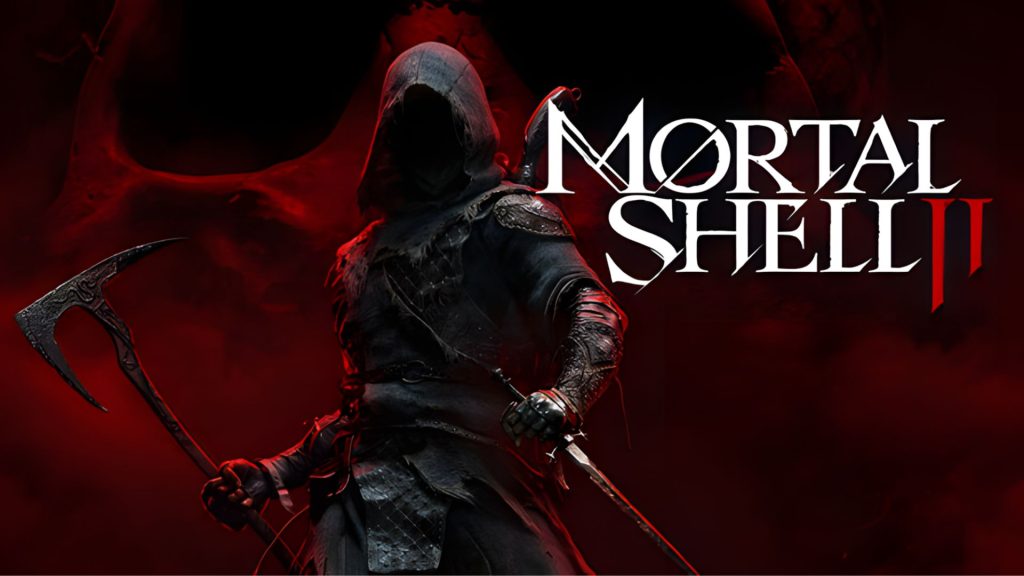
Mortal Shell II starts brilliantly but grows repetitive and exhausting, while remaining a rewarding and ambitious Soulslike sequel.
![[GAMESCOM 2026] Terranigma Preview – A Lost SNES Classic Returns in 2027](https://www.indie-games.eu/wp-content/uploads/2026/08/Terranigma-1-1024x576.jpg)
After more than three decades of limited availability, Terranigma is returning in 2027. We played its enhanced re-release at Gamescom…

Reading another person’s mind is often presented as a desirable superpower, but Sister Other Paranoia immediately understands why it could…
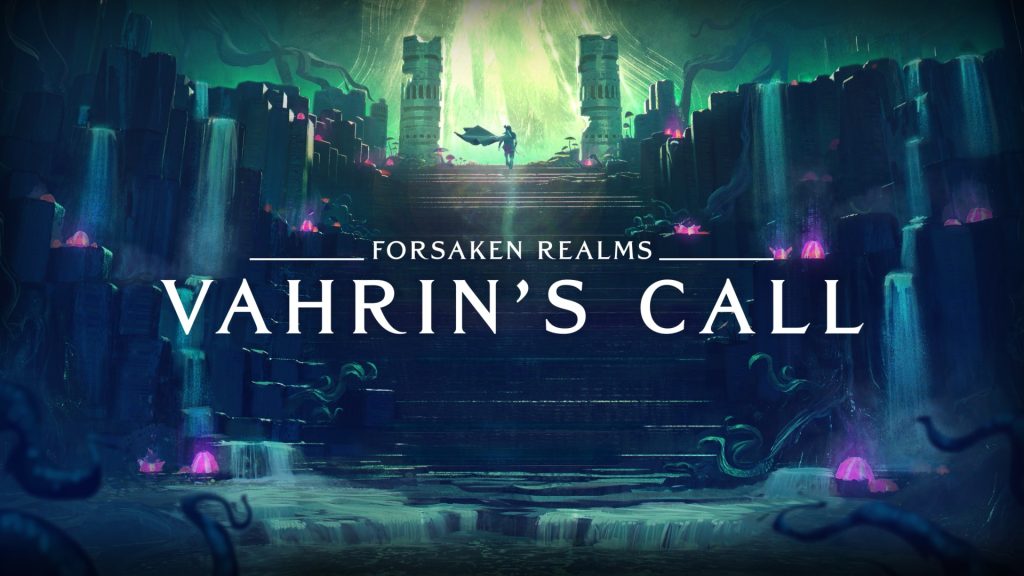
Forsaken Realms: Vahrin’s Call is exactly the kind of ambitious, slightly clumsy fantasy RPG that used to be far more…
![[Early Access] 2nd EVE – Sci-Fi Action RPG That Lacks a Sense of Stakes](https://www.indie-games.eu/wp-content/uploads/2026/08/2ND-EVE-1024x576.jpg)
2nd Eve is a space-set action RPG in which we strive to save humanity.
![[PREVIEW] Dreamcards – Strategic Exploration of Consciousness](https://www.indie-games.eu/wp-content/uploads/2026/08/Dreamcards_20260810_233631_0000-1024x576.jpg)
Dreamcards is a roguelike deckbuilder centered around dreams and nightmares.
![[Early Access] OFFBEAT – Incredibly Fun Way to Start a Music Career](https://www.indie-games.eu/wp-content/uploads/2026/08/Offbeat_20260808_201446_0000-1024x576.jpg)
In OFFBEAT, we play the role of a jobbing composer who is launching their music career.
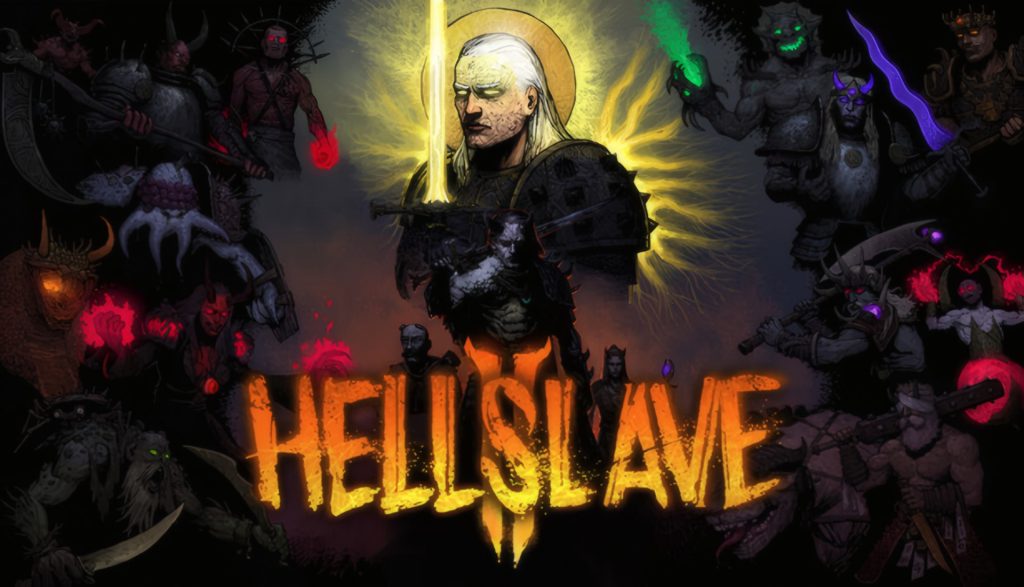
HellSlave II retains the original’s oppressive atmosphere, morally grey world and striking art while adding a larger world, randomized loot…
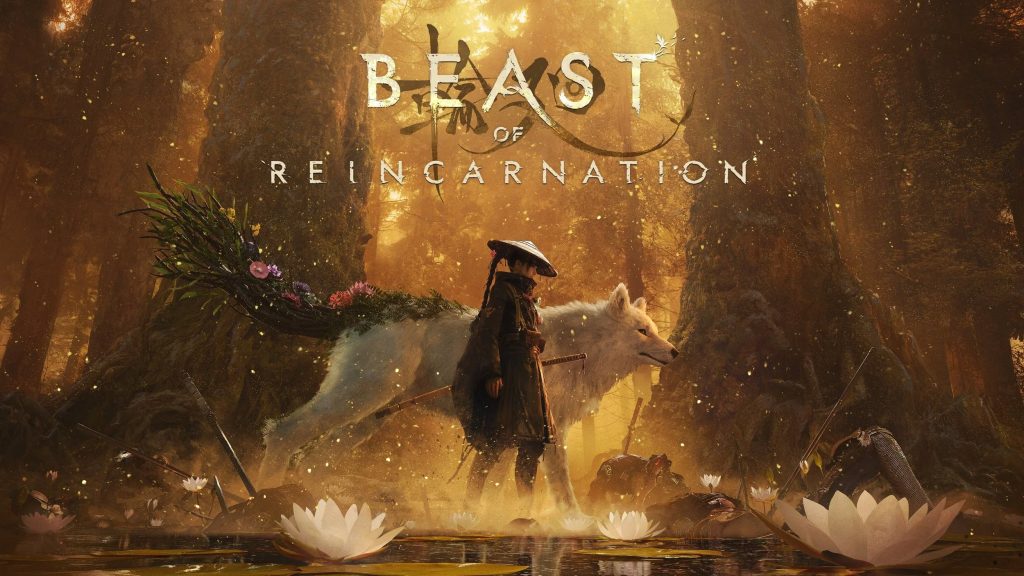
Beast of Reincarnation is an ambitious but uneven action RPG elevated by satisfying parry combat, beautiful art direction and the…

K-pop Idol Stories: Road to Debut captures the pressure of building idol group, but its management systems never explore that…
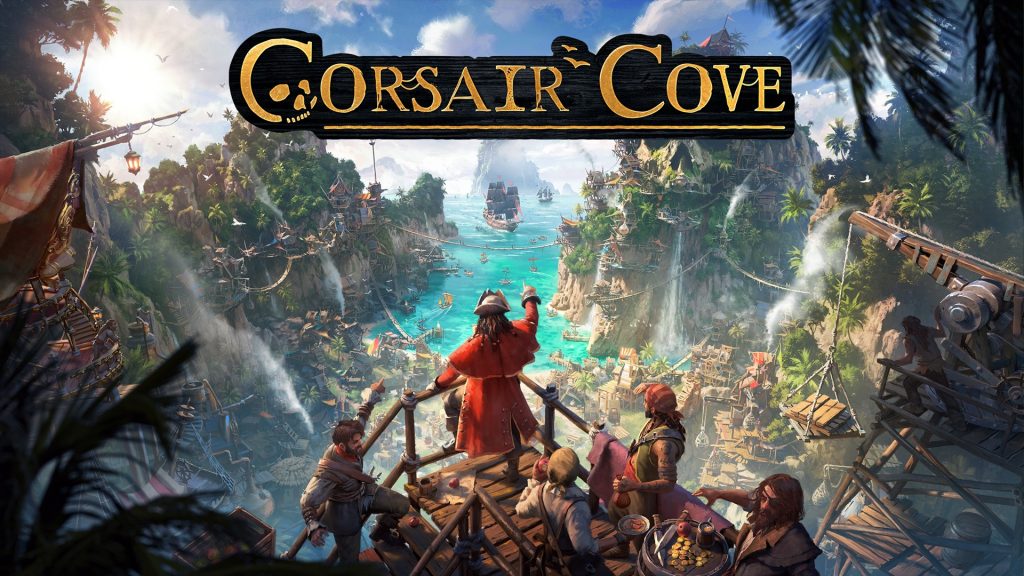
Hooded Horse keeps finding strategy games that know their audience, and Corsair Cove extends its impressive run of excellent city-builders.
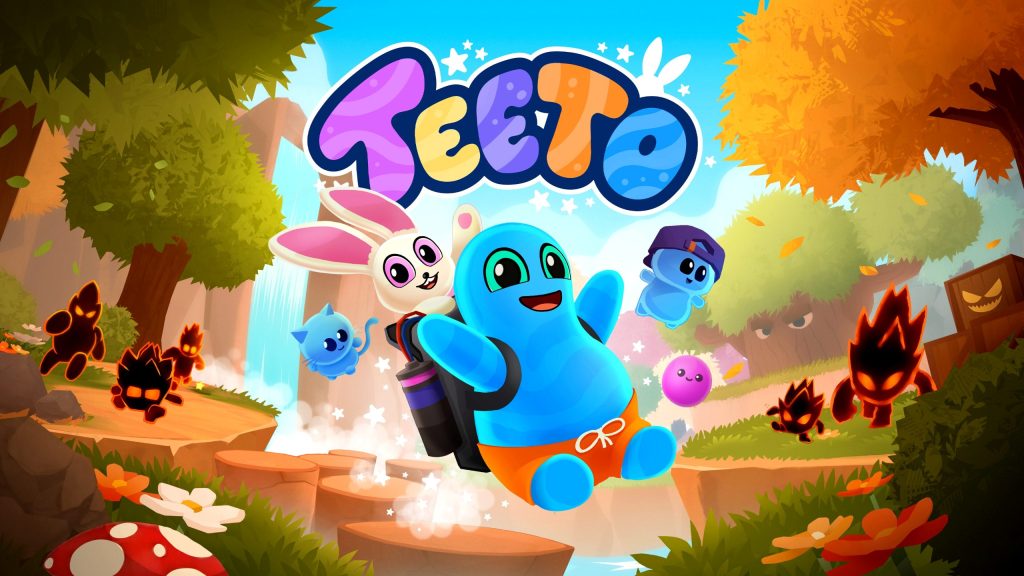
Teeto is a warm, cozy, creative and highly enjoyable 3D platformer that understands why classic collectathons remain so appealing.

Turnip Mountain stands out for its combination of a unique control system and a minimalist approach.
Dystopicon is an imaginative and memorable narrative experiment with sharp social commentary, engaging world-building and several wonderfully absurd scenarios.
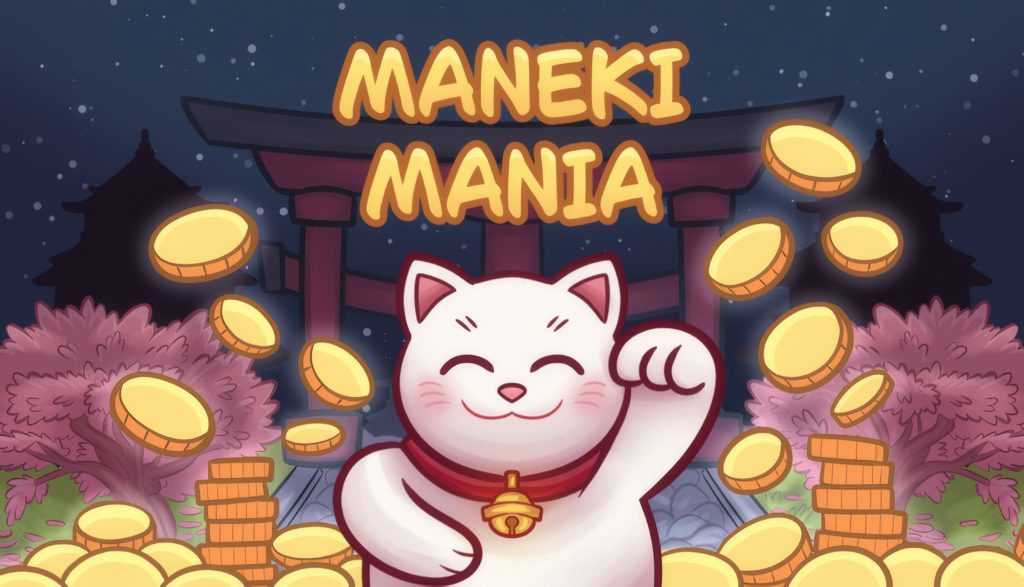
Maneki Mania is an incremental game centered around petting a lucky cat.
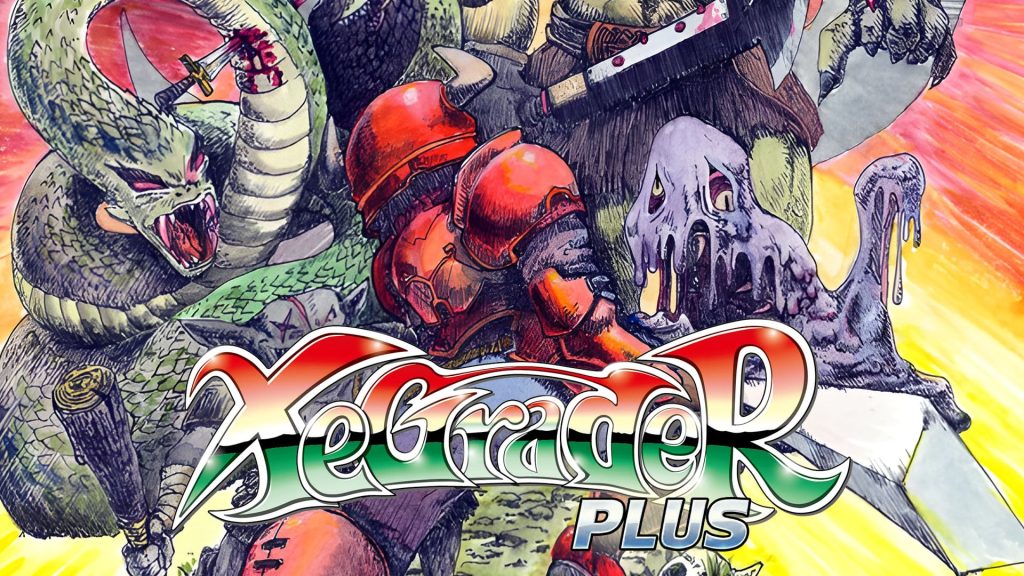
XeGrader Plus delivers colorful retro shooting, but basic mechanics, a short campaign and paid retro modes make its €20 price…
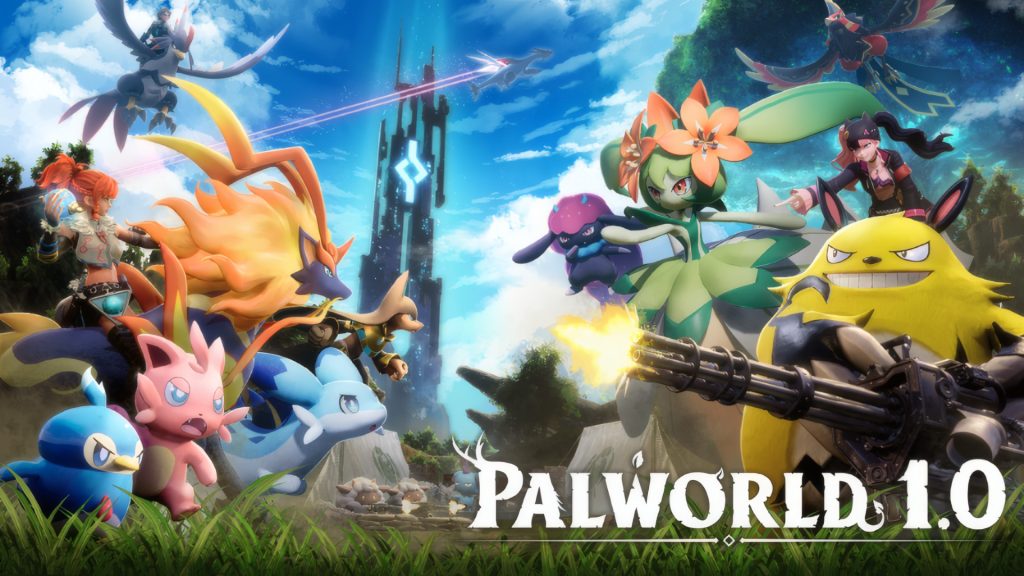
It has been roughly two and a half years since Palworld first entered Early Access, and quite a lot has…
![[EARLY ACCESS] The Last Caretaker – Survival Game I Cannot Stop Playing](https://www.indie-games.eu/wp-content/uploads/2026/07/The-last-Caretaker-Key-Art-1024x587.jpg)
The Last Caretaker is a compelling survival crafter with a flooded world and mobile base, but weak combat and performance…
