RPCS3 Can Now Play 75% of the PlayStation 3 Library Without Game-Breaking Issues
Sony will close the PlayStation 3 Store in July 2027, while RPCS3 fully supports 75% of the console's library, highlighting…


If you enjoy independent indie game coverage, consider supporting Indie-Games.eu on Patreon. It helps keep the site independent.
I couldn’t help it, I really couldn’t. I dropped every single game I was playing, grabbed the GOG version while it was on sale, and dove straight back into my childhood. What genuinely surprised me is just how well Total War: MEDIEVAL II still holds up. Even 19 years after its release, it stands its ground remarkably well. It’s easily one of the best Total War games I’ve ever played, and I’m genuinely glad we’re finally getting a third entry in the series after such a long wait.
To this day, it’s probably the best medieval tactical and strategy game you can find, simply because nothing else truly compares anymore. The depth is incredible, the systems are layered, the combat feels great, and the sheer variety of units and campaign events creates pure immersion. After about 10 hours of playtime, I was reminded of how some of its mechanics are hilariously broken and never fixed. Things like spamming assassins to wipe out enemy generals, inquisitions falsely accusing your commanders, or a swarm of priests settling near your cities and wreaking havoc through religious unrest. Frustrating? Absolutely. Memorable? Without question. Every decision truly mattered.

The game offers a campaign mode, custom battles, and historical battles, but let’s be honest, you’ll spend dozens of hours leading a single nation to glory. The faction variety was already impressive at launch, letting you play as Russia, Spain, Egypt, and the Moors, as well as Hungary, Milan, Venice, and many more. The map was genuinely massive, which explains why the game spans multiple medieval periods, from the early era all the way to the late age, where gunpowder units and cannons enter the battlefield.
One detail I’ll never forget is the unique animations that trigger whenever a spy, priest, or assassin performs an action: entering a city, attempting an assassination, or burning someone at the stake. The marriage system and family tree were equally memorable. Your children could grow into generals, princesses acted as diplomats and could be married off, and following your family’s lineage over 300 years of in-game history felt deeply personal. Generals developed traits, formed families, aged visibly, and even grew gray hair, creating personal narratives, something largely lost in newer entries with simplified systems.
Before even getting to battles, the campaign management deserves praise. You could micromanage multiple cities or automate them if you preferred. Settlements could be developed into either towns or castles, each offering different building paths and unit tiers. You had to manage food supplies, public order, happiness, and tax rates, while random events like earthquakes, volcanic eruptions, famine, and disease constantly disrupted your plans. Religion, excommunication, and rebellions played huge roles as well, and yes, rebellions were incredibly annoying, but they made sense within the broader simulation.

Diplomacy wasn’t particularly deep, but it worked. You could trade, exchange map information, form alliances, and pressure factions into attacking others. In many campaigns, I even forgot about diplomacy because of how barebones it was, but early on it could be crucial for securing alliances and avoiding being attacked from all sides.
Combat, however, was consistently thrilling. You never knew how a battle would end, and the tactical depth was impressive. Spearmen countered cavalry, archers were good againts infantry, cavalry could decimate ranged units, but nothing felt completely broken. Unit tiers mattered as technology advanced, and battles evolved over time. For its era, the animations added real flavor, especially execution scenes during massive engagements.
The engine could handle huge armies clashing at once, making large-scale battles truly epic. Ambushes and night attacks added further strategic layers, and there was nothing more satisfying than defeating a 1,000-strong enemy army with just 500 barely capable troops. Grouping units, defensive formations, and cavalry flank maneuvers all played important roles, and castle sieges, whether defending or assaulting, were a core, unforgettable part of the experience.

Major historical events like the Mongol invasion, the rise of the Timurids, the Black Plague, and the discovery of the Americas dramatically reshaped the campaign. The world constantly evolved. Even when you thought you were nearing the end after 100 turns, the game could easily stretch another 200 without ever feeling repetitive or boring. There was always something happening, and for me, the ultimate goal was always total conquest, or perhaps taking advantage of the Crusades.
Finally, there’s modding. Mods like Third Age, the Lord of the Rings mod, and many others overhaul the game with improved visuals and entirely new campaigns. That’s a big reason why Total War: MEDIEVAL II remains so relevant even today. I’ll keep coming back to it again and again until we finally get that third game, though I have to admit, I’m very tempted to revisit Total War: Rome or Shogun as well. We’ll see where nostalgia takes me next.
| Label | Meaning | Description |
|---|---|---|
| Timeless Classic | ⭐⭐⭐⭐⭐ | A retro game that remains outstanding today — endlessly replayable and still a joy to experience. |
| Aged but Golden | ⭐⭐⭐⭐ | Some mechanics have aged, but the fun, charm, or innovation still shines through. |
| Of Its Time | ⭐⭐⭐ | Enjoyable mainly for nostalgia — solid in context, but dated by today’s standards. |
| Left in the Past | ⭐⭐ | Historically interesting, but frustrating or dull to actually play now. |
| Retro Relic | ⭐ | Best remembered, not replayed — a museum piece more than a game. |
Sony will close the PlayStation 3 Store in July 2027, while RPCS3 fully supports 75% of the console's library, highlighting…
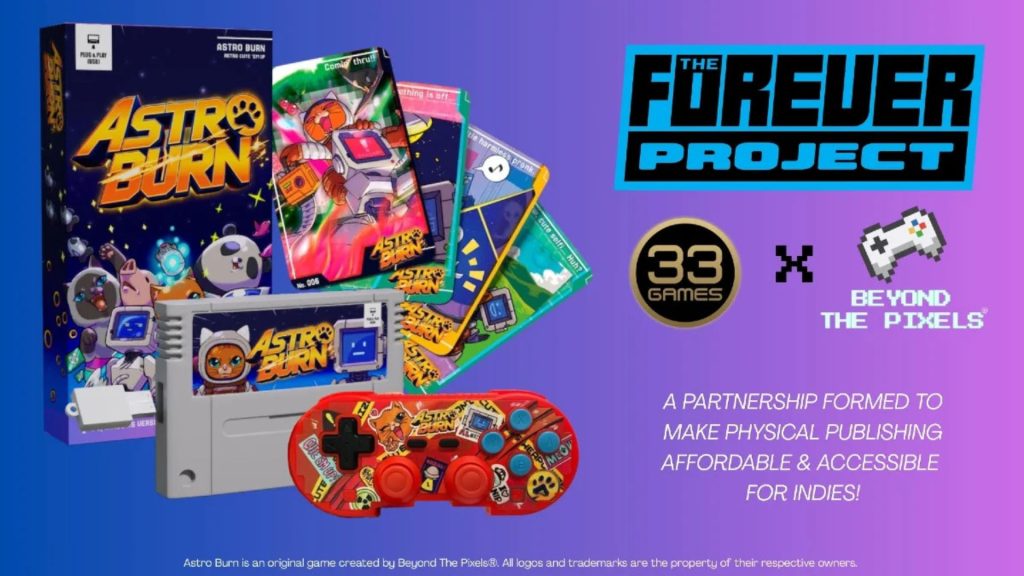
The Forever Project aims to make physical game releases more affordable for indie developers through a partnership between 33 Games…
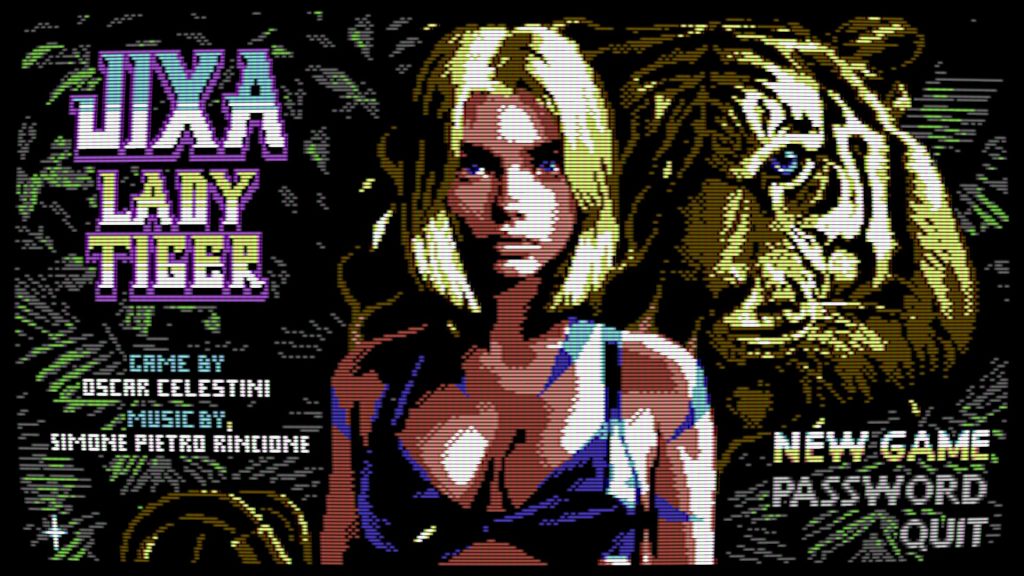
Indie developer Oscar Celestini is expanding his retro-inspired platformer with Jixa Lady Tiger Plus, an enhanced edition that significantly builds…
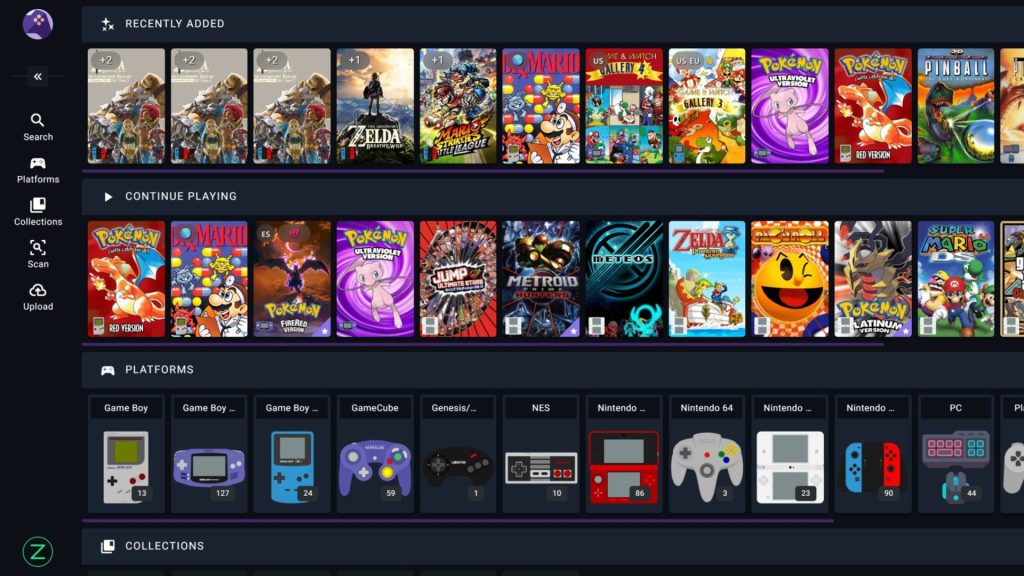
RomM is a free, open-source, self-hosted platform that organizes ROM libraries, fetches metadata, and supports browser-based emulation.
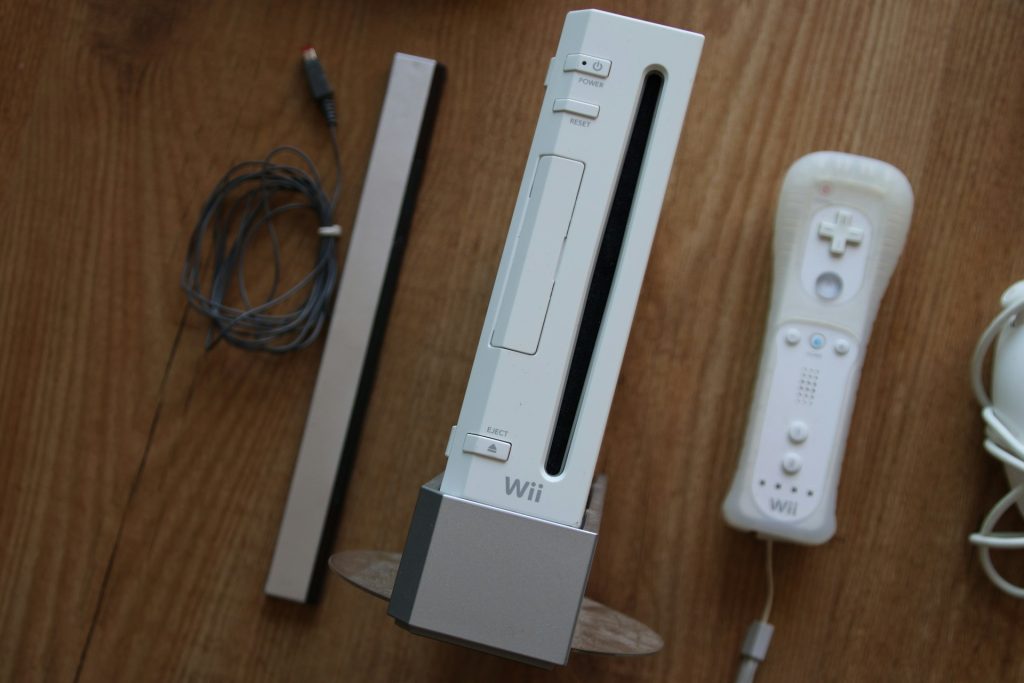
The developers behind Wii64 have released Beta 1.4, marking the Nintendo 64 emulator's first major update in more than five…
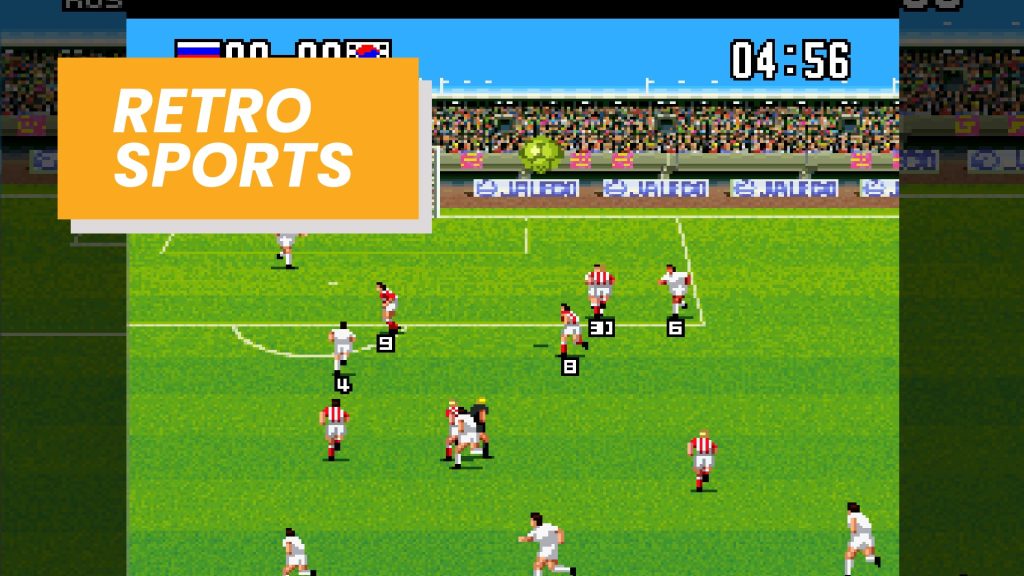
Rock It Games has brought Jaleco Sports: Bases Loaded II and Goal! Two to PC after successful Nintendo Switch and…
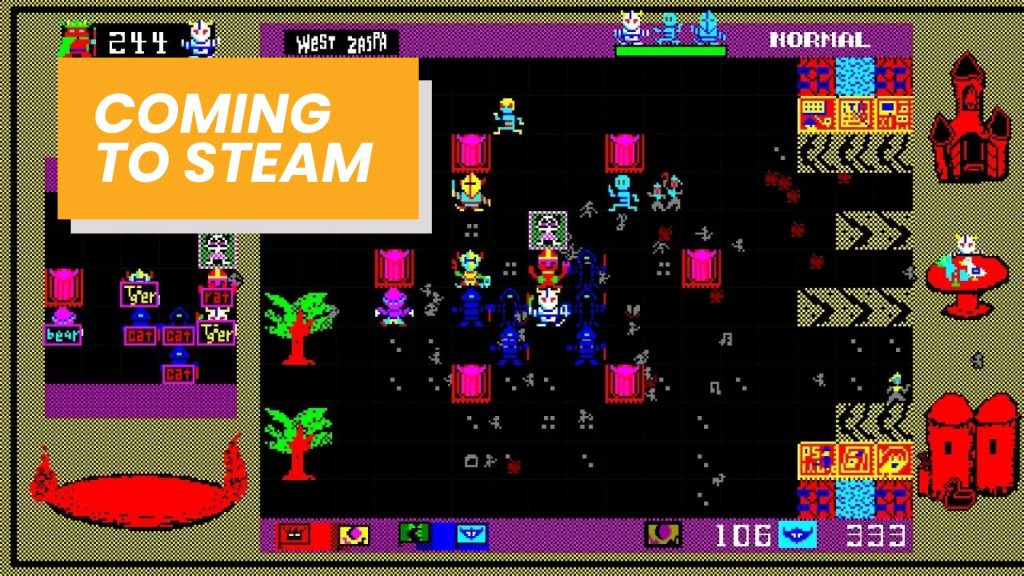
Developer Pygmy Studio has announced that Bokosuka Wars II will launch on PC via Steam in 2026, bringing the tactical…
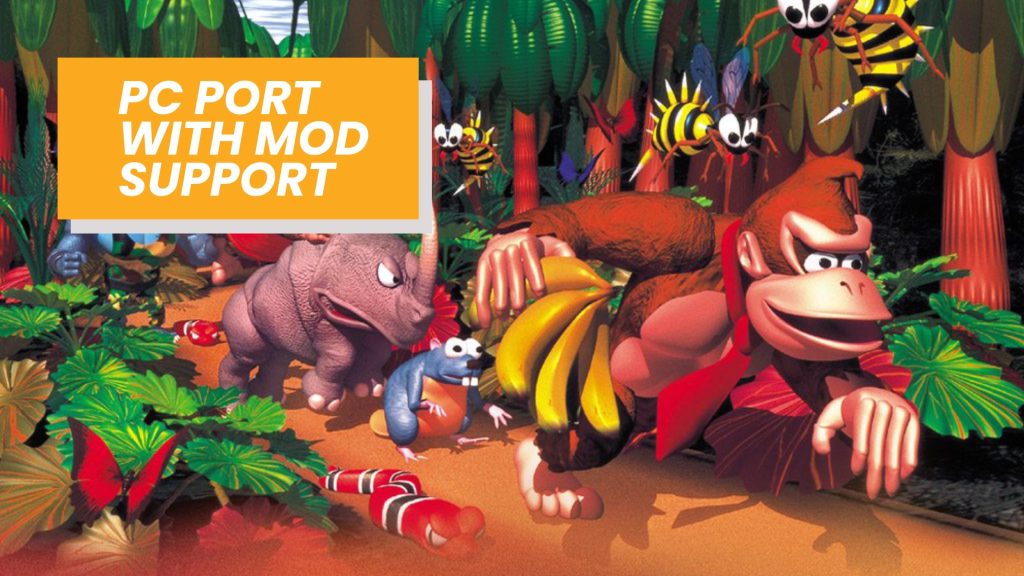
An unofficial native PC port of Donkey Kong 64 is in development, bringing rare's Nintendo 64 classic to modern hardware…
A fan-made native PC port of the original Spyro the Dragon is officially in development, bringing the 1998 PlayStation classic…
SNK has officially announced The Path of the Warrior: Art of Fighting 3 R, a modernized version of the 1996…
The developers behind ShadPS4 have introduced a major new feature that moves PlayStation 4 emulation closer to a complete experience.
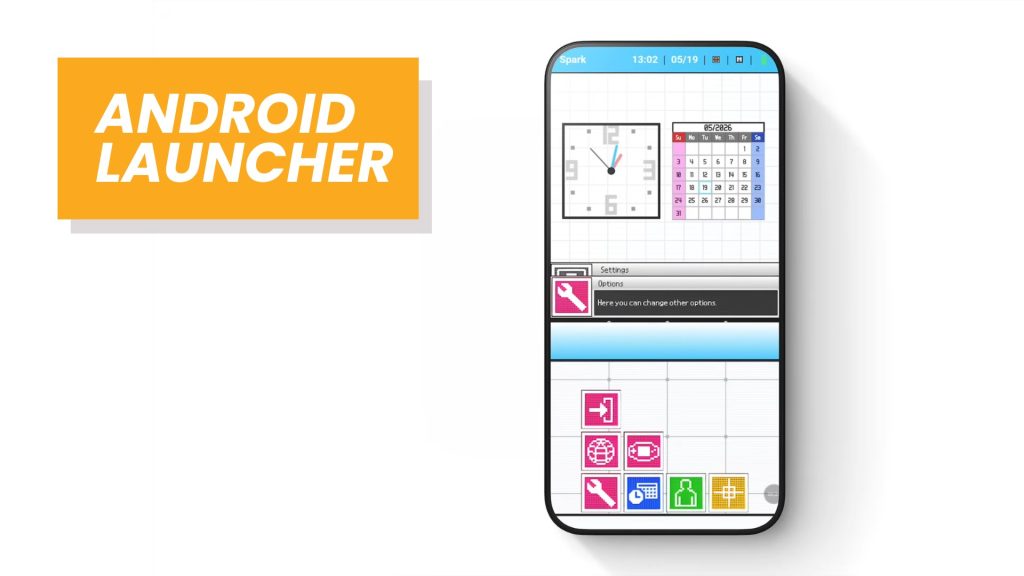
DS & DSi Launcher brings the classic Nintendo DS and DSi interface to Android, giving retro fans a nostalgic way…
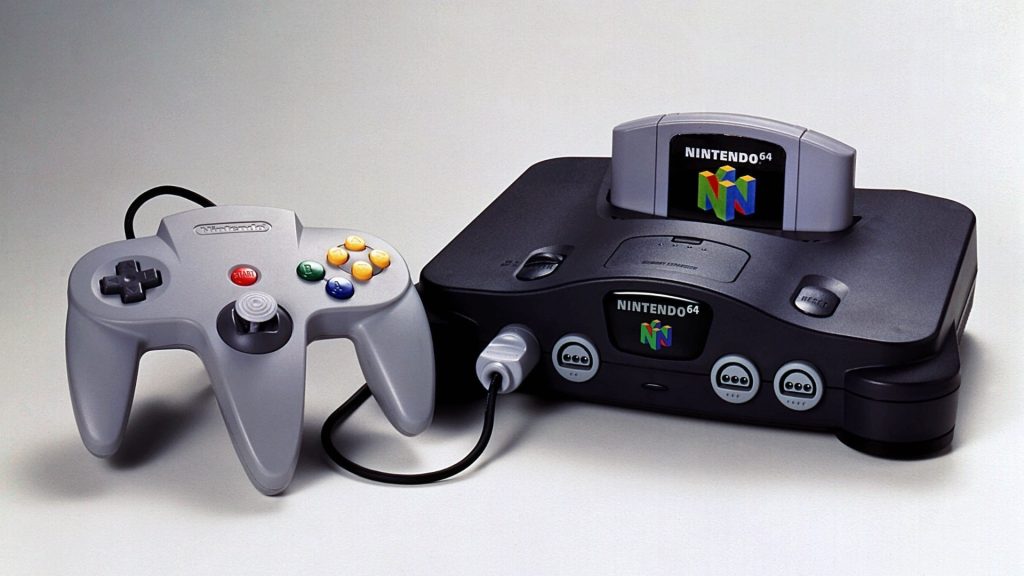
Today marks 30 years since the launch of the Nintendo 64 in Japan, and for many, that's enough to trigger…
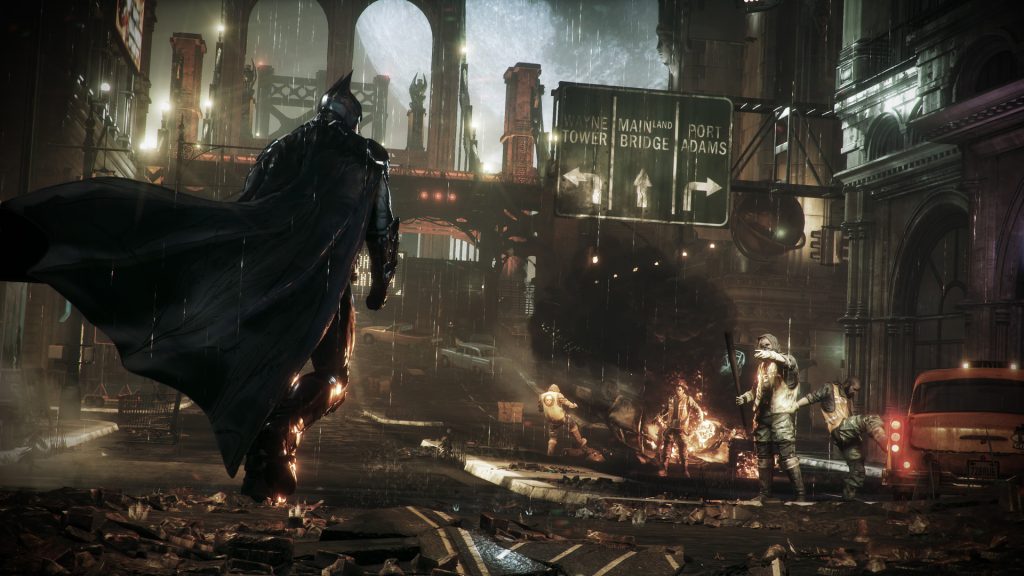
It's hard to believe, but Batman: Arkham Knight is officially 11 years old today. This title was Rocksteady's final chapter…
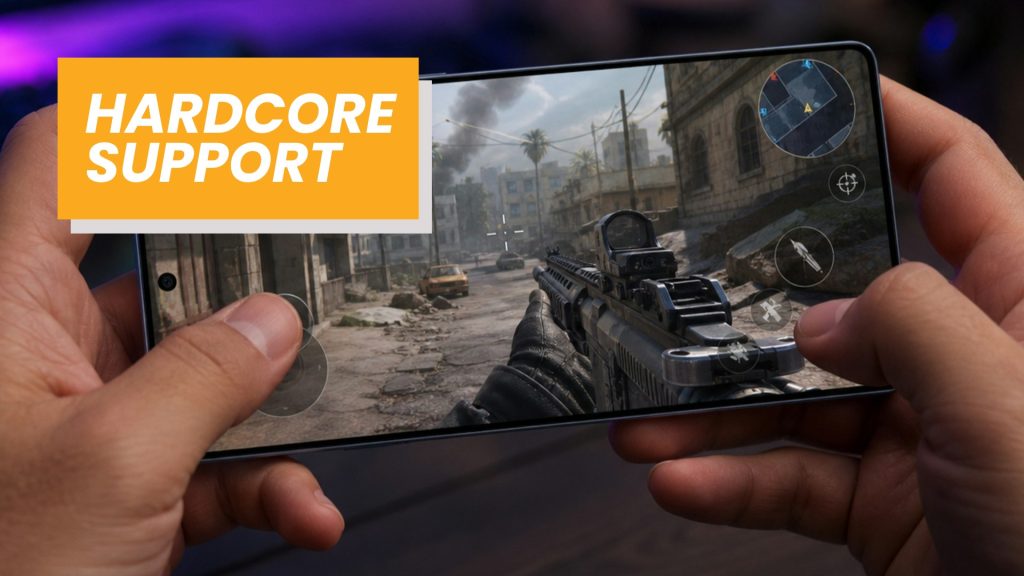
RetroAchievements has officially verified ARMSX2 as a hardcore-compatible emulator, allowing players to earn PlayStation 2 achievements on mobile devices.
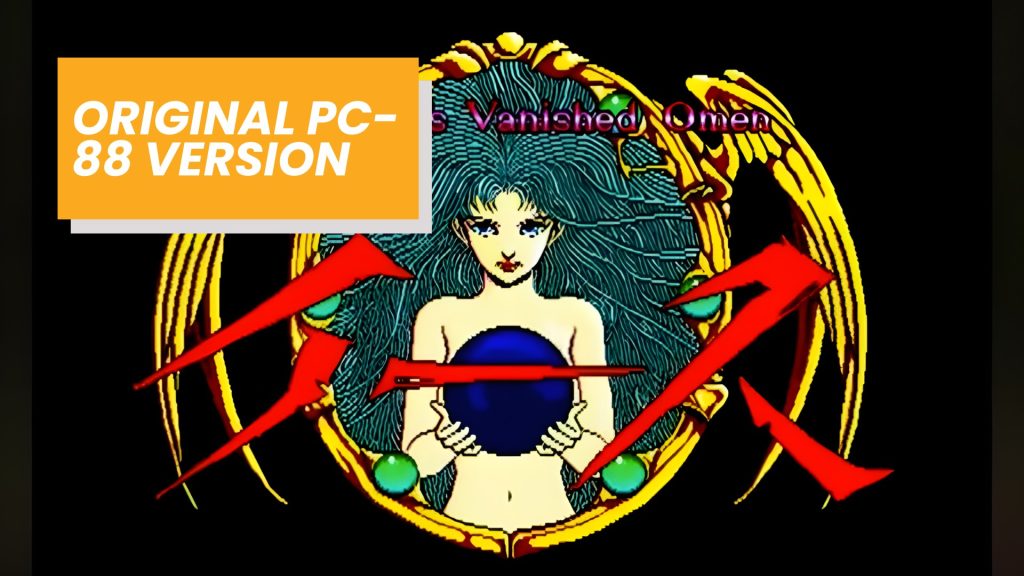
Thanks to a newly released fan translation, players can finally explore the original PC-88 version of Ancient Ys Vanished: Omen…
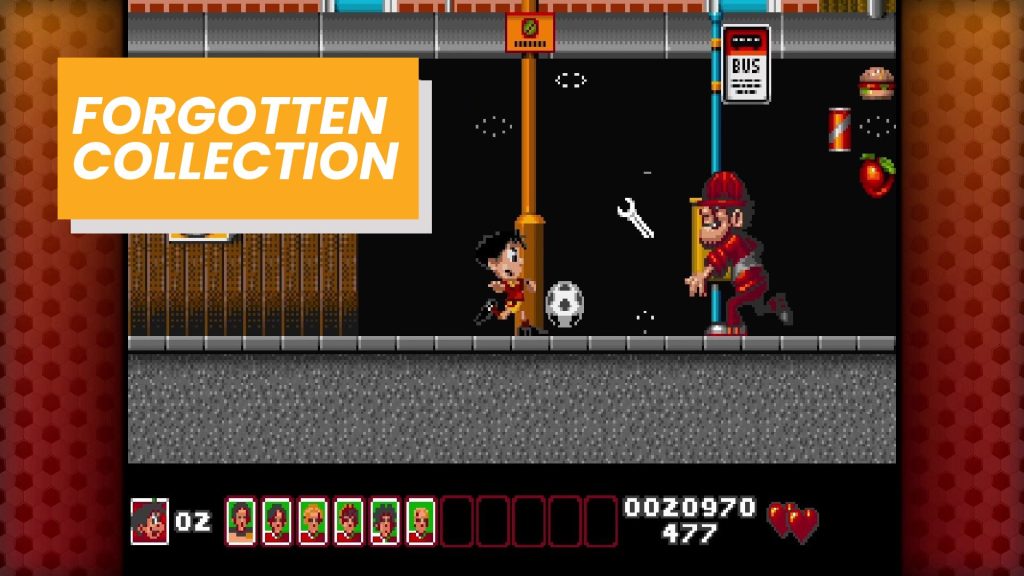
Soccer Kid Collection is officially out. QUByte Interactive has brought Krisalis Software’s classic platformer back to modern systems.
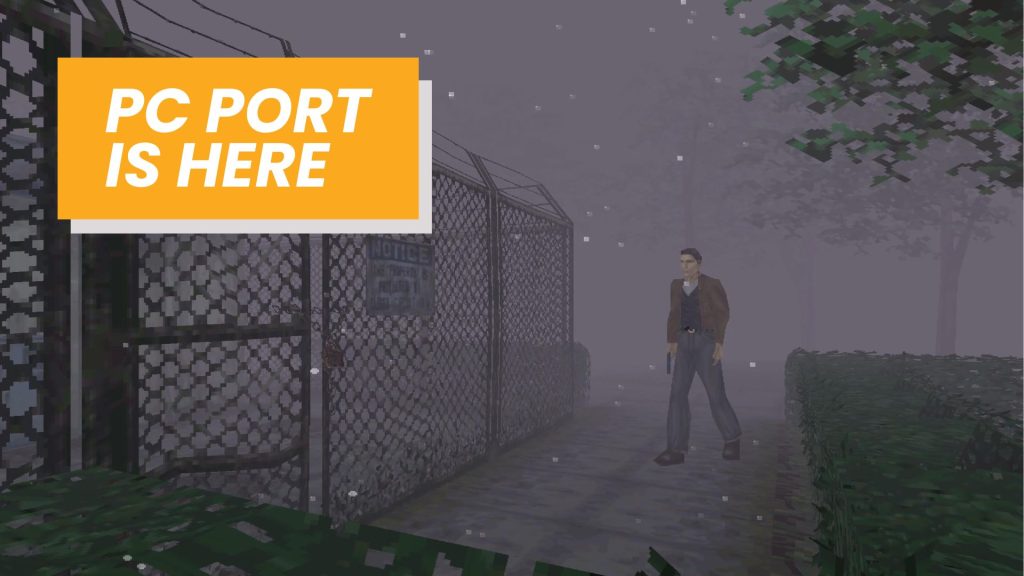
First public version of a native PC port for the original Silent Hill has been released, allowing players to experience…
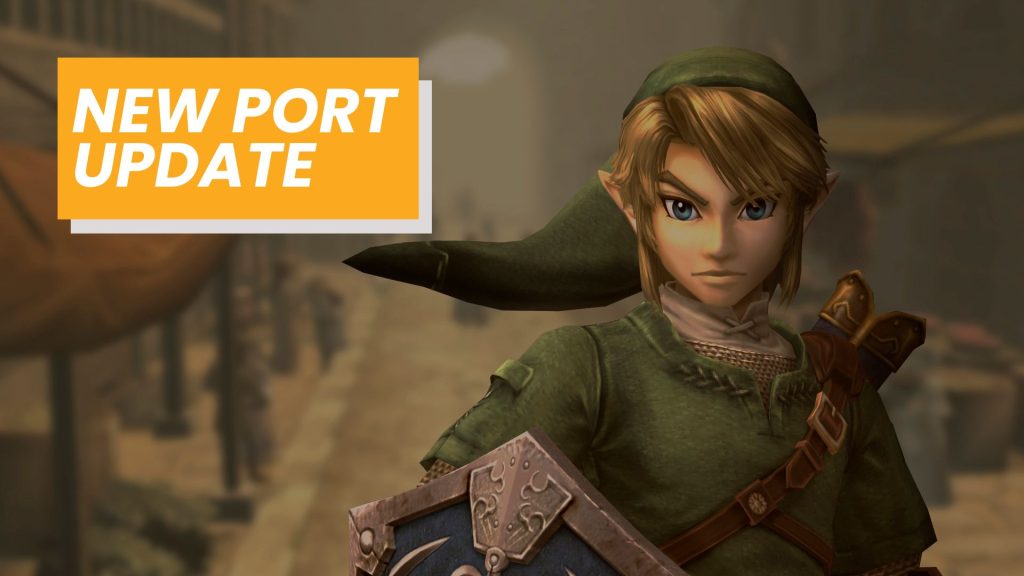
The team behind Dusklight has released version 1.4.0, introducing proper mouse support alongside a long list of performance improvements.
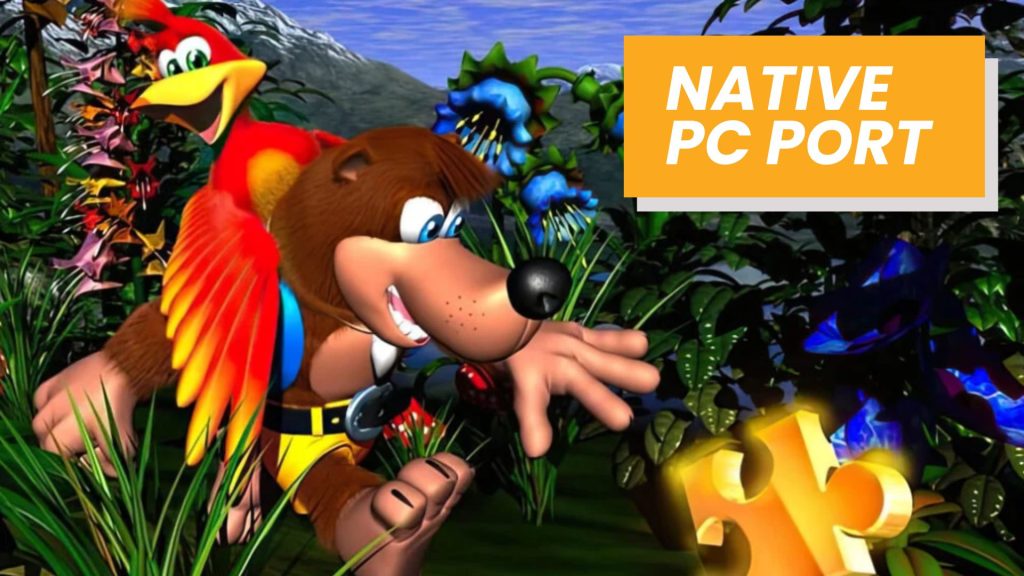
Harbour Masters has officially announced Lighthouse, a new Banjo-Kazooie decompilation project (native PC port) scheduled to launch in July.
