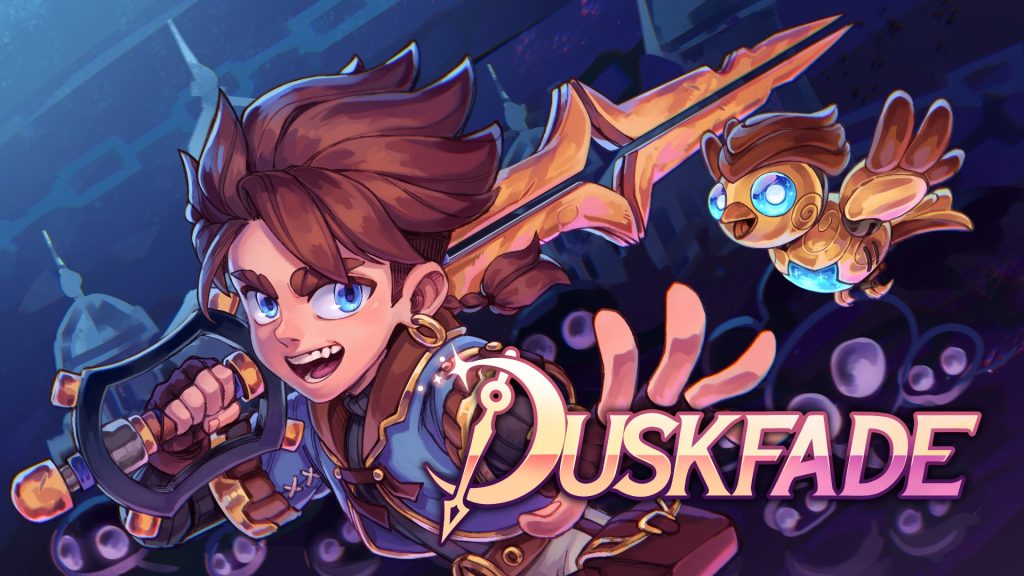
Duskfade – The PS2 Era Returns With All Its Strengths and Weaknesses
Duskfade is worth considering for players who miss colourful PS2-style action-platformers and can tolerate basic combat, floaty movement and backtracking.

![[Hands-On Preview] Into the Dead: Our Darkest Days](https://www.indie-games.eu/wp-content/uploads/2024/10/OurDarkestDays_KeyArt_WithLogo-scaled.jpg)
If you enjoy independent indie game coverage, consider supporting Indie-Games.eu on Patreon. It helps keep the site independent.
Into the Dead: Our Darkest Days is a side-scrolling survival game set during a zombie apocalypse in 1980s Texas. The game puts you in control of a group of survivors trying to make their way through a city overrun with the undead, gathering resources, crafting weapons, and making tough decisions about who gets to live. Since it’s a horror game, you can expect an eerie atmosphere and terrifying sounds, so be careful as you step into the unknown.
The story takes place in Walton City, once a bustling coastal town that has become dangerous and devastated after a massive outbreak. Your goal isn’t just to survive, but also to collect clues throughout the world to understand the causes and consequences of the apocalypse. You’ll start with two survivors, each with unique skills, strengths, and weaknesses, allowing you to choose characters that best suit your playstyle.
There’s something about this game that immediately draws you in, whether it’s the creepy atmosphere or the way every decision carries weight. Every action you take tests your survival instincts in a chaotic environment. The game doesn’t try to overwhelm you with too much information at once. Instead, it gradually introduces new mechanics, making them easy to understand and natural to play.
You’ll need to balance the survivors’ physical needs, such as hunger and health, along with their mental states, like fear and paranoia. Injuries can be deadly, and once someone dies, they’re gone forever. Survivors have a health bar, so it’s important to pay close attention to various status effects. They rely on shelters for safety, but these shelters only protect them for a limited time. You’ll have to stay on the move to keep ahead of the zombie hordes. Relocating your shelter is essential, and barricading offers more time to think, prepare, and strategize.
Survival requires searching abandoned buildings and homes to gather essential resources. You can use them to craft weapons and upgrade your shelter. However, there are limitations: weapons deteriorate with use, guns need repairing, and your inventory space is limited during scavenging trips, so you must be selective about what you take with you. As you upgrade your base, survival becomes a bit easier, but managing more survivors increases the difficulty and can become frenetic.
One drawback is that you can only bring one survivor with you while scavenging, which feels limiting. For example, you may have four other survivors at the shelter working on tasks like cooking, barricading, or upgrading, so bringing an extra helper would make sense. Imagine if the game had co-op or multiplayer elements, wouldn’t that be exciting?


A key aspect of the game is adapting to unpredictable threats from both zombies and humans. Some situations force you to decide whether to fight or flee. Stealth plays a major role while scavenging, as loud noises can attract large groups of zombies, creating dangerous situations. This is where the game really shines.
The way sounds and atmosphere work together is impressive, but the combat feels somewhat lacking. Fighting zombies is effective only if you have the right weapons. Otherwise, you must consider how loud a weapon is, how much damage it does, and how many uses it has. It’s always smart to carry multiple weapons for different situations.
You can peek through doors to see what’s ahead and climb over obstacles, but I was disappointed that certain sounds didn’t alert zombies. Fatigue, jumping, and falling seemed to have no effect, which left me confused—are crouching and walking really that effective? What exactly does the game consider “loud”? How dangerous are the zombies, truly? It leaves you with more questions than answers.
Since this is a side-scrolling game, zombies often aren’t directly in your path. They may be deeper in the background or positioned in places where they won’t notice you, which can feel strange. Sometimes you can walk right past one, but it won’t react because it’s leaning on a wall or looking in a different direction. When a zombie does notice you, you can hide behind designated corners or take it down quietly, but remember, anything can attract nearby zombies, including those in the background. In such cases, closing doors can be surprisingly effective.


Into the Dead: Our Darkest Days excels at creating a terrifying atmosphere in a city overrun by the undead. You’ll often have to find alternative routes, climb, or navigate strange stair layouts. However, the running animation looks clunky, and without true 3D depth, moving between floors can be confusing.
There’s plenty of destroyed furniture, blood, and screams that keep you on edge, especially when things get scary and you don’t know what’s behind the next door. The game includes jump scares and unavoidable situations, but it rewards players who take risks and think creatively.
Every new playthrough changes the environment to ensure no session is exactly the same. The constantly shifting layout, random encounters, and unpredictable threats keep the game fresh and add replay value. The demo lasts around 45 minutes to an hour, depending on how much time you spend exploring and discovering extra content.
In the end, Into the Dead is a truly intriguing game, and I can’t wait to see what more the developers have in store. So far, it looks impressive, and I’m surprised by the level of detail put into making everything work seamlessly and strategically. If you’re a fan of strategy and survival games, this is definitely a title worth trying.
Duskfade is worth considering for players who miss colourful PS2-style action-platformers and can tolerate basic combat, floaty movement and backtracking.
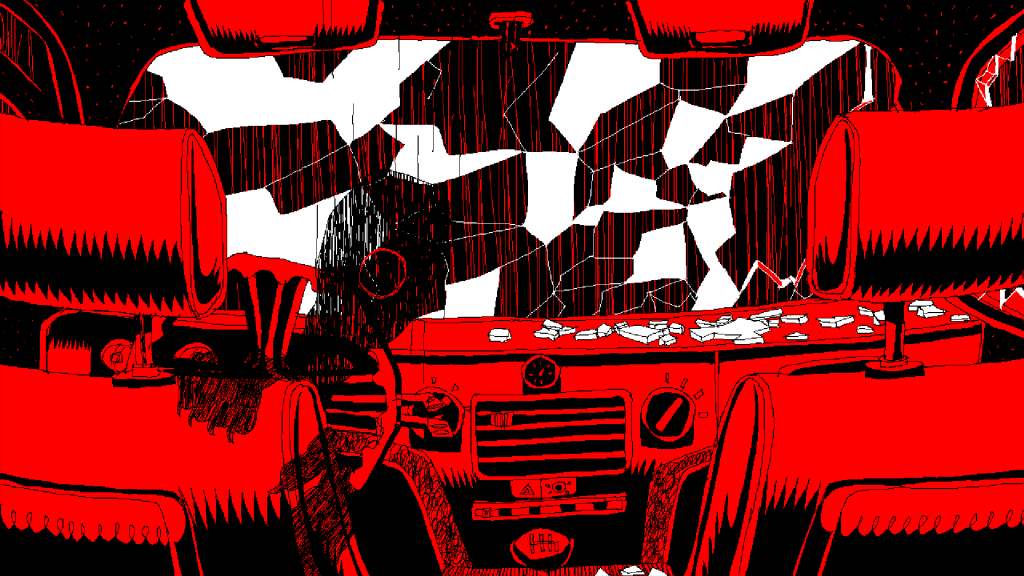
Man I Just Wanna Go Home is a noir crime story with visuals from MS Paint and life-or-death choices.
![[GAMESCOM 2026] Vikings Dynasty Preview – Expands the Dynasty Formula](https://www.indie-games.eu/wp-content/uploads/2026/09/Viking-Dynasty-09-21-26-2-1024x576.jpg)
After showing me Prospera at Gamescom 2026, Toplitz Productions' Mathias Oertel moved to a very different kind of settlement builder.…
![[GAMESCOM 2026] Prospera Preview – Production, Prosperity and Victorian Industry](https://www.indie-games.eu/wp-content/uploads/2026/09/Prospera-09-21-26-5-1024x576.jpg)
At Gamescom 2026, I met with Toplitz Productions' Mathias Oertel for a guided presentation of two upcoming games. One of…
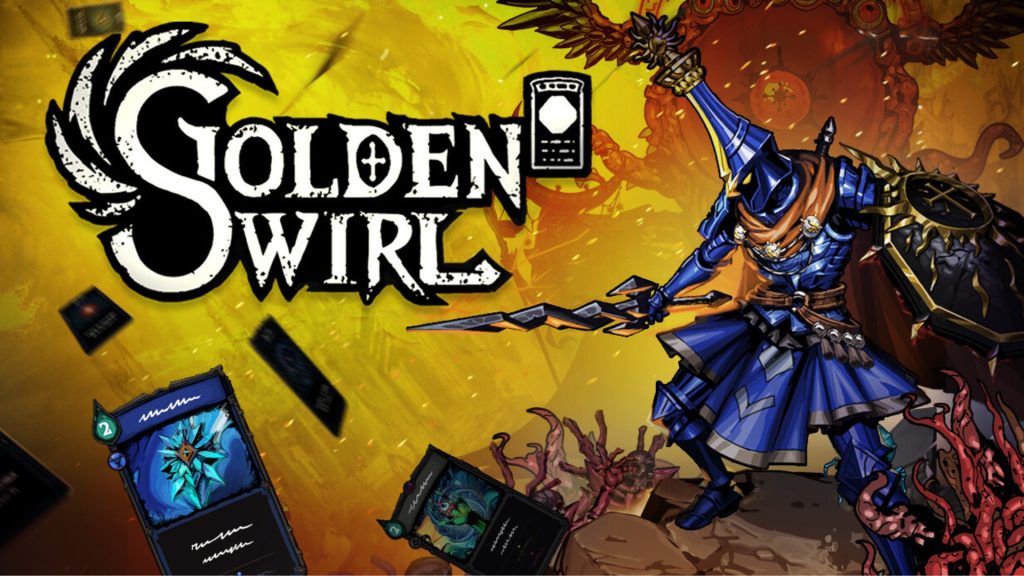
Golden Swirl inventive card combat carries the experience, but repetitive rooms, weak upgrades and excessive dialogue hold it back.
![[GAMESCOM 2026] Wilderdark Preview – Ambitious Dinosaur Horror Game That Still Has Plenty to Prove](https://www.indie-games.eu/wp-content/uploads/2026/09/Wilderdark-1024x576.jpg)
Dinosaur survival horror game Wilderdark has one of those premises that immediately makes you wonder why more games have not…
![[PREVIEW] Tiny Metal 2 – Strategy Game That Wants You to Learn From Every Mistake](https://www.indie-games.eu/wp-content/uploads/2026/09/Tiny-Metal-2-1024x576.jpg)
I rarely enjoy discovering that my opening strategy was completely wrong, but Tiny Metal 2 made that process one of…
![[PREVIEW] Remothered: Red Nun’s Legacy – Ambitious Survival Horror That Needs More Polish](https://www.indie-games.eu/wp-content/uploads/2026/09/Remothered-Red-Nuns-Legacy-4-1024x576.jpg)
Remothered: Red Nun’s Legacy has a gripping atmosphere and promising survival tools, but its repetitive hiding and rough visuals need…
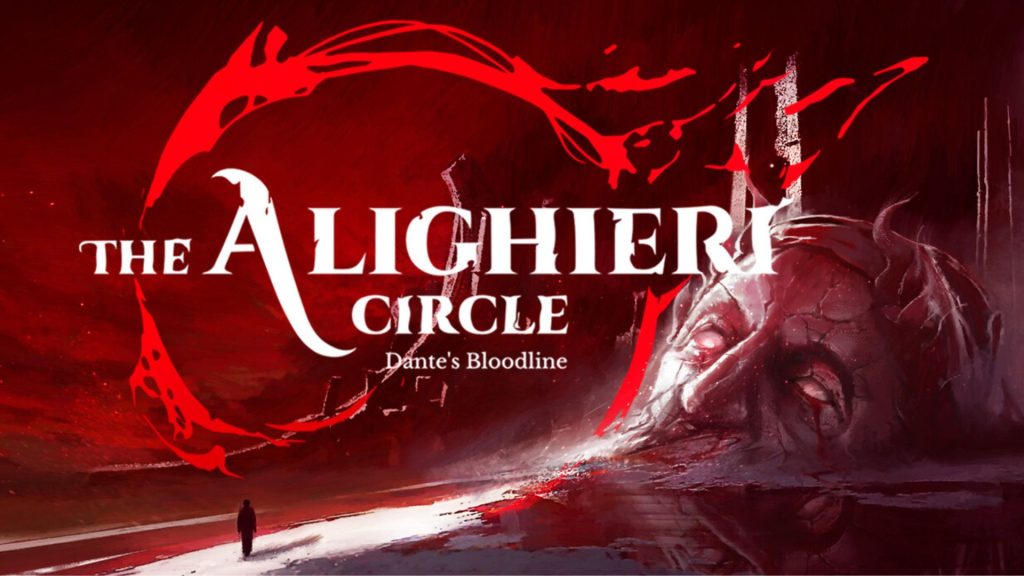
The Alighieri Circle: Dante’s Bloodline is difficult to recommend beyond players who are especially interested in Dante or enjoy solving…
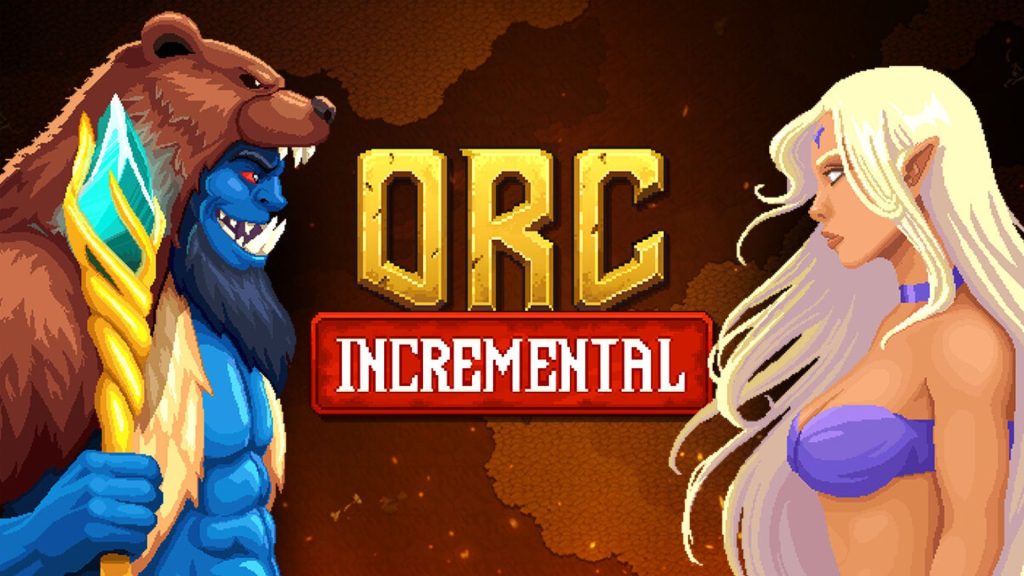
Orc Incremental offers satisfying progression, entertaining totem combinations and enough content to justify its affordable price.
![[GAMESCOM 2026] Chronoscript: The Endless End Preview – Beautiful Pages Hide Deliberate Combat](https://www.indie-games.eu/wp-content/uploads/2026/09/Chronoscript-The-Endless-End-1-1024x576.jpg)
Chronoscript: The Endless End stands out from other Metroidvanias by blending 2D manuscript worlds with exploration inside a 3D manor.
![[GAMESCOM 2026] MegaGum Preview – Combat Hits Hard in This Sticky Platforming Adventure](https://www.indie-games.eu/wp-content/uploads/2026/09/MegaGum-09-09-26-5-1024x576.jpg)
MegaGum combines hard-hitting combat, varied weapons and Gum-powered platforming in a promising Gamescom 2026 demo.
![[GAMESCOM 2026] Delphinium Preview – Cozy Routine Mixed With Enjoyable Minigames](https://www.indie-games.eu/wp-content/uploads/2026/03/Delphinium--1024x665.jpg)
Delphinium mixes cozy farming, exploration and relationships with enjoyable fishing, cooking and forging minigames in its Gamescom 2026 demo.
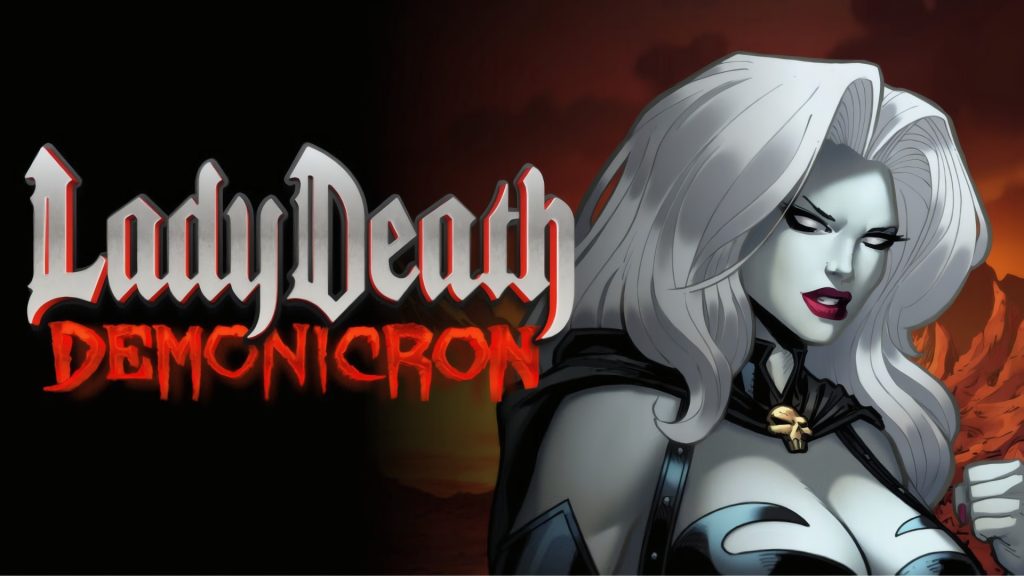
Lady Death: Demonicron looks the part, but underneath its excellent comic-book exterior is a clunky and painfully short brawler.
![[GAMESCOM 2026] Tomb Raider: Legacy of Atlantis Preview – Expands the Original Without Losing Its Identity](https://www.indie-games.eu/wp-content/uploads/2026/09/tomb-raider-legacy-of-atlantis-06-02-26-1-1024x576.jpg)
Tomb Raider: Legacy of Atlantis brings Lara back to her roots, but its Gamescom 2026 showing proved this is far…
![[GAMESCOM 2026] Clive Barker’s Hellraiser: Revival Preview – Ready to Open the Box](https://www.indie-games.eu/wp-content/uploads/2026/09/Clive-Barkers-Hellraiser-Revival-08-30-26-1-1024x576.jpg)
Hellraiser: Revival preserves the franchise’s sex, gore and psychological horror while delivering approachable survival-horror gameplay.

Swan Song creates a peaceful and forgiving puzzle space without removing the challenge that makes solving a difficult puzzle rewarding.
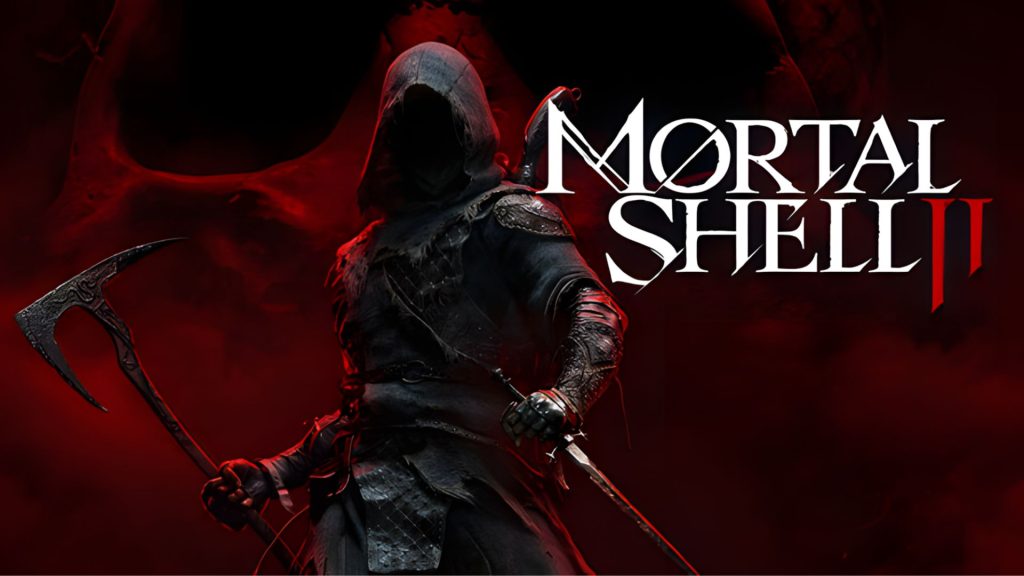
Mortal Shell II starts brilliantly but grows repetitive and exhausting, while remaining a rewarding and ambitious Soulslike sequel.
![[GAMESCOM 2026] Terranigma Preview – A Lost SNES Classic Returns in 2027](https://www.indie-games.eu/wp-content/uploads/2026/08/Terranigma-1-1024x576.jpg)
After more than three decades of limited availability, Terranigma is returning in 2027. We played its enhanced re-release at Gamescom…
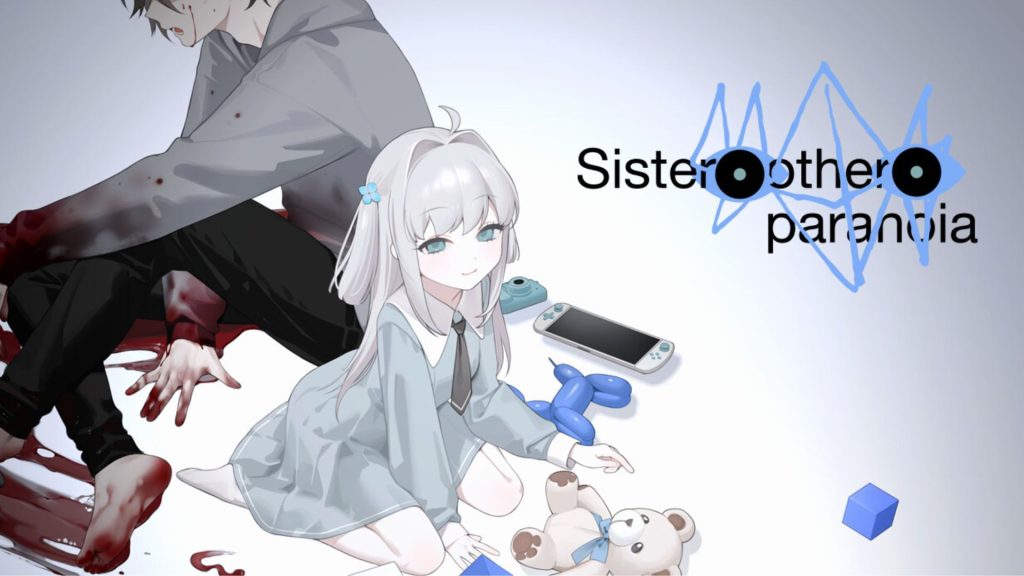
Reading another person’s mind is often presented as a desirable superpower, but Sister Other Paranoia immediately understands why it could…
