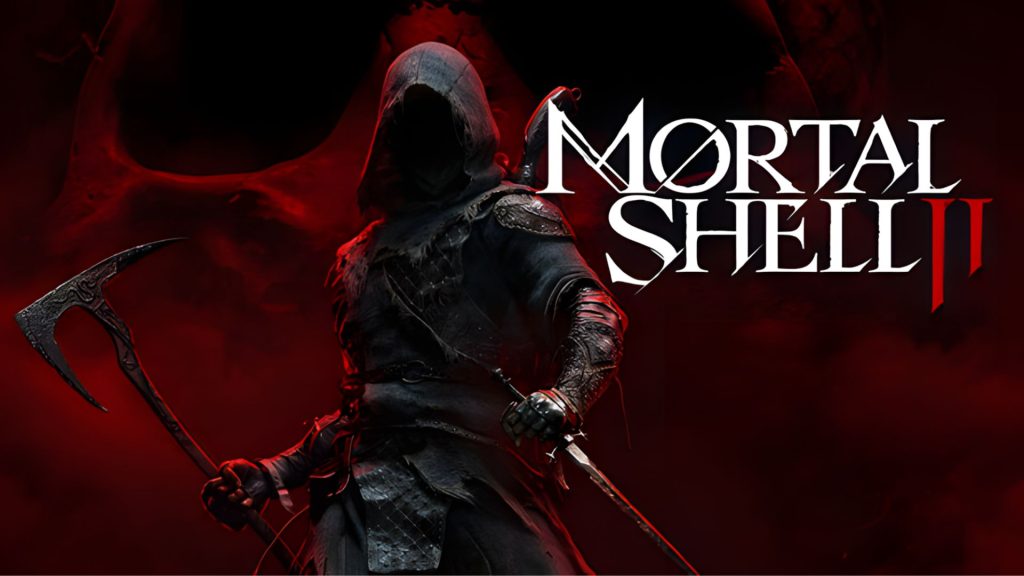
Mortal Shell II – Brutal Sequel That Finally Finds Its Identity
Mortal Shell II starts brilliantly but grows repetitive and exhausting, while remaining a rewarding and ambitious Soulslike sequel.


If you enjoy independent indie game coverage, consider supporting Indie-Games.eu on Patreon. It helps keep the site independent.
Lonely Mountains: Snow Riders, a skiing adventure developed and published by Megagon Industries, builds upon the success of its predecessor, Lonely Mountains: Downhill (2019), swapping bikes for skis in this snowy sequel. The game invites you to race down pristine, snow-covered mountains, balancing between relaxed exploration and high-stakes challenges, featuring great replayability and multiplayer modes.
Set across three mountain peaks: Tannenstein, Monte Guanaco, and Sierra Gelida, the game features 12 trails divided into blue (beginner-friendly) and black (for more experienced skiers), which are unlocked through challenges. Relying on the minimalist aesthetic of Downhill, Snow Riders adds online multiplayer for 2-8 players, cross-platform support, and a trick system, targeting both solo explorers and competitive skiers.
At its core, Lonely Mountains: Snow Riders is about going down the mountain as quickly and stylishly as possible. You control a skier descending from the mountaintop, aiming to reach the bottom by passing through checkpoints while avoiding trees, rocks, and cliffs. The Solo mode offers challenging time trials with objectives like achieving a certain time, limiting falls, or performing perfect runs to unlock new trails, gear, and cosmetics. It’s a race against yourself, with global leaderboards tracking the best results.
The Zen mode, on the other hand, provides relaxed gameplay without time pressure, where you can explore the slopes, set your own checkpoints, and enjoy the scenery stress-free—just pure atmosphere. The biggest addition is multiplayer, which includes two modes: Racing (2-8 players compete to reach the bottom first) and Team (a cooperative descent sharing six checkpoints, where points are earned for proximity and tricks).
The controls are intuitive yet demanding. While it can be played on a keyboard, the experience is much smoother with a controller, which is the recommended option. Analog sticks are used for steering, crouching increases speed, braking prevents disasters, and jumping (short or long) allows you to clear obstacles and perform tricks like ski grabs, spins, and fakie (riding backward).
The type of skis (e.g., Viper for agility, Ram for stability) affects speed, maneuverability, and landing, and they are unlocked by collecting snowflakes from challenges. The fixed camera, which is sometimes positioned behind, sometimes from an isometric perspective, and often frontal, gives a cinematic feel, but it can obscure obstacles, requiring you to react quickly. However, the game is not without flaws: the learning curve is steep, controls can feel clumsy (especially jumps), and the camera position can sometimes frustrate certain runs.

Visually, Snow Riders retains the charm of the low-poly aesthetic from Downhill, but now blanketed in snow. The three mountains are breathtaking: the dense forests of Tannenstein, the icy rivers of Monte Guanaco, and the rugged cliffs of Sierra Gelida glisten under the snow, which deforms under your skis. It’s not photorealistic, but the stylized beauty creates a picturesque atmosphere of solitude, combining the vibrancy of SSX with indie restraint.
However, my biggest issue is the multiplayer. If the host quits the race mid-run, the game abruptly ends and everyone is returned to the main menu. Playing with random players can be unpredictable; races sometimes end too quickly if a highly skilled person joins. The trick system also feels underutilized; points don’t affect the ranking, so performing tricks often seems pointless.
On the other hand, the Team mode brings a more relaxed, collaborative experience compared to the intense races. It rewards teamwork and strategic planning, especially in private lobbies with friends. The shared checkpoint system creates tension without being overly punishing, and bonuses for tricks allow creative players to stand out. Still, the greatest fun comes from solo play, where you can explore and ride at your own pace, enjoying the game your own way.

Honestly, you will probably enjoy this game. If you are buying it purely for the solo experience, don’t overthink it — it’s worth it. However, the multiplayer might disappoint you, so keep those expectations low. The game can also be frustrating because it is based on the trial-and-error method; the more you fall, the better you become. The camera can be irritating, although it occasionally provides great shots, even when highlighting the game’s flaws.
It’s hard to satisfy everyone. The difficulty of the game might deter casual players, but those who persist will be rewarded. The progression and unlocking of new ski types and outfits are a nice addition, although they don’t drastically change the gameplay. Ultimately, this is a unique indie title that shines in its own way, so it is probably most worthwhile to play it via Xbox Game Pass.
| Pros | Cons |
|---|---|
| Addictive gameplay loop. | Multiplayer is poorly implemented. |
| Very beautiful visuals. | Camera angles won’t appeal to everyone. |
| Designed for singleplayer. | Steep learning curve for mechanics and maps. |
| Zen mode. | Not much content. |
Review copy provided by the publisher
Mortal Shell II starts brilliantly but grows repetitive and exhausting, while remaining a rewarding and ambitious Soulslike sequel.
![[GAMESCOM 2026] Terranigma Preview – A Lost SNES Classic Returns in 2027](https://www.indie-games.eu/wp-content/uploads/2026/08/Terranigma-1-1024x576.jpg)
After more than three decades of limited availability, Terranigma is returning in 2027. We played its enhanced re-release at Gamescom…
Reading another person’s mind is often presented as a desirable superpower, but Sister Other Paranoia immediately understands why it could…
Forsaken Realms: Vahrin’s Call is exactly the kind of ambitious, slightly clumsy fantasy RPG that used to be far more…
![[Early Access] 2nd EVE – Sci-Fi Action RPG That Lacks a Sense of Stakes](https://www.indie-games.eu/wp-content/uploads/2026/08/2ND-EVE-1024x576.jpg)
2nd Eve is a space-set action RPG in which we strive to save humanity.
![[PREVIEW] Dreamcards – Strategic Exploration of Consciousness](https://www.indie-games.eu/wp-content/uploads/2026/08/Dreamcards_20260810_233631_0000-1024x576.jpg)
Dreamcards is a roguelike deckbuilder centered around dreams and nightmares.
![[Early Access] OFFBEAT – Incredibly Fun Way to Start a Music Career](https://www.indie-games.eu/wp-content/uploads/2026/08/Offbeat_20260808_201446_0000-1024x576.jpg)
In OFFBEAT, we play the role of a jobbing composer who is launching their music career.
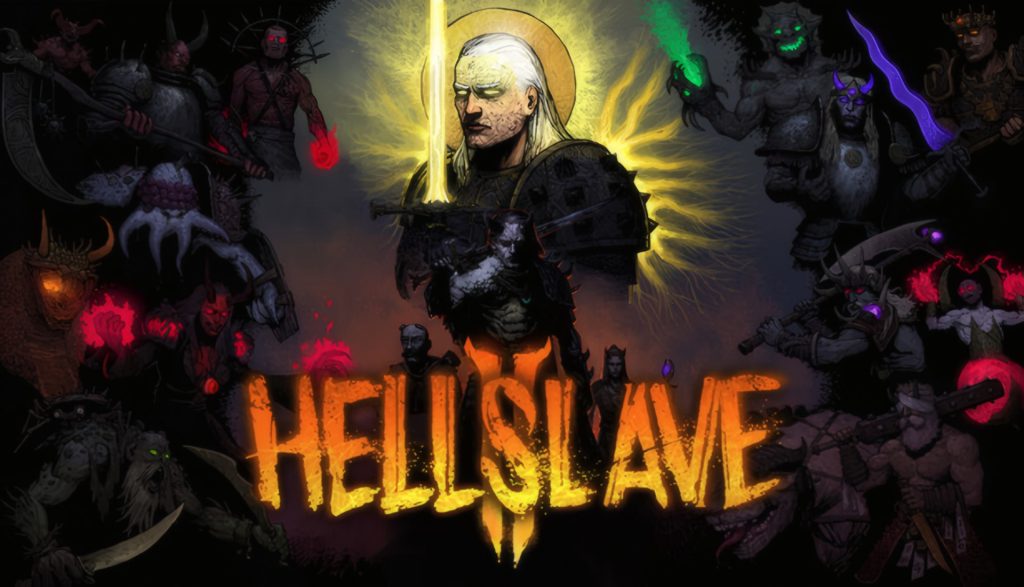
HellSlave II retains the original’s oppressive atmosphere, morally grey world and striking art while adding a larger world, randomized loot…
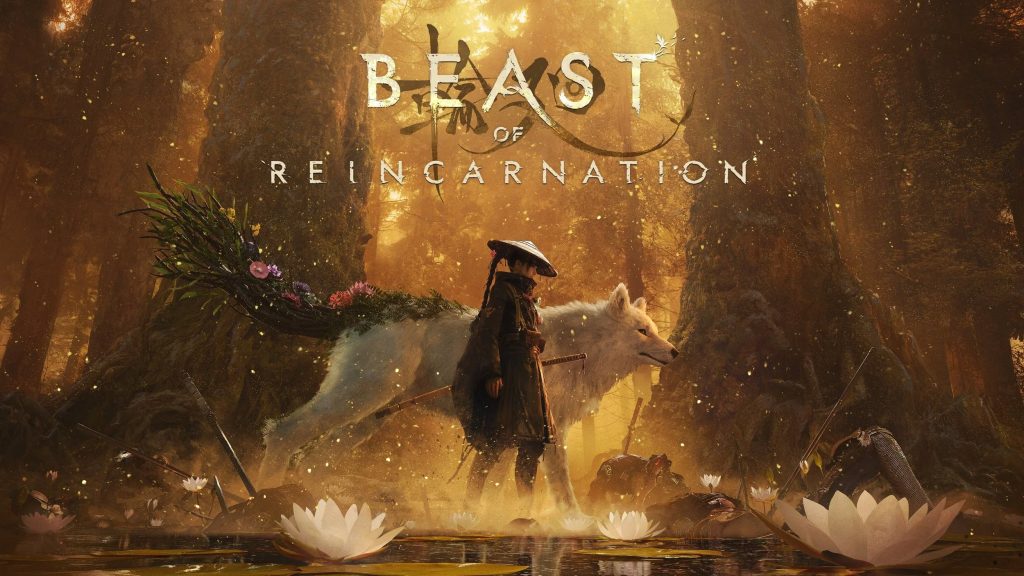
Beast of Reincarnation is an ambitious but uneven action RPG elevated by satisfying parry combat, beautiful art direction and the…

K-pop Idol Stories: Road to Debut captures the pressure of building idol group, but its management systems never explore that…
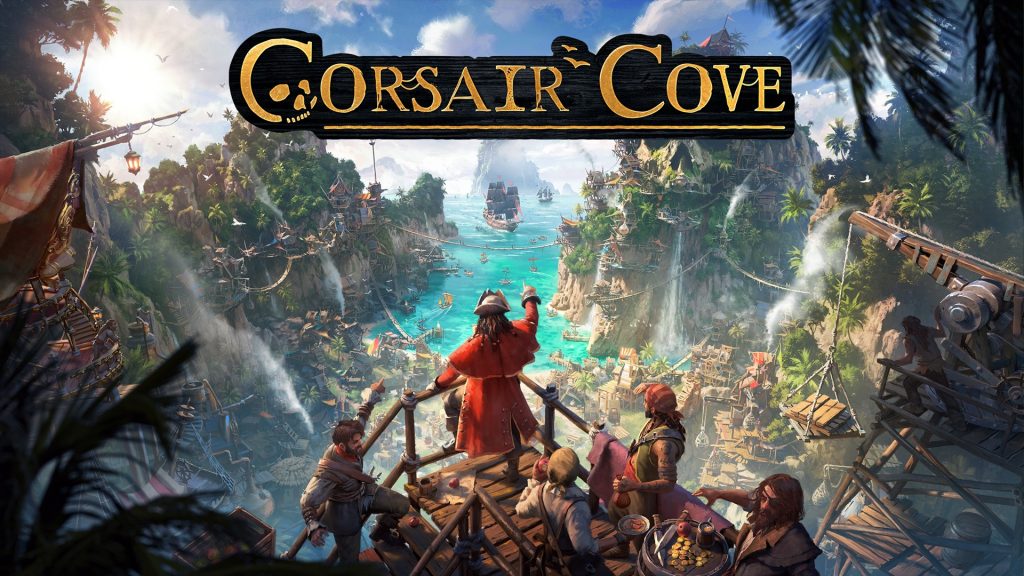
Hooded Horse keeps finding strategy games that know their audience, and Corsair Cove extends its impressive run of excellent city-builders.
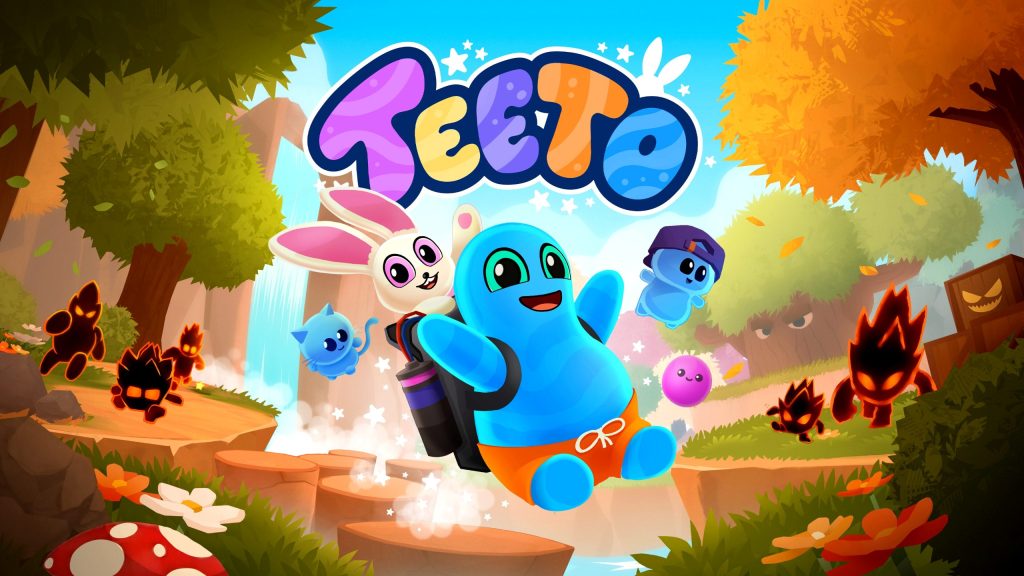
Teeto is a warm, cozy, creative and highly enjoyable 3D platformer that understands why classic collectathons remain so appealing.
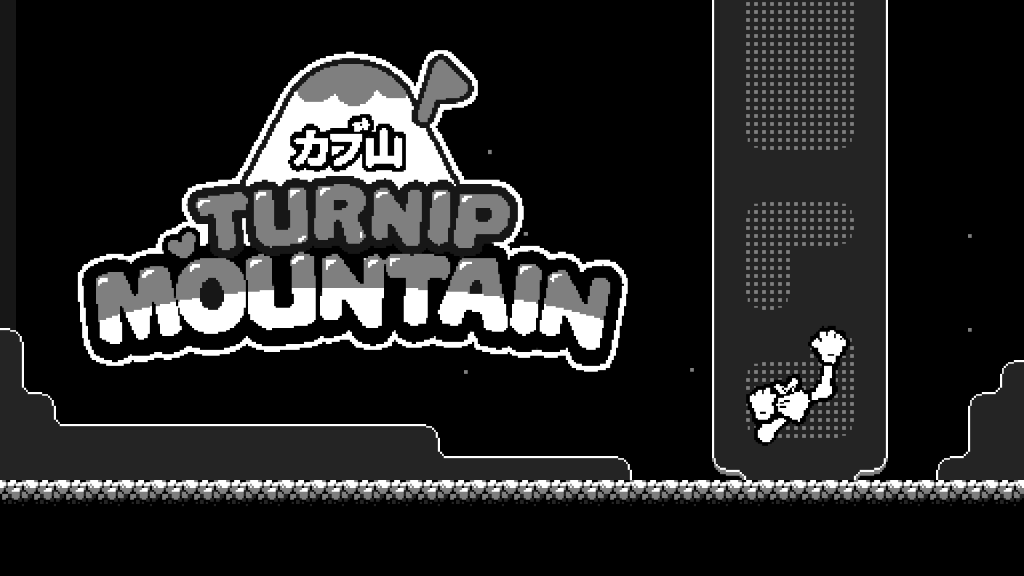
Turnip Mountain stands out for its combination of a unique control system and a minimalist approach.
Dystopicon is an imaginative and memorable narrative experiment with sharp social commentary, engaging world-building and several wonderfully absurd scenarios.
Maneki Mania is an incremental game centered around petting a lucky cat.
XeGrader Plus delivers colorful retro shooting, but basic mechanics, a short campaign and paid retro modes make its €20 price…
It has been roughly two and a half years since Palworld first entered Early Access, and quite a lot has…
![[EARLY ACCESS] The Last Caretaker – Survival Game I Cannot Stop Playing](https://www.indie-games.eu/wp-content/uploads/2026/07/The-last-Caretaker-Key-Art-1024x587.jpg)
The Last Caretaker is a compelling survival crafter with a flooded world and mobile base, but weak combat and performance…
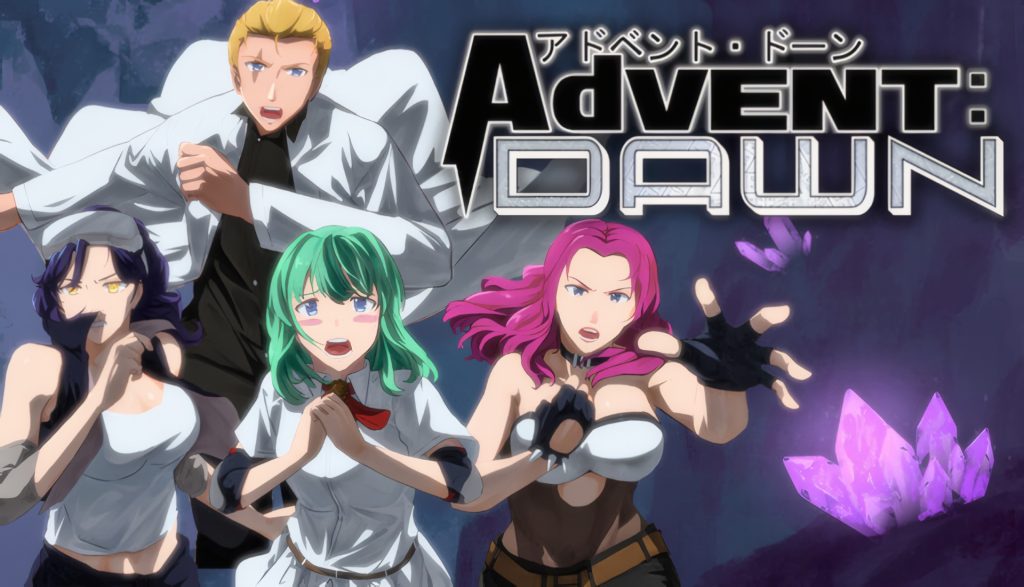
Advent: Dawn is an intriguing science-fiction visual novel elevated by a likable cast and one of the most convenient flowchart…
![[EARLY ACCESS] Hell Maiden – Beautiful but Uneven Journey Through Hell](https://www.indie-games.eu/wp-content/uploads/2025/06/HMD_screenshot_019-1024x576.jpg)
Bullet heaven and rougelite game Hell Maiden lands between a polished Early Access release and a promising game that still…
