![[GAMESCOM 2026] Clive Barker’s Hellraiser: Revival Preview – Ready to Open the Box](https://www.indie-games.eu/wp-content/uploads/2026/09/Clive-Barkers-Hellraiser-Revival-08-30-26-1-1024x576.jpg)
[GAMESCOM 2026] Clive Barker’s Hellraiser: Revival Preview – Ready to Open the Box
Hellraiser: Revival preserves the franchise’s sex, gore and psychological horror while delivering approachable survival-horror gameplay.


If you enjoy independent indie game coverage, consider supporting Indie-Games.eu on Patreon. It helps keep the site independent.
There’s something comforting about a game that doesn’t pretend to be bigger than it is. Lately, I’ve found myself gravitating toward smaller, retro-inspired adventures that focus less on spectacle and more on tight design. That’s exactly where Lovish hooked me. It doesn’t try to overwhelm you with huge maps or endless dialogue. Instead, it throws you into a castle, hands you a sword, and tells you there’s a princess at the end of it all.
At first glance, it looks like a straightforward throwback to classic 8-bit action games. But the longer I played, the more I realized Lovish isn’t just copying the past, it’s poking fun at it. The game understands the old-school formula inside and out, then twists it into something self-aware, chaotic, and surprisingly clever. What starts as a simple rescue mission quickly turns into a comedy of bad decisions and even worse luck.
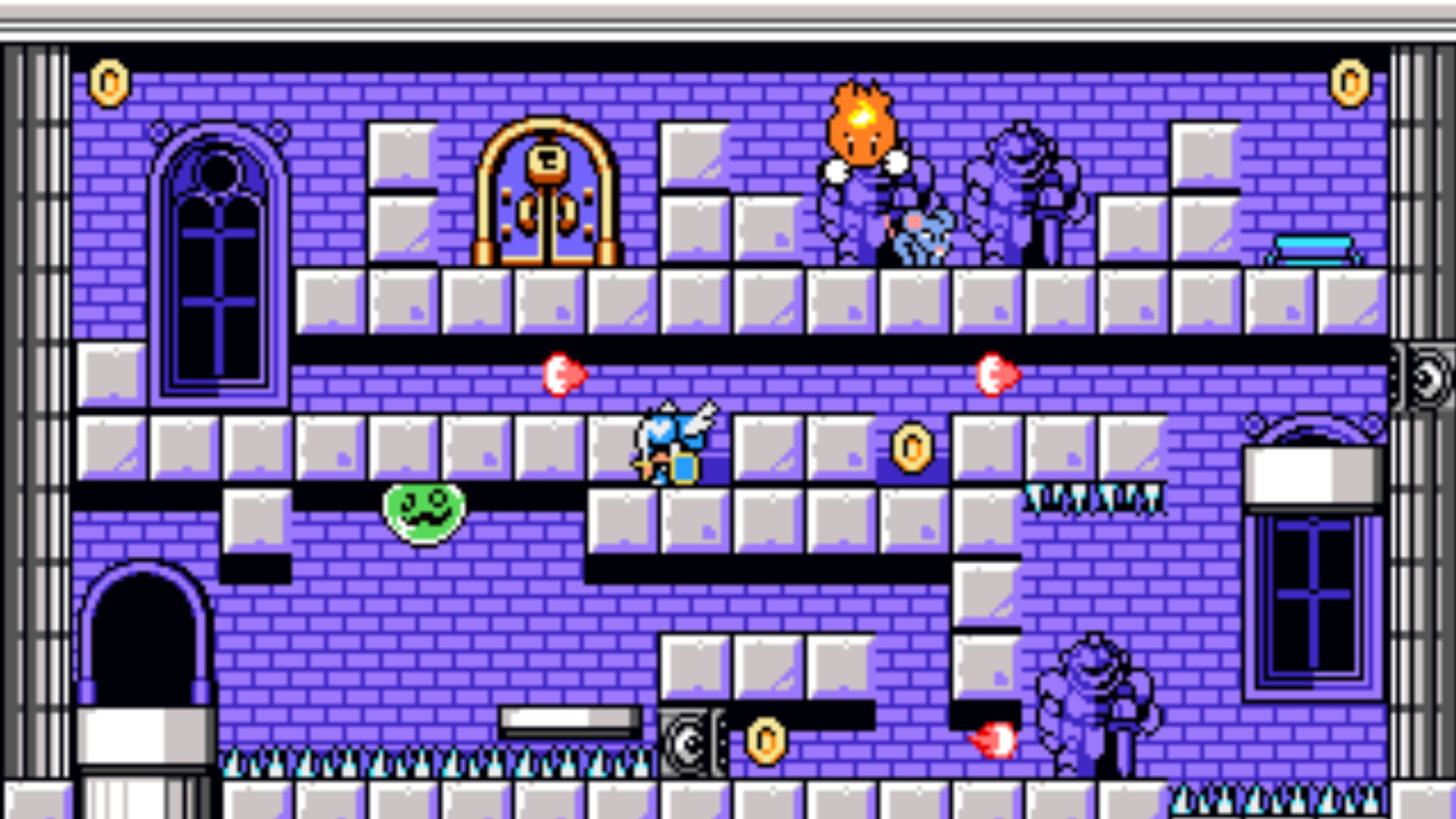
Lovish follows Sir Solomon, a knight on a mission to rescue Princess Tsuna from the Demon Lord. The twist? He ditches his entire party at the castle entrance. Why? Because he’s worried the princess might fall for one of his cooler, more competent friends instead. It’s petty, insecure, and completely hilarious. Right away, the game makes it clear that this isn’t a noble fantasy epic – it’s a parody of one.
Between every level, you’re treated to short, randomized events. There are well over a hundred of them, and they range from helpful to downright cruel. You might stumble into free treasure, get ambushed in a strange mini-game battle, or lose lives for reasons that make absolutely no sense. These moments are brief, but they’re often the funniest parts of the entire experience.
What I appreciate most is how unapologetically silly everything is. The writing doesn’t try too hard, and it doesn’t overexplain itself. It throws absurd scenarios at you and moves on. That unpredictability keeps the adventure fresh, even when you’re retrying the same room for the tenth time.
That randomness can also sting. Because the game uses a life system, a bad post-level event can cost you precious lives without giving you any control. When you’re running low, that can feel unfair. Still, I found myself accepting it as part of the joke. Lovish thrives on that balance between skill and chaos.
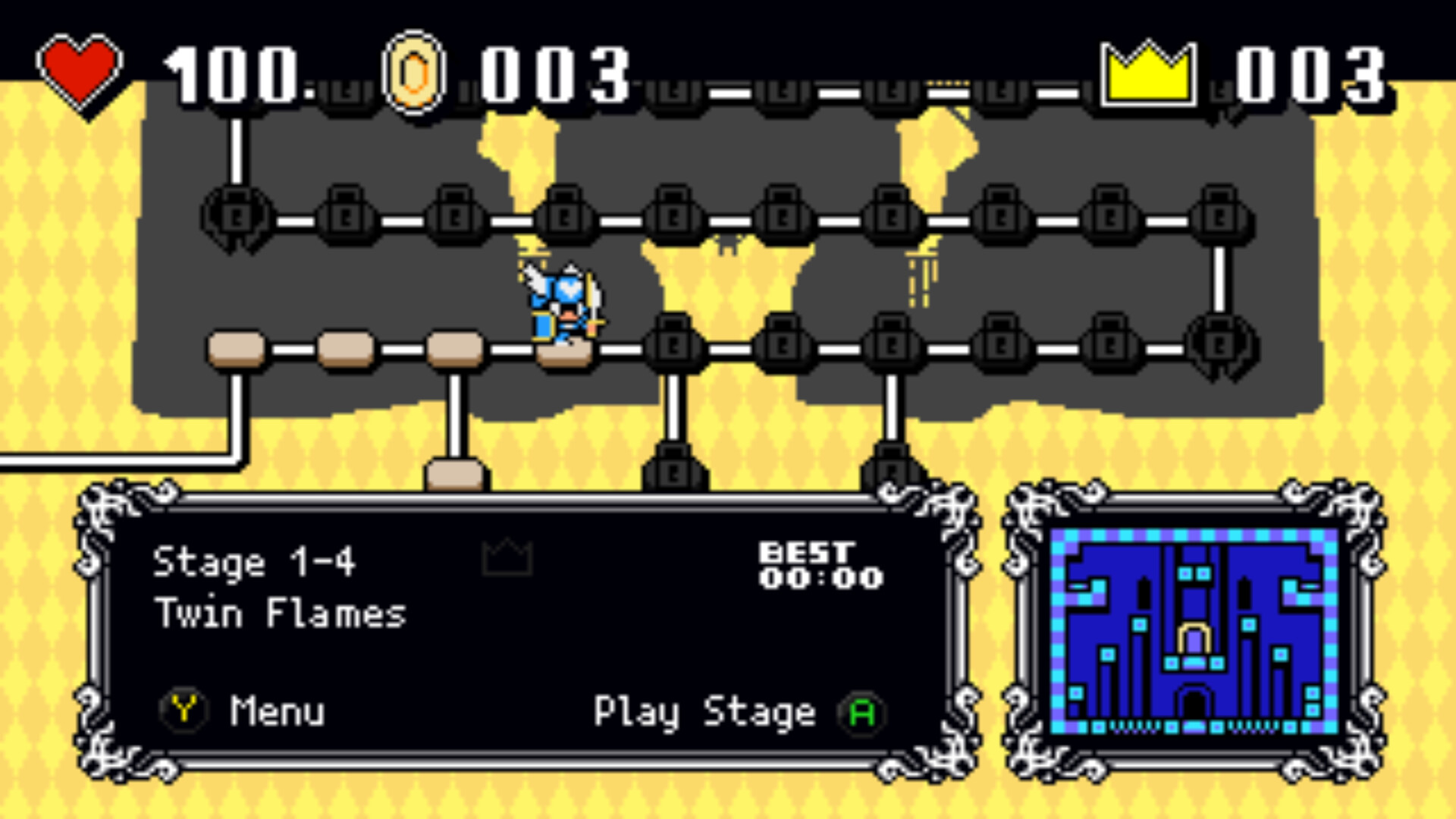
The core structure is deceptively simple. Each stage is a single-screen challenge where you guide Solomon to the exit door. Sometimes you need a key. Sometimes you have to hit a switch. Other times, you just need to survive a maze of spikes and enemies. The goal never changes, but the obstacles constantly evolve.
The biggest catch is that Solomon only has one hit point. If anything touches you, like spikes, enemies, projectiles, you’re done. You start with a large pool of lives, but they disappear quickly once the difficulty ramps up. Enemies often take multiple hits to defeat, while you fall in a single mistake. It creates tension in every jump and every sword swing.
Room design is where the game really shines. Some areas require you to think carefully about your path, especially when platforms disappear or when progressing forward makes it harder to backtrack. I lost more lives figuring out how to escape rooms than I did simply reaching the exit. It can be punishing, but it rarely feels sloppy. The layouts feel intentional and tightly constructed.
As you collect coins, you can purchase upgrades that expand Solomon’s abilities. Being able to attack upward or downward makes a massive difference. Ranged attacks and mobility skills make later stages more manageable and open up new strategies. There are also secret crowns hidden throughout the castle, encouraging exploration and experimentation. Whether you want to rush through, speedrun, or collect everything, Lovish supports all playstyles surprisingly well.
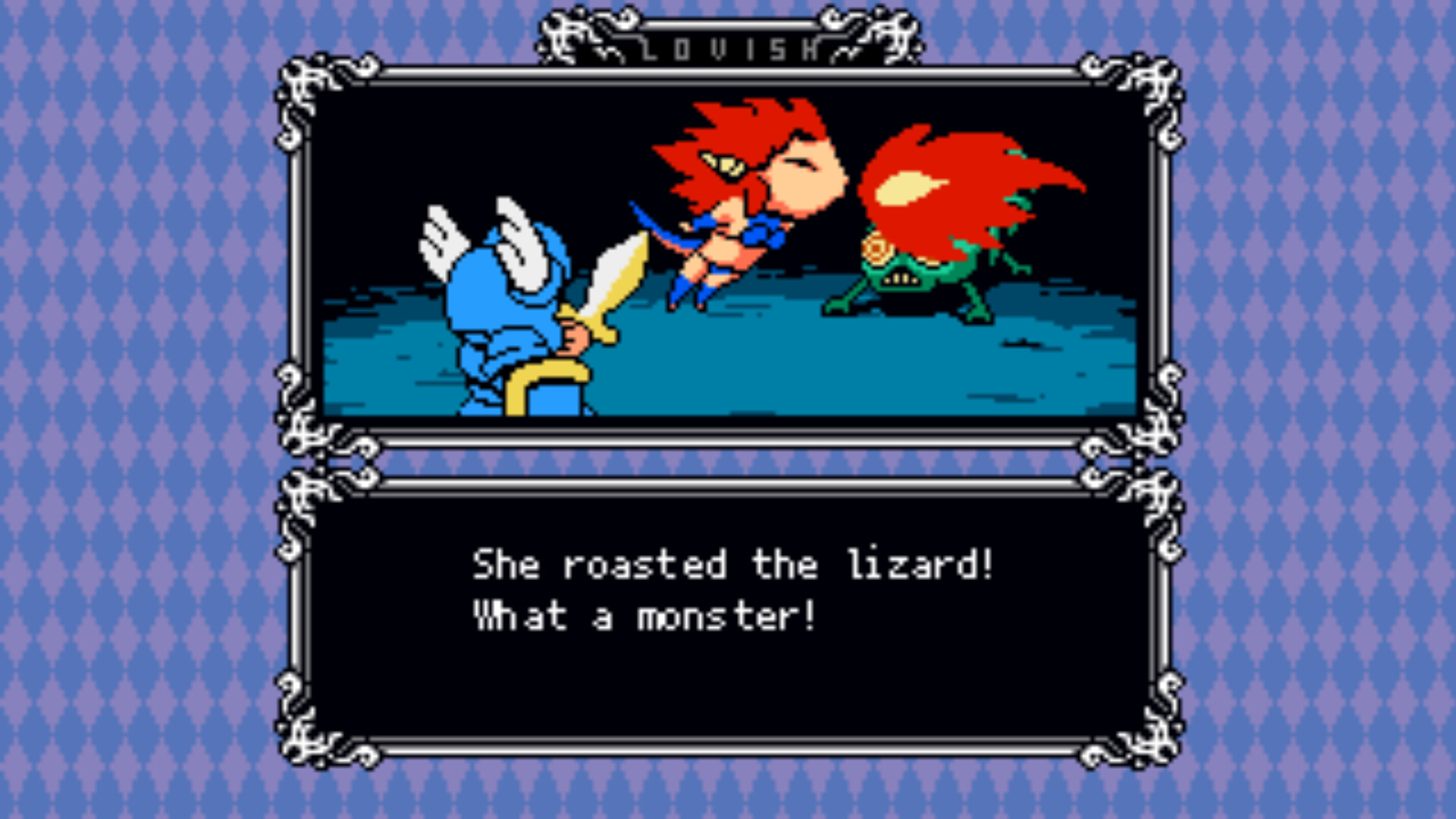
Visually, Lovish leans hard into its retro inspiration. You can choose between a softer CRT-style filter or sharp pixel clarity, which is a nice touch. The character sprites are charming and exaggerated, matching the game’s absurd humor. It feels like a love letter to classic fantasy games, but one that isn’t afraid to tease its inspirations.
What surprised me most is how much content is tucked into the game. It appears compact at first, but additional challenges, hidden objectives, and post-game surprises give it more staying power than expected. The randomized events alone ensure that no two runs feel exactly the same.
Most importantly, Lovish understands what makes classic action platformers memorable: tight controls, clever level design, and a willingness to challenge the player. It doesn’t rely on nostalgia alone. It builds something playful and modern on top of that foundation.
If you enjoy demanding platformers with personality, the kind that make you laugh right before they send you back to the start of the room, Lovish is absolutely worth your time. It’s a focused, confident adventure that knows exactly what it wants to be, and it delivers that experience with charm and conviction.
Review copy provided by the publisher
Hellraiser: Revival preserves the franchise’s sex, gore and psychological horror while delivering approachable survival-horror gameplay.

Swan Song creates a peaceful and forgiving puzzle space without removing the challenge that makes solving a difficult puzzle rewarding.
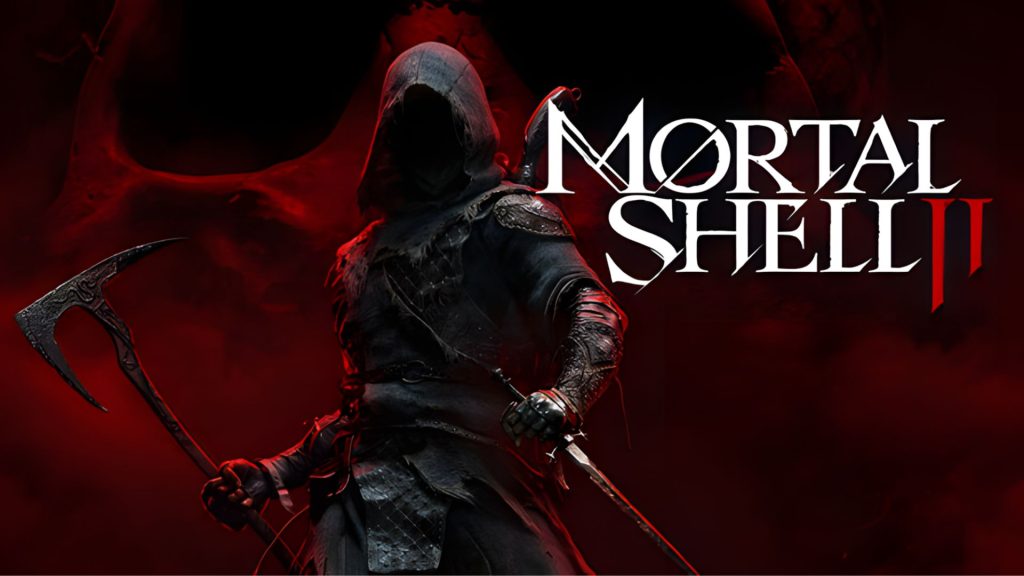
Mortal Shell II starts brilliantly but grows repetitive and exhausting, while remaining a rewarding and ambitious Soulslike sequel.
![[GAMESCOM 2026] Terranigma Preview – A Lost SNES Classic Returns in 2027](https://www.indie-games.eu/wp-content/uploads/2026/08/Terranigma-1-1024x576.jpg)
After more than three decades of limited availability, Terranigma is returning in 2027. We played its enhanced re-release at Gamescom…

Reading another person’s mind is often presented as a desirable superpower, but Sister Other Paranoia immediately understands why it could…
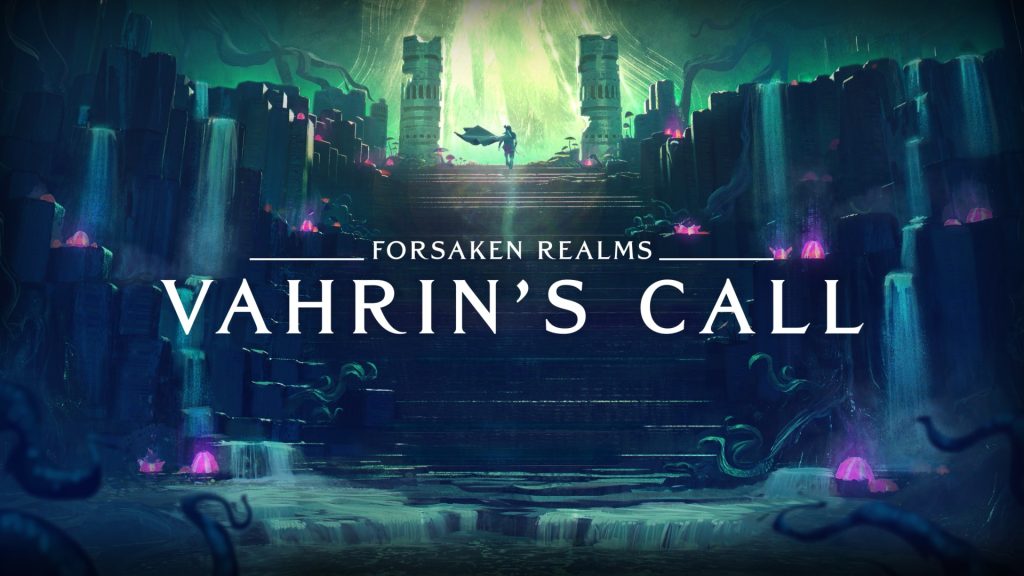
Forsaken Realms: Vahrin’s Call is exactly the kind of ambitious, slightly clumsy fantasy RPG that used to be far more…
![[Early Access] 2nd EVE – Sci-Fi Action RPG That Lacks a Sense of Stakes](https://www.indie-games.eu/wp-content/uploads/2026/08/2ND-EVE-1024x576.jpg)
2nd Eve is a space-set action RPG in which we strive to save humanity.
![[PREVIEW] Dreamcards – Strategic Exploration of Consciousness](https://www.indie-games.eu/wp-content/uploads/2026/08/Dreamcards_20260810_233631_0000-1024x576.jpg)
Dreamcards is a roguelike deckbuilder centered around dreams and nightmares.
![[Early Access] OFFBEAT – Incredibly Fun Way to Start a Music Career](https://www.indie-games.eu/wp-content/uploads/2026/08/Offbeat_20260808_201446_0000-1024x576.jpg)
In OFFBEAT, we play the role of a jobbing composer who is launching their music career.
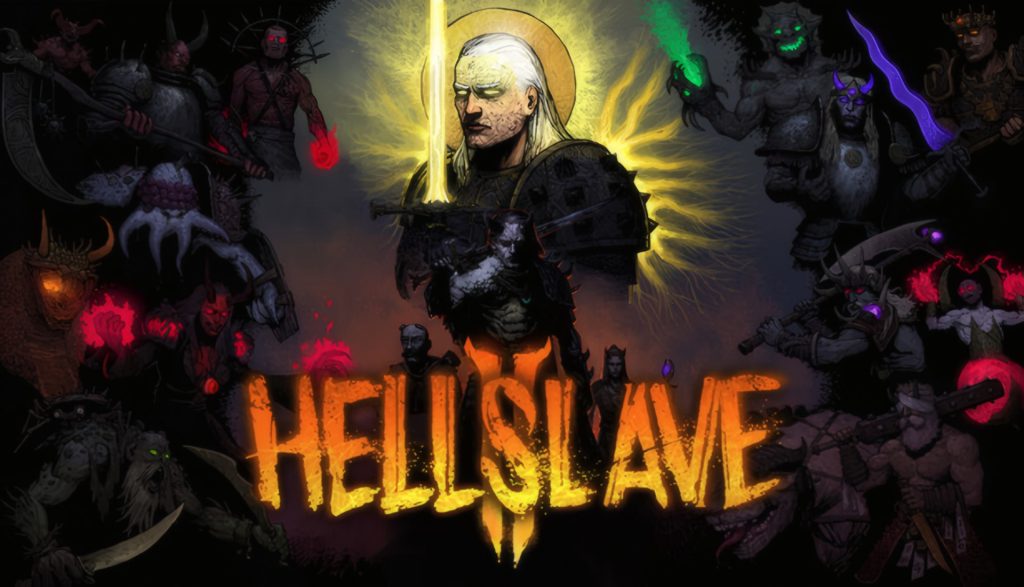
HellSlave II retains the original’s oppressive atmosphere, morally grey world and striking art while adding a larger world, randomized loot…
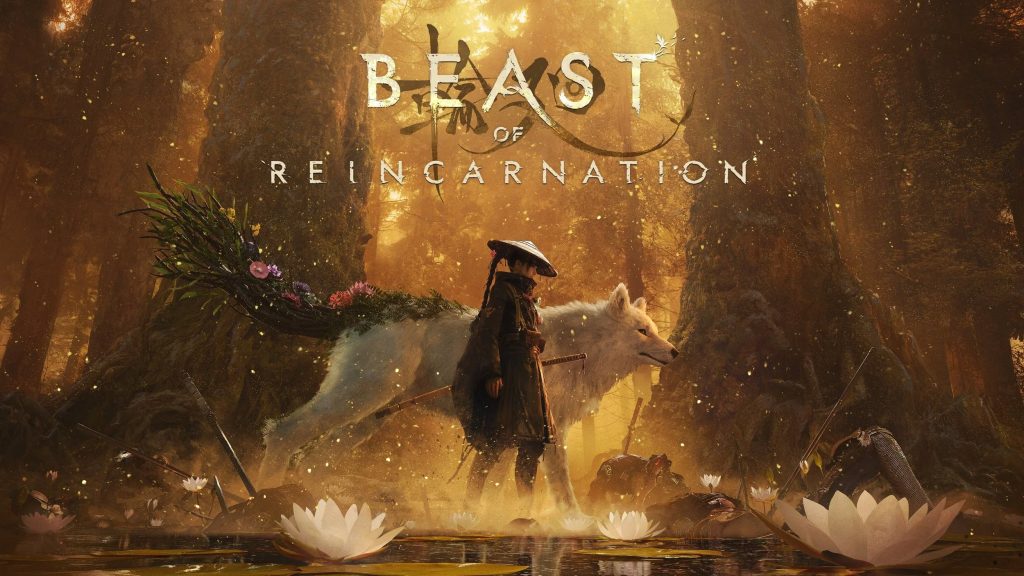
Beast of Reincarnation is an ambitious but uneven action RPG elevated by satisfying parry combat, beautiful art direction and the…

K-pop Idol Stories: Road to Debut captures the pressure of building idol group, but its management systems never explore that…
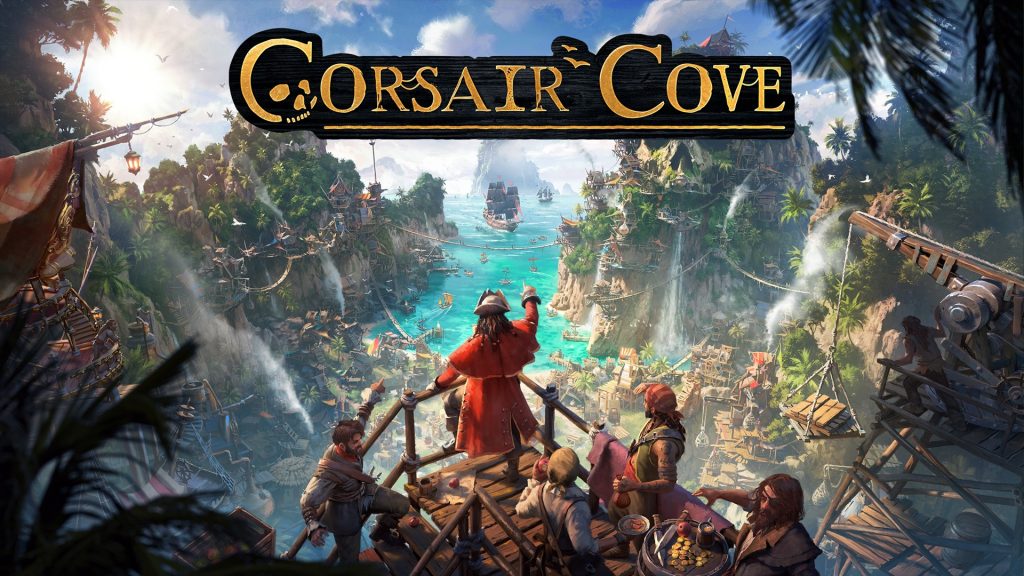
Hooded Horse keeps finding strategy games that know their audience, and Corsair Cove extends its impressive run of excellent city-builders.
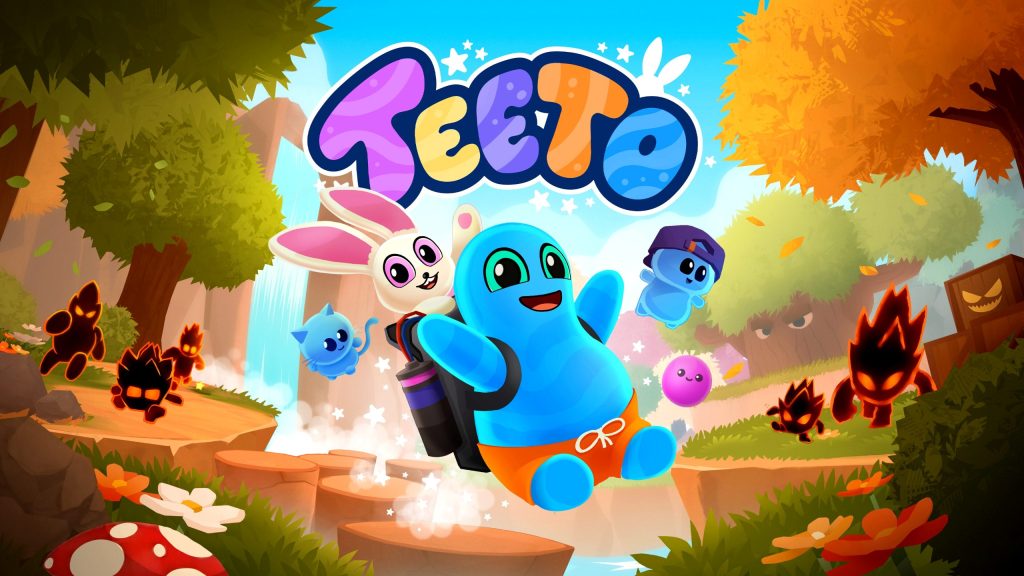
Teeto is a warm, cozy, creative and highly enjoyable 3D platformer that understands why classic collectathons remain so appealing.

Turnip Mountain stands out for its combination of a unique control system and a minimalist approach.
Dystopicon is an imaginative and memorable narrative experiment with sharp social commentary, engaging world-building and several wonderfully absurd scenarios.

Maneki Mania is an incremental game centered around petting a lucky cat.
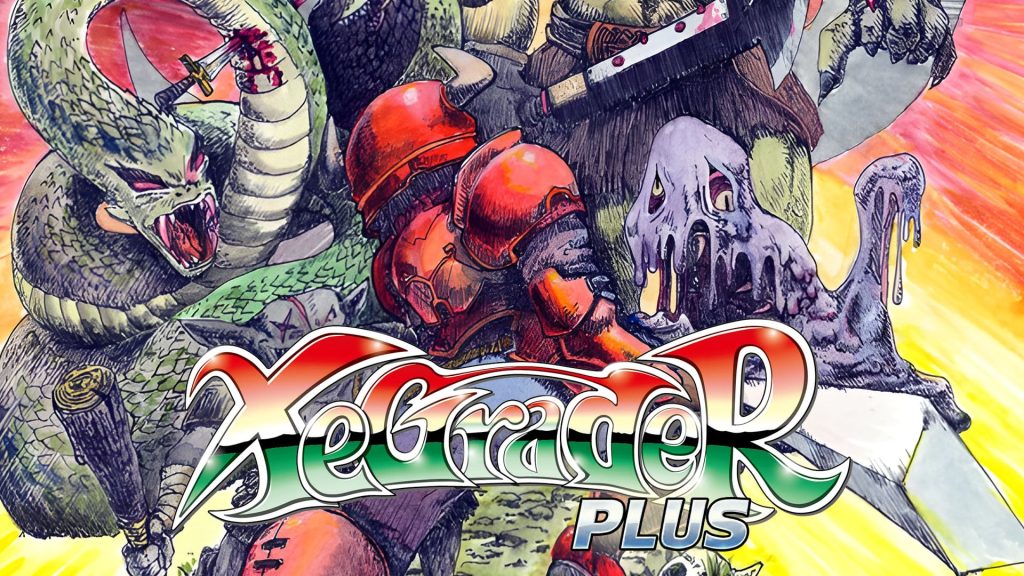
XeGrader Plus delivers colorful retro shooting, but basic mechanics, a short campaign and paid retro modes make its €20 price…

It has been roughly two and a half years since Palworld first entered Early Access, and quite a lot has…
![[EARLY ACCESS] The Last Caretaker – Survival Game I Cannot Stop Playing](https://www.indie-games.eu/wp-content/uploads/2026/07/The-last-Caretaker-Key-Art-1024x587.jpg)
The Last Caretaker is a compelling survival crafter with a flooded world and mobile base, but weak combat and performance…
