![[GAMESCOM 2026] Clive Barker’s Hellraiser: Revival Preview – Ready to Open the Box](https://www.indie-games.eu/wp-content/uploads/2026/09/Clive-Barkers-Hellraiser-Revival-08-30-26-1-1024x576.jpg)
[GAMESCOM 2026] Clive Barker’s Hellraiser: Revival Preview – Ready to Open the Box
Hellraiser: Revival preserves the franchise’s sex, gore and psychological horror while delivering approachable survival-horror gameplay.


If you enjoy independent indie game coverage, consider supporting Indie-Games.eu on Patreon. It helps keep the site independent.
Another roguelike, another deck-builder, another turn-based game trying to carve out its place in the market. It has almost become a personal ritual for me to play games from these genres at the beginning of each month, and while Master of Piece does an excellent job of keeping you hooked for a while, it is still an Early Access title that can become repetitive rather quickly. That said, it is largely saved by a surprisingly deep strategic layer and the unpredictability of what you might obtain during a run, even though enemies and bosses tend to repeat themselves.
One thing is certain: Master of Piece is easy to understand and approachable, but truly mastering it will require time and effort. What starts as a simple deck can quickly spiral into full-on build-crafting and experimentation, all while you try to keep your deck balanced. Each card represents a pawn you can spawn on the battlefield, and there are numerous special effects you can obtain along the way.
These include bookstore upgrades, such as reducing an enemy’s stats to just one, as well as various buildings encountered while traveling the connected map. These locations offer meaningful choices, like executing weaker pawns to thin your deck, gaining relics with unique active or passive bonuses, or adding rumors to your pawns that grant additional passive effects.
As mentioned, pawns begin very weak but can grow stronger fairly quickly. There are several different pawns available, and most of them come with unique abilities, for example, some gain attack power each time they are hit, while others act as healers for your units. The game features two playable characters: a knight and a cleric-like character who relies on a more resource-based playstyle. His units can carry up to three resources, which they consume to activate special abilities. Each character can level up, unlocking new pawns and items along the way, further encouraging experimentation.
One area where Master of Piece struggles is its story, which fades into the background rather quickly. I genuinely found myself wondering why we are fighting these enemies, traveling through different biomes, or discovering new bosses. Fortunately, combat takes center stage, and it works well enough that the lack of narrative motivation doesn’t hurt the experience too much.

Combat is turn-based, and each pawn has several stats, including attack, health, and speed. Speed determines who attacks first, and if two units have the same value, a dice roll decides the outcome, something that can be crucial if it means your unit dies before it gets a turn. Pawns can move to adjacent grid tiles, though this costs action points. Spawning a pawn requires two action points, while playing cards themselves is generally free. Overall, the system feels reasonably well-balanced, but I can’t completely shake the feeling that the game leans slightly on RNG.
For example, during my first run I nearly completed the game, only losing at the final boss. In following runs, however, some area bosses felt nearly impossible, and certain regular encounters allowed enemies to endlessly spawn units while I was quickly overwhelmed. These moments can feel frustrating and unfair, and they highlight some of the rough edges that still need polishing during Early Access.
On the other hand, Master of Piece relies heavily on its strategic depth to keep you engaged and it succeeds. There are countless ways to approach each battle, and the game even allows you to reset the combat entirely if you feel a loss is inevitable. The game actively encourages experimentation, letting you learn how you want to approach combat without harshly punishing you for trying something that doesn’t work out.
It’s also worth mentioning that each new area or biome not only introduces new enemy types, but also brings unique buildings that grant different bonuses and strategic options. Elite battles appear along the way before the main boss encounters, and the experience genuinely never gets boring, especially since the final boss in each run is significantly more challenging. Overall, the game scales its difficulty well, gradually introducing stronger enemies in a way that feels natural.

Outside of combat, resources gained from failed expeditions can be used to construct facilities at the Outpost. These buildings provide permanent upgrades, such as additional usable items, stronger mercenaries, and other meaningful advantages for future runs. There is also The Archive, which contains stories about the world of Master of Piece that commanders can uncover throughout their journey.
Through it, you learn why expedition leaders gathered mercenaries, gain insight into the various factions you encounter, and discover deeper lore behind buildings and card events. The Hall of Fame, while not directly affecting gameplay, rewards completed achievements with Steam achievements and unlockable decorations displayed in the Outpost.
In the end, I can confidently say that I had a great time playing Master of Piece. While it isn’t perfect and can become repetitive over time, it has a certain charm that consistently pulls you back in, whether through its deep, turn-based strategy systems or its striking and unique visual style. The game is still in Early Access and will undoubtedly expand further, but even in its current state, it is well worth your time. With relatively short runs, it hits a satisfying niche that makes it very easy to jump in for “just one more run.”
Review copy provided by the publisher
Hellraiser: Revival preserves the franchise’s sex, gore and psychological horror while delivering approachable survival-horror gameplay.

Swan Song creates a peaceful and forgiving puzzle space without removing the challenge that makes solving a difficult puzzle rewarding.
Mortal Shell II starts brilliantly but grows repetitive and exhausting, while remaining a rewarding and ambitious Soulslike sequel.
![[GAMESCOM 2026] Terranigma Preview – A Lost SNES Classic Returns in 2027](https://www.indie-games.eu/wp-content/uploads/2026/08/Terranigma-1-1024x576.jpg)
After more than three decades of limited availability, Terranigma is returning in 2027. We played its enhanced re-release at Gamescom…

Reading another person’s mind is often presented as a desirable superpower, but Sister Other Paranoia immediately understands why it could…
Forsaken Realms: Vahrin’s Call is exactly the kind of ambitious, slightly clumsy fantasy RPG that used to be far more…
![[Early Access] 2nd EVE – Sci-Fi Action RPG That Lacks a Sense of Stakes](https://www.indie-games.eu/wp-content/uploads/2026/08/2ND-EVE-1024x576.jpg)
2nd Eve is a space-set action RPG in which we strive to save humanity.
![[PREVIEW] Dreamcards – Strategic Exploration of Consciousness](https://www.indie-games.eu/wp-content/uploads/2026/08/Dreamcards_20260810_233631_0000-1024x576.jpg)
Dreamcards is a roguelike deckbuilder centered around dreams and nightmares.
![[Early Access] OFFBEAT – Incredibly Fun Way to Start a Music Career](https://www.indie-games.eu/wp-content/uploads/2026/08/Offbeat_20260808_201446_0000-1024x576.jpg)
In OFFBEAT, we play the role of a jobbing composer who is launching their music career.
HellSlave II retains the original’s oppressive atmosphere, morally grey world and striking art while adding a larger world, randomized loot…
Beast of Reincarnation is an ambitious but uneven action RPG elevated by satisfying parry combat, beautiful art direction and the…

K-pop Idol Stories: Road to Debut captures the pressure of building idol group, but its management systems never explore that…
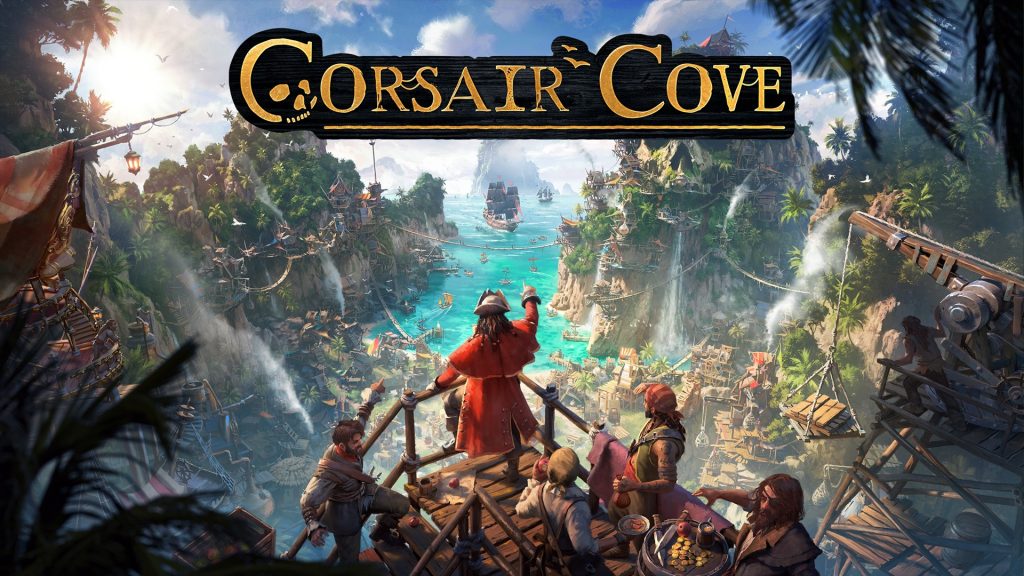
Hooded Horse keeps finding strategy games that know their audience, and Corsair Cove extends its impressive run of excellent city-builders.

Teeto is a warm, cozy, creative and highly enjoyable 3D platformer that understands why classic collectathons remain so appealing.

Turnip Mountain stands out for its combination of a unique control system and a minimalist approach.
Dystopicon is an imaginative and memorable narrative experiment with sharp social commentary, engaging world-building and several wonderfully absurd scenarios.

Maneki Mania is an incremental game centered around petting a lucky cat.
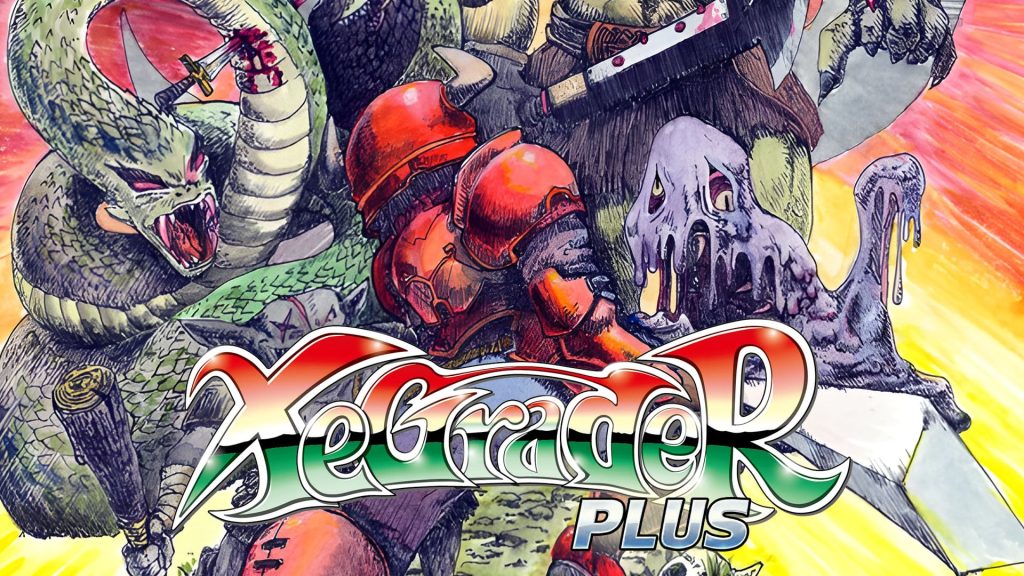
XeGrader Plus delivers colorful retro shooting, but basic mechanics, a short campaign and paid retro modes make its €20 price…
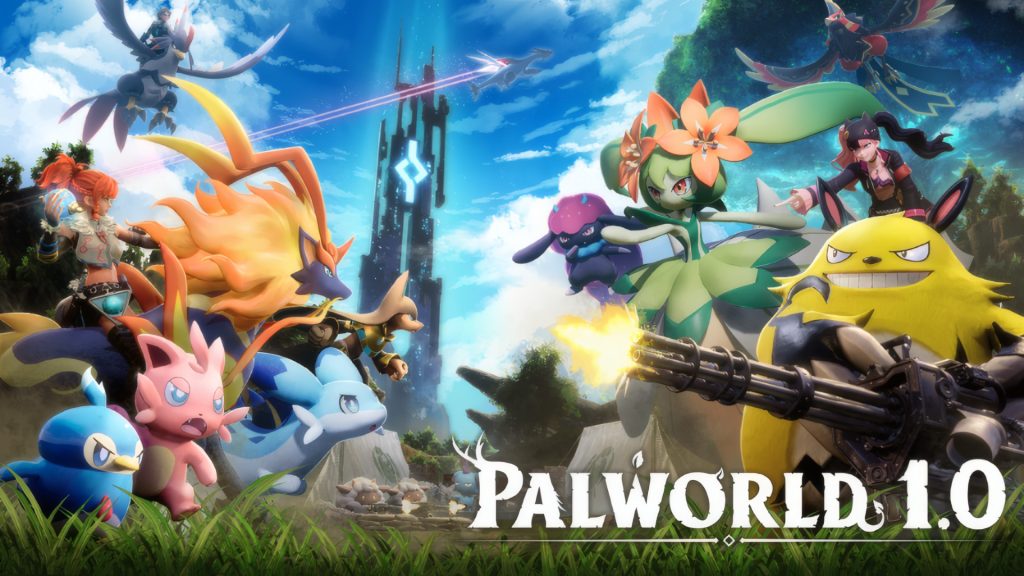
It has been roughly two and a half years since Palworld first entered Early Access, and quite a lot has…
![[EARLY ACCESS] The Last Caretaker – Survival Game I Cannot Stop Playing](https://www.indie-games.eu/wp-content/uploads/2026/07/The-last-Caretaker-Key-Art-1024x587.jpg)
The Last Caretaker is a compelling survival crafter with a flooded world and mobile base, but weak combat and performance…
