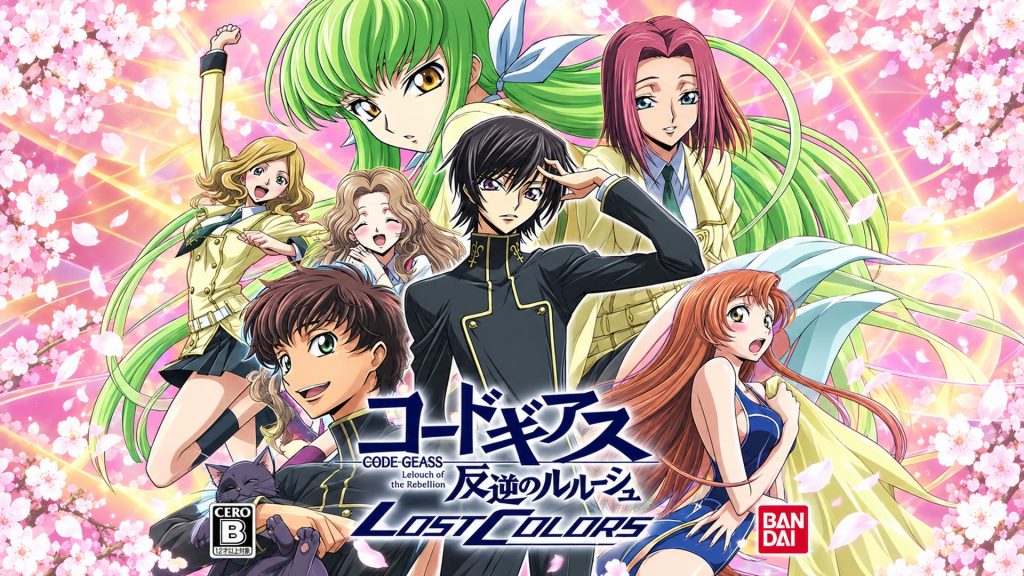
A Japan-Only Code Geass PS2 Game Finally Has a Complete English Patch
Code Geass: Lost Colors now has a complete fan-made English patch for PS2, including the platform-exclusive Blue Moon route.


If you enjoy independent indie game coverage, consider supporting Indie-Games.eu on Patreon. It helps keep the site independent.
Long before the PlayStation’s iconic DualShock became the standard for console controllers, Sony experimented with a bold and short-lived design that quietly helped define how millions of players would eventually experience 3D games. The Dual Analog controller, Sony’s first dual-stick gamepad for the original PlayStation, arrived in the late 1990s during a crucial transition period for the industry, when developers and players were still learning how to navigate fully three-dimensional worlds. Though it remained on shelves for less than a year, its influence continues to shape modern gaming.
The Dual Analog was first revealed to the public at the PlayStation Expo in late 1996, displayed under glass as a glimpse of Sony’s future. At a time when most console games were still designed around digital directional pads, the idea of controlling movement with two analog sticks felt revolutionary. Sony officially launched the controller in Japan on April 25, 1997, bundling it with titles such as Tobal 2 and Bushido Blade to demonstrate how precise analog movement could enhance combat and exploration in emerging 3D environments.
The controller reached North America in August 1997 and Europe shortly afterward, but its arrival was subdued. Without major marketing fanfare, the Dual Analog struggled to stand out in a market that was still dominated by traditional digital controllers. By mid-1998, it had been discontinued worldwide, giving it a surprisingly brief production life of less than twelve months.
Despite its short run, the Dual Analog represented a major technological leap. It evolved from Sony’s earlier single-stick Analog Joystick by adding a second thumbstick, laying the foundation for the control scheme that would later become universal. A raised “Analog” button between the sticks allowed players to toggle between three modes: standard digital input, full analog control, and a special flightstick mode that emulated Sony’s dedicated joystick. This flexibility was designed to ease players into analog gaming while supporting a wide range of genres.
Physically, the controller looked and felt different from anything Sony had released before. It featured longer grips for improved handling, a wider body, and concave plastic analog caps that lacked the rubber coating familiar today. The shoulder buttons were spaced farther apart and given ridged textures to make them easier to distinguish during fast-paced gameplay. While some players appreciated the sturdier feel, others found the design bulky and awkward.

Game support, especially in the early months, was limited. A handful of titles made good use of the new analog inputs, including Gran Turismo, Need for Speed II, Descent Maximum, and Colony Wars. Fighting games like Bushido Blade also benefited from more precise movement. However, many developers were still learning how to design around dual analog controls, and several games failed to take full advantage of the hardware, weakening its appeal.
One of the most controversial aspects of the Dual Analog in Western markets was its lack of vibration feedback. While Japanese models included rumble motors, the U.S. and European versions were shipped without them, despite having internal mounts and wiring in place. Sony cited vague “manufacturing reasons” for the omission, but the real explanation was never fully clarified. Industry observers have long speculated that legal concerns over early haptic patents or competitive tensions with Nintendo played a role. Later lawsuits involving Immersion Corporation and Sony’s DualShock technology suggest that intellectual property issues may indeed have influenced the decision.
Player reactions were mixed. Many criticized the controller’s size, the absence of vibration, and the inconsistent game support. As dissatisfaction grew, Sony moved quickly to redesign the hardware. By late 1997 in Japan and 1998 worldwide, the company introduced the DualShock, a refined successor that addressed nearly every complaint. It featured shorter grips, rubberized convex sticks, a recessed analog button, and built-in rumble. The flight mode was removed in favor of a simpler, more standardized layout.
The DualShock’s success was immediate and lasting. Its design became the template for future PlayStation controllers and heavily influenced competitors across the industry. Today’s gamepads, from Sony, Microsoft, and beyond, still follow the basic structure first established by the Dual Analog and perfected by the DualShock.
More importantly, the controller represents a moment of experimentation that helped push gaming forward. It shows how Sony was willing to take risks at a time when control schemes were still evolving. Without the Dual Analog’s brief and imperfect run, the DualShock and by extension modern console controllers might never have taken their final form.
Code Geass: Lost Colors now has a complete fan-made English patch for PS2, including the platform-exclusive Blue Moon route.
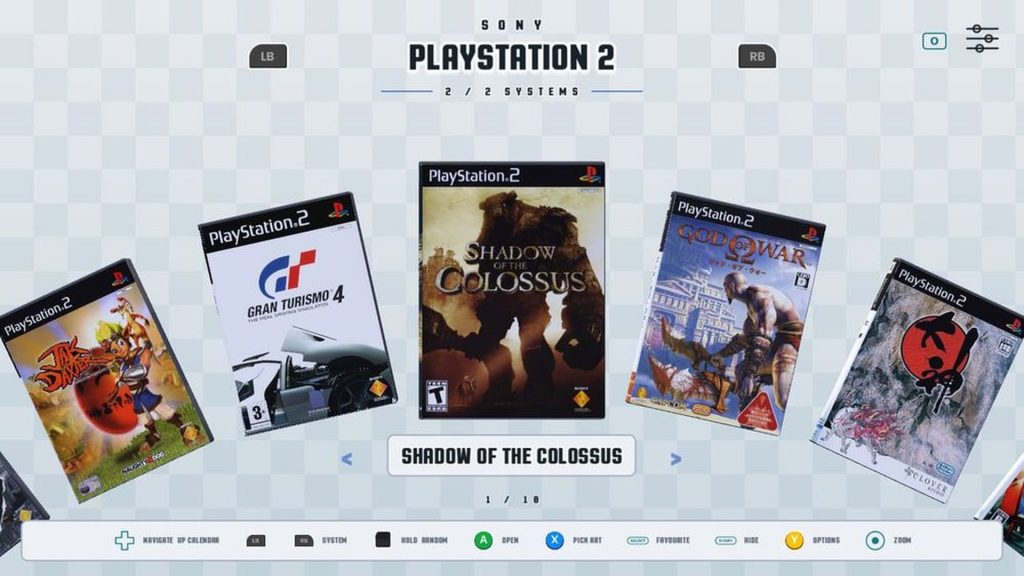
DigiBitPlay presents digital game libraries through interactive 3D boxes, discs, cartridges, consoles and scanned manuals.
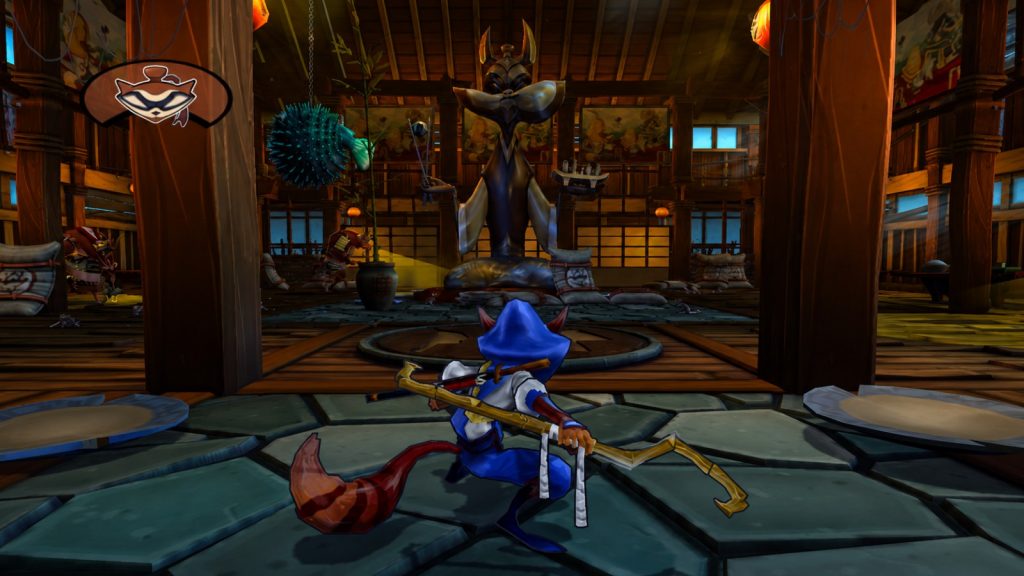
Project Cane shows new Sly Cooper PC footage, but the unofficial native port still needs menus, audio, saving, controls and…
Donkey Kong 64 now runs natively on Windows, Linux and macOS with widescreen, uncapped frame rates, modern controls and optional…
PCSX2 2.8.0 delivers major performance and graphics improvements alongside EyeToy support, interface upgrades and bundled FFmpeg.
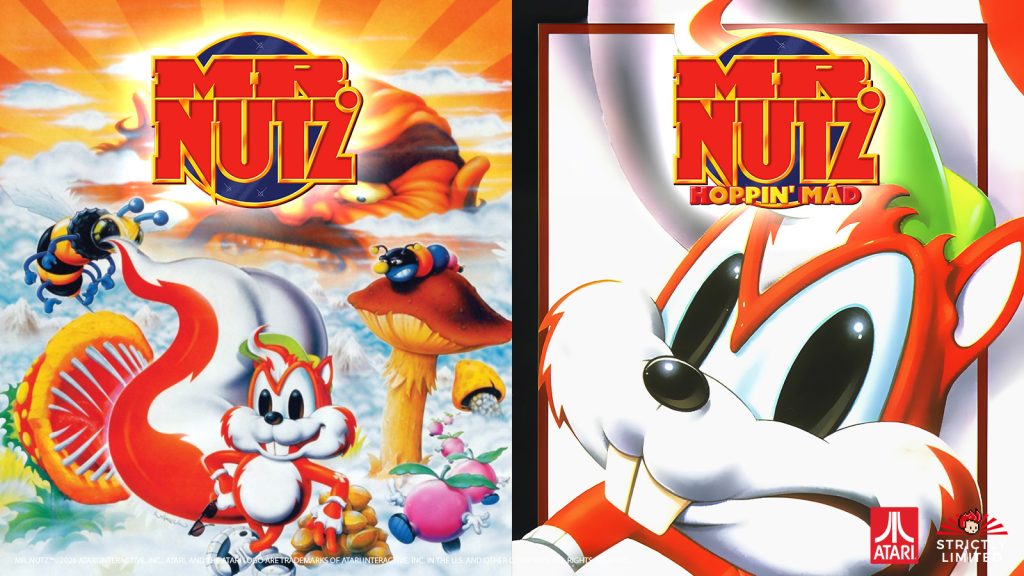
Mr. Nutz and the previously unreleased Mega Drive sequel Hoppin' Mad are receiving new physical cartridges from Strictly Limited Games…
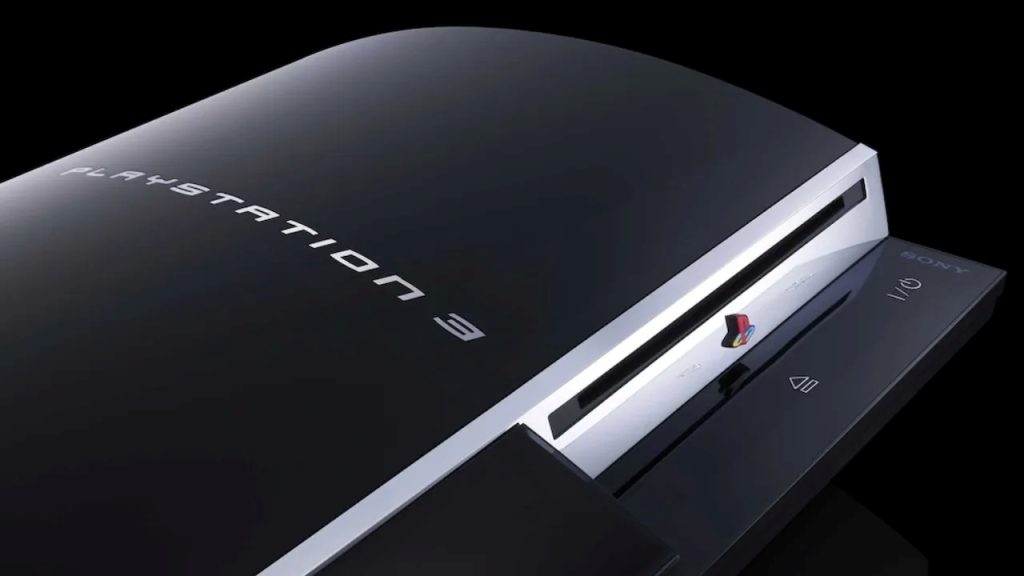
Sony will close the PlayStation 3 Store in July 2027, while RPCS3 fully supports 75% of the console's library, highlighting…
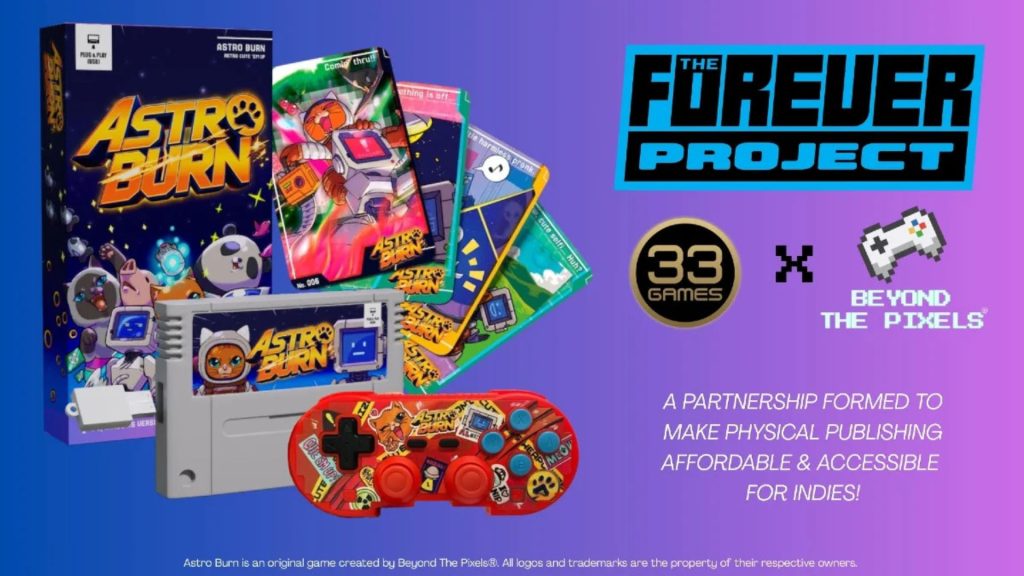
The Forever Project aims to make physical game releases more affordable for indie developers through a partnership between 33 Games…
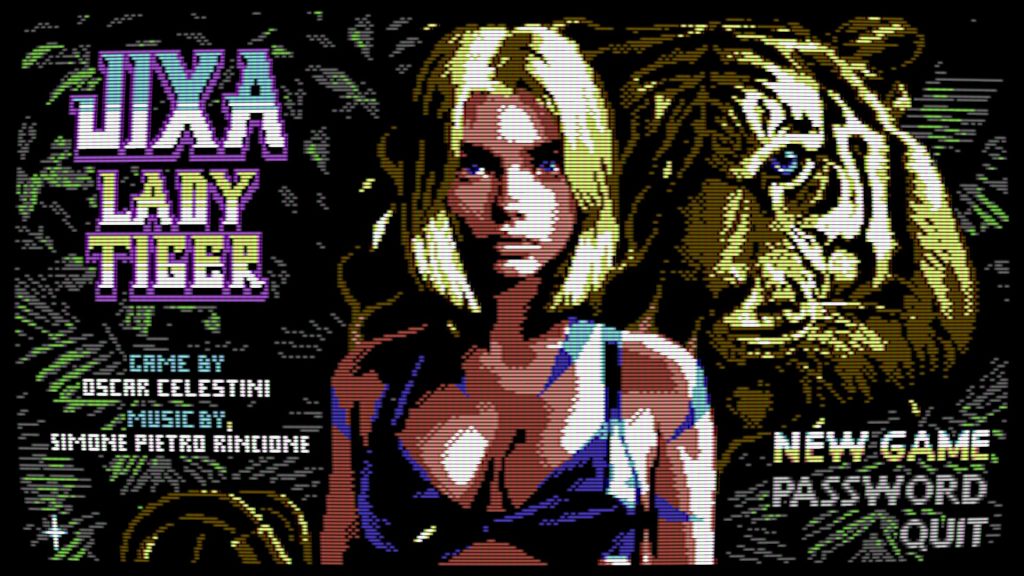
Indie developer Oscar Celestini is expanding his retro-inspired platformer with Jixa Lady Tiger Plus, an enhanced edition that significantly builds…
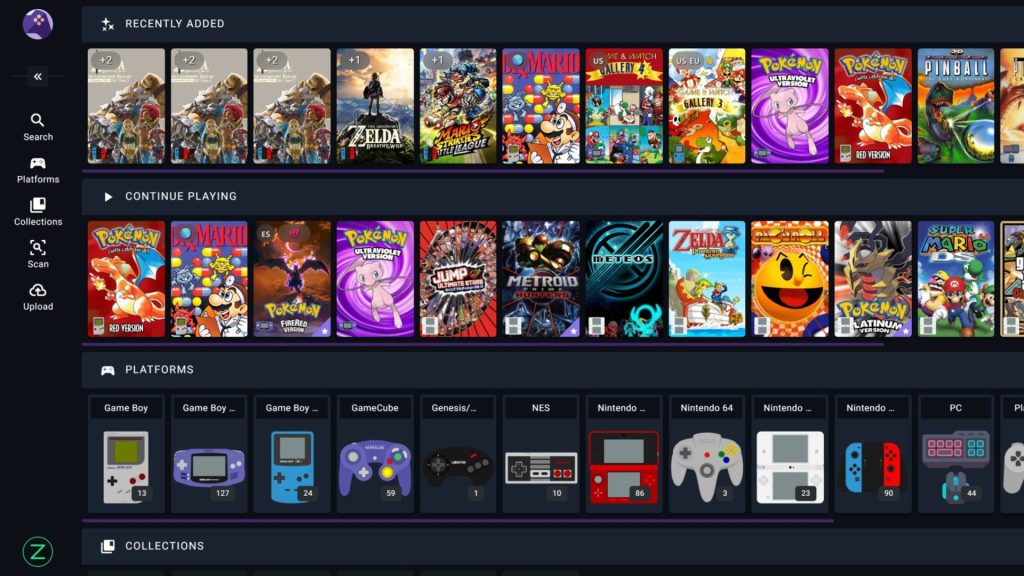
RomM is a free, open-source, self-hosted platform that organizes ROM libraries, fetches metadata, and supports browser-based emulation.
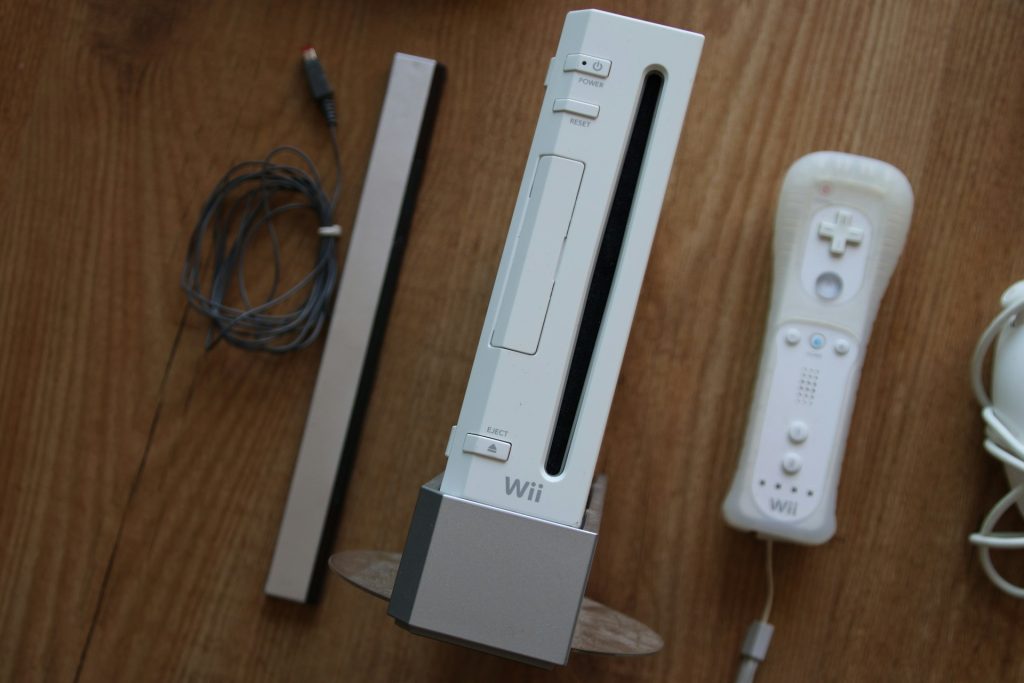
The developers behind Wii64 have released Beta 1.4, marking the Nintendo 64 emulator's first major update in more than five…
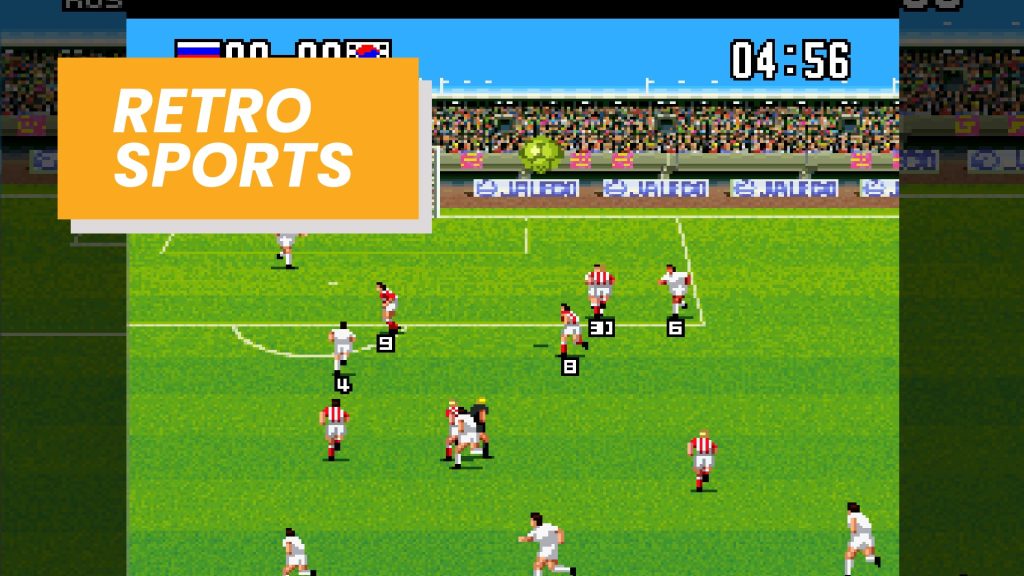
Rock It Games has brought Jaleco Sports: Bases Loaded II and Goal! Two to PC after successful Nintendo Switch and…
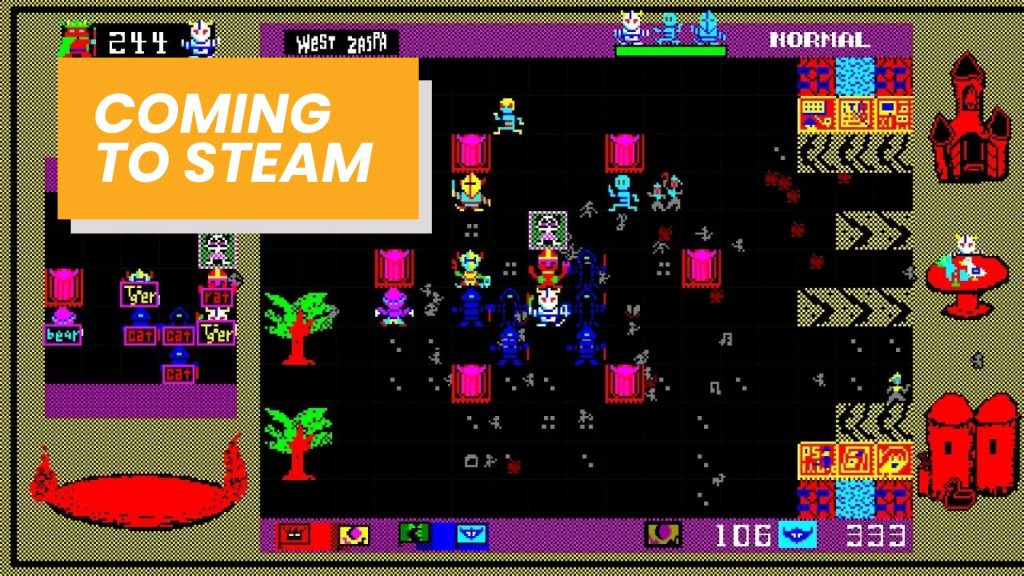
Developer Pygmy Studio has announced that Bokosuka Wars II will launch on PC via Steam in 2026, bringing the tactical…
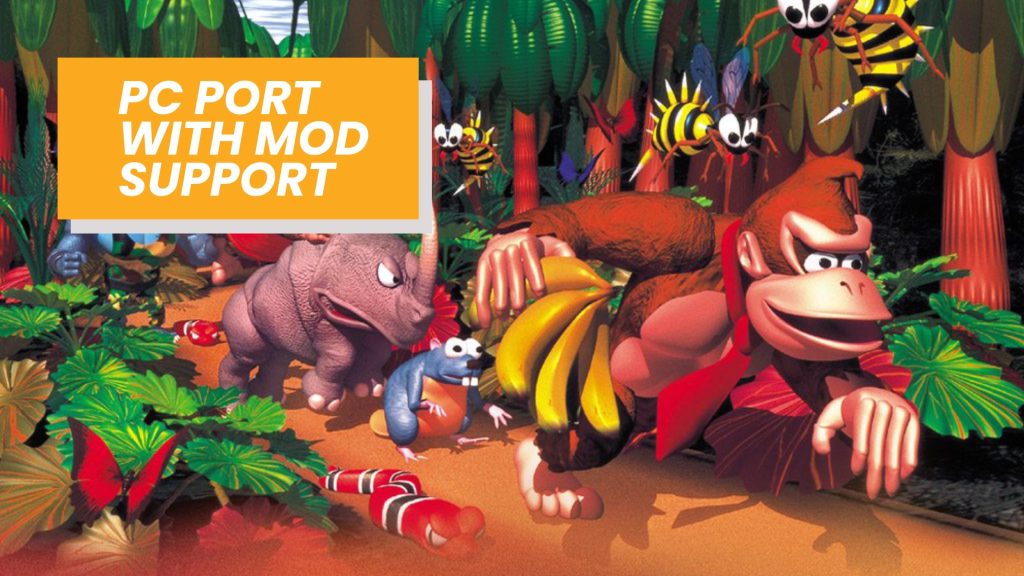
An unofficial native PC port of Donkey Kong 64 is in development, bringing rare's Nintendo 64 classic to modern hardware…
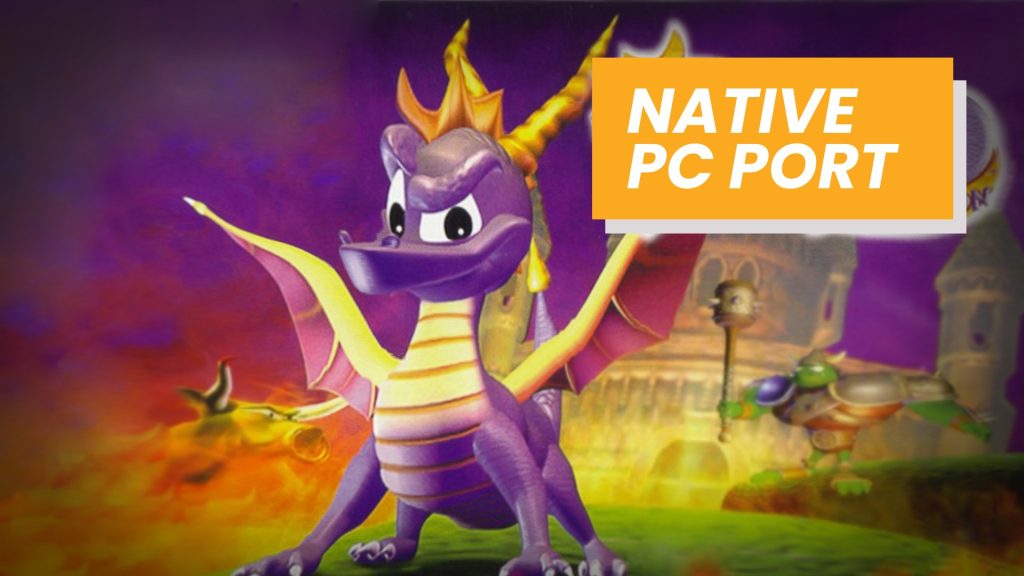
A fan-made native PC port of the original Spyro the Dragon is officially in development, bringing the 1998 PlayStation classic…
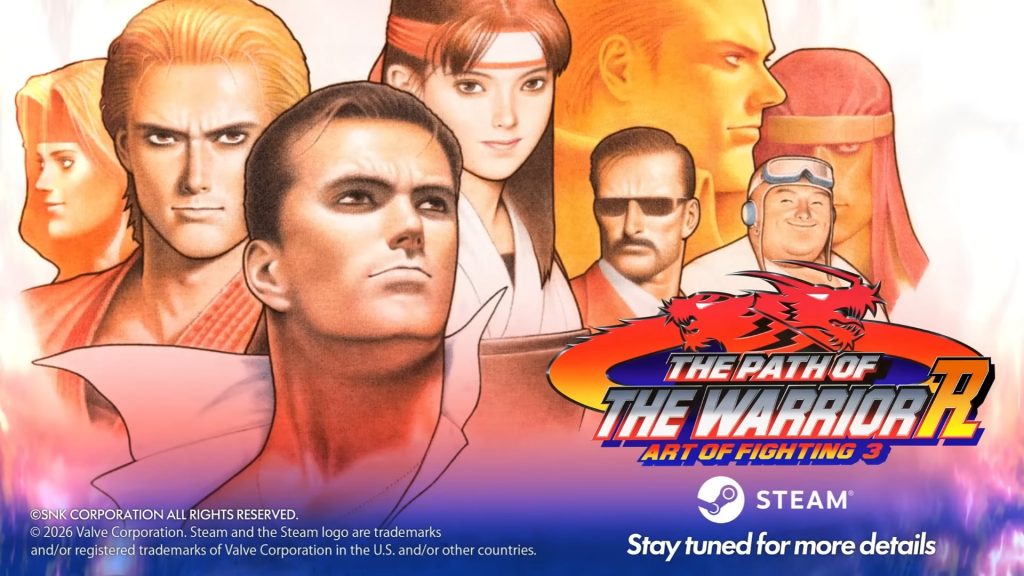
SNK has officially announced The Path of the Warrior: Art of Fighting 3 R, a modernized version of the 1996…
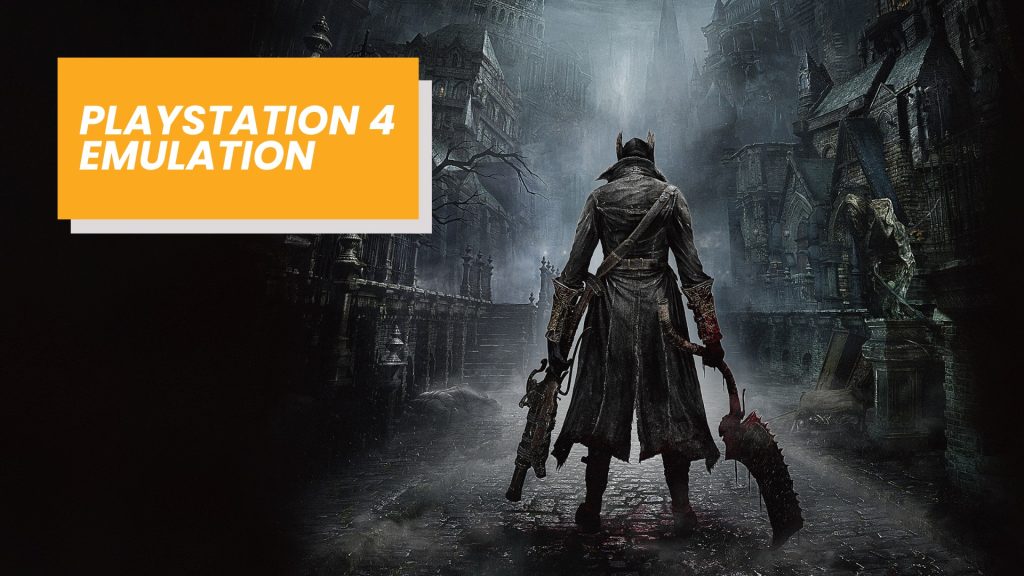
The developers behind ShadPS4 have introduced a major new feature that moves PlayStation 4 emulation closer to a complete experience.
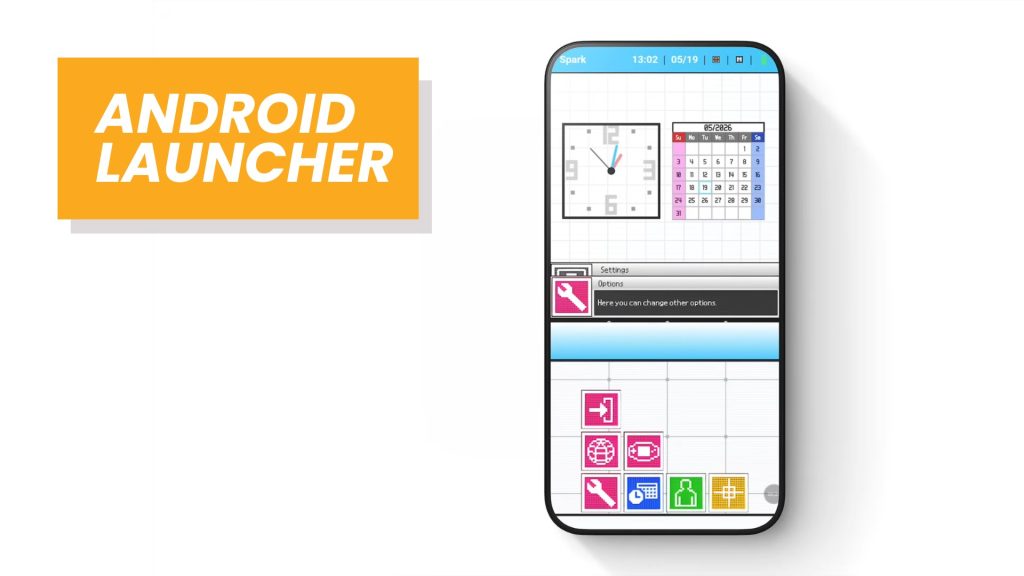
DS & DSi Launcher brings the classic Nintendo DS and DSi interface to Android, giving retro fans a nostalgic way…
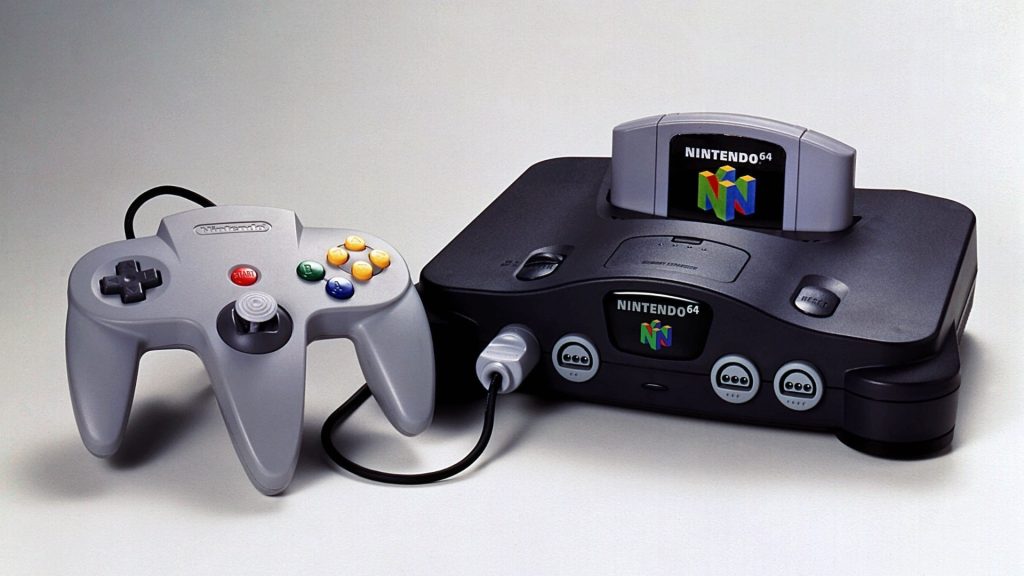
Today marks 30 years since the launch of the Nintendo 64 in Japan, and for many, that's enough to trigger…
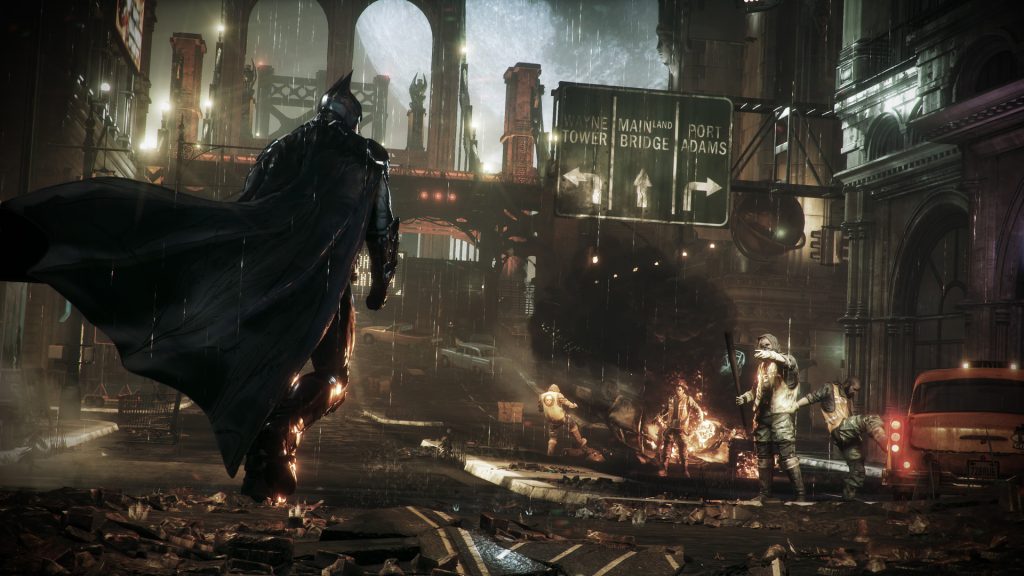
It's hard to believe, but Batman: Arkham Knight is officially 11 years old today. This title was Rocksteady's final chapter…
