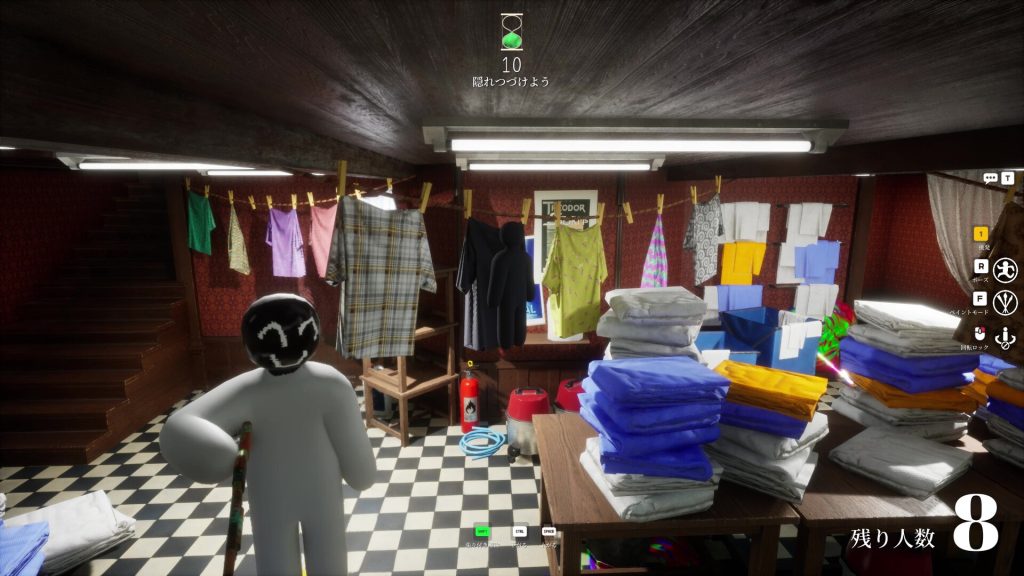
Meccha Chameleon Brings Multiplayer Camouflage to Switch 2
Meccha Chameleon brings its paint-based multiplayer hide-and-seek matches to Nintendo Switch 2 with a temporary $4.79 launch price.


If you enjoy independent indie game coverage, consider supporting Indie-Games.eu on Patreon. It helps keep the site independent.
Which console had the stronger first year, the original Nintendo Switch released in March 2017 or the new Nintendo Switch 2 launched in June 2025? That’s why we’re here to answer that question. The original system has nostalgia on its side and a full year of releases, while the Switch 2 has only been out for six months. But when you look closely at games, third-party support, and performance, one console stands out.
The first Nintendo Switch made an incredible impact right from launch. It arrived with The Legend of Zelda: Breath of the Wild, a game that instantly became a hit. In the months that followed, Nintendo released other major titles such as Super Mario Odyssey, Splatoon 2, and Xenoblade Chronicles 2. Even the smaller releases, like Snipperclips and Fire Emblem Warriors, helped shape the console’s early identity.
The Switch 2, however, has managed to do even more in a much shorter time. It launched with The Legend of Zelda: Tears of the Kingdom, which expanded on the ideas of its predecessor. It also offered a wider range of games early on, including Mario Kart World, Donkey Kong Bonanza, and big exclusives like Hades 2 and Pokémon Legends Z-A. While the original Switch may still hold two of the most beloved games of all time, the Switch 2 has delivered a stronger and more consistent lineup overall.

The biggest difference between the two systems is the huge jump in third-party support. The original Switch had an uneven first year. It received a few big games like Doom 2016 and Skyrim, and indie titles such as Stardew Valley and Sonic Mania were great, but many major releases skipped the platform. This made the system feel limited compared to its competitors.
The Switch 2 changed that entirely. It arrived with full support from major and smaller studios, bringing highly requested games like Cyberpunk 2077, Hollow Knight: Silk Song, Final Fantasy Tactics, Star Wars Outlaws, and Persona 3 Reload within its first months. This strong library puts it on equal ground with Xbox and PlayStation in a way the original Switch never achieved in its early days.
Hardware improvements also play a big role in making the Switch 2 feel like a much better system. The original Switch had performance problems, with some games struggling to run smoothly. Titles such as Pokémon Scarlet and Violet became known for technical issues.
The Switch 2 fixes many of those weaknesses. Games now run at a stable 60 frames per second with clearer visuals, and older Switch titles look and play better on the new hardware. Even games that worked fine before, like Super Mario Odyssey and Splatoon 3, feel smoother thanks to improved performance. The Switch 2 also offers stable 60 fps gameplay in portable mode, something the original system often failed to provide.
Improved performance, a strong library of third-party titles, and significant hardware improvements make this console a clear success. However, the initial first-party release lineup has been underwhelming, and the console seems primarily aimed at consumers who did not own the original Switch.
Although the game releases have not been met with widespread enthusiasm, and despite ongoing criticism regarding Nintendo’s anti-consumer practices, the console remains exceptionally popular, becoming Nintendo’s fastest-selling system to date. Its long-term trajectory has yet to be determined.
Meccha Chameleon brings its paint-based multiplayer hide-and-seek matches to Nintendo Switch 2 with a temporary $4.79 launch price.
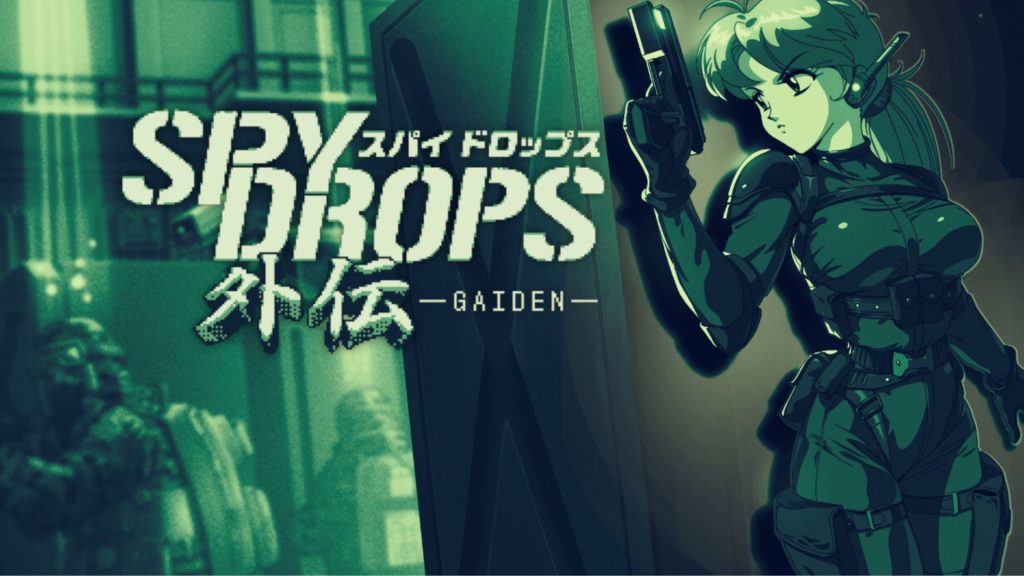
Spy Drops Gaiden brings Game Boy-style stealth, eight covert missions and intel extraction to Steam on October 12 for €4.99.
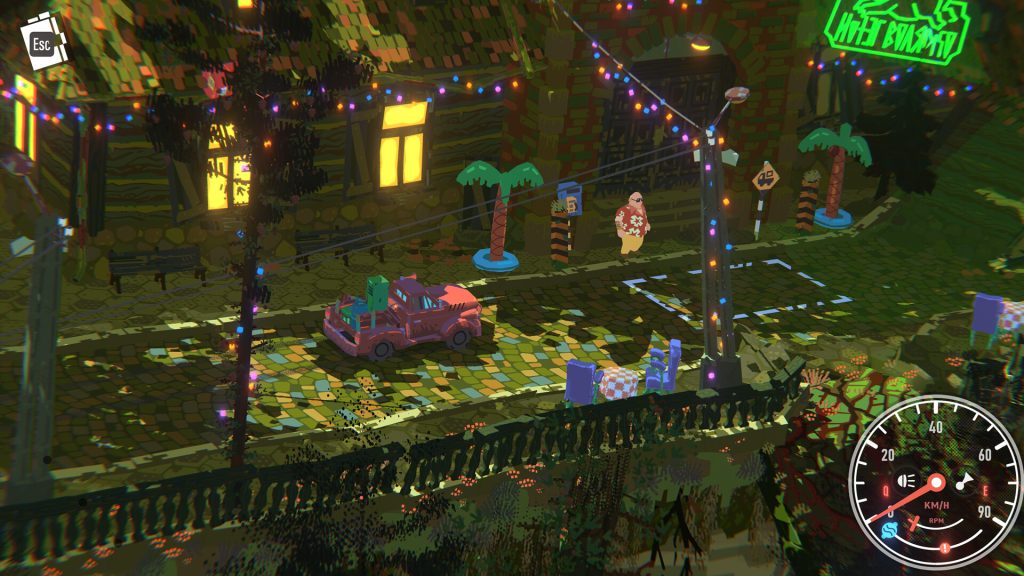
Truckful launches October 9 on Steam and Android, combining physics-based deliveries with vehicle upgrades and a mystery inside an ancient…
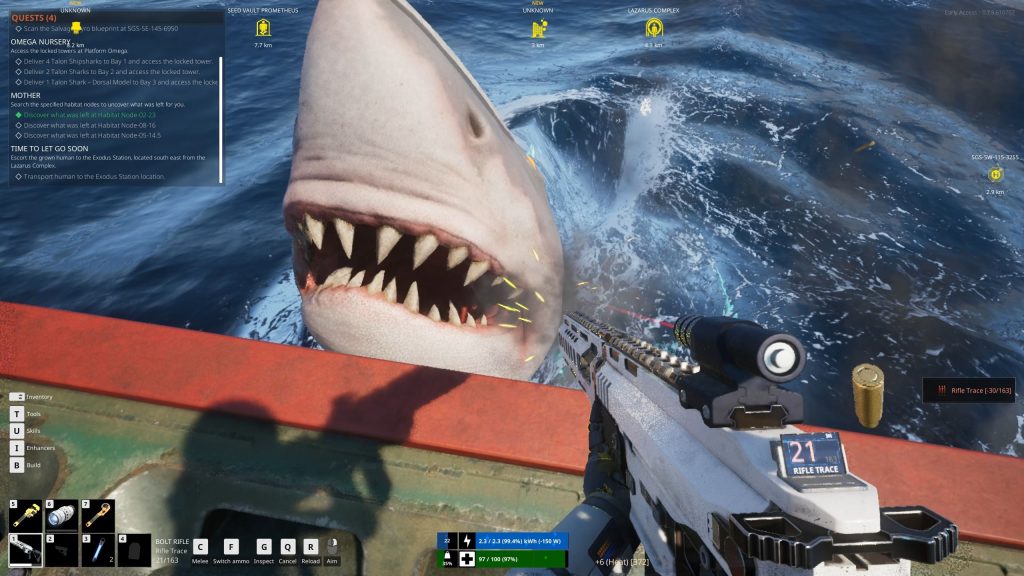
The Last Caretaker reaches version 1.0 in spring 2027 and joins Xbox Game Pass on day one after selling over…
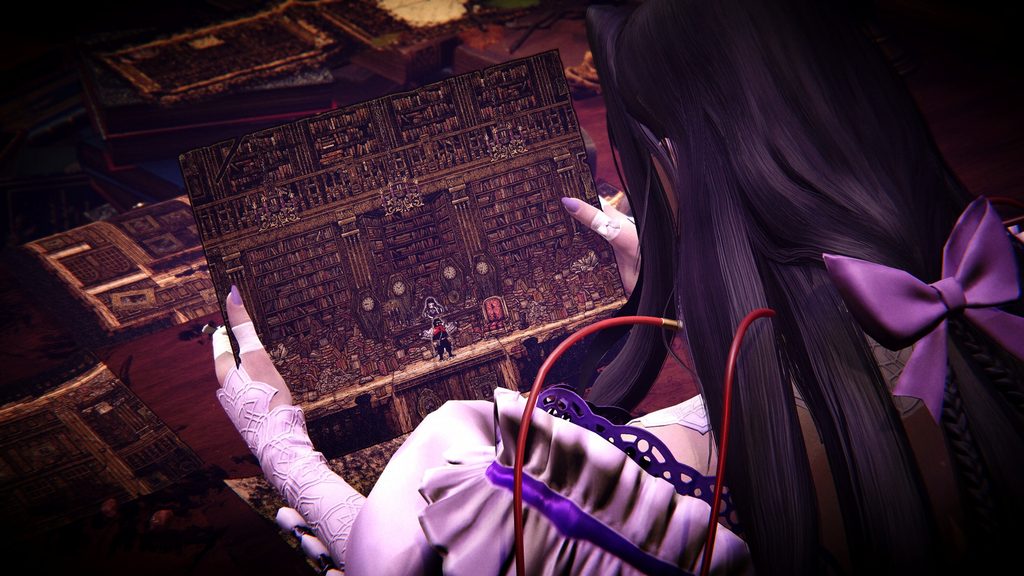
Chronoscript: The Endless End moves to early summer 2027 as DeskWorks! improves combat responsiveness, menus and visual readability.
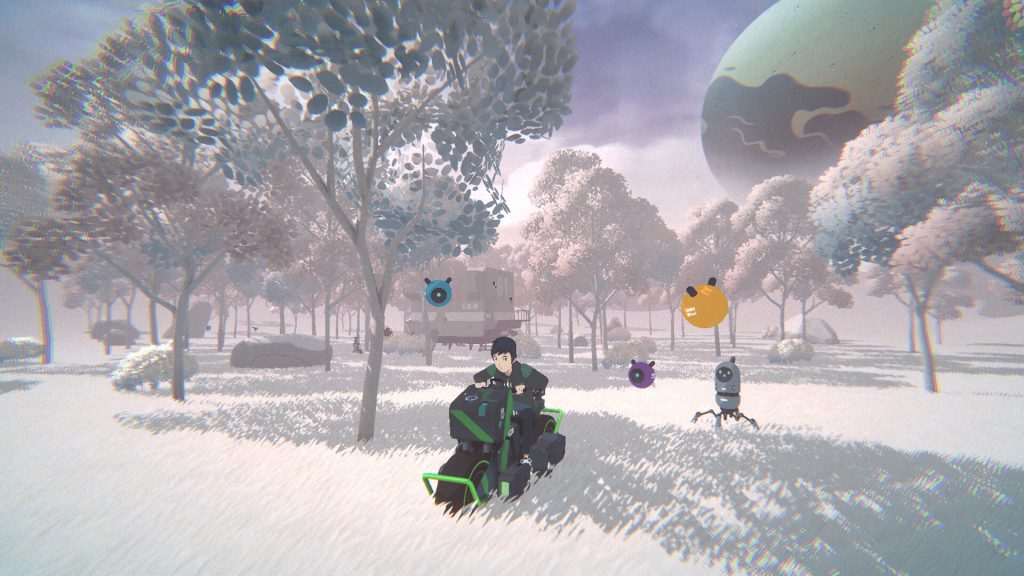
HEIMA is a parallel-world puzzle adventure from former Terra Battle developers, coming to PC in 2028 with SHIFT and HOLD…
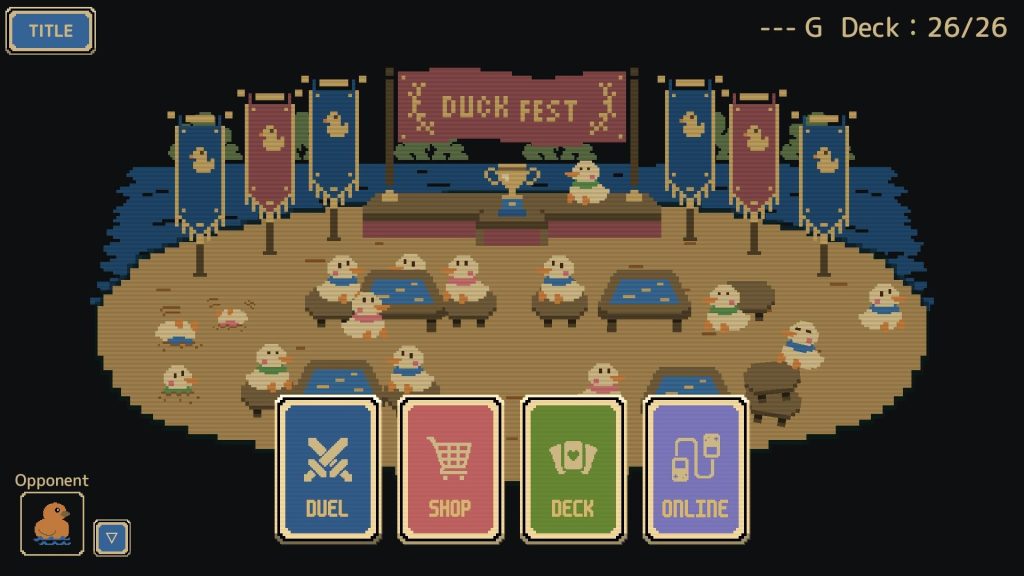
Duck Fest combines deck building and 1v1 battles with collectible cards that players can trade through the Steam Community Market.
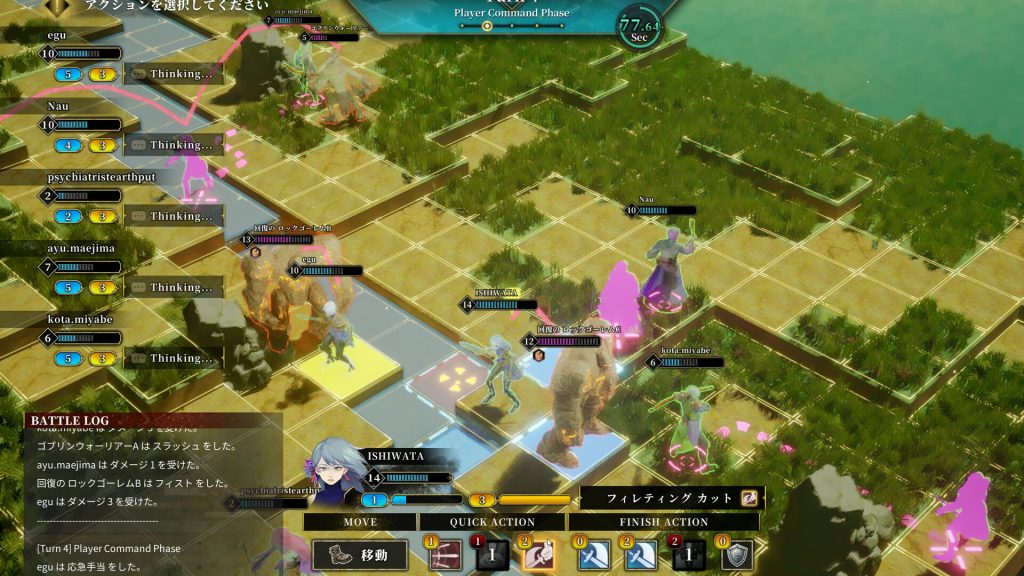
Tactful Tactics is a 1–6-player cooperative RPG where everyone plans and executes their actions simultaneously.
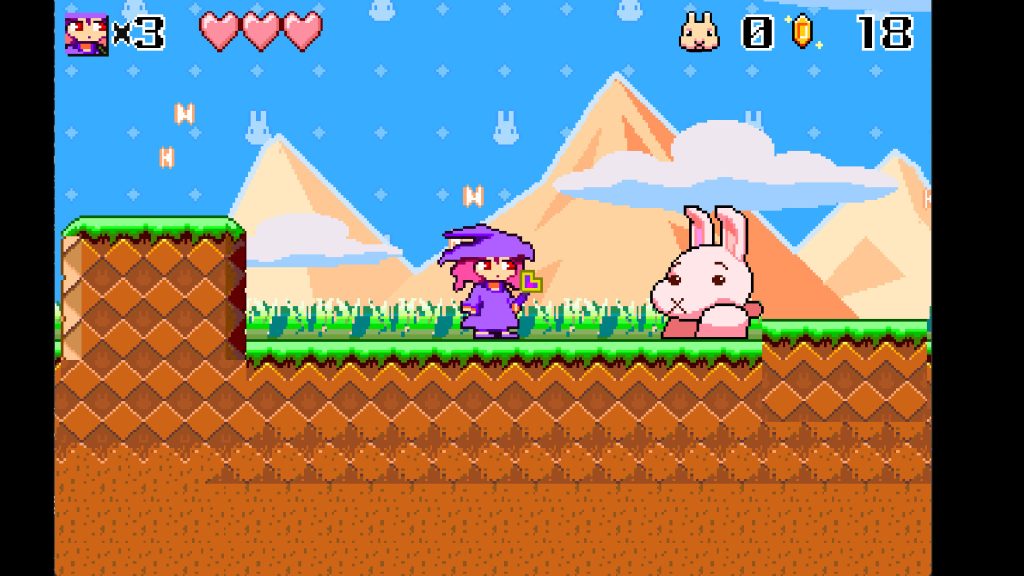
SakuSaku Witch is a retro-inspired 2D platformer about magic, bunny monsters and a suspicious toy company, coming to Steam in…
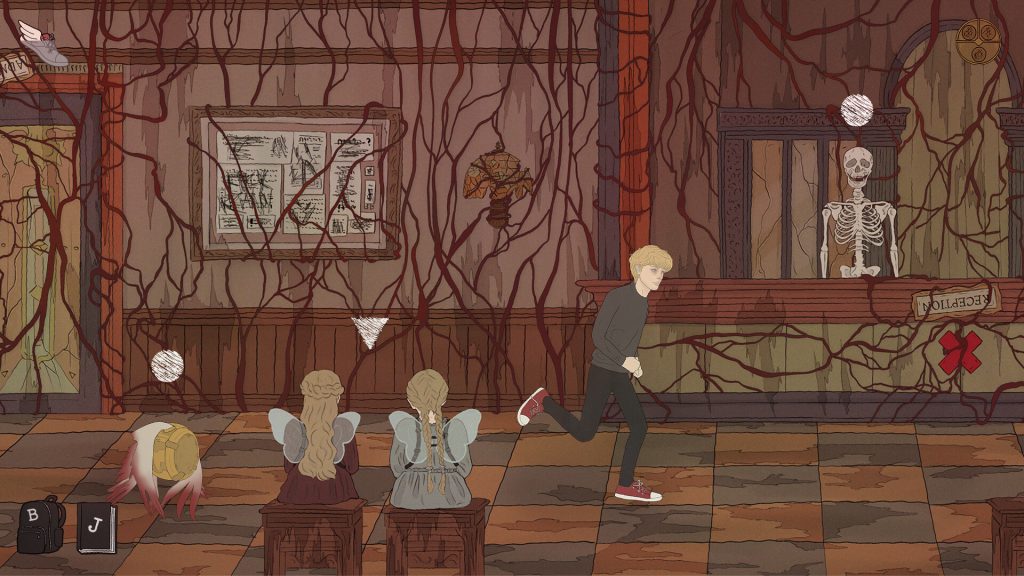
Hand-drawn psychological horror game DEPERSON earns Gamescom and BIC recognition ahead of its planned Q4 2026 Steam release.
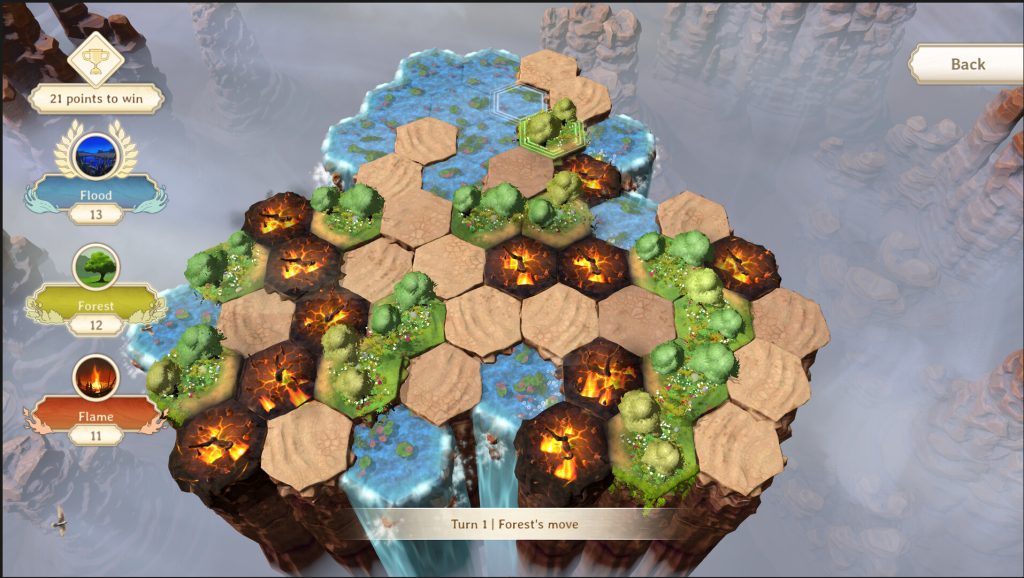
Cozy strategy game Flame, Forest & Flood will challenge GTA VI by deliberately launching on November 19, 2026.
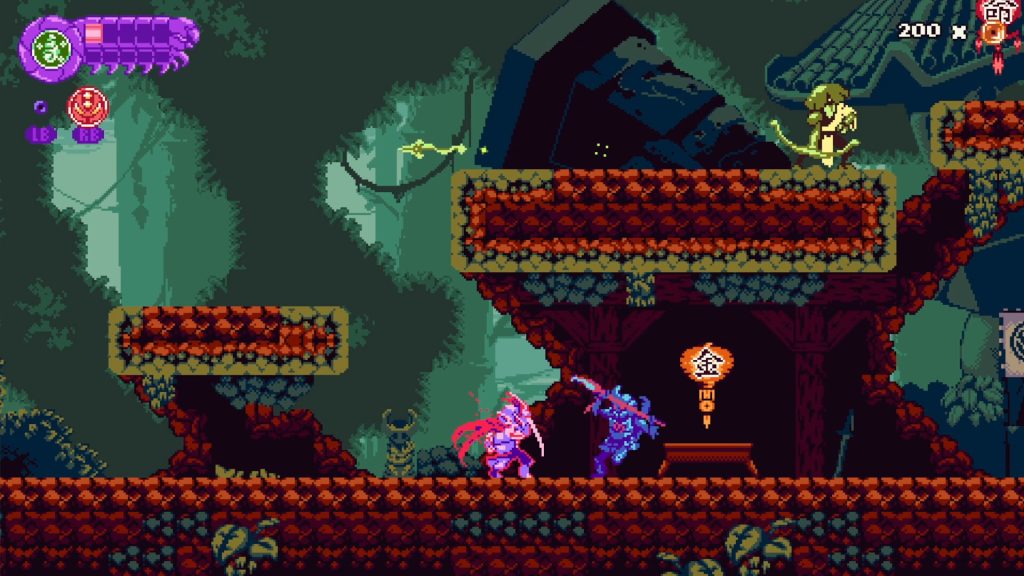
Akupara launches Kallisti Games, a service-first indie label for retro and experimental PC titles, with AOKAKI as its first project.
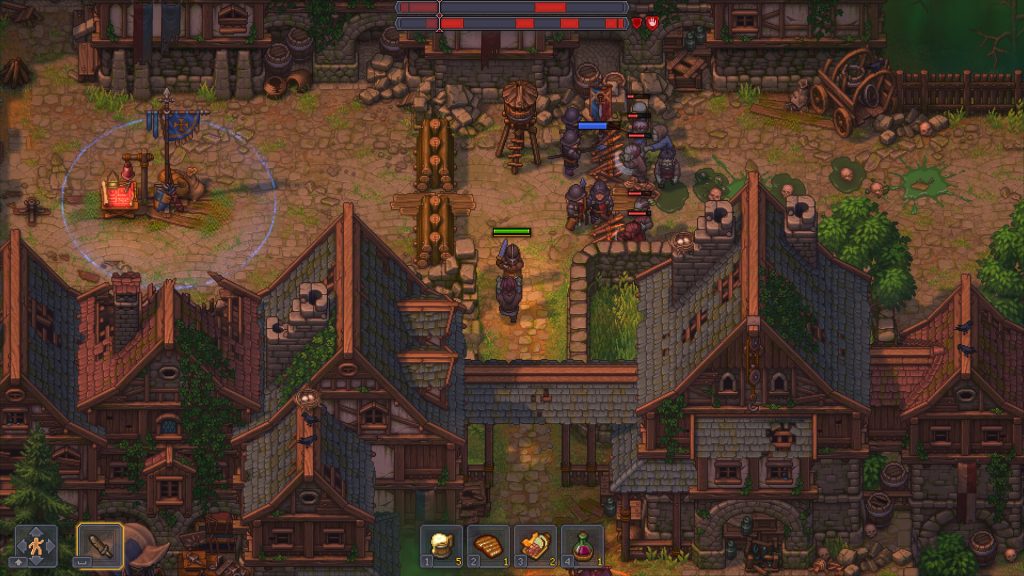
Graveyard Keeper 2 has earned $1.53 million from Steam pre-orders, with 87,500 copies sold and more than 814,000 active wishlists.
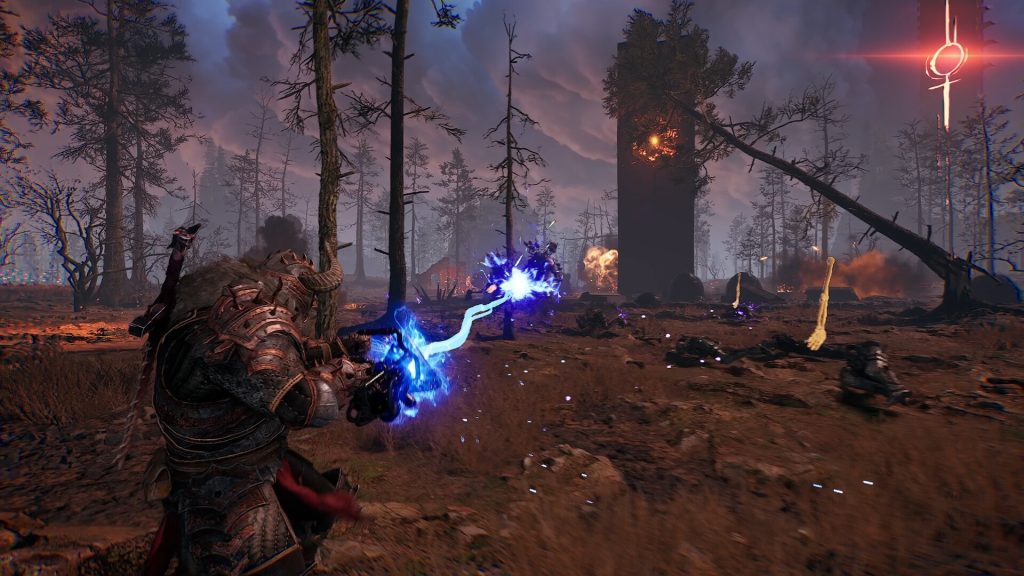
Guardians of the Wall shows chaotic co-op combat, roguelite progression and evolving world events ahead of its planned Q1 2027…
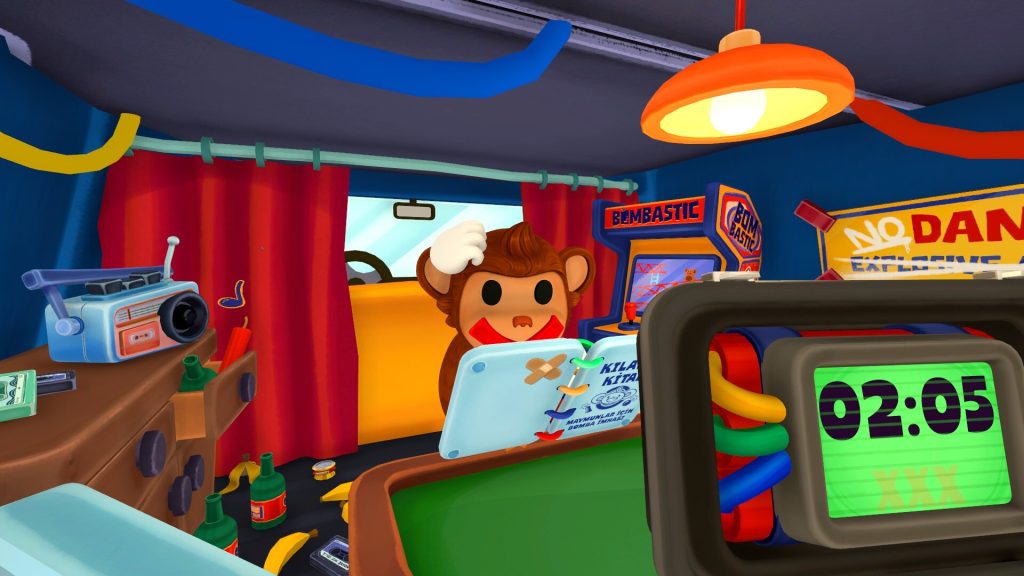
BOMBANANA! reaches 500,000 monkeys five days after launching its chaotic three-player bomb-defusal game on Steam.
Don’t Nod is considering another restructuring, raising concerns that further job cuts could follow as the Life is Strange studio…
One brutal week in August saw 720 games launch on Steam, showing just how difficult it is for indie developers…
PlayStation fans are no longer impressed by quantity alone, with many waiting for major first-party announcements to make State of…
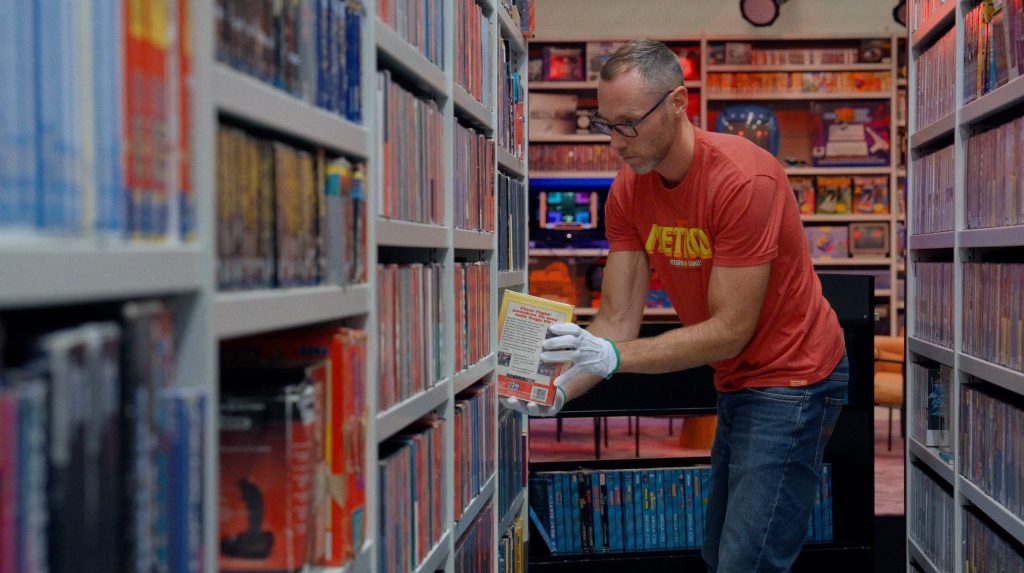
Embracer Games Archive celebrates five years after cataloguing over 90,000 games, consoles, accessories and hardware for preservation.
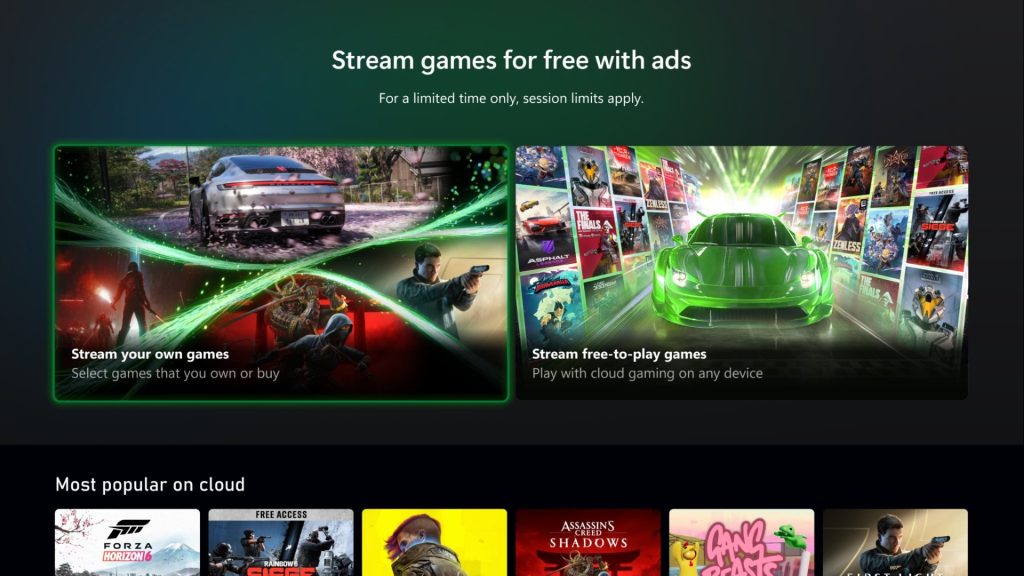
Xbox Cloud Gaming is about to become a lot less unlimited, as Microsoft has announced monthly streaming caps for Game…
